Whitsunday Islands
Whitsunday Islands, Australia
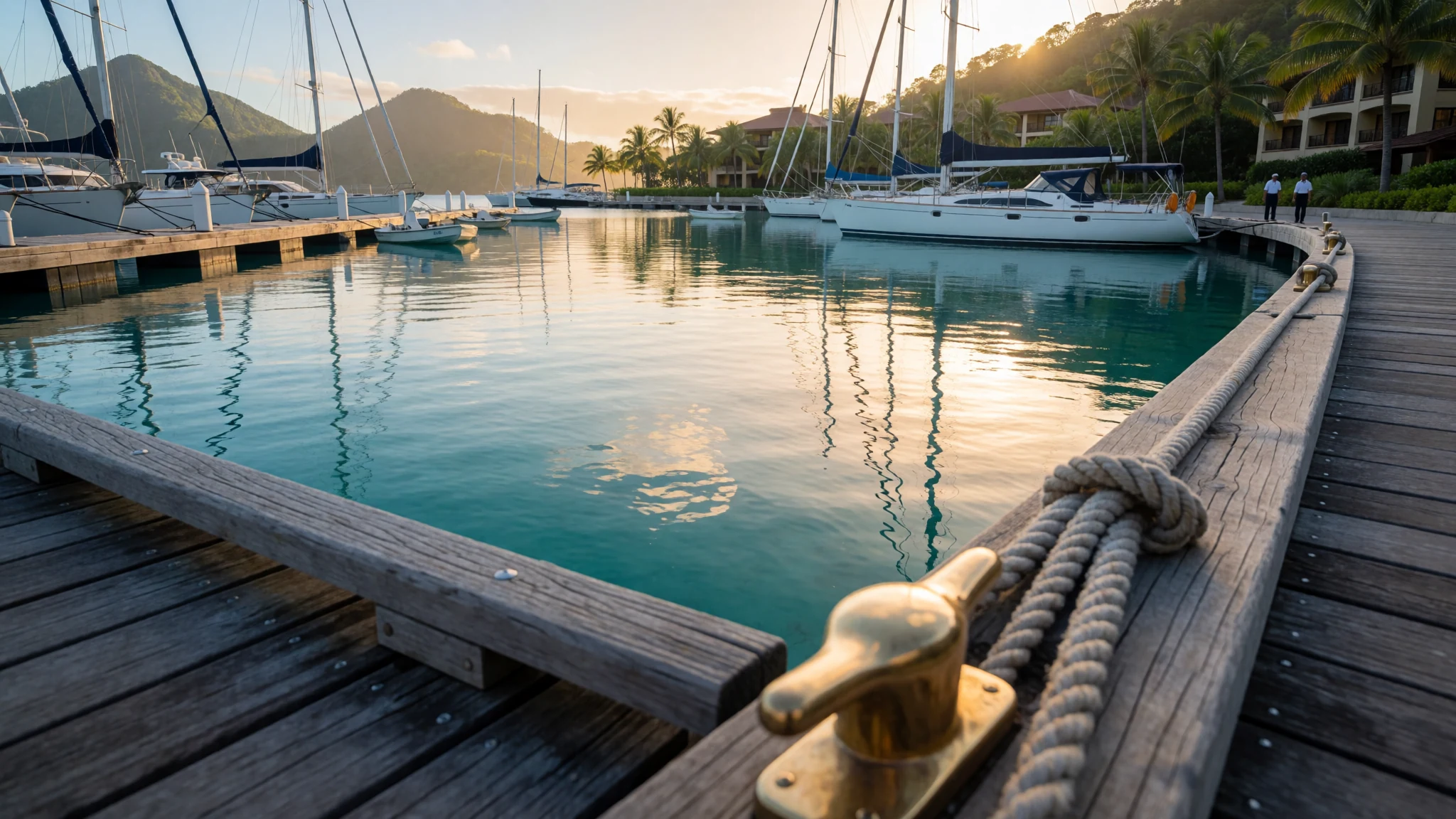
Sail crystal waters, hike forested peaks, and explore the gorgeous coral wonders of the Great Barrier Reef from a vibrant resort island.
The place
Hamilton Island is the largest inhabited island of the Whitsunday Islands in Queensland, Australia, sitting amongst a chain of ancient drowned mountains created as sea levels rose. As the most developed island in the archipelago, it acts as a primary hub for travellers exploring the region. The northern section holds the main resort infrastructure, accommodation complexes, and marina facilities, while the southern half remains untouched natural vegetation and rugged terrain.
The climate is tropical, featuring warm, relatively dry winter months and a hot, rainy summer season. Unlike most neighbouring islands, Hamilton Island possesses its own commercial airport with direct links to major Australian cities, making it remarkably accessible for visitors flying in from afar. The central north-facing Catseye Beach provides a sandy shoreline for swimming, kayaking, and sunbathing, positioned conveniently near the main hotel complexes.
Travellers find a concentrated collection of places to stay, ranging from casual holiday apartments to high-end retreats, alongside restaurants and shops clustered around the marina. While the atmosphere leans towards a managed resort experience rather than an untouched wilderness, the surrounding waters connect directly to one of the planet's most famous marine ecosystems. Visitors can easily arrange boat trips out to the outer reefs, scenic flights over the coral formations, or sailing excursions through the wider island group. The local community is small, maintaining a permanent population that supports the tourism infrastructure while preserving the natural backdrop of forested hills and sweeping coastal vistas.
Its story
Hamilton Island takes its name from a crew member of the survey vessels that mapped the local waters during the nineteenth century. For generations, the land saw little formal development until Keith Williams and Bryan Byrt acquired a grazing lease in the seventies, initiating a major transformation of the northern shore. Williams commenced construction of the harbour and the initial resort complex shortly after, opening the facilities in phases during the early nineteen-eighties.
A devastating fire destroyed the central portion of the resort complex soon after opening, but the owners rebuilt the entire structure within a short span. Over subsequent decades, management changed hands several times through corporate receivership and investment groups, including stints under external operators and winemaking families who chose to reinvest in the local infrastructure rather than sell. The introduction of modern championship sporting facilities and the yacht club cemented the island's status as a major destination for international sailing events.
Beyond resort tourism, the island attracted notable cultural figures, including musician George Harrison, who built a South Pacific-themed residential compound on the island and lived there seasonally for years. A local state school opened in the eighties to support families living and working on the island. Today, the historical footprint reflects a unique transition from remote grazing land into a premier coastal retreat, balancing modern leisure amenities with the enduring ecological character of the Queensland coast.
What to see
- Catseye Beach — Northern resort centre
Catseye Beach on Hamilton Island is a man-made strand facing north, offering calm coastal waters for swimming, paddleboarding, and casual shoreline relaxation right in front of the main resort complexes, making it an accessible spot to unwind under the palms.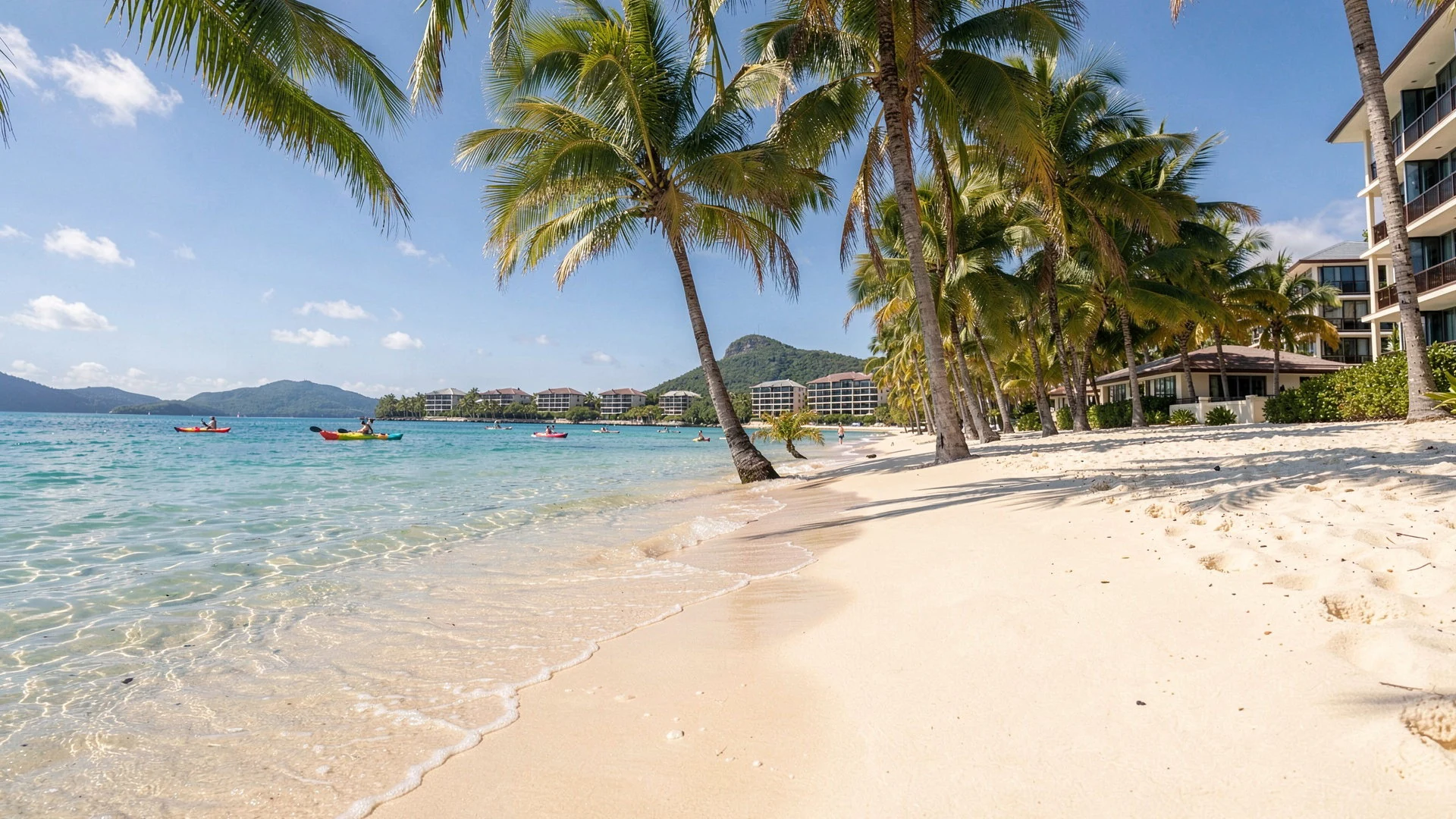
- Passage Peak — Eastern interior
Passage Peak stands as the highest point on Hamilton Island, rewarding energetic walkers who tackle the steep hillside tracks with panoramic views over the surrounding Whitsunday islands, turquoise bays, and distant coral reefs sparkling under the Australian sun.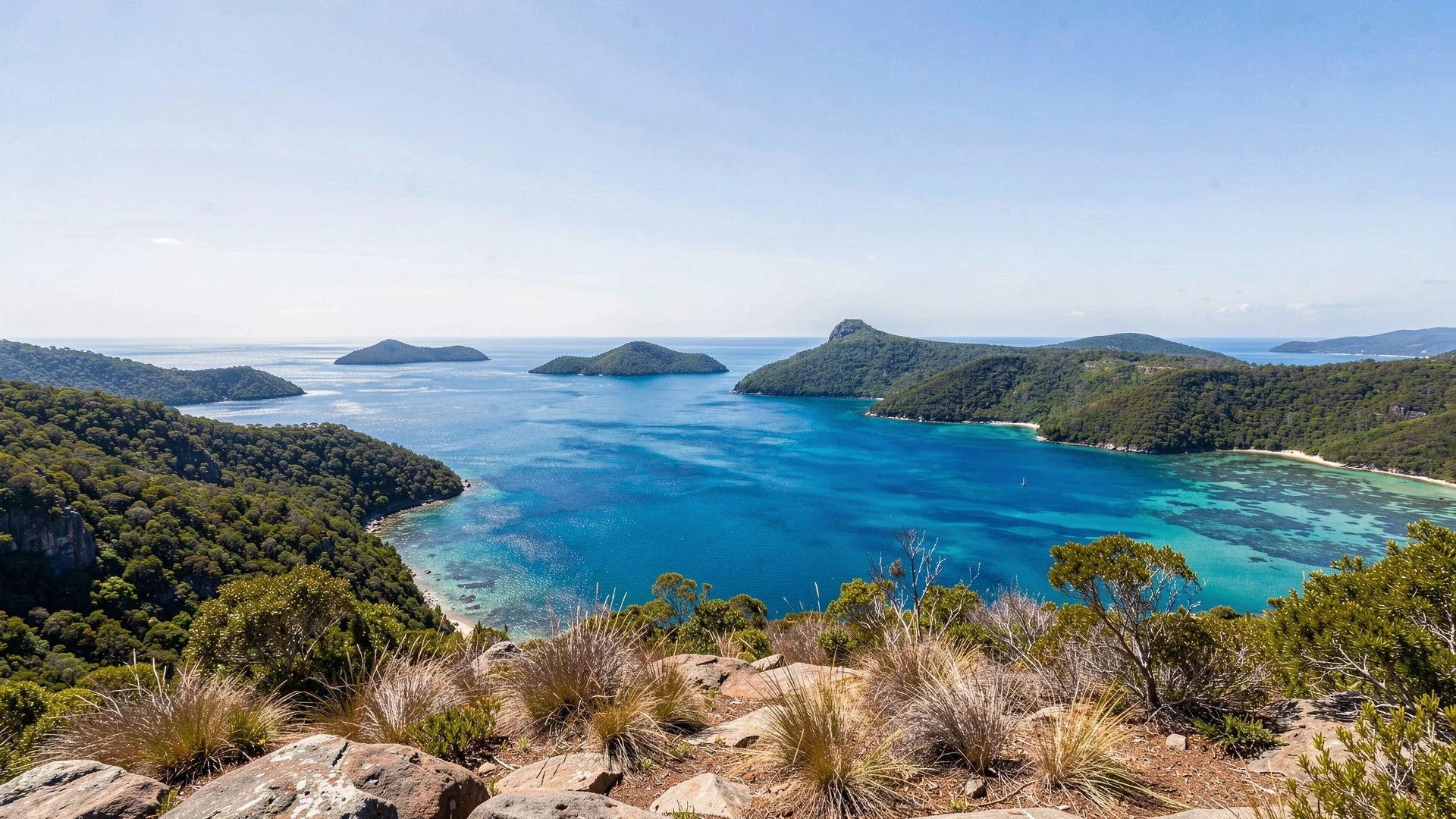
- Hamilton Island Marina — North-western harbour
Hamilton Island Marina serves as the bustling nautical heart of the destination, where sailing yachts, fishing vessels, and tour boats moor alongside waterfront restaurants, cafes, and retail shops, providing a lively gathering point for visitors returning from the sea.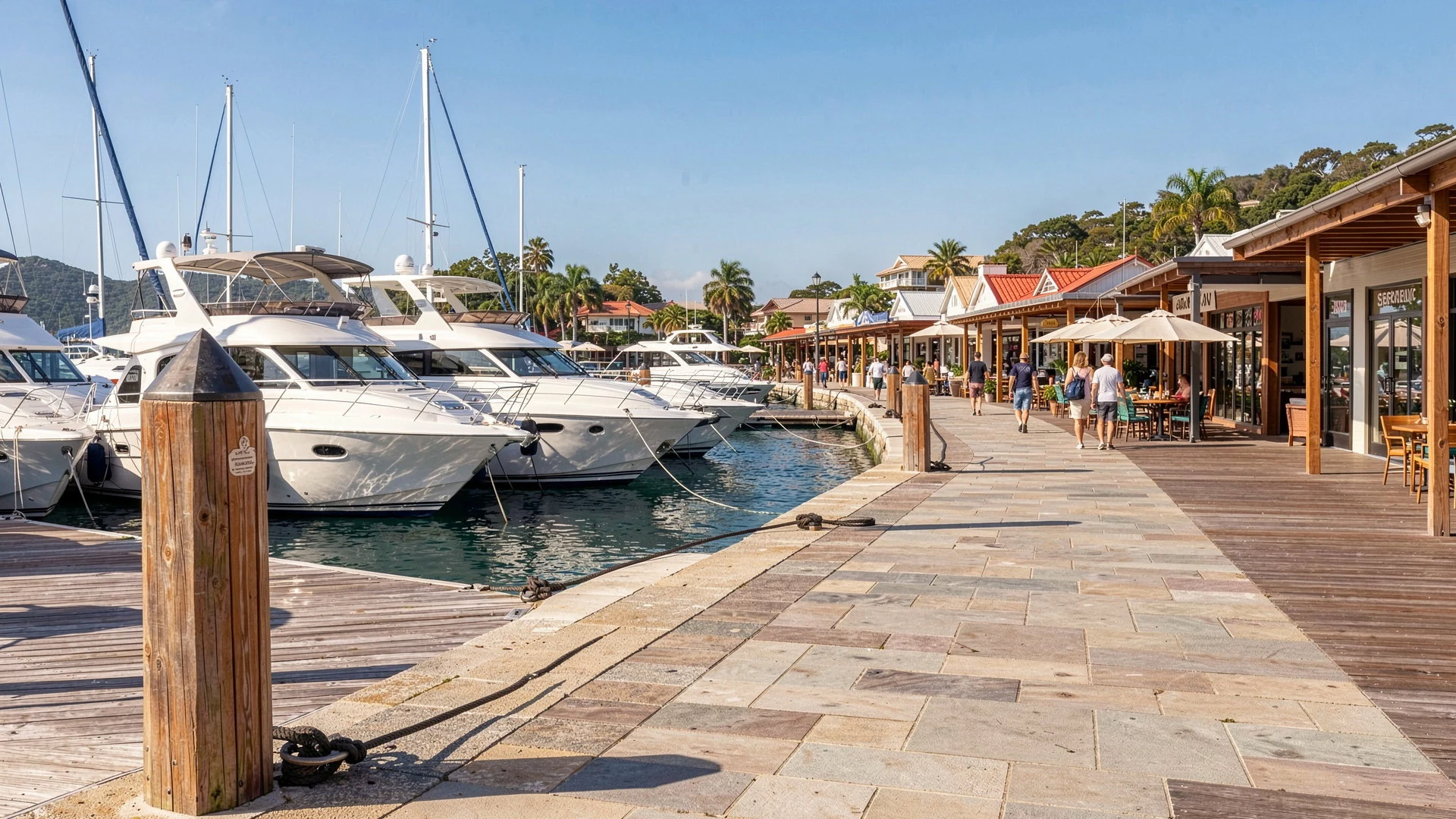
- One Tree Hill — Western heights
One Tree Hill is elevated above the western slopes of Hamilton Island, offering an open-air vantage point where visitors gather each evening to sip drinks and watch colourful sunsets fade across the sheltered waters of the surrounding archipelago.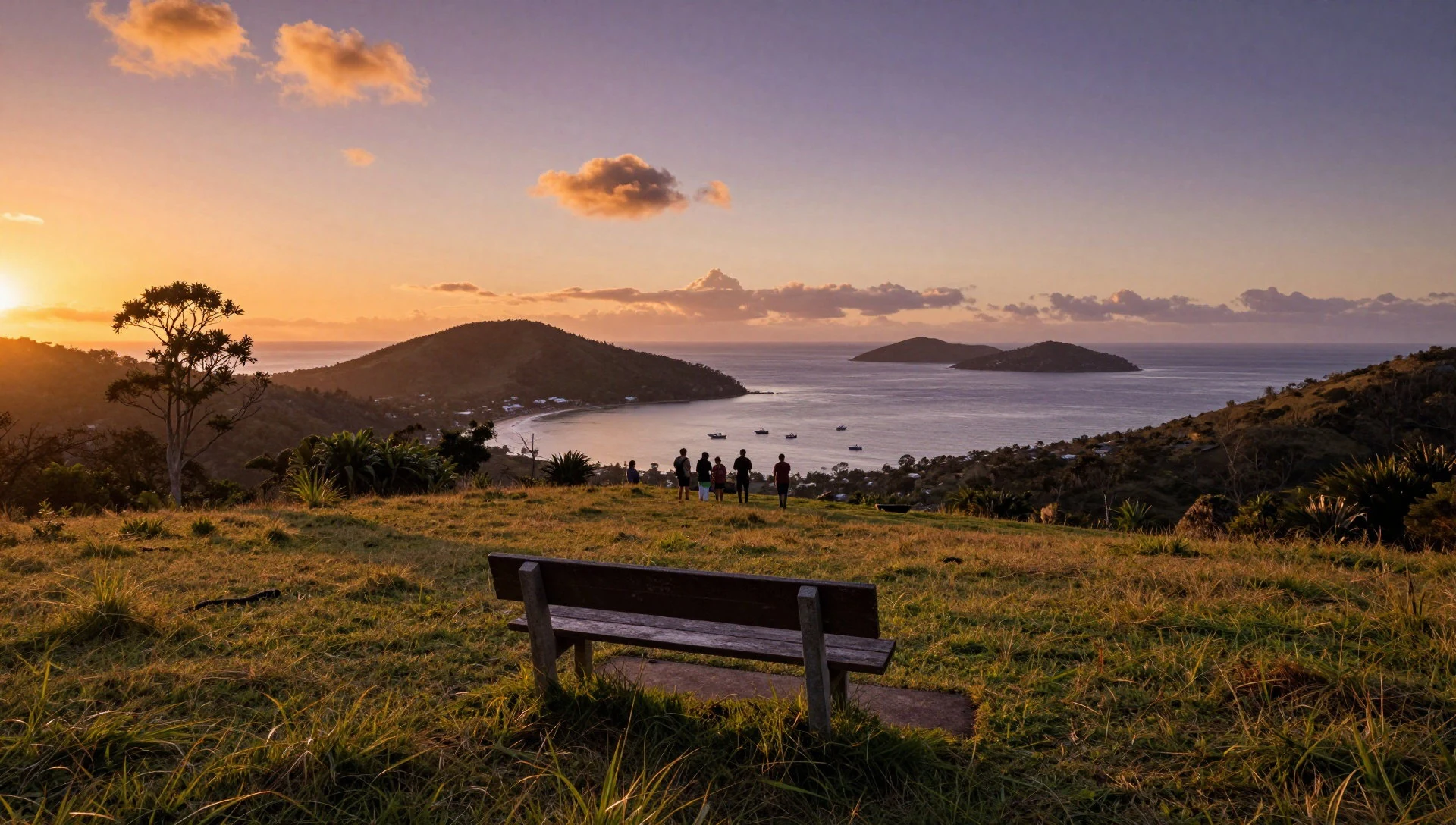
- Dent Island Golf Course — Dent Island
Dent Island Golf Course sits across the water on a neighbouring island, accessible via a short ferry journey from Hamilton Island, challenging players with an undulating championship layout surrounded by sweeping marine views and dramatic coastal cliffs.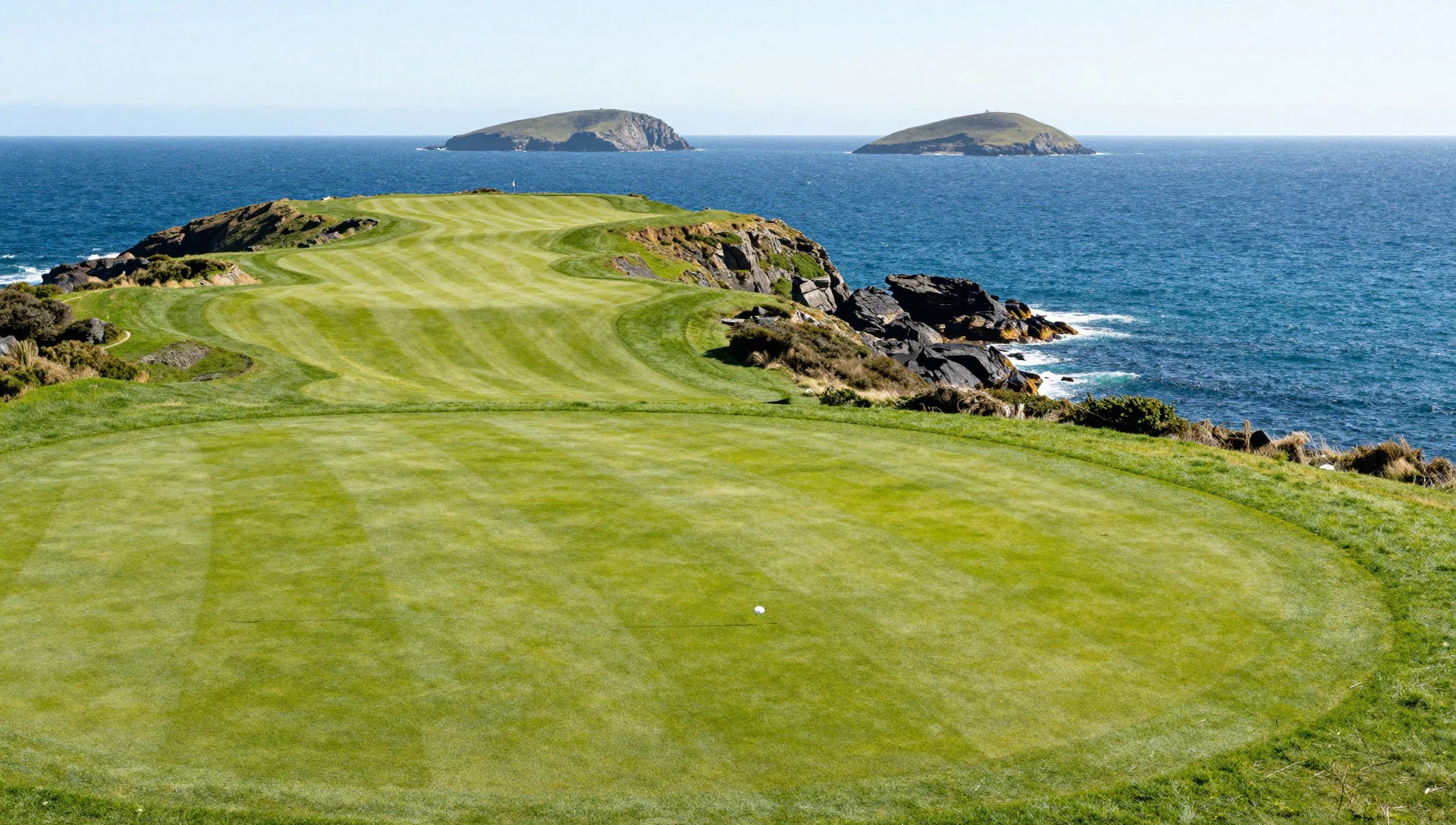
Culture
Hamilton Island operates as a modern resort community deeply intertwined with the marine environment of the Great Barrier Reef and the wider Whitsunday group. The local culture is shaped by coastal living, sailing traditions, and tourism hospitality, where residents and visitors share a relaxed approach to daily life driven by the tropical climate. Indigenous custodianship forms the deep historical foundation of the region, though modern island life revolves around resort services, boating culture, and outdoor recreation. Visitors will notice a strong emphasis on environmental conservation, particularly regarding the protection of surrounding coral ecosystems and marine life. Community events, such as annual yacht racing regattas, bring international sailors and spectators together, creating a lively festive atmosphere across the harbour. Service staff and hospitality workers form a close-knit local population who maintain the island's facilities year-round. When visiting Hamilton Island, always dispose of your rubbish responsibly and use reef-safe sunscreen to protect the fragile marine life in the surrounding waters.
What to wear
Hamilton Island embodies a relaxed, tropical style of dress that reflects its warm climate and coastal resort setting. There is no traditional local costume unique to the island itself; instead, everyday attire leans towards lightweight, breathable fabrics designed for comfort in humid conditions. Locals and visitors alike wear casual summer clothing, including linen shirts, cotton shorts, sundresses, swimwear, and wide-brimmed sun hats to ward off the strong Australian sun. Footwear is casual, with sandals, thongs, and flip-flops being standard for daytime beach visits and marina strolls. For evening dining at the island's upscale restaurants and yacht club venues, smart-casual attire is typical, though formal wear is rarely required. Visitors should pack lightweight layers for cooler sea breezes in the winter months, plenty of sun protection, comfortable walking shoes for tackling steep tracks like Passage Peak, and appropriate swimwear for days spent out on the water or lounging by the resort pools.
What to eat
- Fresh Seafood Platters — Marina Village eateries
Enjoy freshly caught local seafood, including prawns, reef fish, and Moreton Bay bugs, served with crisp salads at waterfront restaurants around the marina village overlooking the moored yachts.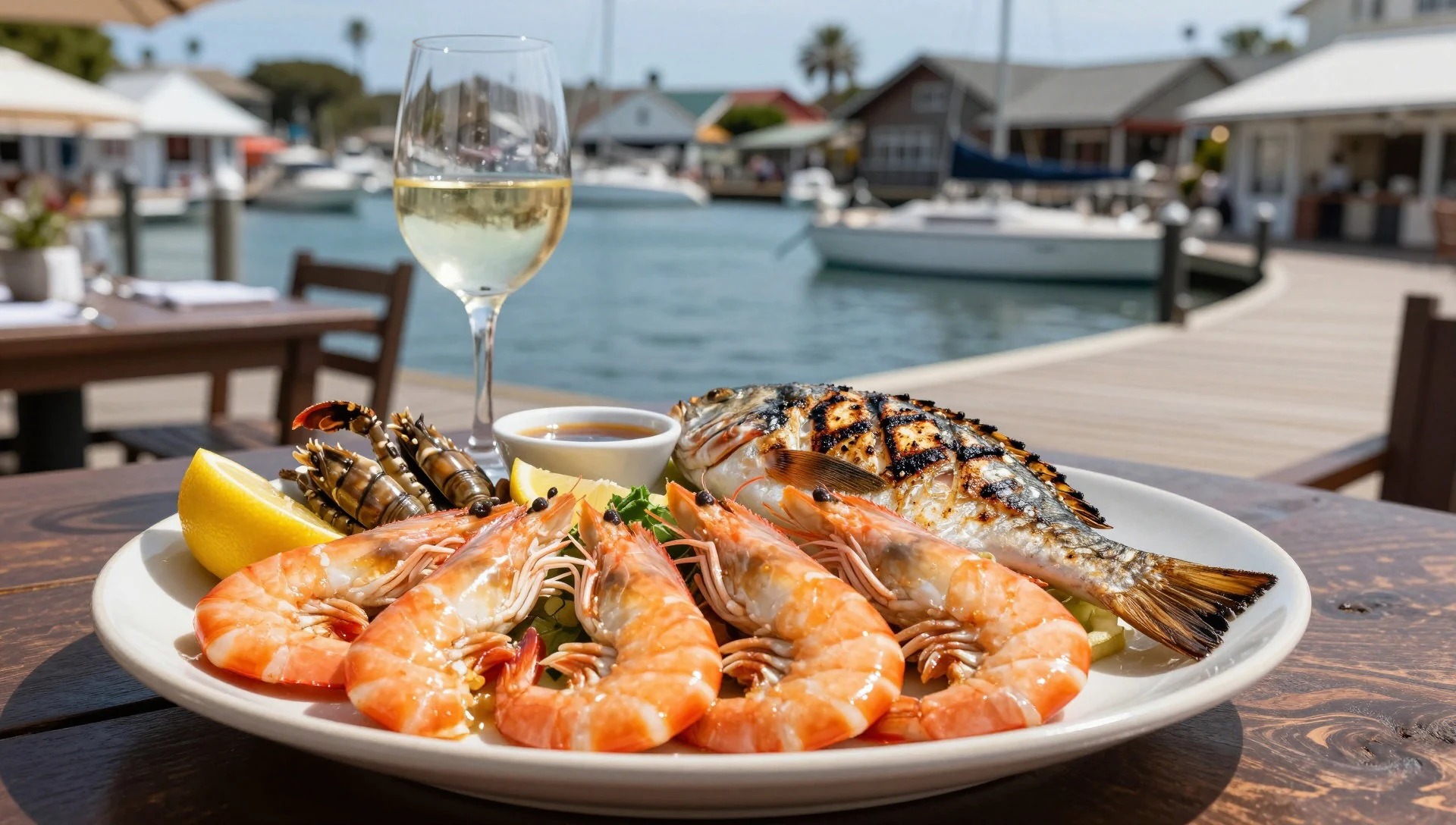
- Wood-Fired Gourmet Pizzas — Marina cafe terraces
Savour artisan pizzas topped with local ingredients, accompanied by cold drinks at casual outdoor cafes situated right by the harbour edge in the main village centre.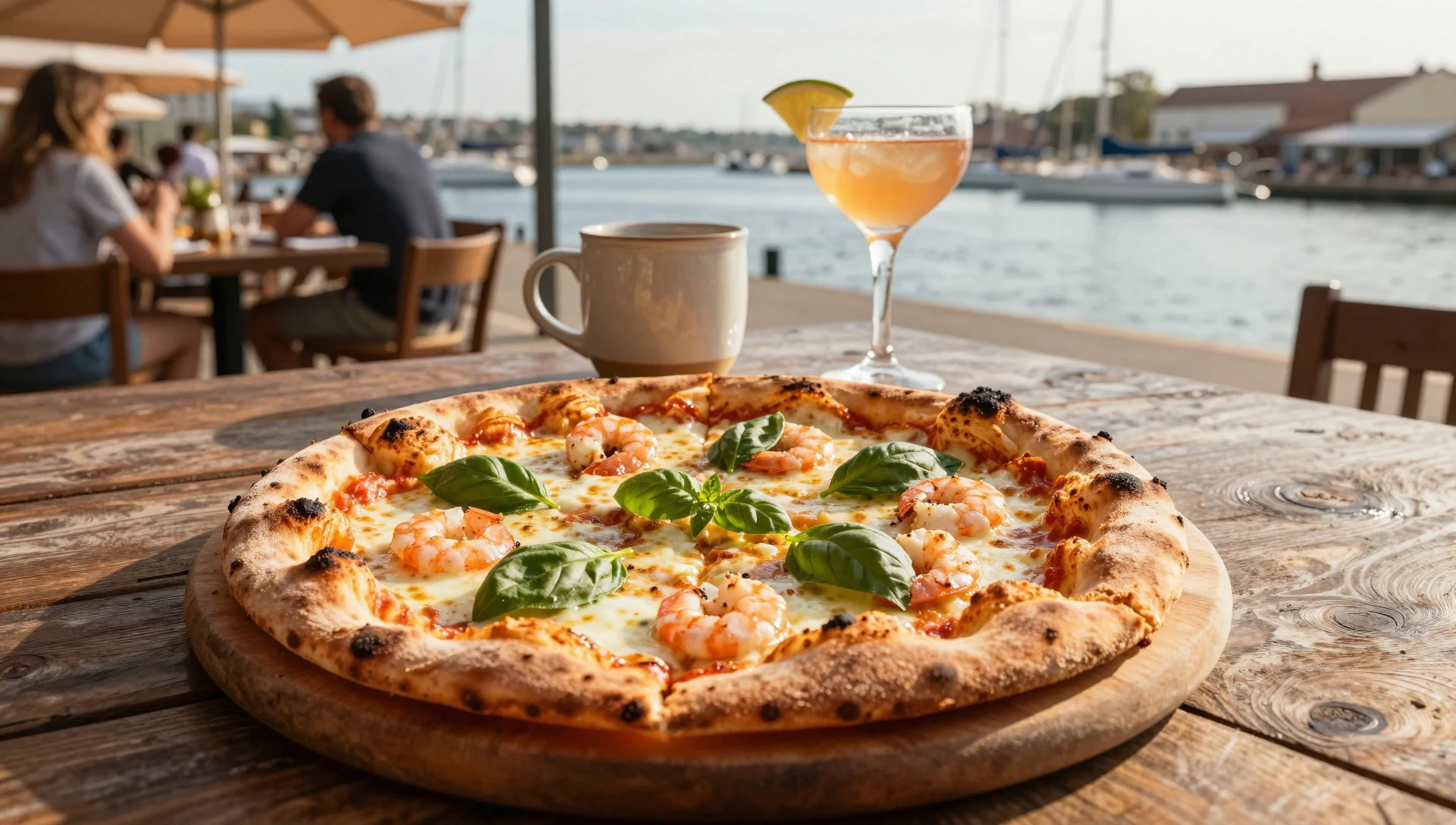
- Modern Australian Steak — Resort dining rooms
Feast on premium Australian beef dishes prepared at relaxed family-style grills and steakhouse venues located within the central resort complex. - Resort Buffet Breakfast — Poolside hotel restaurants
Start the morning with a generous selection of hot breakfast classics, tropical fruits, and fresh pastries served poolside with views across the palm-fringed gardens. - Sunset Cocktails — One Tree Hill lounge
Sip refreshing tropical cocktails mixed with local spirits while watching the sun dip below the horizon from elevated open-air lounges.
Plan it
Best time. April to May or September to October offer warm, pleasant temperatures with lower humidity and comfortable conditions for sailing and outdoor activities.
How long. 3–4
Getting there. Fly directly into Hamilton Island Airport from major Australian cities including Sydney, Brisbane, and Melbourne, then take the resort shuttle to your accommodation.
Budget. high
Tips
- Book boat trips and dining reservations well in advance during peak holiday periods
- Pack reef-safe sunscreen and a wide-brimmed hat to protect against strong UV radiation
- Hire a golf buggy for getting around the island hills and resort areas
- Check weather conditions before planning boat excursions across the Whitsunday waters
Etiquette
- Dispose of all waste responsibly to protect local wildlife and marine ecosystems
- Respect quiet hours around residential areas on the island
Nearby
Sources
- Wikidata Q1573545 (CC0)
- Wikipedia (CC BY-SA 4.0)
- Wikivoyage (CC BY-SA 4.0)