Waitomo Glowworm Caves
Waitomo Glowworm Caves, New Zealand
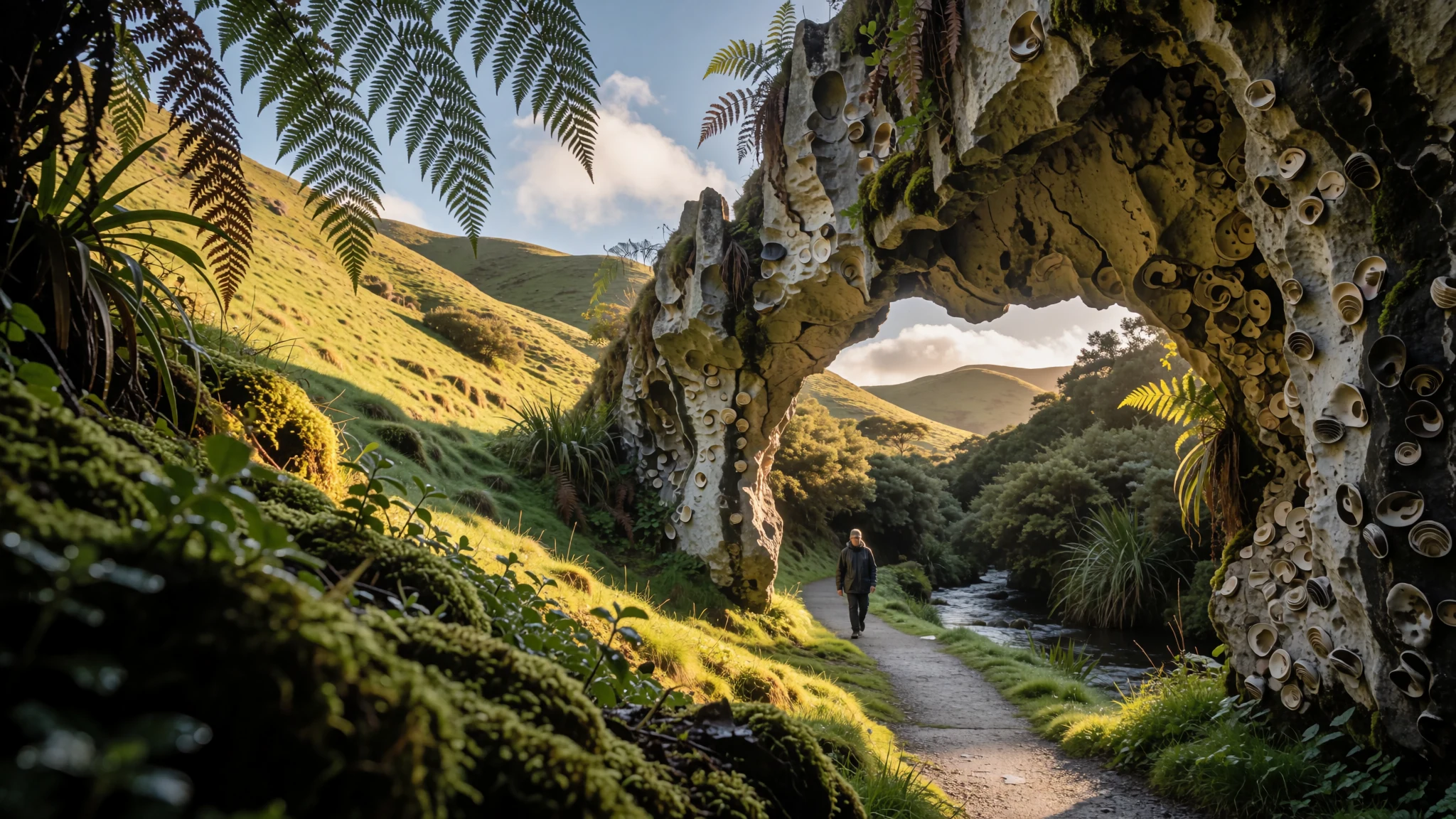
Glide silently beneath a subterranean galaxy of bioluminescent glowworms inside ancient limestone caverns shaped by water over millions of years.
The place
Deep in the rolling countryside of New Zealand's North Island, the earth opens into a vast labyrinth of subterranean chambers, carved by water through ancient marine deposits. The Waitomo Glowworm Caves form part of an extensive streamway system where geological forces have shaped hundreds of limestone hollows over countless millennia. The rock itself is a compressed archive of primeval oceans, built from fossilised coral, shells, and skeletal remains of prehistoric sea creatures that once thrived on submerged seabeds. Layers of volcanic ash have settled over the limestone ridges, feeding local streams with fine silts as water continues to sculpt the subterranean architecture.
The primary draw for travellers is an extraordinary native inhabitant: Arachnocampa luminosa, a bioluminescent fungus gnat larva found exclusively in this country. These tiny organisms cling to damp rock ceilings, casting a pale, ethereal blue-green luminescence to attract prey. Visitors enter through a contemporary timber-clad visitor centre before descending into the cooler depths of the earth. Pathways wind past soaring stalactites and cathedral-like chambers boasting remarkable acoustics, before arriving at the subterranean river. Here, small flat-bottomed boats detach from wooden jetties, gliding across glassy water while guides pull silently along an overhead wire. Glancing upward reveals a shimmering vault of living stars, creating an eerie, absolute silence broken only by the gentle drip of water falling from the unseen roof above.
Its story
The story of these subterranean chambers is rooted in both indigenous heritage and European exploration. Long before outsiders ventured beneath the hills, local Māori knew of the cavity, deriving the name Waitomo from two words: wai, meaning water, and tomo, meaning a hole or shaft. Although generations of Māori were aware of the subterranean entrance where the stream vanished underground, there is no historical record of early inhabitants venturing far into the dark interior.
Everything changed in the late nineteenth century when a local Māori leader, Tane Tinorau, joined forces with English surveyors to investigate the hidden waterways. Equipped with candles and a makeshift raft constructed from flax stems, the explorers drifted into the underground streamway. Rounding a bend, they entered the Glowworm Grotto and were struck by the astonishing celestial canopy glittering overhead. Encouraged by their discoveries, they returned to explore further branches, uncovering upper-level openings and intricate limestone formations of every conceivable proportion.
By the late Victorian era, travel to the region improved with railway extensions and newly cut cart tracks from nearby settlements. Tane Tinorau and his wife Huti began guiding early travellers through the cavern by canoe, setting up ladders to reach higher ledges and welcoming adventurous visitors from across the globe. Families have continued to manage and share stewardship of these underground wonders, preserving a tradition of hospitality that spans generations while welcoming crowds to witness the subterranean galaxy.
What to see
- Waitomo Glowworm Caves — Waitomo main cavern
The premier subterranean attraction featuring guided walking tours through dramatic limestone chambers followed by a silent boat glide beneath thousands of luminescent native glowworms clinging to the damp cavern ceiling.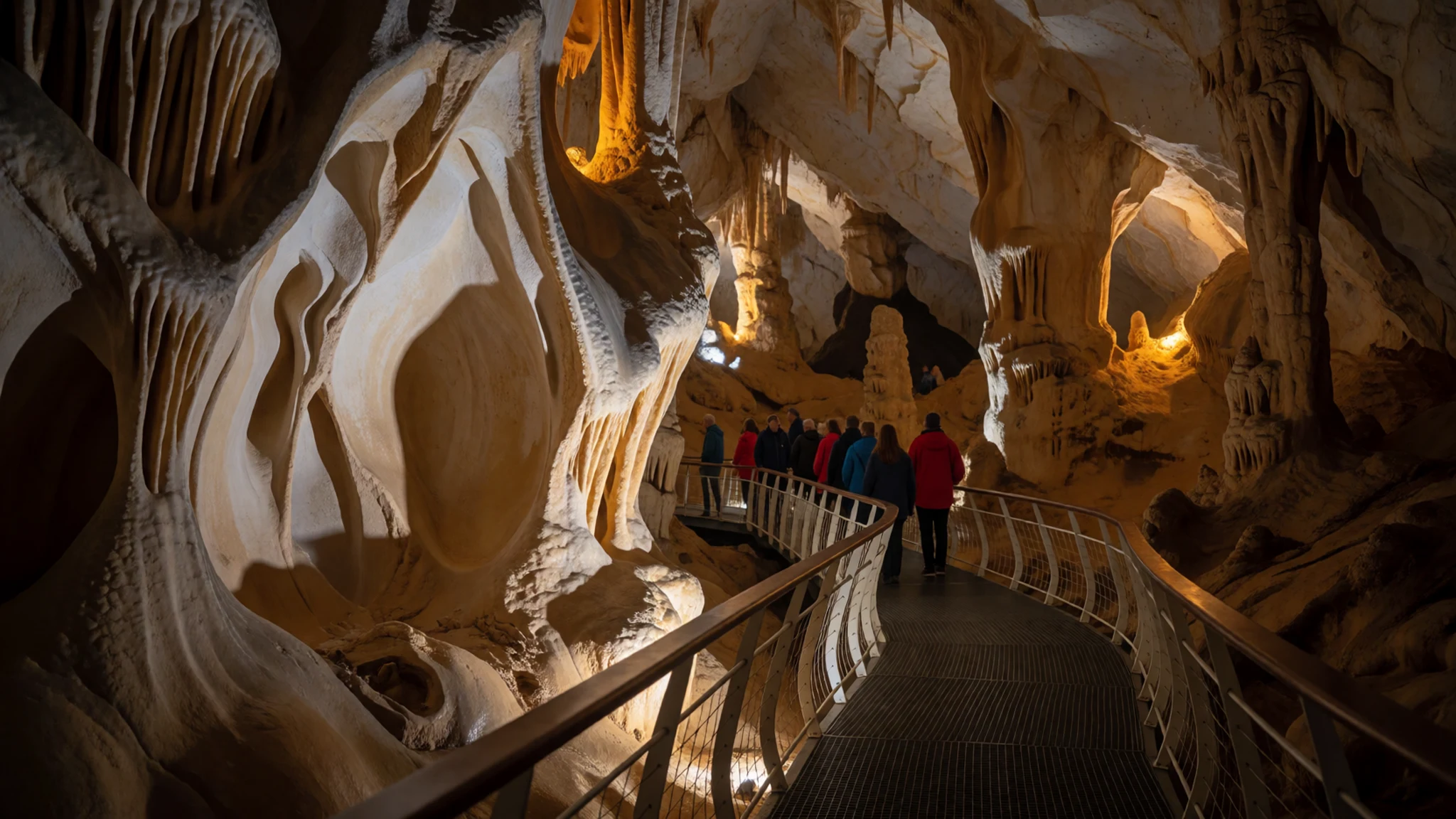
- Ruakuri Cave — Waitomo streamway system
An extensive subterranean system whose name translates to den of dogs, first discovered centuries ago. It features spiralling concrete entry architecture, subterranean waterfalls, and fascinating displays of fossilised oyster shells embedded within the stone walls.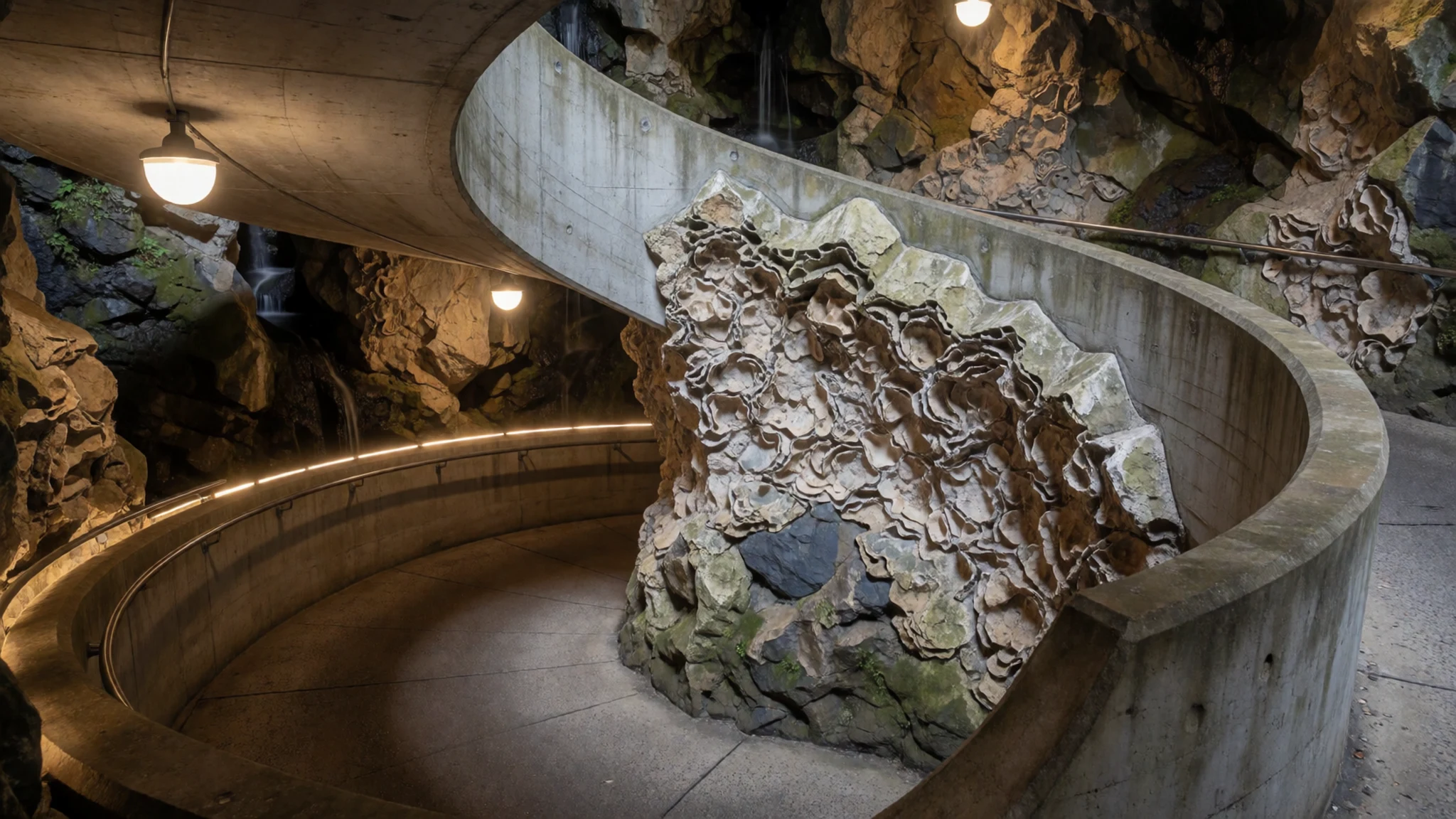
- Aranui Cave — Waitomo limestone ridges
The smallest and most delicate of the primary caverns, featuring a natural forest entrance. Named after the local explorer who found it, the chamber showcases pale, highly intricate stalactites and flowstone formations touched by earthy pink and brown hues.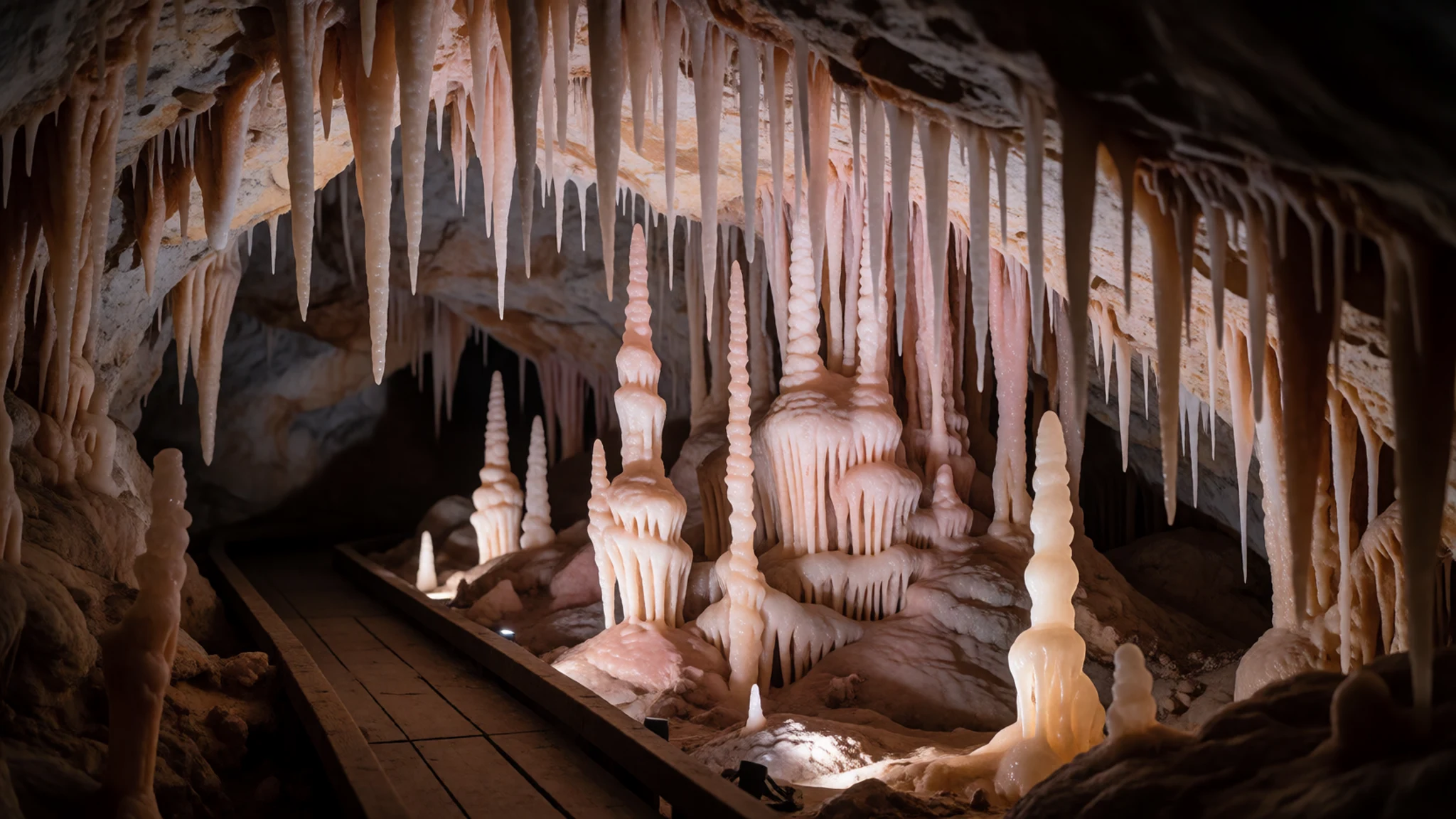
- Waitomo Caves Discovery Centre — Waitomo village centre
An informative regional hub providing detailed exhibits on cave geology, local history, and conservation efforts, while helping visitors sort through the wide array of guided walking, caving, and rafting options available across the district.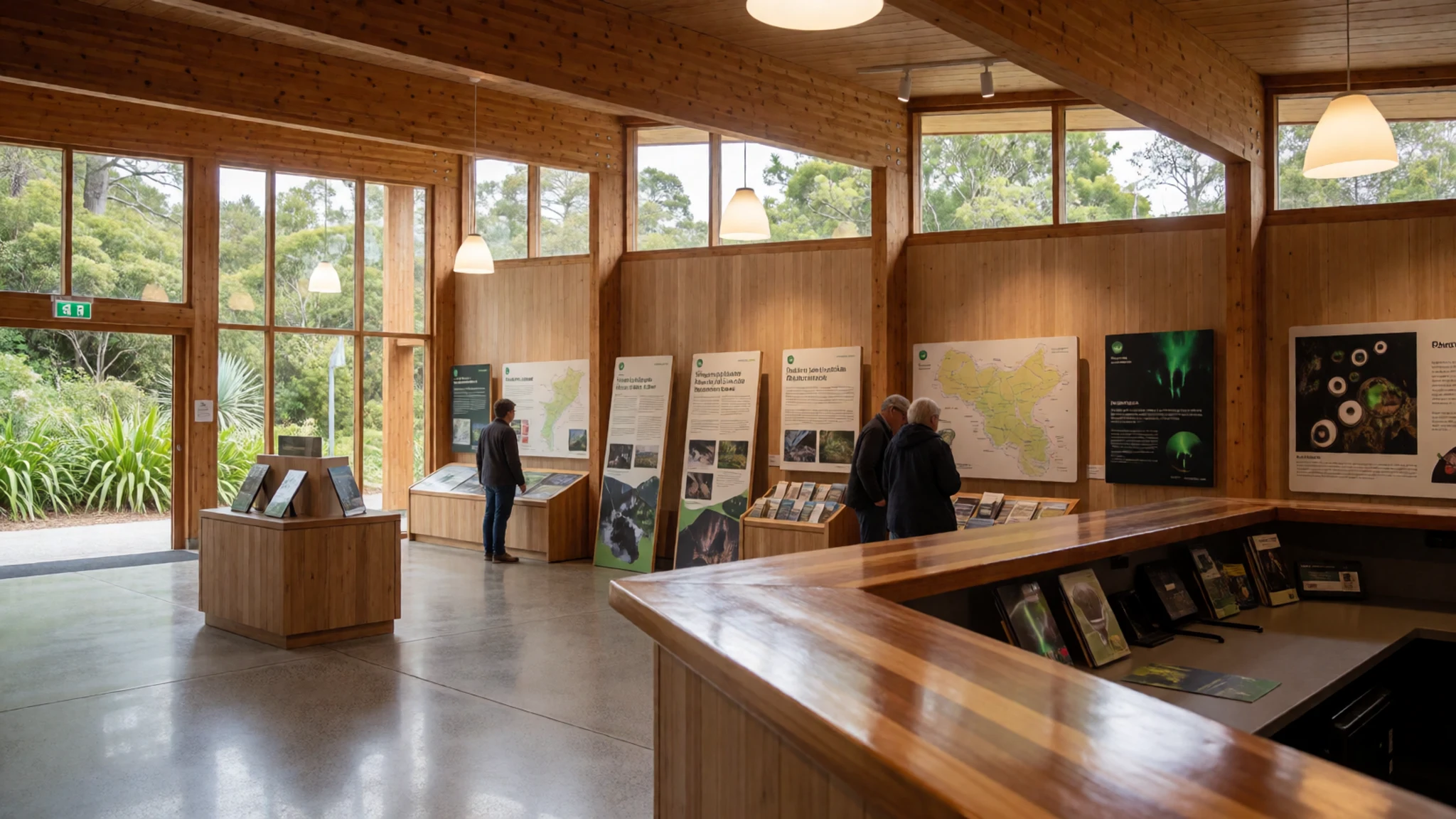
- Legendary Black Water Rafting Co Black Labyrinth — Ruakuri underground river
An adventurous underground excursion where participants don wetsuits, tube down subterranean rivers, and leap across small waterfalls while admiring glowworm-studded rock walls deep inside the cave network with experienced local guides.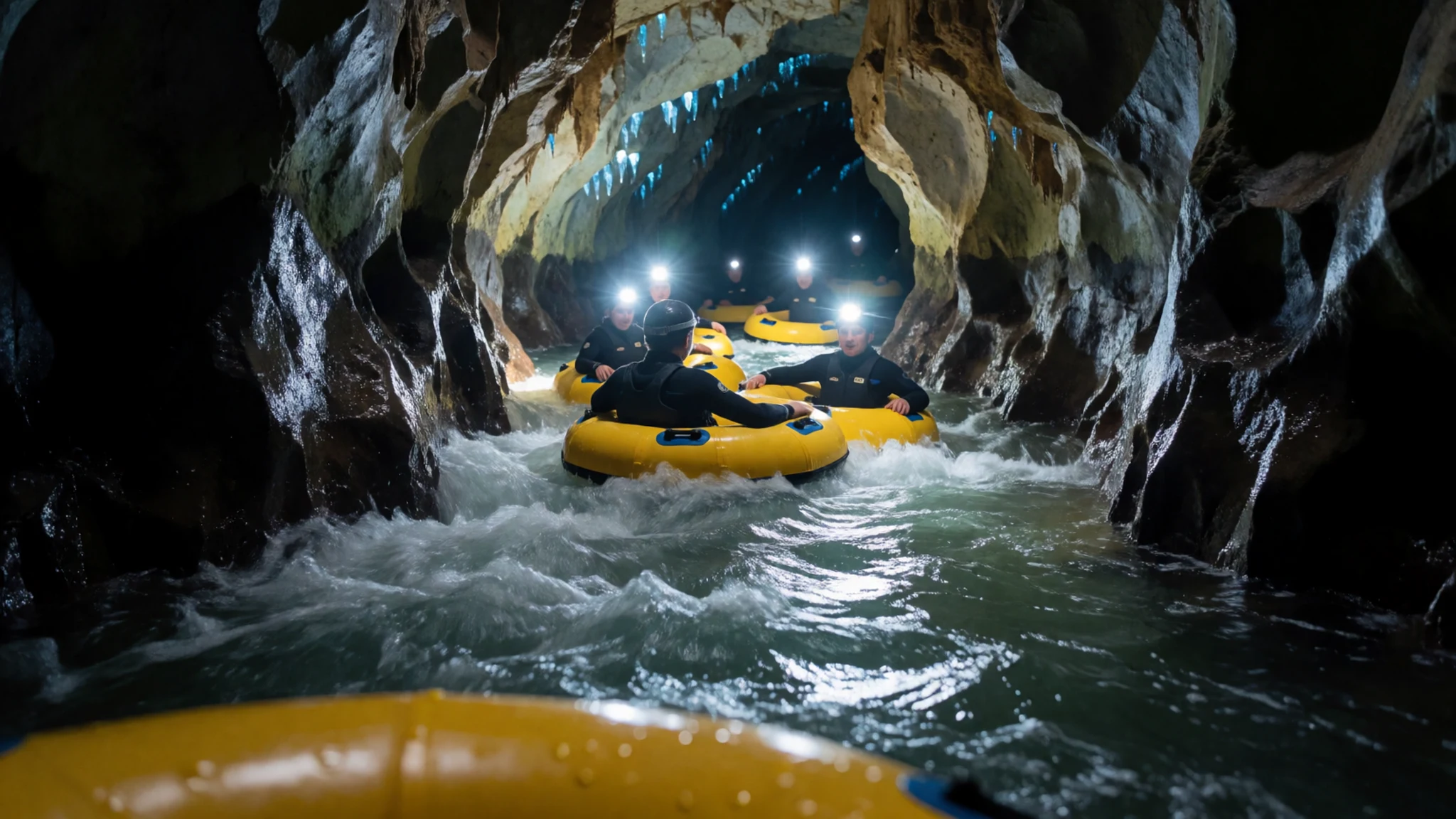
Culture
The cultural fabric of the Waitomo district is deeply intertwined with Māori heritage, particularly the guardianship exercised by descendants of the original explorers who first shared the caverns with outsiders. Traditional storytelling preserves the spiritual significance of the landscape, viewing underground waterways and limestone formations as taonga, or treasured possessions imbued with ancestral presence and historical weight. Contemporary community life in this rural pocket of the North Island balances agricultural roots with a warm, welcoming approach to international travellers seeking natural wonders. Visitors will encounter a relaxed rural rhythm where local hosts take pride in sharing regional history, folklore, and environmental conservation efforts. When exploring sacred underground sites or interacting with local communities, respect for customary protocols remains paramount. Always follow your guide's instructions regarding photography restrictions inside fragile cave chambers and refrain from touching limestone formations, as natural skin oils can permanently damage delicate mineral growth.
What to wear
Traditional Māori attire historically incorporated woven flax garments, cloaks adorned with kiwi feathers, and intricate greenstone ornaments that signalled status and tribal lineage during formal gatherings and ceremonies. In contemporary daily life across rural New Zealand, dress is highly practical, casual, and weather-dependent, reflecting an outdoor lifestyle of farming, hiking, and exploring rugged terrain. Visitors exploring the Waitomo region should pack sturdy walking shoes with reliable grip for uneven limestone paths, along with a warm waterproof jacket or fleece, as subterranean temperatures remain consistently cool year-round regardless of outside weather conditions.
What to eat
- Huhu Cafe dining — Waitomo village main road
A popular local eatery in the village serving hearty New Zealand comfort dishes, fresh regional produce, and local wines, offering a warm and inviting atmosphere after a chilly underground expedition.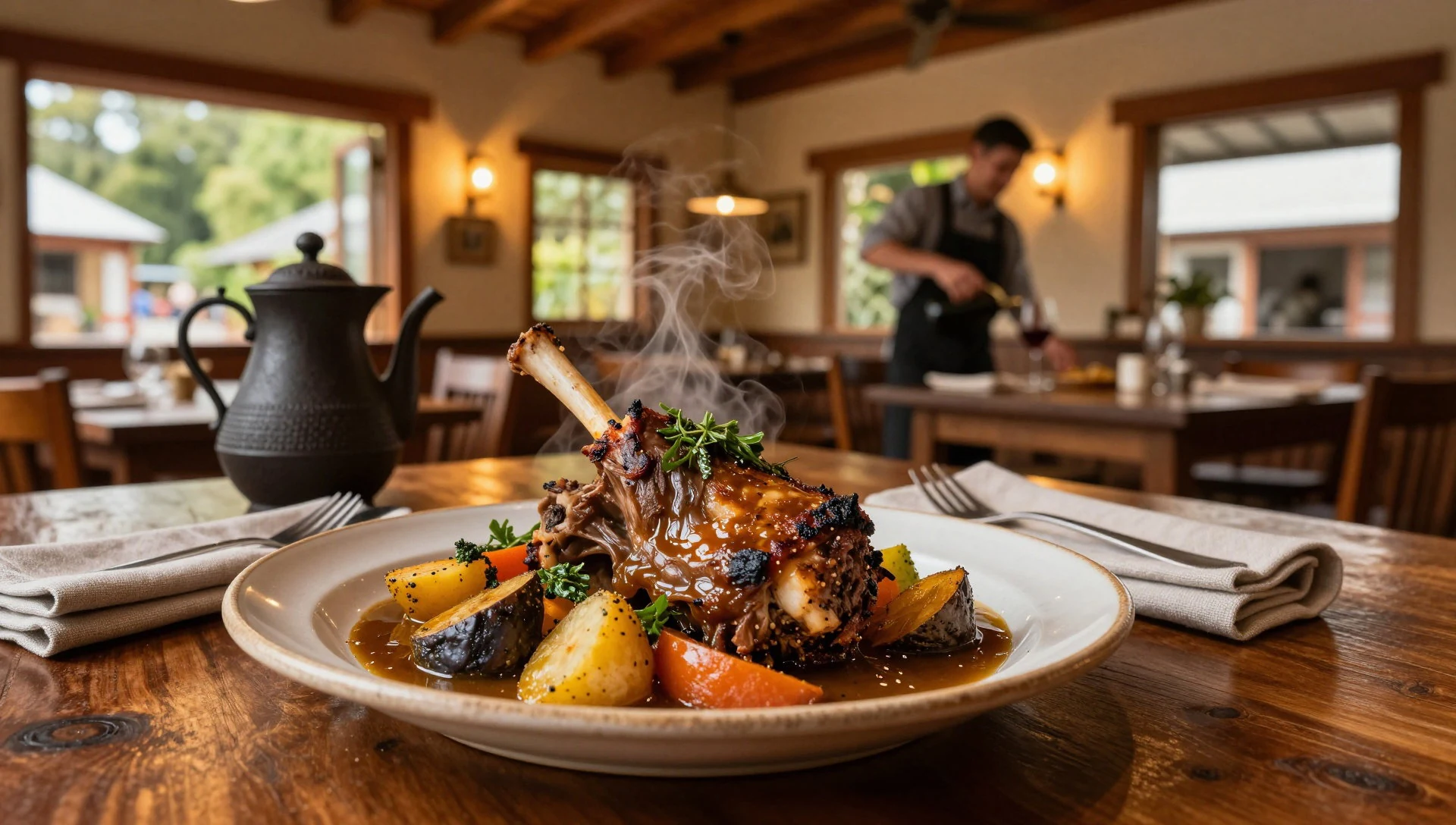
- The Big Apple cafe fare — Waitomo rural highway
A quirky roadside stop marked by its giant landmark sculpture, serving classic Kiwi cafe snacks, hot pies, barista coffee, and baked goods suited for travellers on the road.
- Te Kuiti country bakery pies — Te Kuiti township
Traditional pastry shops in the nearby town offering savoury minced beef and cheese pies, classic sausage rolls, and sweet slices beloved by road-tripping locals. - Otorohanga farm-gate produce — Otorohanga township
Local markets and providores featuring seasonal stone fruits, artisanal cheeses, and honey sourced directly from the surrounding lush Waikato pastures.
Plan it
Best time. Summer months from December to February bring warmer weather and busier crowds, while shoulder months offer quieter pathways and crisp conditions.
How long. 1–2
Getting there. Accessible via rental car or coach tours from Auckland, Hamilton, Rotorua, or Taupo, turning off the main highway at the Hangatiki roundabout.
Budget. mid
Tips
- Book cave tours well in advance during peak summer holiday seasons
- Wear sturdy walking shoes with good grip for damp stone steps
- Bring a warm jacket as underground cave temperatures remain chilly
- Check local visitor information centres for alternative caving and rafting options
- Respect all photography bans inside sensitive glowworm grotto areas
Etiquette
- Do not touch delicate limestone formations or stalactites with bare hands
- Maintain silence during boat rides inside the Glowworm Grotto to protect the glowworms
- Follow guide instructions closely regarding safety harnesses and equipment


