Waitomo Caves
Waitomo Caves, New Zealand
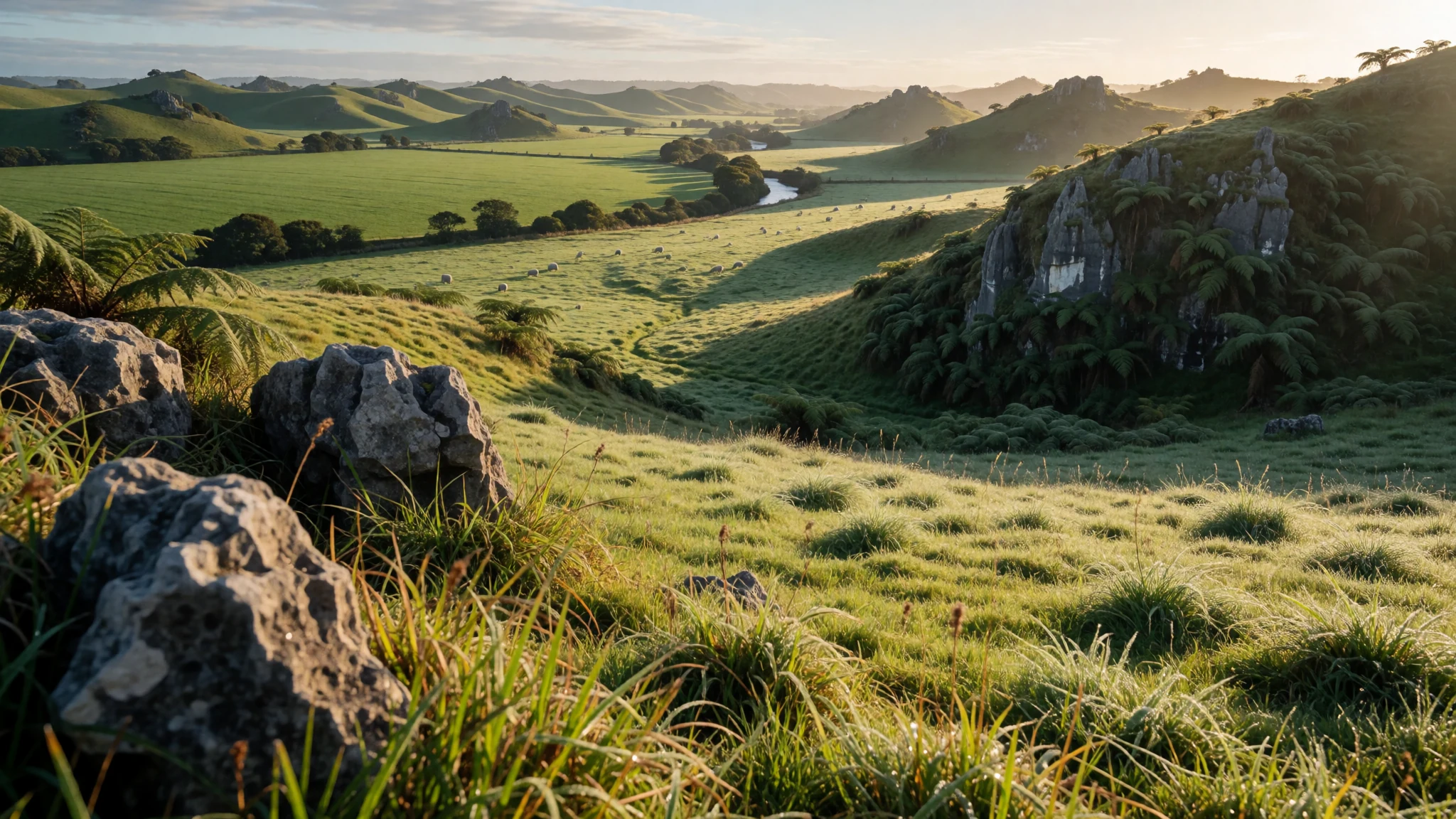
Venture into ancient underground limestone labyrinths illuminated by galaxies of tiny native glowworms along subterranean rivers.
The place
Waitomo Caves functions as a quiet rural community located in the King Country district of New Zealand's North Island. The settlement centres its activity entirely around welcoming travellers who arrive to explore the extensive networks of solutional caverns hollowed out beneath the rolling green hills. The local community features guesthouses, visitor centres, and eateries designed to accommodate those passing through the district. Geologically, the surrounding terrain consists of ancient Oligocene limestone formed millions of years ago beneath the ocean, which acidic groundwater has slowly dissolved into deep chasms, sinkholes, and subterranean streams. The name itself comes from the indigenous Māori language, where wai translates to water and tomo refers to a sinkhole or doline, describing precisely how rivers descend into the earth across this karst landscape. Visitors traversing the village experience a peaceful rural atmosphere characterised by sheep pastures, rugged rock outcrops, and dense native bush. While the subterranean world draws the majority of international attention, the surface area provides scenic walking tracks and a relaxed rural pace that contrasts sharply with the adrenaline-fueled adventures operating deep underground. The historic hotel building stands as a landmark within the village, reminding travellers of the long heritage of hospitality in this isolated valley. Travellers find that the compact nature of the settlement allows for easy exploration on foot between various tour offices, craft shops, and local cafés serving hearty country meals.
Its story
Māori communities inhabited the Waitomo region for centuries prior to European arrival, utilising the cave entrances and surrounding bush for shelter and sustenance. Traditional accounts note that local tribes knew the cavern openings well, sometimes using sheltered spots near the entrances for eel fishing. Exploration of the famous glowworm grotto increased significantly when local Māori leader Tane Tinorau and English naturalist Fred Mace entered the subterranean river system together on a makeshift flax raft, discovering the vast cavern networks and the luminous displays overhead. Following these early explorations, tourism began to grow organically as local families guided adventurous travellers through the darkness by the light of tallow candles. Recognising the national significance of the underground wonder, the Crown eventually assumed administration of the primary glowworm cavern to preserve the delicate environment and manage the rising influx of visitors arriving via the regional railway lines and horse-drawn coaches. Over subsequent decades, infrastructure developed steadily with the construction of accommodation houses, general stores, and government-managed facilities that transformed the quiet rural valley into a recognised destination for subterranean exploration. The establishment of local museums and heritage centres later helped preserve the history of both the early Māori inhabitants and the pioneering cave guides who opened the underground realm to the world. Today, the deep relationship between the indigenous landowners and the tourism operators ensures that the fragile subterranean ecosystems receive careful stewardship while continuing to inspire wonder in every visitor who descends beneath the karst hills.
What to see
- Waitomo Glowworm Caves — Waitomo main cavern precinct
Glide silently on a small boat through a cavern ceiling entirely covered by thousands of luminescent glowworms, Arachnocampa luminosa, radiating a soft blue-green light in absolute darkness.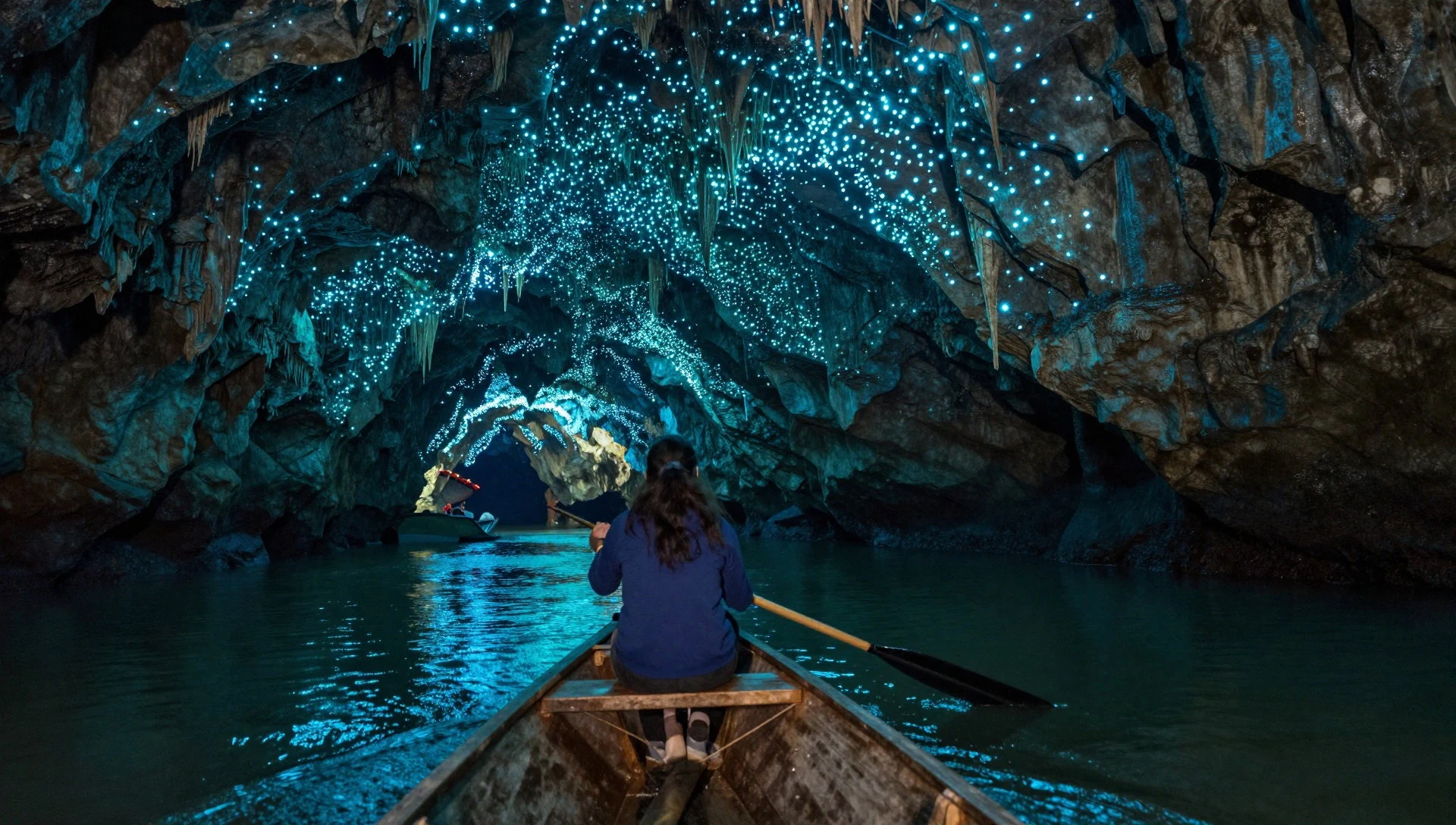
- Ruakuri Cave — Waitomo subterranean valley
Explore an extensive labyrinth featuring spiralling concrete entry ramps, fossilised oyster shells embedded in ancient rock walls, and roaring underground rivers echoing through vast chambers.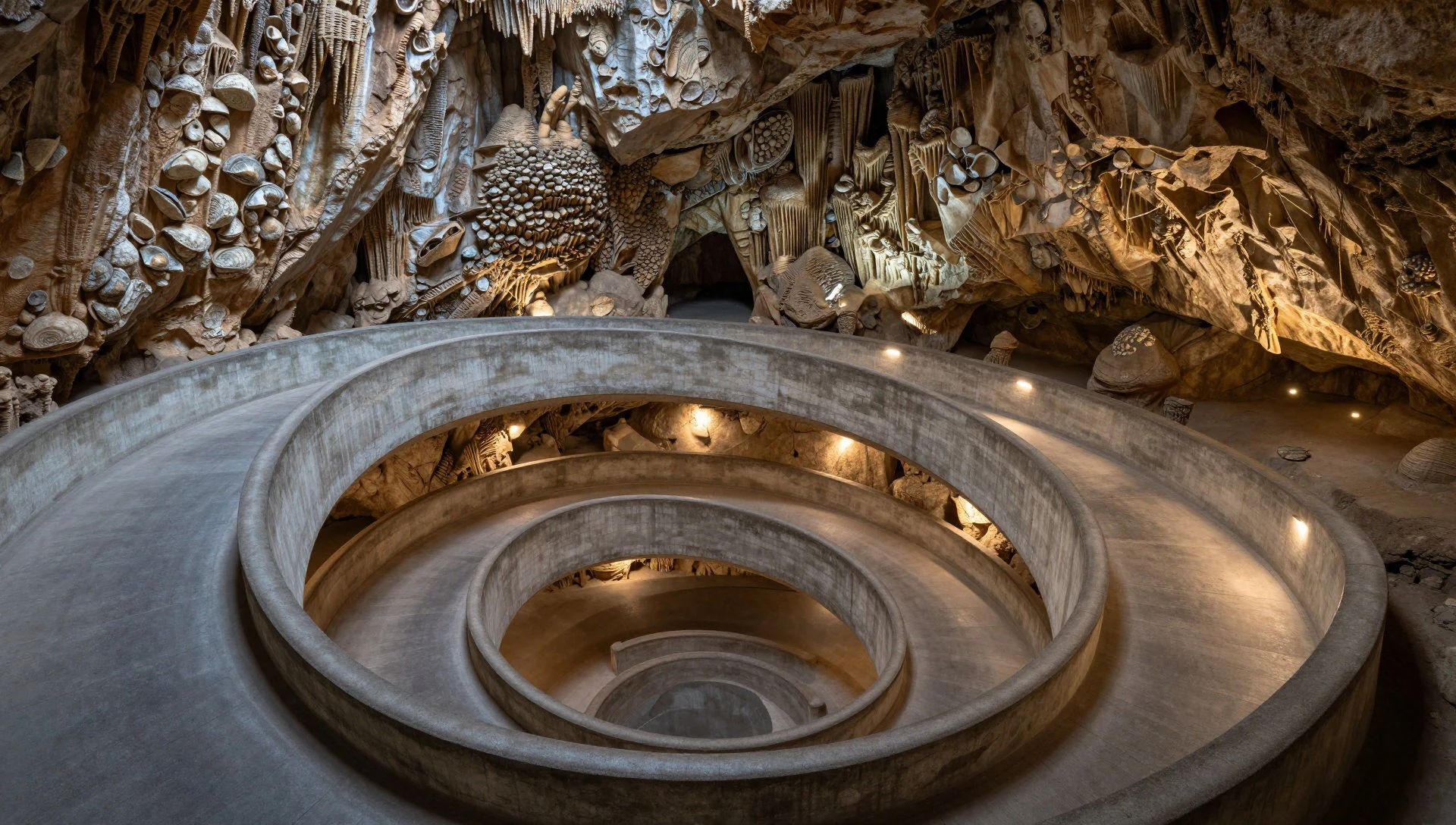
- Aranui Cave — Ruakuri scenic reserve area
Marvel at delicate pale stalactites and towering stalagmites in the smallest of the primary caverns, accessed through a natural forest opening filled with native ferns and birdsong.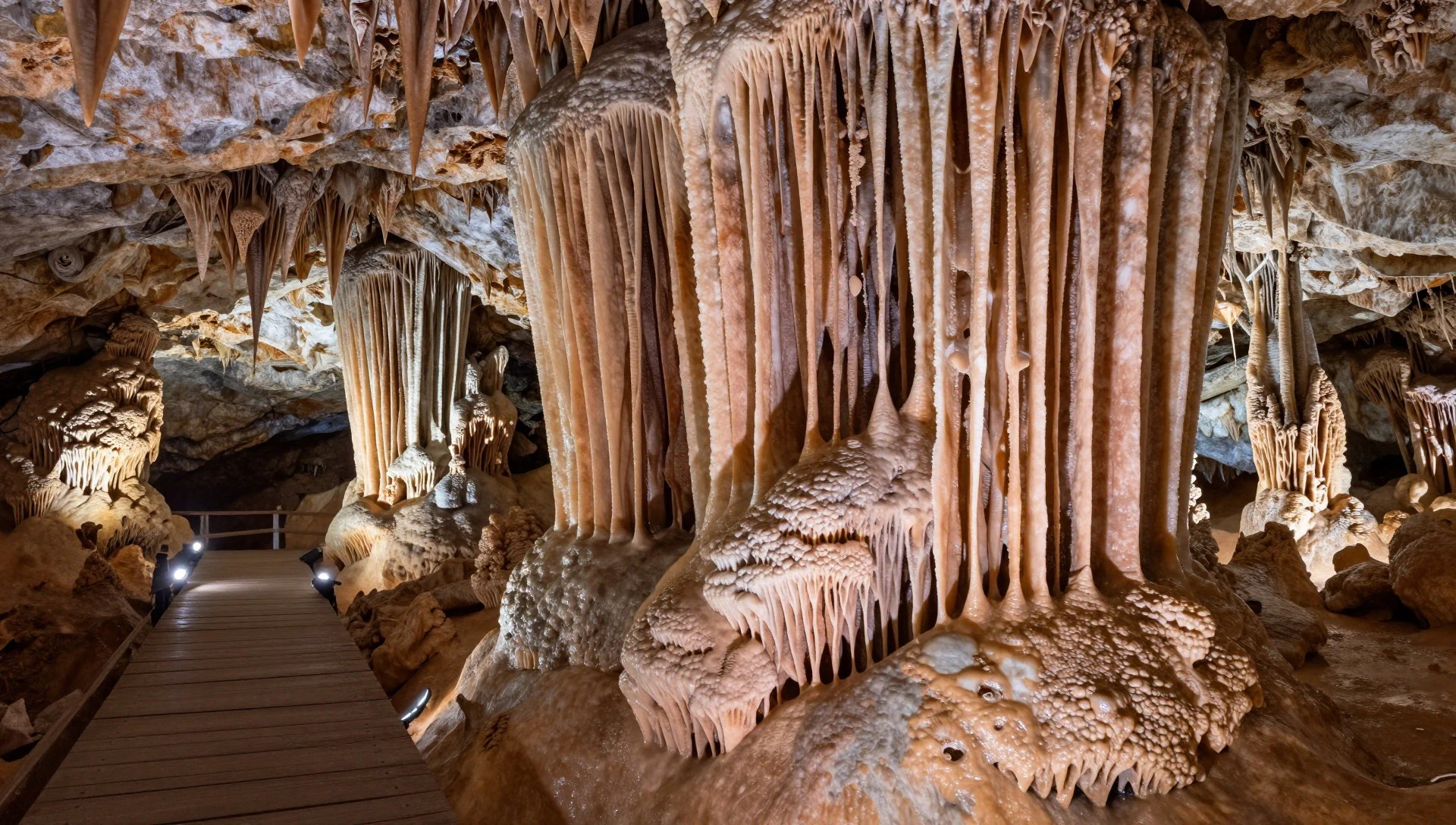
- Waitomo Caves Discovery Centre — Waitomo village centre
Stop by the local interpretive facility to examine geological exhibits explaining karst formation, view historical caving equipment, and gather maps for exploring the surrounding valley walks.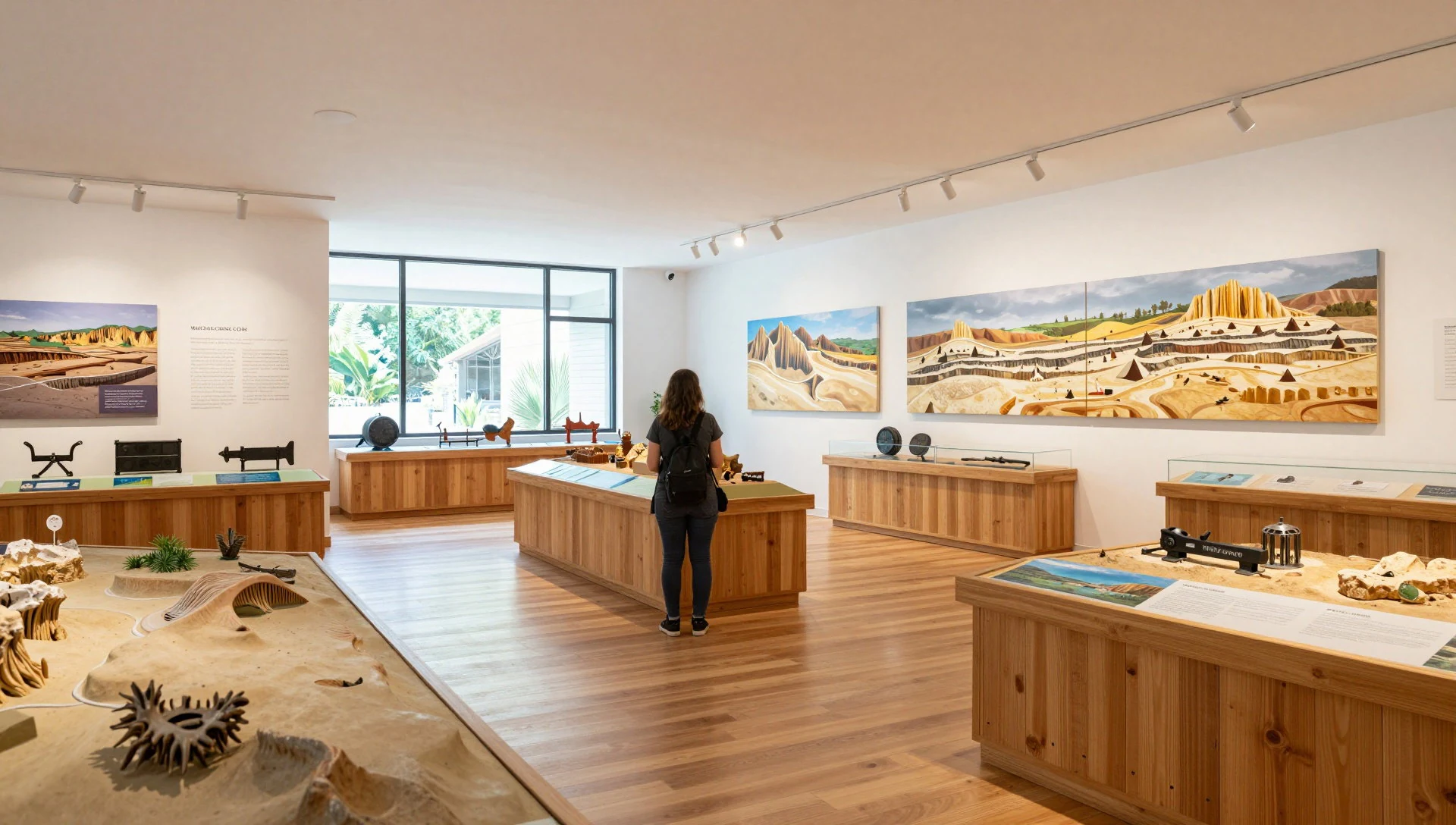
- Legendary Black Water Rafting Co Black Labyrinth — Ruakuri underground stream network
Embark on an underground tubing adventure that involves floating down dark subterranean streams, squeezing through narrow limestone crevices, and leaping backward off small waterfalls.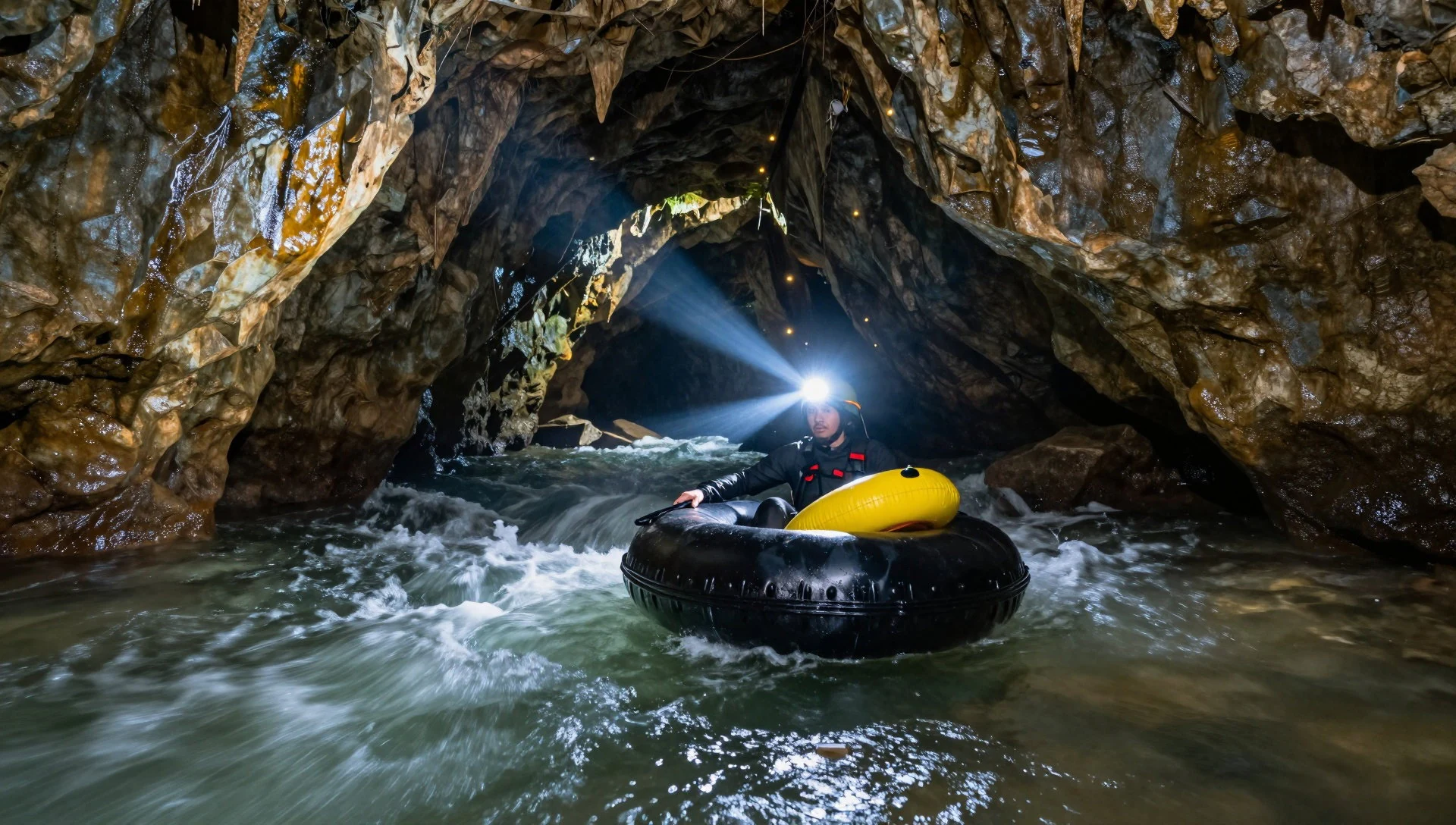
Culture
The cultural fabric of the Waitomo district remains deeply intertwined with Māori heritage, particularly the Ngāti Maniapoto iwi who view the local landscape and its subterranean waters as sacred taonga. Traditional protocols emphasise respect for the natural environment, treating rivers and subterranean caverns with care to preserve their spiritual and ecological integrity. Visitors engaging with local guides often learn about tribal legends connected to the rock formations and the underground waterways. Traditional weaving, wood carving, and storytelling continue to play vital roles in community life across the wider King Country region. When entering sacred or restricted areas, visitors are expected to observe local customs, seek permission where appropriate, and follow all guidelines provided by indigenous hosts. Always follow your guide's instructions and stay strictly on designated pathways when exploring the limestone caverns.
What to wear
Traditional Māori garments historically included cloaks woven from prepared flax fibre, often adorned with kiwi feathers or dog skin for chiefs and high-ranking individuals, reflecting deep connections to the natural environment and avian life. Contemporary residents and workers in the rural Waitomo district dress in practical, durable clothing suited for farming, outdoor recreation, and tourism work, favouring heavy-duty denim, woollen jumpers, and wet-weather gear. Visitors heading into the subterranean cave systems should wear sturdy closed-toe walking shoes or boots with good grip, long trousers, and layers of warm clothing because underground temperatures remain consistently cool throughout the year regardless of the summer heat outside. Waterproof jackets are also essential for surface walks through the rainforest and for protection during damp weather conditions.
What to eat
- Huhu Burger — Huhu cafe in Waitomo village
Hearty gourmet burgers served in the village dining rooms, featuring locally sourced New Zealand beef or lamb accompanied by crispy seasoned potato wedges and traditional dipping sauces.
- Apple Pastries — The Big Apple cafe in Waitomo village
Freshly baked pastries and traditional apple slices served alongside hot coffee or tea at roadside eateries near the iconic giant fruit landmark.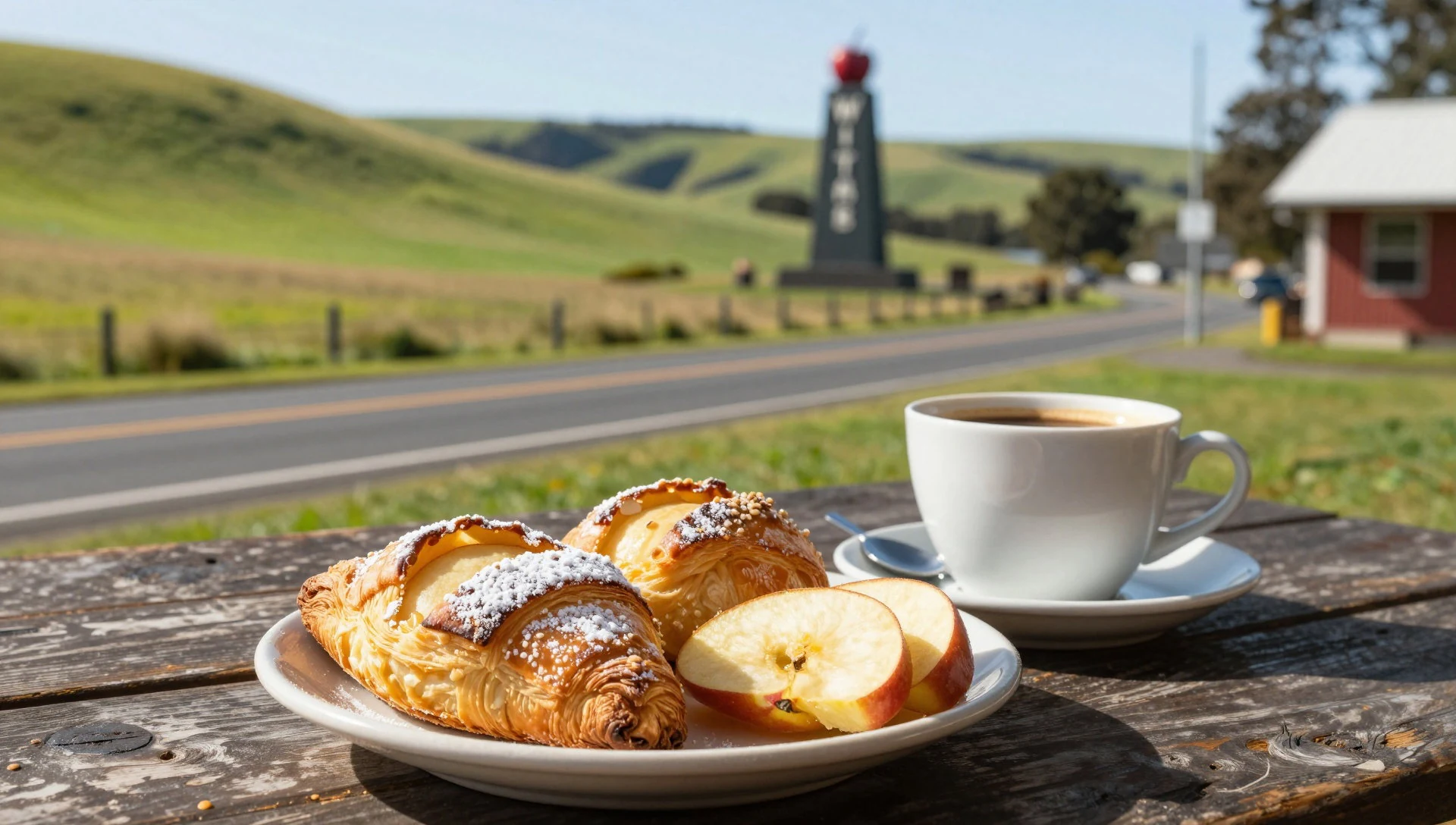
- King Country Lamb Pie — Local village bakeries and farm shops
Traditional savoury pies packed with tender locally farmed meat and rich gravy, popular among travellers stopping at country bakeries before heading underground. - Fish and Chips — Waitomo village takeaway counters
Classic New Zealand takeaway featuring battered fresh catch served with thick-cut chips and lemon, enjoyed at outdoor picnic tables in the valley.
Plan it
Best time. December through March offers the warmest weather for surface walking and outdoor adventures, while winter months bring cooler temperatures and fewer crowds to the subterranean tours.
How long. 2
Getting there. Drive south from Hamilton or Auckland along State Highway 3, then turn onto State Highway 37 at the Hangatiki roundabout to reach the village.
Budget. mid
Tips
- Book cave tours well in advance during peak summer holiday periods
- Wear warm clothing as underground cave temperatures remain chilly year-round
- Wear sturdy footwear with reliable grip for uneven limestone pathways
- Stop by the local visitor information centre to coordinate multi-cave ticket packages
Etiquette
- Do not touch delicate limestone formations or stalactites inside the caves
- Refrain from using flash photography in glowworm grottoes to protect the sensitive organisms
Nearby
Sources
- Wikidata Q1071889 (CC0)
- Wikipedia (rev 1369890818) (CC-BY-SA 4.0)
- Wikivoyage (rev 5237632) (CC-BY-SA 4.0)