Wadi Rum
Wadi Rum, Jordan
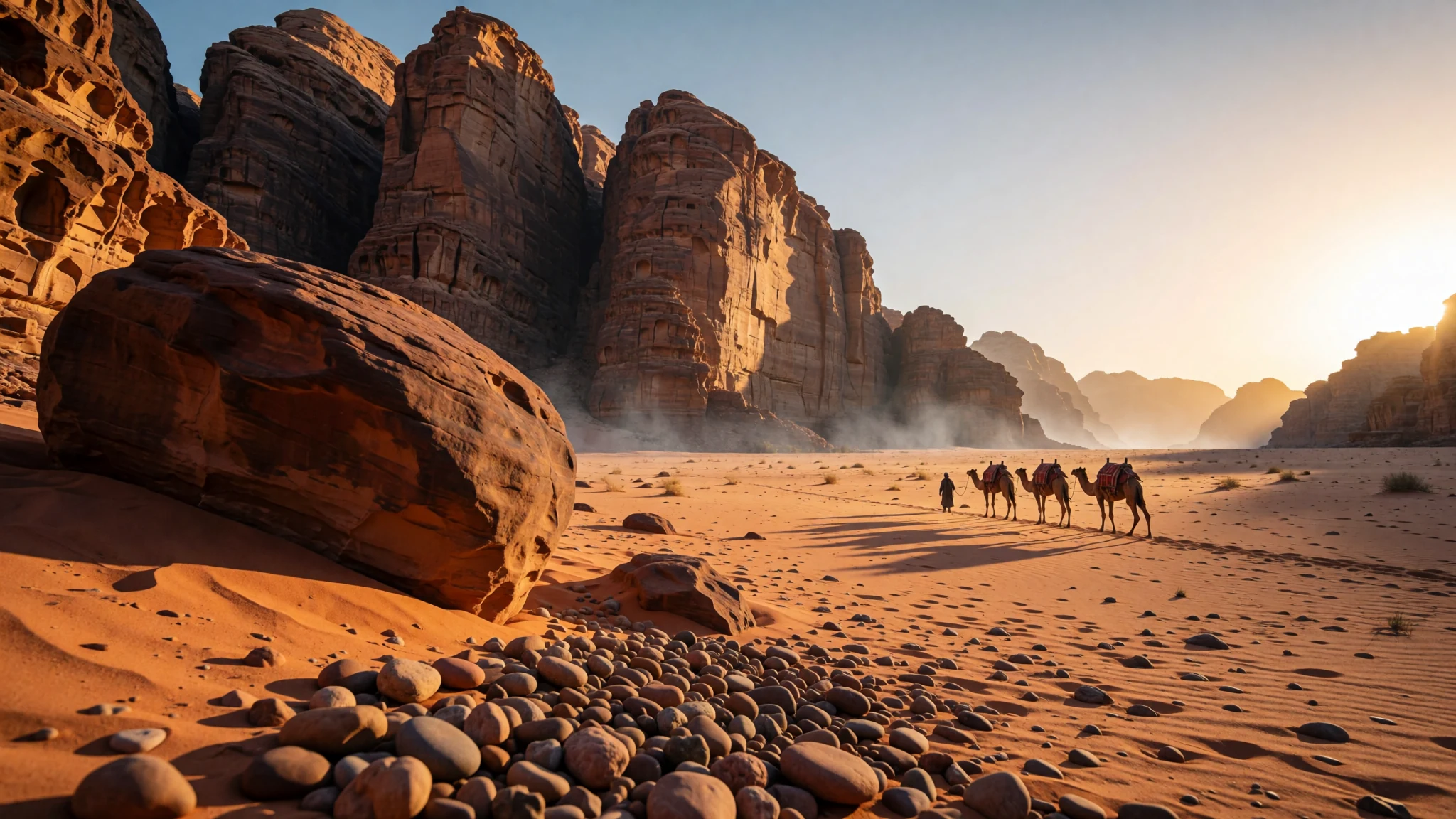
Wadi Rum offers dramatic sandstone valleys, ancient rock art, and traditional Bedouin hospitality across a stunning desert landscape.
The place
Wadi Rum sits in the southern reaches of Jordan, close to the Saudi border and inland from the coastal waters of Aqaba. This immense valley, carved deeply into sandstone and granite bedrock, forms the largest river valley system in the country. The desert terrain is dominated by towering cliffs, narrow gorges, and sweeping expanses of red and yellow sand that stretch toward the horizon. Scattered throughout the protected area are massive natural rock bridges, hidden canyons, and isolated peaks that challenge climbers and reward explorers with vast panoramic views across the arid landscape. The settlement of Wadi Rum itself is a small cluster of concrete buildings and traditional goat-hair tents, home to local families, a handful of village shops, and the local headquarters of the Desert Patrol. Life here moves at the gentle pace of the desert, shaped by the sun, the wind, and the traditions of the communities who have called these harsh lands home for generations. Visitors arrive to experience the profound quiet of the wilderness, journeying through the sand by foot, camel, or four-wheel drive vehicle. As day turns to night, the vast skies offer uninterrupted stargazing under a canopy of desert stars, far from the light pollution of modern cities. The environment is striking yet fragile, requiring careful stewardship from everyone who passes through its ancient gates.
Its story
Human history in Wadi Rum stretches back thousands of years, shaped by successive civilisations that found ways to survive and travel through the arid terrain. Prehistoric communities, Nabataeans, and later tribes left their indelible marks upon the canyon walls in the form of petroglyphs, inscriptions, and stone ruins that record daily life, animal migrations, and ancient beliefs. During antiquity, the region served as a vital trade corridor connecting the Arabian peninsula to the Levant, bringing prosperity and cultural exchange to the local inhabitants. Archaeological evidence across the wider area reveals ancient copper mining operations and defensive fortifications that secured these lucrative desert routes. In more recent times, the region became internationally renowned through the accounts of British officer T.E. Lawrence, who passed through the valley during the Arab Revolt. Today, the human presence in the valley is largely sustained by Zalabieh Bedouin communities who arrived decades ago, establishing settlements and shifting from nomadic wandering to community-based tourism and guiding. The word Bedouin itself stems from the Arabic term for desert, reflecting a deep cultural identity rooted in tribal belonging and mutual support. Camels remain central to this heritage, serving as symbols of pride and status, while traditional sports such as camel racing continue to foster community bonds, strength, and local prestige among younger generations carrying forward ancestral traditions.
What to see
- Khaz'ali Canyon — Central valley area
A narrow, deep fissure cutting into the rock face, famous for its concentration of ancient petroglyphs and rock carvings depicting humans and animals from early historical periods.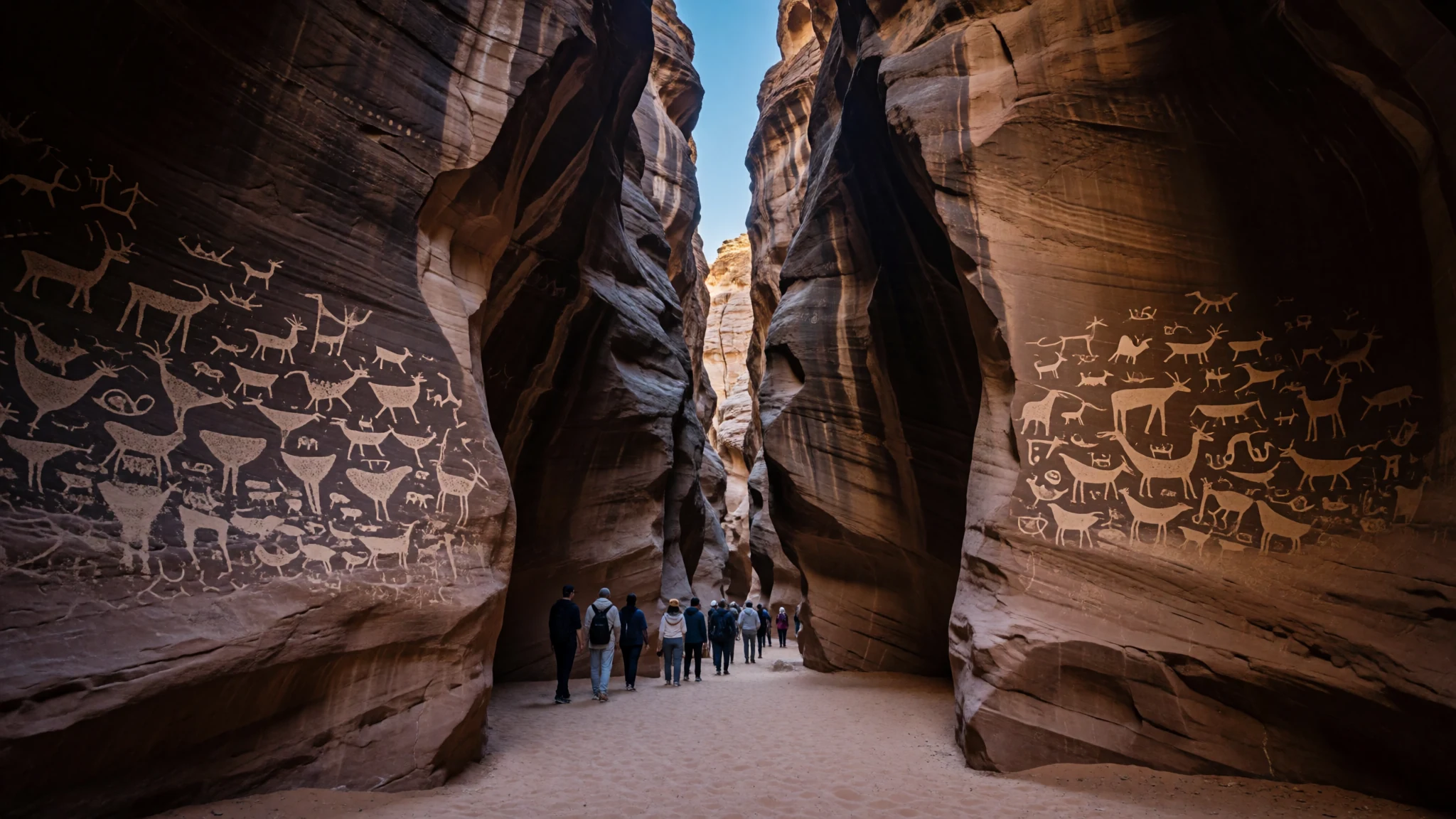
- Burdah Rock Bridge — Northern protected area
A striking natural stone arch perched high above the desert floor, accessible via a challenging multi-hour trek that rewards hikers with spectacular views across the reserve.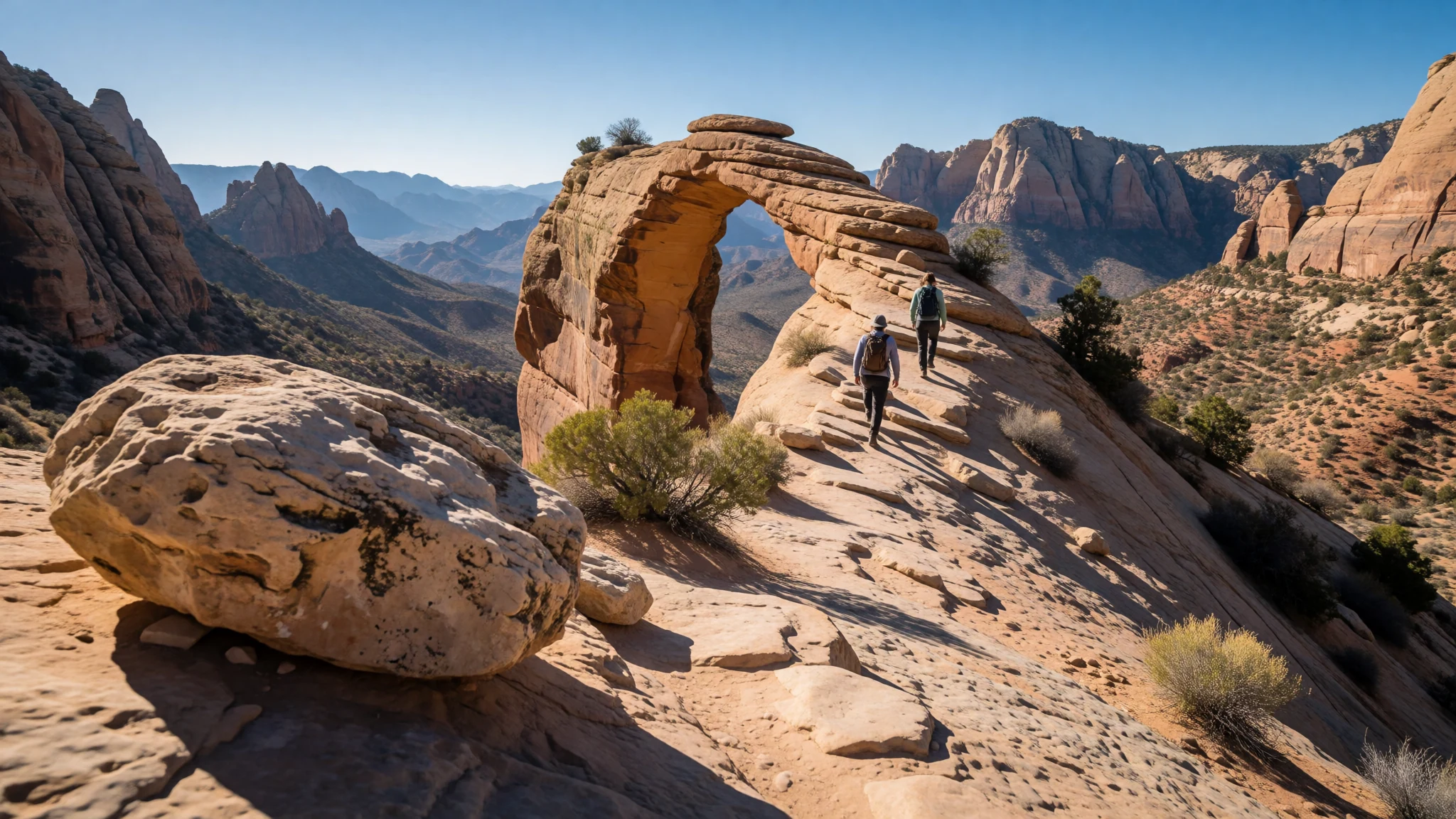
- Anfashieh Inscriptions — Near the red sand dune zone
A weathered mountain face bearing ancient rock art and carved depictions of camel caravans dating back through Nabataean and Thamudic eras.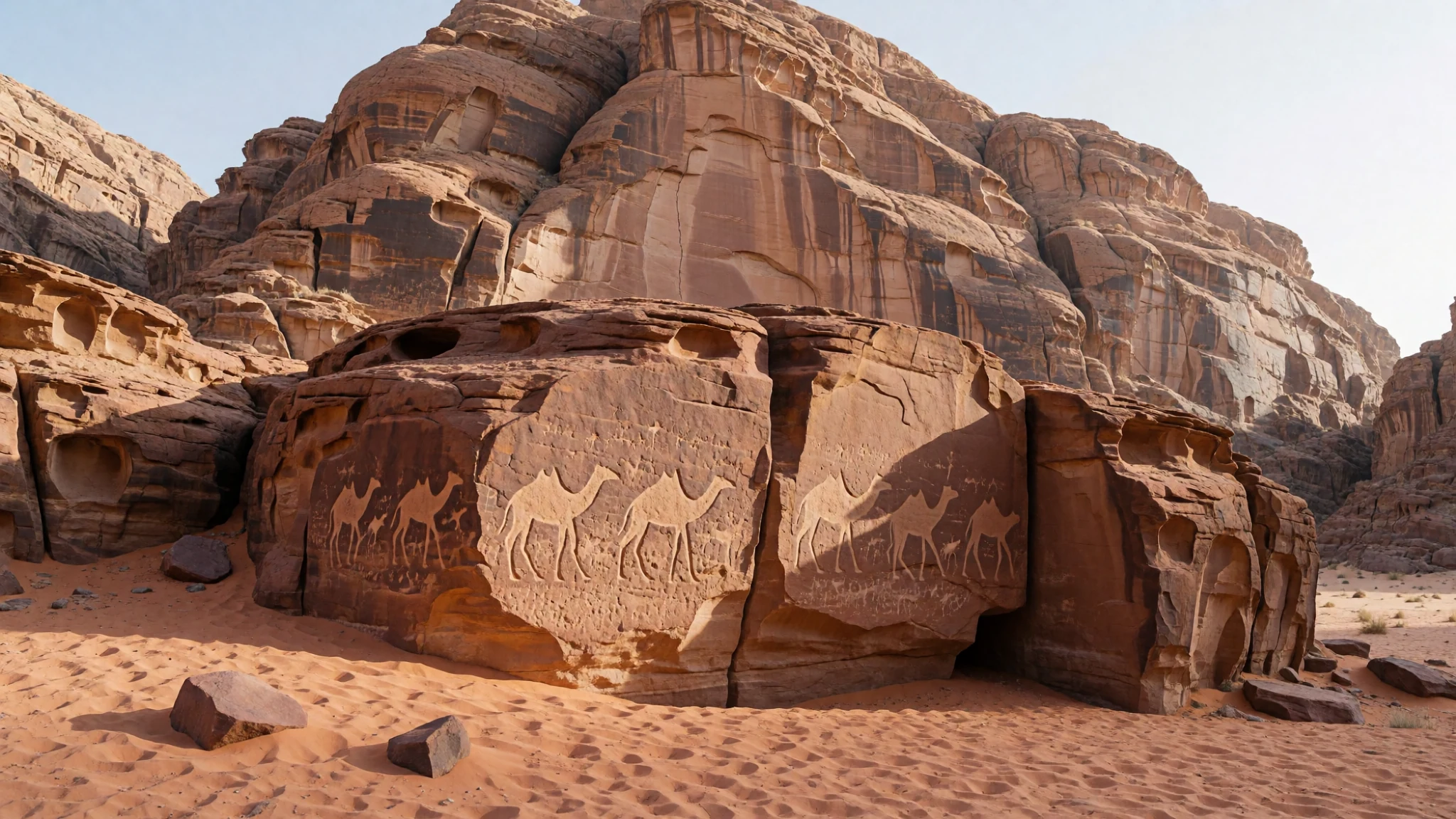
- Abu Kashaba Canyon — Western valley sector
A sandy corridor shaded by desert trees where guided excursions often drop travellers off to walk leisurely through the gorge from one end to the other.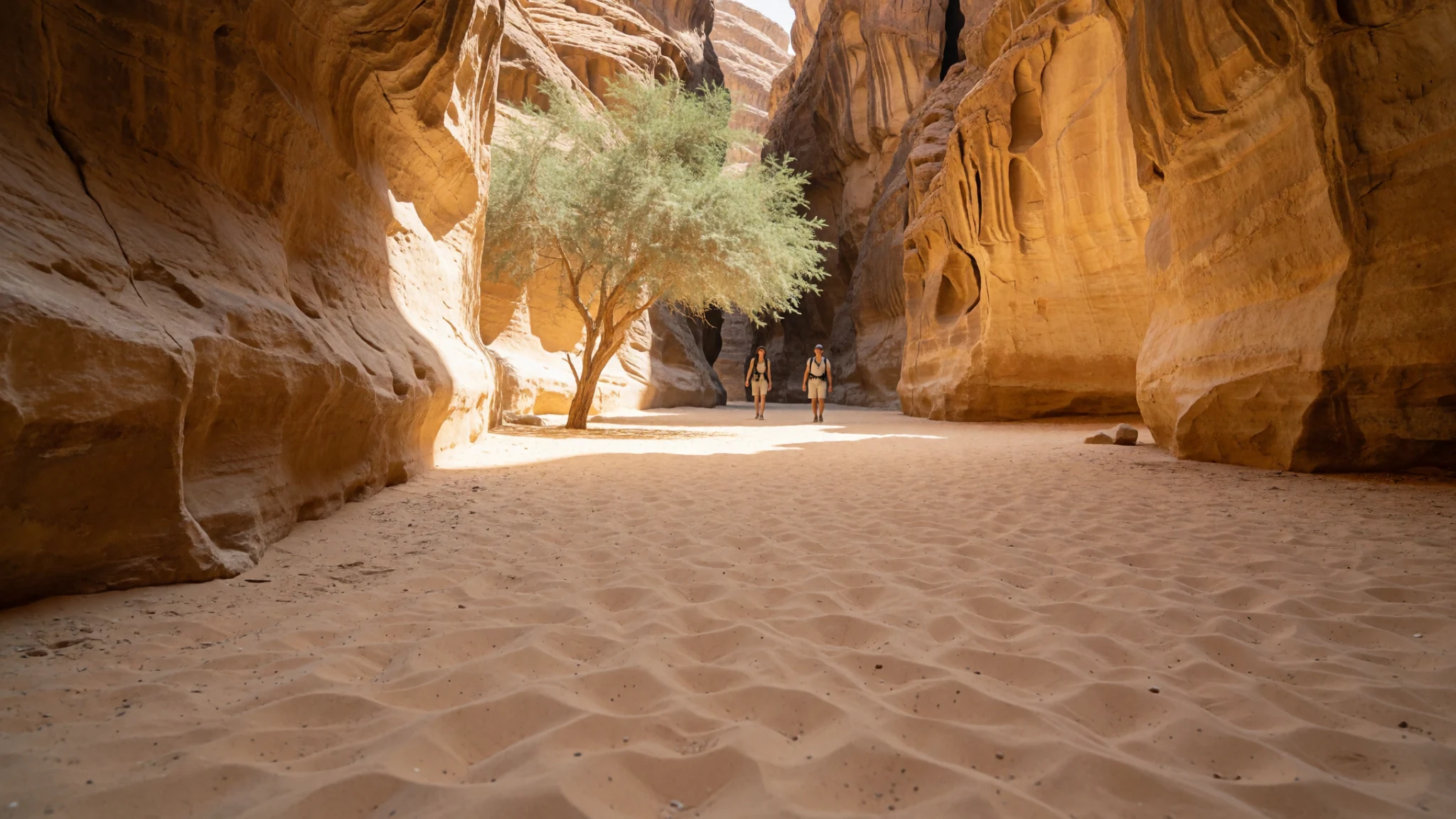
- Lawrence Spring — South-west of Wadi Rum village
A natural mountain watering hole located a short distance from the main village, historically used by travellers and linked by local lore to British military campaigns.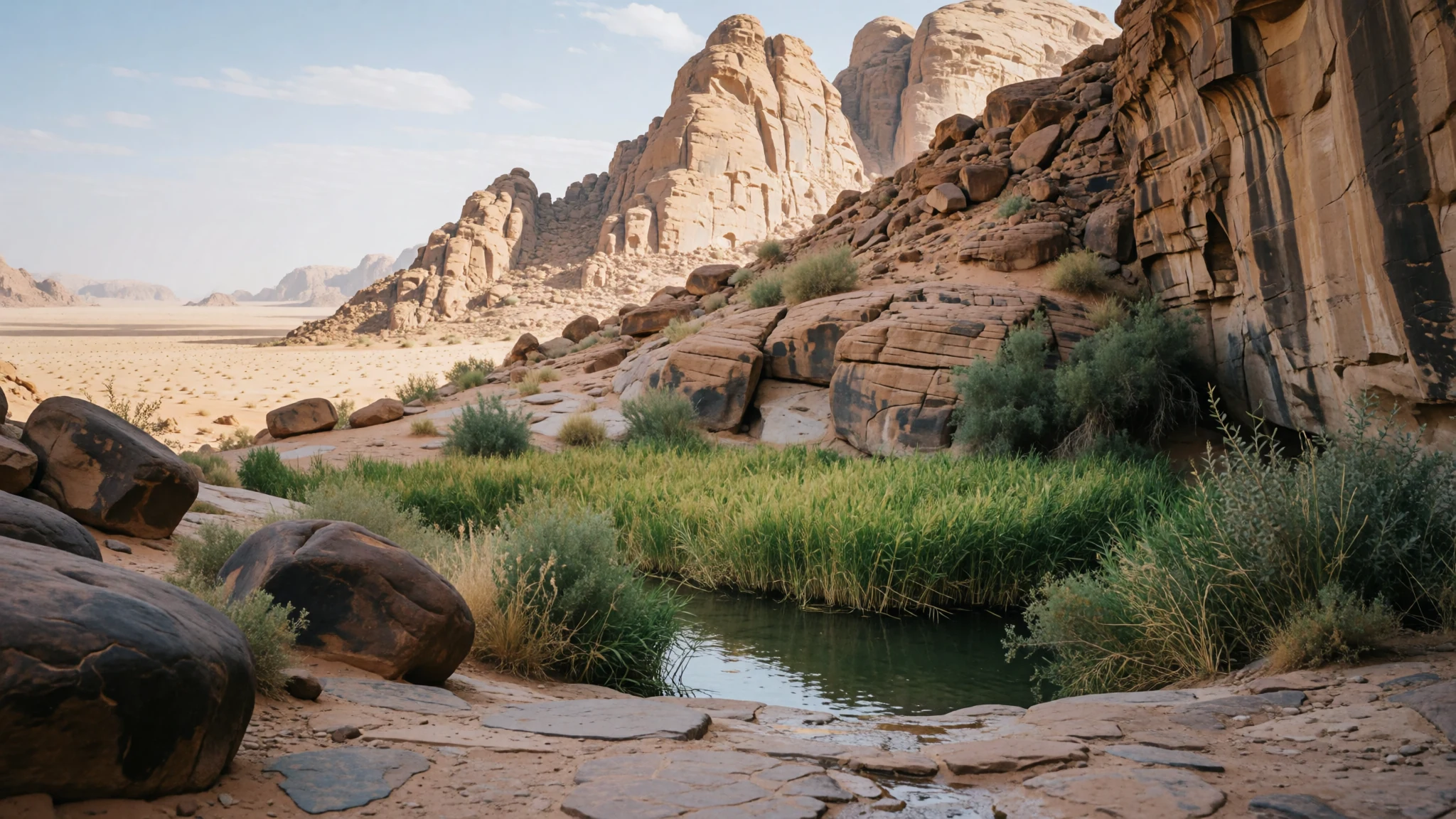
Culture
Culture in Wadi Rum is deeply intertwined with Bedouin traditions, emphasizing community loyalty, generosity, and resilience in a demanding environment. Hospitality is a sacred duty, and guests are routinely welcomed into tents with hot, heavily sweetened tea flavoured with aromatic herbs like mint and sage. Tribal heritage governs social interactions, where respect for elders, storytelling, and collective support remain paramount. Traditional crafts, music, and poetry continue to be passed down through generations, keeping ancestral memories alive beneath the desert stars. While modern vehicles and technology have integrated into daily routines, the core values of kinship and connection to the land persist unchanged. Always ask permission before photographing local residents, especially women and children.
What to wear
Traditional dress in Wadi Rum reflects practicality against the desert extremes, utilizing loose-fitting garments that protect against intense sun and blowing sand. Local men often wear traditional thobes or long robes accompanied by patterned headscarves secured with black agal ropes, while women traditionally wear embroidered garments that signify tribal heritage and identity. Modern daily wear in the village mixes these traditional items with contemporary casual clothing, such as jeans and shirts, especially among younger generations and those working in tourism. For visitors, clothing should prioritize sun protection and cultural modesty. Lightweight, breathable fabrics covering shoulders and knees are ideal for daytime excursions, while a warm fleece or jacket is essential for chilly desert nights when temperatures plummet rapidly. Sturdy walking shoes or hiking boots are mandatory for navigating rocky terrain and shifting sand dunes, alongside sunglasses and a wide-brimmed hat.
What to eat
- Zarb — Desert tourist camps
A traditional Bedouin feast consisting of marinated chicken or goat meat slow-cooked underground in a sand-covered pit, resulting in tender meat with a rich barbecue flavour.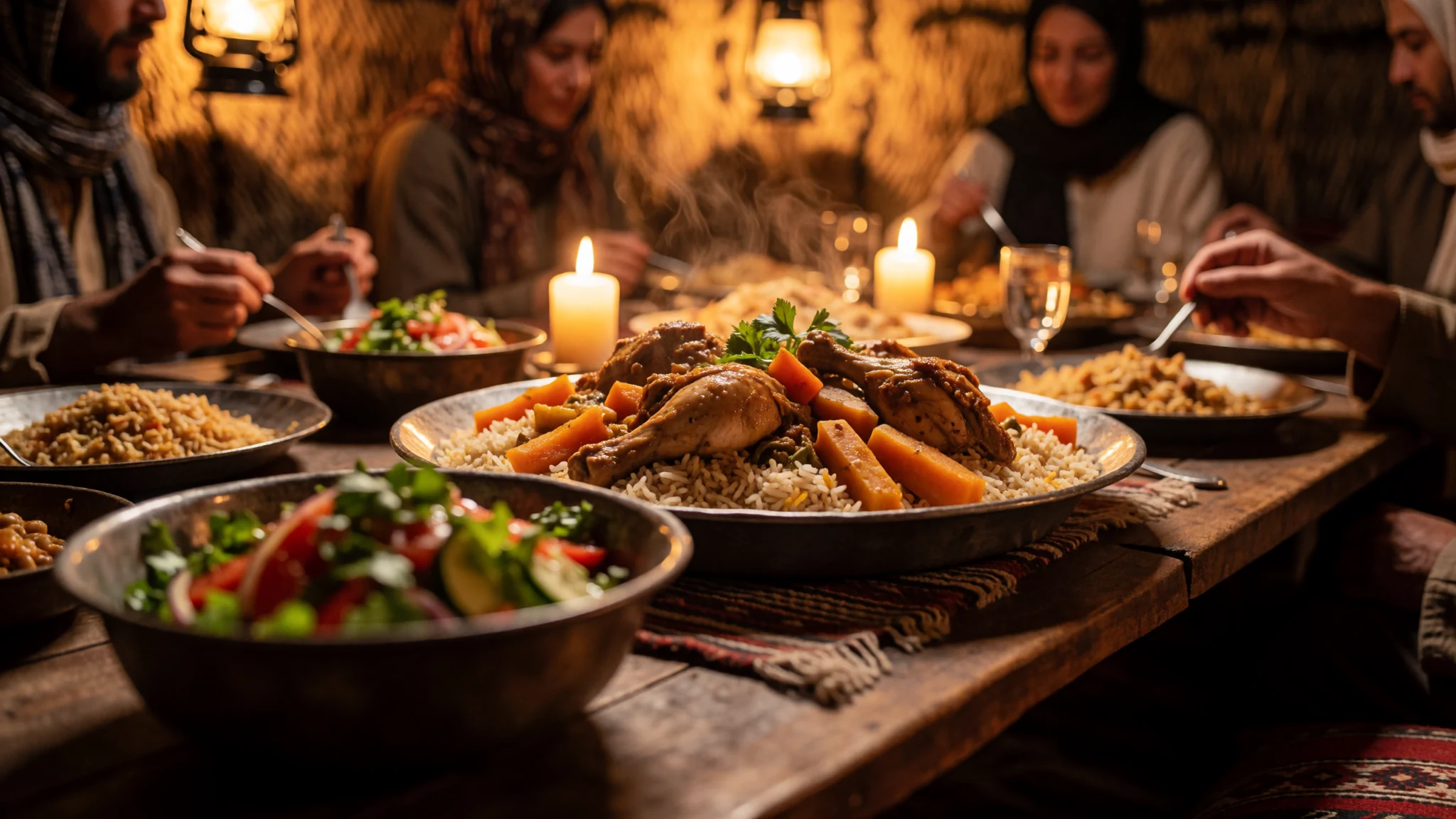
- Bedouin Tea — Any Bedouin tent or camp
A piping hot, very sweet black tea infused with desert herbs like mint and sage, offered as a universal sign of hospitality in every tent.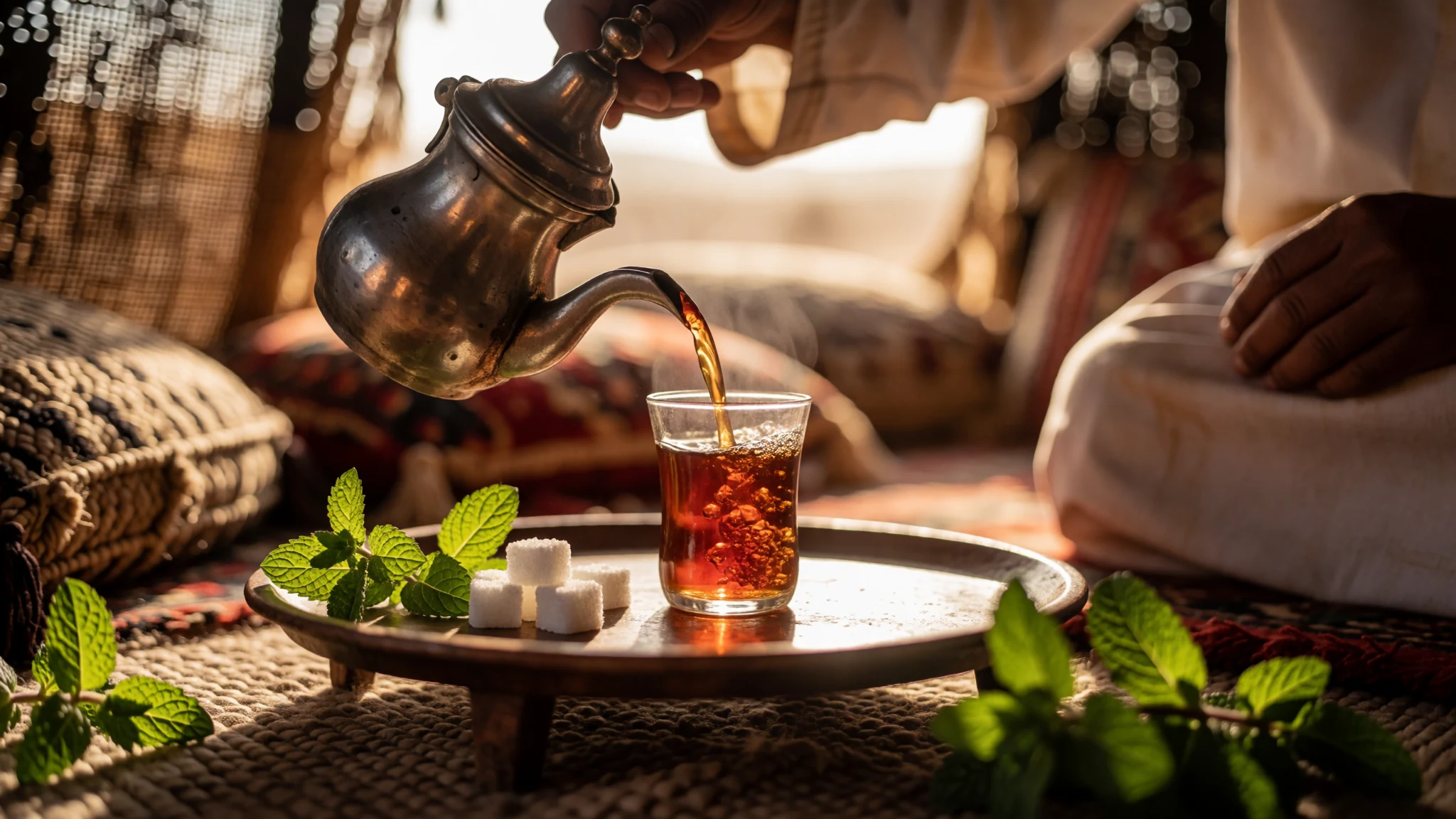
- Village Falafel — Wadi Rum village cafes
Crispy chickpea fritters served fresh and hot alongside simple local bread, hummus, and salads at basic village eateries. - Simple Bread and Yogurt — Park entrance tent-restaurants
Rustic flatbread served with fresh yogurt, offering a simple and grounding taste of traditional nomadic sustenance at roadside stops.
Plan it
Best time. Spring and autumn, roughly March to April and October to November, are the best times to visit, when days remain hot but are far more bearable than the midsummer peak, and nights turn cool.
How long. 2–3
Getting there. Take a bus or taxi from Amman or Aqaba along the Desert Highway to the Wadi Rum intersection, then catch a local minibus or hitchhike to the Visitor Centre.
Budget. mid
Tips
- Purchase the Jordan Pass in advance to cover your protected area entry fee
- Carry sufficient cash, as card machines are rare in the desert village
- Bring a refillable water bottle and stay well hydrated during desert excursions
- Pack warm layers for cold desert nights, even after a hot sunny day
- Arrange your guide and camp accommodations through verified providers before arrival
Etiquette
- Always accept the cup of welcome tea offered by hosts as a sign of respect
- Dress modestly covering shoulders and knees out of respect for local traditions
- Ask permission before taking photographs of local people
Nearby
Sources
- Wikidata Q40729 (CC0)
- Wikipedia (CC BY-SA 4.0)
- Wikivoyage (CC BY-SA 4.0)