Wadi Qelt
Wadi Qelt, Palestine
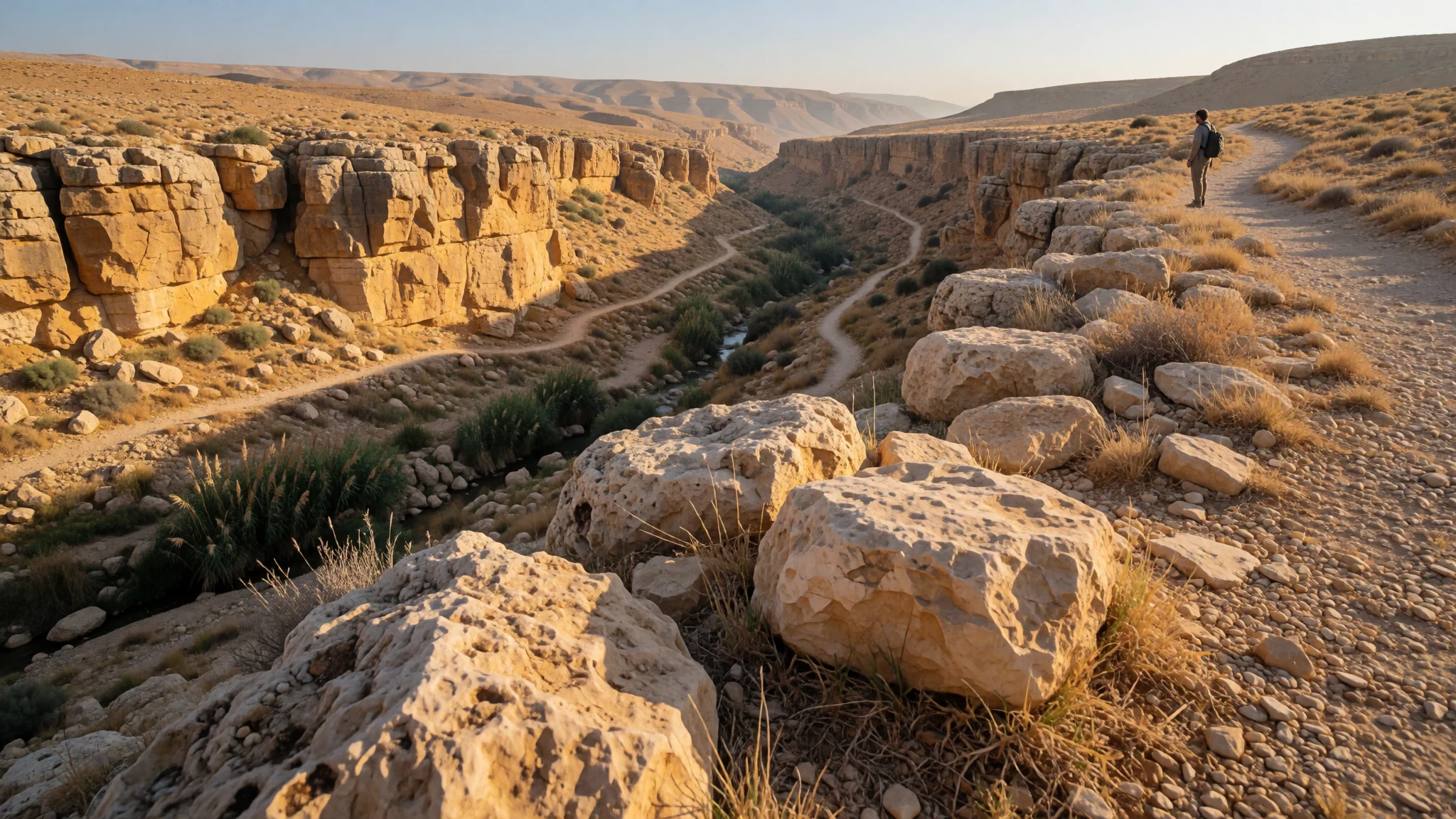
Wadi Qelt offers a dramatic desert canyon walk alongside ancient perennial springs, Byzantine monastic history, and remarkably preserved stone aqueducts.
The place
Wadi Qelt, known in Hebrew as Nahal Prat, is a striking desert valley and stream system descending from the high limestone terrain near Jerusalem down towards the Jordan River valley and the Dead Sea. The geological formation is a deep, rugged gorge cut through the Judean Mountains, creating a dramatic corridor of towering cliffs, arid slopes, and surprisingly lush riparian zones fed by perennial water sources. Along its course, the valley is known by different local designations: the upper reaches are called Wadi Fara, the middle section is known as Wadi Fawar, and the lower portion carries the name Wadi Qelt.
The environment supports a delicate ecosystem distinct from the surrounding desert highlands. Reed beds, fig trees, and oleanders cluster along the flowing water, creating a haven for migrating birds and desert wildlife. Natural springs bubble up at intervals across the valley floor, carving out pools and sustaining green patches against the ochre rock walls. The landscape transitions gradually from upland scrub down into the arid plain near Jericho, offering a varied terrain of rocky paths, cliffside ledges, and open desert panoramas. Hikers traversing the valley encounter an evolving panorama where stark geological formations meet historical engineering works, ranging from ancient terracotta water pipes embedded in rock faces to masonry channels designed centuries ago to capture and divert scarce mountain water.
Despite the harsh summer heat, the wadi remains a vital ecological and recreational corridor. Local shepherds, hikers, and travelers move through the canyon, following ancient tracks that connect the mountain ridges with the lowlands. The presence of water in such an arid setting has shaped human settlement and travel routes here for millennia, turning the canyon into a living archive of desert adaptation.
Its story
The history of Wadi Qelt spans thousands of years of human habitation, monastic retreat, and hydraulic engineering. High above the valley floor stand the massive Bronze Age stone structures known as Qubur Bani Isra'in, marking the presence of early communities who viewed the elevated plateaus as strategic or sacred spaces. As centuries passed, successive rulers recognized the valley's agricultural potential and strategic position between the Judean hills and the Jordan Valley.
During the Hellenistic and Roman periods, the valley became the site of ambitious water management projects. Engineers built multiple aqueducts, with the earliest dating back to the Hasmonean period, to channel spring water across the cliffs down to the agricultural plots and royal winter palaces near Jericho. Archaeologists have even identified a structure within the Hasmonean winter palace complex that some scholars regard as one of the oldest synagogues in existence, though its exact religious attribution remains a subject of academic debate. The valley's natural caves also provided refuge for political insurgents, including Simon bar Giora during the First Jewish War against Rome.
By the Byzantine era, the canyon transformed into a major centre for Christian monasticism. Ascetics and hermits settled in the cliffs, seeking solitude in the desert wilderness. According to tradition, Saint Chariton established the Pharan lavra in the upper valley during the late third century. Around 480 AD, the Monastery of Saint George was founded by John of Thebes, later flourishing under Saint George of Choziba. Monks living in isolated cliff caves would gather weekly for communal worship and meals. Later centuries saw the establishment of additional monastic foundations, cementing the canyon's legacy as a landscape of spiritual endurance and architectural ingenuity.
What to see
- Monastery of Saint George — Lower Wadi Qelt canyon
Clinging precariously to the sheer cliff face of the Judean Desert canyon, this remarkable cliffside monastery was founded around 480 AD and expanded in the sixth century. Visitors walking down the steep path from the rim can view its stone walls, domes, and interior chapels.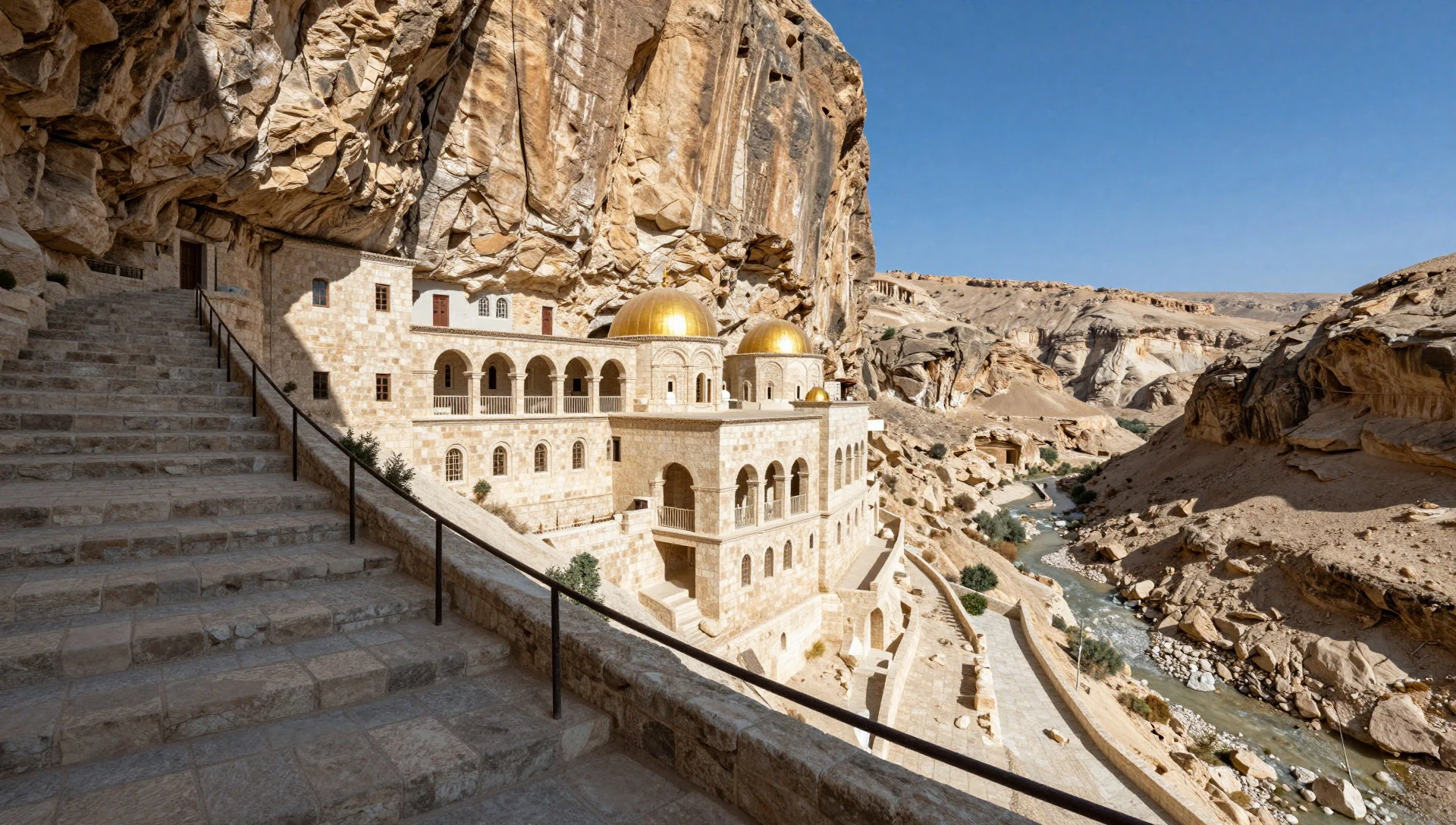
- Ein Mabua (Wadi Fawar) — Middle Wadi Fawar valley
Situated in the middle section of the stream, this natural spring flows into a stone pool set against the desert rocks. The spring is known for its intermittent pulsing flow, which historically filled and emptied the basin at irregular intervals.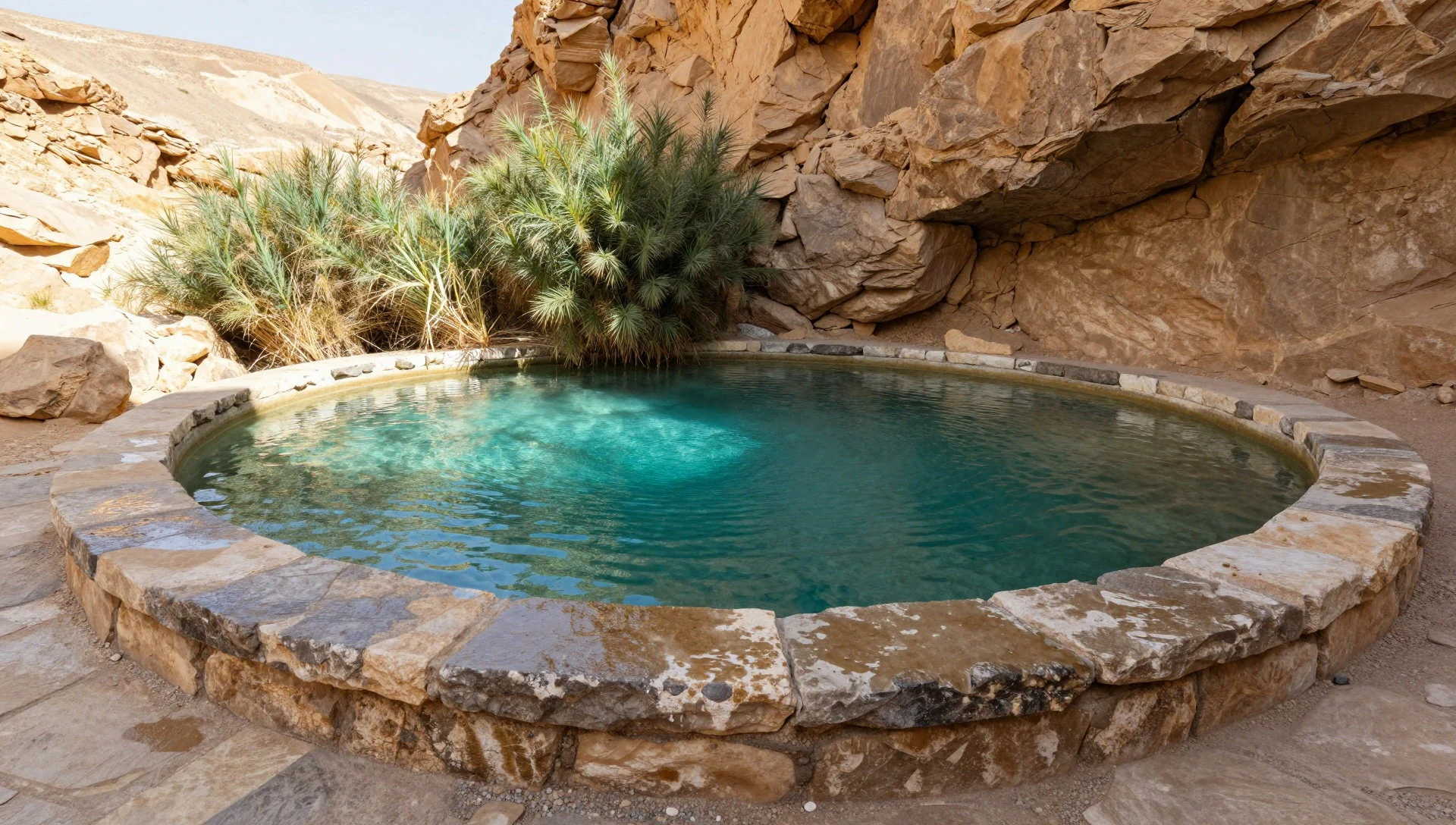
- Ein Prat (Wadi Fara) — Upper Wadi Fara sector
Located at the head of the valley within the protected nature reserve, this upper spring feeds clear pools surrounded by reeds and greenery. It serves as the starting point for many walks through the upper canyon landscape.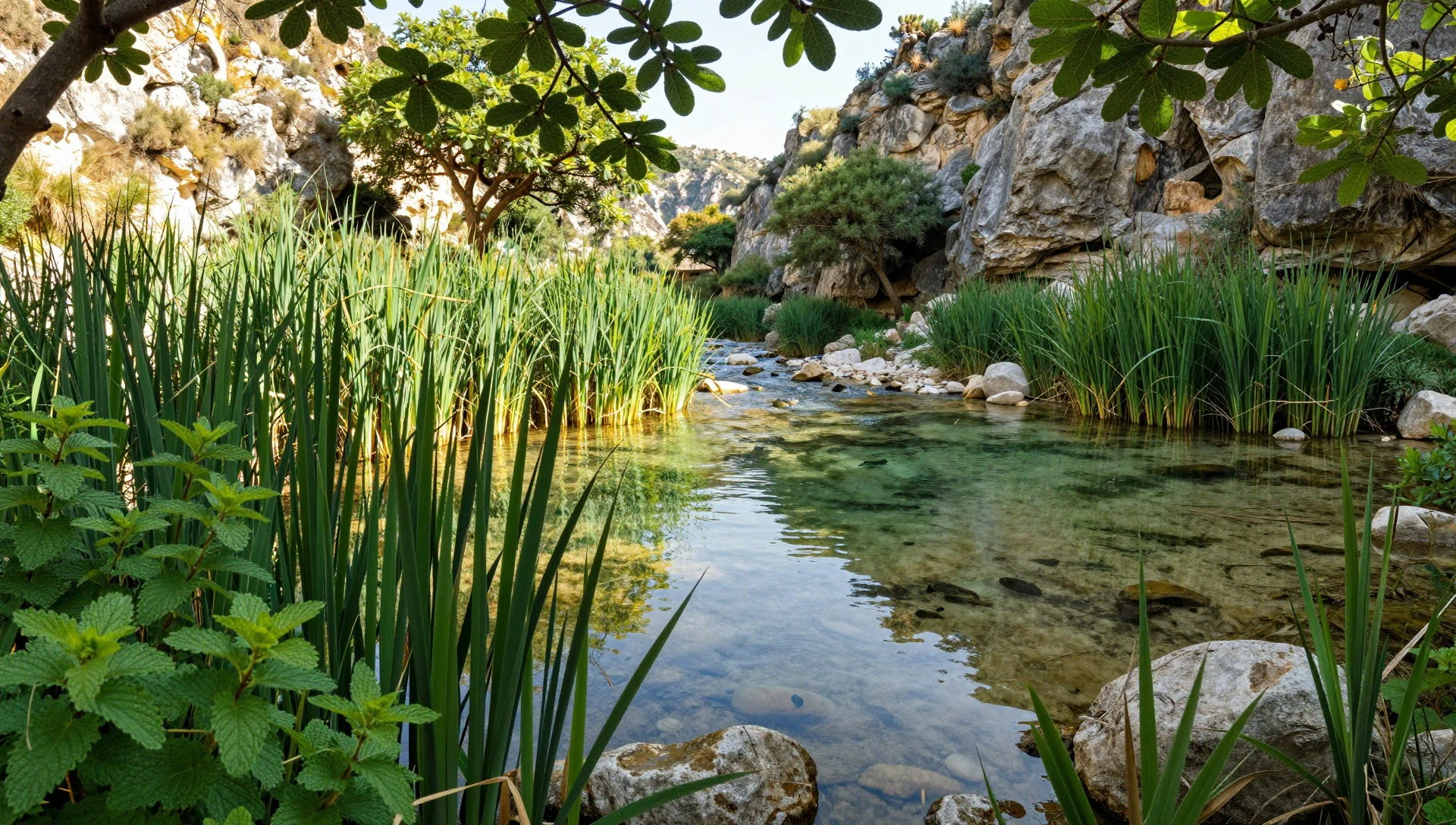
- Hasmonean Aqueducts — Throughout the wadi course
Carved into the limestone canyon walls and built across steep slopes, these ancient water channels trace the route from the upland springs down toward the Jericho plain. The oldest sections demonstrate advanced engineering from the second century BCE.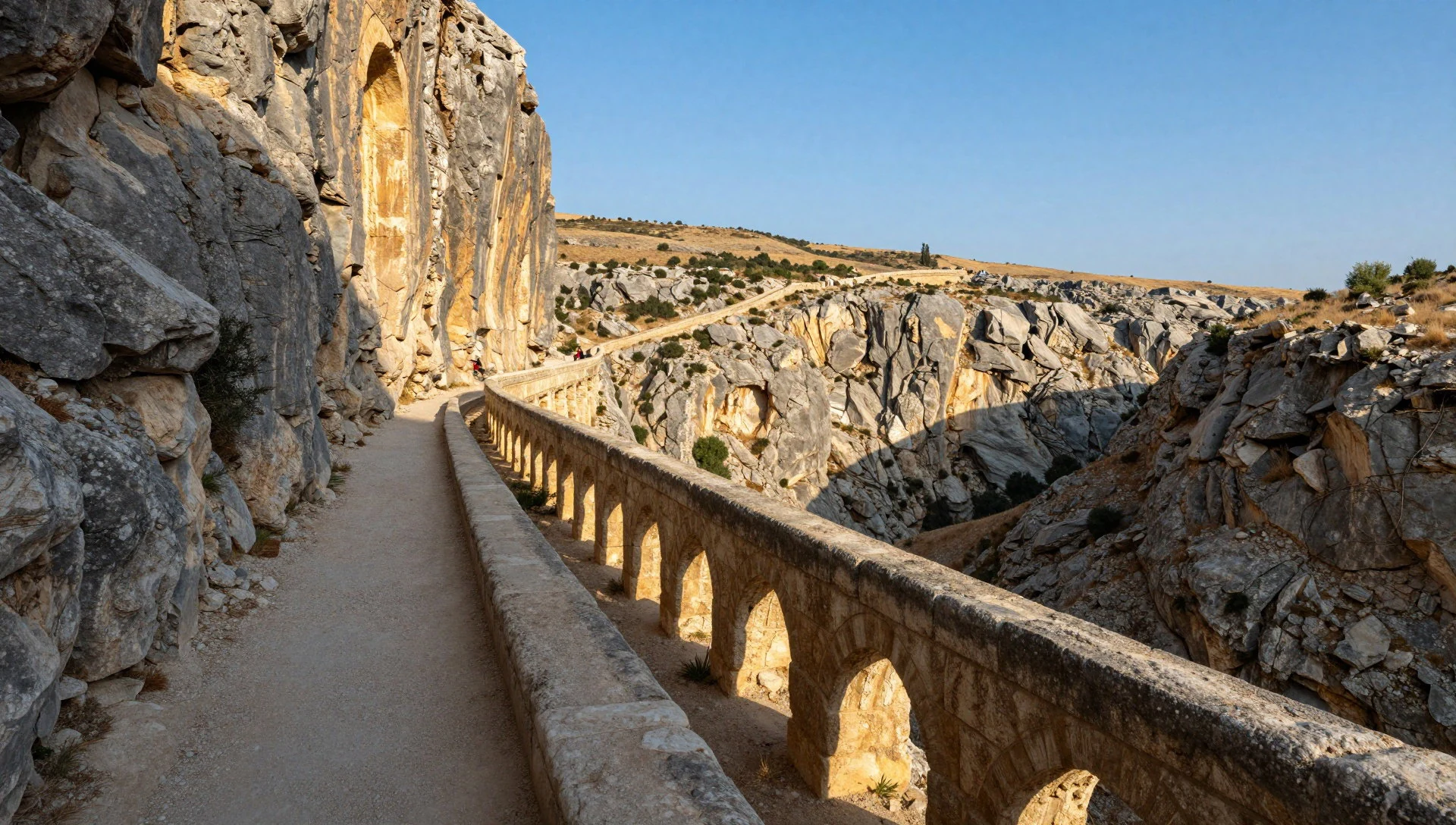
- Qubur Bani Isra'in — Plateau overlooking Wadi Qelt
These monumental Bronze Age stone structures sit on an elevated rocky plateau overlooking the canyon. The large megalithic formations provide a stark architectural contrast to the surrounding natural desert topography.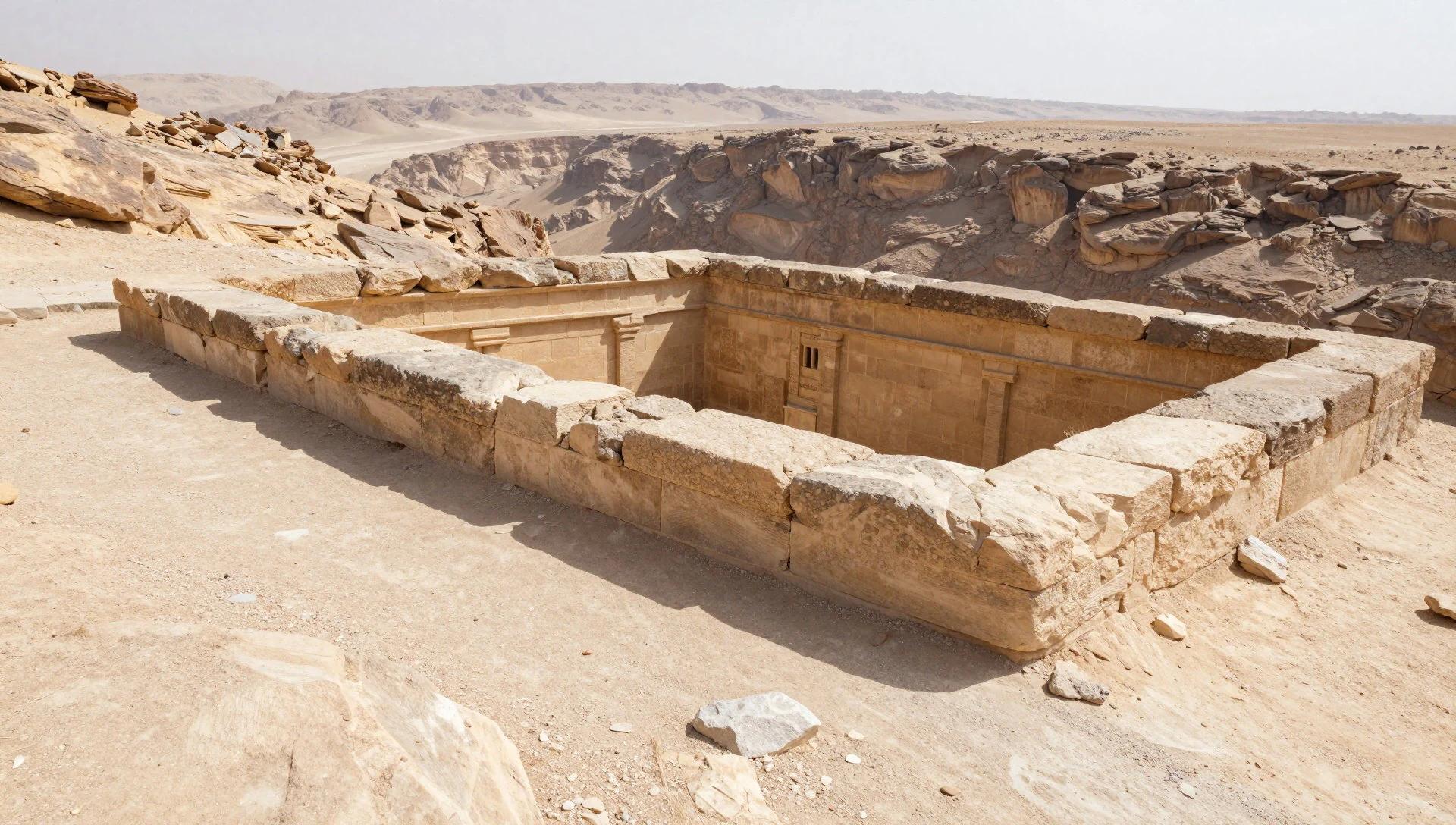
Culture
Wadi Qelt lies within a region shaped by diverse communities, including Palestinian villagers, Bedouin herders, and Israeli settlers and hikers. Traditional rural life in the surrounding hill communities emphasizes hospitality, communal gatherings, and traditional crafts woven from local wool and textiles. Music, storytelling, and shared meals of flatbread, olives, and regional dishes form an important part of daily social life in nearby towns and settlements. The canyon itself serves as a shared outdoor space where hikers from various backgrounds cross paths on the trails. Religious heritage remains palpable, with Christian monasteries, ancient Jewish ruins, and local Islamic shrines dotting the wider landscape. Visitors should dress modestly, covering shoulders and knees out of respect for local religious sites and conservative village norms.
What to wear
In Wadi Qelt and the surrounding West Bank towns, traditional attire reflects both practical desert adaptation and cultural heritage. Older generations and rural residents often wear loose-fitting garments, embroidered robes, and traditional head coverings suited to the intense sun and arid climate. Contemporary daily wear in nearby towns combines modern casual trousers and shirts with modest cuts. For visitors exploring Wadi Qelt, functional outdoor clothing is essential. Sturdy hiking boots with good grip are necessary for navigating loose limestone gravel and steep cliffside paths. Lightweight, breathable fabrics protect against the sun, while a hat, sunglasses, and a warm layer for cooler desert evenings are strongly recommended. When visiting monasteries or nearby villages, ensure shoulders and knees remain covered to align with local modesty customs.
What to eat
- Falafel and Hummus — Local markets and roadside eateries in nearby towns
Crisp chickpea fritters served alongside smooth, olive-oil-drenched chickpea paste, fresh tomatoes, pickles, and warm flatbread.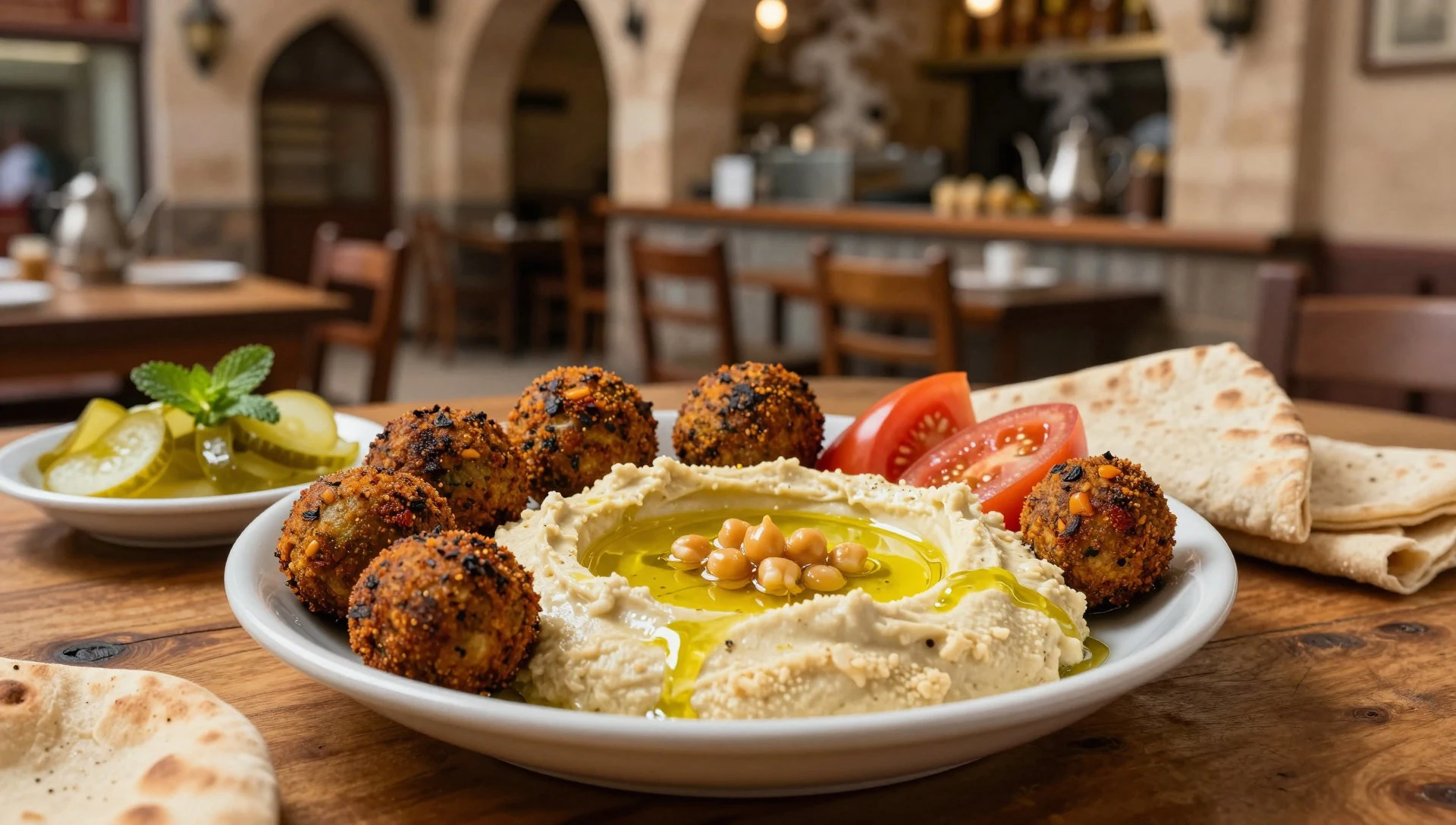
- Musakhan — Traditional restaurants across the West Bank
Roasted chicken baked with sweet onions, sumac, and olive oil, piled high over thick taboon flatbread.
- Kanafeh — Sweet shops in Jericho and Ramallah
A warm pastry made from spun semolina dough and melted local cheese, soaked in sweet sugar syrup and topped with crushed pistachios. - Za'atar Manousheh — Morning bakeries throughout the region
Freshly baked flatbread spread generously with wild thyme, sesame seeds, and olive oil, often baked in a traditional stone oven.
Plan it
Best time. March to April for pleasant spring temperatures and blooming wildflowers, or late October to November when the summer heat subsides; avoid summer months due to extreme desert temperatures.
How long. 1–2
Getting there. Fly into Ben Gurion Airport, travel by road towards Jerusalem and the West Bank via Highway 1, then access trailheads near Alon or Jericho.
Budget. mid
Tips
- Carry at least three litres of water per person as there are no shops inside the canyon
- Start hikes early in the morning to avoid the strongest midday desert heat
- Wear sturdy hiking footwear with reliable grip for steep, loose stone trails
- Check local security updates and weather forecasts before setting out on long canyon walks
Etiquette
- Dress modestly with shoulders and knees covered when visiting monasteries or local communities
- Ask permission before photographing local residents or herders along the trails
- Carry all rubbish out with you to protect the delicate desert nature reserve ecosystem
Nearby
Sources
- Wikidata Q2920271 (CC0)
- Wikipedia (rev 1364522567) (CC BY-SA 4.0)
- Wikivoyage (CC BY-SA 4.0)
- Photo 01 (CC BY 2.5)
- Photo 02 (CC BY-SA 4.0)
- Photo 03 (CC BY-SA 4.0)
- Photo 04 (CC BY 3.0)
- Photo 05 (CC BY-SA 4.0)
- Photo 06 (Public domain)
- Photo 07 (Public domain)
- Photo 08 (CC BY 4.0)


