Wadi Hadramawt
Wadi Hadramawt, Yemen
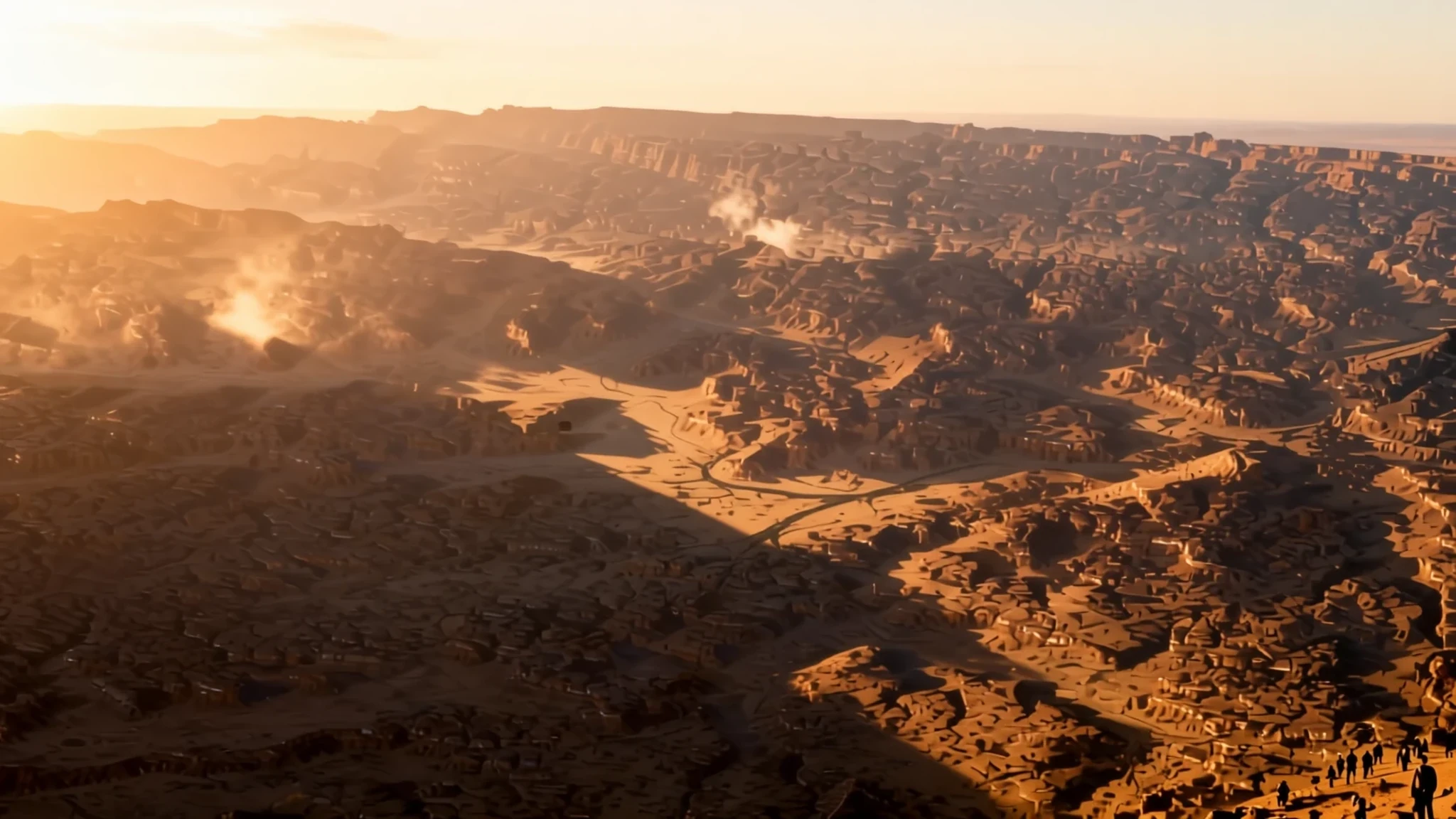
Visit Wadi Hadramawt to witness monumental mud-brick architecture rising above ancient river valleys and fertile desert oasis networks.
The place
Wadi Hadramawt sits in the eastern portion of Yemen, forming a sprawling valley system carved deep into the limestone plateau of South Arabia. The landscape is defined by sheer canyon walls, sun-baked earth, and extensive palm groves that follow the course of ancient seasonal floodwaters. Towns and cities here are famous for their remarkable vertical construction, utilizing sun-dried mud bricks to build multi-story residential towers that withstand the desert climate while preserving arable ground below. Rain is infrequent across the region, yet subterranean aquifers sustain agriculture in pockets along the valley floor. Travellers arriving in Wadi Hadramawt encounter a distinct geographical isolation that has shaped local architecture, dialect, and social customs for centuries. The valley floor accommodates traditional farming settlements alongside larger market towns, each positioned strategically to avoid flash floods while maximizing shade and proximity to water sources. The surrounding plateaus rise abruptly from the valley floor, creating a dramatic contrast between the arid high tablelands and the productive agricultural ribbon below. Movement through the valley has historically relied on tracks following the wadi bed, linking remote communities to regional hubs like Say'un and Shibam. The climate remains hot and dry for most of the year, demanding shaded courtyards and thick mud walls to keep interior spaces cool during the long afternoon hours. Despite regional conflicts and modern infrastructure changes across Yemen, the settlements of Wadi Hadramawt maintain a remarkably traditional character, anchored by vernacular building techniques passed down through generations of local masons and carpenters.
Its story
The history of Wadi Hadramawt is tied to the ancient spice and incense trade routes that connected South Arabia to Mediterranean and Asian markets. For millennia, caravans transported frankincense and myrrh harvested from local trees along desert tracks that skirted the edges of the valley. Ancient kingdoms flourished in the region, drawing wealth from taxation and protection of these lucrative trade networks before the rise of Islamic dynasties that reshaped the cultural landscape of South Arabia. Local rulers and tribal confederations constructed fortified settlements to defend water wells and agricultural stores against rival groups. Over subsequent centuries, religious scholars and merchants from the valley established maritime and overland links with East Africa, India, and Southeast Asia, bringing wealth back to their ancestral towns and funding the construction of ornate mosques, palaces, and towering townhouses. European explorers began mapping the interior valleys during the modern era, though the region remained largely autonomous under local sultanates until political shifts unified North and South Yemen. The twentieth century brought motor transport and modern schooling, yet the fundamental rhythm of life along the wadi remained closely tied to seasonal harvests, livestock rearing, and date palm cultivation. Political turbulence and military conflicts in recent decades have brought severe economic hardship and isolation to the region, yet the communities of Wadi Hadramawt continue to preserve their rich heritage of oral poetry, mud architecture, and intricate woodcraft through periods of profound national instability.
What to see
- Shibam Historic City — Wadi Hadramawt central valley
Often called the Manhattan of the desert, Shibam is renowned for its dense cluster of mud-brick tower houses rising several stories high from the flat valley floor. The settlement relies on ancient defensive walls and meticulous seasonal maintenance to protect its historic residential structures from seasonal rains and floods.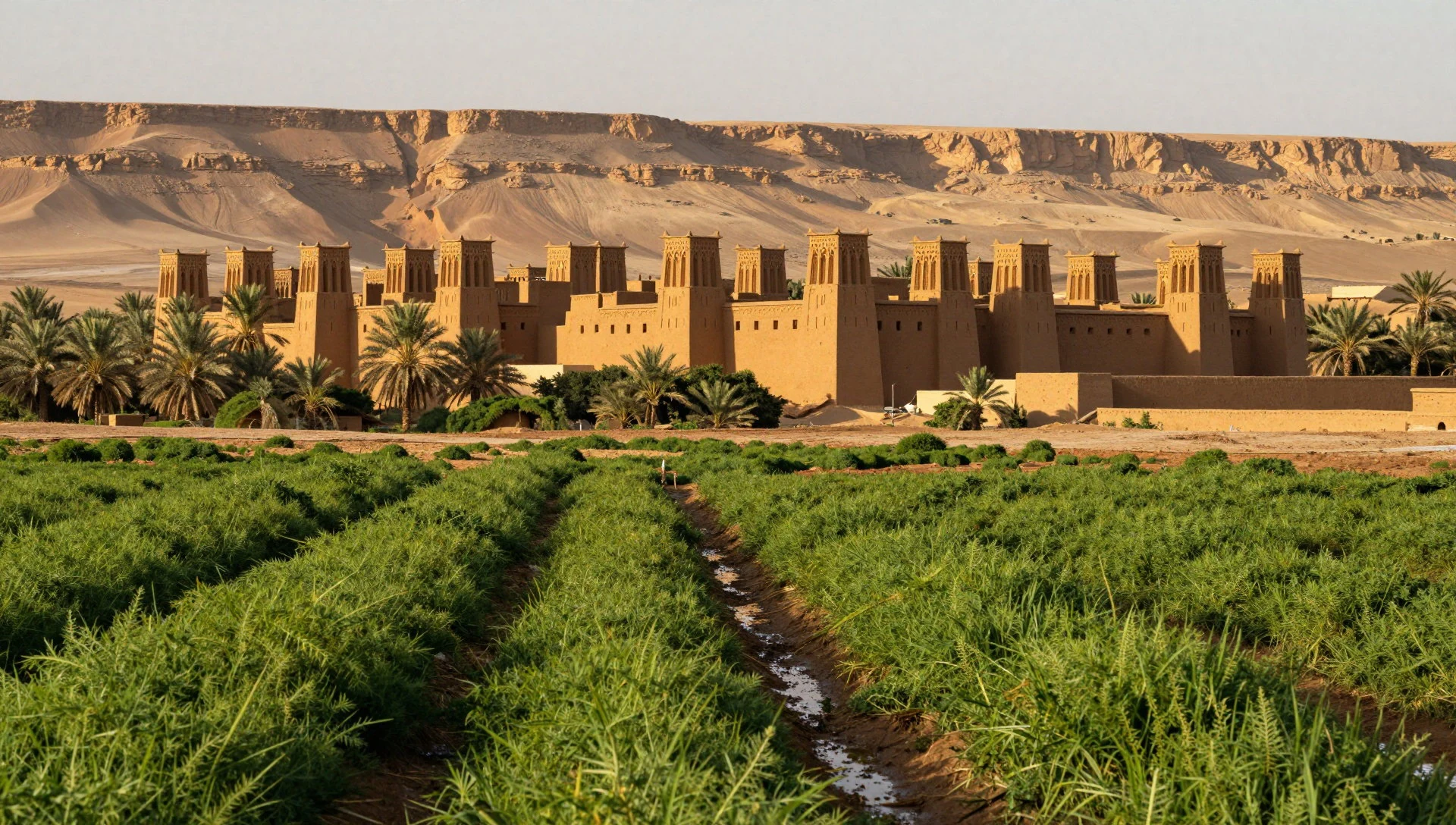
- Say'un Sultanate Palace — Say'un town centre
Dominating the largest urban centre in the valley, this striking whitewashed mud-brick palace serves as a regional architectural landmark. The building reflects local master craftsmanship and houses historical collections detailing the sultanate era and the commercial ties connecting the valley to the broader Indian Ocean world.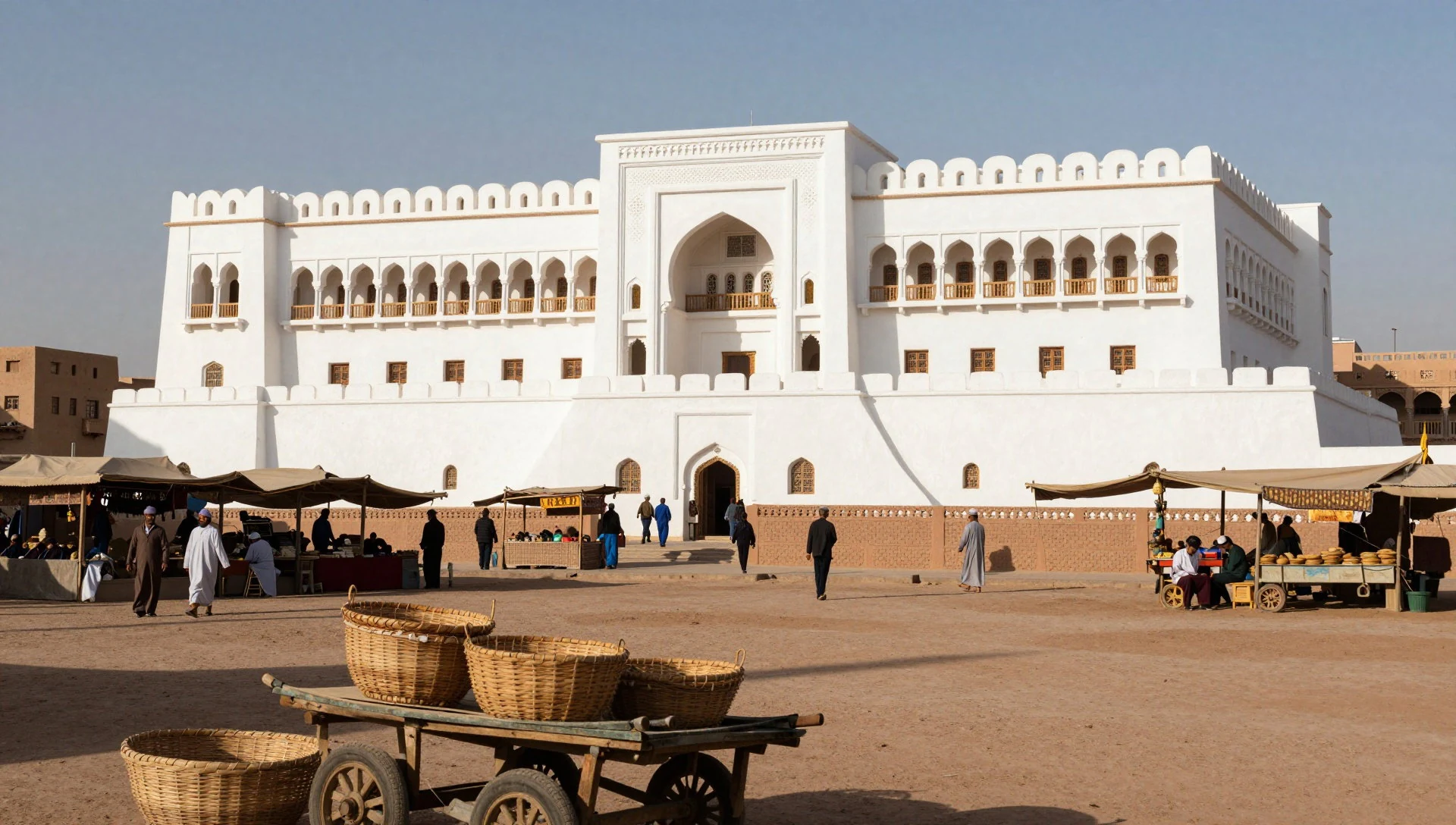
- Tarim Islamic Learning Centres — Eastern Wadi Hadramawt
Recognised for centuries as a traditional hub of Islamic scholarship, Tarim features numerous historic mosques and seminary complexes constructed from local mud-brick. The town is particularly celebrated for its tall minarets and extensive manuscript libraries preserving rare theological and literary works from across South Arabia.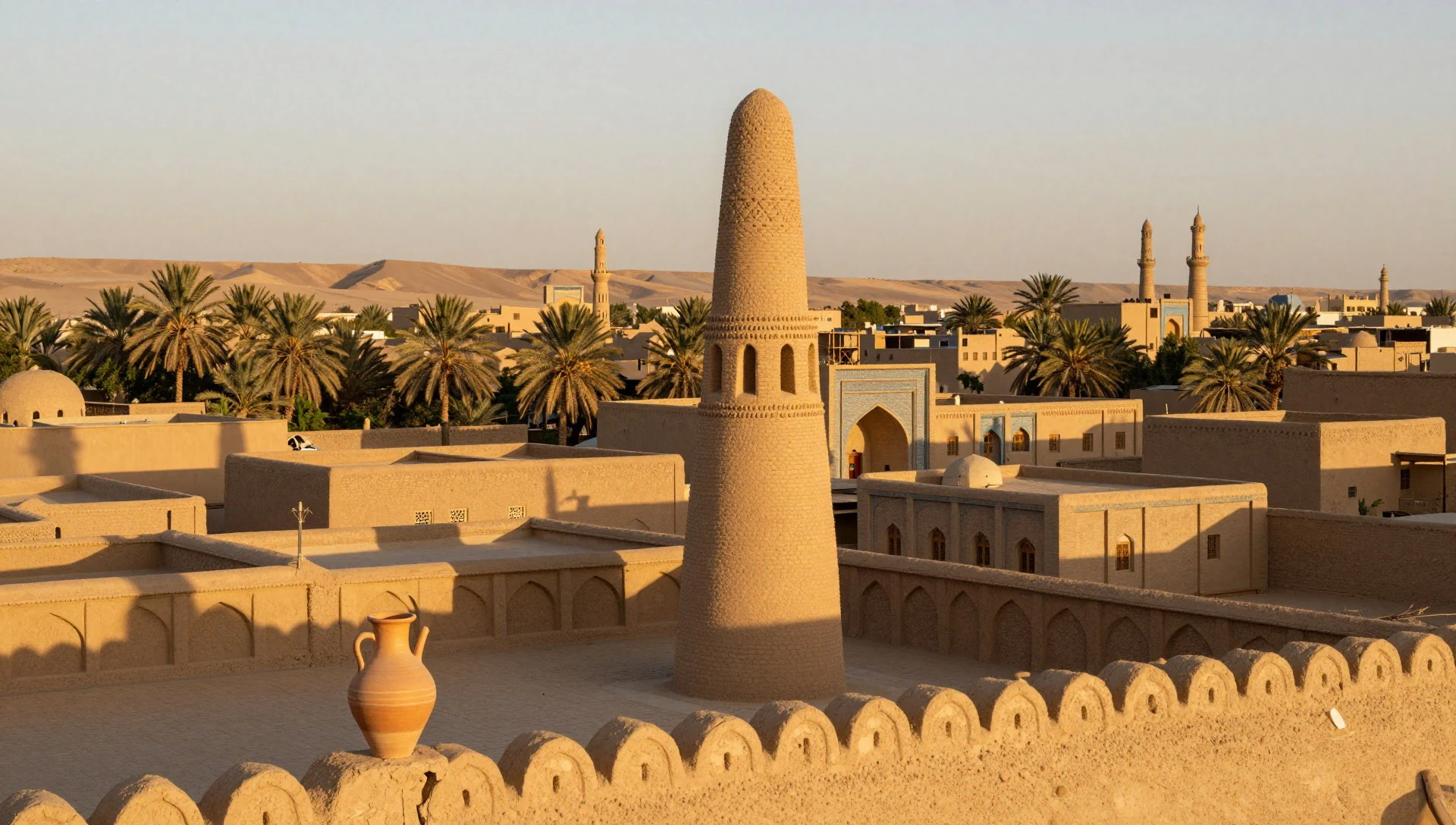
- The Date Palm Groves — Valley floor throughout the wadi
Lining the bed of Wadi Hadramawt, extensive agricultural plots and palm groves demonstrate traditional irrigation methods adapted to arid conditions. Farmers cultivate dates, alfalfa, and grain crops using groundwater pumped from deep wells or channelled from seasonal flash floods during rare periods of heavy rain.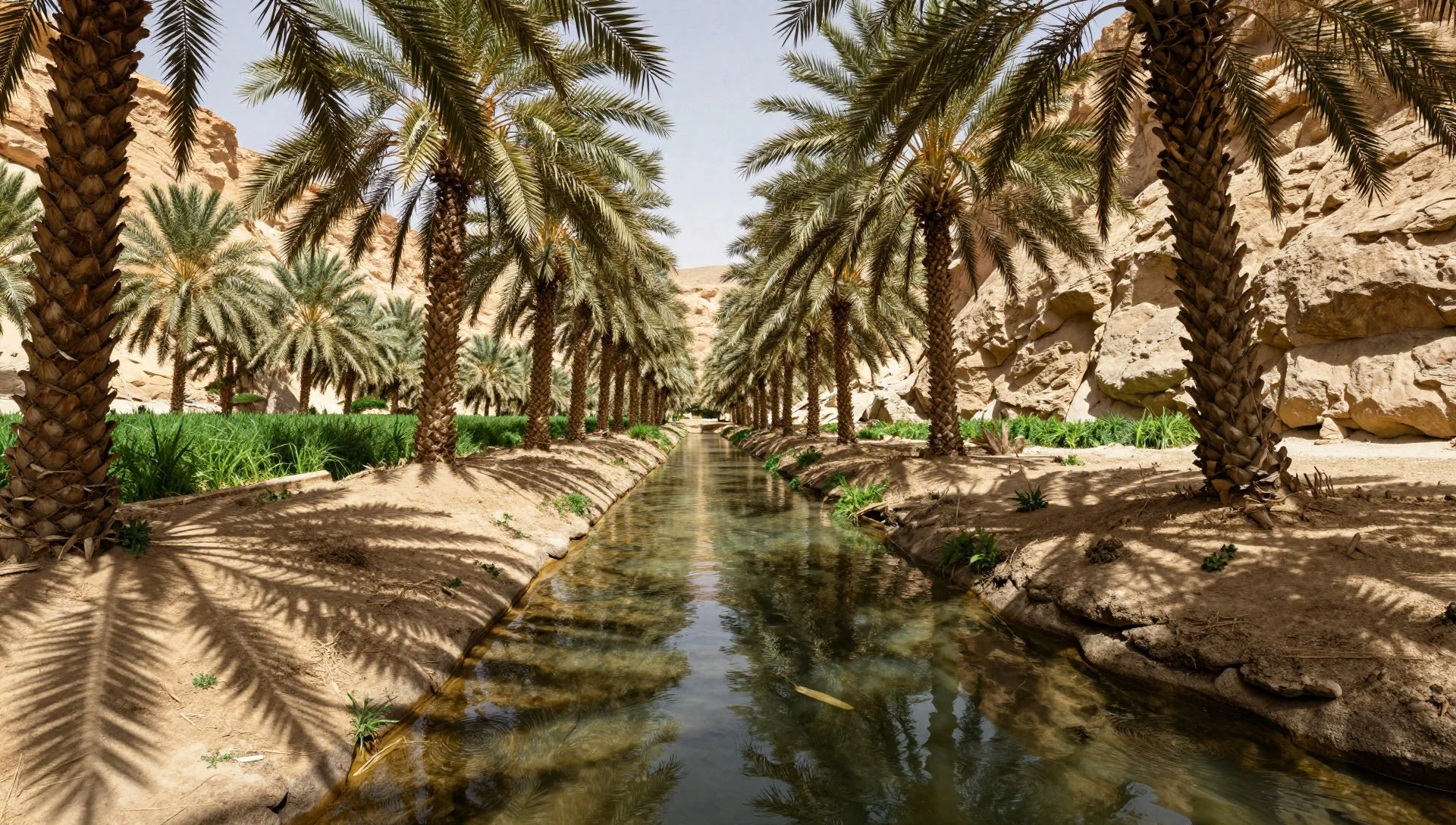
- Al-Qoton Oasis Town — Western Wadi Hadramawt
Situated toward the western end of the valley system, Al-Qoton functions as an active agricultural market town surrounded by traditional mud-brick fortifications and outlying farming hamlets. The locality provides insight into rural daily life, local handicraft production, and regional trade in agricultural produce.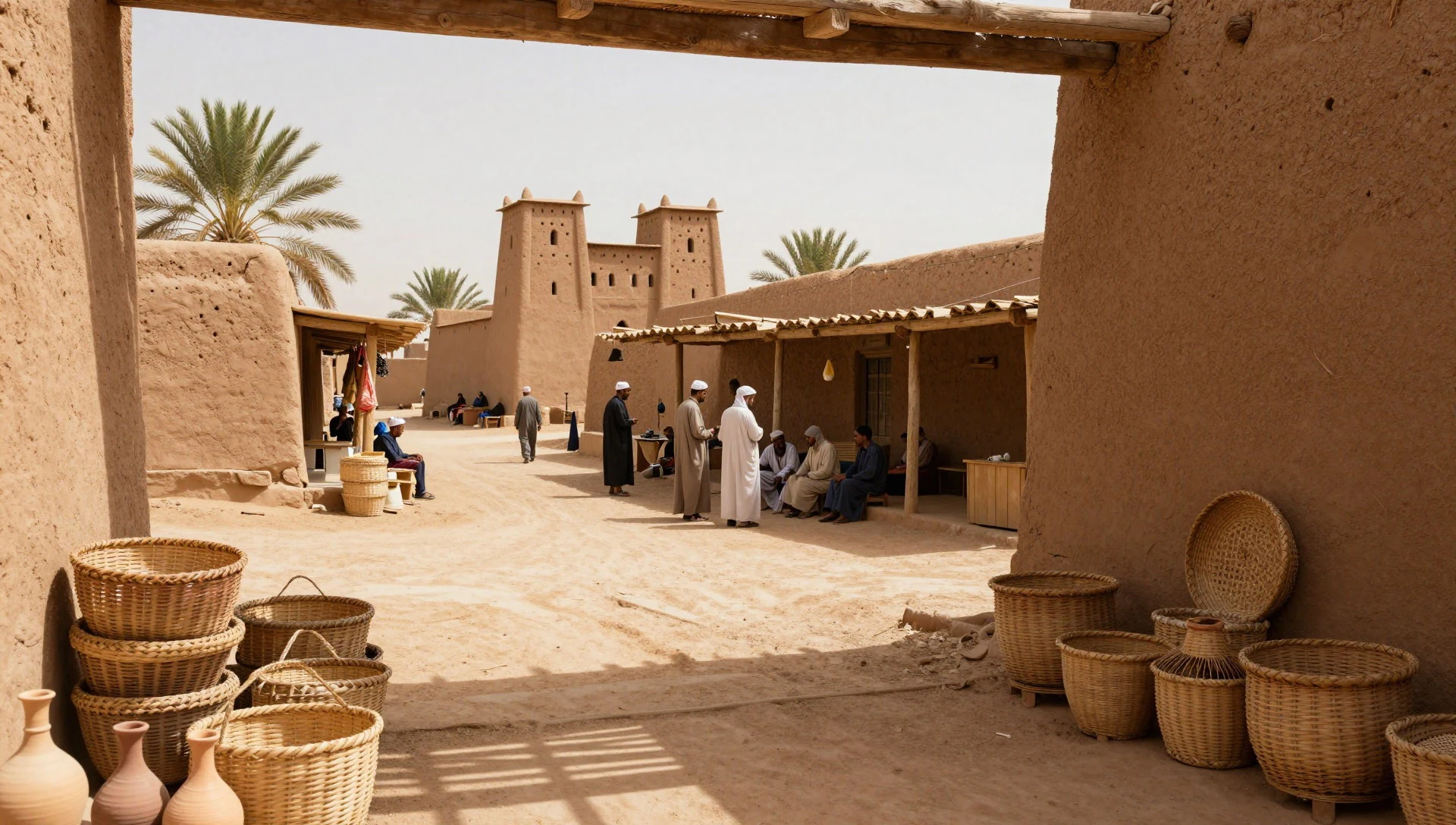
Culture
Wadi Hadramawt shares deep cultural roots with the broader Arab world, shaped strongly by tribal traditions, Islamic scholarship, and centuries of maritime commerce with East Africa and Asia. Hospitality is a foundational virtue, and guests are frequently invited into local homes to share meals, tea, and conversation. Social life often revolves around the afternoon gathering where men socialise and chew qat leaves. Traditional arts, including rhythmic poetry recitations, wedding dances, and intricate woodworking, remain central to community celebrations. Visitors should approach religious discussions with sensitivity and respect, noting that Islam guides public and private life across the valley. When visiting mosques or traditional quarters, dress modestly and always ask permission before taking photographs of local residents. Avoid discussing sensitive foreign policy topics or local political disputes. During Ramadan, refrain from eating, drinking, or smoking in public spaces during daylight hours.
What to wear
Traditional attire in Wadi Hadramawt reflects practical adaptations to desert heat and cultural standards of modesty. Men typically wear a long robe known as a thawb, paired with a patterned scarf or turban wrapped around the head, often accompanied by a ceremonial curved dagger tucked into an embroidered belt. Women generally wear loose, black outer garments or colourful embroidered dresses paired with head coverings when outside the home. Modern everyday wear in larger towns includes a mix of regional robes and imported western garments, though traditional styles remain standard for older generations and formal occasions. Visitors should dress conservatively to respect local norms, ensuring that arms and legs are fully covered in public. Lightweight, breathable cotton fabrics in neutral colours suit the warm climate, while sturdy footwear is recommended for walking on uneven mud or desert tracks.
What to eat
- Mandi — Traditional eateries and family gatherings across Wadi Hadramawt towns
The signature dish of the Hadhramaut region, featuring spiced meat and rice cooked slowly in an underground clay oven. The meat is suspended above the rice, allowing rich juices to drip down during cooking.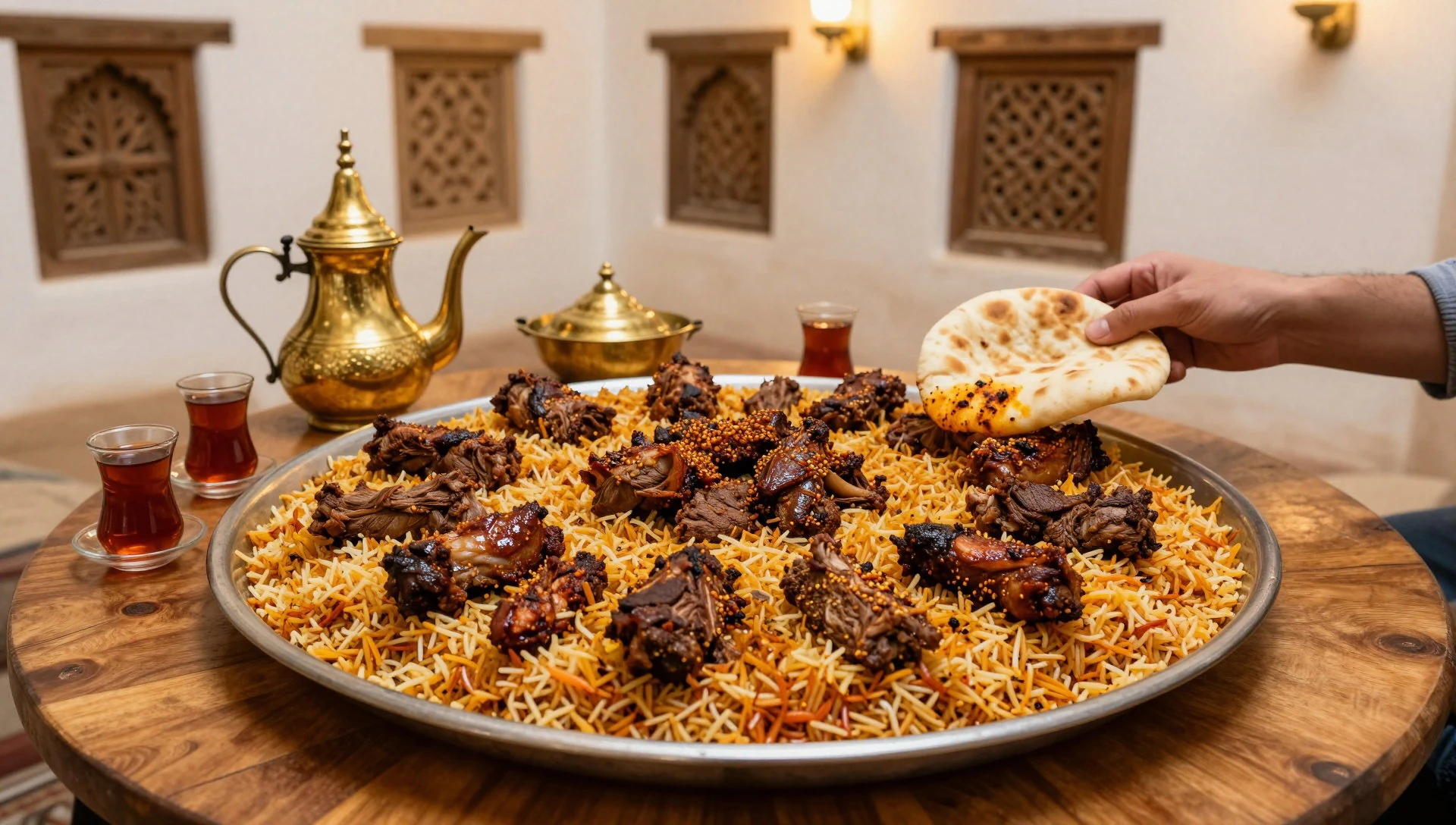
- Salta — Local lunch restaurants in Say'un and Shibam
A bubbling meat-based stew spiced with fenugreek and served hot in a stone bowl, typically enjoyed towards the end of the main course with flatbread.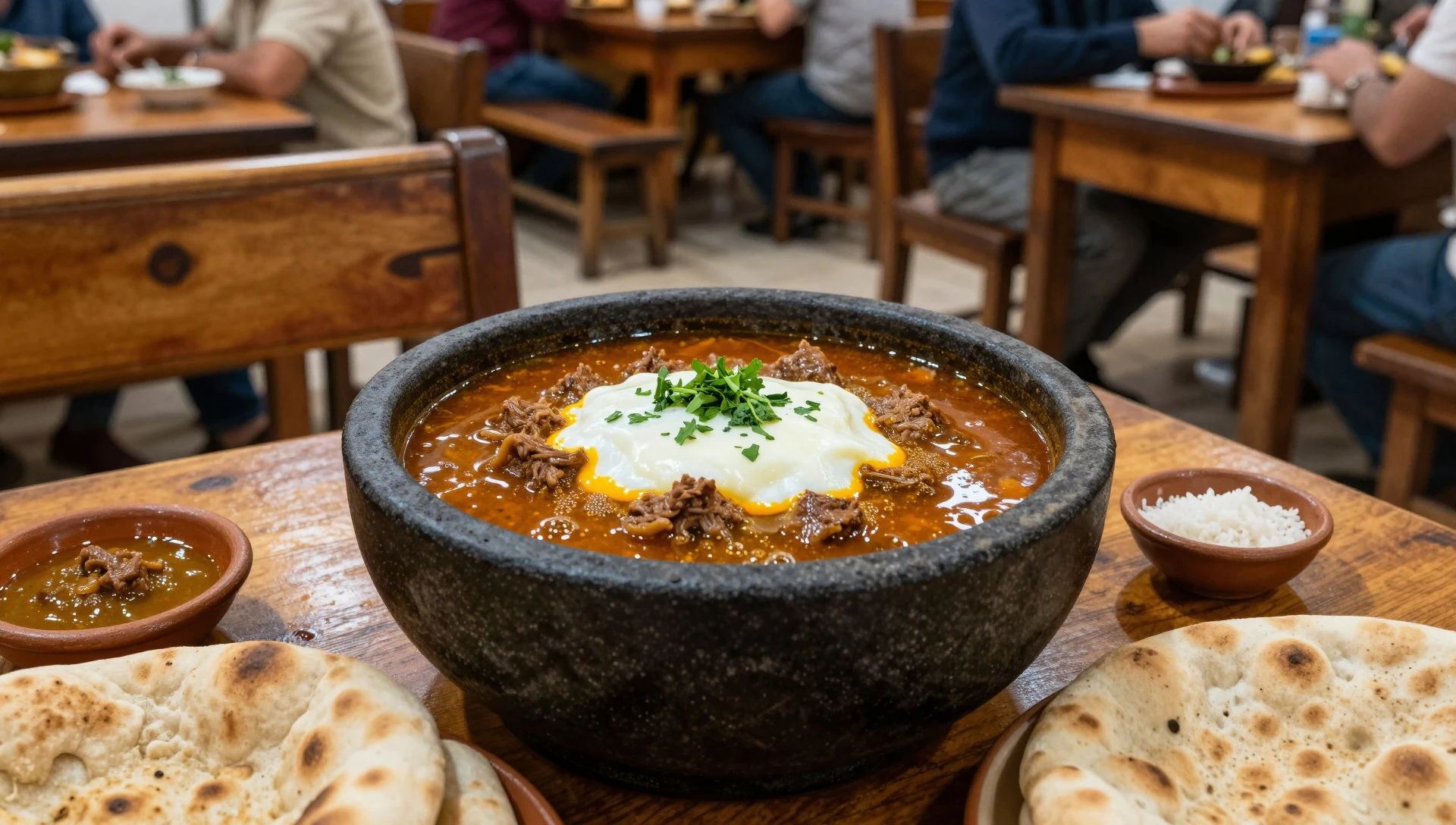
- Bint al-Sahn — Specialist bakeries and celebratory feasts throughout the valley
A rich honey cake made from layered dough enriched with eggs and butter, then generously drenched in sweet local Yemeni honey before serving. - Yemeni Coffee (Qahwa) — Local coffee shops and welcoming households
A lighter, spiced coffee brew flavoured with cardamom and ginger, traditionally served in small cups to welcome guests after a meal or meeting. - Yemeni Honey — Traditional spice and honey souks in Tarim and Say'un
A prized regional delicacy harvested from bees feeding on sidr blossoms, celebrated across the Middle East for its deep floral flavour and health properties.
Plan it
Best time. March to April and October to November offer the most moderate daytime temperatures, avoiding the intense summer heat of the desert interior.
How long. 3–4
Getting there. Fly into Say'un Airport via available regional routes from Cairo or Aden, followed by local road transport into the valley towns.
Budget. mid
Tips
- Check official travel advisories and secure permissions from licensed tour operators before planning any journey to Yemen
- Carry sufficient cash, as international credit cards and electronic banking are generally not accepted
- Drink bottled water exclusively and avoid ice or unboiled tap water
- Engage reliable local guides who understand regional security conditions and tribal protocols
Etiquette
- Dress modestly, covering shoulders and knees at all times
- Ask permission before photographing local residents or private property
- Respect public fasting rules during the month of Ramadan
Nearby
Sources
- Wikidata Q31318182 (CC0)
- Wikivoyage (CC BY-SA 4.0)
- Wikipedia (CC BY-SA 4.0)