Wadi Al-Hitan
Wadi Al-Hitan, Egypt
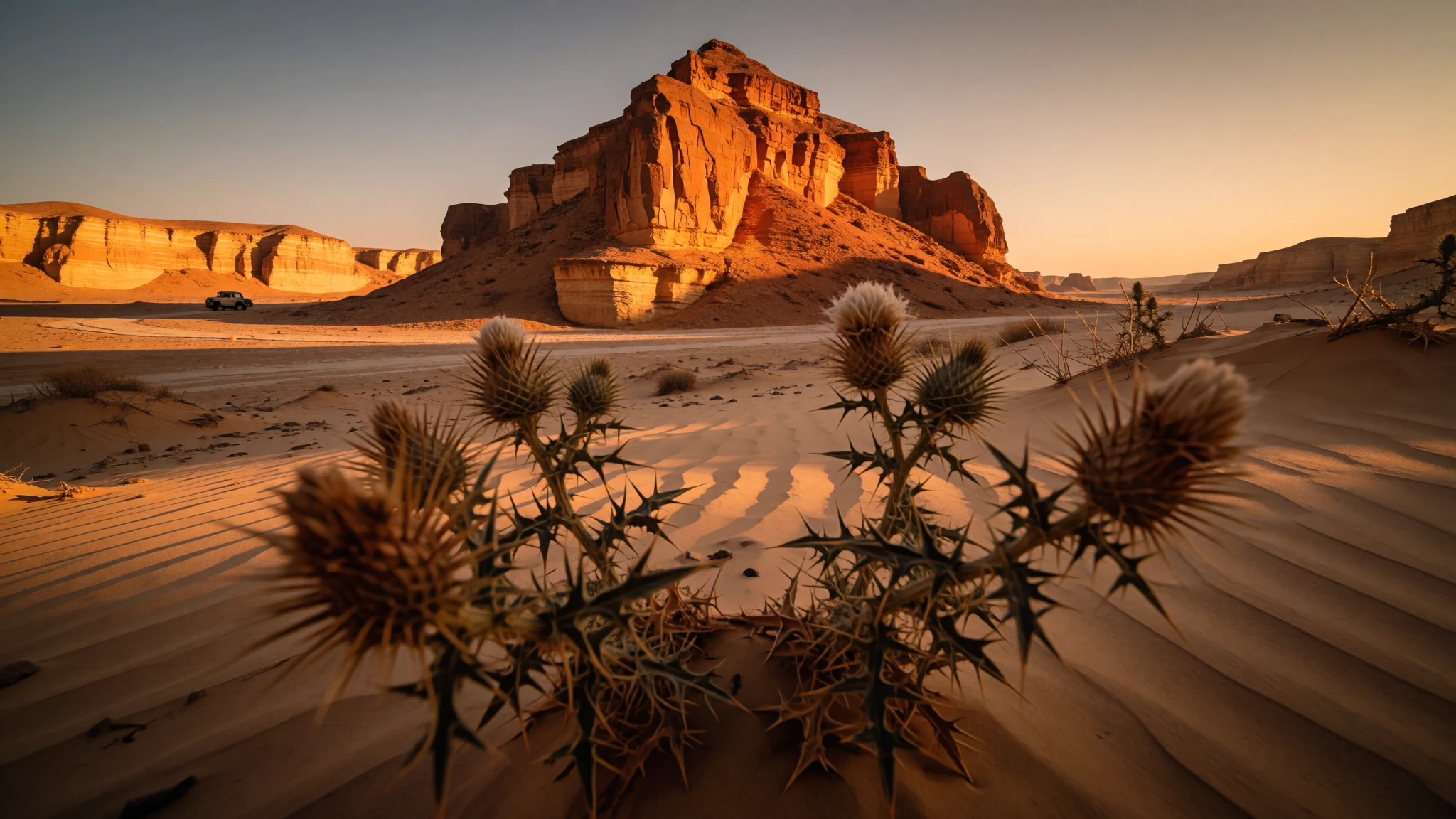
Wadi Al-Hitan turns whale evolution into an outdoor walk through fossil-rich cliffs and quiet desert scenery.
The place
Wadi Al-Hitan—also written Wādī al-Ḥītān, Arabic: وادي الحيتان—sits in Egypt’s Faiyum Governorate, in a protected desert landscape where geology and discovery go hand in hand. This is a paleontological site known as the “Whales Valley”, and it’s all about fossils: whale remains from the archaeoceti, an extinct group that marks early steps in the journey from land to ocean life.
The first thing that hits is the setting. You’re not wandering a museum hall; you’re walking a route cut through sand and rock, with fossil-bearing layers visible around you. Erosion has shaped cliffs and buttes, so the valley feels sculpted—less like a random dig area and more like a natural open-air classroom. Some fossil skeletons are visible, while many remains lie shallowly under sediments and gradually emerge as the desert works on the ground.
Because the site is set within the Wadi El Rayan Protected Area, visiting isn’t an “arrive anytime, do your own thing” situation. The focus is on a prescribed trail and guided access, which helps keep the place from being overrun. That said, the practical reality is that this is still a small, remote destination: fewer visitors than big tourism circuits, but more logistics to think about—unpaved approaches, heat in the warmer months, and the need to carry basic supplies.
It’s the kind of place where you come for that rare feeling of time depth: millions of years made tangible under your feet, with the desert landscape doing the slow work of uncovering history.
Its story
Wadi Al-Hitan’s story starts with fossils, but it’s really a story about access—how difficult travel shapes what becomes known. The first whale fossils at the site were discovered in the winter of 1902–03. Even then, interest didn’t explode, largely because getting to the area was tough for long enough that many people simply couldn’t reach the valley.
Fast-forward to the 1980s, when four-wheel-drive options became more available. That change mattered. Suddenly, collectors and visitors could reach the fossil ground more easily, and the result was mixed: renewed attention came alongside removals of bones by fossil collectors. The controversy helped push the conversation towards conservation—because a site like this can’t be treated like a normal “attraction”.
What the fossils suggest is extraordinary. Some skeletons show streamlined bodies like modern whales, but they also retain earlier traits in skull and tooth structure. A standout point from the finds is the mix of features: evidence of forelimb flippers, plus indications of hind legs, feet, and toes that weren’t expected in the archaeoceti. It’s one reason Wadi Al-Hitan is so valued by researchers and why UNESCO recognised it for its fossil concentration and preservation.
On the ground today, you can feel the site’s balance between exposure and protection. Certain areas have walkways and small shelters between the main fossil zones, so the viewing is easier and less damaging. The valley still looks wild and windswept—yet it’s now managed enough that people can learn without stripping the place bare. That long arc—discovery, difficulty, and eventually structured visiting—is part of what makes Wadi Al-Hitan memorable.
What to see
- Whale fossil track (prescribed trail) — Valley track
Wadi Al-Hitan is essentially a fossil trail. Along the route, there are around 30 fossil sites on both sides of the track, many of them early whale species. Some show complete skeletons or clear parts, while others are partially buried and revealed by erosion.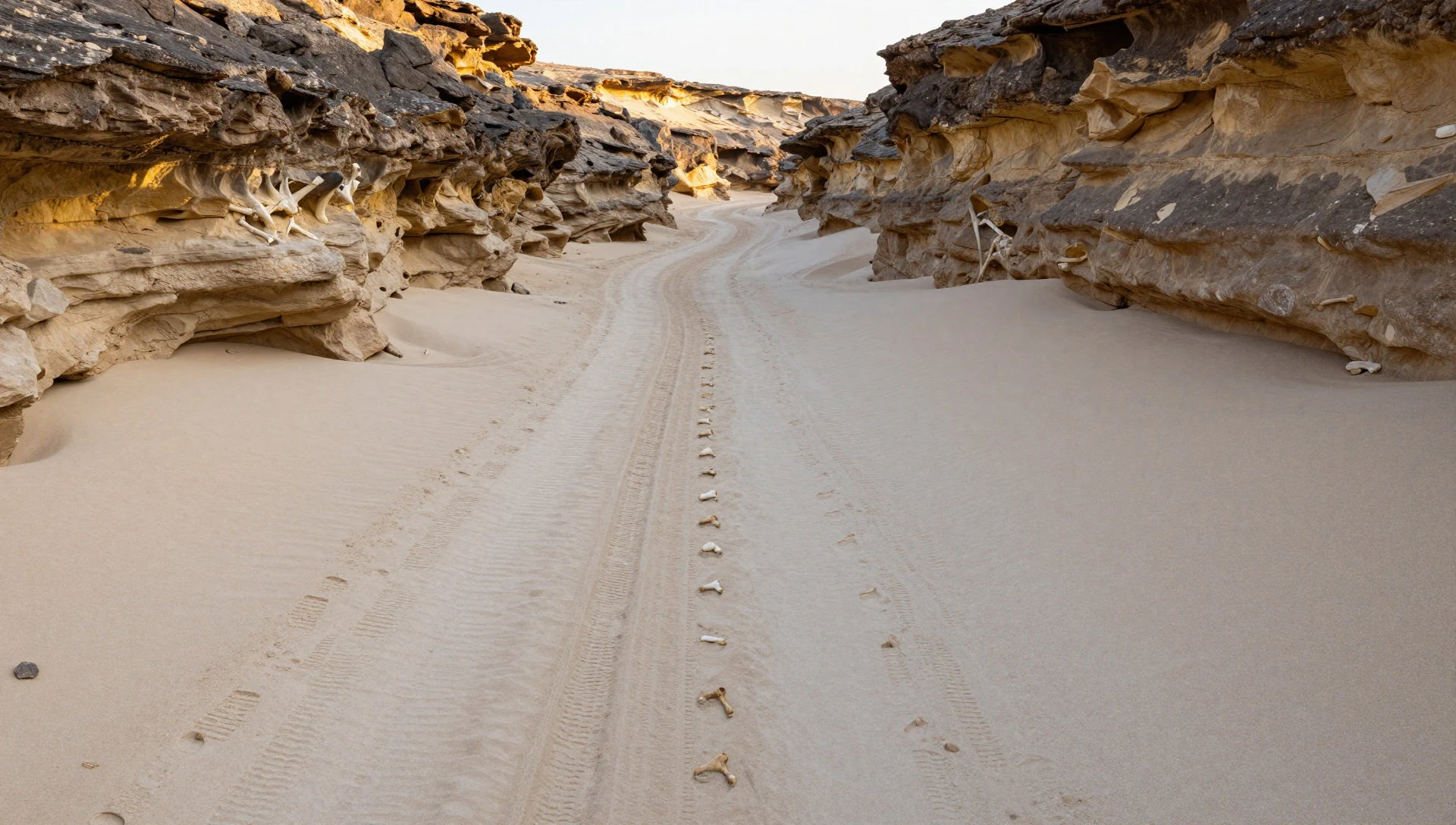
- Main exposed skeleton displays — Main fossil zones
Wadi Al-Hitan includes spots where whale remains are visible rather than purely underground. Expect to see bones laid out in the way geologists want them presented—so you can connect fossil form to the wider story of whale evolution and coastal marine life.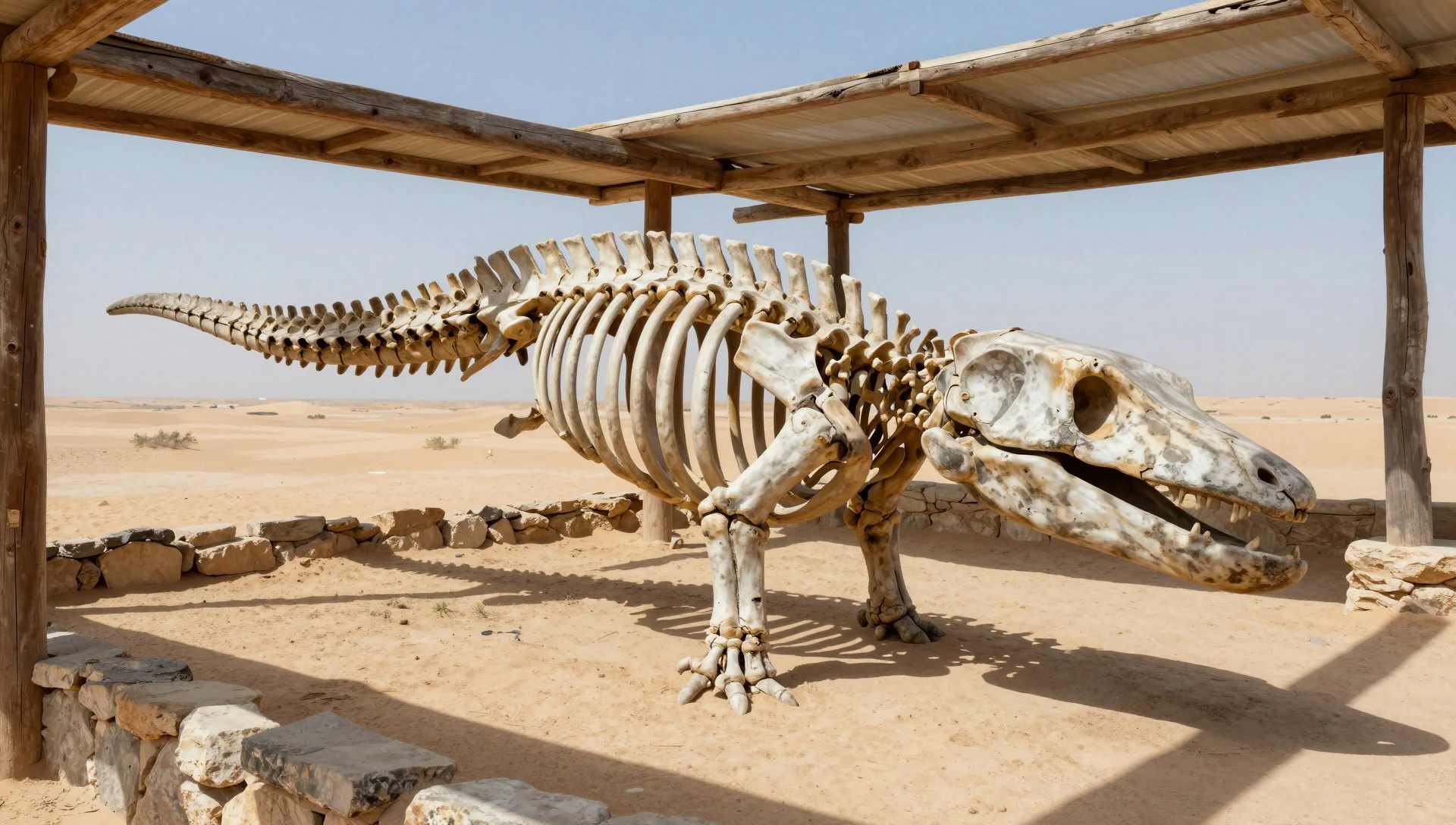
- Cliffs, buttes and eroded rock layers — Around the viewpoints
Wadi Al-Hitan’s rocks shape the scenery: cliffs and buttes stand out because wind erosion carves the landscape and the occasional winter rains help shape the exposed layers. Looking from these natural edges helps you understand why fossils are preserved in layers you can actually study on foot.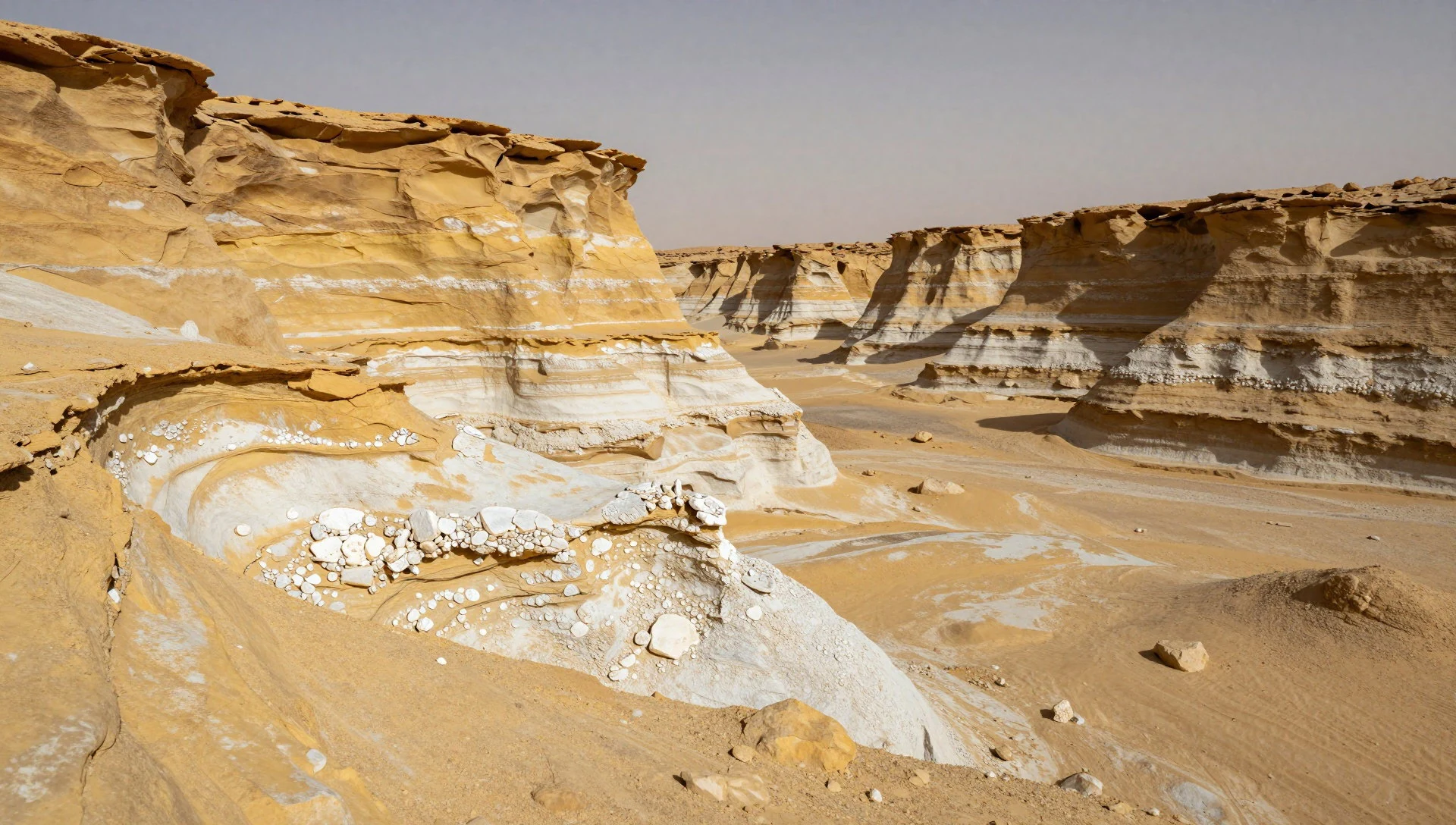
- Hills for valley-wide views — Hills overlooking the valley
Wadi Al-Hitan has hills you can climb for an overview of the valley. From a higher point, the “whales valley” idea makes more sense: a protected, enclosed landscape where the route winds through fossil ground beneath layered sandstone and mudstone.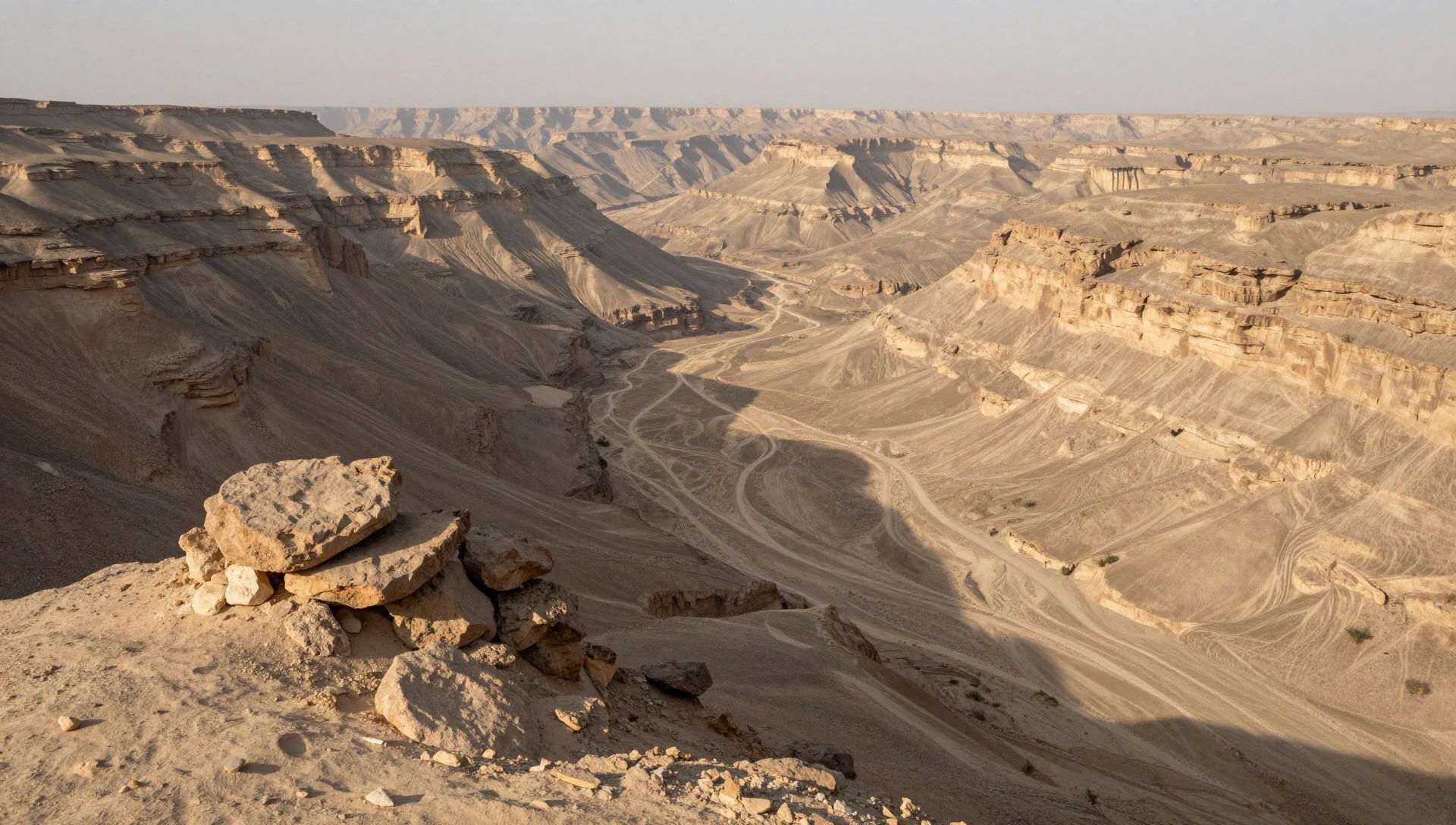
- Fennec fox chances (early light) — Open sand and sheltered edges
Wadi Al-Hitan can feel quiet in the heat, but desert animals do turn up. If you’re on the track early, you may get a glimpse of creatures adapted to arid conditions—especially around calmer hours when the valley is less busy.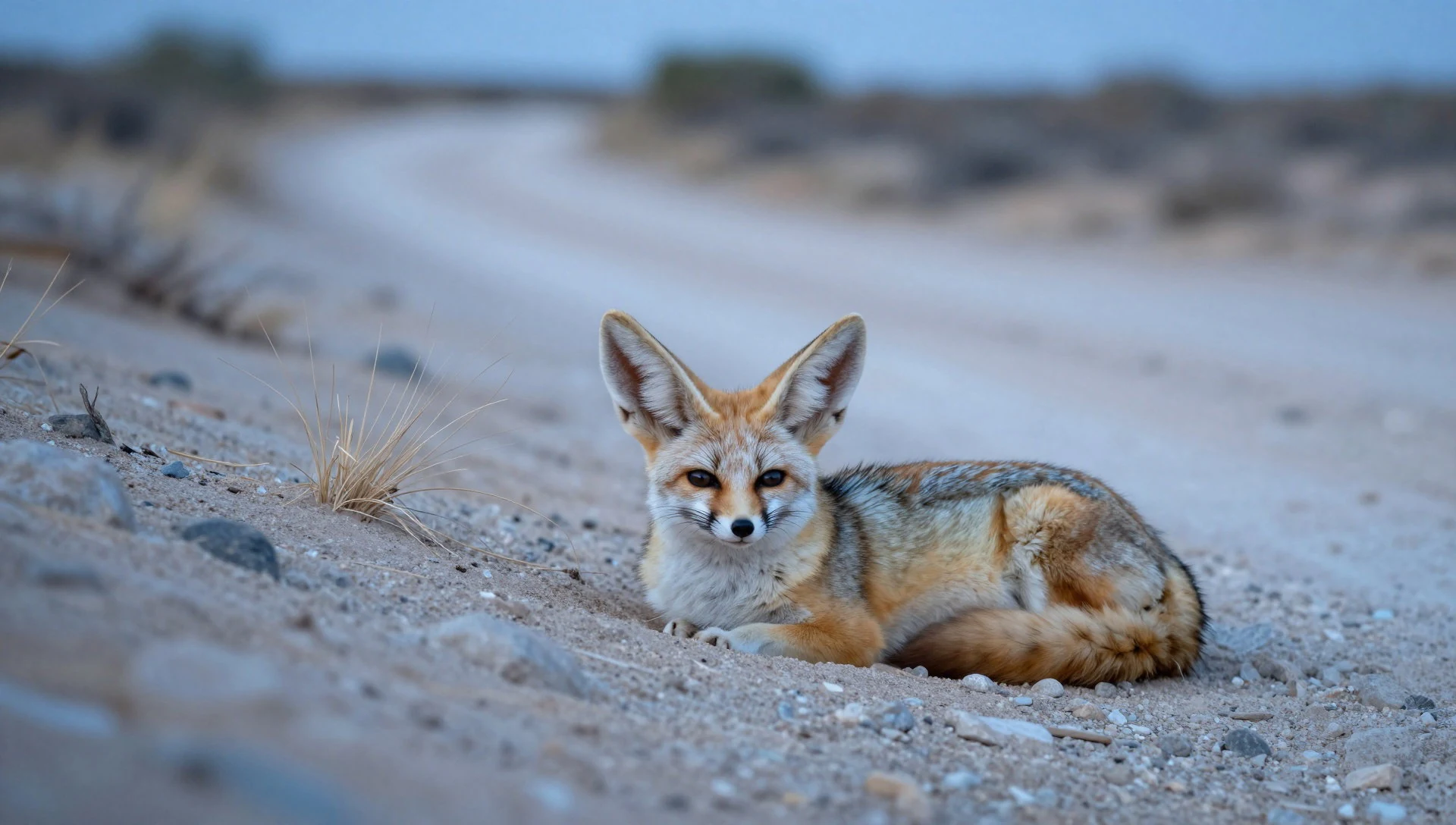
Culture
Wadi Al-Hitan isn’t a “pick up souvenirs and carry on” stop; it’s a managed fossil park within a protected area, so behaviour matters. The walking route and viewing spots are set up to protect the ground, with walkways between main fossil zones and small shelters for visitors. That means littering, stepping off the trail, or handling fossils isn’t just disrespectful—it directly harms the site the place exists to show.
Wildlife and desert conditions are also part of the deal. The area can include scorpions, so it’s smart to pay attention when moving around at ground level and to keep bags closed where they might shelter insects or arachnids. During the hotter months, dehydration is an obvious risk in a place where shade can be limited, so pacing yourself and drinking enough becomes practical safety, not just comfort.
Most visitors are foreigners and tend to camp on winter weekends, which creates a calmer rhythm than major city destinations—people talk softly, watch the light change, and let the landscape do the talking. That said, you’ll still feel that this is a real tourist venue, so follow the guidance of your group and stick to the prescribed trail.
Visitor etiquette: stay on the marked route and don’t handle or step on fossils or rock layers, especially when they’re exposed on the surface.
What to wear
Wadi Al-Hitan is a desert fossil walk, so the fashion question is mostly about sun, dust, and modesty near people and within a protected park—not about formal dress. Traditionally, Egypt is often associated with long, lightweight clothing, and visitors will usually see conservative styles in towns and villages. For the valley itself, what matters most is practical coverage.
What people wear now: in the park, most travellers dress for heat—light long sleeves or breathable tops, loose trousers or lightweight long skirts, and head coverings. Footwear tends to be closed-toe trainers or sturdy walking shoes because the terrain can be sandy and uneven, with stretches where footing isn’t smooth.
What to wear as a visitor: choose lightweight, breathable layers that cover your arms and legs for sun protection and reduce dust on your skin. Bring a hat or scarf for glare, and plan for long walking stretches with grippy shoes. If you’re visiting in warmer months, add a light layer that you can protect from wind-blown sand; in cooler evenings, a thin extra layer helps when temperatures drop.
If you’re camping in the area, also keep in mind desert nighttime conditions: long trousers and socks are more comfortable than shorts, and they help reduce irritation if you’re near ground-level desert life.
What to eat
- Bring-your-own picnic supplies — On-site (by your campsite or the trail area)
Wadi Al-Hitan is easier when you treat it like a bring-your-own day. There’s a cafe, but it’s very small and doesn’t stock a wide range of items, so packing snacks and simple meal basics makes the visit smoother.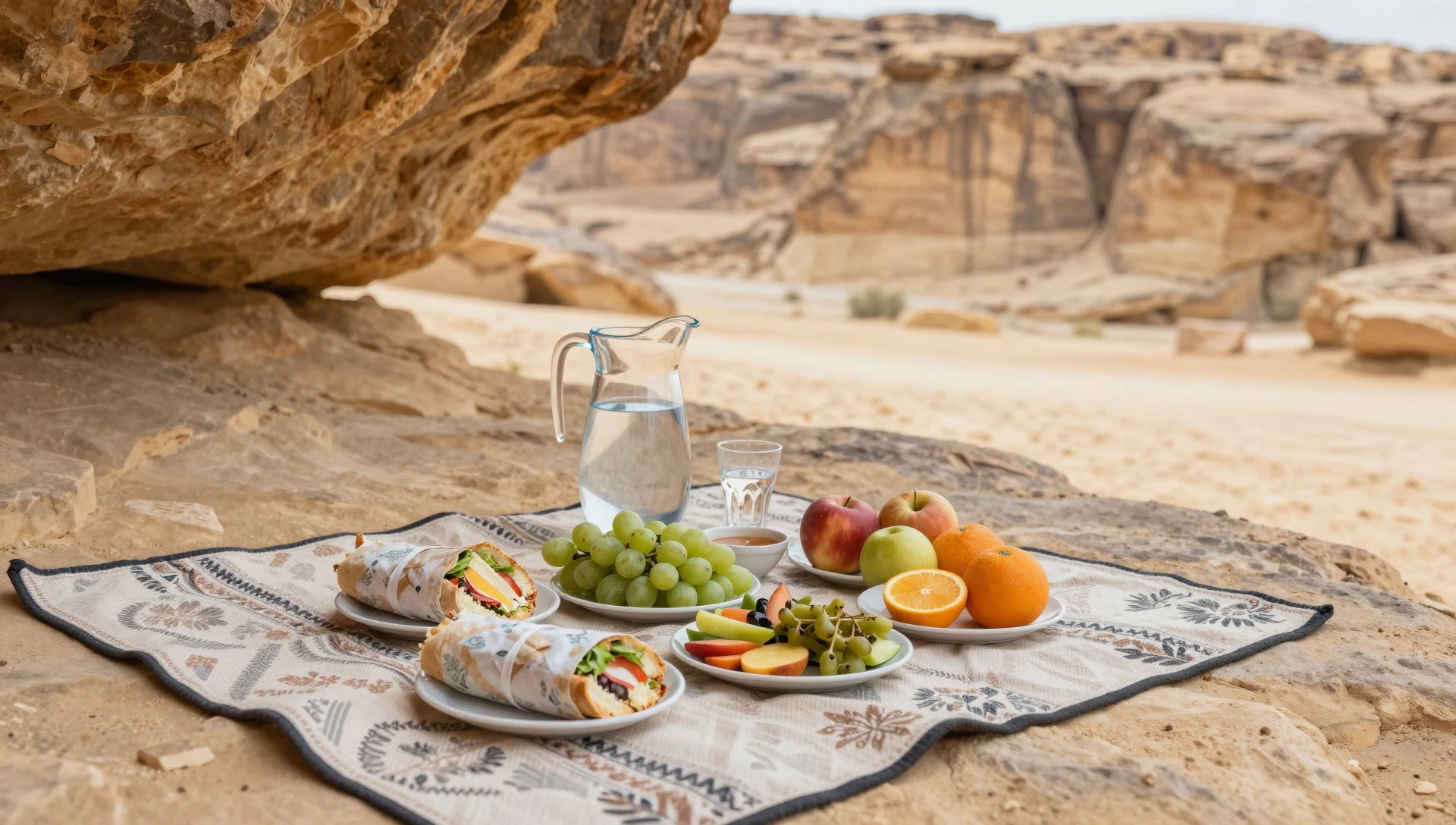
- The small on-site cafe stop — Near the park facilities
Wadi Al-Hitan has a cafe, but it’s limited. It can help with a basic pause or hot drink, though it won’t replace the need to bring enough food you actually want for the day’s walking and resting.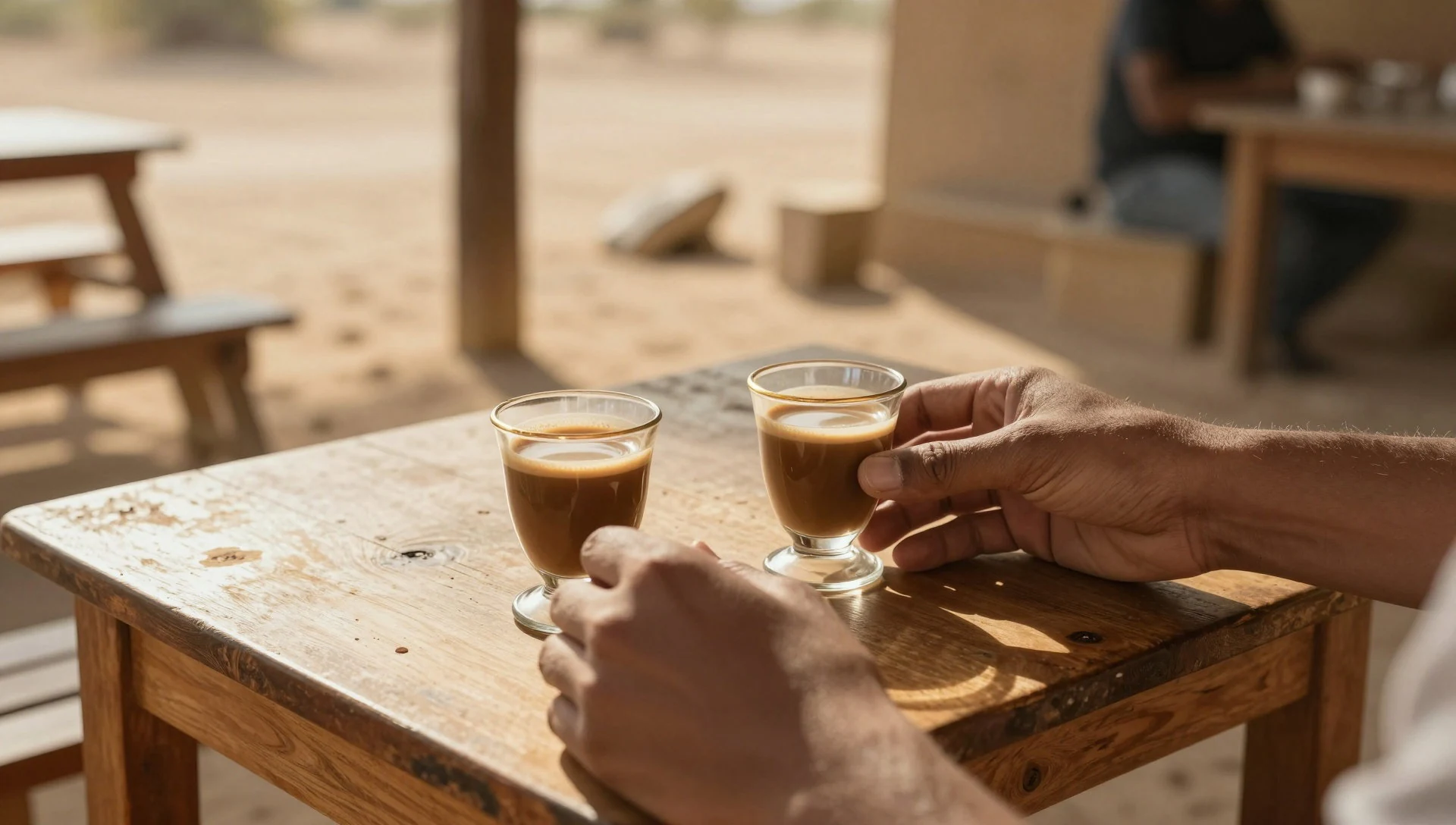
- Water-first hydration pack — Any stop before you head into the valley
Wadi Al-Hitan’s summer heat demands a hydration strategy. The advice is straightforward: bring drinks and drink plenty of water during the summer season, especially when you’re out on the trail with limited shade. - Camping-style breakfast and snacks — Campsite area
Many visitors camp on winter weekends and keep meals simple. Pack breakfast items and bite-sized snacks for breaks between fossil-viewing points—then refill hydration as you move along the route.
Plan it
Best time. March–April and October–November are the most comfortable months for walking in the Faiyum desert; the warmer months bring heavier heat, so plan around summer conditions with extra water.
How long. 2–3
Getting there. Start from Cairo, then drive south-west towards the Faiyum Governorate region; the final approach to Wadi Al-Hitan involves crossing an unpaved desert track that requires a vehicle suitable for rugged terrain and is typically handled with local 4WD logistics.
Budget. mid
Tips
- Arrange a visit that follows the prescribed guided trail within the protected area
- Budget extra time for the unpaved approach on desert sands and plan around slower driving
- Carry plenty of water and also bring drinks for summer conditions
- Pack your own food: the cafe is small and can’t cover a full range of supplies
- Move carefully in the dark and in rocky/sandy spots to reduce the risk of scorpions
Etiquette
- Stay on the walkway and the prescribed route between fossil zones
- Avoid stepping on exposed rock layers or fossil surfaces
- Keep belongings closed and be cautious when putting hands or feet near the ground
Nearby
Sources
- Wikidata Q501833 (CC0)
- Wikipedia (rev 1374694889) (CC BY-SA 4.0)
- Wikivoyage (rev 5211778) (CC BY-SA 4.0)
- Photo photos/01-wadihitanrock.jpg (CC BY-SA 2.0)
- Photo photos/02-the-whales-fossils-at-wadi-el-hitan-egypt-2017.jpg (CC BY-SA 4.0)
- Photo photos/03-plaque-in-wadi-el-hitan-egypt.jpg (CC BY-SA 2.0)
- Photo photos/04-dorudon-fossil-at-wadi-el-hitan-egypt-2014.jpg (CC BY 3.0)
- Photo photos/05-wadi-al-hitan-by-hatem-moushir-3.jpg (CC BY 3.0)
- Photo photos/06-wadi-al-hitan-by-hatem-moushir-6.jpg (CC BY 3.0)
- Photo photos/07-fennec-fox-valley-of-the-whales-wadi-al-hitan-3.jpg (CC BY-SA 4.0)
- Photo photos/08-wadi-hitan-whale-valley-panorama.jpg (CC BY-SA 2.0)


