Viminacium
Viminacium, Serbia
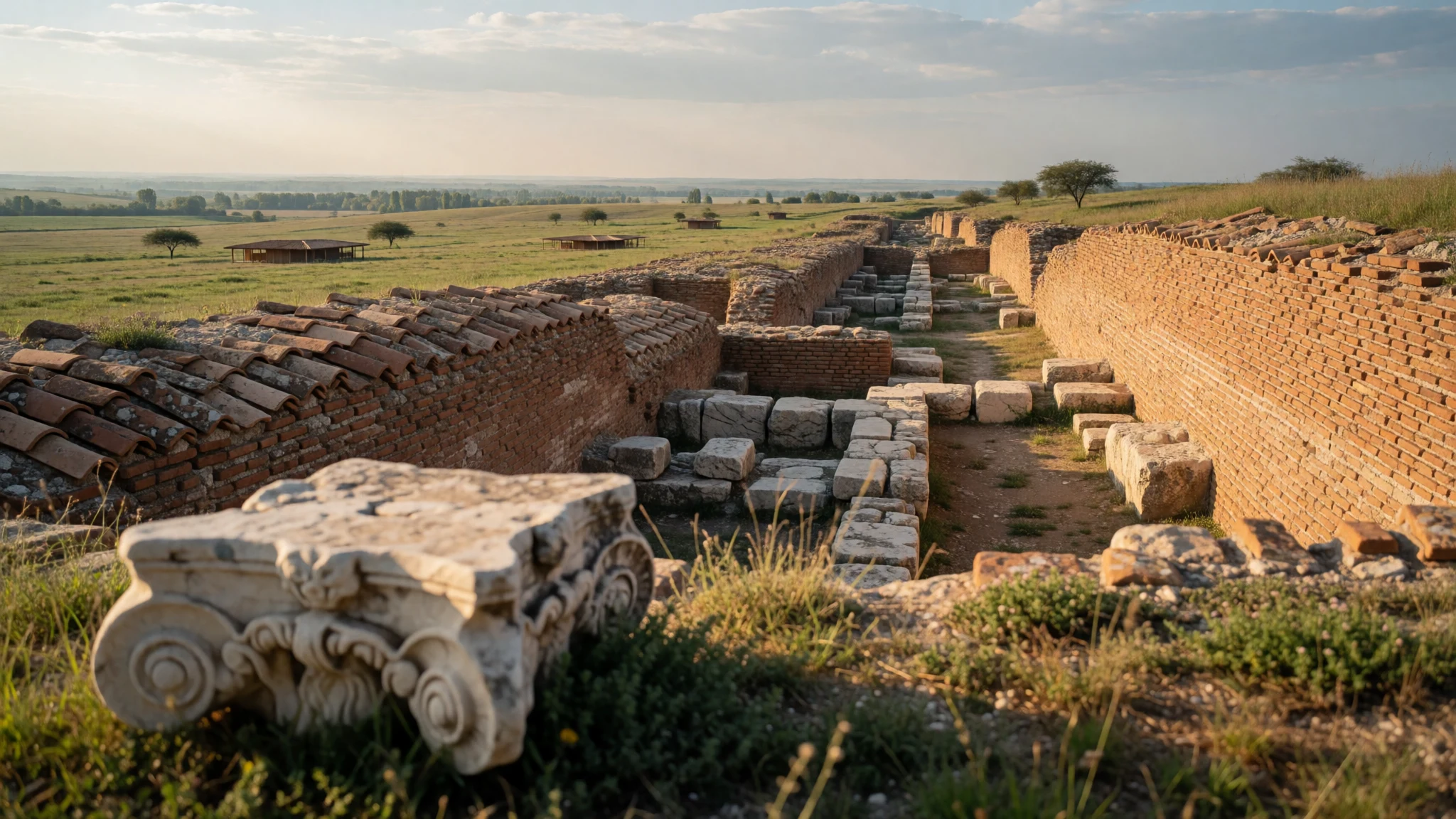
Viminacium offers a rare look into a sprawling Roman provincial capital and military camp on the Danube, with vast excavated tombs and ancient infrastructure.
The place
Viminacium sits in eastern Serbia, positioned near the modern town of Kostolac. Set close to the Danube river and the Mlava river valley, this archaeological zone covers a vast territory of wide plains and rolling agricultural fields. The geography here made it a natural crossroads where historical trade routes and military communications intersected between East and West. The surrounding landscape is largely rural, characterized by fertile river valleys that have supplied grains and rich ore deposits since antiquity. Travellers arriving at Viminacium encounter an expansive open-air landscape where ancient streets, baths, and ramparts stretch across the ground, guarded by modern research pavilions and interpretation centres. The atmosphere is quiet and reflective, far removed from standard urban congestion, allowing visitors to walk through centuries of military history while listening to the wind across the Serbian plains. The proximity to the river gives the region a distinct, open feel, with wide skies framing the excavated masonry and earthworks. Exploring the terrain requires walking across uneven ground and open paths, making comfortable footwear essential for taking in the full scale of the ancient provincial capital. The scale of the park means that visitors can spend hours exploring different sectors of the Roman city, from the remains of monumental palaces to the extensive burial grounds that reveal the deep historical layers of the region. Local guides provide context to the vast terrain, helping visitors understand how the Roman legions established their presence along the edge of the empire.
Its story
Viminacium was the main hub, army base, and capital of the Roman province of Moesia. Following the division of the province, it became the administrative and military center for Moesia Superior. The settlement grew from its origins as a frontier military post into a thriving urban hub along the strategic Roman road known as the Via Militaris. Its position on the northern border of the Roman empire made it essential for imperial defense and troop movements. Beyond military utility, the surrounding hinterland provided vital resources including metal ores and agricultural products that fueled regional trade. The fortunes of Viminacium fluctuated with the tides of imperial conflict and migration across the Balkans. In the fifth century, invading Huns devastated the settlement, leaving much of the original infrastructure in ruins. The Byzantine emperor Justinian later ordered the reconstruction of the site to reassert imperial control over the frontier. However, subsequent migrations and the arrival of Slavic tribes in the sixth century brought about its final destruction as an active urban centre. For centuries, the ruins remained buried beneath the agricultural soils of eastern Serbia until modern archaeological excavations began to reveal its hidden scale. Today, ongoing fieldwork continues to uncover monumental architecture, defensive walls, and thousands of graves that provide exceptional documentation of life, death, and trade at the edge of the ancient Roman world.
What to see
- The Archaeological Park — Viminacium site grounds
Viminacium features extensive excavated sectors of a major Roman provincial capital, including monumental street grids, thermal bath complexes, palaces, and hippodromes spread across a vast landscape near the Danube river in eastern Serbia, offering a tangible window into ancient military and civic engineering.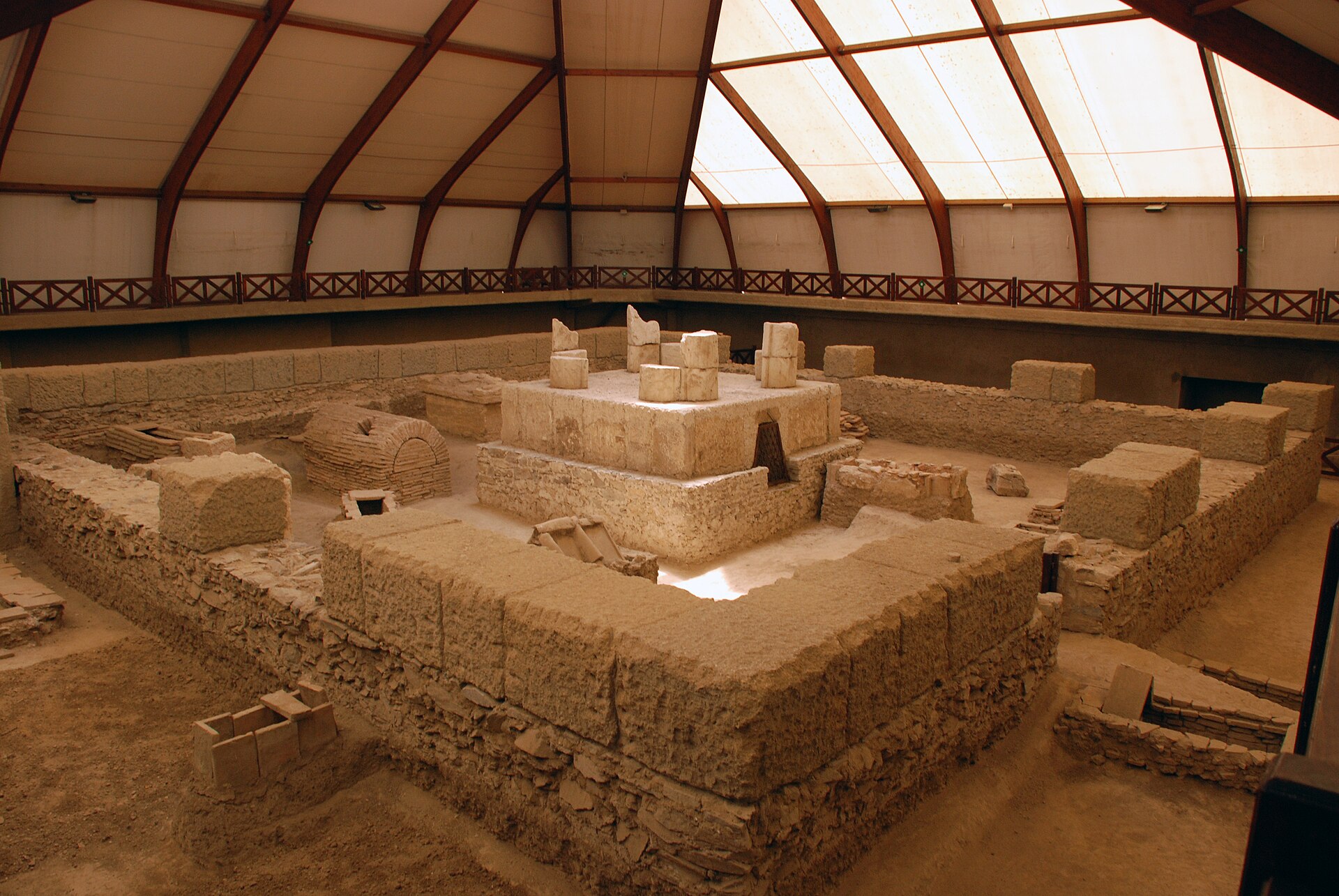
- The Tombs and Mausoleums — Necropolis sectors
No Roman site anywhere has yielded more graves than Viminacium, with over sixteen thousand tombs unearthed so far, revealing painted frescoes, vaulted burial chambers, and poignant artefacts that document ancient funerary customs.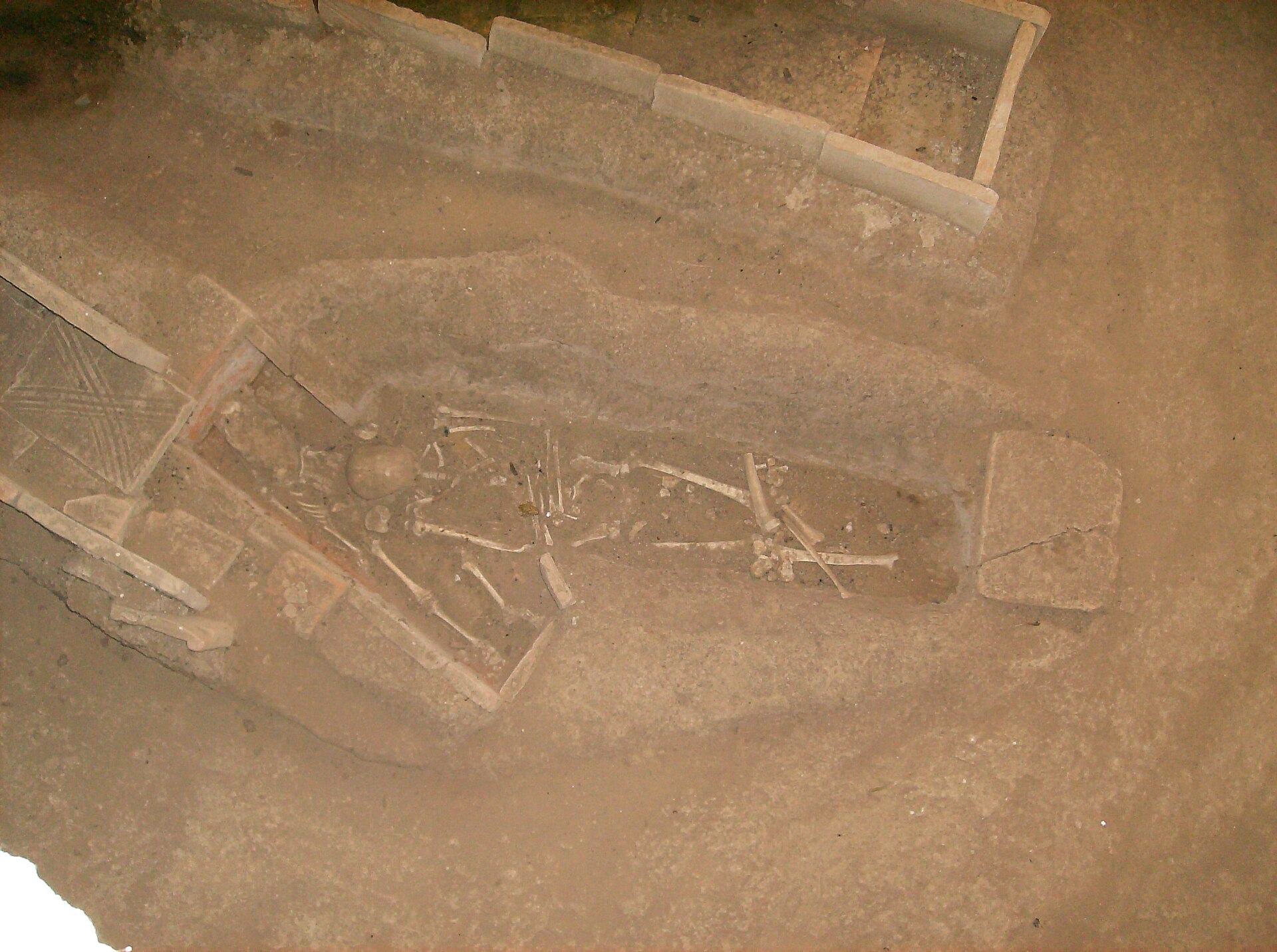
- The Site Model and Research Centre — Visitor centre pavilion
Viminacium maintains an active scientific research facility and exhibition space where visitors can examine detailed scale models of the ancient city, reconstructed architecture, and a rich collection of everyday artefacts, toys, and coins recovered from the excavations.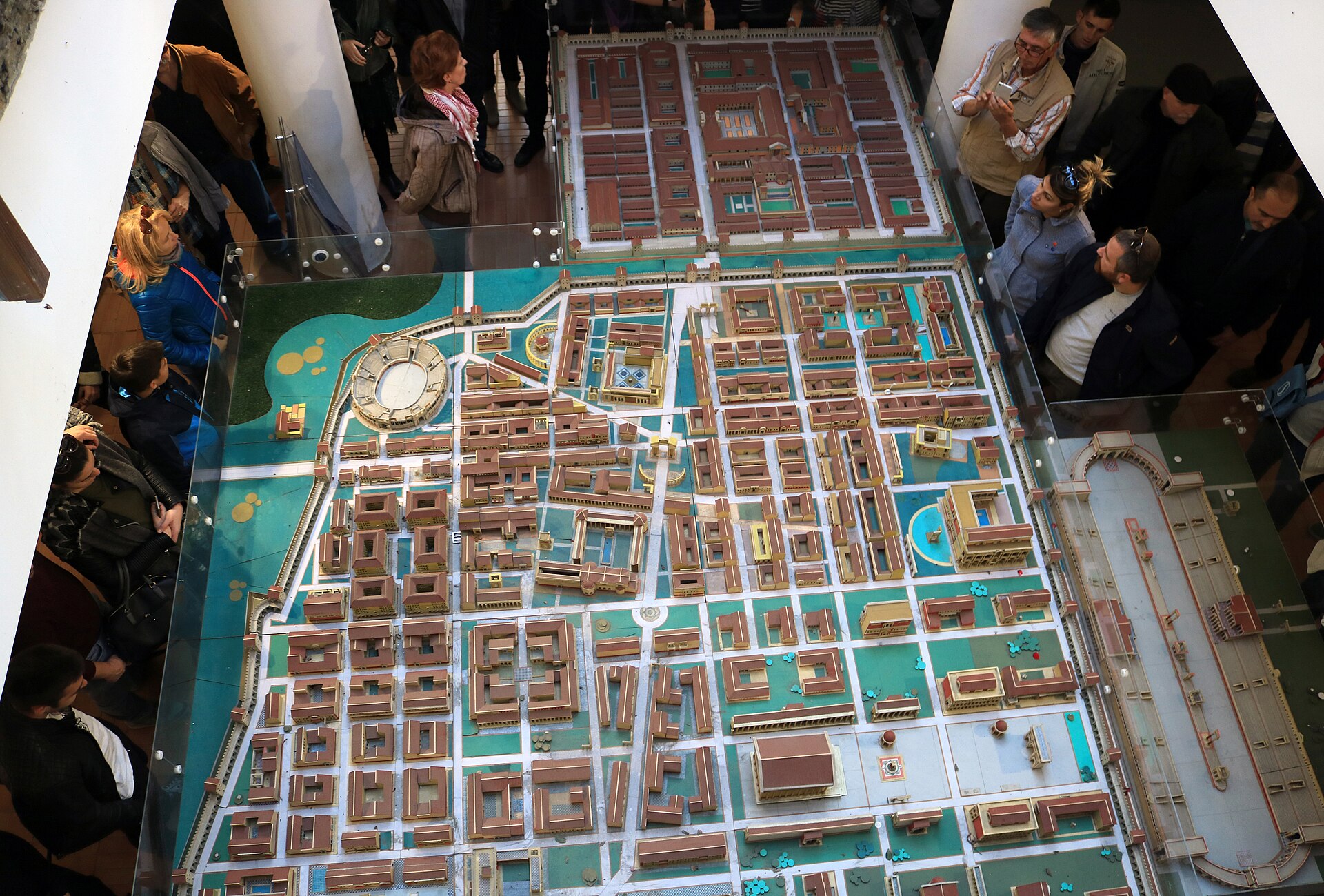
- Kalemegdan Fortress — Belgrade city centre
Belgrade features this massive historic fortification overlooking the confluence of the Sava and Danube rivers, built and remodeled across centuries by multiple empires including Celts, Romans, Byzantines, and Ottomans, now serving as a sprawling central park with walking paths and museums. - Prince Michael Street — Central Belgrade
Belgrade offers this lively pedestrian thoroughfare lined with nineteenth-century architecture, outdoor cafes, bookshops, and cultural institutions, serving as the main walking spine connecting the historic core to surrounding parks and squares.
Culture
Viminacium shares in the broader cultural traditions of Serbia, where local communities are known for their warm hospitality, politeness, and strong sense of community pride. When visiting local homes or traditional establishments in the region, social interactions are guided by genuine warmth and established etiquette. If invited into a private home for the first time, it is customary to bring a small gift such as flowers or chocolate. Visitors exploring rural areas should remove their shoes when entering traditional houses unless explicitly told otherwise by the host. It is also polite to wait for your host to offer refreshments rather than asking directly. In public transport across the country, showing consideration for others is expected, such as offering seats to elderly passengers or pregnant women. Conversations regarding recent political history, including the Yugoslavian conflicts of the nineteen-nineties, should be approached with sensitivity and care, as these topics can carry strong emotional resonance for many locals. When visiting Viminacium, always follow marked pathways and respect the instructions of the site guides to help preserve the fragile archaeological remains.
What to wear
Traditional Serbian attire varies by region, historically featuring hand-woven woollen textiles, embroidered linen shirts, and layered garments adorned with intricate patterns and traditional motifs that reflect a rich craft heritage. While such traditional dress is now preserved primarily for cultural festivals, folk dancing, and national holidays, everyday contemporary fashion in Serbia is modern, practical, and heavily influenced by European urban styles. Jeans, comfortable footwear, jackets, and casual wear are standard for daily life in both cities and rural areas. For visitors exploring Viminacium and surrounding archaeological sites, practical clothing is essential. Because the site is largely outdoors with open fields, uneven terrain, and gravel walkways, sturdy walking shoes or boots are necessary. Sun protection, including hats and sunglasses, is recommended during the warmer summer months, while layers and a windproof jacket are useful during spring and autumn when breezes from the Danube river can be cool. Modest dress is appreciated when visiting traditional monasteries or places of worship elsewhere in the region, typically requiring shoulders and knees to be covered.
What to eat
- Roštilj — Traditional restaurants and taverns across Serbia
Serbia's famous mixed grill platter features an assortment of seasoned meats, sausages, and grilled chicken, often wrapped in bacon or stuffed with local cheese, served hot in traditional taverns and restaurants. - Pljeskavica — Street food kiosks and grill houses
A spiced meat patty made from a mixture of minced pork, beef, or lamb, grilled over charcoal and traditionally served inside a flatbread with onions and local relishes. - Ćevapi — Local eateries and grill shops
Small, skinless grilled sausages made from minced meat, typically served in sets of several pieces inside warm flatbread accompanied by diced raw onions and red pepper spread. - Kajmak — Local markets and traditional restaurants
A rich, creamy dairy product similar to clotted cream, prized as an accompaniment to grilled meats, fresh bread, and traditional breakfast dishes across the region. - Gibanica — Bakeries and family-run eateries
A popular traditional pastry made with layers of thin dough, cottage cheese, eggs, and kajmak, baked until golden and crispy on top, enjoyed warm at any time of day.
Plan it
Best time. May to June and September to October offer pleasant weather for exploring the open-air archaeological site without the intense heat of midsummer.
How long. 1–2
Getting there. Fly into Belgrade, then travel by road east toward Kostolac and the Danube river valley, approximately ninety miles away.
Budget. mid
Tips
- Wear sturdy walking shoes for uneven archaeological terrain
- Bring sun protection as the site has limited shade
- Check official websites in advance for opening hours and guided tour schedules
- Carry some local currency for small purchases in nearby towns
Etiquette
- Remove your shoes when entering traditional rural homes unless told otherwise
- Respect marked boundaries and barriers within the archaeological park
Nearby
Sources
- Wikidata Q1231824 (CC0)
- Wikipedia (rev 1364723287) (CC BY-SA 4.0)
- Wikivoyage (rev 5409337) (CC BY-SA 4.0)
- Photo photos/01-viminacium-kostolac-pozarevac3.jpg (CC BY 3.0)
- Photo photos/02-24.jpg (CC BY-SA 4.0)

