Victoria Island
Victoria Island, Canada
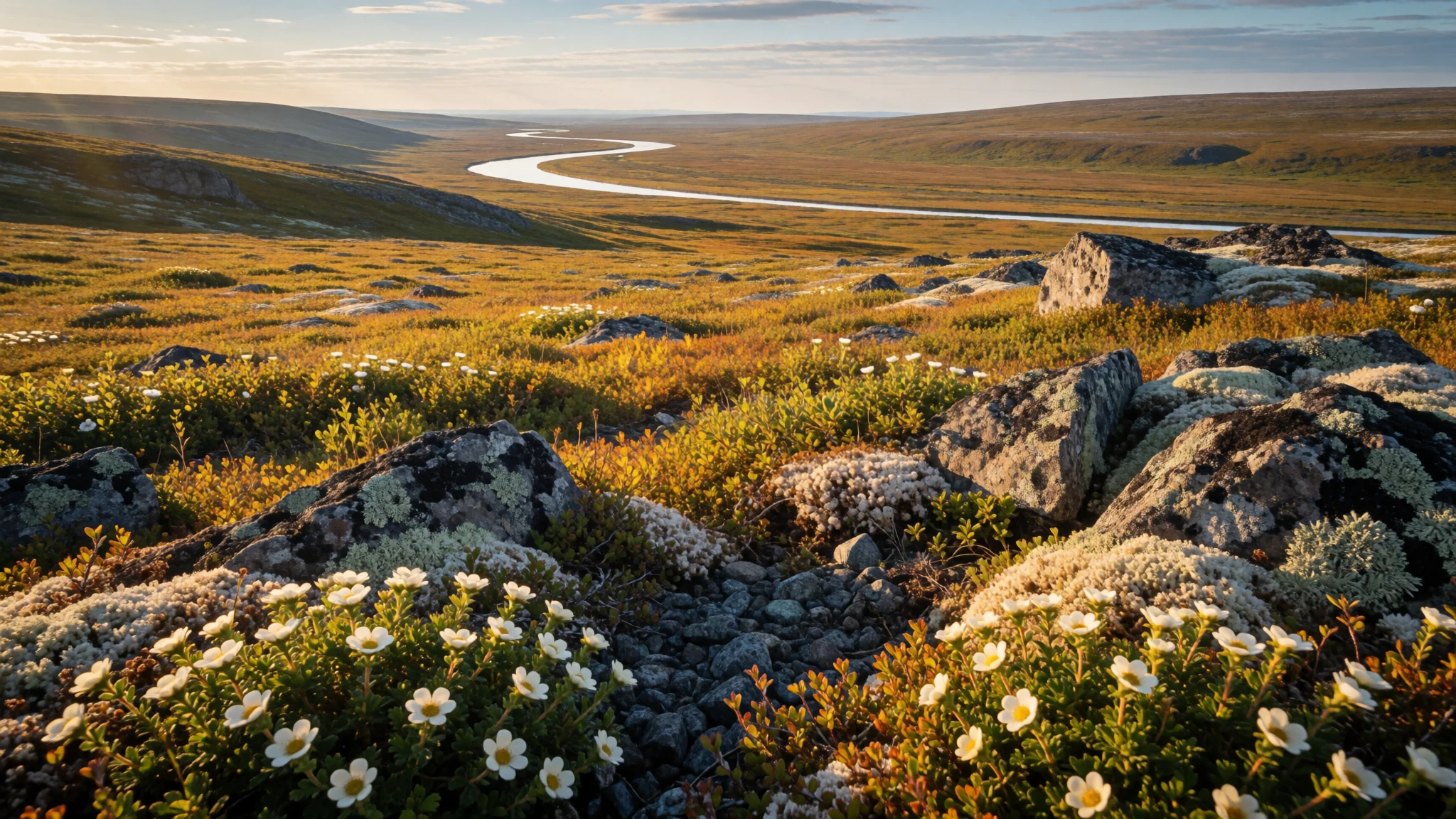
Victoria Island is a vast, remote Arctic wilderness offering raw isolation, deep indigenous heritage, and extraordinary northern vistas.
The place
Victoria Island sits far north within the Arctic Archipelago, partitioned between Nunavut's Kitikmeot Region and the Northwest Territories' Inuvik Region. Spanning a massive land area, it ranks among the largest islands on earth and stands as one of Canada's most expansive insular territories. The terrain is a vast expanse of tundra, interwoven with winding rivers, countless glacial lakes, and low rolling hills that rise toward interior uplands. Surrounding waters include the deep channels of Viscount Melville Sound and M'Clintock Channel, along with the sweeping inlets of Amundsen Gulf. Weather here is profoundly severe, characterised by long, bitter winters and short, cool summers where the ground thaws only superficially. Human presence is remarkably sparse, with a tiny population scattered across solitary settlements such as Cambridge Bay and Ulukhaktok. Travelling across this high northern landscape reveals a stark, minimalist beauty completely untamed by modern infrastructure, where horizons stretch endlessly beneath shifting skies and the sheer scale of the wilderness dominates every sense.
Its story
Long before European exploration, the island was home to the Thule culture and the Kitlinermiut, known historically as the Copper Inuit due to their mastery of native copper harvested from the land. Archaeological traces, including ancient sleds found on the Wollaston Peninsula, speak to centuries of resilient habitation adapted to extreme northern conditions. European contact began slowly in the nineteenth century as British expeditions pushed into uncharted polar waters. John Richardson first caught sight of the southwestern shores, while later explorers like Peter Warren Dease and Thomas Simpson mapped the rugged southeast coast. John Rae eventually connected these exploratory fragments by charting the entire southern coastline in the mid-nineteenth century. Simultaneously, naval parties under Robert McClure helped delineate the western margins while searching for passages through the ice. Twentieth-century expeditions added further detail to the jagged peninsulas and remote bays, culminating in modern milestones such as the first recorded foot traverse across the island's frozen expanse, cementing its legacy in the annals of polar exploration.
What to see
- Cambridge Bay — Nunavut settlement
Serving as the larger of the island's two main settlements, this community functions as a regional hub in Nunavut. Visitors can observe local coastal life, learn about traditional ways from community members, and experience the remote administrative centre of the Kitikmeot Region surrounded by tundra.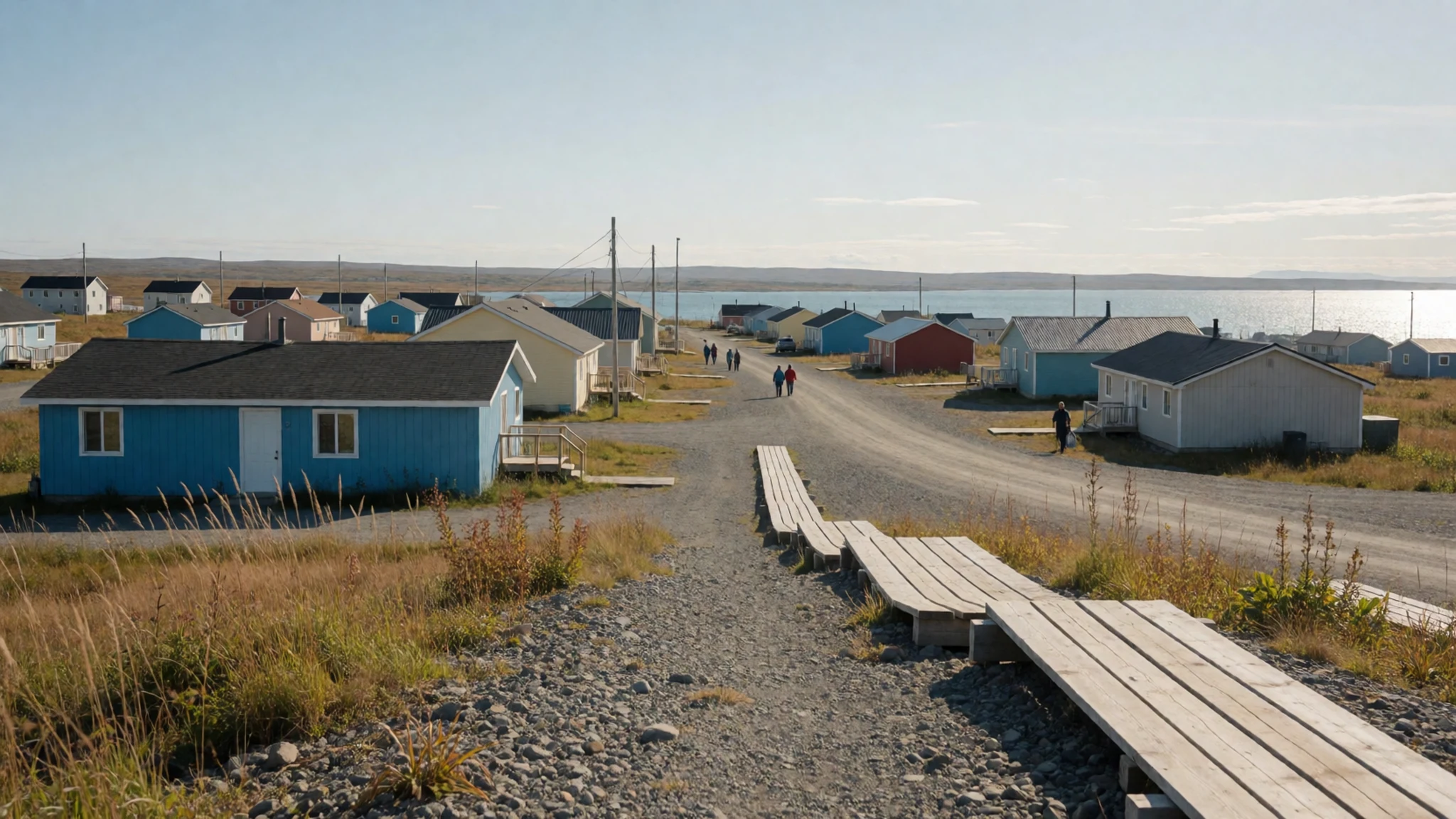
- Ulukhaktok — Northwest Territories settlement
Situated on the western coast within the Northwest Territories, this small hamlet offers a glimpse into traditional northern living. The settlement is renowned for local arts and crafts, printmaking, and its striking coastal setting overlooking the pristine waters of the western channels.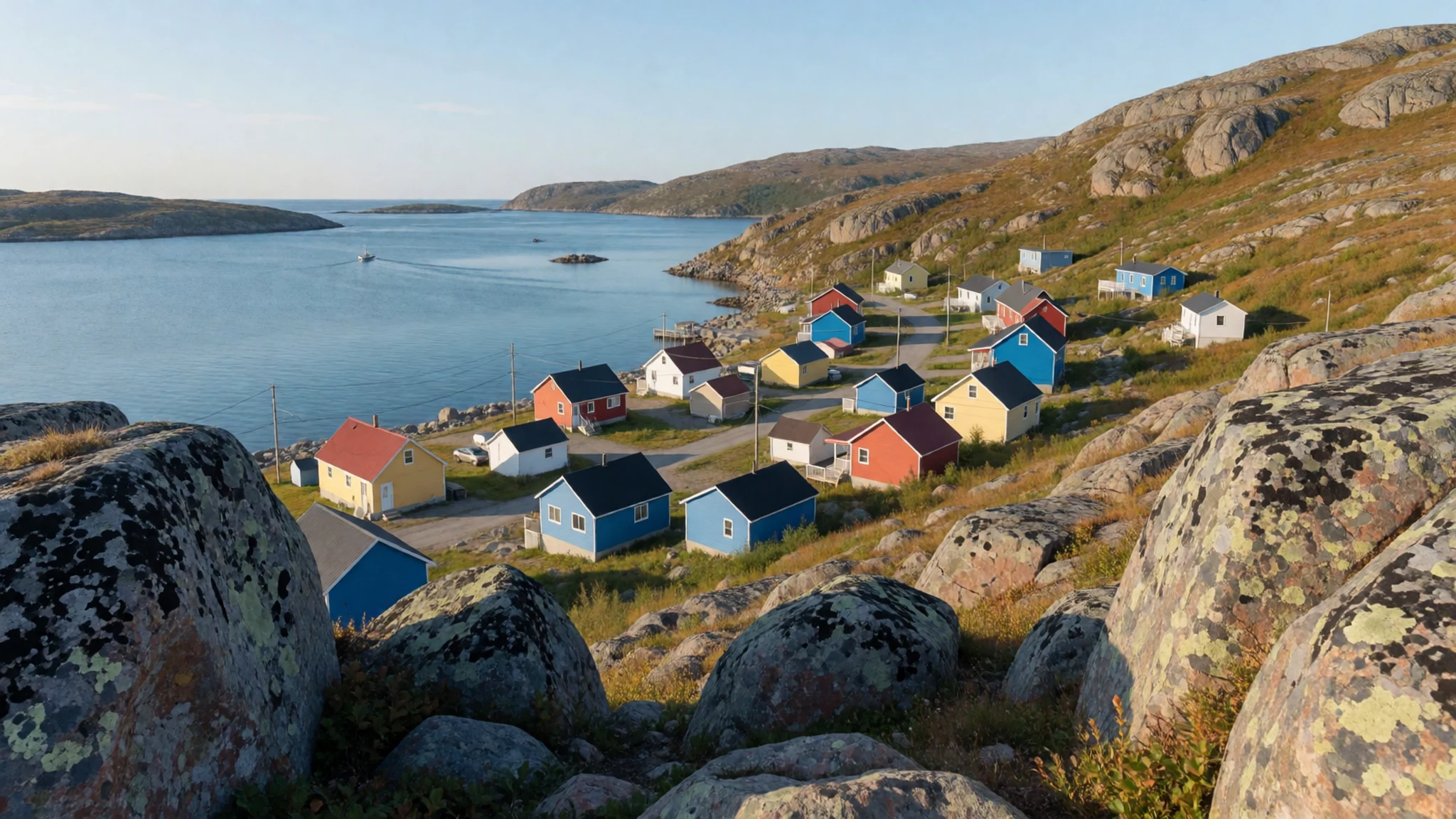
- Wollaston Peninsula — Southwestern Victoria Island
Located on the southwestern reach of the territory, this expansive landmass holds deep archaeological significance. It is home to ancient prehistoric artifacts and historic sled remains left by early Neoeskimo inhabitants, offering a tangible connection to the ancient peoples who first navigated these shores.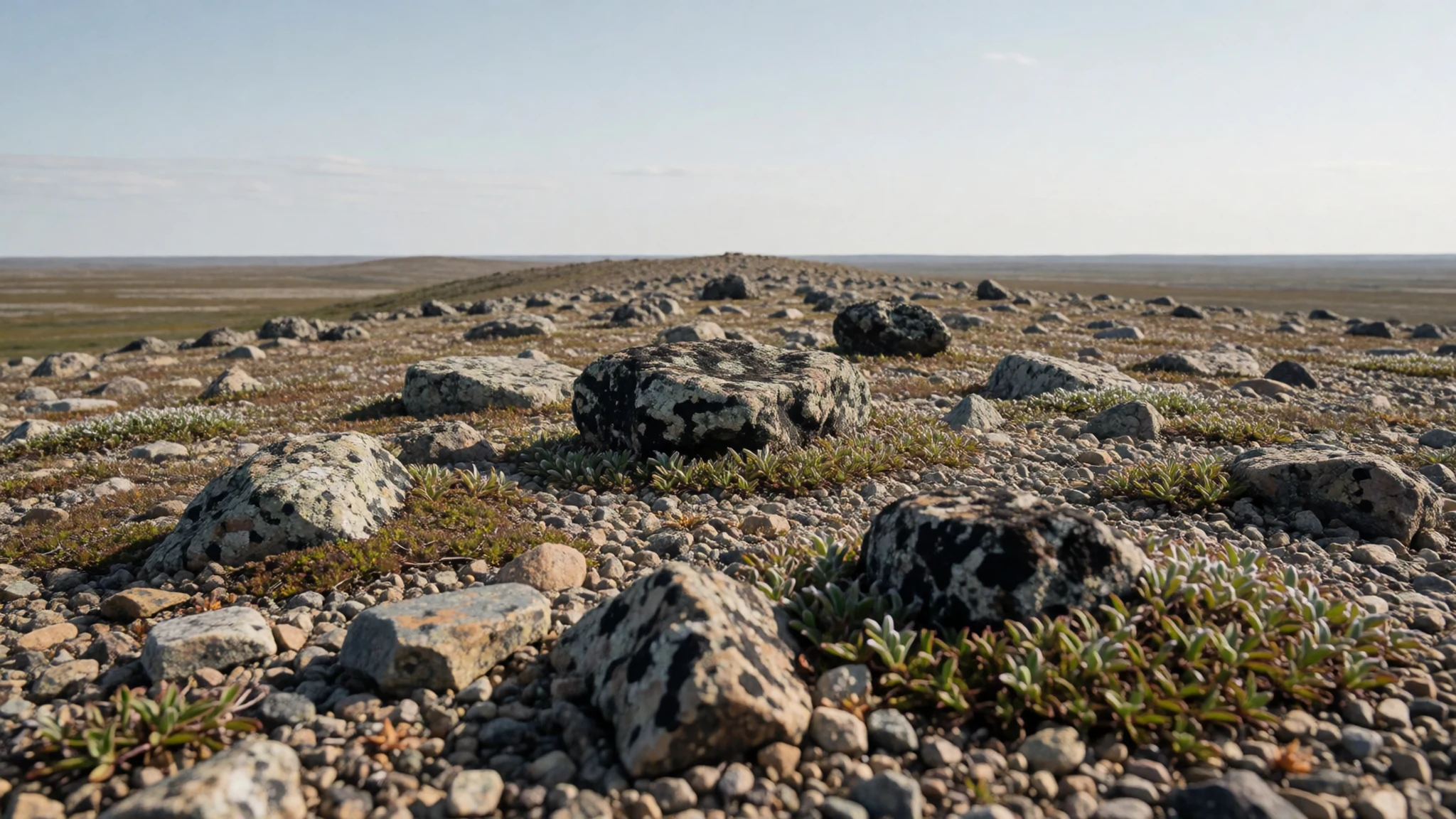
- Prince of Wales Strait — Western boundary sound
This long, dramatic sound forms the marine boundary separating Victoria Island from neighbouring Banks Island to the west. Framed by steep coastal cliffs and drifting ice floes, it represents the classic geography of the Arctic Archipelago explored by early nineteenth-century mariners.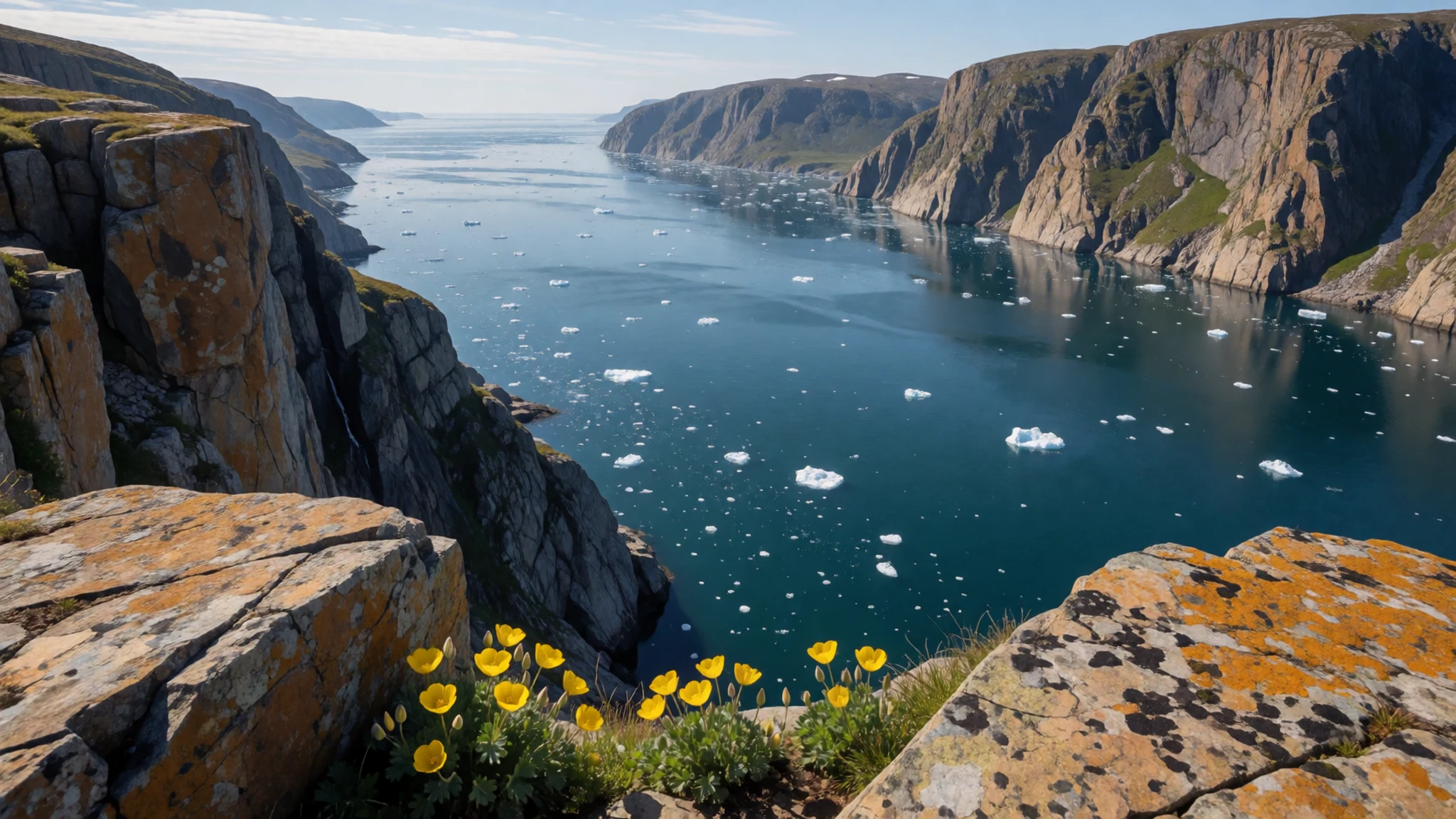
- Storkerson Peninsula — Northeastern coastline
Reaching out into the icy waters along the northeastern coast, this remote cape was mapped during early twentieth-century expeditions. It showcases the desolate, wind-scoured topography typical of the far northern reaches, far removed from any permanent settlements or roads.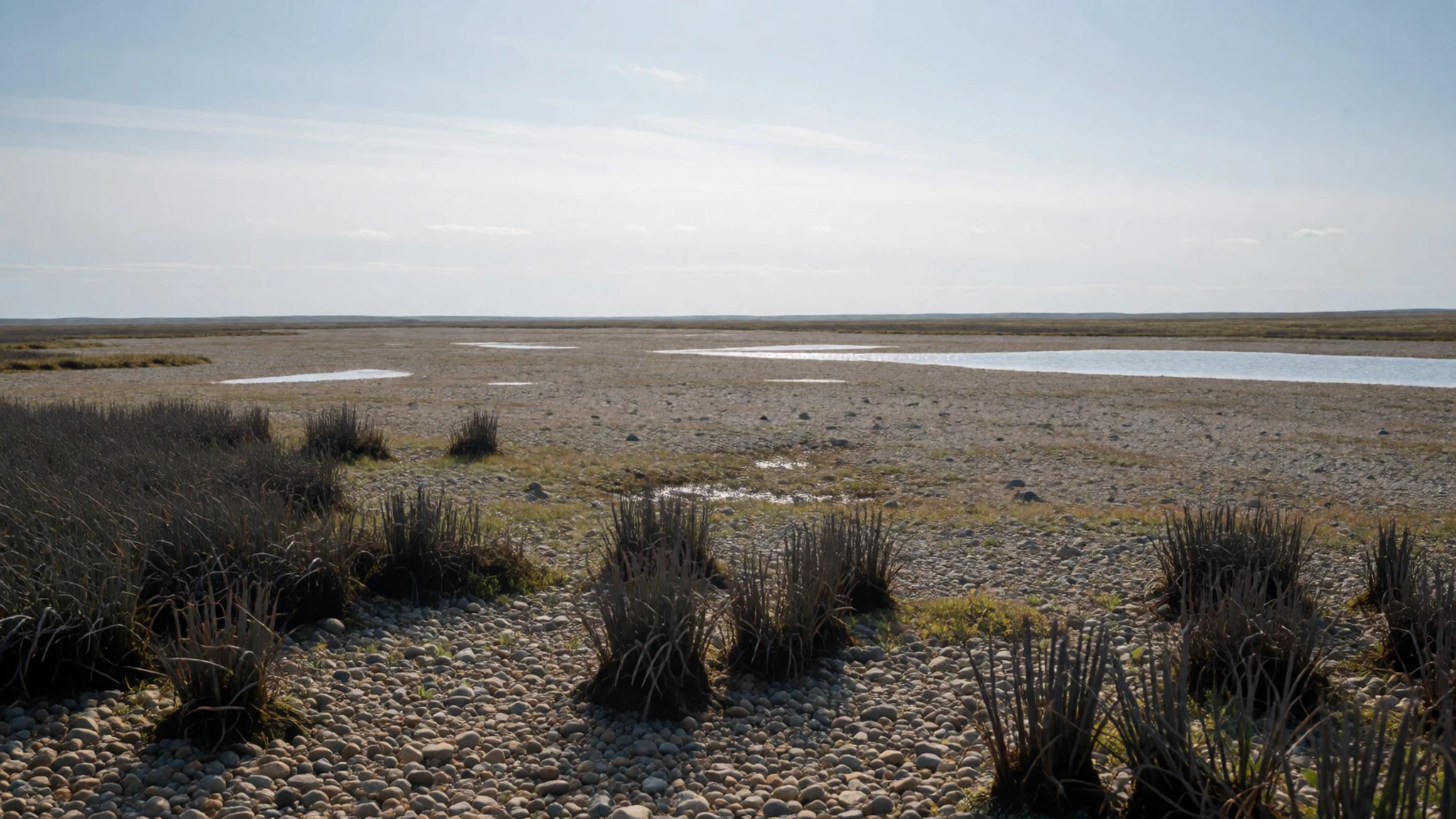
Culture
The human story of Victoria Island is deeply intertwined with the Inuit culture, whose traditions of resilience, resourcefulness, and community survival have sustained generations in a punishing climate. Contemporary daily life blends modern amenities with ancestral knowledge, where hunting, fishing, and gathering remain vital cultural practices. Local communities maintain a strong sense of kinship, storytelling, and artistic expression, including carving and traditional crafts. Travellers engaging with local residents will find warmth and hospitality, though visitors should remain mindful of historical and socioeconomic challenges facing northern communities. Refrain from raising sensitive political controversies or socio-economic difficulties when conversing with residents. Always ask permission before photographing individuals or entering private spaces in local settlements.
What to wear
Traditional attire across the Arctic was ingeniously engineered from local animal materials to withstand intense polar cold. Heavy caribou-skin parkas, layered tunics, and durable hide boots were crafted with exceptional skill to trap body heat while managing moisture from physical exertion. While modern everyday wear in settlements now mirrors standard contemporary Canadian cold-weather clothing—such as insulated synthetic jackets, thermal layers, sturdy trousers, and heavy-duty winter boots—traditional sewing and garment-making remain celebrated cultural arts. For visitors exploring Victoria Island, technical cold-weather gear is non-negotiable. You must pack heavy windproof outer shells, thermal base layers, insulated mitts, fleece headwear, and robust, waterproof footwear designed for uneven, boggy, or frozen terrain. Proper layering is essential to handle shifting weather conditions and sudden drops in temperature.
What to eat
- Arctic Char — Local community meals and family gatherings
A sustainable, highly prized freshwater fish related to salmon and trout, valued for its delicate flavour, striking pink flesh, and rich nutritional profile. It has served as a fundamental dietary staple for thousands of years and is typically prepared fresh from local waters.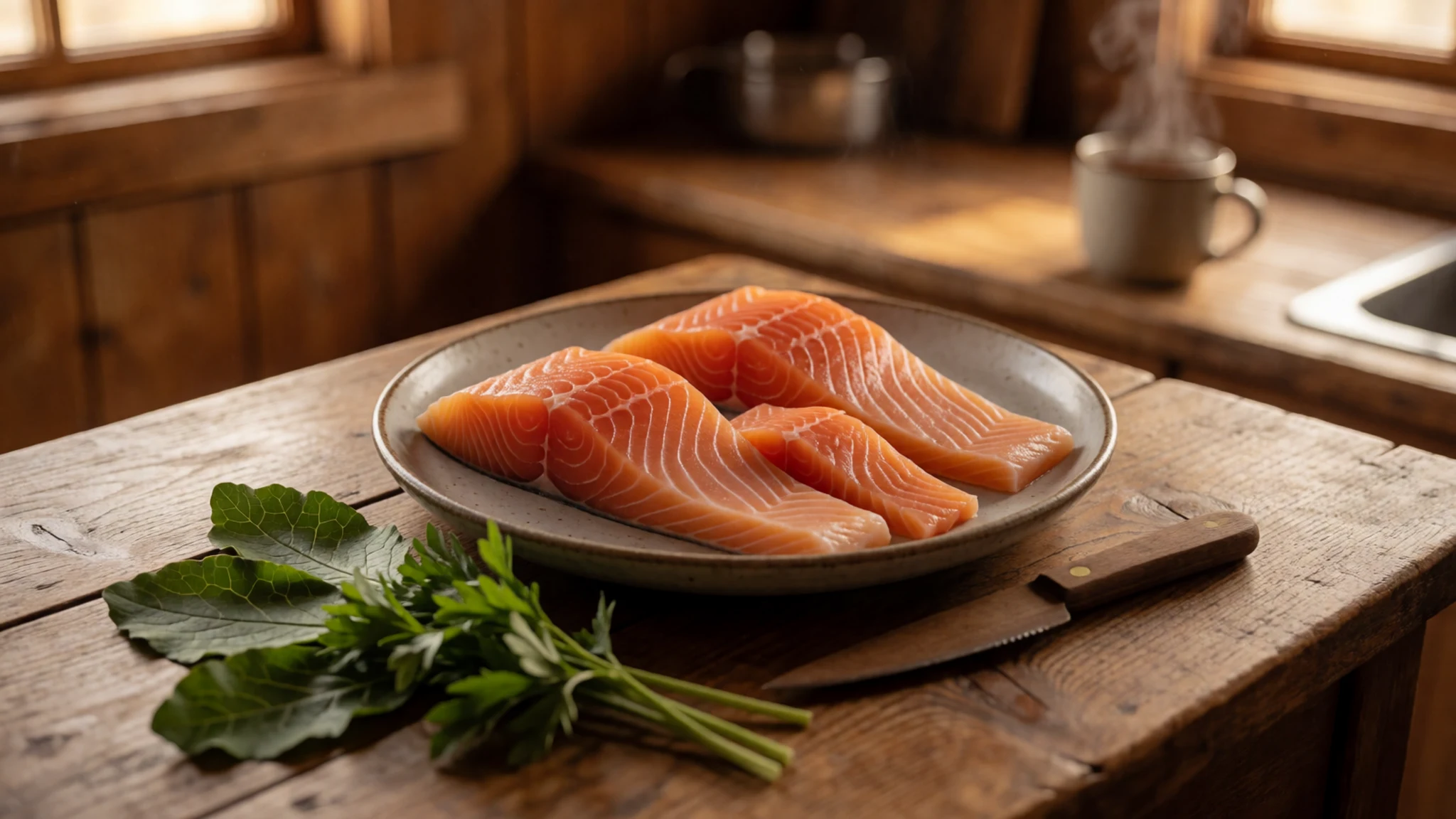
- Country Food — Community feasts and local households
An umbrella term for wild harvest provided directly by the land and sea, including caribou, musk ox, seal, ptarmigan, and various marine mammals. These traditional foods are often shared communally and accompanied by simple seasonings or imported sauces.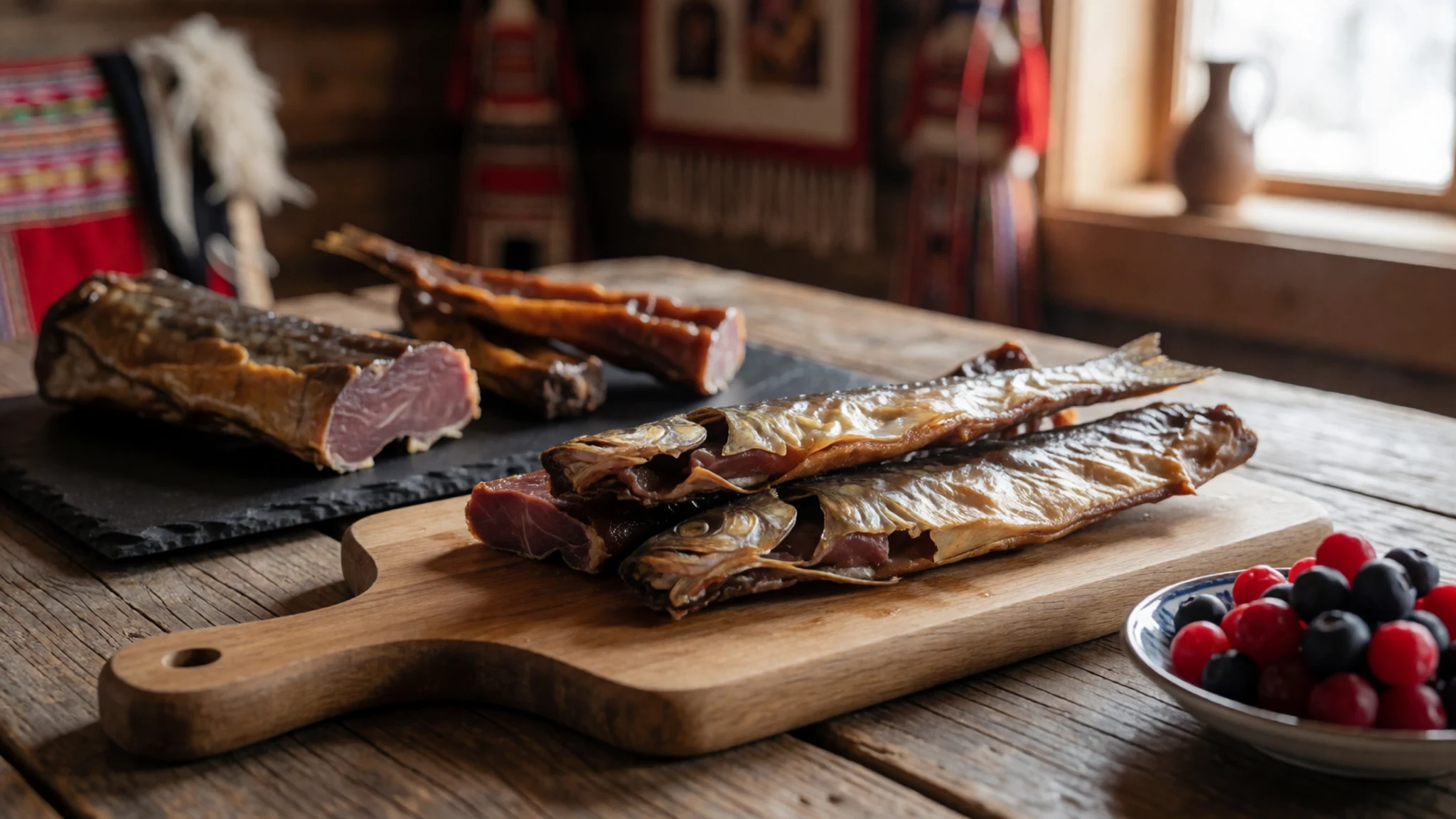
- Caribou Meat — Local homes and community distribution networks
A lean, nutrient-dense red meat hunted across the tundra, traditionally consumed roasted, boiled, or frozen. It forms an essential part of the northern diet, providing vital sustenance and warmth during the demanding winter months. - Raw Seal Meat — Traditional subsistence meals
A traditional source of nourishment harvested sustainably through subsistence hunting on the ice. It is deeply embedded in indigenous culinary heritage, valued for its rich caloric content and cultural significance in remote northern settlements. - Arctic Berries and Foraged Greens — Tundra foraging grounds during summer
During the brief summer thaw, hardy local plants such as mountain sorrel, Labrador tea, cloudberries, blueberries, and cranberries are gathered from the tundra to supplement the traditional diet with essential vitamins and fresh flavours.
Plan it
Best time. June to August offers the mildest weather, accessible sea conditions, and continuous daylight, though summer remains short and cool.
How long. 4–6
Getting there. Access is exclusively by air via scheduled flights to settlement landing strips, typically connecting through northern aviation hubs like Rankin Inlet or Yellowknife.
Budget. high
Tips
- Prepare for extraordinarily high prices for basic goods and fresh groceries shipped in by air
- Keep emergency contact numbers handy as standard universal emergency dialling may not apply
- Pack heavy-duty windproof and waterproof expedition gear regardless of the season
- Respect local community alcohol restrictions where local bylaws prohibit purchase or consumption
Etiquette
- Always ask permission before taking photographs of local residents
- Respect community bylaws regarding alcohol and local customs
Nearby
Sources
- Wikidata Q158129 (CC0)
- Wikipedia (CC BY-SA 4.0)
- Wikivoyage (CC BY-SA 4.0)