Palace of Versailles
Palace of Versailles, France
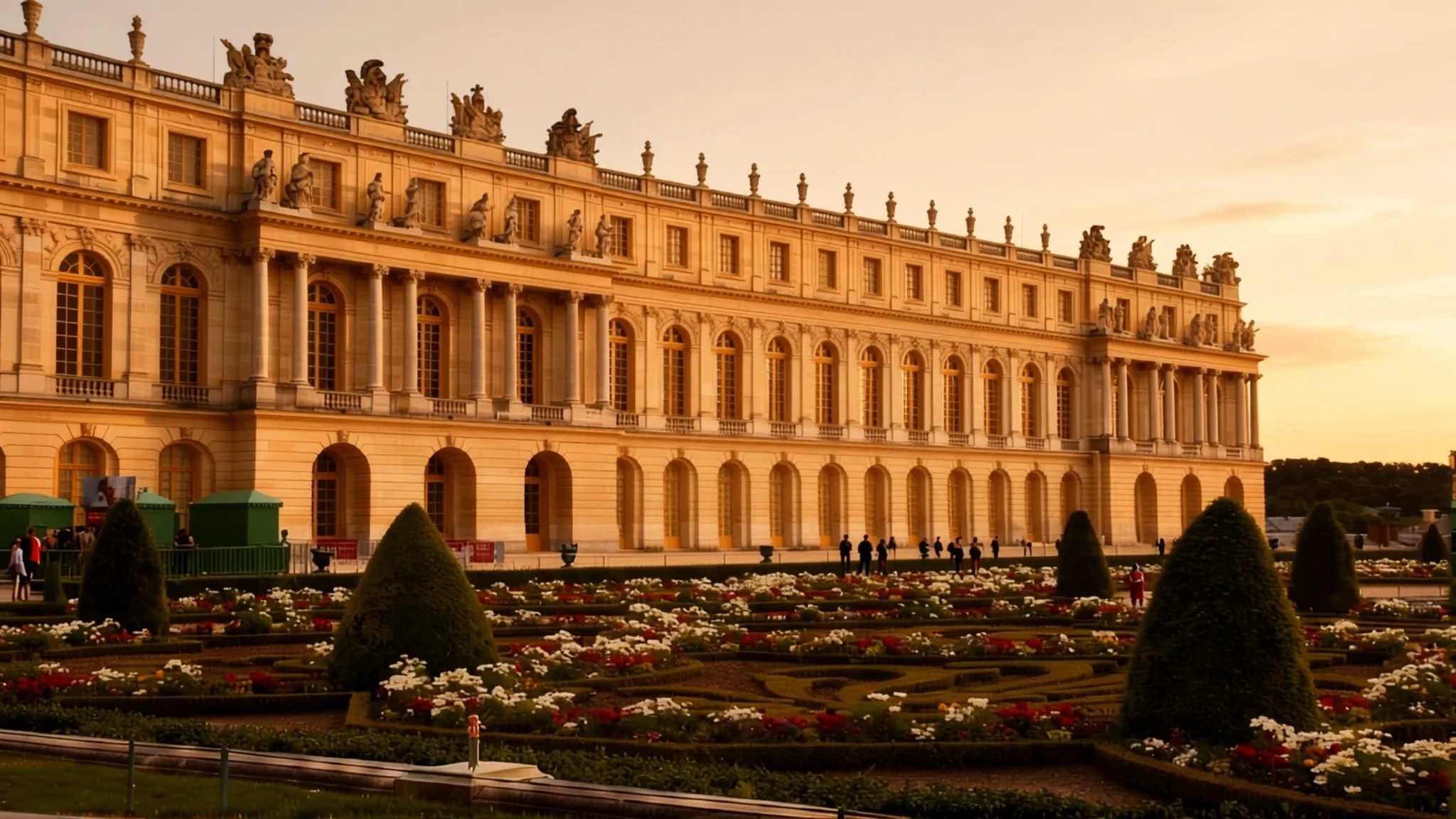
Visit the Palace of Versailles to witness the ultimate architectural monument of royal absolutism and magnificent French classical design.
The place
The Palace of Versailles stands as an expansive historic monument and former royal residence situated in the Yvelines department of France, lying southwest of Paris. Conceived primarily to glorify the French monarchy under successive rulers, the estate represents a towering masterpiece of French classical architecture. Its vast architectural ensemble incorporates interconnected courtyards, grand wings, and ceremonial spaces designed to maintain strict spatial harmony. The main palace building covers thousands of square metres and contains numerous chambers, a significant portion of which now operate as part of the National Museum of the History of France. Beyond the indoor galleries, the surrounding park spans hundreds of hectares, featuring meticulously manicured formal gardens, symmetrical groves, reflecting pools, and secondary retreats such as the Trianon palaces. This monumental complex exerted profound influence across Europe throughout subsequent centuries, shaping international standards in elite residential architecture and decorative arts. Visitors approach the estate through sweeping wrought-iron gates into massive courtyards that underline the sheer scale of the royal project. Inside, the sequence of state apartments displays intricate ceiling paintings, gilded carvings, and mirrored surfaces reflecting natural light across marble floors. The scale of the entire domain requires sustained walking, as the landscaped vistas stretch far beyond the immediate palace footprint toward distant canals and wooded groves.
Its story
The recorded history of the Palace of Versailles originates in early medieval charters mentioning small agricultural settlements, woodland tracts, and modest rural domains. During the sixteenth century, the lands belonged to members of the influential Gondi family at the French court, before ownership transferred to the crown when Louis XIII acquired the property during the early decades of the seventeenth century. Initially, the monarch constructed a modest brick-and-stone hunting lodge on the marshy terrain in sixteen twenty-three, consisting of a central block flanked by low wings. Contemporaries occasionally mocked this rural retreat as a puny structure due to its unpretentious red brick, white stone, and dark slate colour palette. Despite its humble origins, the lodge witnessed significant political drama, including the pivotal event of sixteen thirty when Cardinal Richelieu consolidated his political standing during court intrigue. Following the death of the king in sixteen forty-three, the estate fell into relative neglect for nearly two decades as maintenance lapsed and administrative disputes arose among the resident staff. Transformation arrived when Louis XIV resolved to expand his father's hunting lodge into the primary seat of royal power and government administration. By moving the permanent court and administration there in sixteen eighty-two, the monarch centralized political authority away from the capital, establishing an environment where nobles competed for royal favour within an elaborate framework of court etiquette.
What to see
- Château de Versailles — Main Palace
The primary palace building houses the celebrated state apartments and the magnificent Hall of Mirrors, where historic treaties were signed and ambassadors were received under glittering crystal chandeliers. Visitors wander through richly decorated royal chambers displaying ceiling frescoes, polished marble, and gilded woodwork that reflect seventeenth-century craftsmanship at its most extravagant scale.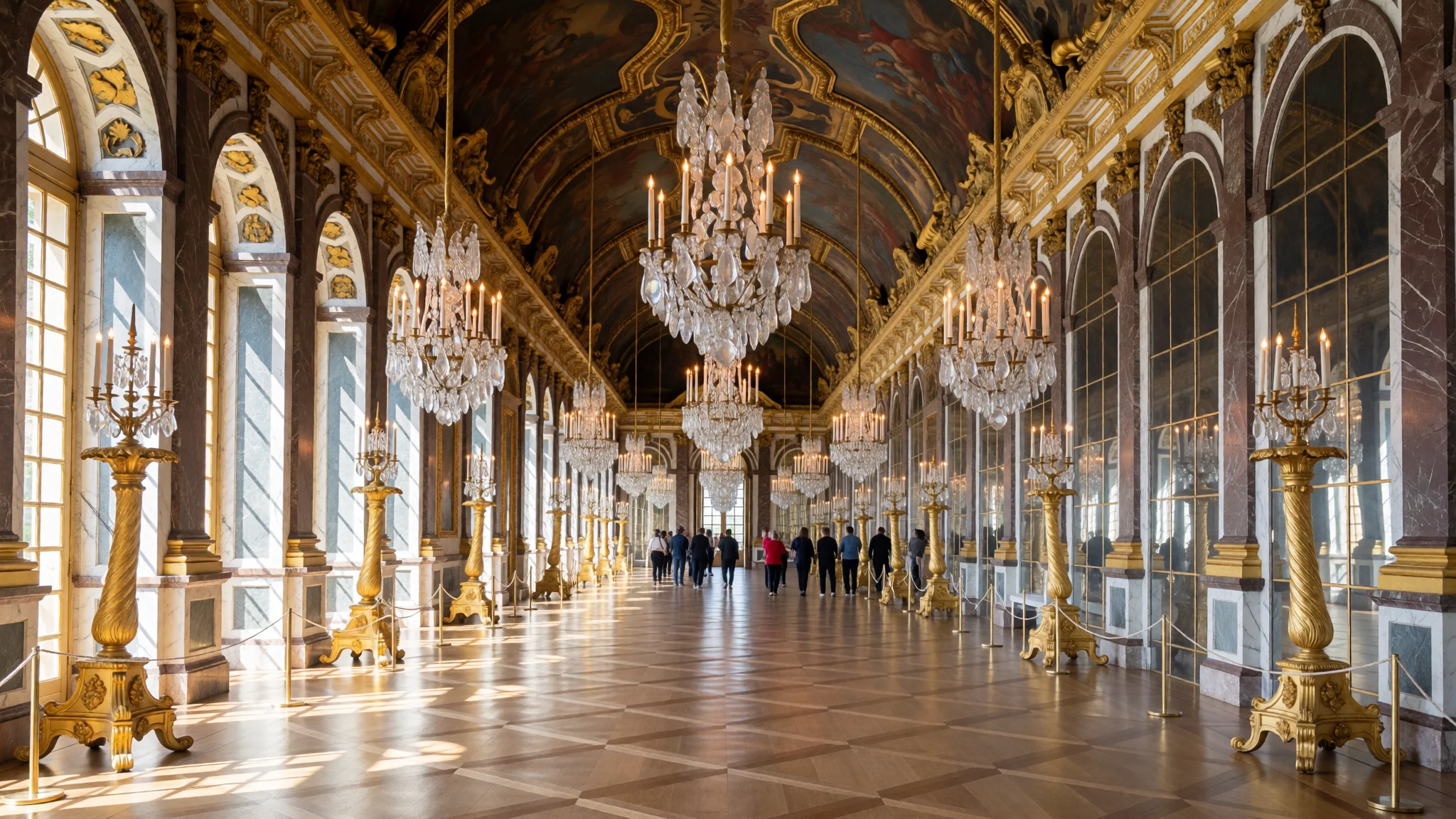
- The Chapelle Royale — Palace North Wing
Completed during the early eighteenth century, this soaring religious architectural triumph features soaring white stone arcades, painted vault ceilings depicting heavenly scenes, and a dedicated royal gallery reserved for monarchs. Its double-height layout showcases baroque sculptural details and intricate marble flooring designed for court worship.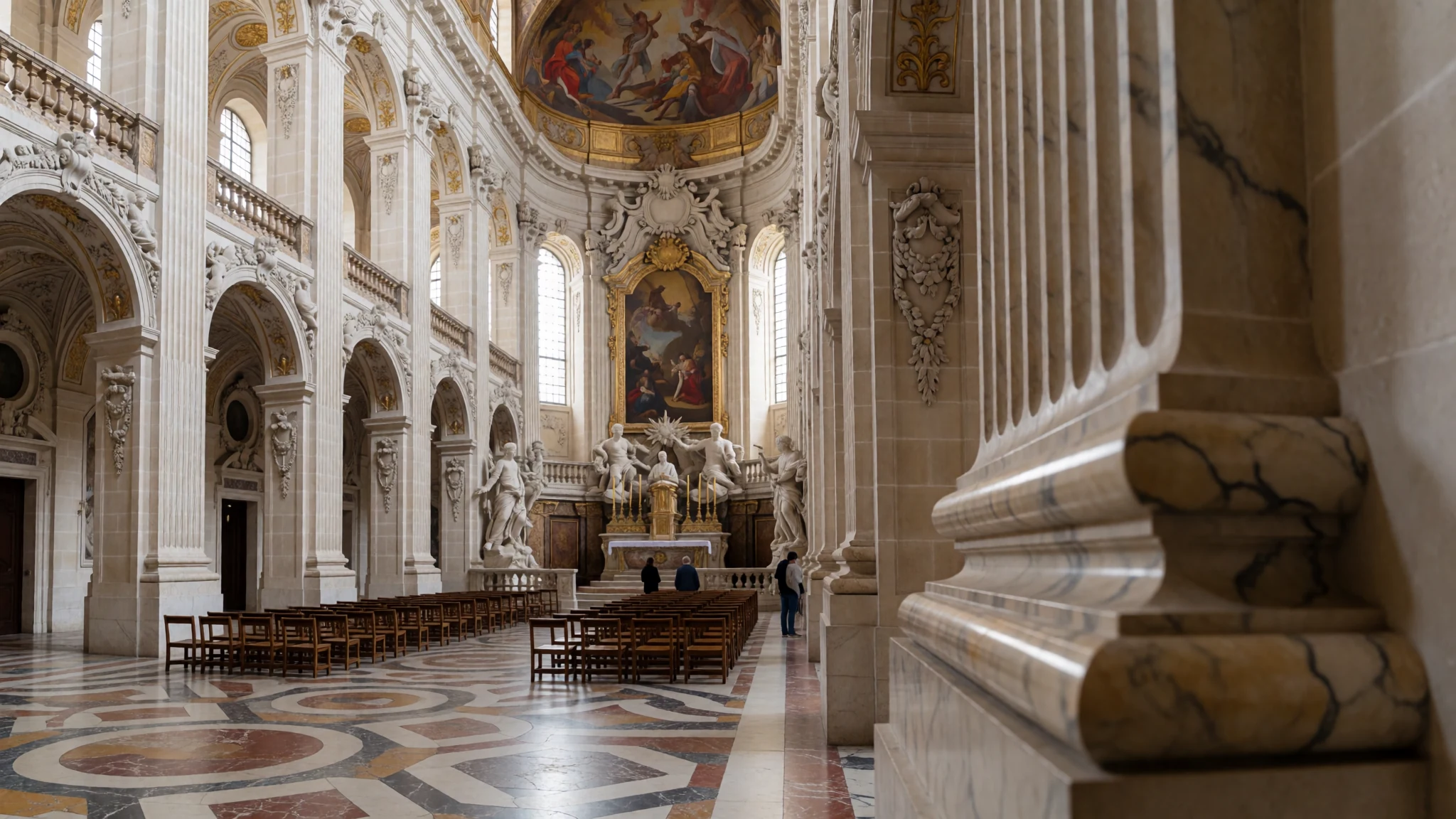
- Appartement de la Reine — Main Palace South Wing
This suite of private and ceremonial rooms originally prepared for royal consorts features exquisite white and gold woodwork panels installed during eighteenth-century refurbishments. The succession of interconnected chambers retains delicate period furnishings, silk wall hangings, and decorative ornaments illustrating elite domestic aesthetics.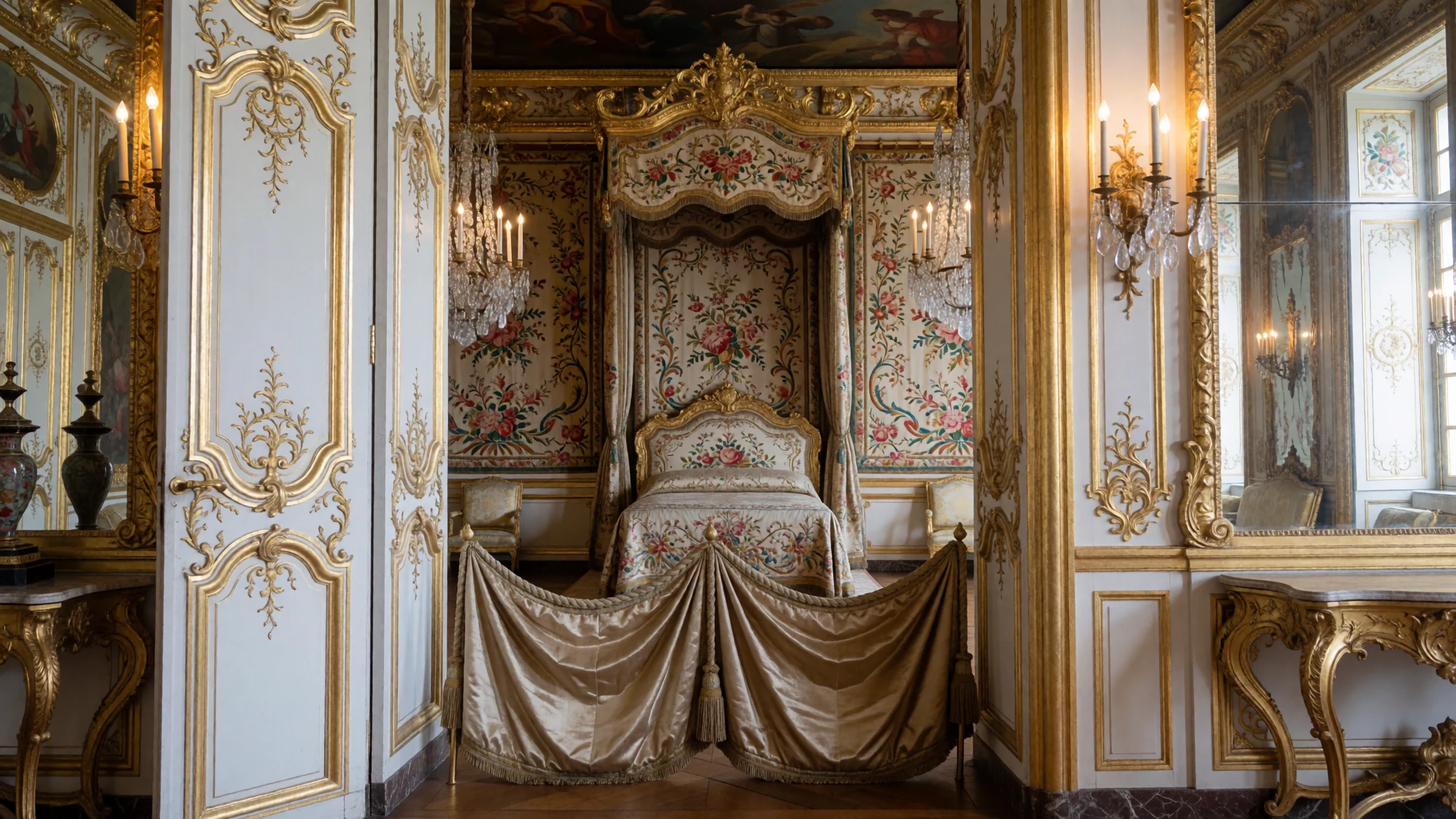
- The Grandes Eaux Musicales — Formal Gardens
Sprawling across the formal gardens, this legendary system of monumental fountains incorporates numerous individual water features adorned with classical statuary and mythological figures. During scheduled display days, water jets dance to classical musical compositions across manicured lawns and symmetrical basins.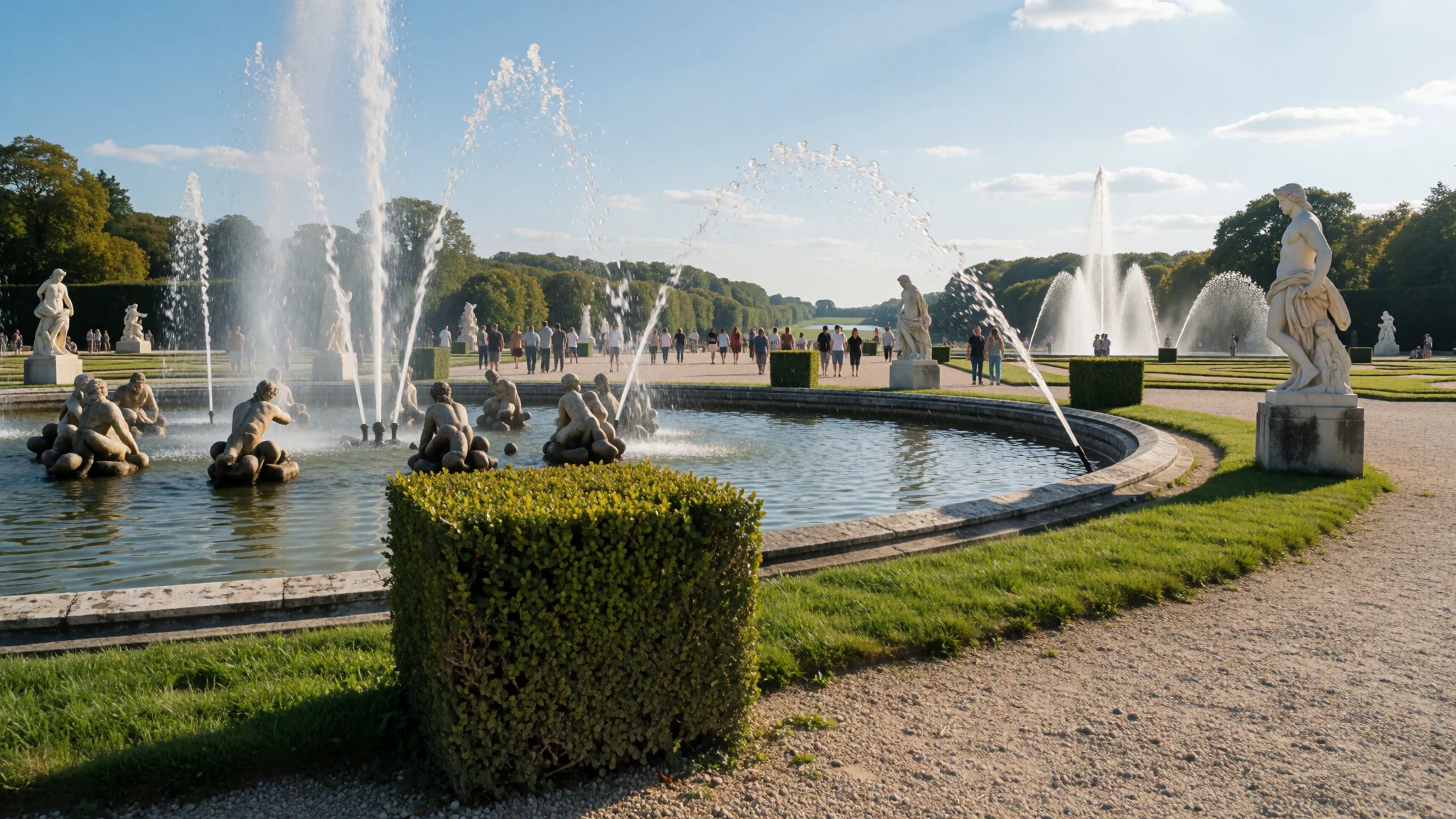
- The Grand Trianon Castle — Trianon Estate
Constructed as a private residential retreat away from the intense etiquette of the main court, this single-storey palace showcases distinctive pink marble colonnades and serene garden courtyards. Today, the refined building serves as an official residence for hosting visiting foreign dignitaries during state visits.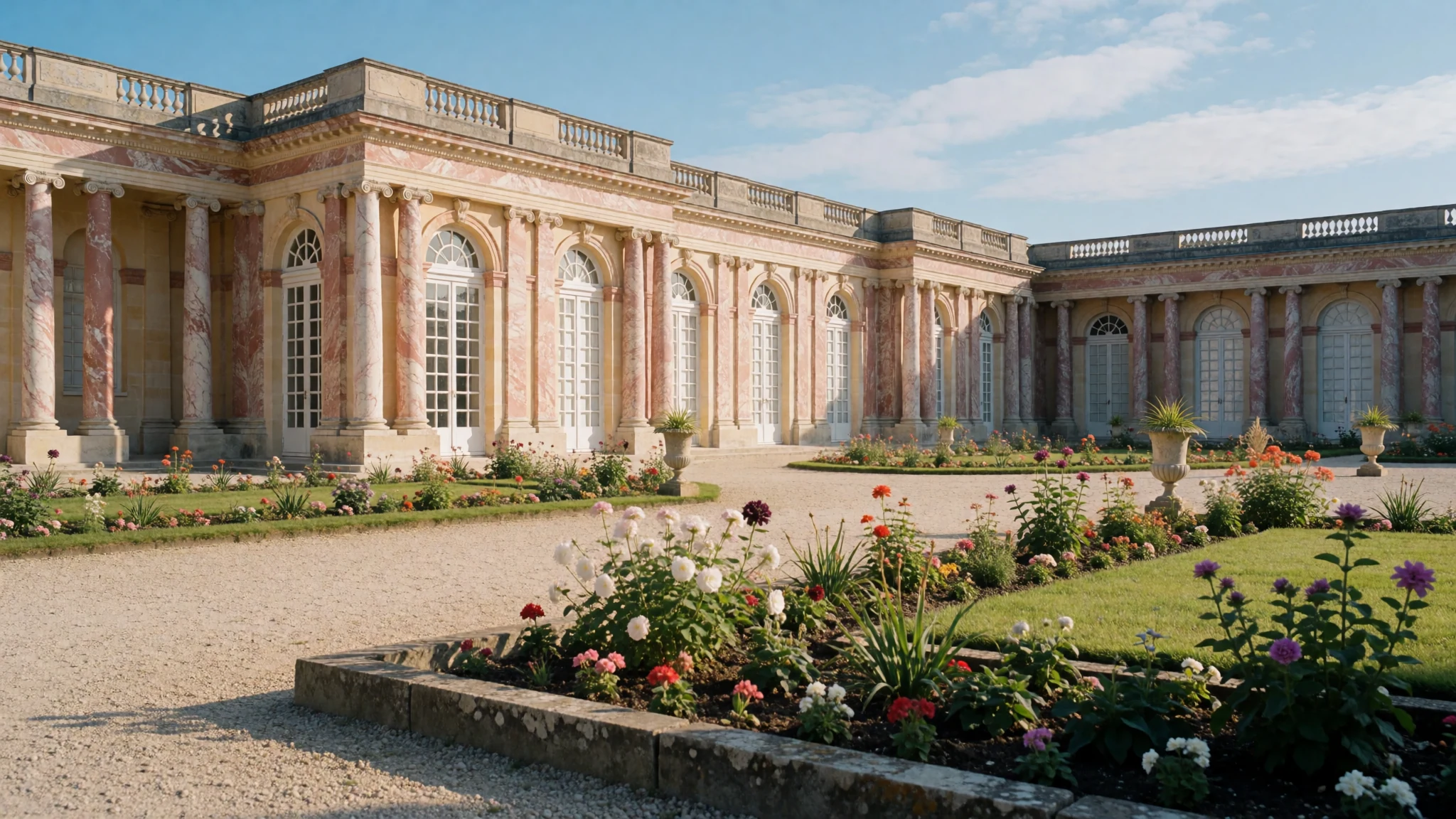
Culture
The cultural legacy of the Palace of Versailles is deeply rooted in centuries of French courtly etiquette, political performance, and aristocratic ceremony. During the seventeenth and eighteenth centuries, daily life within the royal residence was governed by meticulous rules regarding precedence, dress, and spatial access, where every movement of the nobility served to reinforce the supreme authority of the crown. Today, the institution functions as a dynamic cultural hub preserving national heritage through historical exhibitions, classical concerts, and equestrian events. Contemporary visitors experience this historic environment alongside international travellers, art historians, and local residents who frequent the park for leisure walks and recreational running. Understanding French cultural norms during a visit involves observing quiet consideration within enclosed historic galleries and maintaining respectful decorum when entering sacred spaces like the royal chapel. Photography without flash is generally permitted in most indoor spaces unless specific conservation notices indicate otherwise. Always keep your voice moderated when exploring crowded historical rooms and follow directional signage to preserve the flow of visitors through delicate heritage interiors.
What to wear
Traditional dress associated with the historical Palace of Versailles reflects the elaborate, highly structured fashion of the French baroque and rococo periods, characterized by heavy silk brocades, pannier skirts, lace cravats, embroidered waistcoats, and powdered wigs worn by the aristocracy. In modern times, visitors and local residents around the town of Versailles dress in contemporary European urban attire, favouring smart-casual coats, tailored trousers, neat knitwear, and stylish scarves. Because exploring the vast palace rooms and gravel pathways requires extensive walking across hard stone floors and garden trails, practical footwear is essential. Visitors should wear comfortable flat walking shoes or supportive trainers rather than delicate dress shoes or high heels, which easily sink into gravel paths and cause fatigue across long distances. Dressing in manageable layers is recommended, as indoor gallery temperatures fluctuate between warm crowded chambers and breezy stone corridors, while outdoor garden exploration exposes you directly to changing weather elements.
What to eat
- Place du Marché Notre Dame — Town Centre
Located in the historic town square just a short walk from the palace gates, this vibrant marketplace features traditional food stalls, artisanal cheese shops, and classic bakeries offering authentic French pastries and fresh local ingredients.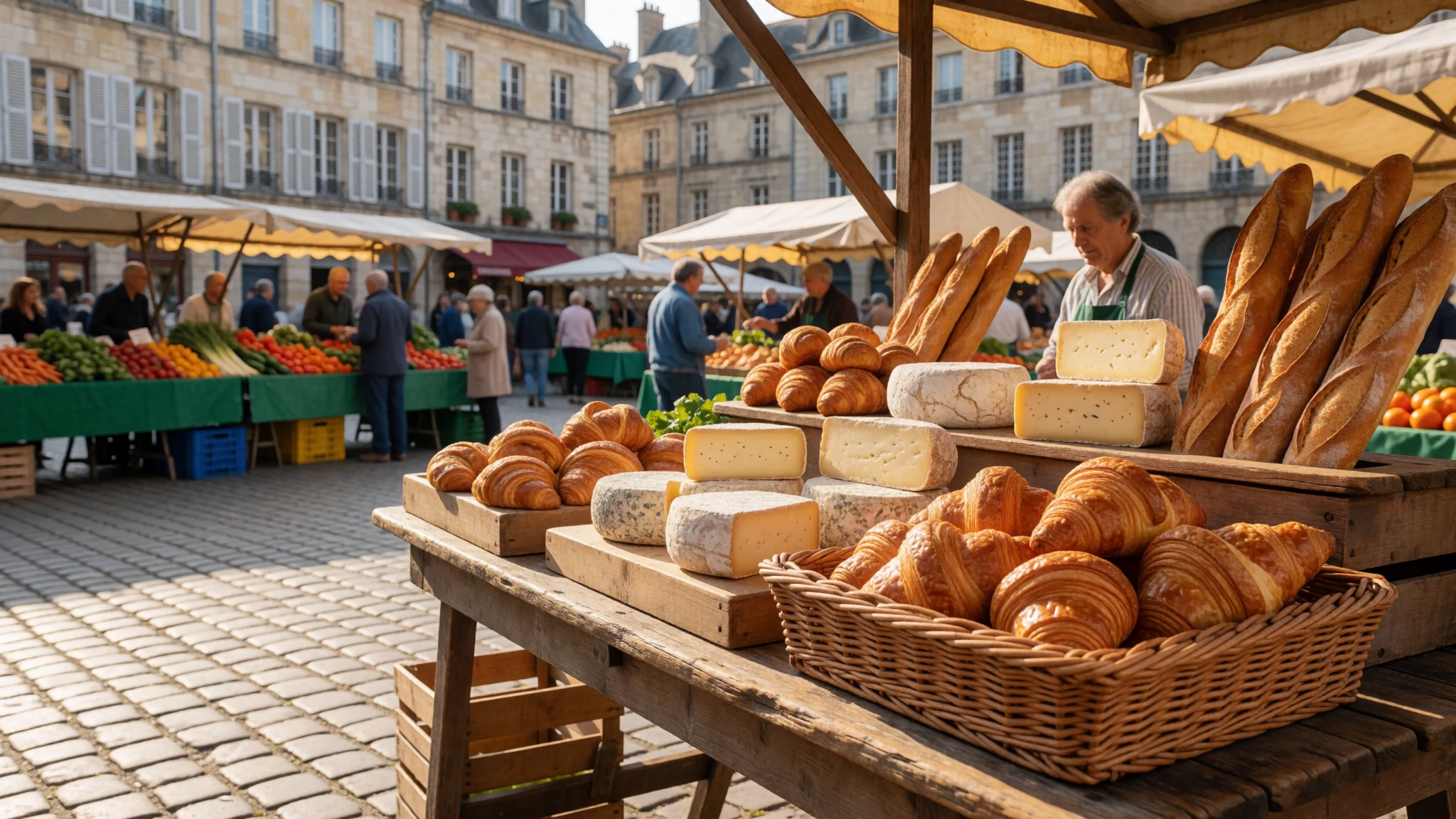
- Estate Cafes and Terraces — Palace Grounds and Gardens
Scattered across the palace gardens and park courtyards, these convenient eateries provide quick French sandwiches, fresh salads, and hot beverages, allowing you to refuel without leaving the secure estate grounds during a full day of sightseeing.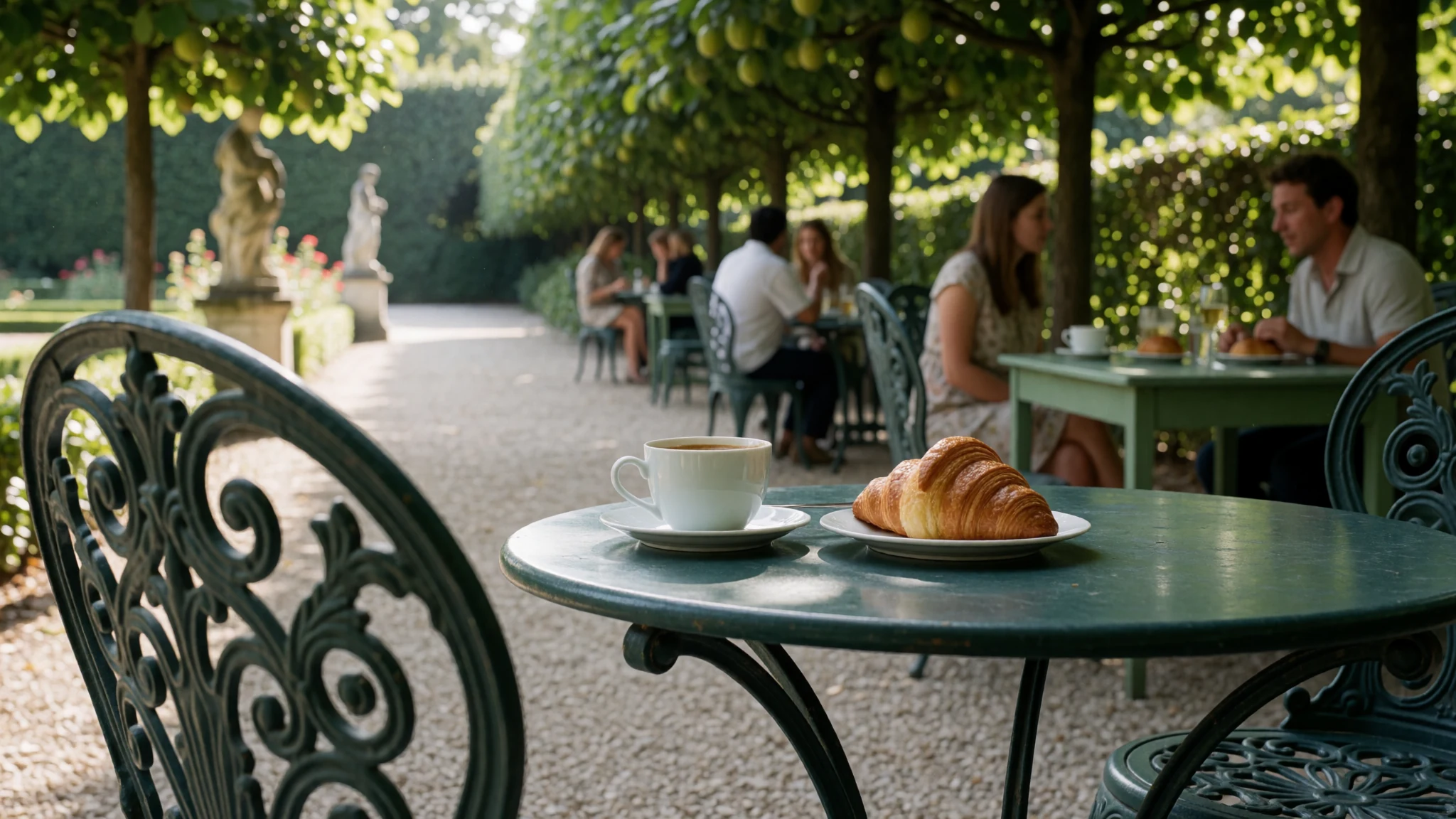
- Local Patisseries — Versailles Town Streets
Traditional bakeries situated along the surrounding streets of Versailles town serve buttery croissants, delicate macarons, and traditional tarts ideal for an energising morning snack before entering the estate gates. - Traditional French Bistros — Old Versailles Quarter
Cosy neighborhood dining rooms located in the historic quarters outside the palace offer classic seasonal dishes such as steak frites, onion soup, and coq au vin served in relaxed, unpretentious dining atmospheres.
Plan it
Best time. May to September offers warm weather and operating musical fountain displays, though spring and autumn bring fewer crowds to the indoor galleries.
How long. 1–2
Getting there. Take the RER C suburban train from central Paris directly to Versailles Château Rive Gauche station, followed by a short five-minute walk to the palace gates.
Budget. mid
Tips
- Book timed-entry tickets online in advance through the official website to avoid lengthy queues
- Arrive early in the morning before the peak tour bus arrivals crowd the Hall of Mirrors
- Wear comfortable walking shoes suitable for gravel paths and vast stone courtyards
- Bring a refillable water bottle, as options within the extensive gardens are limited
Etiquette
- Turn off camera flash inside all historical galleries to protect fragile eighteenth-century paintings and textiles
- Maintain quiet conversation levels when visiting the Royal Chapel and state bedchambers
Nearby
Sources
- Wikidata Q2946 (CC0)
- Wikipedia (CC BY-SA 4.0)
- Wikivoyage (CC BY-SA 4.0)