Val d'Orcia
Val d'Orcia, Italy
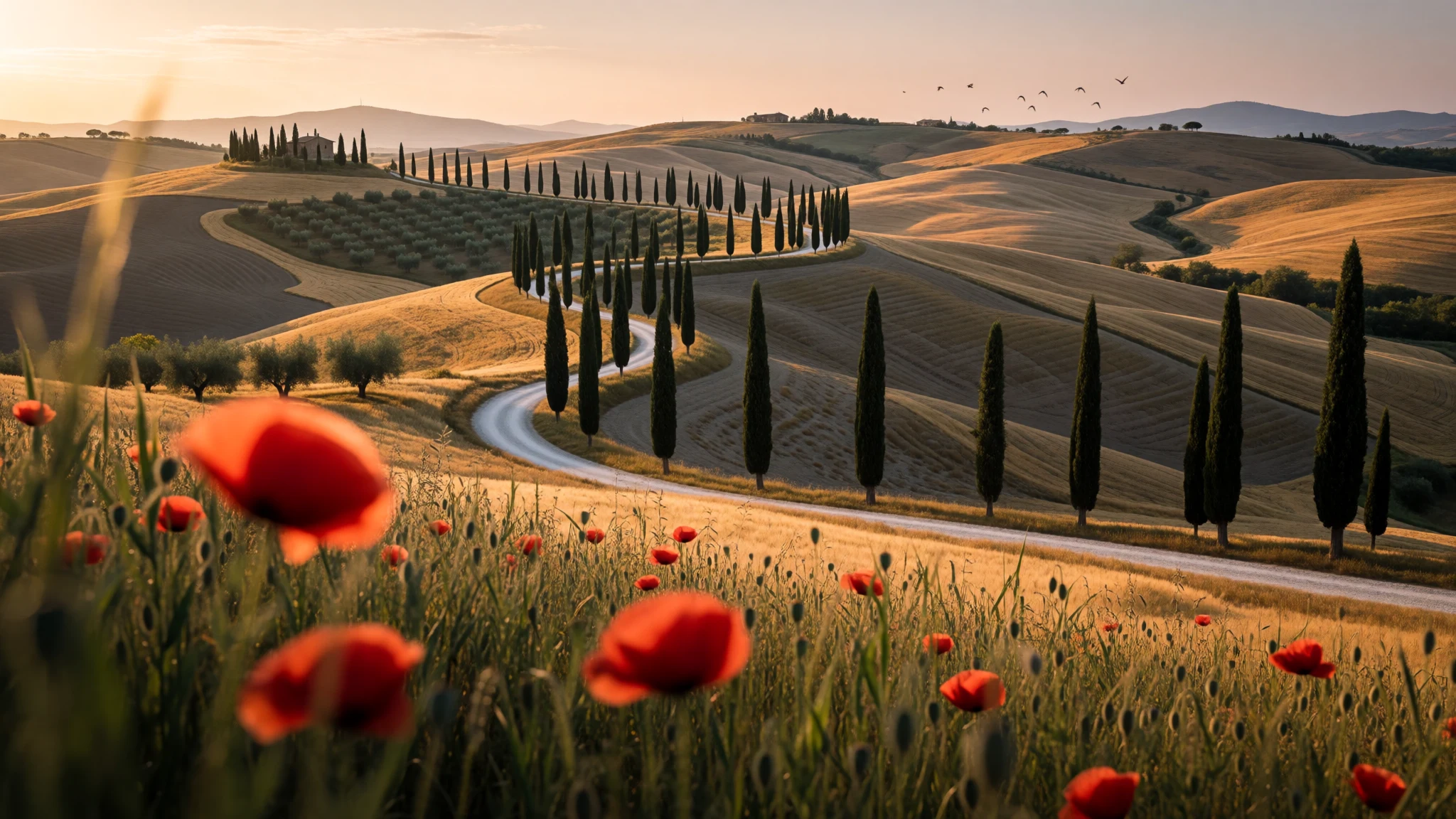
Val d’Orcia is Tuscany’s sculpted countryside—gentle hills, timeless towns, and cinematic roads that reward early mornings.
The place
Val d’Orcia is a cultural landscape in central Italy’s Tuscany, stretching from the hills south of Siena to Monte Amiata, between the provinces of Siena and Grosseto. It’s the kind of place where the terrain seems arranged: gentle slopes, cultivated fields, and occasional gullies that break up the smooth shapes. Scattered towns and villages—like Pienza, Radicofani and Montalcino—sit into that landform, giving the valleys a human scale.
What makes Val d’Orcia feel distinctive is how carefully it holds its look. The hills aren’t wild; they’re worked. Rows of vines, fields and olive groves create the patchwork that photographers chase, but it’s also a lived-in landscape, full of everyday farm rhythms and small-town life. The area’s reputation doesn’t come from a single viewpoint. It’s built from the way settlements, road cuttings and tree-lined horizons connect into one continuous scene.
Val d’Orcia is also a place with a long visual history. Renaissance painting and later photography have used this landscape as a setting, and the region’s fame is reflected in its UNESCO status, granted in 2004 for its cultural value. Expect scenic drives as much as stand-alone sights: narrow roads that curve between cypress stands, roadside viewpoints, and hilltop towns where you can pause for a panorama before moving on.
Crowds come in waves—especially around the most recognisable hill towns in peak seasons—but if timing and driving are flexible, the landscape still feels spacious.
Its story
Val d’Orcia’s story is written into contours. The hills of Tuscany here are cultivated in a way that turns geography into design: smooth gradients, farmland patterns, and small settlements perched where the land allows it. Over time, the region became familiar far beyond Tuscany, because artists and later photographers repeatedly found something “settled” and recognisable in its shapes.
Pienza is a good example of how place-making meets landscape. Pope Pius II commissioned the 15th-century reconstruction of this town as an 'ideal town,' a concept that remains visible today in its deliberate central layout and the thoughtful integration of streets with surrounding vistas. Radicofani adds another thread—its local legend ties to Ghino di Tacco, a brigand-hero figure that keeps the hill towns feeling like more than scenery.
Montalcino brings a different kind of identity: wine culture. The Brunello di Montalcino is closely associated with the area, and that reputation has a practical effect—drives and farm visits often revolve around vineyards and the daily work around them.
Even the landscape’s UNESCO listing points to the same theme: Val d’Orcia isn’t just “pretty hills”, it’s a cultural landscape shaped by people over time. The result is that a single day can feel like moving through an artwork, from town centres to countryside edges, without ever fully leaving the landscape behind.
What to see
- Cypress-lined hills near San Quirico — San Quirico area, Val d’Orcia
Cypress silhouettes and soft, cultivated slopes dominate the views here, with roads that follow gentle gradients. Early light can make the tree lines pop, but mid-morning brings more traffic and people stopping for photos.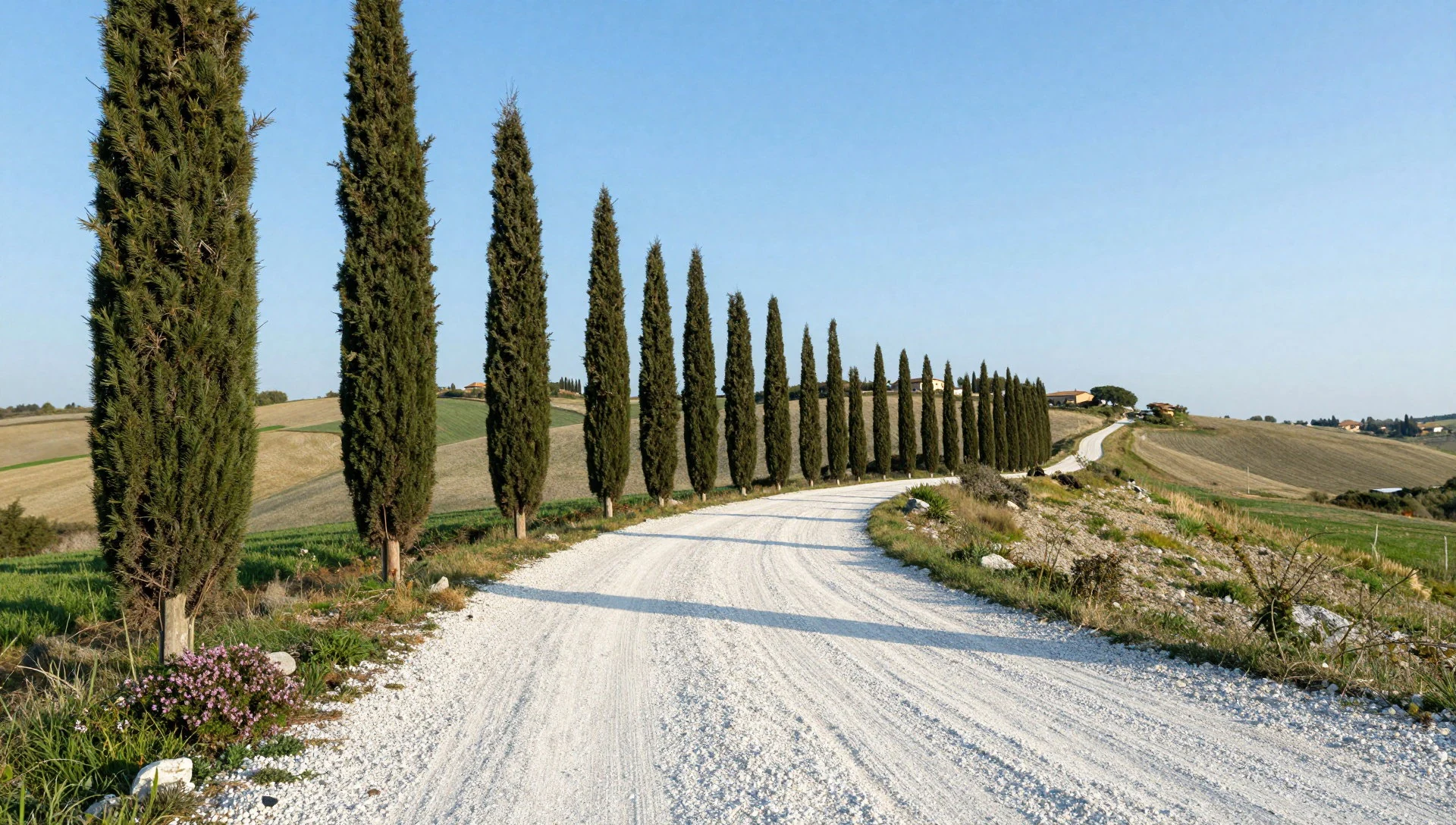
- Pienza town centre and viewpoints — Pienza
Pienza’s compact streets and church-centred layout make it easy to wander on foot. Climb towards the edges for wide countryside views, where the land’s patchwork becomes obvious and photo stops are plentiful in busy periods.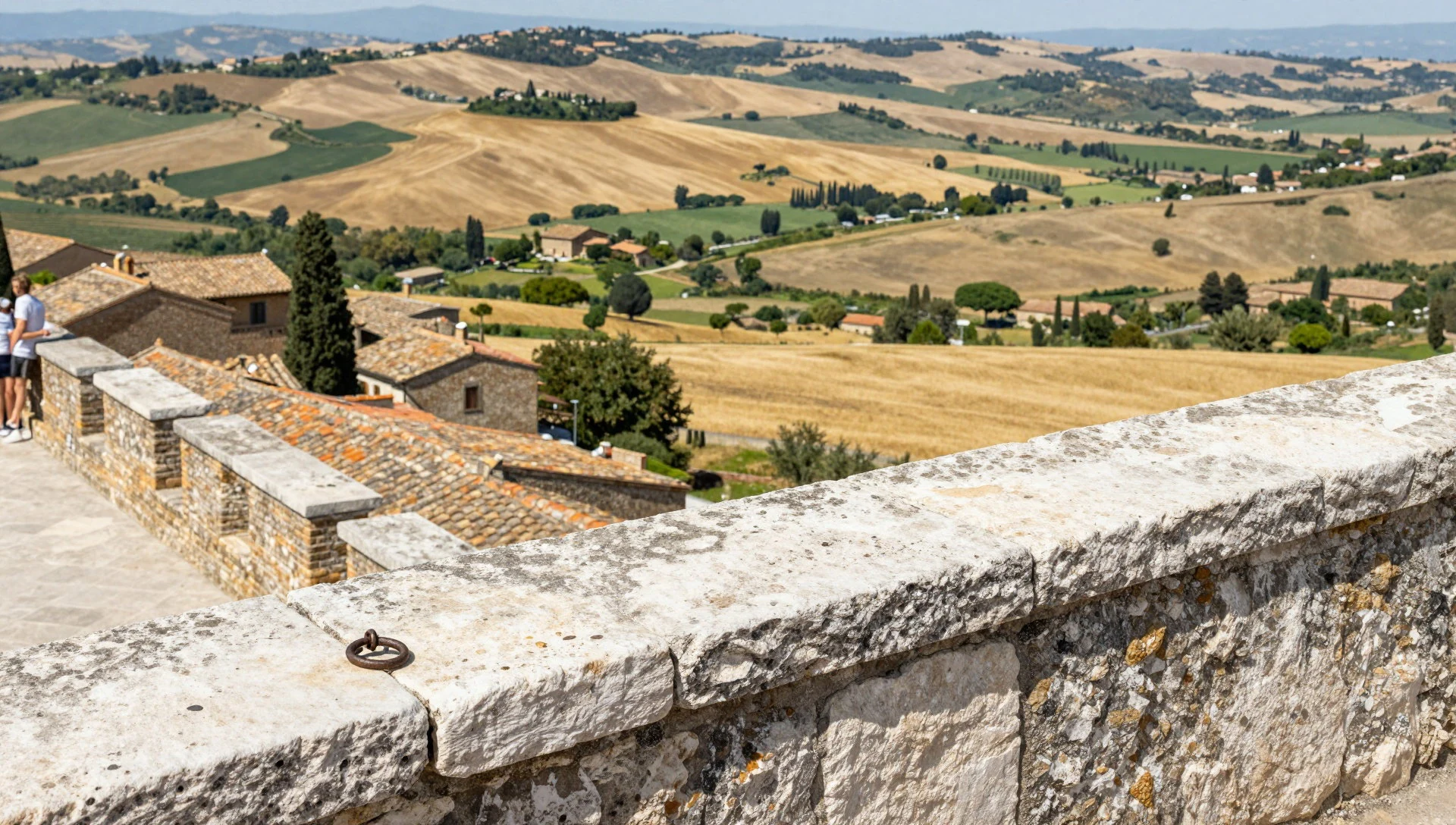
- Montalcino for wine-country drives — Montalcino
Montalcino works well as a base for slow drives through vineyard scenery. The countryside feel changes with each bend—gullies, fields, and distant ridgelines—so plan for pull-offs and short pauses rather than rushing between stops.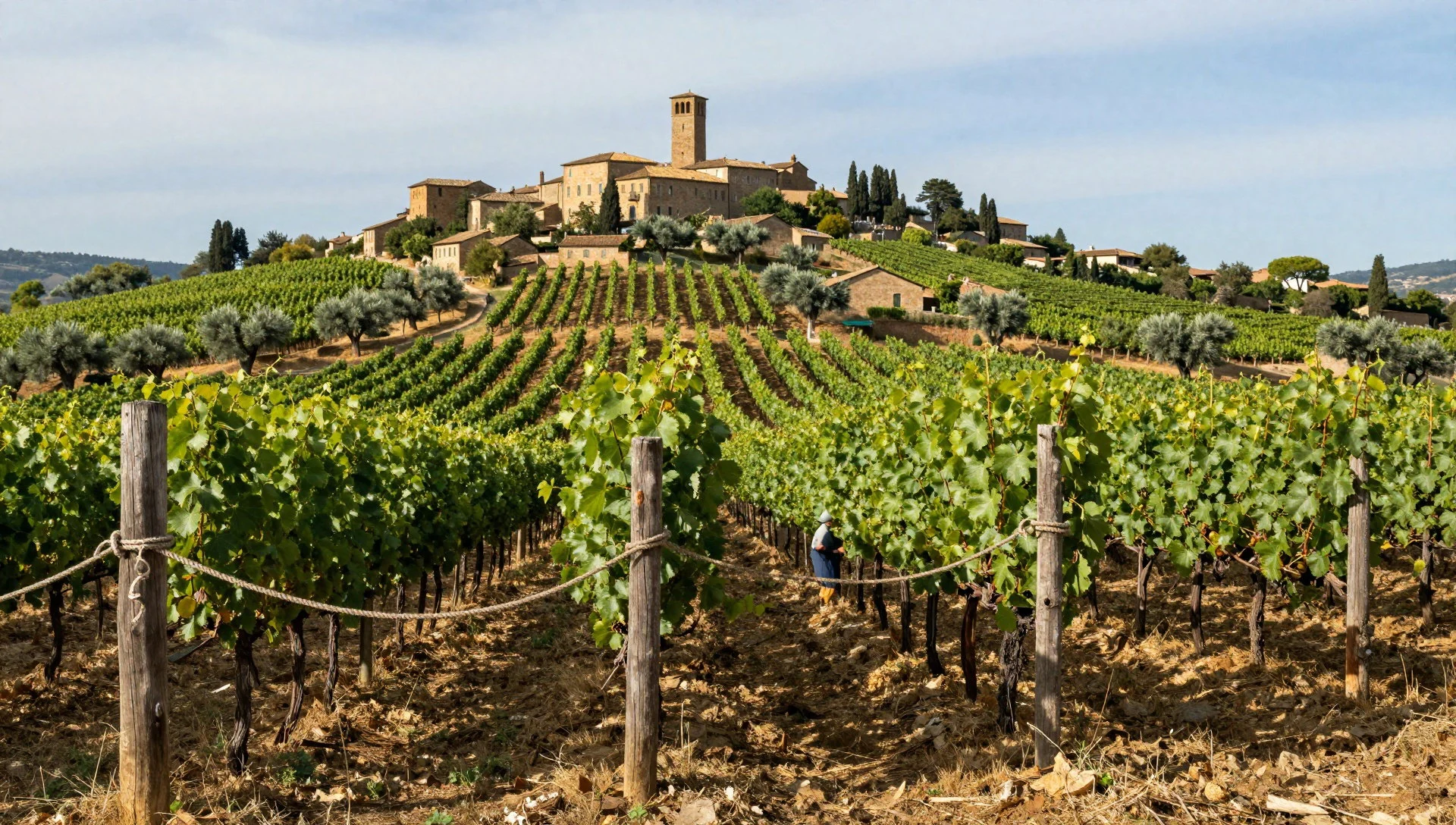
- Castiglione d’Orcia and the countryside edges — Castiglione d’Orcia
On the edges of Castiglione d’Orcia, the landscape opens into broader views: farmed slopes, small clusters of buildings, and roads threading through the quiet. It’s a calmer feel than some big-name hill towns.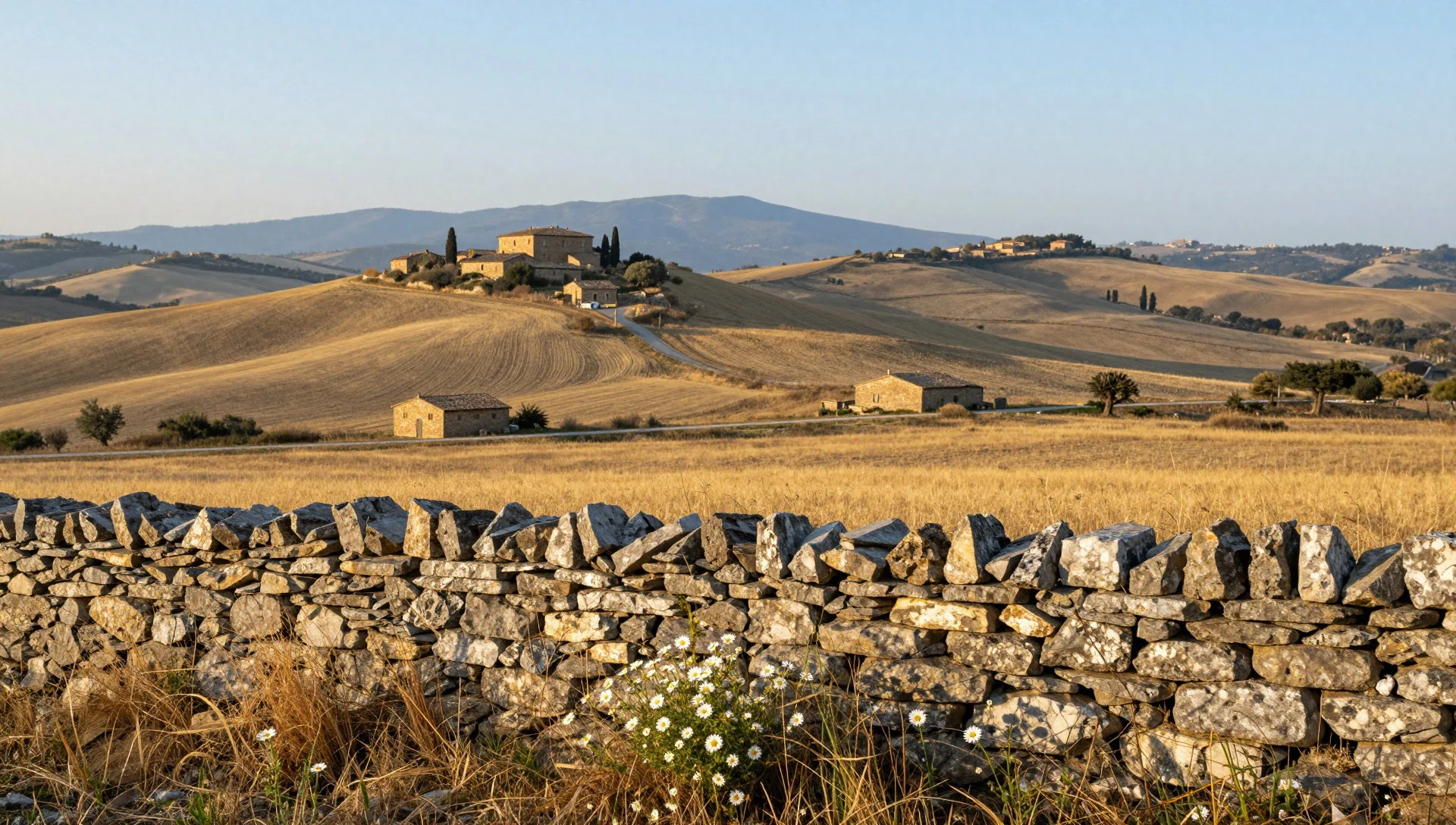
- Via Francigena countryside near Castiglione d’Orcia — Via Francigena near Castiglione d’Orcia
Walk or drive portions of the Via Francigena corridor as it threads through farmland around Castiglione d’Orcia. The route is best experienced slowly, with the countryside on both sides and plenty of space to stop and look.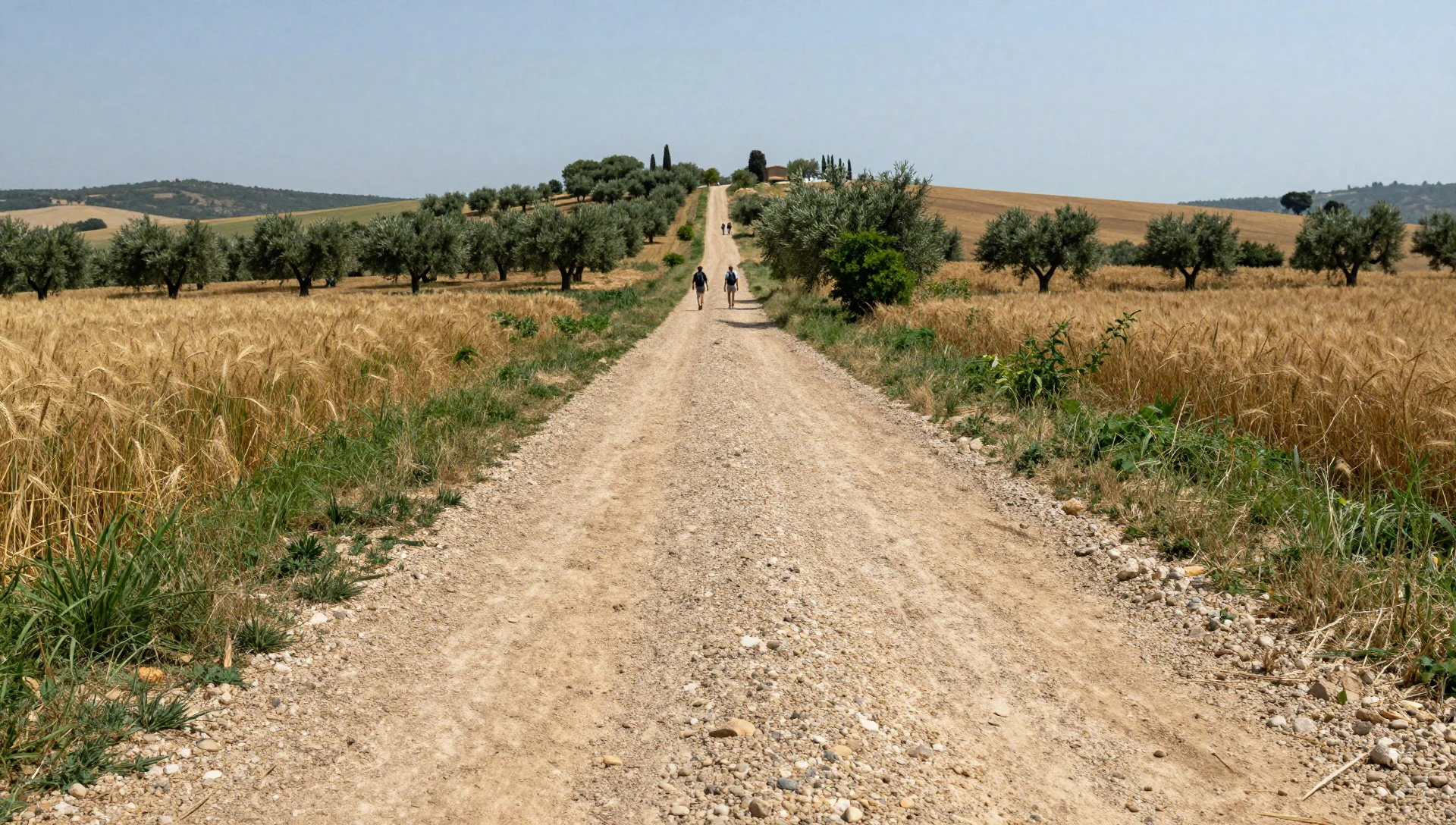
- Sunrise in the open fields — Open fields across Val d’Orcia
In Val d’Orcia’s open countryside, sunrise often brings the best mix of colour and stillness. Expect cool air and the calm of early hours; by late morning, more cars and people arrive around the most recognisable spots.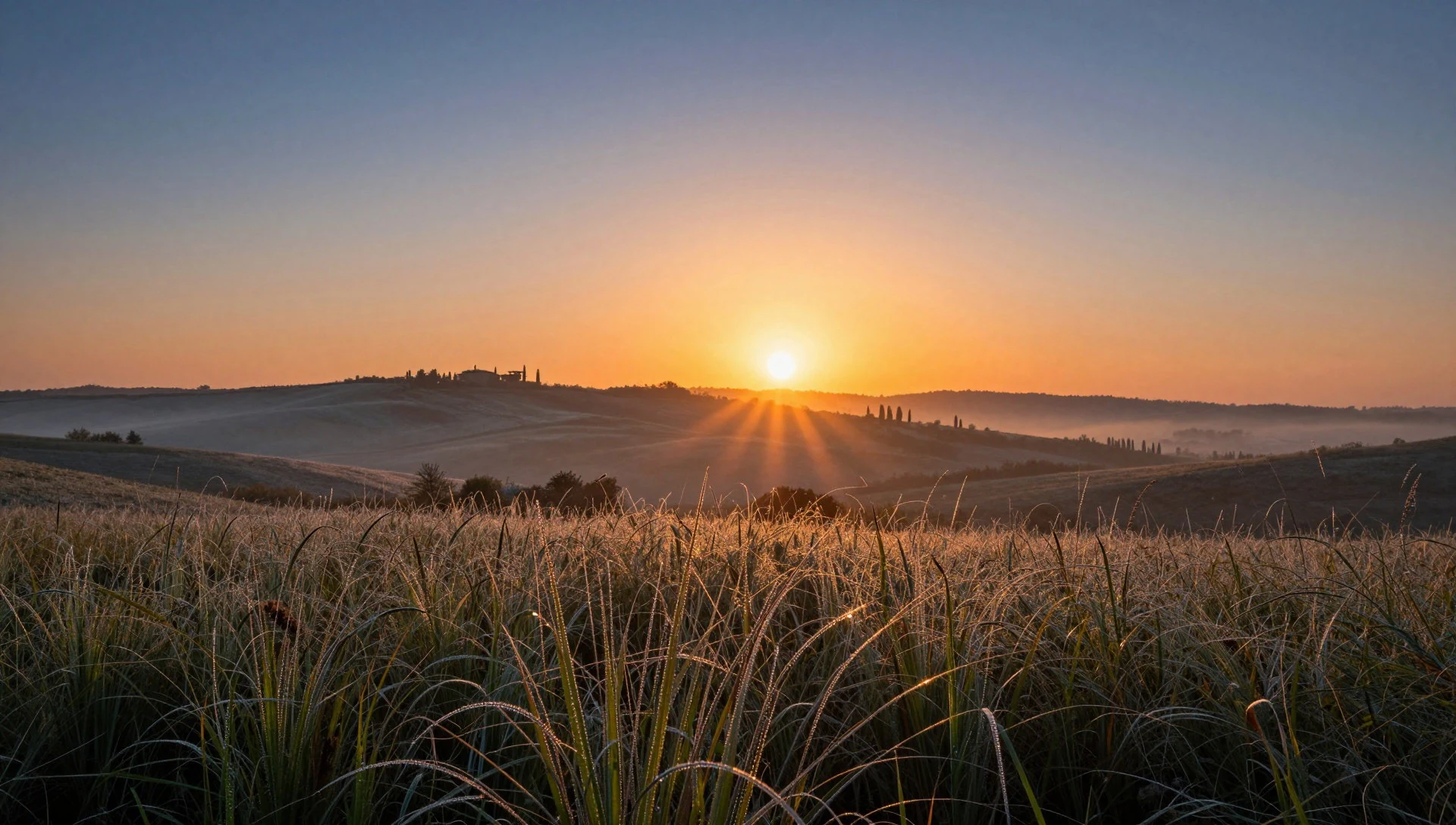
Culture
Val d’Orcia is listed as a UNESCO World Heritage cultural landscape, which matters because it changes how the area “reads” on the ground. Instead of thinking only about individual sights, it’s worth paying attention to how farmland, towns and roads work together to form the familiar scene. Even when attention is on a hill town or a cypress stand, the surrounding fields and the way settlements sit in the slopes are part of the story.
This is also a place where quiet moments are part of the experience. In popular seasons, the landscape can feel busy near the most famous viewpoints, but the countryside spaces between them still allow for unhurried wandering—especially when early mornings and shoulder hours are chosen.
Practical manners make a difference here. Roads through farmland are narrow, and it’s easy to block traffic while photographing from the roadside. In town centres, people move at a local pace, so stand aside when others need to pass.
Visitor etiquette: Drive slowly on narrow roads, park safely off the carriageway for photos, and keep noise low in village centres.
What to wear
In Val d’Orcia, dressing is mostly about comfort for walking and day-long exploring on uneven hills. Traditional clothing in Tuscany is part of local culture more than everyday wear; when it appears, it’s usually worn for festivals or performances, often with heritage-inspired textiles such as wool for cooler seasons and heavier fabrics layered in autumn and winter.
Day to day, most visitors dress for the weather and the terrain: breathable tops in warm months, a light layer for early mornings, and footwear with grip because country lanes and town pavements can be uneven. If the trip coincides with vineyards and farm stops, choosing clothes that can handle dust and a bit of dirt is sensible.
For visiting churches and historic town centres, keep the look modest—cover shoulders and avoid very short hemlines. Bring a scarf or light shawl for quick coverage. In warmer months, a hat and sunscreen help because open countryside has less shade, and in cooler periods a warmer layer makes early starts more comfortable. In short, dress like someone who intends to walk a lot: comfortable, sensible footwear first, then weather-appropriate layers, then a modest layer for religious interiors.
What to eat
- Sangiovese-focused local plates — Restaurants in towns like Pienza and Montalcino
Look for simple Tuscan combinations—seasonal vegetables, olive oil, and hearty flavours—served alongside the kinds of wines the region is known for. Ask for a local wine pairing at a restaurant in the hill towns.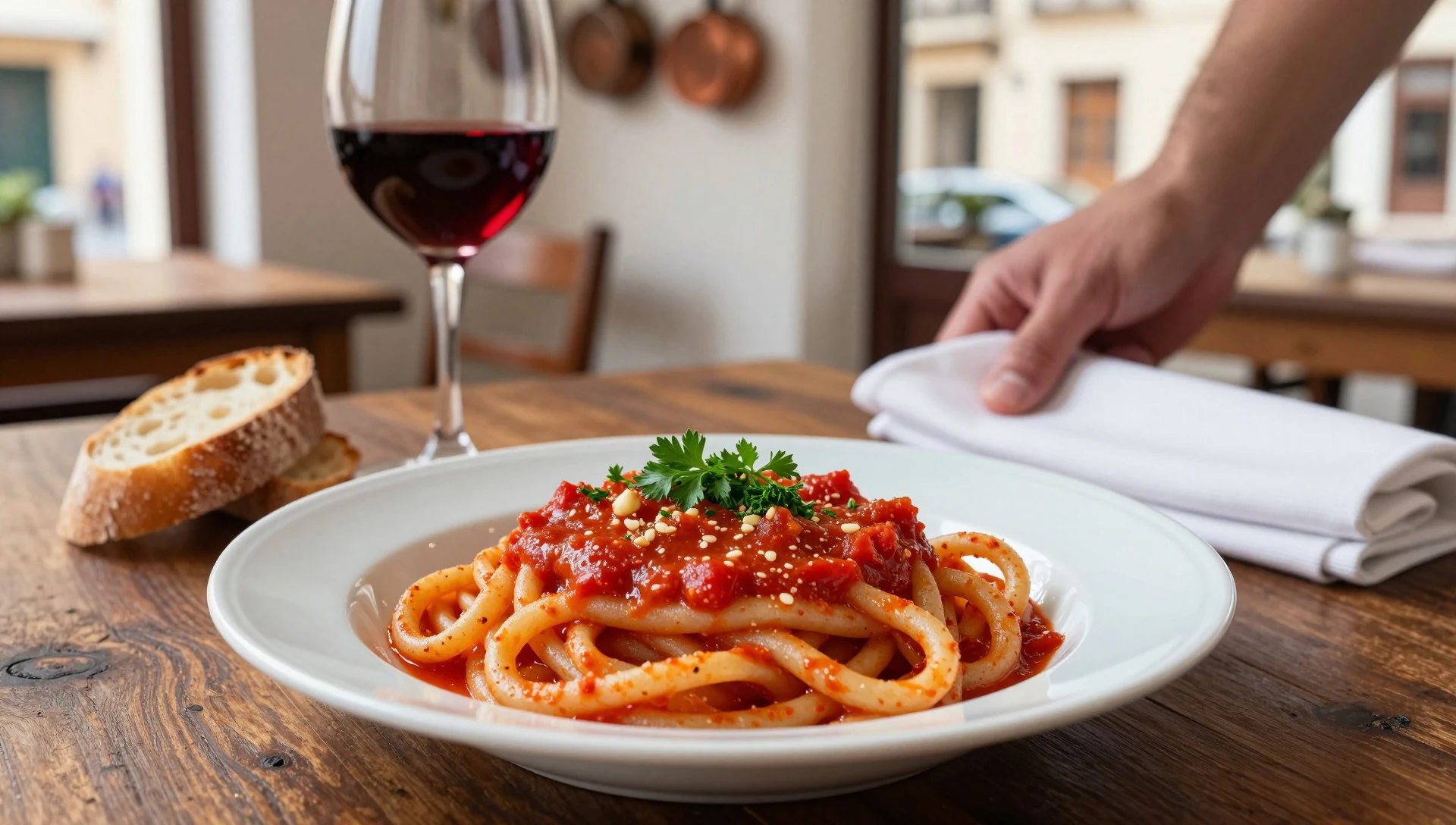
- Fresh pecorino and cured meats — Local eateries and wine bars in Val d’Orcia towns
Tasting-style menus often bring together local cheeses and cured meats with bread and olive oil. It’s a good way to sample the region without committing to a full multi-course meal after a long drive.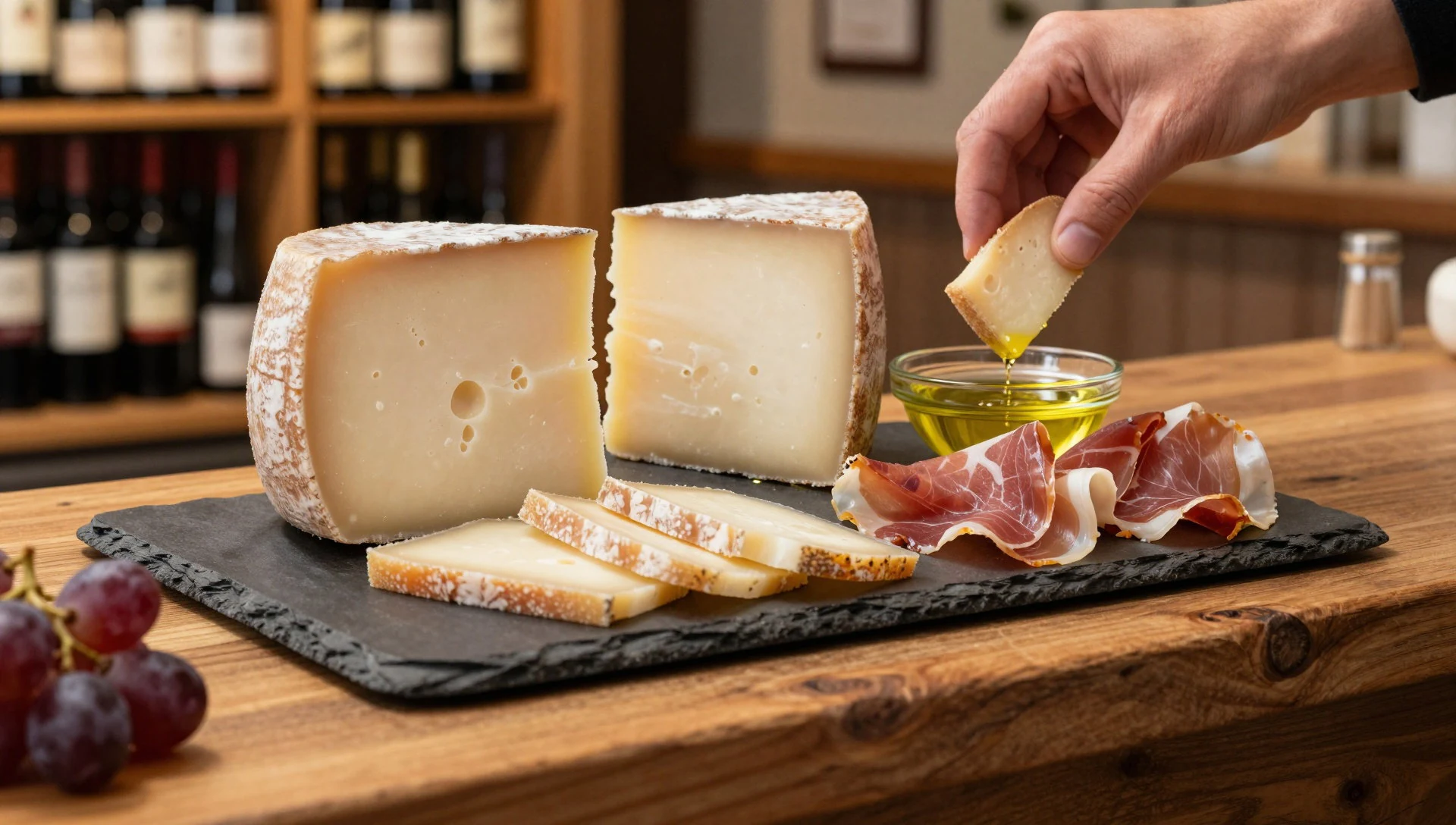
- Bruschetta with seasonal tomato/olive toppings — Casual trattorias and market eateries
Bruschetta commonly shows up as a quick starter: toasted bread topped with tomato, olive oil, and other simple seasonal additions. It’s easy to find at casual dining spots when you’re passing through. - Pasta with regional sauces — Everyday restaurants in the main towns
Tuscan pastas tend to lean on straightforward, comforting sauces that reflect what’s in season. In this valley, you’ll often see classics made with olive oil, tomato, and herbs. - Gelato and fruit desserts — Town centres and ice-cream counters
After a day of hills and viewpoints, gelato and simple fruit desserts are common. In warmer months, look for fruit-based flavours; in cooler months, stick to the richer, creamier options.
Plan it
Best time. April and May for the mildest, driest stretch; October and November for comfortable cool weather with rain increasing again. The hottest months are August (highest temperatures) and July; the wettest stretch is November, with September also particularly rainy, while summer’s rain is lower.
How long. 3–4
Getting there. Drive in from Florence (around 1 hr 50 min), from Rome (around 2 hr 10 min), or from Siena (around 1 hr). There’s no regular railway service, though there is the Asciano–Monte Antico heritage line with very limited operations.
Budget. mid
Tips
- Choose a car if possible; getting between towns is much easier that way.
- Use early morning light for viewpoints before daytime crowds build up.
- Expect fewer buses than you might hope—many towns have limited daily connections.
- Plan a couple of longer stops rather than trying to tick every viewpoint on the same road back-to-back.
Etiquette
- Keep to safe parking spots when stopping for photos on narrow rural roads.
- In town centres, avoid blocking entrances and pathways while taking pictures.
Nearby
Sources
- Wikidata Q217449 (CC0)
- Wikipedia (rev 1376381644) (CC BY-SA 4.0)
- Wikivoyage (rev 5421025) (CC BY-SA 4.0)
- Photo photos/01-val-d-orcia-pienza.jpg (CC BY-SA 2.0)
- Photo photos/02-i-cipressi-della-val-d-orcia.jpg (CC BY-SA 4.0)
- Photo photos/03-val-d-orcia1.jpg (CC BY 3.0)
- Photo photos/04-vineyards-val-d-orcia.jpg (CC BY 3.0)
- Photo photos/05-val-d-orcia-sunrise-151505625.jpg (CC BY 3.0)
- Photo photos/06-siena-hills-montalcino-siena-italy-june-23-2018.jpg (CC BY 4.0)
- Photo photos/07-castiglione-scenery-2012.jpg (CC BY 3.0)
- Photo photos/08-castiglione-d-orcia-province-of-siena-tuscany-italy-panorami.jpg (CC BY 3.0)


