Ulleungdo
Ulleungdo, South Korea
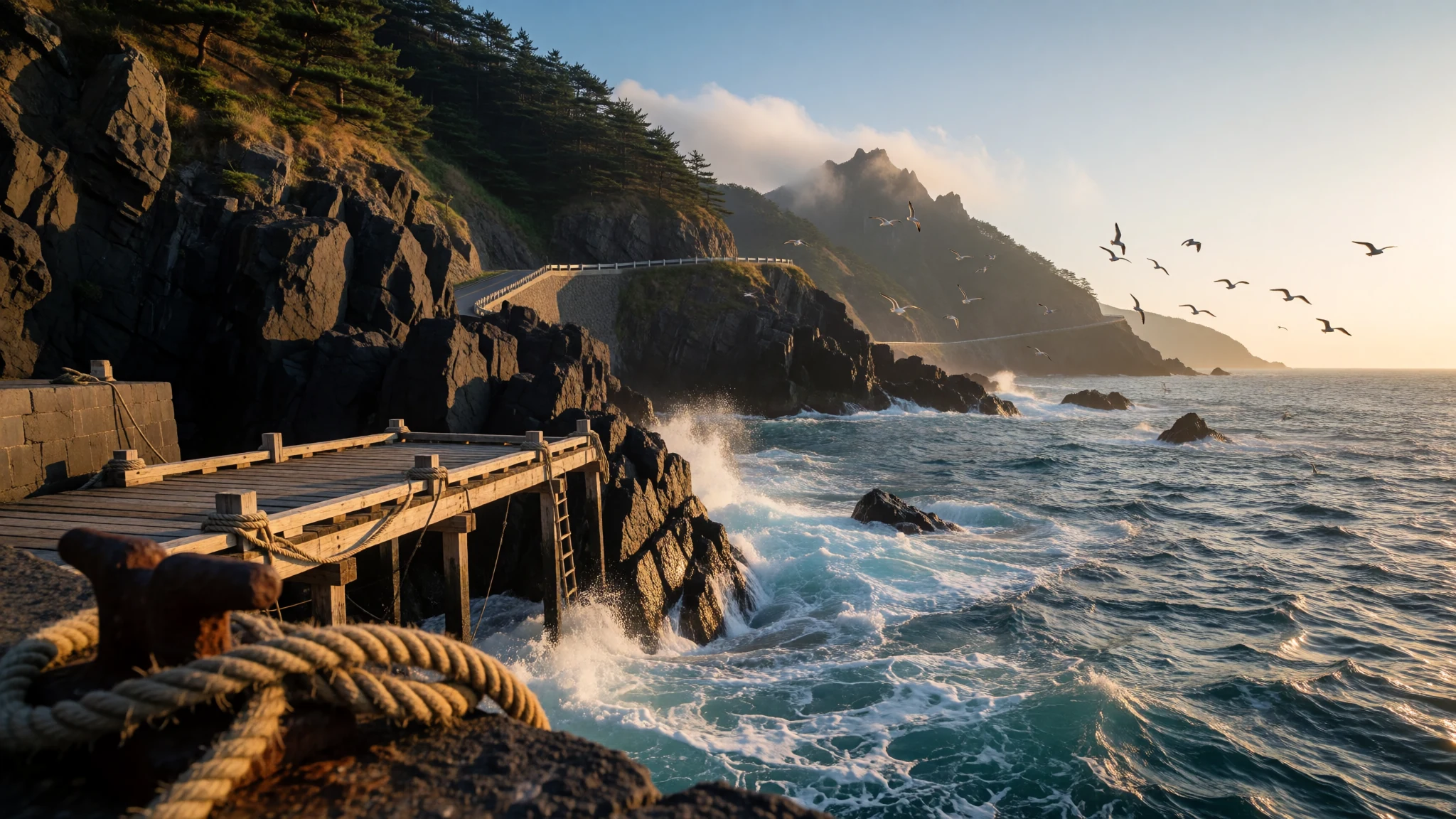
Ulleungdo is a dramatic volcanic island rising from the sea, offering steep coastal cliffs, dense mountain forests, and rich maritime traditions.
The place
Ulleungdo stands as a striking volcanic outcrop rising steeply from the sea, formed by an ancient stratovolcano whose summit towers high above the water. Located off the eastern coast of the mainland, the terrain is defined by dark volcanic rock formations, precipitous sea cliffs, and deep interior calderas where residents farm the fertile crater floor. Visitors arriving by ferry dock primarily at Dodong, the main port town where narrow streets press tightly between towering rock walls and the restless harbour.
Life on Ulleungdo moves to the rhythm of the ocean and the steep topography. Engineering feats are visible all around the coastline, where roads twist through tunnels carved directly into sheer cliffs and bridges span dramatic marine chasms. The upper reaches of the island are dominated by dense, damp forests clinging to steep mountain slopes, creating a humid microclimate that fosters unique native flora. Away from the main harbour settlements, small fishing hamlets cling to tiny pockets of flat shoreline where racks of drying seafood flap in the sea breeze.
Tourism brings curious travellers eager to explore maritime heritage and rugged hiking paths, but the island retains a raw, isolated character distinct from mainland beach resorts. Weather heavily dictates daily rhythms here; sudden sea mists can roll across the volcanic peaks in minutes, blanketing the hairpin bends of the coastal highway and turning the interior valleys into quiet, mist-shrouded sanctuaries. It is a place for walkers, slow explorers, and those who appreciate dramatic marine landscapes shaped by primal geological forces.
Its story
Ulleungdo holds a long history of maritime isolation and strategic contest between regional powers. Archaeological findings demonstrate that human communities established themselves on the rocky shores during the early first millennium before Christ. The earliest written documentation appears in historical chronicles from the sixth century, recording how a general from the Silla kingdom sailed across the open water to subdue the autonomous island state known as Usan-guk. According to traditional accounts, the military campaign relied on clever intimidation using carved wooden beasts to persuade the islanders to submit without a devastating conflict.
Political control shifted through subsequent dynasties, bringing periods of integration followed by recurring vulnerabilities. During the medieval eras, the coastal settlements suffered repeated depredations from foreign raiders and pirates who exploited the remote location. In response to ongoing maritime insecurity, dynastic authorities attempted to enforce an empty-island policy, ordering inhabitants to abandon the territory entirely. However, enforcement proved nearly impossible given the rich fishing grounds surrounding the volcanic shores. Persistent maritime disputes involving fishermen from neighbouring regions eventually prompted the government to formally rescind the depopulation edict, encouraging new settlers to reclaim the land and establish permanent administrative control.
By the nineteenth century, foreign vessels began operating in the surrounding maritime zones, targeting marine mammals and right whales across the deep sea lanes. As modern administrative frameworks developed, the island solidified its status as an integral part of regional governance. Today, the layered past survives in local museums, coastal folklore, and the enduring resilience of communities adapted to living on an isolated volcanic peak.
What to see
- Nari Basin — Volcanic interior
Nari Basin is the expansive flat caldera situated in the volcanic interior of Ulleungdo, formed long ago by the collapse of the central volcanic crater. Surrounded by towering green mountain ridges, this fertile agricultural bowl contains traditional thatched earthen houses and offers a remarkably peaceful contrast to the dramatic sea cliffs found along the outer perimeter of the island.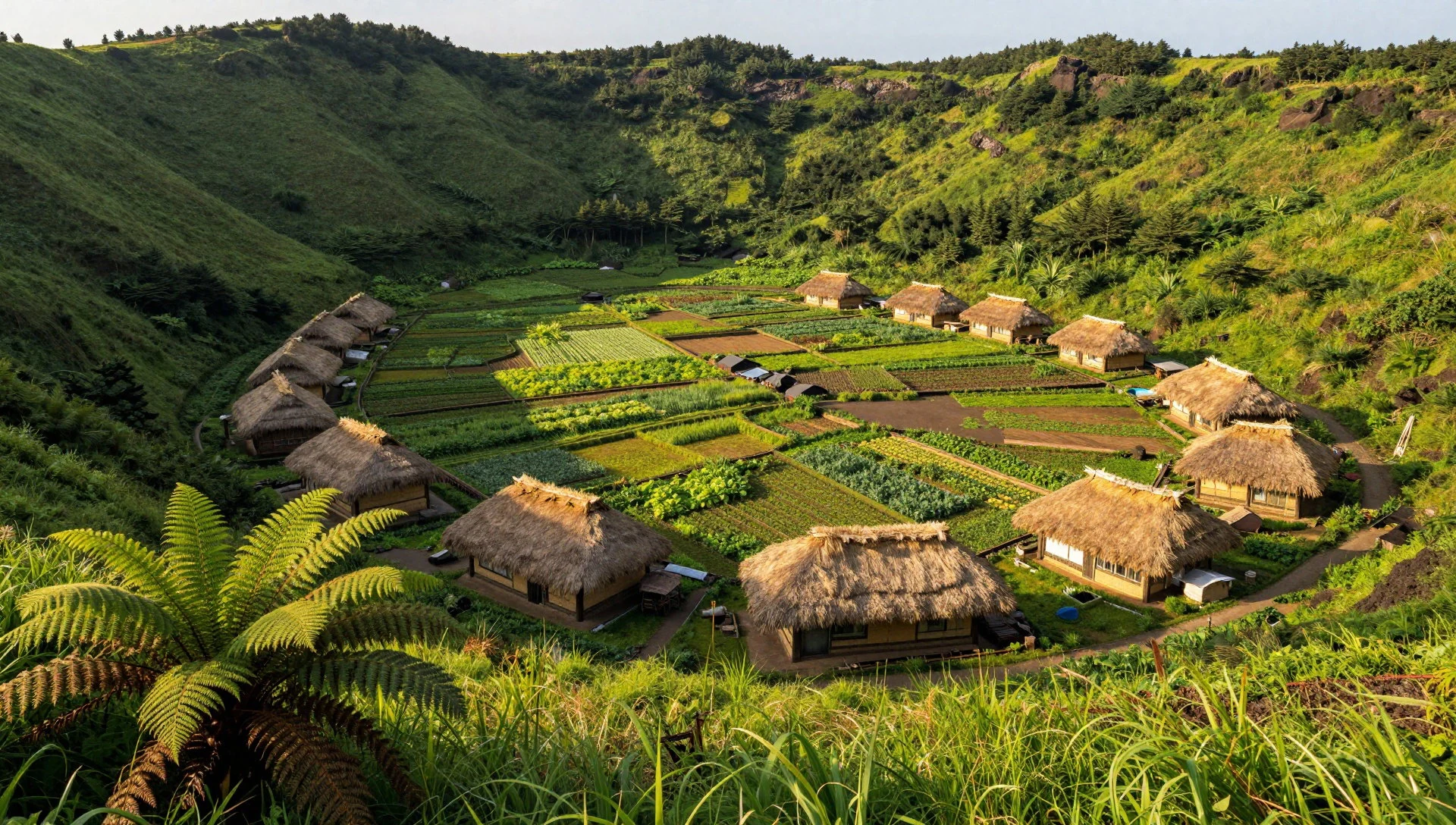
- Songgot-bong — Northwestern coast
Songgot-bong is a sharply pointed peak rising dramatically on the northwestern coast of Ulleungdo, featuring a sheer needle-like silhouette that cuts a striking figure against the sky. Its dramatic vertical cliffs drop straight down into the deep blue water, representing some of the most formidable and visually arresting geological formations anywhere along the island shoreline.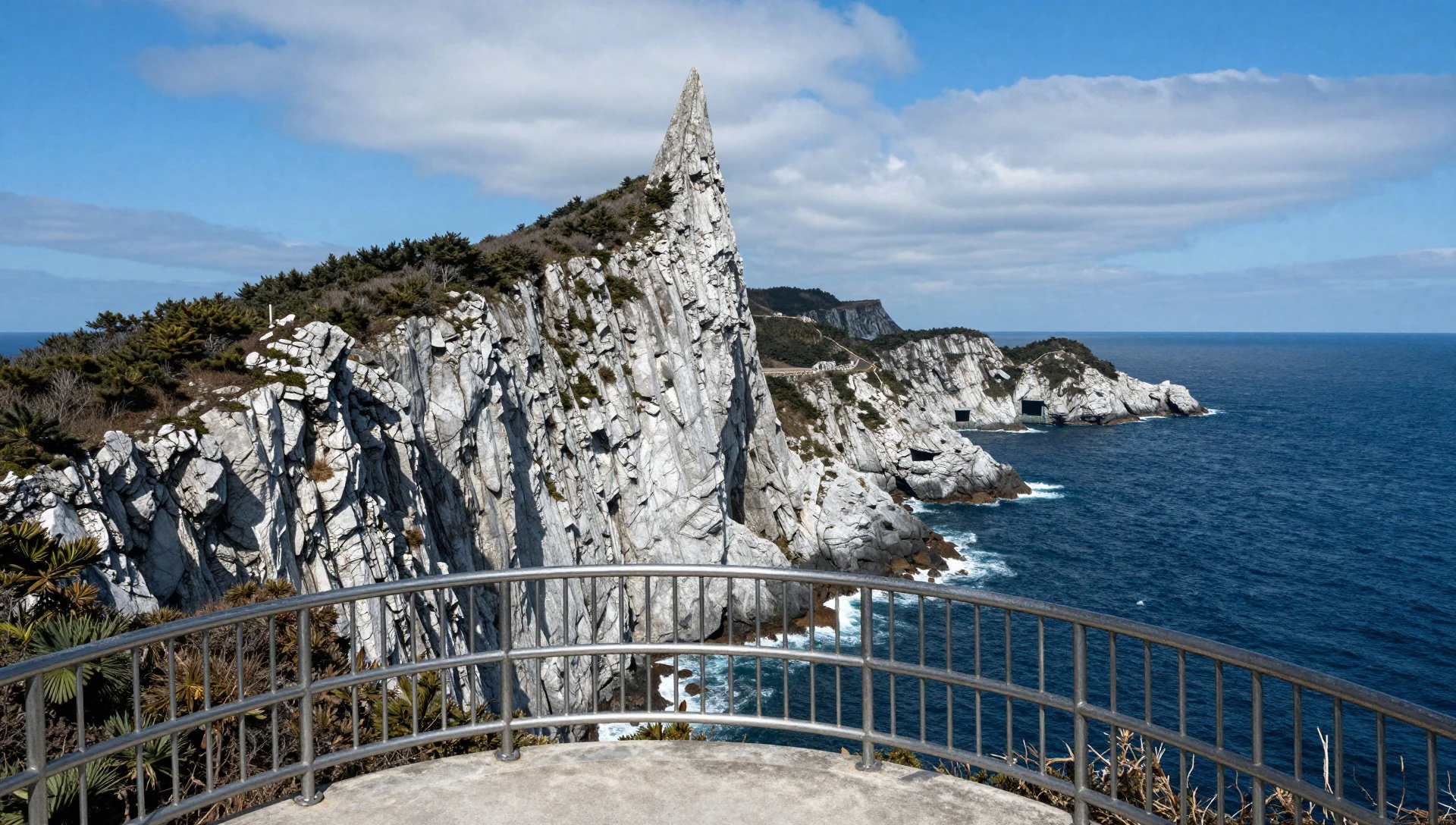
- Bongnae Falls — Interior valley
Bongnae Falls is a multi-tiered cascade tucked away in a verdant valley on Ulleungdo, serving as an essential freshwater source for local communities. Adjacent to the path leading up to the waterfall, natural subterranean air vents known as punghyeol constantly blow remarkably cool air, providing a refreshing natural air-conditioning effect for visitors walking the shaded forest trails.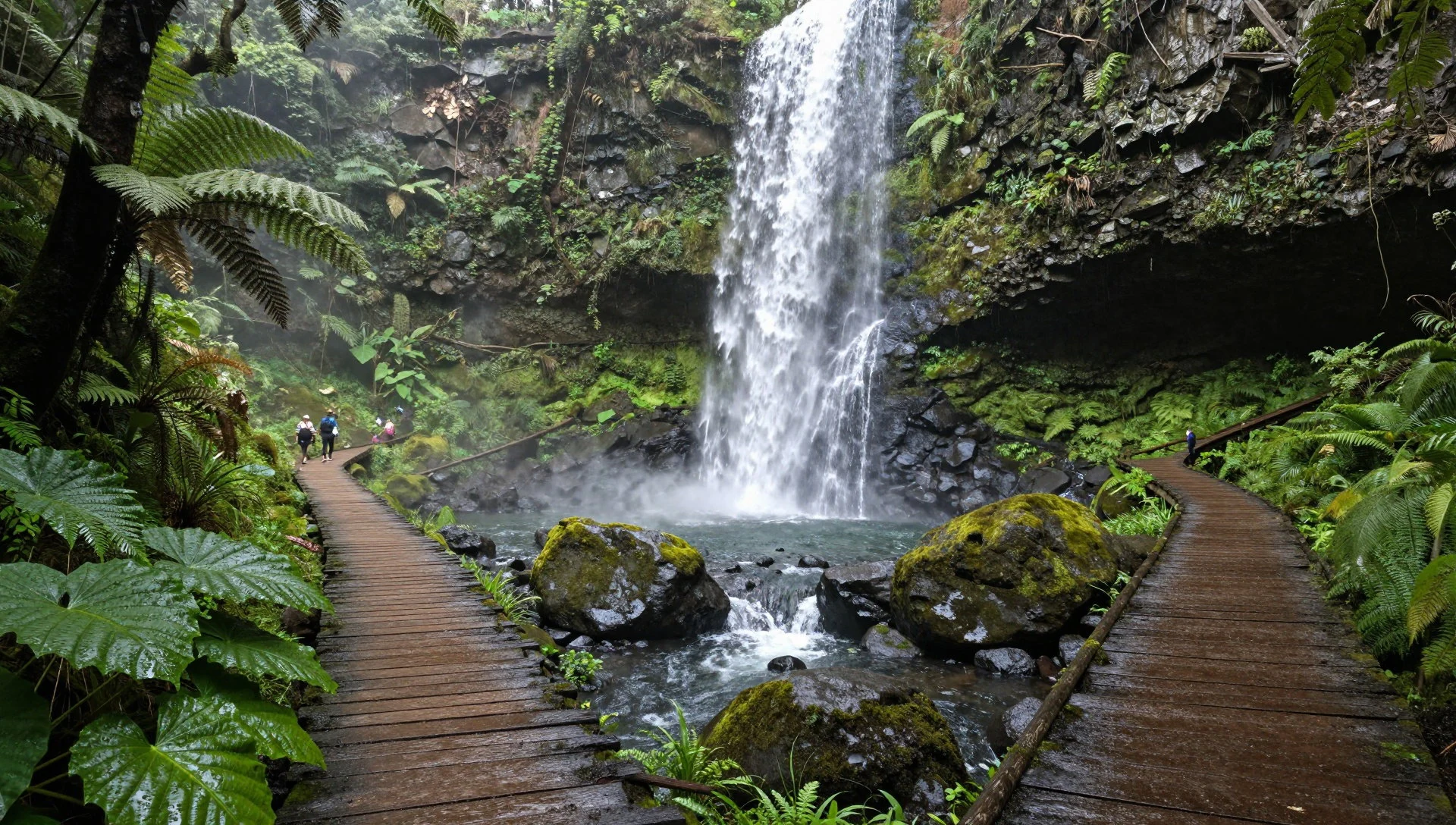
- Dokdo Museum — Dodong district
Dokdo Museum is a cultural institution on Ulleungdo dedicated to preserving historical documents, maps, and artifacts concerning maritime sovereignty in the East Sea. Established to exhibit extensive materials gathered by dedicated researchers, the facility provides thorough context on the geography, marine ecosystem, and historical administration of the nearby disputed islets visible on clear days.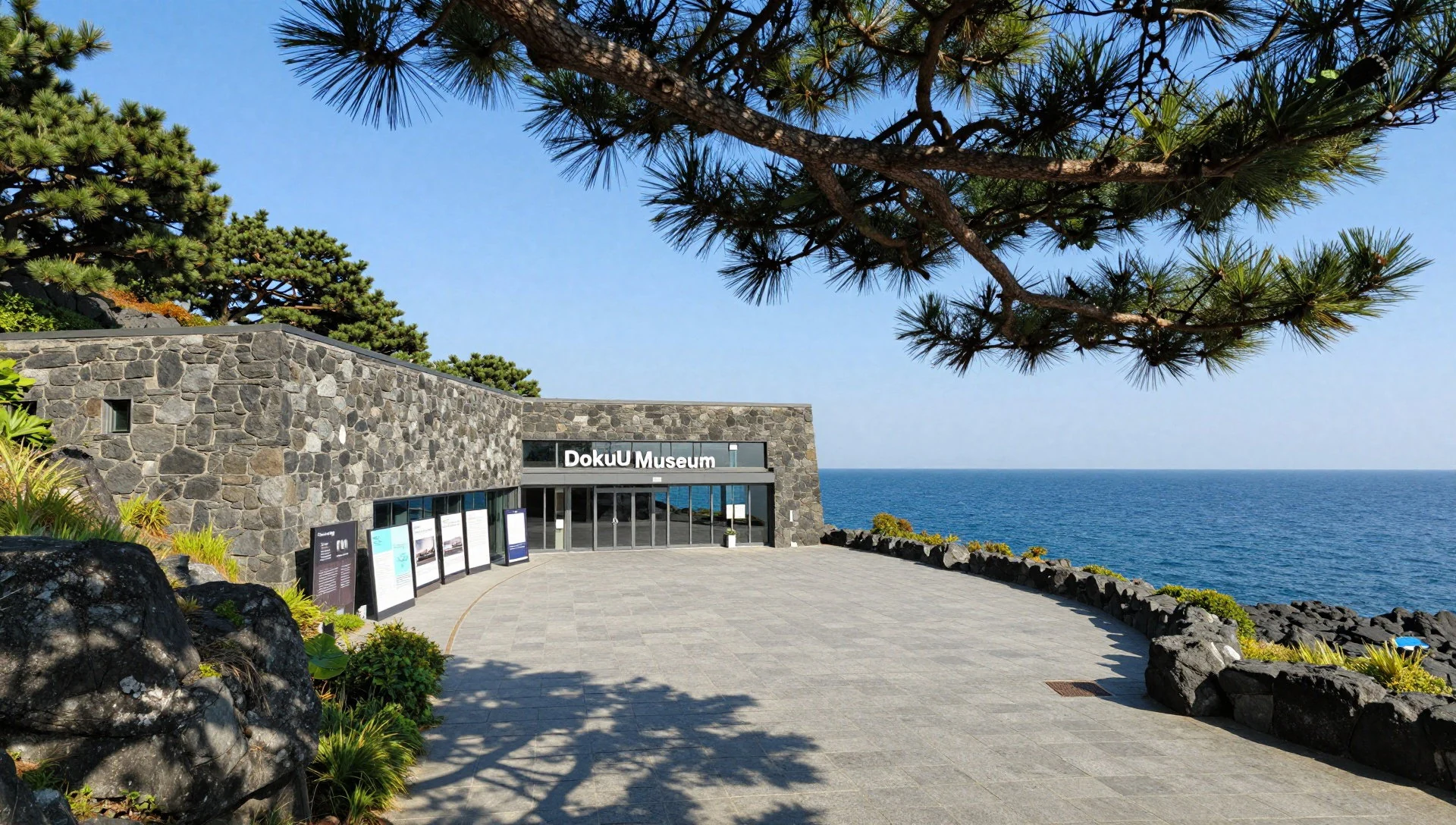
- Gwaneumdo — Northeastern shore
Gwaneumdo is a small uninhabited island lying just off the northeastern shore of Ulleungdo, connected to the main landmass by a striking pedestrian suspension bridge high above the sea. Walking across this high bridge rewards visitors with sweeping panoramic views of the crashing waves below, rugged offshore rock formations, and the sheer coastal cliffs of the main island.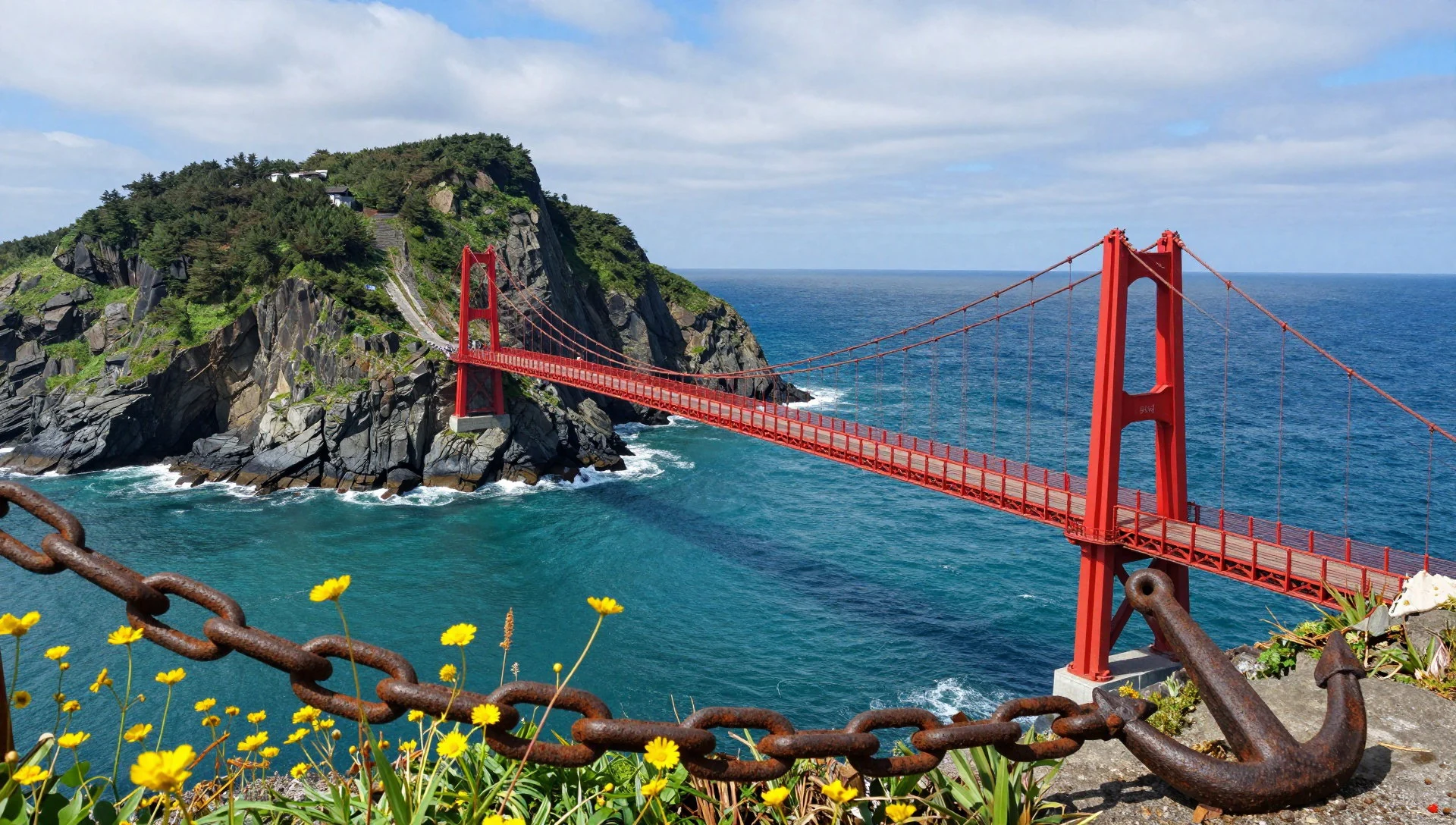
Culture
Ulleungdo fosters a distinct regional identity forged by maritime isolation, rugged topography, and deep-rooted fishing traditions that set it apart from mainland South Korea. Daily life here revolves around the sea and the seasonal harvests of the forest and steep mountain slopes. Communities are tight-knit, relying on cooperative ties to navigate the challenges of harsh winters and limited arable land. Hospitality toward travellers is warm and unpretentious, often centred around shared communal meals featuring marine delicacies and mountain herbs gathered from volcanic soils. Traditional folklore remains alive in stories of ancient maritime kingdoms and spirits said to inhabit the mist-shrouded crater peaks. Visitors should always remove their footwear when stepping inside traditional guesthouses or private homes.
What to wear
Traditional dress on Ulleungdo historically reflected the demanding maritime and agricultural lifestyle of an isolated island community. Garments were fashioned from sturdy, weather-resistant textiles capable of withstanding damp sea air, heavy winds, and rigorous outdoor labour on steep terrain. Practicality dictated every choice, from layered hemp and cotton fabrics for breathability during humid summers to heavier woven pieces designed to ward off biting winter gales sweeping across the open sea.
Today, residents and workers on Ulleungdo dress in contemporary, functional clothing suited for modern life and outdoor pursuits. Sturdy outdoor apparel, windbreakers, and durable footwear are standard everyday wear, particularly given the steep hiking trails and winding coastal roads that define the terrain. Visitors exploring Ulleungdo should pack practical, weather-appropriate gear. Sturdy walking shoes or hiking boots with good grip are essential for tackling uneven volcanic paths and cliffside boardwalks, while layered windproof jackets are crucial for handling sudden weather shifts and chilly sea breezes out on the water.
What to eat
- Ojing-eo Bulgogi — Dodong-ri restaurant strip
Ojing-eo bulgogi features fresh island squid stir-fried with seasonal vegetables in a fiery, sweet chilli paste sauce. It is widely enjoyed in casual eateries around the main harbour area.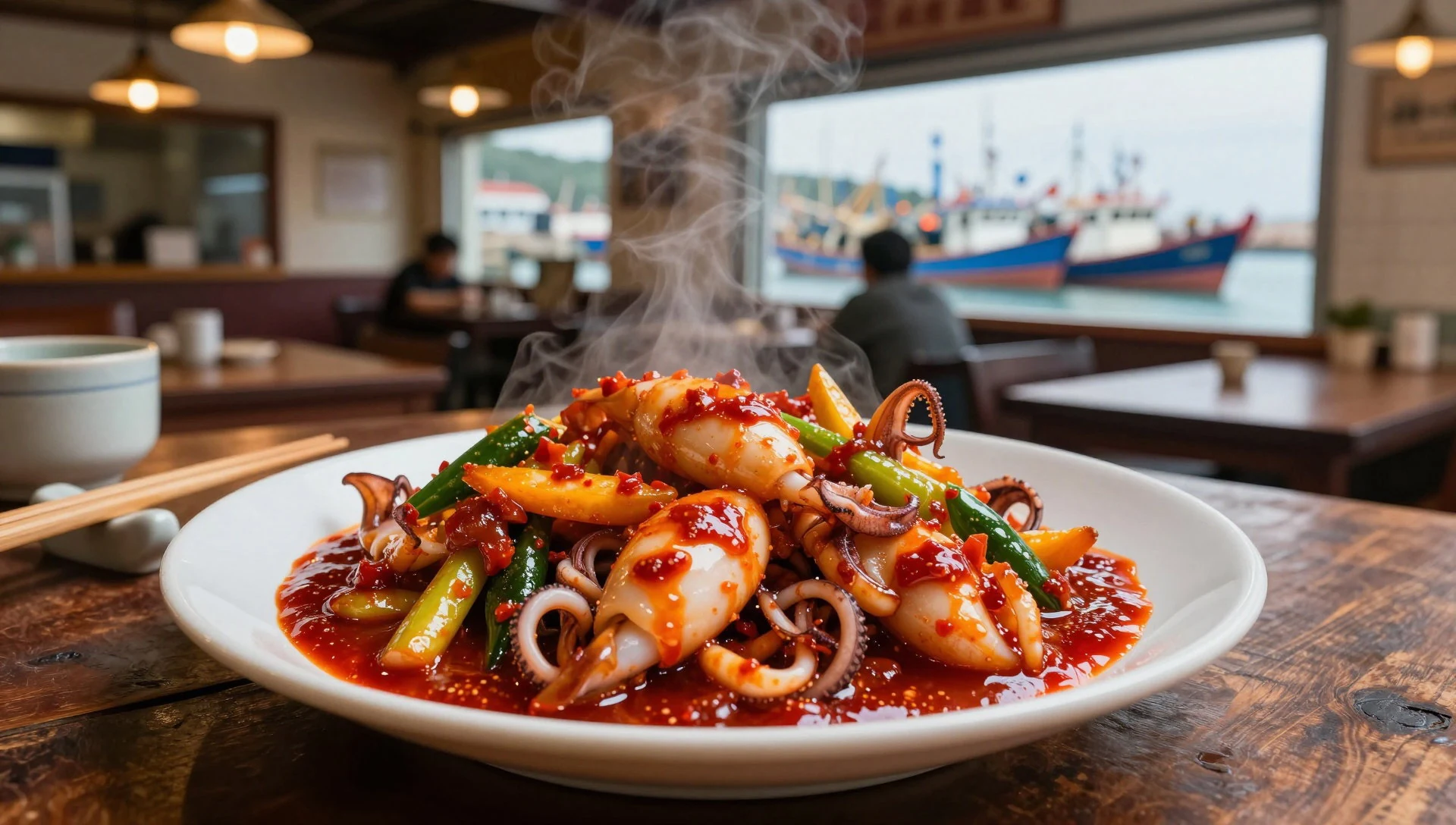
- Honghap Bap — Local specialty restaurants
Honghap bap is a comforting bowl of seasoned rice cooked together with tender local mussels harvested from rocky coastal waters, creating a deeply savoury ocean flavour.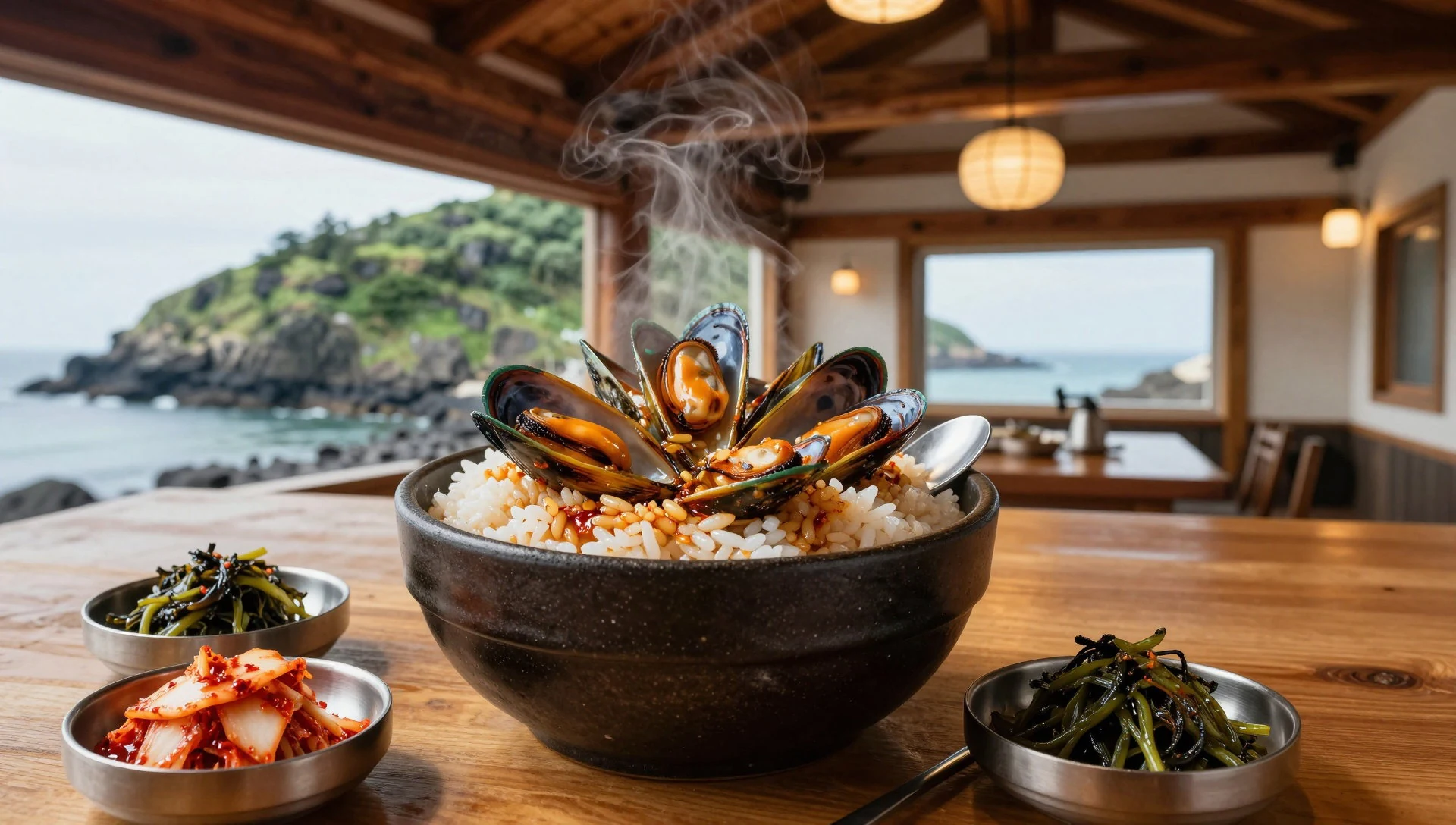
- Yakso Bulgogi — Specialist farm-to-table garden restaurants
Yakso bulgogi consists of tender marinated beef raised on local mountain herbs and wild vegetables growing across the island, grilled over hot coals at traditional barbecue spots. - Taggaebibap — Harbour seafood diners
Taggaebibap is a traditional island rice dish prepared with small native shellfish gathered from the intertidal rocks, offering a briny taste of the surrounding sea. - Hobak Yeot — Port markets and sweet shops
Hobak yeot is a traditional chewy pumpkin candy made from sweet local squash, sold in small sweet shops and markets around the ferry terminals.
Plan it
Best time. May to June and September to October offer mild weather and clear skies ideal for coastal hiking and ferry travel; winters bring heavy snow and rough seas.
How long. 3–4
Getting there. Access is exclusively by ferry from mainland ports such as Gangneung, Mukho, or Pohang, as there is no commercial airport currently operating.
Budget. mid
Tips
- Check ferry timetables and book tickets well in advance, as sailings depend heavily on unpredictable sea conditions
- Carry sufficient cash, as smaller shops and family-run minbaks in remote villages may not accept foreign cards easily
- Pack motion sickness medication for the open-sea ferry crossing from the mainland
- Start early in the morning to explore coastal walking paths before afternoon sea mists roll in
Etiquette
- Always remove your shoes when entering traditional guesthouses or local residential spaces
- Respect local fishing operations and keep clear of active drying racks and equipment on the docks
Nearby
Sources
- Wikidata Q41172 (CC0)
- Wikipedia (CC BY-SA 4.0)
- Wikivoyage (CC BY-SA 4.0)