Turin
Turin, Italy
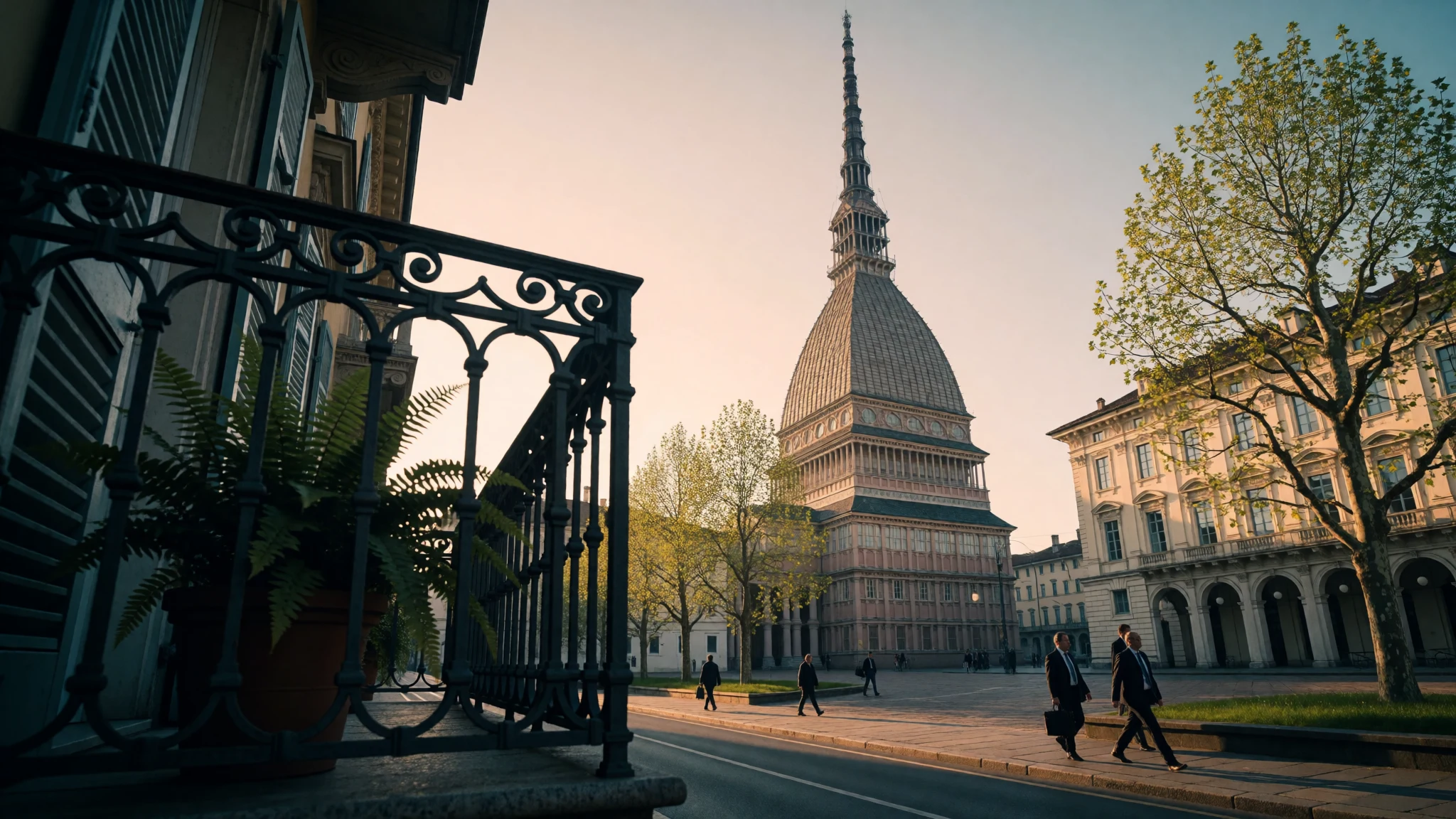
Turin keeps Savoy palaces, an Egyptian museum and porticoed streets between the River Po and the Alps.
The place
Turin is Piedmont's capital, a working city and a cultural one in the north of Italy. Italian speakers call it Torino. The River Po runs along its eastern side, the water having already left the Susa Valley, and the Alps bend around the western horizon. Superga hill stands over the plain. About 842,000 people live in the city proper, at an elevation of 239 metres. The wider Metropolitan City of Turin takes its name from this centre.
Savoy planners gave the middle of Turin its straight streets and deep porticoes, built so a court city could be crossed in the rain. Piazza Castello is the main stage: Palazzo Madama occupies the middle of the square, stone and later façades reflected in the paving when it is wet. A little to the side, the old royal palace closes one edge of the same royal quarter. From Monte dei Cappuccini the view runs across roofs to the mountains, and the brick spire of the Mole Antonelliana is a tall vertical line. Down by the parks, the Borgo Medievale shows timber and plaster houses, quite unlike the baroque grid.
Turin still earns its living. Shops and offices share the arcades with cafés, and the riverbank is for walking rather than for docks. For museums, civic news and the practical details a visit depends on, the comune publishes everything at its own website.
Its story
Turin's story starts with the Taurini, Celto-Ligurian people of the Alpine fringe who held the upper valley of the Po, where Piedmont now sits. Hannibal, allied with the Insubres, turned on them and seized Taurasia, their chief town. After that defeat the Taurini barely appear in written history. On the same ground Rome planted a colony, Julia Augusta Taurinorum, and that Latin name is the root of Torino.
Power then changed hands many times: the late Roman empire, the kingdoms that replaced it in the west, Lombard kings, and the Carolingian empire. The March of Ivrea and, after it, the March of Turin carried the city into the medieval politics of the region. The House of Savoy brought it into the County of Savoy and afterwards the Duchy of Savoy. Turin served as the ducal capital and remained the dynasty's seat once the Savoys were kings of Sardinia.
When Italy was being argued into one state, Turin was where much of the politics and the writing happened. The Count of Cavour, Camillo Benso, is the figure most closely linked with that effort, and people still call it Italy's cradle of liberty. For a short time Turin was the kingdom's first seat of government. In the Fascist decades it became a base for opposition, the resistance included. The republic that followed left the Savoy street plan in place and the city as Piedmont's capital.
What to see
- Palazzo Reale — Royal quarter, near Piazza Castello
Turin's Palazzo Reale is the former royal palace, now kept as a museum. State rooms mix an older core with baroque apartments and later, showier decoration, so the visit moves through more than one taste in building. It stands in the royal quarter beside the central squares. The city website is the place to confirm when the apartments are open.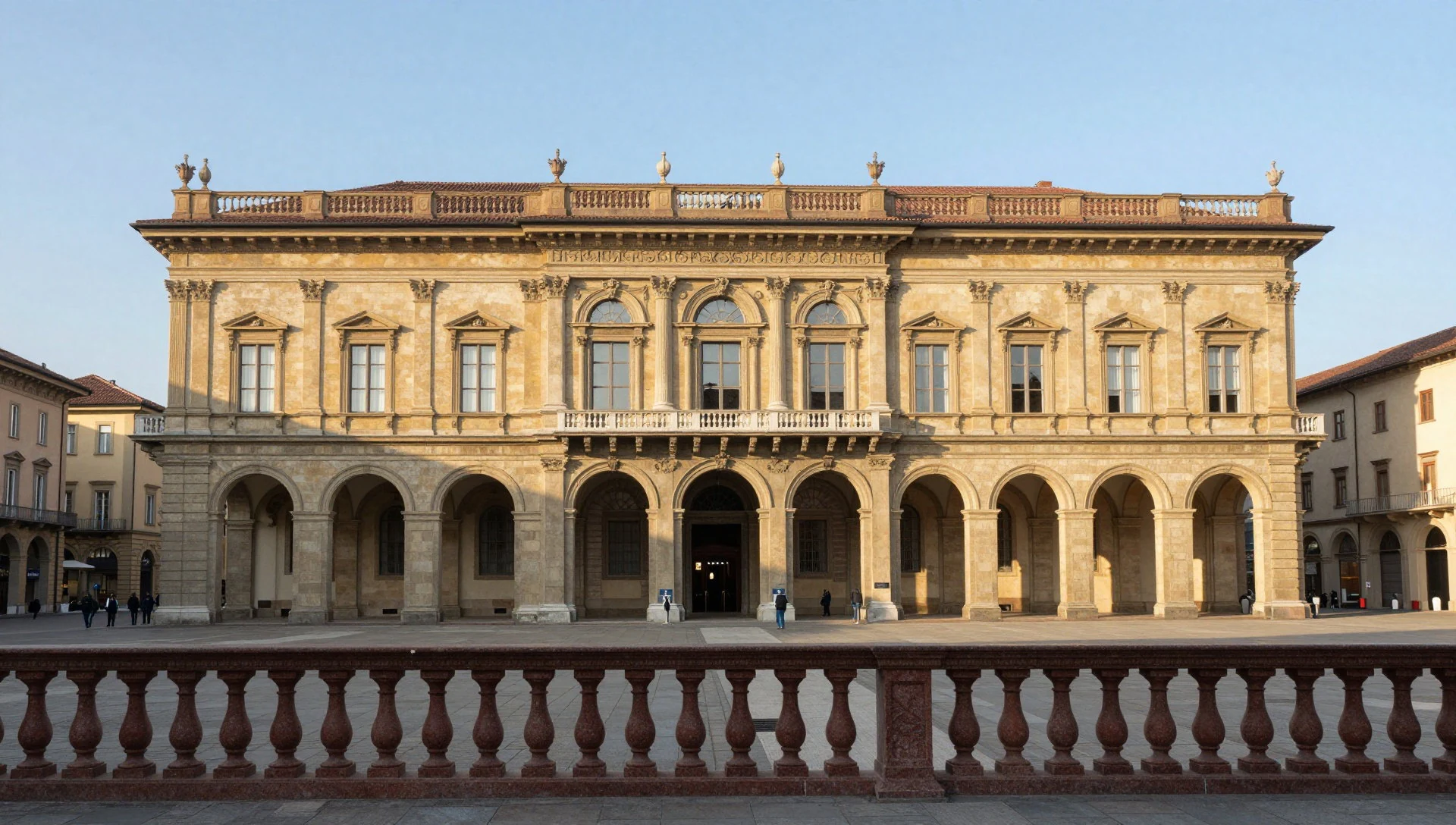
- Museo Egizio — City centre, near Piazza Castello
Turin's Museo Egizio is the city's Egyptian collection: stone sculpture, coffins and the small objects of daily life, set out in galleries near the central squares. Jean-François Champollion treated a stop here as part of any serious path towards Memphis and Thebes. The cases are many, and a selective route is kinder than a rush. Entry rules are posted through official city channels.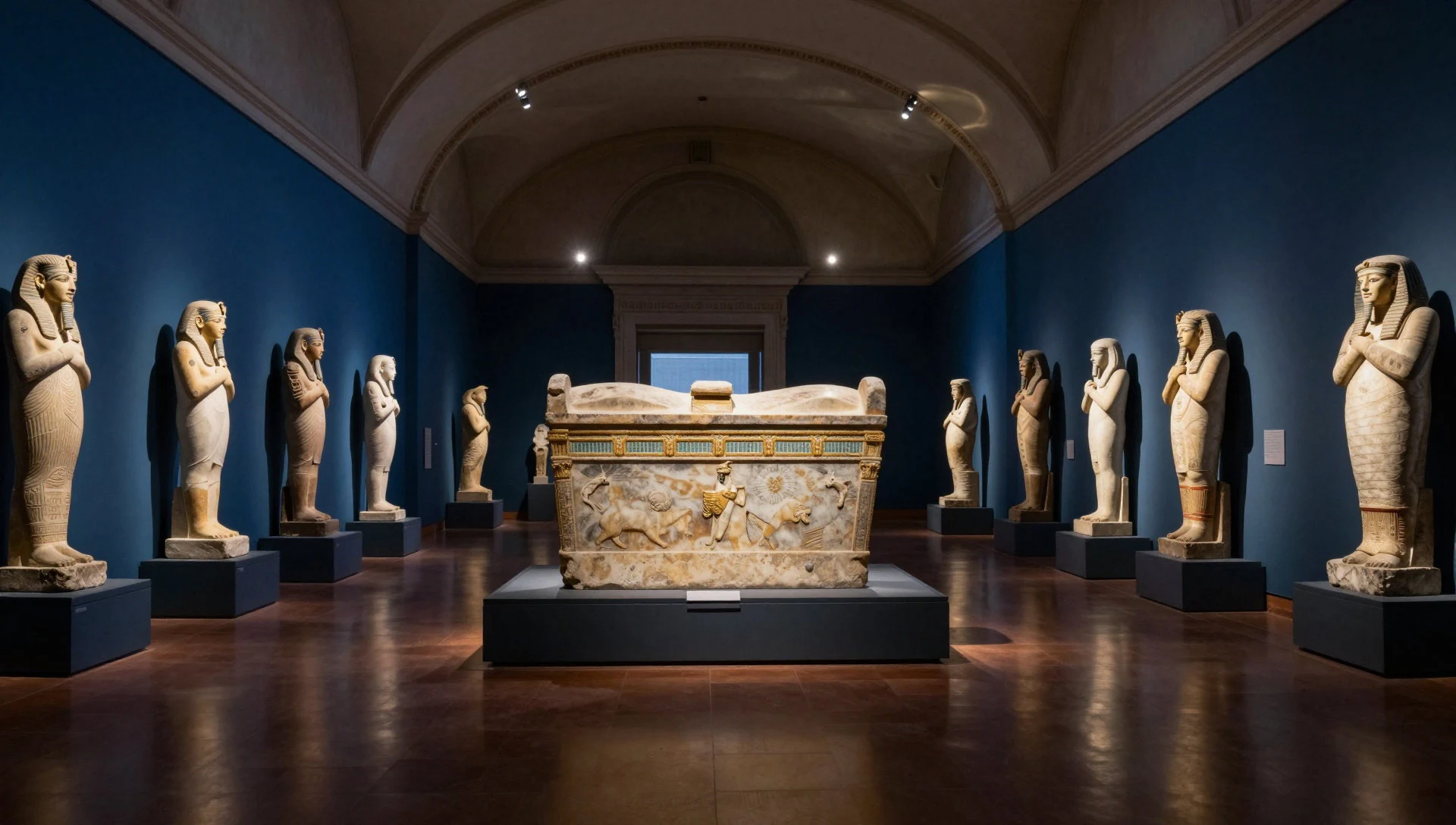
- Risorgimento Museum — City centre
The palace housing Turin's Risorgimento Museum belonged to the Savoy story in a direct way: it was the birthplace of Carlo Alberto and of Vittorio Emanuele II, and it hosted the kingdom's first parliament. Inside, portraits, letters and maps follow the argument that turned separate states into one Italy. The door is on a central street near the Egyptian museum.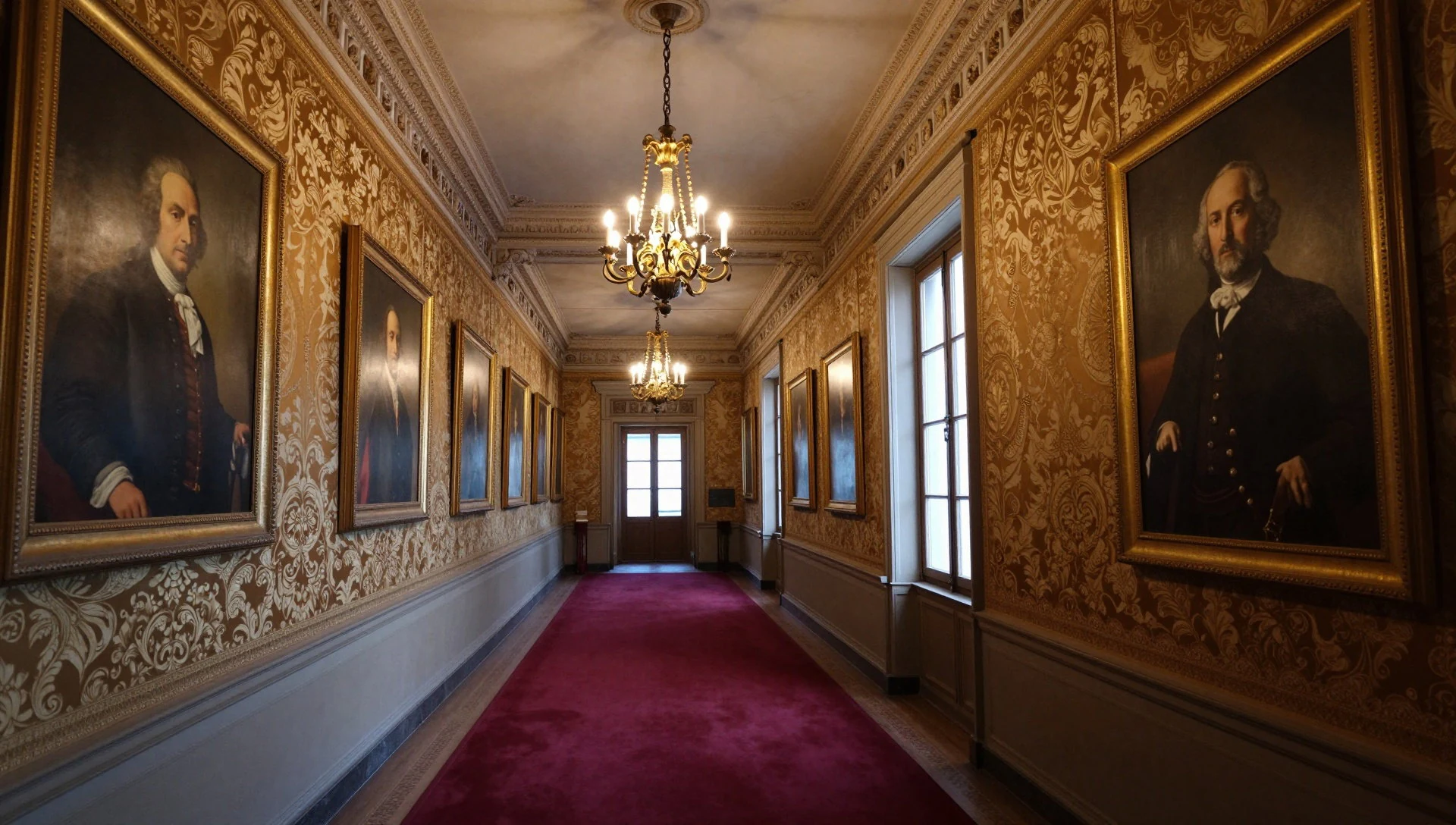
- Galleria d'Italia — City centre
Turin's Galleria d'Italia is one of the galleries in which Intesa Sanpaolo shows art the bank owns, painting and sculpture presented like a private collection opened to the public. The rooms sit in the centre, west of the royal palace and the Egyptian museum. It is a quieter stop than the palace museums, useful when the palace ticket line is long.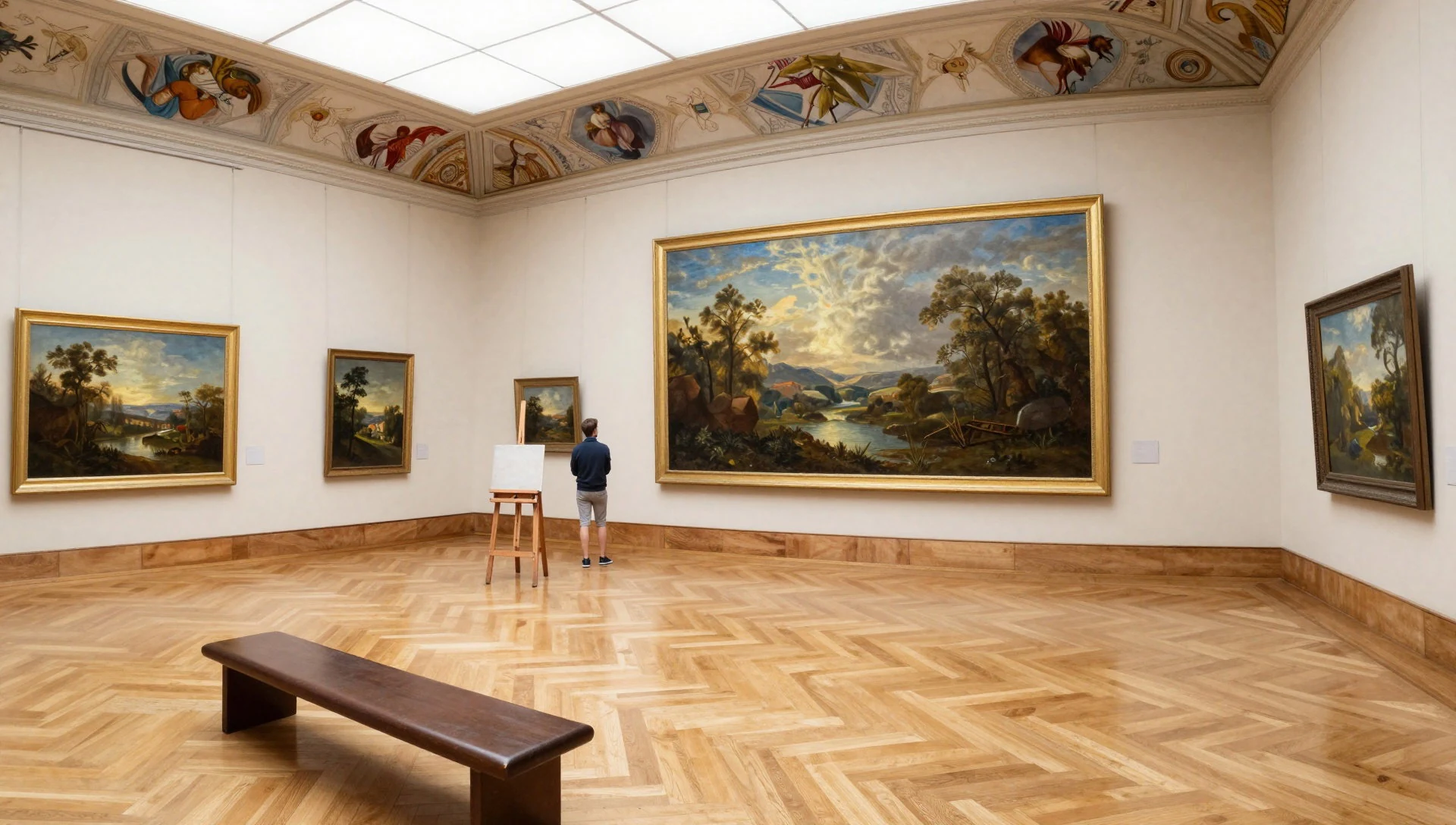
- CAMERA – Italian Centre for Photography — City centre, south of the royal quarter
CAMERA, the Italian Centre for Photography, is Turin's exhibition house for the camera rather than a store of old master paintings. Shows change through the year, only a few at a time, and the draw is the quality of the prints. The building stands a little south of the royal quarter. Seen after a morning of baroque ceilings, the rooms feel like a change of pace.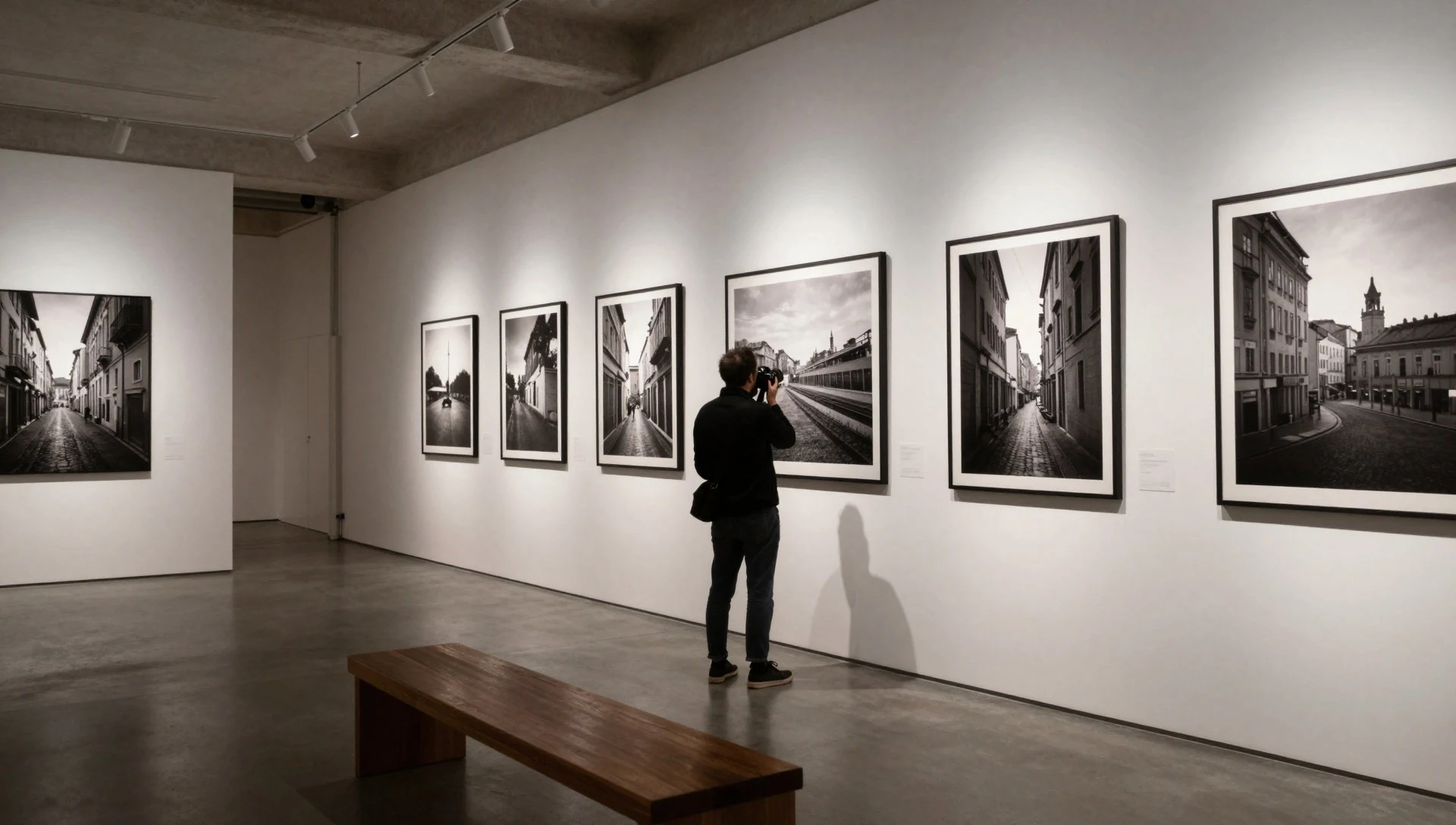
Culture
Turin's culture is still arranged around the Savoy residences. Besides the royal palace, kept for Madama Reale Christine Marie of France and used by the dynasty as its official home, the centre holds Palazzo Madama, Palazzo Carignano, Palazzo Chiablese, the Royal Armoury and the Royal Library. Villa della Regina and the Castello del Valentino sit a little further out, and the hunting lodge at Stupinigi continues the same courtly map beyond the city boundary. These are houses first and museums second, which is why the rooms feel furnished rather than merely hung with pictures.
Other collections pull in different directions. The Egyptian museum is a whole ancient world indoors. CAMERA devotes its space to photography, rotating a few exhibitions through the year. The Risorgimento museum, in the palace where the kingdom's first parliament sat, keeps the political memory that gave Turin its liberty nickname. Later, under Fascism, the city sheltered anti-fascist networks and the resistance, so local culture is argument as well as gilt.
In Turin's churches and royal apartments, keep your voice down, cover shoulders and knees, and ask before photographing people at prayer or at work.
What to wear
Fashion in Turin splits cleanly between the court wardrobe and the clothes on the street. Traditional dress, in the sense of a living folk costume, is not what the centre wears. Silk coats, embroidered waistcoats, lace cuffs and jewels appear in Savoy portraits and in the royal collections; they marked rank at court and at ceremonies, and the textiles were the luxury trades of a capital — silk, fine wool, linen and metal thread. Mountain districts above the Po kept a plainer rural clothing of wool for cold slopes, but that clothing now lives in collections and memory, not on Piazza Castello on a weekday.
On the street now, Turin dresses as a northern business city. Coats and scarves in the cold months, lighter jackets when the plain warms up, dark or muted colours under the porticoes, and shoes fit for walking stone. Office hours look pressed rather than flashy. Weekend crowds dress down a little, though trainers and a formal museum rarely mix well.
A visitor does well with layers and a scarf. Mornings under the Alps can feel sharp even when the afternoon is mild, and the porticoes only block rain, not wind. Churches and the royal rooms expect covered shoulders and knees. Sensible shoes handle cobbles and long galleries; heavy hiking boots can wait for a day in the hills.
What to eat
- Gofri — Gofri counters in the city centre
Gofri are Turin's thin Piedmontese waffles, soft enough to fold, with a sweet filling or a savoury one. Small counters in the centre cook them to order, and most people eat them standing up or take them away.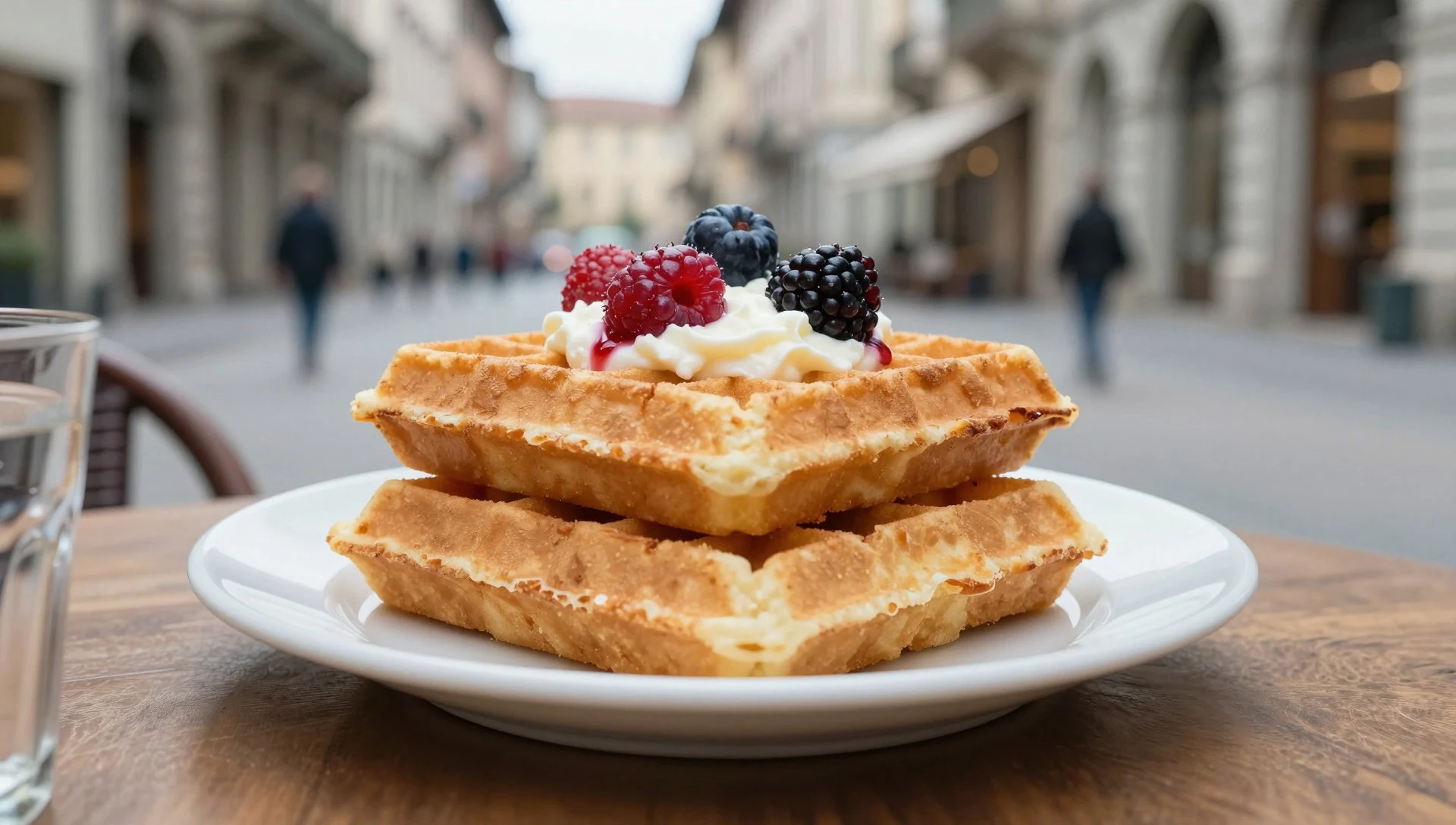
- Focaccia — Takeaway bakeries in the centre
Focaccia in Turin is the light, crisp sheet sold by the piece at bakery counters, not the deep Genoese slab. Shops in the centre do a fast trade, mostly to take away, with a few tables for anyone who wants to eat at once.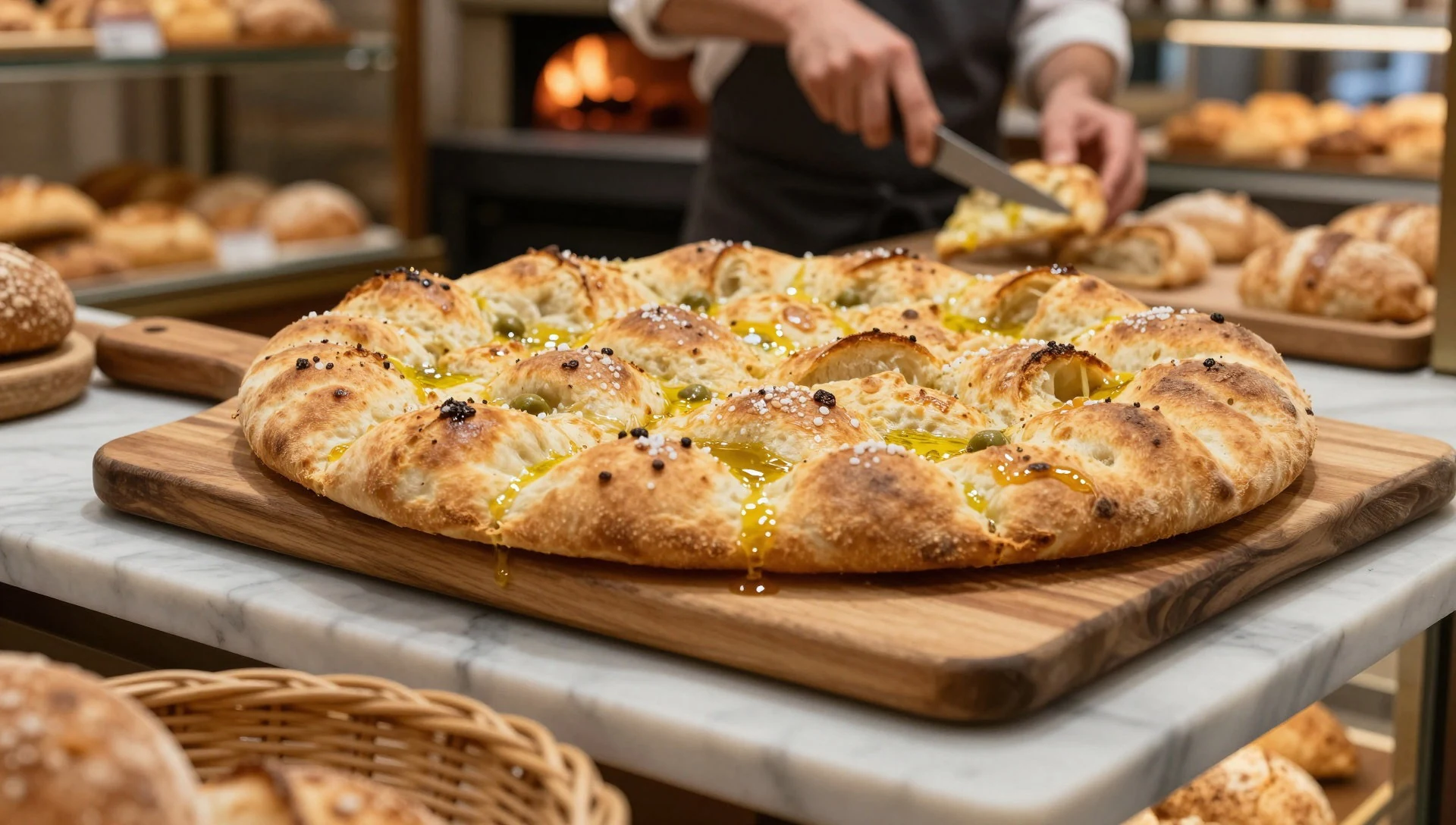
- Farinata — Casual pizzerias and wine bars in the centre
Farinata is a chickpea flatbread, baked until the top blisters and the inside stays soft, and in Turin it shares the table with pizza at informal eateries. A slice is the usual order, eaten hot, often early in the evening when those ovens are busiest. - Antipasti — Piole, traditional Piedmontese taverns, in the centre
A piola is the Piedmontese tavern. In Turin the order to know is a shared spread of antipasti — vegetables in oil, eggs, salumi and other small bites — set down before any main plate. The cooking is plain and generous, and these taverns sit in the centre. - Gelato — Gelaterie on the central shopping streets
Gelato is a serious daily habit in Turin, sold at specialist counters along the shopping streets of the centre. Flavours run from plain cream and chocolate to nuts that echo the region's hazelnuts. A small cup in the afternoon fits a walk under the porticoes better than a heavy dessert.
Plan it
Best time. April, May, September and October, when the centre is pleasant for walking. Summer on the Po plain runs warmer, and winter brings colder air off the Alps, so those months suit the museums better than long days outside.
How long. 3–4
Getting there. Fly into Turin airport at Caselle. A station, Caselle Aeroporto, sits under the terminal, and buses run to Porta Susa and Porta Nuova, the central railway stations. Fares and timetables change, so check them before travel; the comune site is http://www.comune.torino.it/.
Budget. mid
Tips
- Book the royal apartments and the Egyptian museum ahead in busy seasons, and arrive at opening.
- Do not trust a remembered airport-bus fare; buy the ticket from the official counter or machine and read the price that day.
- Wear shoes that can take stone pavements, and carry an extra layer even when the forecast looks mild.
- Use the comune website for closures and other civic notices.
- Carry a card and a little cash; small bakery counters do not all take the same payment.
Etiquette
- Cover shoulders and knees in churches, and keep voices low in palace rooms.
- Ask before you photograph worshippers, guides or other visitors.
- Do not touch furnishings, textiles or objects on display in the royal houses.
Nearby
Sources
- Wikidata Q495 (CC0)
- Wikipedia (rev 1383040384) (CC BY-SA 4.0)
- Wikivoyage (rev 5420671) (CC BY-SA 4.0)
- Photo photos/01-turin-montage.png (CC BY-SA 4.0)
- Photo photos/02-turin-dotm-banner.jpg (CC BY 3.0)
- Photo photos/03-torino-piazza-castello-11.jpg (CC BY-SA 4.0)
- Photo photos/04-borgo-medievale-to.jpg (CC BY 3.0)
- Photo photos/05-torino-mole-antonelliana-2023-09-04-18-41-32-001.jpg (CC BY-SA 4.0)
- Photo photos/06-chapel-of-holy-shroud-cupola.jpg (CC BY-SA 4.0)
- Photo photos/07-palazzo-madama-e-casaforte-degli-acaja-riflesso.jpg (CC BY-SA 4.0)
- Photo photos/08-nichelino-palazzina-di-caccia-di-stupinigi-esterno-06.jpg (CC BY-SA 4.0)


