Trinity Lavra of St. Sergius
Trinity Lavra of St. Sergius, Russia
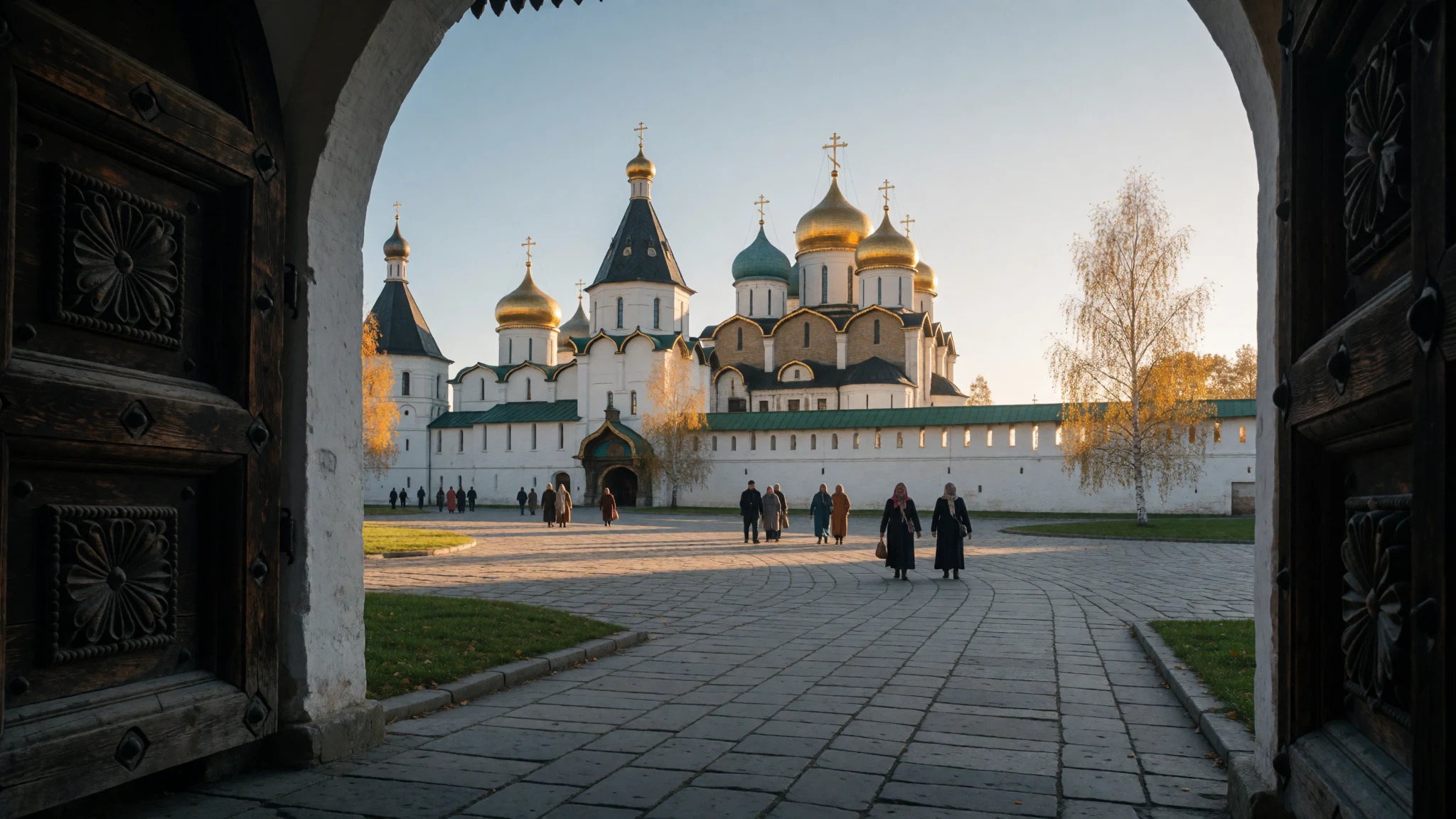
Trinity Lavra of St. Sergius is a working Russian Orthodox monastery where faith, frescoed art and history sit inside one immense walled complex.
The place
Trinity Lavra of St. Sergius (Троице-Сергиева лавра) is a Russian monastery and the spiritual centre of the Russian Orthodox Church, set in Sergiyev Posad. It’s not a “museum monastery”: it’s lived-in, with a community of monks and a steady rhythm of worship. That matters because the atmosphere changes as services shift—some parts feel quiet and contemplative, while others briefly become crowded with candles, pilgrims and people following the liturgical flow.
The layout is what you remember. From outside, the place reads as an architectural ensemble: domes and roofs rising above walls, then yards opening into courtyards that pull you deeper. Inside, the buildings hold layers of time—early foundations, later stone work and art that ties religious devotion to Russian artistic traditions. You’ll likely spend more time than planned just moving between spaces, stopping for icons and murals, and catching glimpses of how pilgrims behave when they have a purpose.
Seasonal comfort is a real factor. Winters around the Moscow region are cold and snowy, while summers are warm, so planning clothing and footwear is essential. In popular periods, Sergiyev Posad can feel busy, but the monastery’s scale absorbs most crowds: it rarely feels chaotic in the way a small historic site can. Come with patience for security checks and queues around sacred interiors, and with enough time to let the complex unfold at a walking pace.
If you want a place where architecture, art and living religion intersect, Trinity Lavra is one of the clearest answers in the Moscow orbit.
Its story
Trinity Lavra of St. Sergius traces its origins to the 14th century, when Sergius of Radonezh founded the community and built a wooden church for the Holy Trinity on Makovets Hill. The monastery’s early structure wasn’t just spiritual—it also created the practical rhythms of monastic life, supported by auxiliary buildings like refectories, kitchens and bakeries.
What makes the story feel so “anchored” is how closely the monastery’s fortunes followed wider events. The community supported Dmitri Donskoi in the struggle against the Tatars, and two monks were involved in the Battle of Kulikovo. Tragedy struck later: the monastery was devastated by fire after a raid. Again and again, the monastery is pictured as both a refuge and a target—an institution tied to political and military currents, but also sustained by devotion.
As the centuries moved on, the Lavra attracted craftsmen and artists. A team of Serbian monks constructed the initial stone cathedral, holding the relics of St. Sergius were housed there. The cathedral also became a canvas for major medieval icon painters, with frescoes and interior decoration that linked faith to Russian visual culture.
Later rulers funded additional major churches and expansions, turning the Lavra into a layered complex where architecture records change—new annexes, a distinctive belltower profile and grand cathedral forms—while worship continues. Walking the courtyards gives a sense of how long these cycles of building, rebuilding and blessing have shaped the site.
What to see
- Trinity buildings and worship spaces — Cathedral zone inside the Lavra walls
Look first for the Holy Trinity focus within Trinity Lavra’s cathedral complex, where relics and daily prayer make the area feel active rather than staged. Even outside service times, movement, candles and icon viewing keep the atmosphere grounded.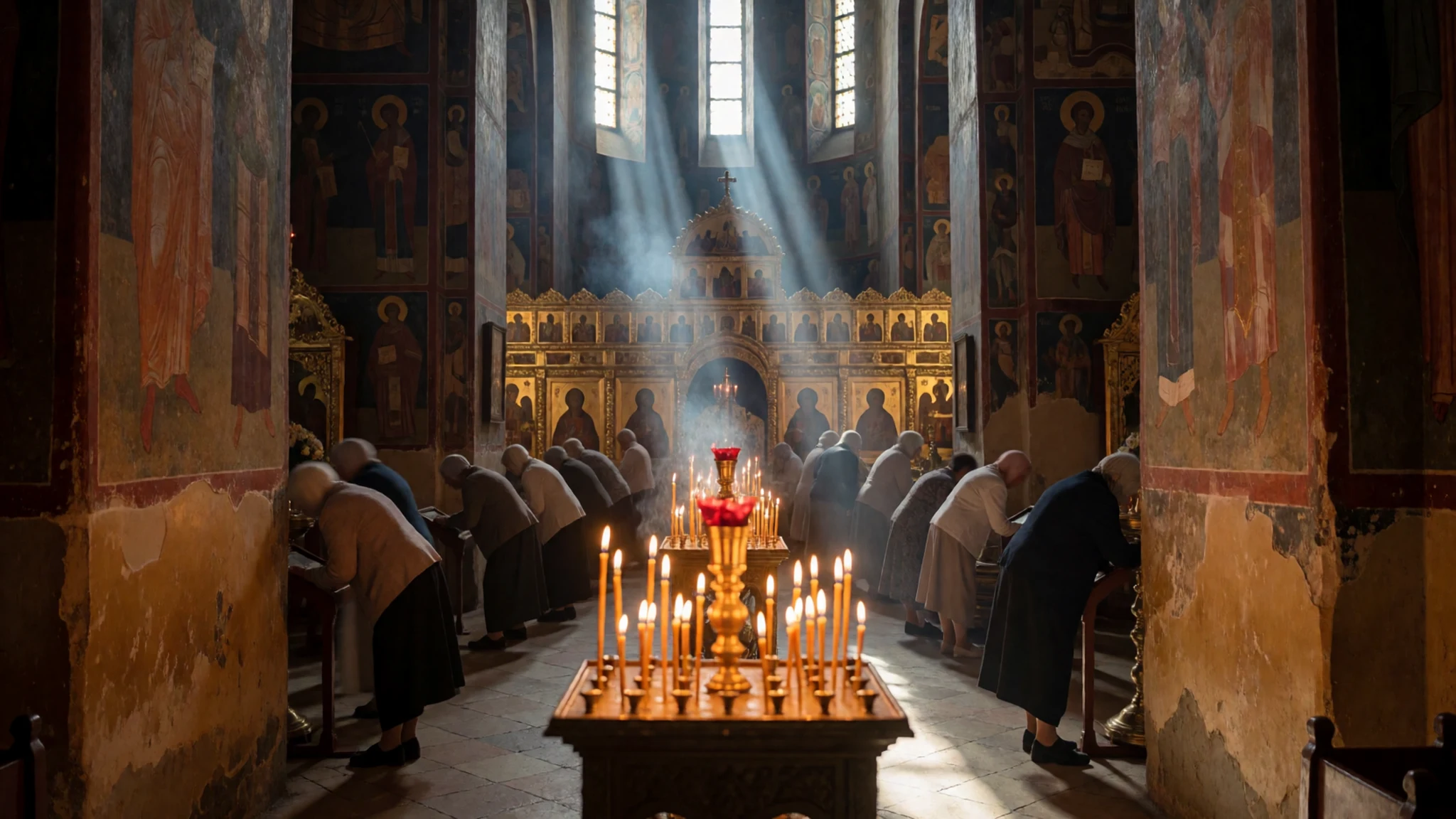
- Assumption Cathedral — Main cathedral area within the Lavra ensemble
Assumption Cathedral is the Lavra’s grand statement: a large stone church associated with major patronage and known for a carefully crafted iconostasis. Step inside for the way the icon wall anchors the whole interior perspective.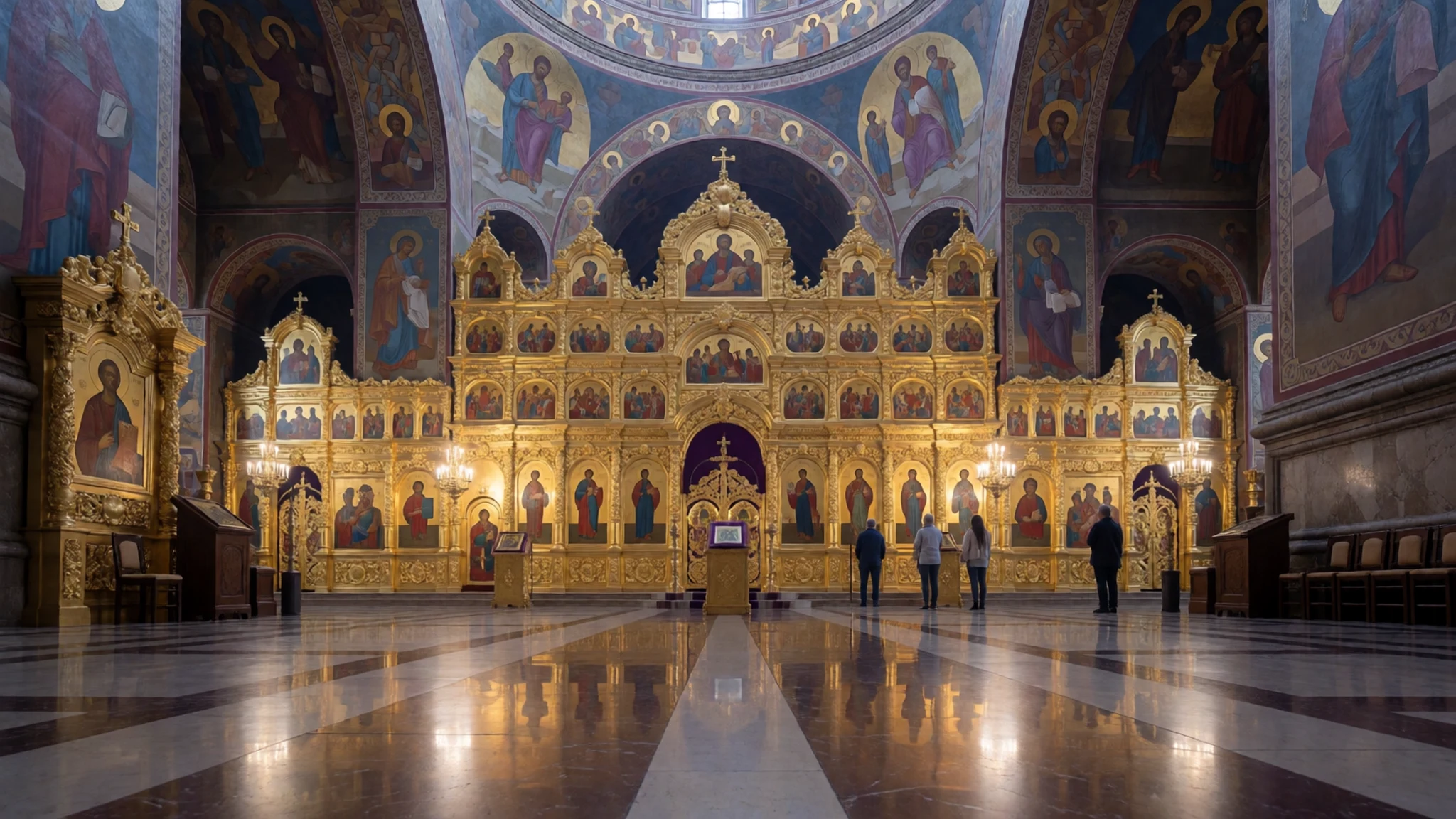
- Church of the Holy Spirit with its belltower — Churches around the inner courtyards
The Church of the Holy Spirit is recognisable for its belltower profile. Inside, decorative details and the glass-tile tradition stand out, but the real draw is how the building adds vertical rhythm to the courtyards you walk through.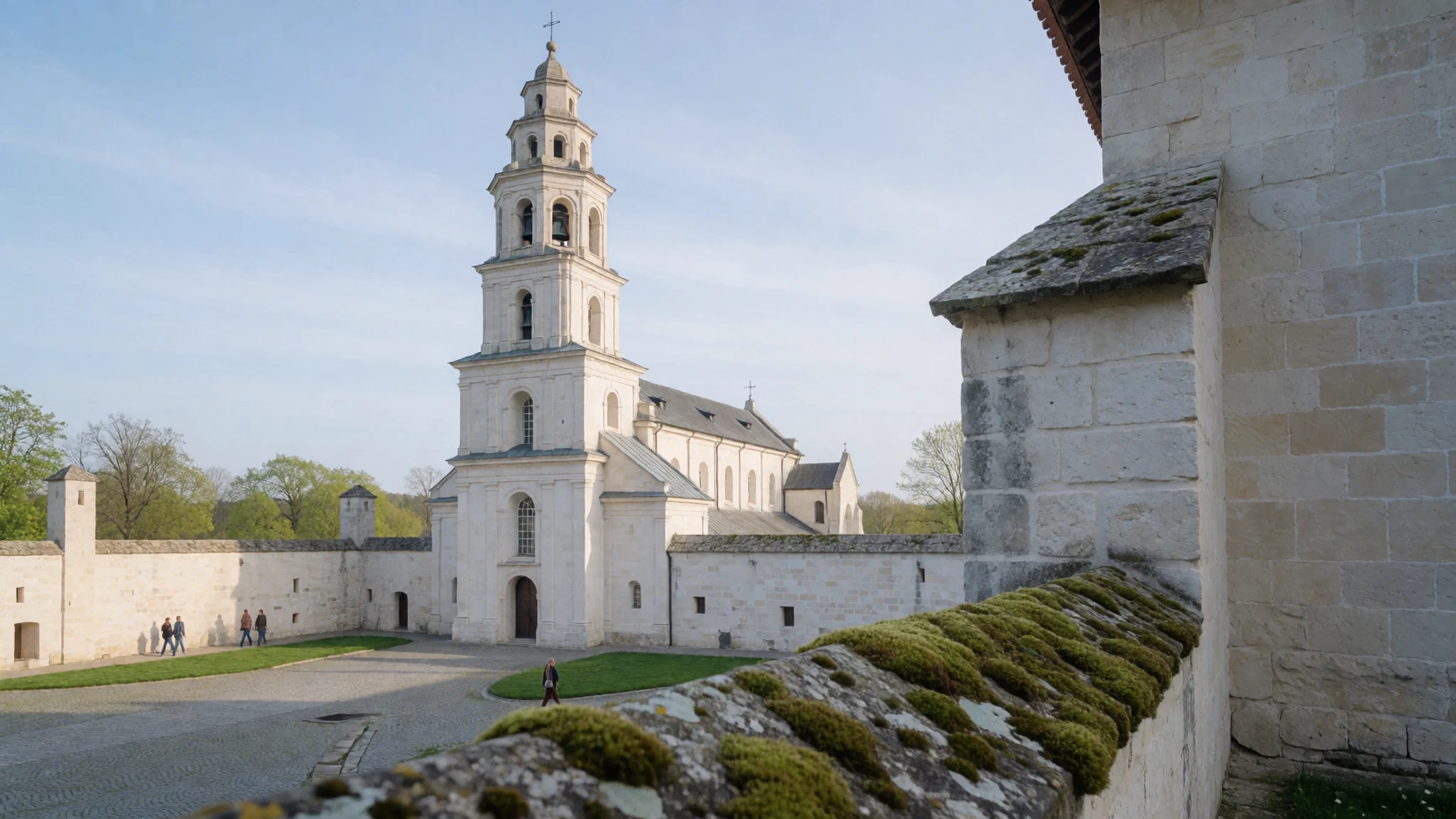
- Courtyards and monastery walls — Inner courtyards and perimeter walkways
The courtyards and the surrounding walls create the “room-to-room” feeling of Trinity Lavra. Walk the perimeter viewpoints for broad ensemble views, then cut back in to find quieter pockets where pilgrims light candles and pause near icons.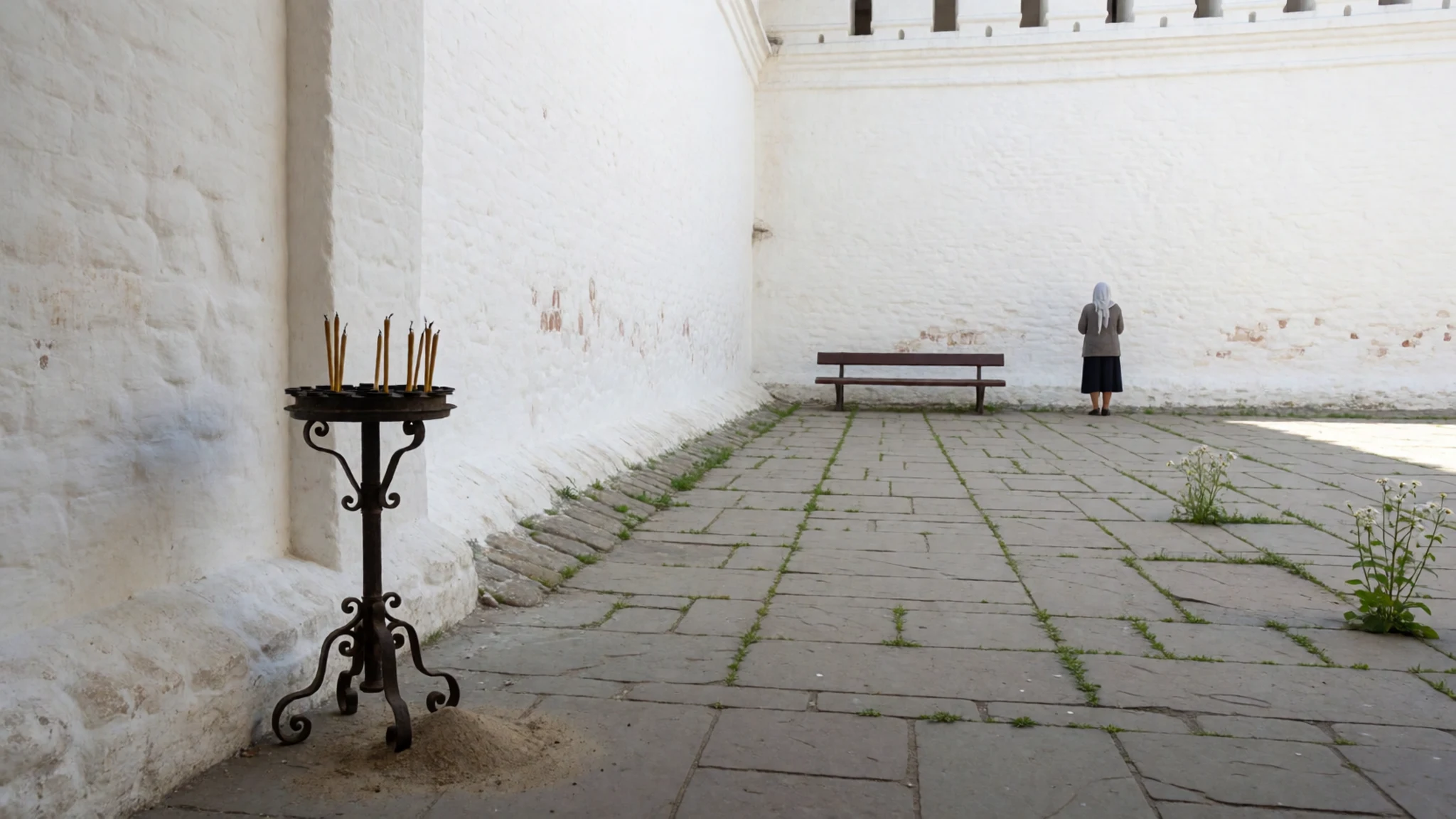
Culture
Trinity Lavra of St. Sergius works as a monastery first and a visitor site second, so the key cultural difference is pace. Expect worship to shape your route: some corridors feel like open circulation, while others become slow lines when people move toward sacred spaces. Photography can be sensitive in interiors, and it’s common to see visitors pause rather than wander—especially when incense, candles or a service makes the atmosphere feel more private.
Dress is another big factor. The monastery is an Orthodox spiritual centre, so modest clothing reads as respect: shoulders covered, knees covered, and a general readiness for indoor spaces where people sit and stand for long stretches. In winter, layering helps, but keep layers tidy so you’re not struggling with bulky coats around worship areas.
If you’re visiting during popular parts of the year, crowds tend to come in waves tied to prayer times. The best approach is simple: move steadily, keep to the flow, and don’t try to “beat” other visitors to every corner—Trinity Lavra’s scale means calm corners still exist.
Finally, remember that many visitors are there for reasons beyond sightseeing. Even short conversations, candle-lighting and icon viewing are part of that rhythm.
Visitor etiquette: dress modestly, keep noise low, and follow any instructions from staff for where to stand or walk during services.
What to wear
At Trinity Lavra of St. Sergius, fashion is less about style and more about respect and practicality. Traditional Russian Orthodox practice leans toward modest coverage—clean, long clothing that doesn’t draw attention to shoulders or legs—especially in worship spaces. Many textiles you’ll see in icon displays and historic references are rich and ornamental, but as a visitor the modern “right” look is simply covered and comfortable.
What people wear now is usually everyday winter or summer clothing: in colder months, warm coats, scarves and gloves; in warmer months, lighter layers that can still cover shoulders. The monastery environment means you’ll walk a lot over uneven stone or paths, and you may step into areas where you’re expected to remove or adjust footwear.
What a visitor should wear: bring a warm layer for winter cold and a breathable layer for summer warmth, plus comfortable shoes with good grip for courtyards and transitions between outdoor and indoor areas. If you can, plan a simple shawl or scarf for shoulder coverage, and keep a modest, long option easily accessible so you can move between open yards and church interiors without fuss.
What to eat
- Borscht-style beet soup — Sergiyev Posad town eateries and meal counters near the Lavra
Borscht-style beet soup is a comforting staple around the Moscow region, and you’ll commonly find versions in town eateries and monastery-area meal spots. Expect a rich, earthy flavour that holds up well in cold weather.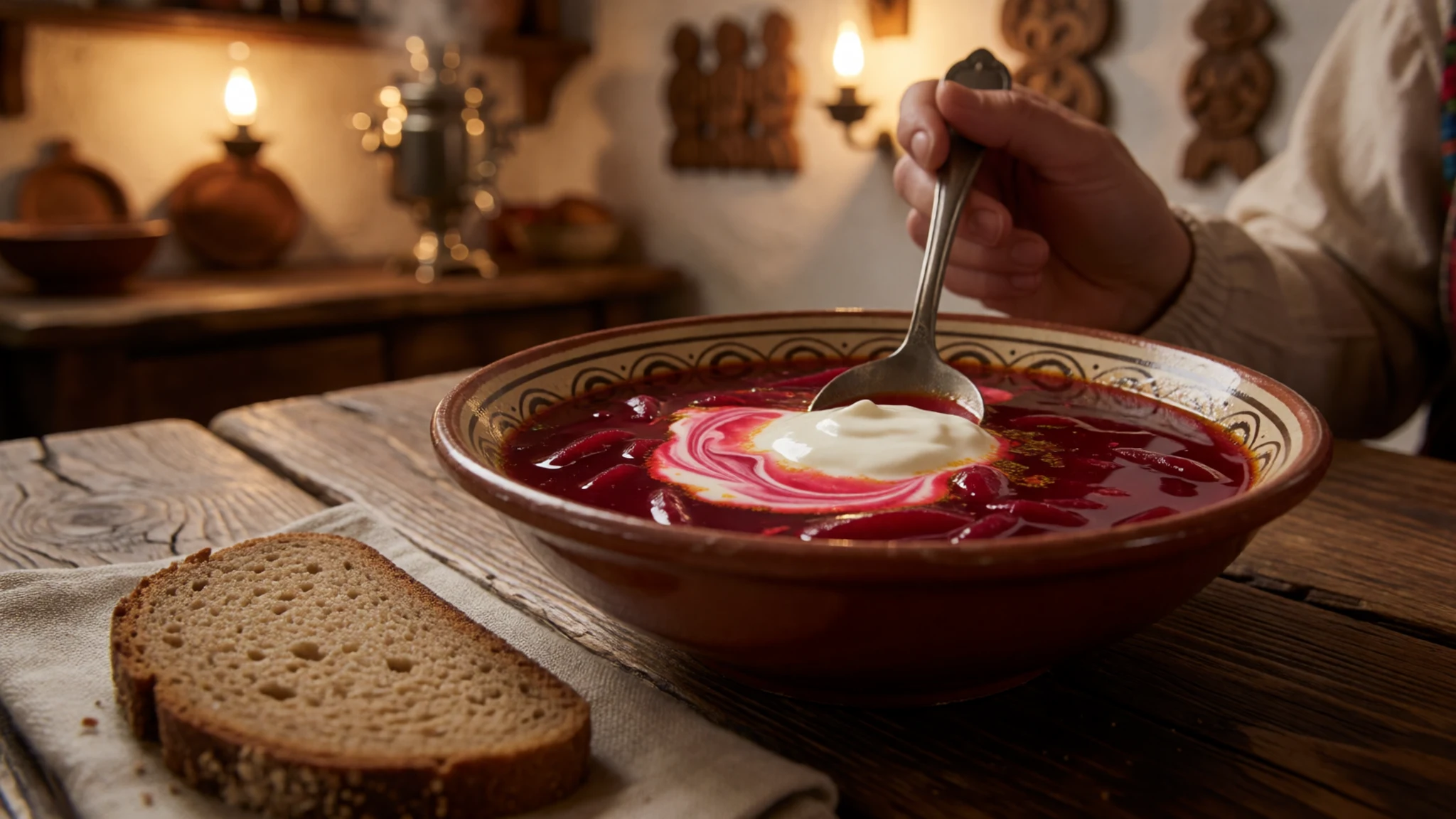
- Pelmeni (dumplings) — Russian diners and lunch spots in Sergiyev Posad
Pelmeni—small dumplings usually filled with meat—are easy to order when you want something filling after a long walk. Look for them in everyday Russian diners and canteens in Sergiyev Posad, especially around lunch time.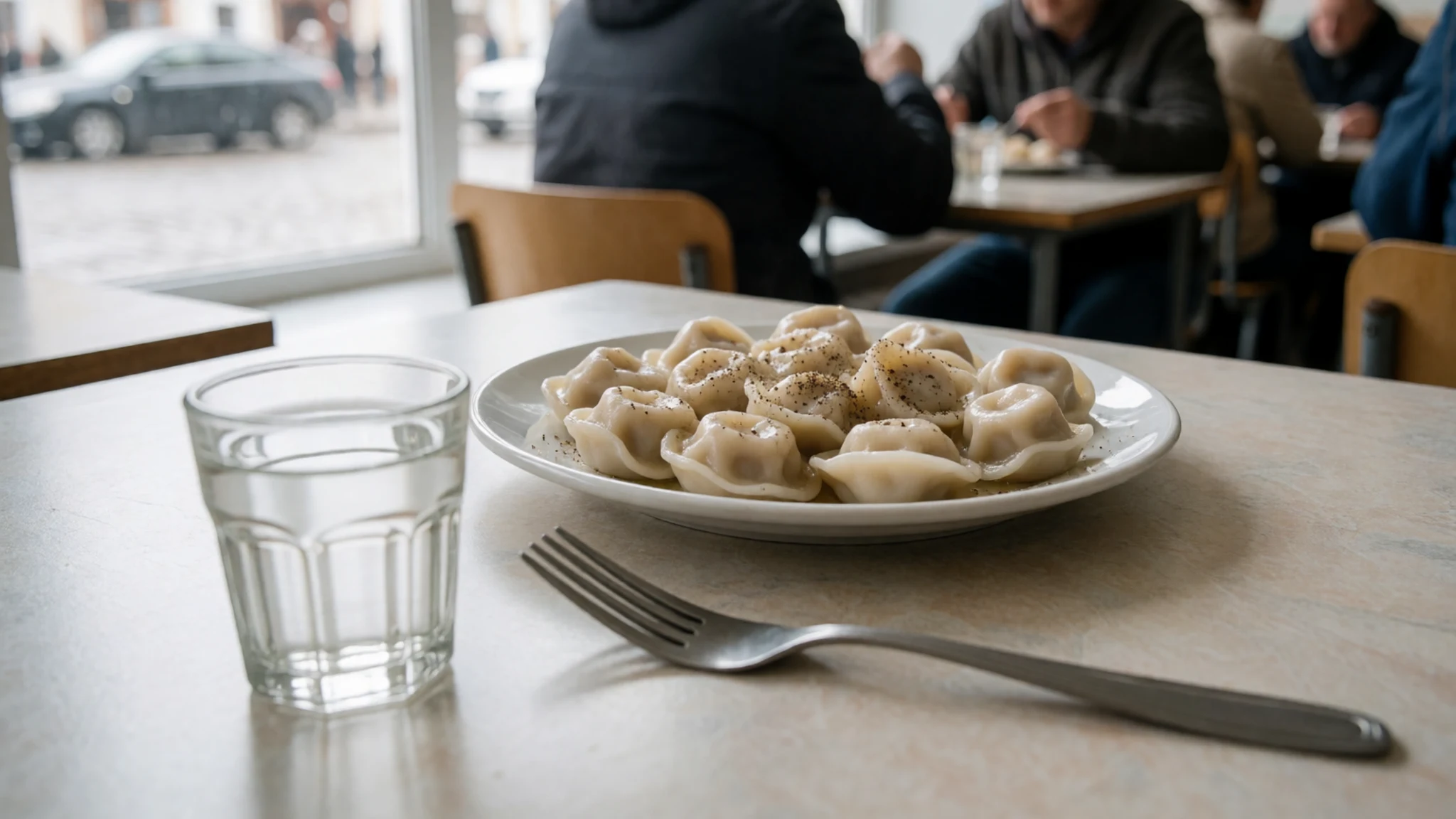
- Pirozhki (stuffed buns) — Local bakeries and street-style snack places in Sergiyev Posad
Pirozhki are stuffed buns that make a good on-the-go snack: they’re served warm and come with savoury fillings. You’ll typically see them at local bakeries and quick-service counters in town for a quick break between courtyards. - Kasha (buckwheat porridge) — Canteen-style restaurants and traditional menu boards in Sergiyev Posad
Kasha, often buckwheat, is a hearty, plain option that pairs well with meat dishes or mushrooms. In Sergiyev Posad, it’s the kind of food that shows up on traditional menu boards and cafeteria-style plates. - Tea with honey or jam — Casual cafes and tea-serving counters in Sergiyev Posad
A simple cup of tea with honey or jam is a common way to warm up after winter walks. Find it at casual eateries and tea-serving counters in town, where it works just as well as a calm, low-effort break.
Plan it
Best time. March–April for milder spring days and October–November for autumn light; winter can be very cold, while summer is warmer and more walkable, but crowds can build on peak weekends.
How long. 2–3
Getting there. Most travellers reach the area via Moscow: fly into a Moscow-region airport with onward connections, then continue by train or road towards Sergiyev Posad. The monastery is in Sergiyev Posad, roughly 70 kilometres northeast of Moscow by road.
Budget. mid
Tips
- Give the monastery a full morning: the light and the service rhythm make the first hours feel different to the afternoon.
- Check conditions for snowy or icy courtyards in winter and choose grip-first shoes.
- If travelling from Moscow by public transport, build in buffer time for last-mile connections to Sergiyev Posad.
- Carry some cash for small purchases and simpler eateries, even when bigger places take cards.
- If you plan to go into church interiors, arrive early enough to pass through any queues without rushing.
Etiquette
- Dress modestly and keep shoulders and knees covered in worship spaces.
- Keep phone use quiet and follow any in-person instructions about where to stand.
- Avoid photographing where people are praying; if unsure, wait and observe what others do.
Nearby
Sources
- Wikidata Q211962 (CC0)
- Wikipedia (rev 1378538169) (CC BY-SA 4.0)
- Wikivoyage (rev 5221228) (CC BY-SA 4.0)
- Photo photos/01-1.jpg (CC BY 3.0)
- Photo photos/02-lissner-troicesergievalavr.jpg (Public domain)
- Photo photos/03-angelsatmamre-trinity-rublev-1410.jpg (Public domain)
- Photo photos/04-miloradovichdefense.jpg (Public domain)
- Photo photos/05-trinity-view.jpg (Public domain)
- Photo photos/06-lavra-aerial-view-4-sergiyev-posad-russia-panoramio.jpg (CC BY 3.0)


