Tremiti Islands
Tremiti Islands, Italy
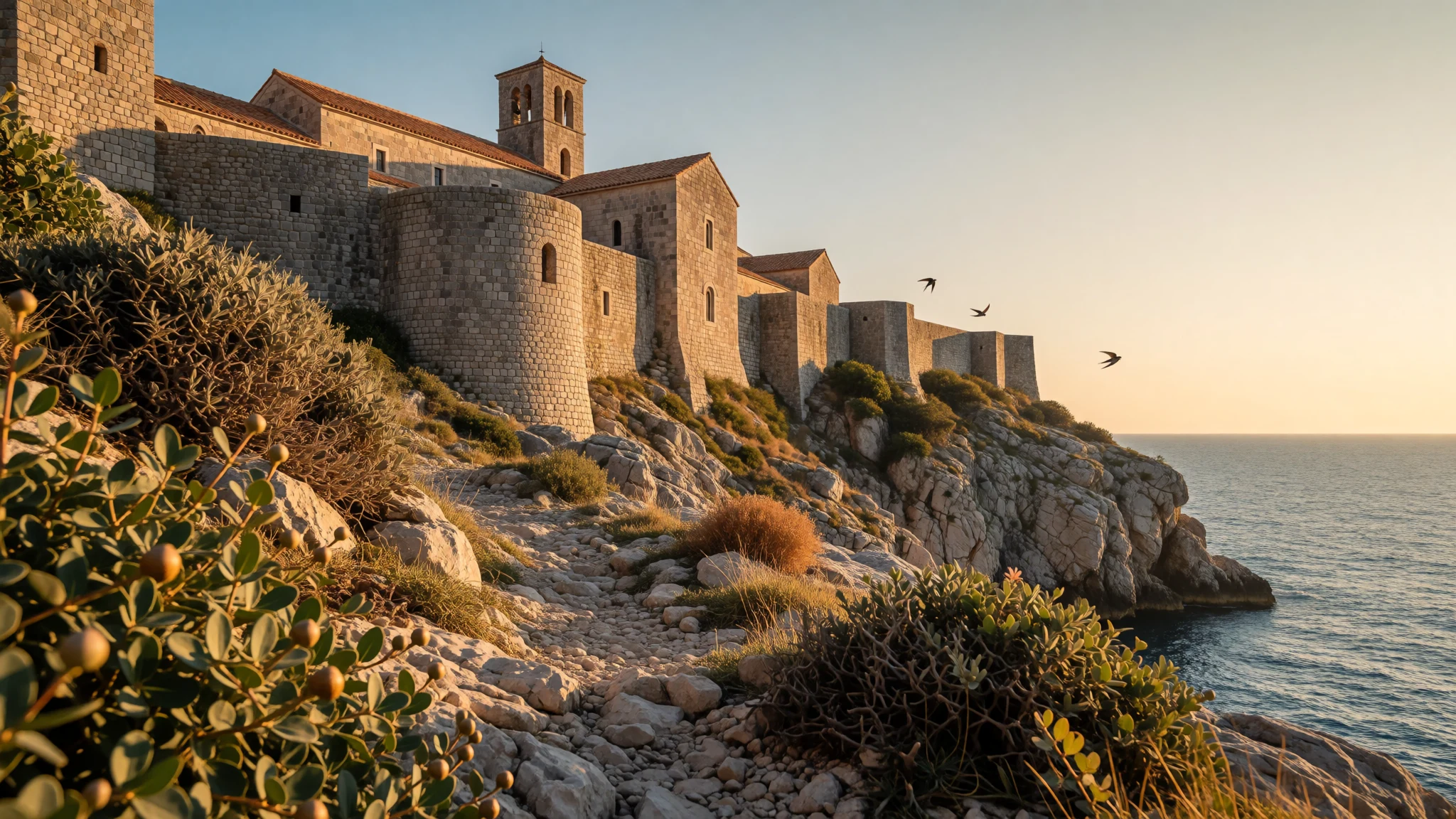
The Tremiti Islands offer a quiet, rocky Adriatic retreat with crystal-clear waters, ancient fortresses, and a remarkably slow pace of coastal life.
The place
The Tremiti Islands form a tiny, rugged archipelago in the Adriatic Sea, lying a short distance off the northern coast of the Gargano Peninsula. Comprising just five distinct landmasses—San Domino, San Nicola, Capraia, Cretaccio, and Pianosa—this compact cluster is the only Italian archipelago in the Adriatic. Together, they make up a small municipality with a tiny permanent community of residents, though visitor numbers swell significantly during the warmest months of the year when travellers arrive by sea to swim in the transparent shallows.
The islands present a dramatic landscape of wind-sculpted limestone, hidden sea caves, and pine-clad hills. San Domino is the greenest and most developed of the group, wrapped in dense Aleppo pine forests and framed by rocky walking paths that drop down to secluded coves. San Nicola serves as the historical and cultural core, dominated by ancient stone walls and a hilltop abbey that towers over the harbour. The remaining islets are wilder: Capraia is largely untouched and prized by divers for its vibrant marine life, while Cretaccio is a stark, clay-yellow rock caught between the larger landmasses, and Pianosa sits further out as a protected marine zone.
Life here moves to the rhythm of the ferries and the sea. Because personal motor vehicles are generally restricted for visitors, exploration happens entirely on foot along dirt tracks or by hiring small inflatable motorboats to reach hidden grottos. The atmosphere is unhurried, salt-washed, and deeply tied to the rhythms of southern Italian island living.
Its story
The story of the Tremiti Islands is shaped by centuries of isolation, confinement, and monastic ambition. Archaeological traces show human presence extending back to the late Iron Age, but the archipelago is perhaps best known in classical lore as the mythical resting place of the Greek hero Diomede, earning them the ancient moniker of Diomedean Islands. In Roman times, the severe landscape made the archipelago an ideal place of exile. Emperor Augustus banished his granddaughter Julia the Younger here, where she endured two decades of confinement before her death.
During the Middle Ages, the spiritual and physical landscape was transformed by Benedictine monks from Montecassino who established the fortified Abbey of Santa Maria a Mare on San Nicola. The monastery grew wealthy, owning vast estates across the Italian mainland, but its vulnerable coastal position also invited peril. In the fourteenth century, Dalmatian pirates sacked the complex, prompting centuries of fortification and shifts in religious order, including Cistercian monks and later the Lateran Canons, whose robust defensive walls successfully repelled an Ottoman fleet assault in the sixteenth century.
In the late eighteenth century, the Bourbon kings suppressed the abbey and converted the islands into a penal colony. The nineteenth century brought further turbulence, including a blockade by a British fleet during the Napoleonic wars and efforts by Naples rulers to repopulate the rocky shores with families from crowded mainland slums. Through the twentieth century, the islands continued their somber history of political confinement, holding Libyan anticolonial prisoners and later serving as an internment site under Mussolini's regime. Today, these complex layers of monks, pirates, exiles, and fishers lie quietly beneath the fragrant pine canopy and sun-bleached stone.
What to see
- Abbey of Santa Maria a Mare — San Nicola Island
Perched high on San Nicola island, this ancient sanctuary and monastic complex features imposing medieval fortifications, weathered stone cloisters, and centuries of maritime history carved directly into the cliffside above the harbour.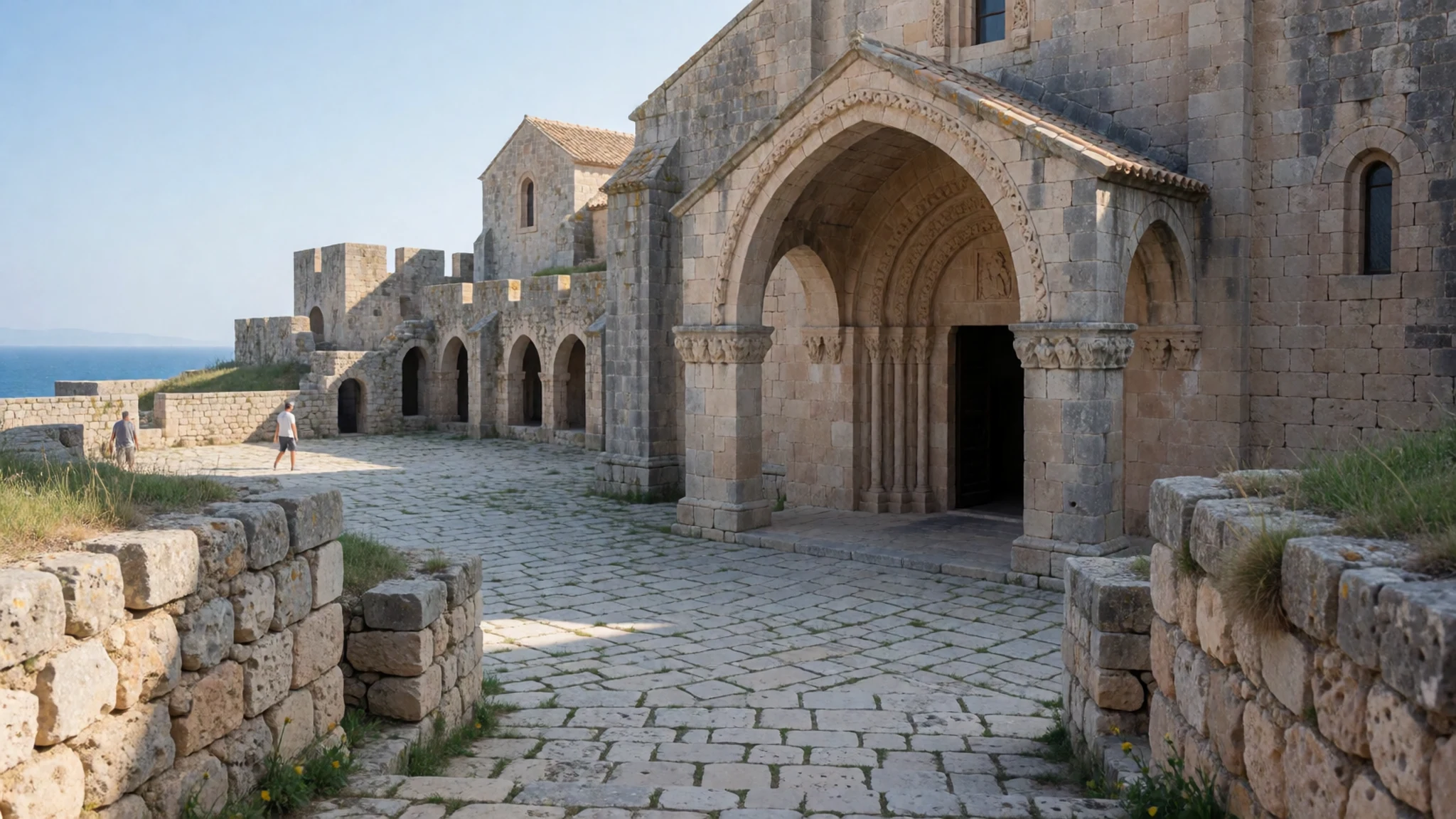
- Pineta di San Domino — San Domino Island
A fragrant, wild Aleppo pine forest covers the interior of San Domino, crisscrossed by rustic walking paths that wind through the greenery before descending sharply down rocky tracks to the rugged coastline and hidden swimming coves.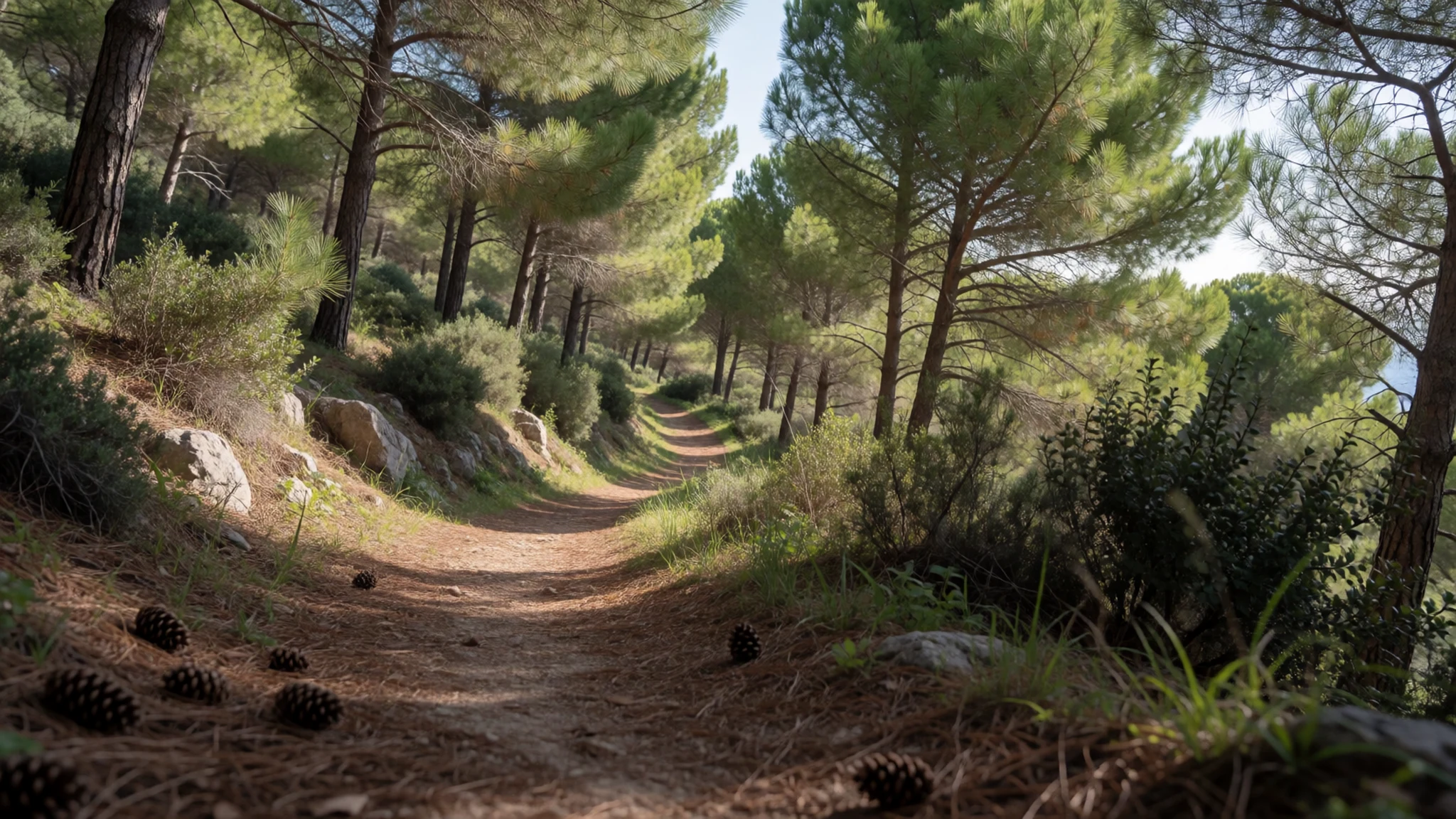
- Grotta delle Viole — San Domino coastline
Often called the fairy cave, this enchanting sea grotto earns its name from the soft purplish hues that dance across the crystal-clear water and limestone walls when the early morning sunlight catches the blue sea.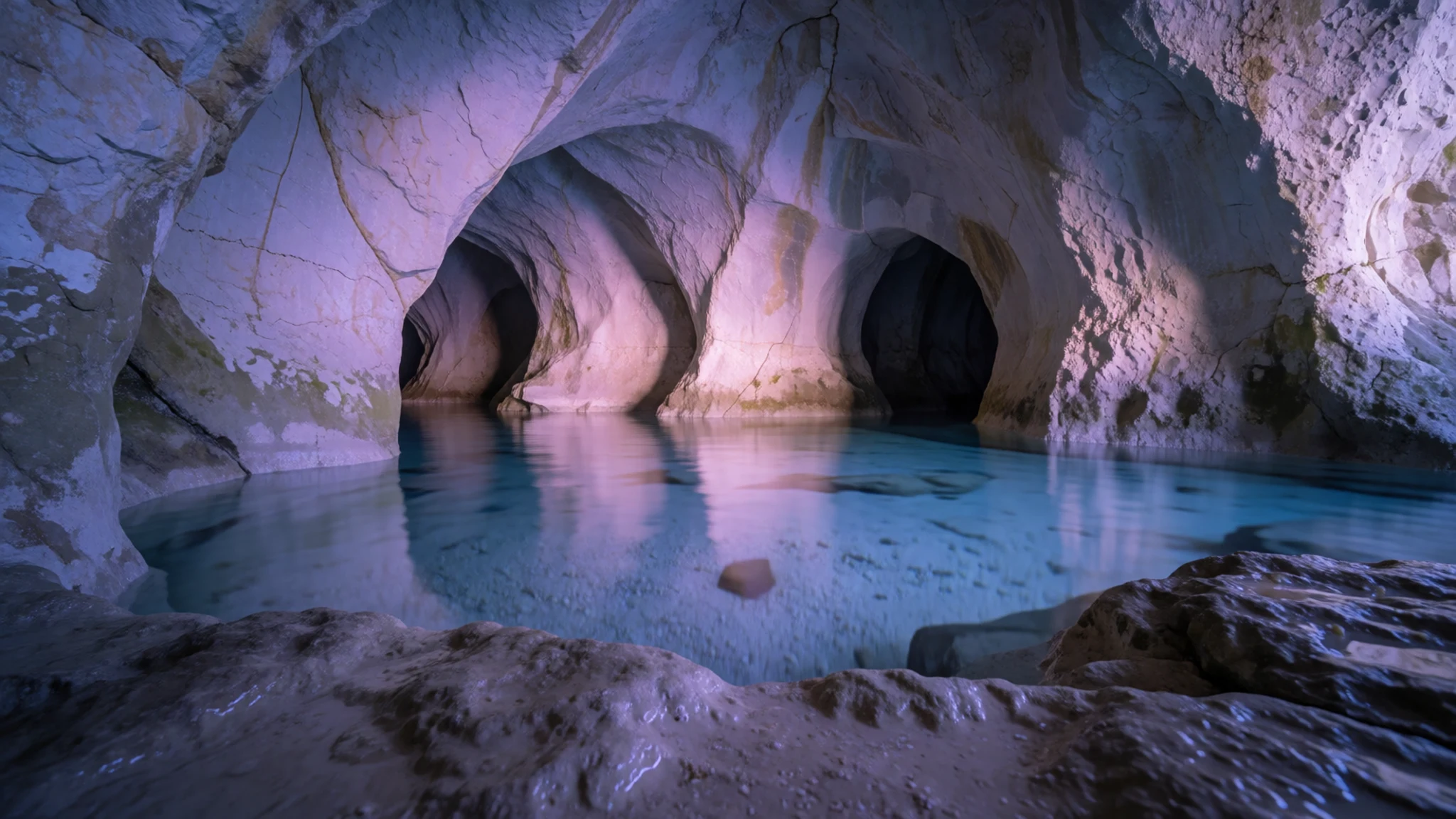
- Grotta del Bue Marino — San Domino coastline
Named after the monk seals that once inhabited the Adriatic waters and rested in its shadows, this deep marine cavern cuts into the rocky coast, offering cool, echoing chambers accessible only by water.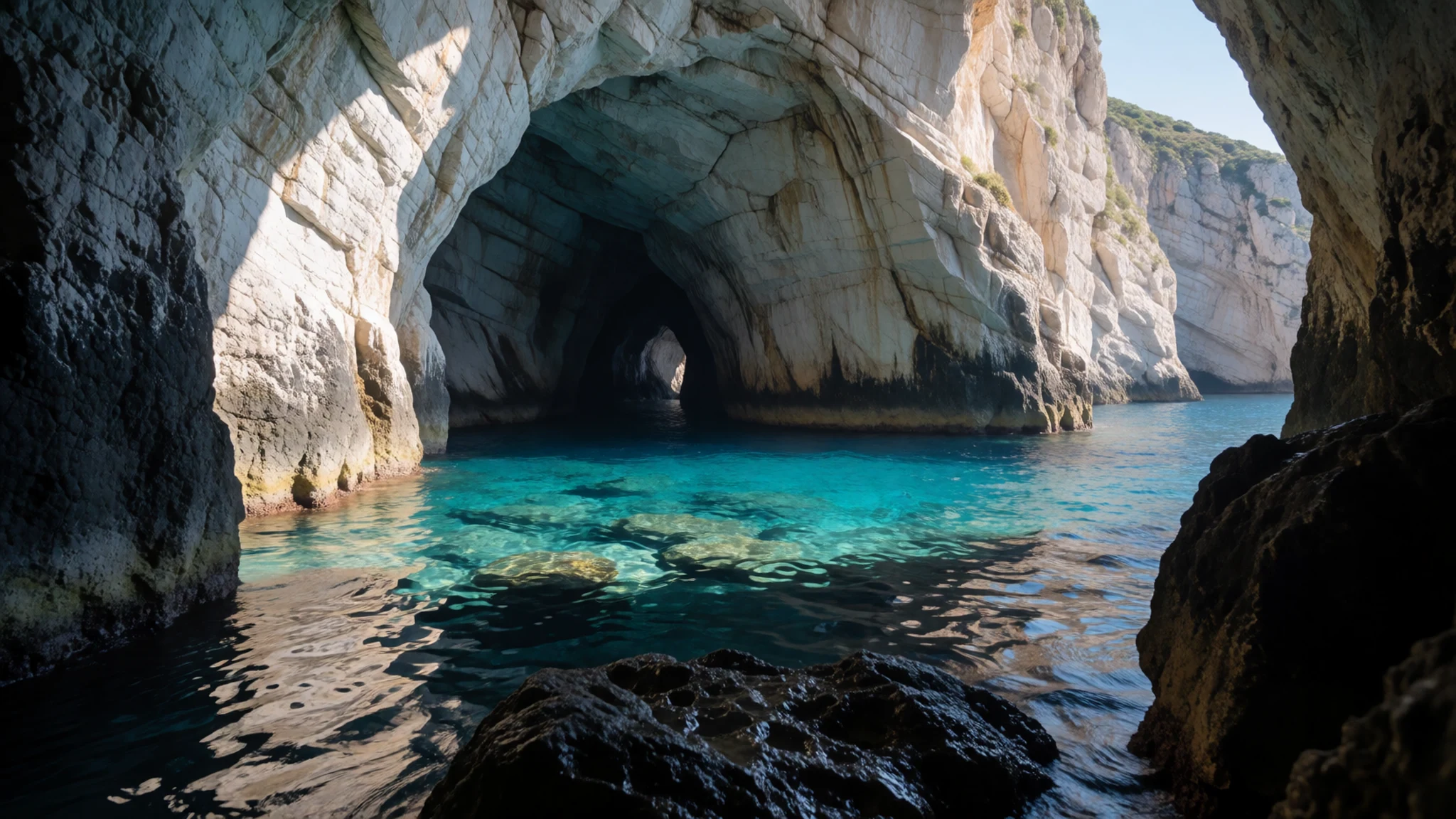
- Capraia Seabed and Punta Secca — Capraia Island
Uninhabited Capraia island offers some of the clearest waters in the archipelago, where snorkelers and scuba divers can explore rocky underwater shelves, coral formations, and marine life around Punta Secca.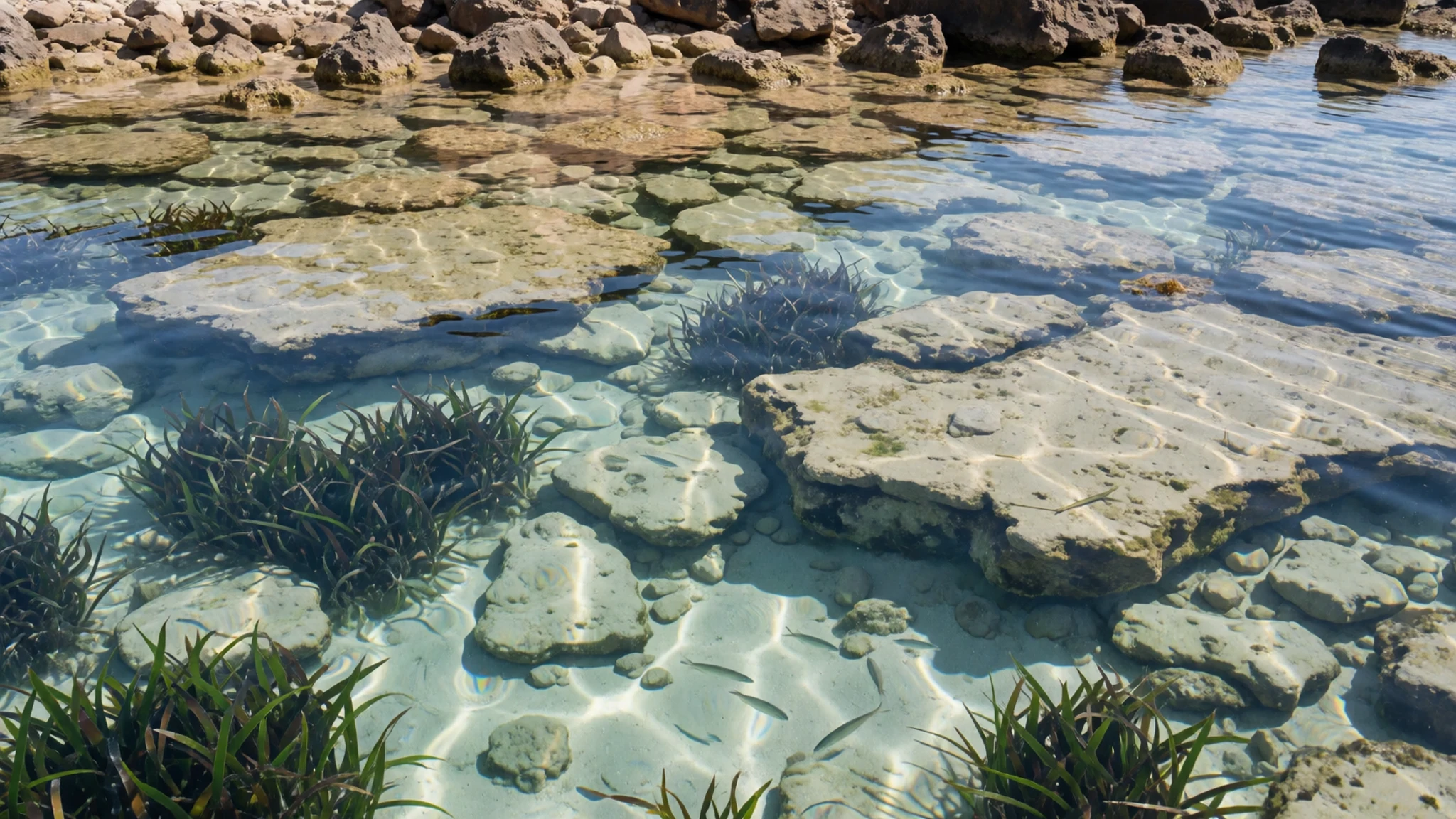
Culture
The culture of the Tremiti Islands is deeply rooted in the maritime traditions of the Adriatic, shaped by generations of fishermen, sailors, and monastic guardians. Unlike the bustling artistic capitals of mainland Italy, social life here revolves around the small harbours, church squares, and shaded pine paths where locals and visitors gather as ferries arrive. The community is tight-knit, reflecting a history of relative isolation and resilience against harsh weather and pirate raids in past centuries. Artistic expression has also touched the shores; notable figures like the beloved singer Lucio Dalla found deep inspiration in the archipelago's starry night skies and quiet blue horizons, adopting it as a cherished second home.
Music, simple storytelling, and shared meals form the backbone of daily interactions, with coastal folklore passed down through families who trace their lineage back to the nineteenth-century repopulation efforts from mainland slums. Traditional crafts are modest, focusing on practical maritime skills, boat maintenance, and preserving the rich bounty of the surrounding sea. When visiting sacred spaces such as the Abbey of Santa Maria a Mare, visitors should dress modestly, covering shoulders and knees out of respect for its long monastic heritage.
What to wear
Traditional dress on the Tremiti Islands was historically practical and dictated by the harsh demands of seafaring, fishing, and agricultural work on rugged terrain, utilising durable homespun textiles suited for both blistering summer heat and damp winter sea winds. Over generations, as families arrived from mainland areas like Naples and the Apulian coast, daily attire evolved into standard working garb of sturdy cottons, wools, and protective headwear for the open water.
Today, modern residents and workers dress in relaxed, functional Mediterranean attire: lightweight linen shirts, shorts, sturdy sandals, and sun hats suited for a life spent largely outdoors and near the water. For visitors, the dress code is entirely casual and beach-oriented during the warmer months, focusing on comfort, breathability, and sun protection. However, sturdy footwear is essential for navigating the steep, unpaved walking paths through the pine forests and rocky shorelines, and modest layers are required if stepping off the beach to visit historical religious sites.
What to eat
- Spaghetti with Clams — Traditional eateries on San Nicola
A classic southern Italian seafood dish prepared with perfectly al dente pasta tossed in fresh local clams harvested directly from the surrounding Adriatic waters, garlic, olive oil, and a touch of fresh parsley. - Tremitesi Capers — Local grocery shops and takeaway counters on San Domino
Tiny, intensely flavoured wild capers harvested across the rocky islets, traditionally preserved in coarse sea salt and used to punch up the depth of local sauces, salads, and fish dishes. - Mixed Fried Fish — Harbourside eateries and seafood spots on San Domino
A generous platter of freshly caught Adriatic fish and seafood, lightly dusted in flour and fried until golden and crisp, served hot with a wedge of fresh lemon. - Fish Skewers and Octopus — Casual seaside lunch spots and snack bars
Tender pieces of octopus and fresh catch skewered and grilled over an open flame, offering a smoky char that highlights the natural sweetness of the Mediterranean seafood.
Plan it
Best time. June to September offers warm, sunny weather ideal for swimming and boat excursions, though July and August bring the heaviest crowds and peak ferry schedules.
How long. 2–3
Getting there. Take a ferry from mainland ports such as Termoli, Vieste, or Rodi Garganico, or catch a short helicopter flight from Foggia to the San Domino Heliport.
Budget. mid
Tips
- Book ferry tickets well in advance if travelling during the peak summer months
- Bring comfortable walking shoes for the unpaved forest and cliff paths
- Carry sufficient cash, as card machines can be unreliable on the smaller islands
- Pack lightweight sun protection and plenty of water for daytime exploring
- Remember that visitors cannot bring personal cars onto the islands
Etiquette
- Dress modestly with covered shoulders and knees when visiting the abbey or churches
- Respect the protected marine environment by avoiding litter and respecting local wildlife
Nearby
Sources
- Wikidata Q51930 (CC0)
- Wikipedia (CC BY-SA 4.0)
- Wikivoyage (CC BY-SA 4.0)