Tower of Hercules
Tower of Hercules, Spain
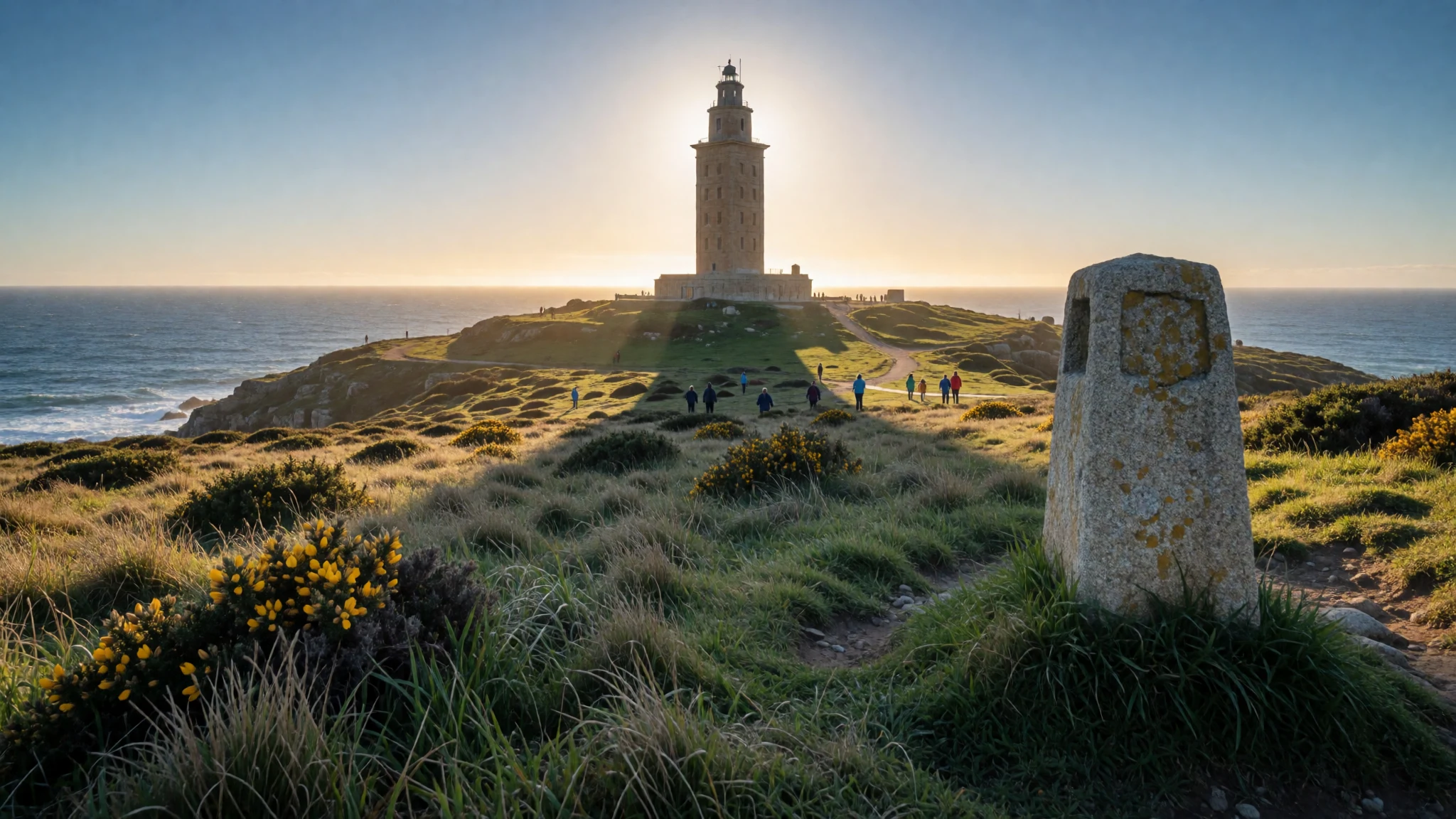
Go to the Tower of Hercules for a working Roman lighthouse, sea views, and a sculpture garden in A Coruña’s Atlantic light.
The place
Tower of Hercules (Torre de Hércules) sits on a peninsula in A Coruña, Galicia, facing the Atlantic. It’s an ancient Roman lighthouse, still used for maritime signalling, and it’s the only fully preserved Roman lighthouse that continues to do the job. From the outside it reads as solid, coastal infrastructure: thick stonework, a tall profile against the sky, and a long horizon line that makes the sea feel close.
The tower is described as dating to the late Roman period, with the surviving Roman masonry forming a substantial part of its height, while later restoration added more. Even if you’re not the “Roman stuff” traveller, the setting helps: you’re standing where navigation mattered, on rugged ground that makes it obvious why a light here would have helped sailors.
A visit also works as a walk-and-breathe break. The lighthouse grounds include a sculpture garden, and the atmosphere is calmer than you’d expect for a major historic site—more local strolling and couples pausing for photos than the full-on coach crowding you sometimes get at big city landmarks. Expect the wind off the water to be real, especially on open stretches, and bring a layer.
Best timing tends to be the drier, milder months of March, April, October and November. In the warmer parts of the year, the light is lovely but the Atlantic breeze can swing quickly from refreshing to chilly the moment clouds move in. In other words: plan for the weather, and the tower will reward the effort.
Its story
Tower of Hercules tells a long, layered coastal story. The Latin word often linked with “lighthouse” traces back to the Greek Pharos, and that idea of a guiding light is the thread connecting this Spanish peninsula to earlier Mediterranean traditions.
A Coruña’s history sits right behind the tower. The town grew from older settlement patterns in the broader area, shifting as landforms and connections changed over time. Over centuries, port life and conflict shaped what developed where: shipping, trade, and the strategic value of a rugged coastline meant the area was pulled into bigger European struggles.
This is why the lighthouse feels more than a monument. It stands because the coastline is exposed and navigation is hard. Even in the modern setting, the tower is still part of maritime signalling, so you’re seeing heritage that stayed in use.
Renovations also belong to the story. The tower underwent major work centuries after its initial Roman construction, and that mix of surviving Roman masonry plus later additions gives the building a “kept alive” quality rather than a museum-only feel. There’s also a garden space on the grounds, where contemporary sculpture meets the sea-facing silhouette—an easy reminder that places like this keep getting new meanings.
Walk the perimeter and you can feel how the site sits between eras: Rome and restoration, trade and conflict, and now tourism and sea air—one shoreline, many chapters.
What to see
- Torre de Hércules (Tower of Hercules)
Tower of Hercules is the main draw: a Roman lighthouse on the edge of the Atlantic that’s still used for maritime signalling. The best views come from the surrounding coastal paths and lookouts on the peninsula, where the tower’s stone mass meets open sea.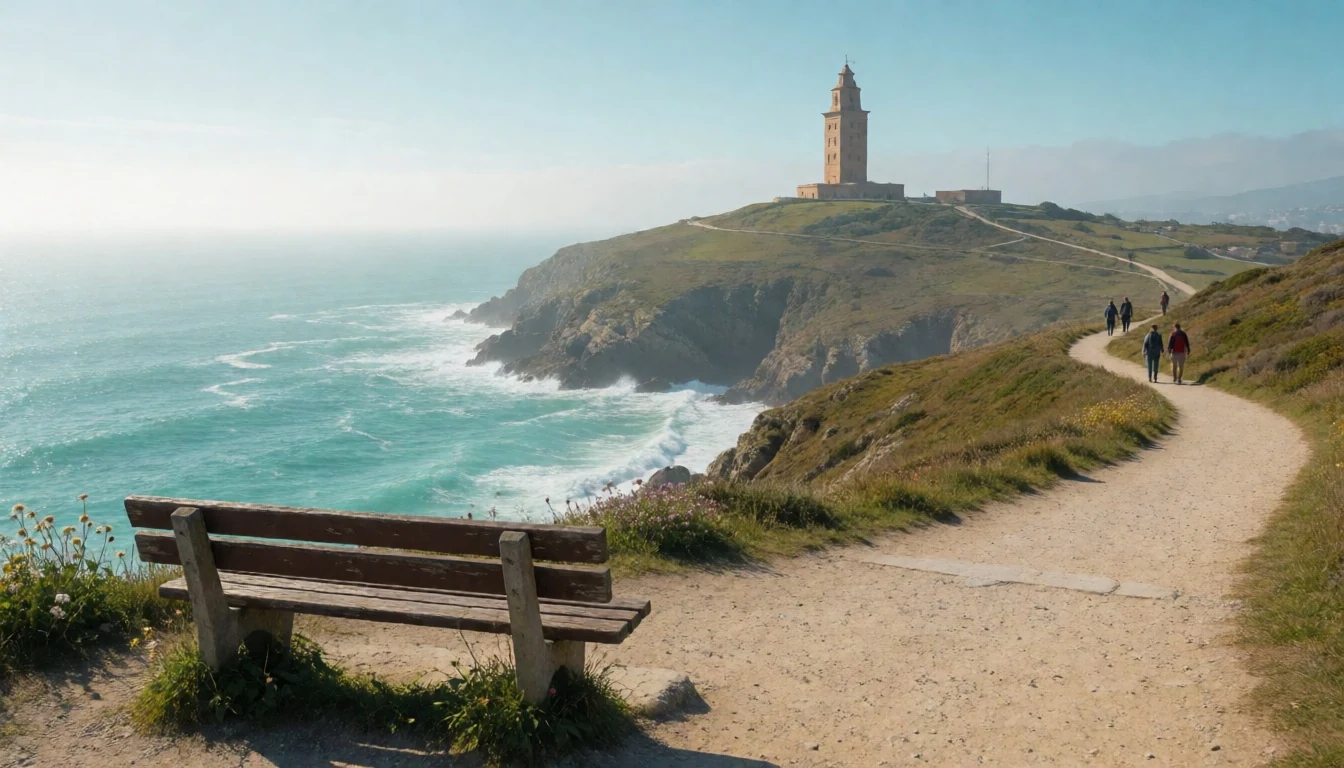
- Castelo de San Antón
A 16th-century castle on an island connected by a broad avenue. It’s now set up with a museum focused on the castle’s history and weaponry, giving you a grounded “how coastal defences worked” context for A Coruña.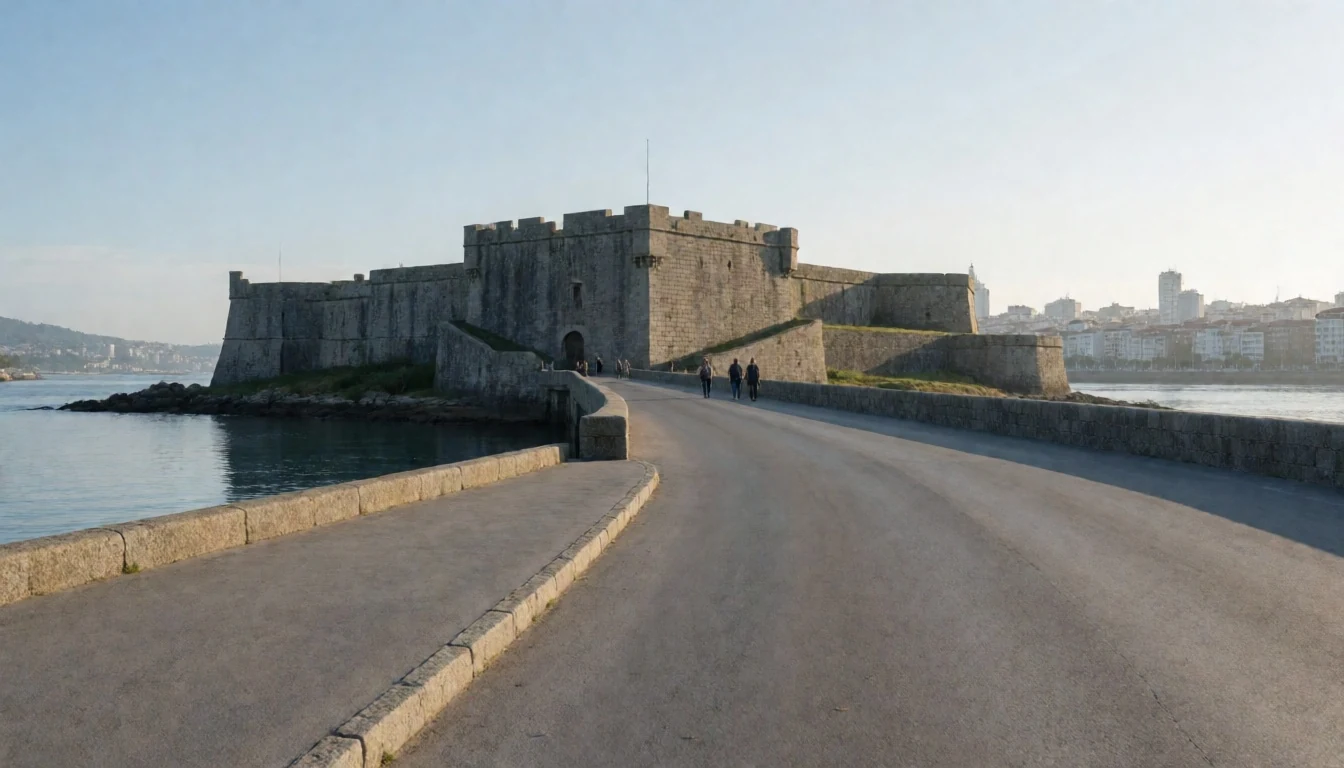
- Emilia Pardo Bazán Museum
The museum in Emilia Pardo Bazán’s early home is part of A Coruña’s literary and cultural layer. Be aware the museum has been closed for refurbishment since 2022, with the re-opening date listed as unknown.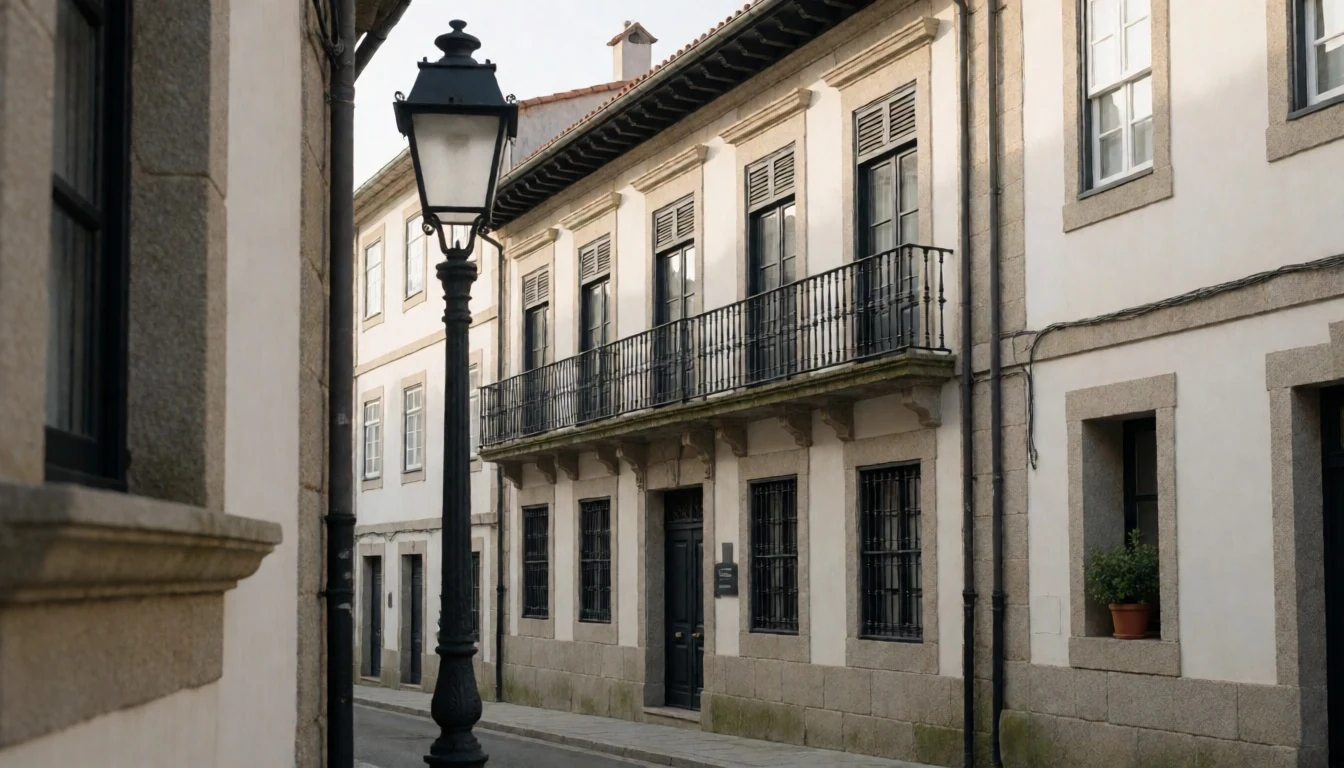
- Aquarium Finisterrae
A large aquarium with both indoor and outdoor spaces. It’s a good counterpoint if the wind is biting: you still get the Atlantic theme, just with more sheltered time inside and structured exhibits.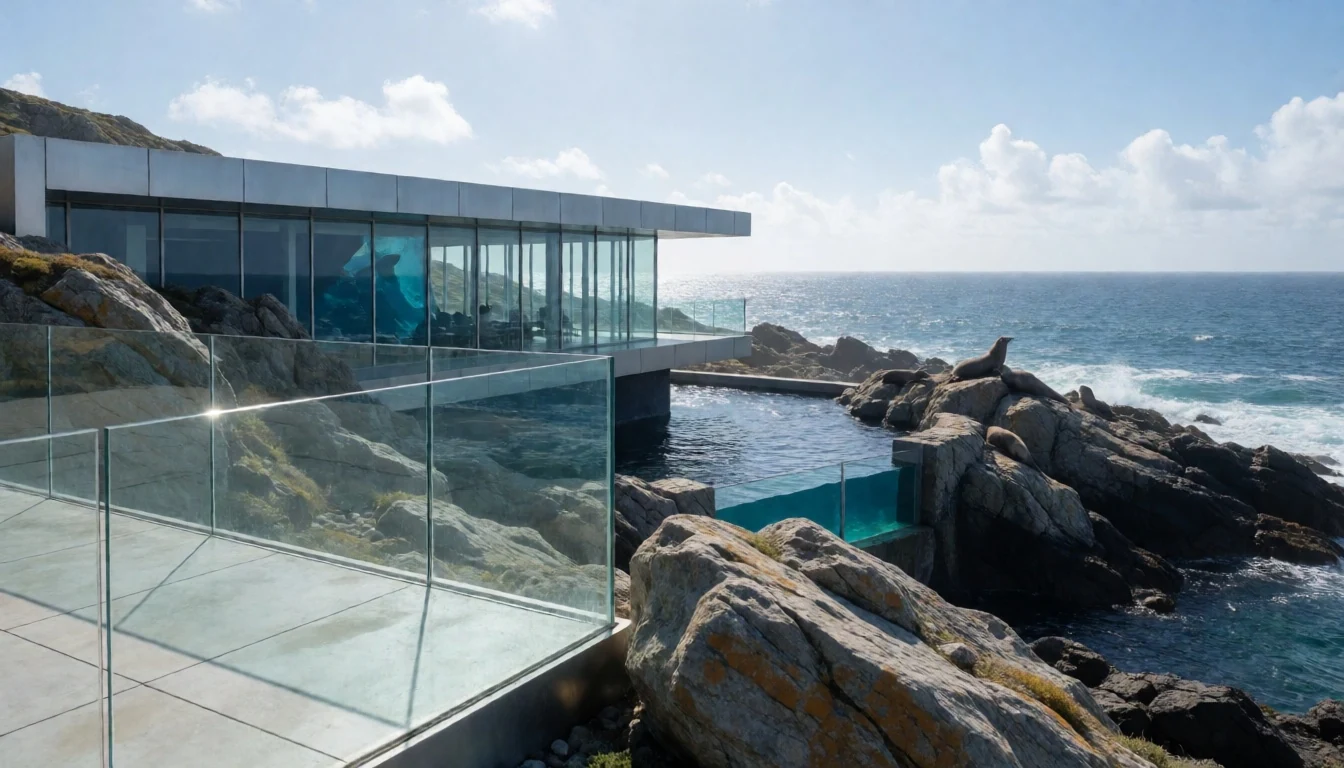
- Domus (science museum)
A smaller, child-oriented science museum about human perception. The building is described as resembling a sail, which makes it fun to spot on arrival—even before you go in. English signage can be limited.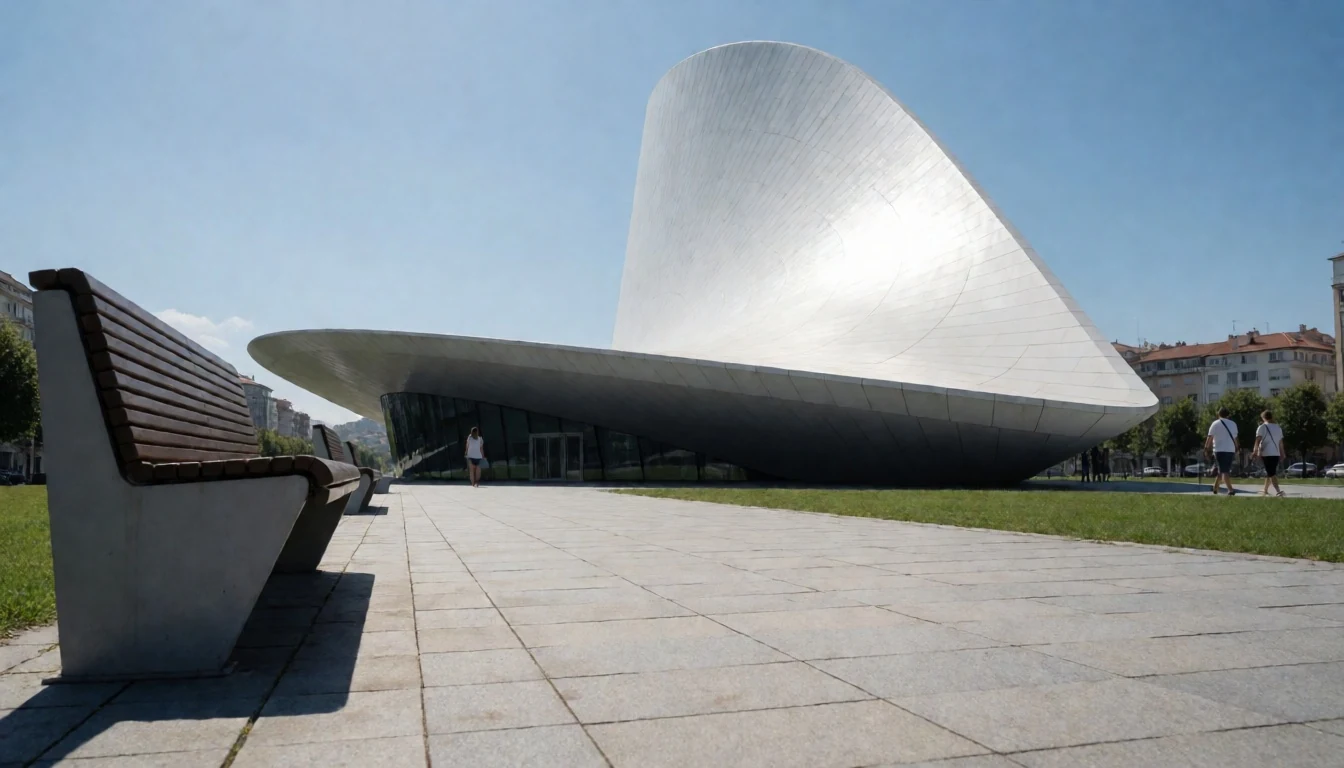
- Cidade Vella stroll
If you want the “city around the coast” angle, aim for Cidade Vella. It’s where the old-town feel sits near the port area, and it pairs naturally with a lighthouse visit: start with sea light, then drift into the older streets.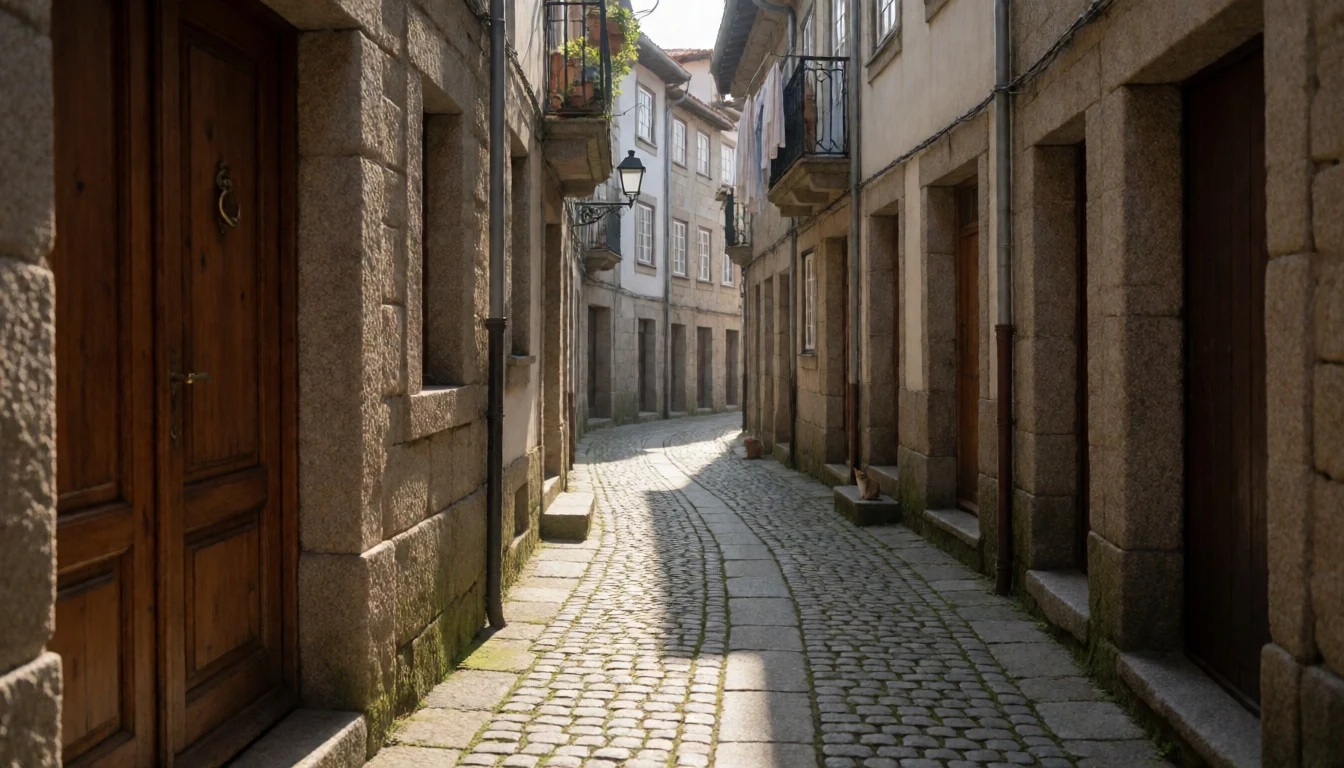
Culture
Tower of Hercules in A Coruña is the kind of historic site where people come for photos, but it’s also a working maritime landmark. That matters for how you move around the grounds: keep an eye on pathways and don’t stop in the middle of routes where others are trying to pass. The sculpture garden adds another layer of “slow down and look” space, so give yourself time for a proper wander rather than a quick lap.
Crowds are usually manageable compared with some headline European attractions, but you can still run into peak-hour photo moments—especially when the light is right. If you’re going in a group or with kids, it’s worth pacing visits so nobody is darting ahead of the line or climbing where they shouldn’t. Wind is a real factor here; it can whip papers away and make you underestimate how cold you feel.
Also, remember that nearby points of interest list closures at times (some museums have refurbishment gaps). Before committing a tight itinerary, check what’s open so the day stays easy.
Visitor etiquette: On the lighthouse grounds, avoid blocking viewpoints or paths while photographing, and take care on windy coastal surfaces.
What to wear
Tower of Hercules sits by the Atlantic, so practical clothing wins. There isn’t a “traditional outfit” ritual here, but you do want layers that cope with wind and sudden changes. In spring and autumn (March, April, October, November), wear breathable basics plus a warmer layer for evenings and breezier viewpoints. In hotter months, lighter clothing is fine, but the sea wind can still make you feel cool when you stop for photos.
Galicia’s everyday style is comfortable and low-fuss: people often dress for walking—trainers or sturdy walking shoes, a jacket, and something that handles damp weather. For visitors, the biggest footwear mistake is flip-flops or slick soles on uneven coastal ground.
What about dress codes tied to heritage? The lighthouse itself doesn’t carry the kind of strict temple dress expectations you might see in more religious sites. Still, modesty and comfort help: cover up if you’re moving through museum spaces, and keep scarves secured so they don’t blow into doorways.
If you’re building a day that includes other city sights, bring a small umbrella or rain layer, and keep a compact windproof outer shell in your bag.
What to eat
- Galician seafood tapas (tapas style) — Downtown around the isthmus and coastal neighbourhoods
Seafood-led tapas are a big deal in A Coruña. Look for them in lively tavernas and casual places around the main pub areas or near the promenade, where you’ll often see simple plates designed for sharing.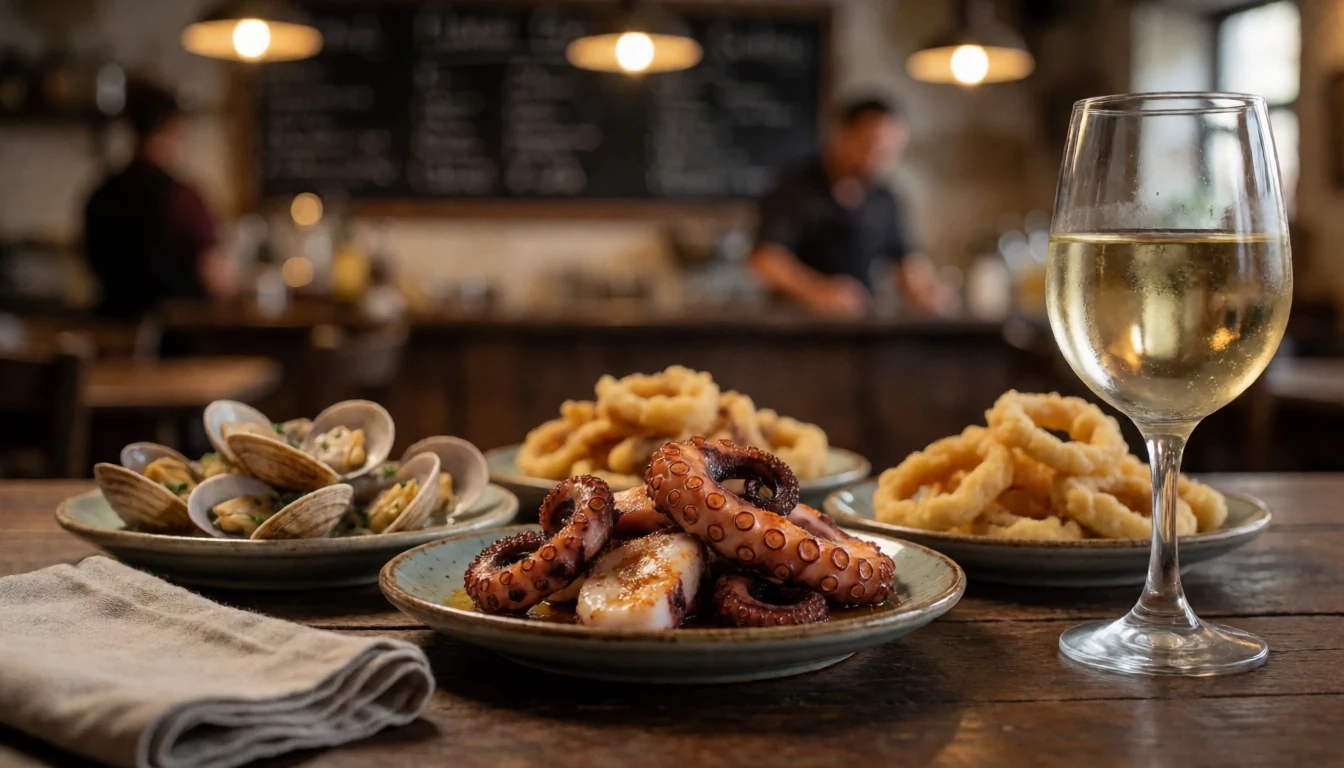
- Cold cheese and ham platters — Local cellar bars and traditional eateries in A Coruña
If you want something easy before a walk, go for a cold selection built around Galician cheese and cured ham. It’s the sort of snack that works well alongside a drink and keeps you going between the lighthouse and older streets.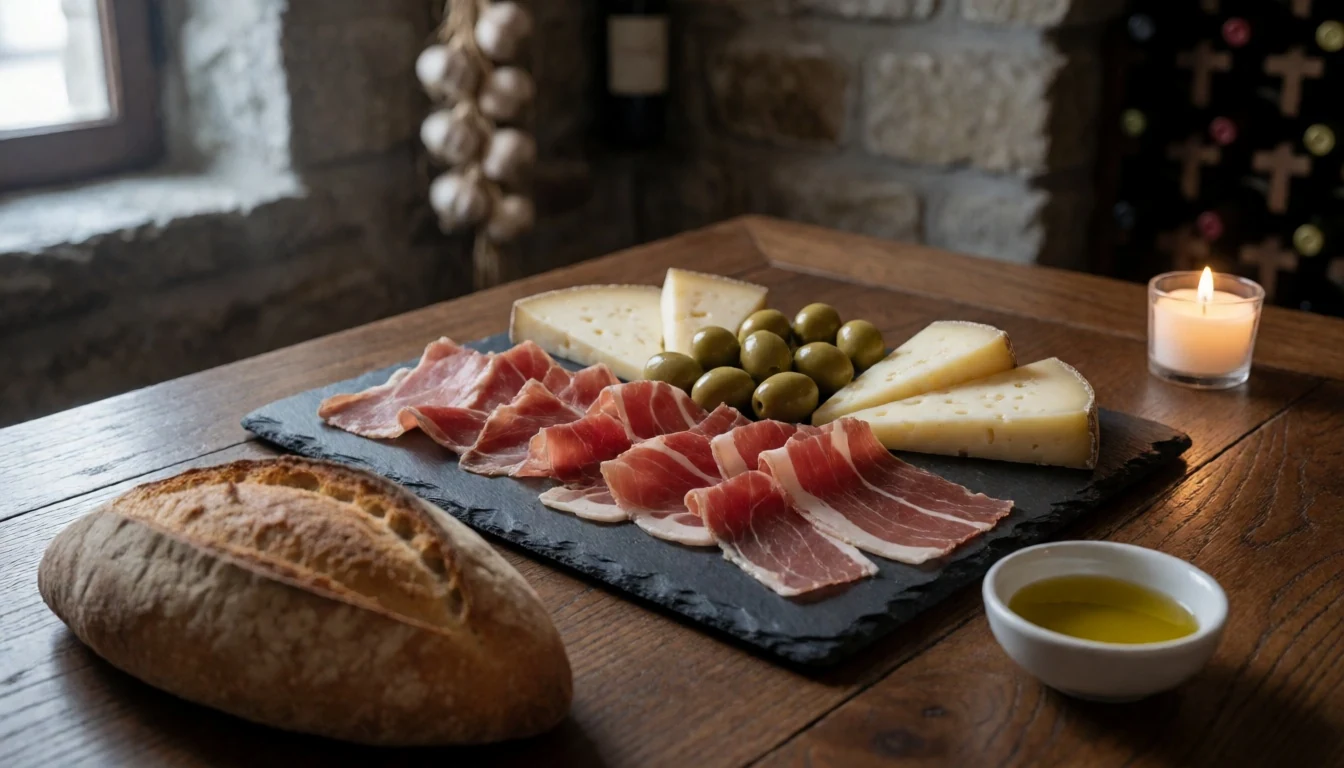
- Lively traditional cellar dishes (big portions) — A Taberna de Cunqueiro-type spots around the centre
A traditional cellar bar approach tends to mean straightforward flavours and hearty portions. It’s a good option when the weather’s grey, because you’ll likely warm up quickly and get proper comfort-food energy. - Quick breakfast and lunch meals — Everyday cafes around the city centre
For a lighter day start, there are simple breakfast and lunch places where you can eat without turning it into a long sit-down. They’re handy when you’ve got museum tickets later and want an efficient plan. - Breakfast or lunch in a straightforward café setting — Bocalino-style lunch stops in central areas
A simple eatery style works well in A Coruña because it lets you stay flexible—especially if you’re waiting on weather for the best lighthouse views. Ask what’s on and build your day around it.
Plan it
Best time. March–April and October–November for milder conditions and more comfortable walking; summer can feel breezy at the coast, while calmer daylight is easier for viewpoints in shoulder seasons.
How long. 2–3
Getting there. Fly into Santiago de Compostela (SCQ), then take the bus north towards A Coruña (one bus every two hours stops in A Coruña, otherwise go into Santiago city centre first and transfer). From there, it’s a short local ride or walk to the lighthouse area.
Budget. mid
Tips
- Build your lighthouse visit for late morning or late afternoon so the sea light makes the tower’s stonework stand out.
- If you’re pairing sights, cluster the “old town / museums” stops with Cidade Vella so you’re not zig-zagging across A Coruña.
- Expect wind at the peninsula; pack a windproof layer and keep your phone secured on exposed stretches.
- Check refurbishment notices for museums you want (some have closures listed as ongoing with unclear re-opening dates).
- Use a mix of indoor and outdoor plans if the weather turns—aquariums and science museums help you keep momentum.
Etiquette
- Don’t linger in bottlenecks at viewpoints; step to the side while taking photos.
- On coastal paths, keep a careful footing—wind and uneven ground can catch you out.
- If you enter museums or smaller indoor spaces, follow the site guidance for queues and entrances.
Nearby
Sources
- Wikidata Q245151 (CC0)
- Wikipedia (rev 1381954750) (CC BY-SA 4.0)
- Wikivoyage (rev 5423441) (CC BY-SA 4.0)
- Photo photos/01-torre-de-h-rcules-2023.jpg (CC BY-SA 4.0)
- Photo photos/02-2026-08-10-2966.jpg (CC BY-SA 4.0)
- Photo photos/03-torre-de-h-rcules-divesgallaecia2012-62.jpg (CC BY 3.0)
- Photo photos/04-torre-de-h-rcules-ventanas-del-pasado.jpg (CC BY-SA 2.0)
- Photo photos/05-torre-de-h-rcules-la-coru-a-espa-a-2015-09-25-dd-35-37-hdr.jpg (CC BY-SA 4.0)
- Photo photos/06-559-torre-de-hercules-a-coru-a.jpg (CC BY 2.5)
- Photo photos/07-a-coruna-torre-de-hercules-sunset-edit.jpg (CC BY 3.0)
- Photo photos/08-a-coruna-torre-de-hercules-sunset.jpg (CC BY-SA 1.0)


