Tlacotalpan
Tlacotalpan, Mexico
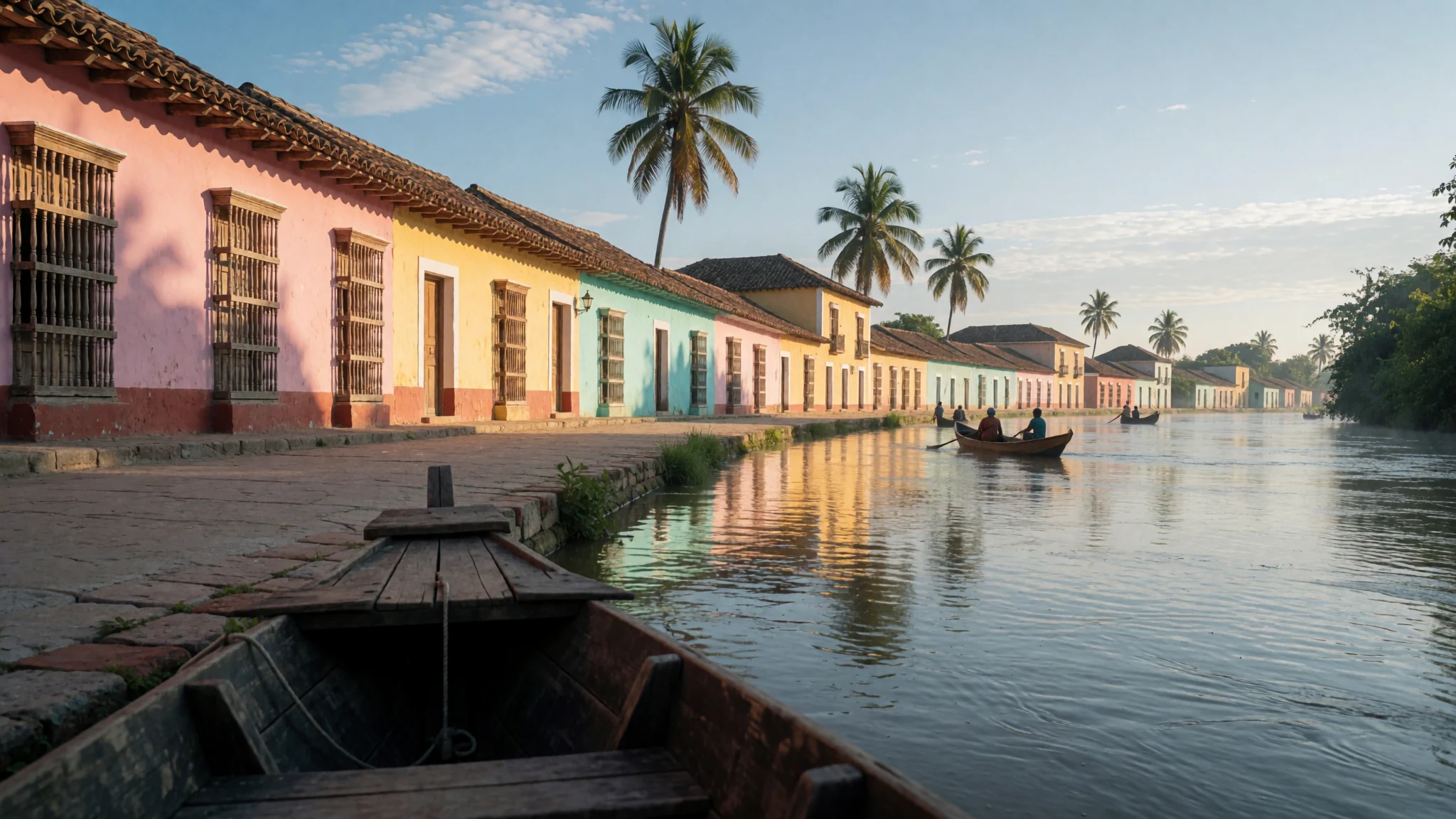
Visit Tlacotalpan for its pastel Caribbean-Spanish colonial architecture, quiet riverside atmosphere, and vibrant regional music traditions along the Papaloapan River.
The place
Tlacotalpan is situated in the Sotavento region of the eastern Mexican state of Veracruz. Set on the banks of the Papaloapan River, the municipality features a flat landscape with rolling foothills towards the west and a semi-tropical climate. Most of the territory is dedicated to livestock grazing, while the river networks define its character as one of the few historical interior river ports in Latin America. The settlement was inscribed as a World Heritage Site in 1998 in recognition of its exceptionally preserved urban layout and architecture, which merges Spanish colonial styles with Caribbean influences. Low-slung houses painted in vibrant pastel shades line wide streets, shaded by towering palms and elegant arcades. Today, fishing and tourism form the mainstay of the local economy, drawing travellers interested in traditional jarana music, local cuisine, and the unhurried pace of river life. Visitors arrive to experience an authentic slice of coastal Veracruz, far removed from mass resort tourism, where afternoons drift slowly under shady plazas and warm breezes carry the sound of guitars across the water.
Its story
The name Tlacotalpan comes from the Nahuatl term Tlaxcotaliapan, translating to land between the waters, referencing its original position as an island within the Papaloapan River before northern bank modifications joined it to the mainland. Early pre-Hispanic habitation involved the Totonacs before Toltec displacement in the twelfth century. Aztec expansion reached the territory in the fifteenth century under Moctezuma Ilhuicamina, and Axayacatl completed its conquest alongside neighbouring dominions. Following the Spanish conquest in the sixteenth century, the area saw early exploration by Pedro de Alvarado and Gonzalo de Sandoval searching for gold. Hernán Cortés established an early sugar cane mill nearby, and the Spanish crown later granted the territory to Gaspar Rivakeneyra for livestock management. Despite royal attempts to restrict settlement, local fishermen established the town and built a chapel dedicated to Our Lady of Candlemas. Throughout the colonial era and into the twentieth century, Tlacotalpan flourished as a vital inland shipping hub. When modern railways diverted commercial trade routes elsewhere, the port's economic prominence faded, inadvertently preserving its unique architectural heritage for future generations.
What to see
- Plaza Tlacotalpan — Downtown Tlacotalpan
The primary town square serves as the social heart of the community. It is immaculately landscaped with sculpted shrubbery, tall palm trees, and a central bandstand where live music and dancing take place on Saturday nights. A clean white colonial church frames the plaza, surrounded by shaded walkways and pastel facades.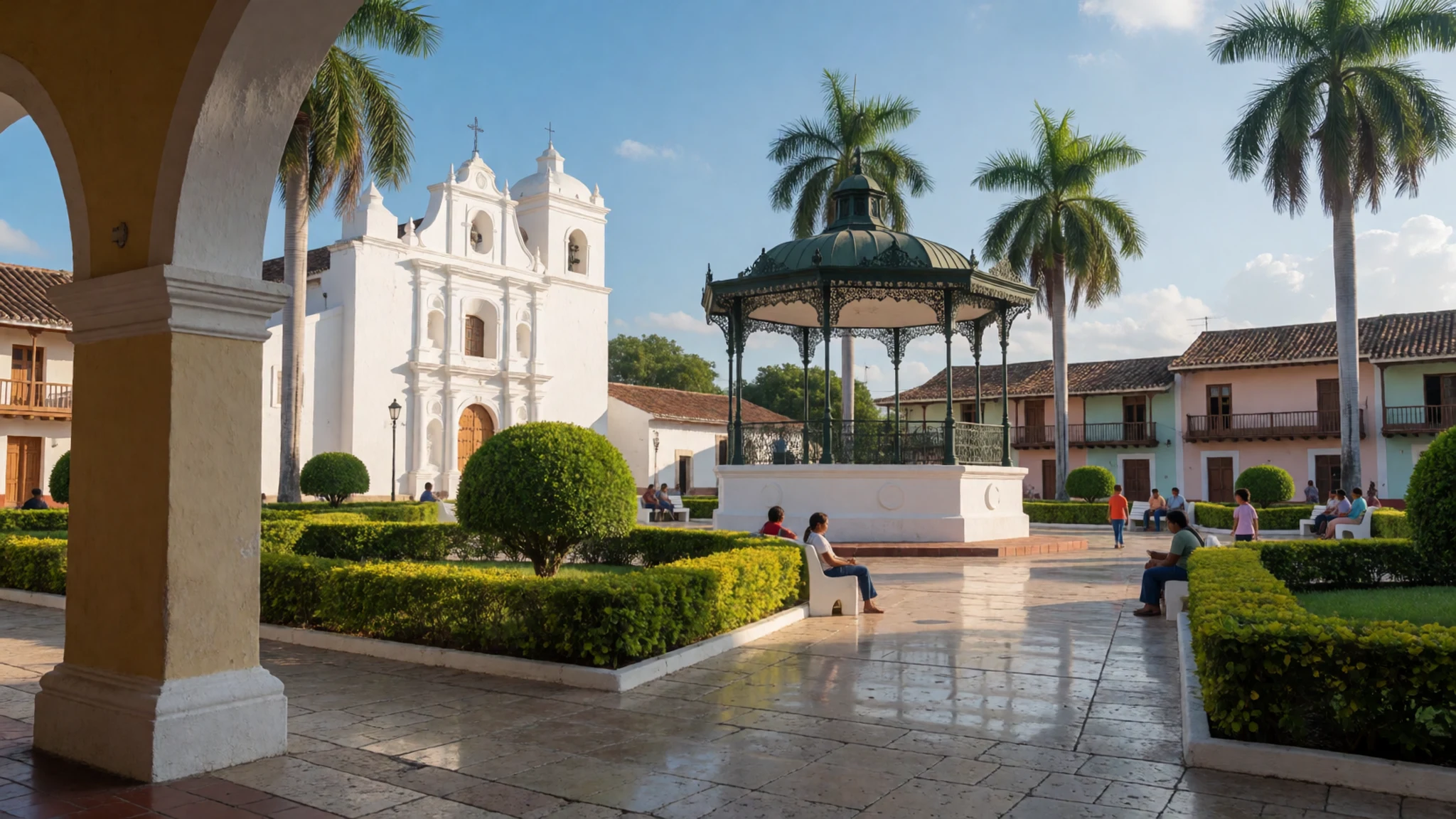
- Sanctuary of the Virgin of Candelaria — Near the riverfront
Built in 1779, this historic colonial church stands as an architectural landmark. Its lavish interior features a series of religious frescoes, detailed altarpieces, and important statues of saints. The sanctuary holds deep spiritual significance for the community and serves as the focal point for the annual Candlemas celebrations.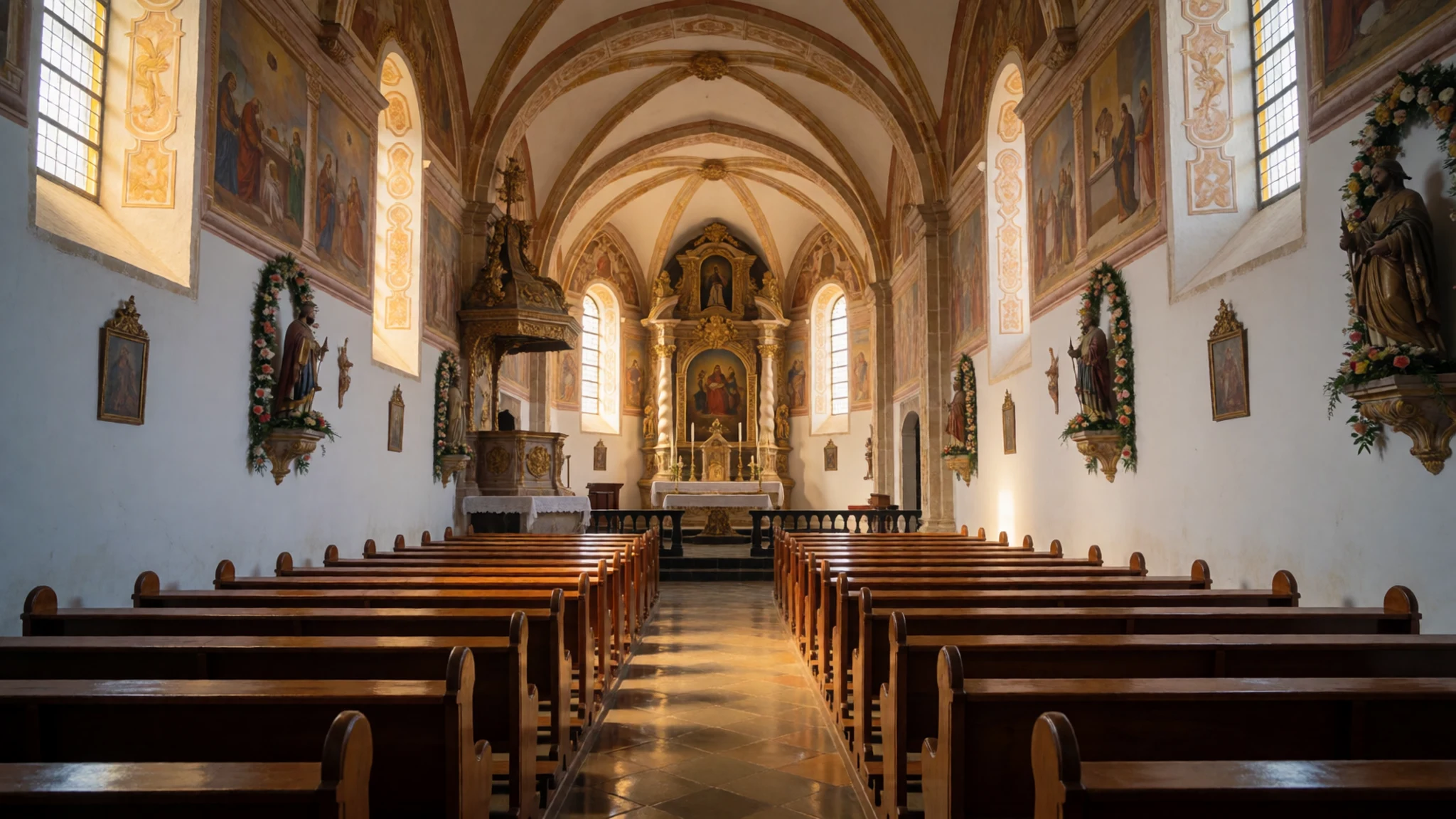
- Museo Agustin Lara — Central Tlacotalpan
Dedicated to one of Latin America's most celebrated singer-songwriters, this museum honors Agustin Lara. His timeless compositions were performed by legendary artists such as Pedro Infante and Vicente Fernández. The exhibits display personal memorabilia, photographs, and musical history connected to the golden age of Mexican song.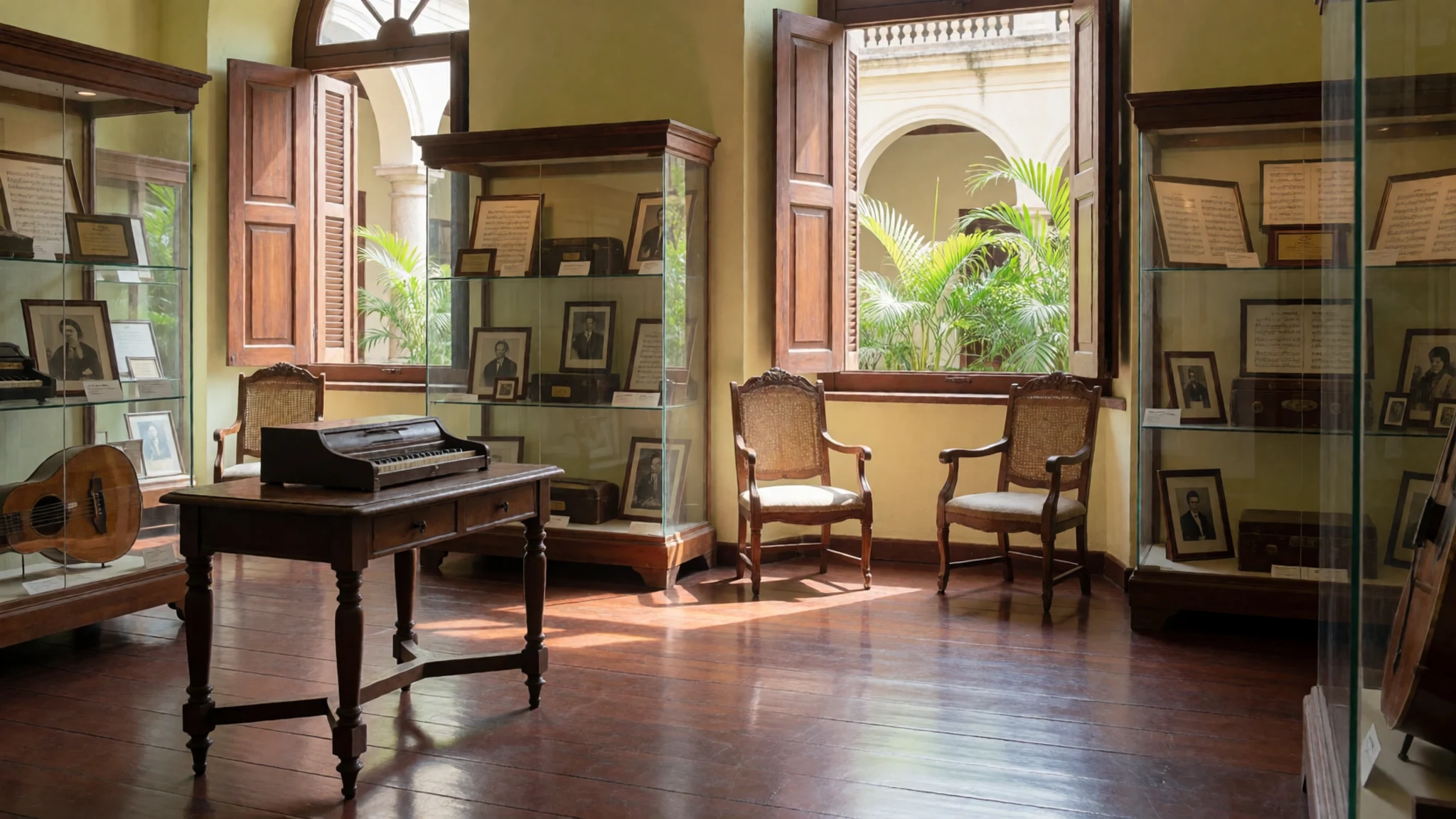
- Museo Salvador Ferrando — Heart of downtown
Housed within a nineteenth-century home in the downtown district, this museum showcases the life and artistic works of Salvador Ferrando. He gained renown primarily as a portrait painter. The galleries also display colonial-era maps and historical artefacts illustrating the evolution of the island town and its surrounding region.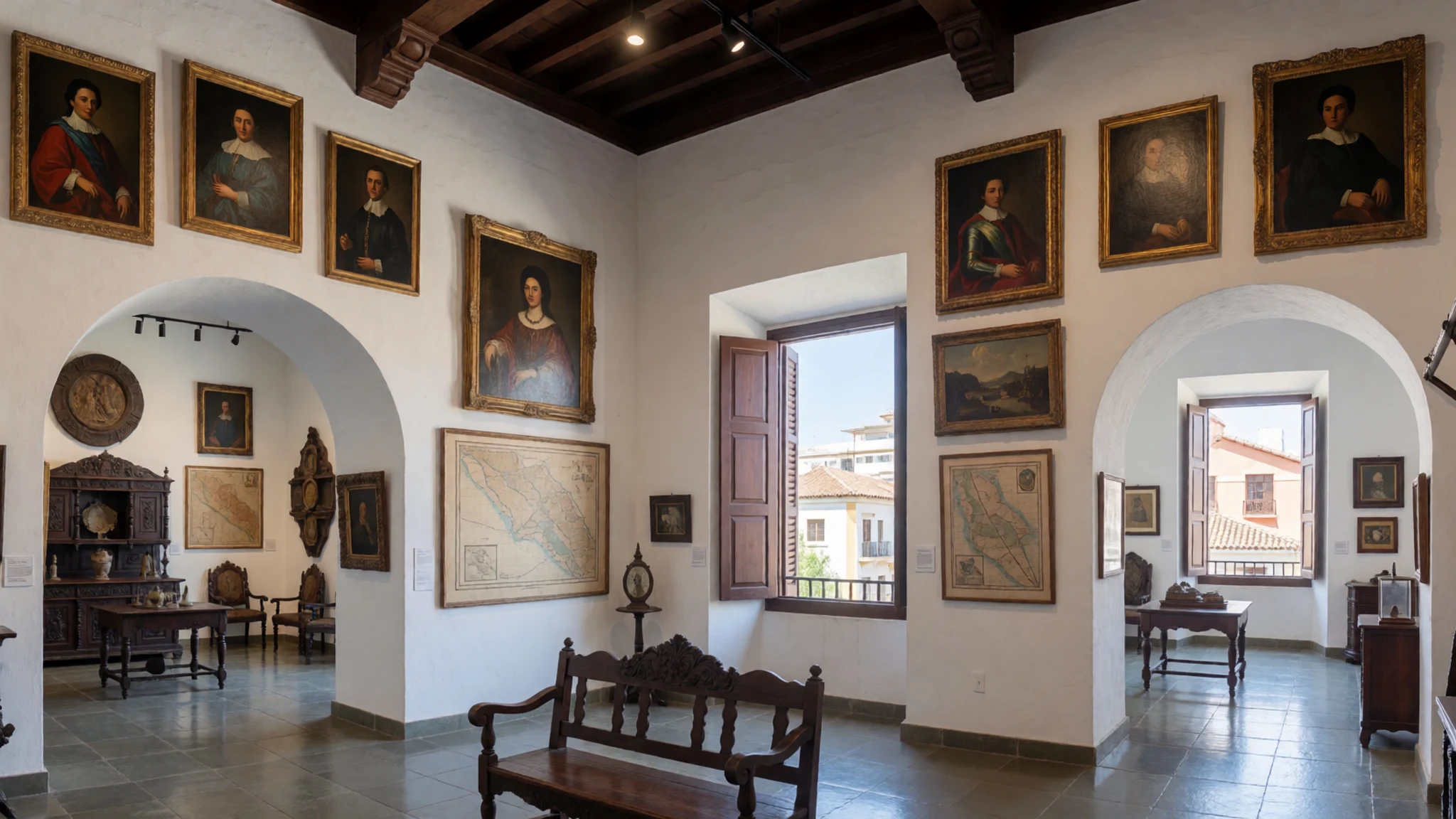
- Iglesia de San Miguel Arcángel — Northern sector
Constructed in 1785, this structure represents the second oldest church in Tlacotalpan. Its understated architectural design reflects traditional colonial building methods adapted to the humid river climate. The church provides a peaceful space for quiet reflection away from the busier plaza areas.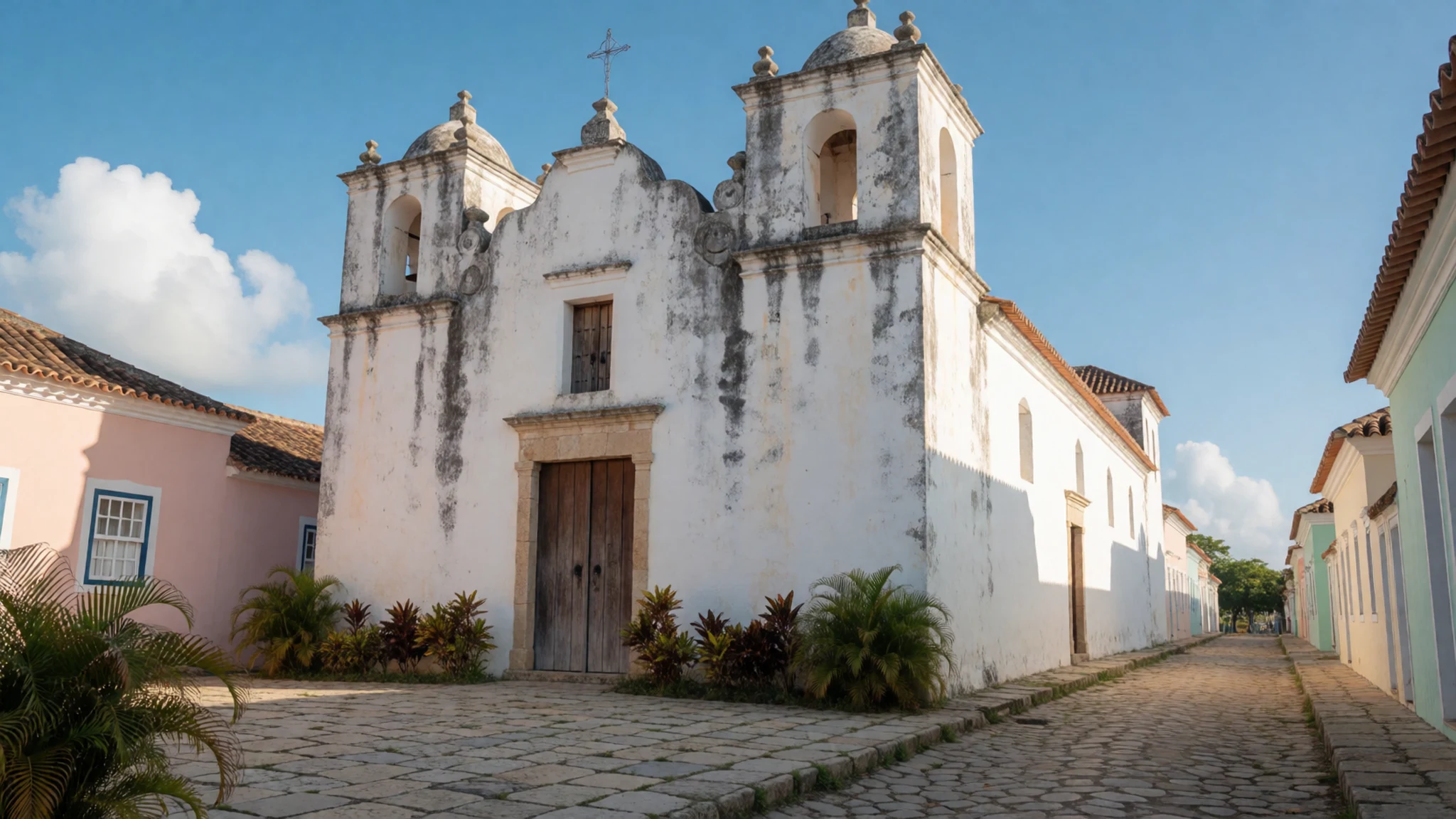
Culture
Tlacotalpan pulses with the rhythms of Son Jarocho, a vibrant folk music genre defined by zapateado footwork, strumming jaranas, and poetic verse echoing through street corners and plaza gazebos. The community maintains a deep cultural identity tied to its river heritage and Catholic traditions, most notably during the grand feast of Our Lady of Candlemas when pilgrims flood the streets. Daily life moves at a relaxed, humid pace, with neighbours gathering on shaded porches under red-tiled roofs during the heat of the afternoon. Visitors are welcomed with warmth, though locals appreciate polite Spanish greetings and a respectful demeanour when exploring religious sanctuaries. Photography of local residents should always be approached with courtesy and verbal permission. Always dress modestly when entering churches and historic religious sites.
What to wear
Traditional attire in Tlacotalpan reflects its coastal Veracruz heritage, heavily influenced by Spanish and Caribbean aesthetics. Women traditionally wear the elaboratejarocha dress, consisting of a pristine white lace-trimmed cotton skirt and blouse, accompanied by a black silk apron decorated with hand-embroidered floral motifs, a delicate shawl known as a rebozo, and fresh flowers woven into braided hair. Men typically don traditional guayabera shirts paired with white trousers and straw hats, designed for comfort in humid weather. Today, everyday wear among residents is casual and practical due to the warm climate, consisting of lightweight cotton garments, shorts, and sandals. Visitors should pack breathable linen or cotton clothing, comfortable walking shoes for uneven cobblestone streets, a wide-brimmed hat, and light rain protection if travelling during the damper months. Modest attire, including covered shoulders and knees, is recommended when visiting churches or attending local civic ceremonies.
What to eat
- Veracruzana Seafood — El Mirador, near the riverfront
Fresh catches from the river and the nearby Gulf coast are prepared with local herbs, tomatoes, olives, and capers in classic Veracruz style. Enjoy these dishes at casual riverfront eateries while watching boats drift along the water.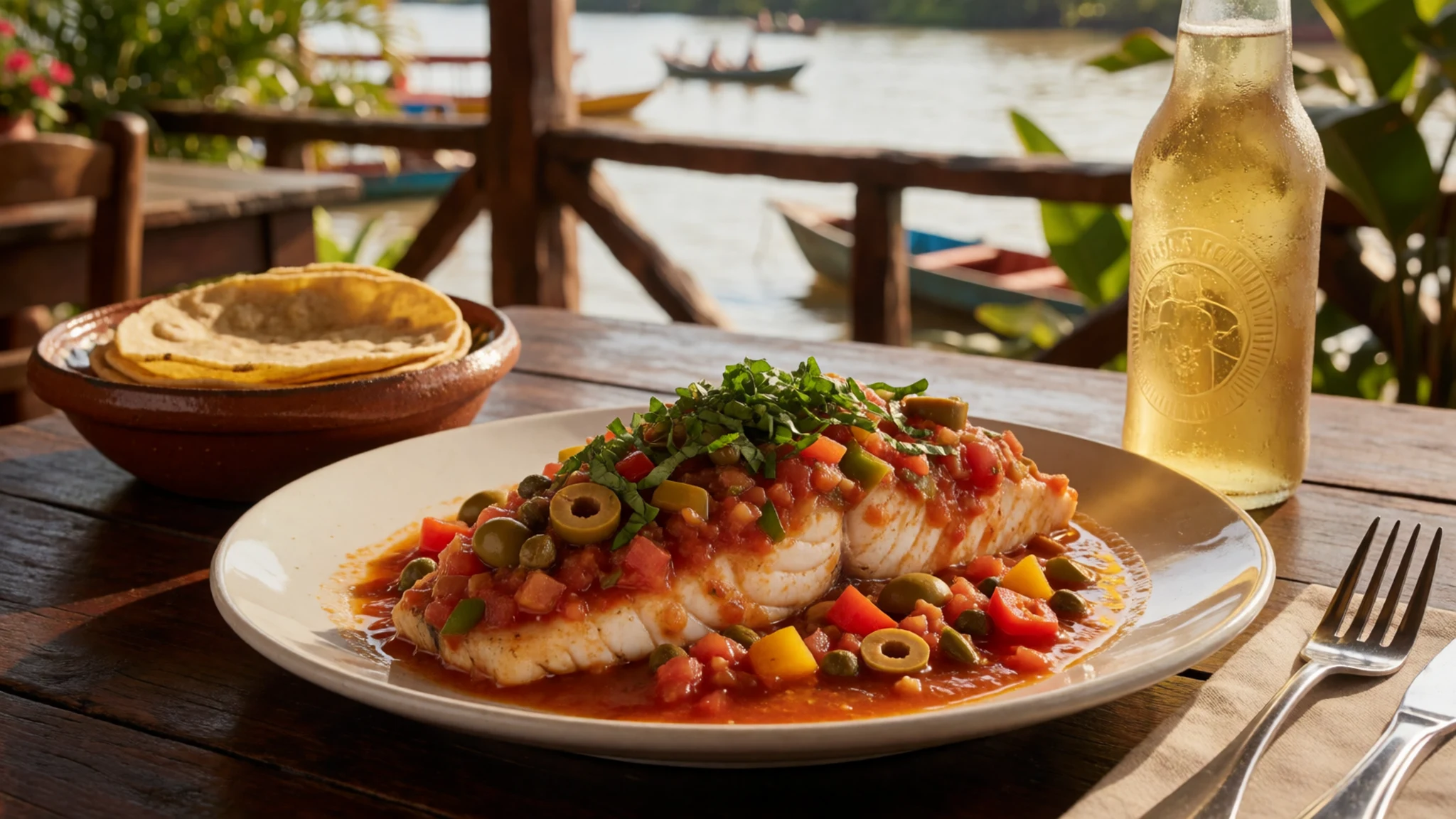
- Anise-Flavoured Gorditas — MariCarmen, downtown restaurant
Thick corn cakes infused with a distinct anise flavour, offering a savoury and aromatic bite unique to regional Veracruzana cooking. Sample them at popular local family-run dining spots in the town centre.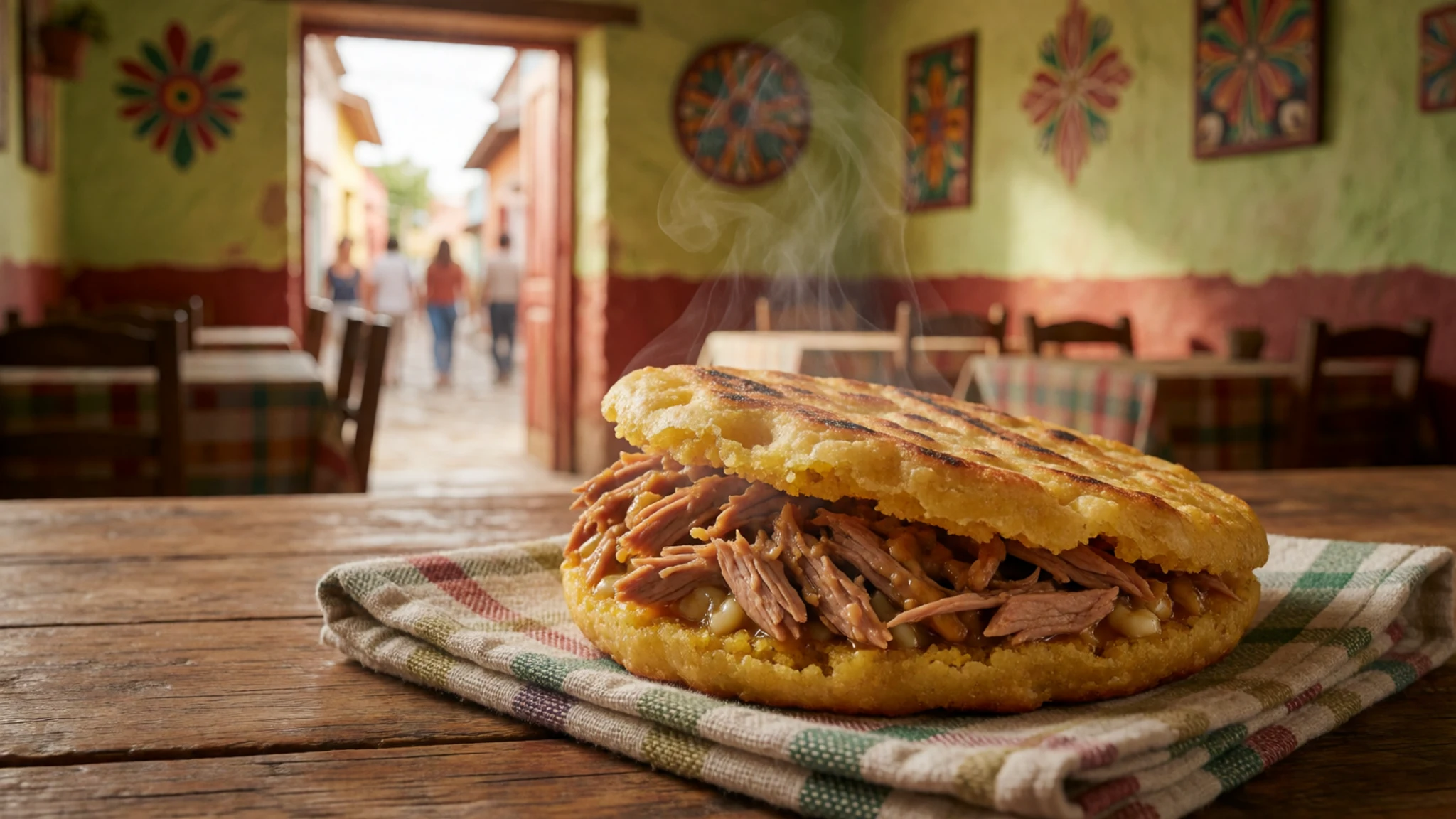
- Local River Fish Platters — Restaurante Tlalcotalpan, waterfront dining
Prepared simply and fried or grilled with garlic and lime, showcasing the daily catch hauled directly from the Papaloapan River. Perfect when paired with cold beer at open-air tables overlooking the docks. - Veracruz Coastal Snacks — Around Plaza Tlacotalpan and local markets
Simple street foods and light regional bites prepared by local vendors around the central plaza, offering a taste of traditional Sotavento culinary heritage.
Plan it
Best time. March to April or October to November offer pleasant weather away from the heaviest seasonal humidity and rainfall.
How long. 2–3
Getting there. Rent a car in Veracruz and drive south along MEX 180, turning onto MEX 175. Alternatively, take a regional TRV bus from Veracruz bus station.
Budget. low
Tips
- Carry cash for second-class buses and smaller market stalls
- Start morning walks before the midday heat peaks
- Book accommodation well in advance if visiting during the Candlemas festival
- Keep bottled water handy during outdoor walks
Etiquette
- Ask permission before photographing local residents
- Dress respectfully with covered shoulders when visiting churches
- Greet shopkeepers and locals politely in Spanish
Nearby
Sources
- Wikidata Q903792 (CC0)
- Wikipedia (rev 1376970846) (CC BY-SA 4.0)
- Wikivoyage (rev 5357272) (CC BY-SA 4.0)
- Photo photos/01-tlacotalpan-veracruz-panoramio.jpg (CC BY 3.0)
- Photo photos/02-tlacotalpan-desde-el-rio-papaloapan.jpg (CC BY-SA 4.0)
- Photo photos/03-laramuseumtlacotalpan02.jpg (CC BY 3.0)
- Photo photos/04-flooding2010tlacotalpan-02.jpg (CC BY 3.0)
- Photo photos/05-salvadorferrandomuseum22.jpg (CC BY 3.0)
- Photo photos/06-worldheritagesitetlacotalpan.jpg (CC BY 3.0)
- Photo photos/07-architectural-detail-tlacotalpan-veracruz-mexico-01-15881830.jpg (CC BY-SA 2.0)
- Photo photos/08-architectural-detail-tlacotalpan-veracruz-mexico-02-15880151.jpg (CC BY-SA 2.0)


