Tioman Island
Tioman Island, Malaysia
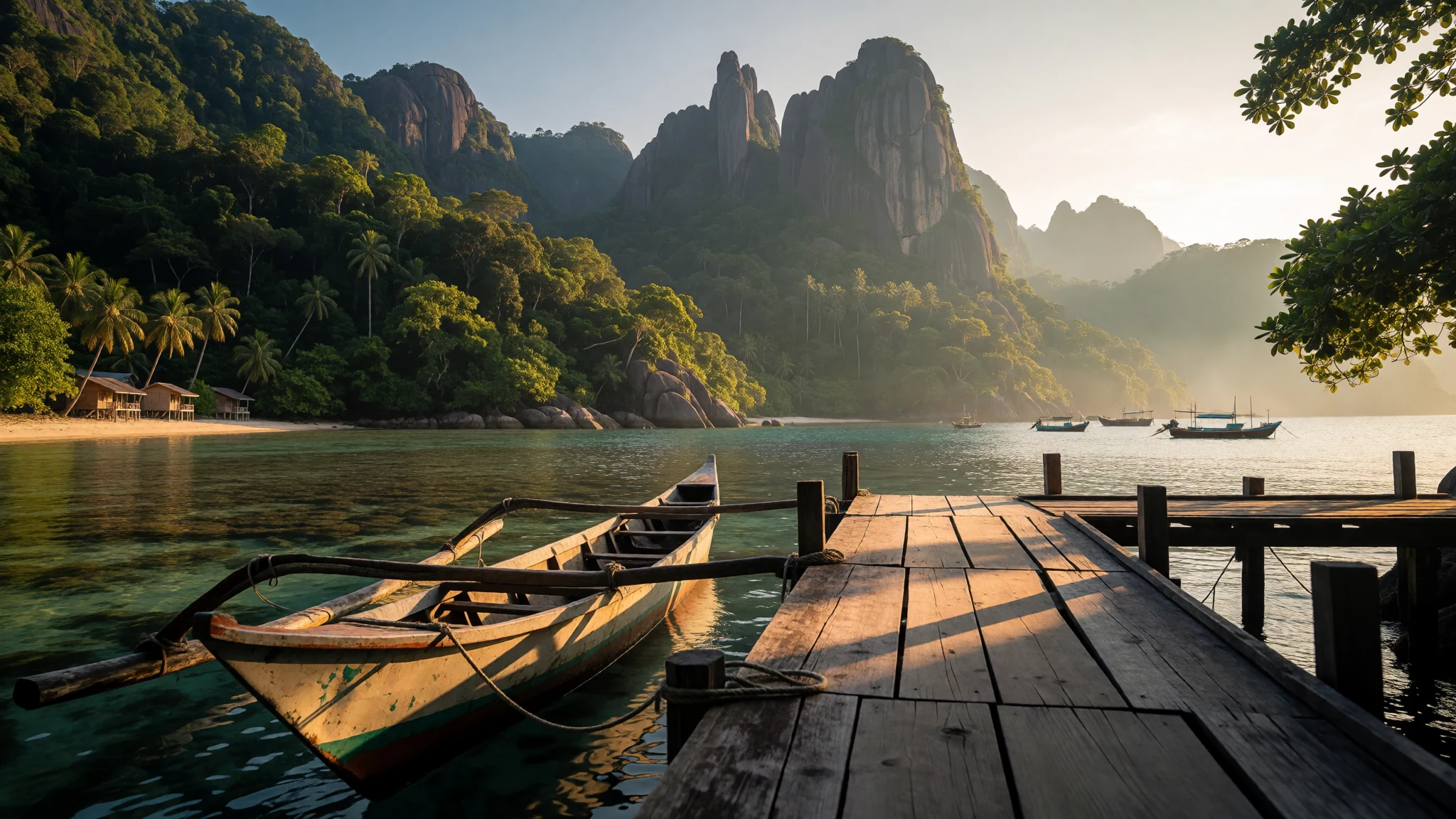
Rugged jungle peaks drop straight into coral-fringed waters on an island once cast as Hollywood's South Pacific.
The place
Tioman Island rises from the sea off the east coast of Peninsular Malaysia, a densely forested mass of sharp ridges and hidden waterfalls. The island is draped in ancient rainforest that climbs towards steep granite peaks, creating a dramatic backdrop for the quiet bays scattered along the coast. Seven small villages occupy the fringes of the island, with Kampung Tekek standing out as the largest settlement on the central western shore. Around these communities, fringing coral reefs shelter a wealth of marine life, drawing divers and snorkellers to clear blue waters.
Development here has a patchwork feel. While resorts, chalets, and dive operations cater to travellers looking for an easy escape, infrastructural projects and the island's duty-free status bring a steady commercial pulse. Refuse management remains a persistent challenge for the local community, with waste transport to the mainland sometimes supplemented by informal methods. Yet beyond the busier jetties and beaches, much of the interior remains undisturbed jungle. Narrow footpaths cut through the thick undergrowth, linking isolated bays and abandoned shores where the sound of the surf drowns out the rest of the world. It is a place of contrasts, where wild nature rubs shoulders with tourism, and where every cove feels like a distinct world separated from the next by sheer headlands.
Its story
For centuries, Tioman Island served as a vital maritime crossroads in Southeast Asian waters. Austronesian fishermen relied on its sheltered bays and freshwater streams long before written histories recorded their voyages. Over the past thousand years, Chinese, Arab, and European trading vessels dropped anchor here while navigating the busy sea lanes toward Champa and beyond. Today, beachcombers still occasionally stumble upon fragments of ancient Chinese porcelain half-buried in the sand, left behind by traders who waited out the monsoon winds or replenished their water casks.
In more recent times, the island witnessed the fierce theatres of the Second World War. Both British and Japanese navies operated in these waters, leaving behind significant wrecks on the seabed, including historical warships that now draw technical divers to the deep blue. The twentieth century also brought Hollywood glamour when the island's shores doubled as the mythical island of Bali Hai in a mid-century cinematic production. Local regulations have since attempted to preserve the island's low-rise character, capping buildings at modest heights to protect the skyline against unchecked high-rise sprawl as municipal changes loom on the horizon.
What to see
- B&J Dive Center — Air Batang and Salang
Operating full-service dive facilities across multiple locations on the island, this experienced crew caters to everyone from absolute beginners to technical divers. They handle nitrox, trimix, and specialized expeditions to deep offshore wrecks with professional ease.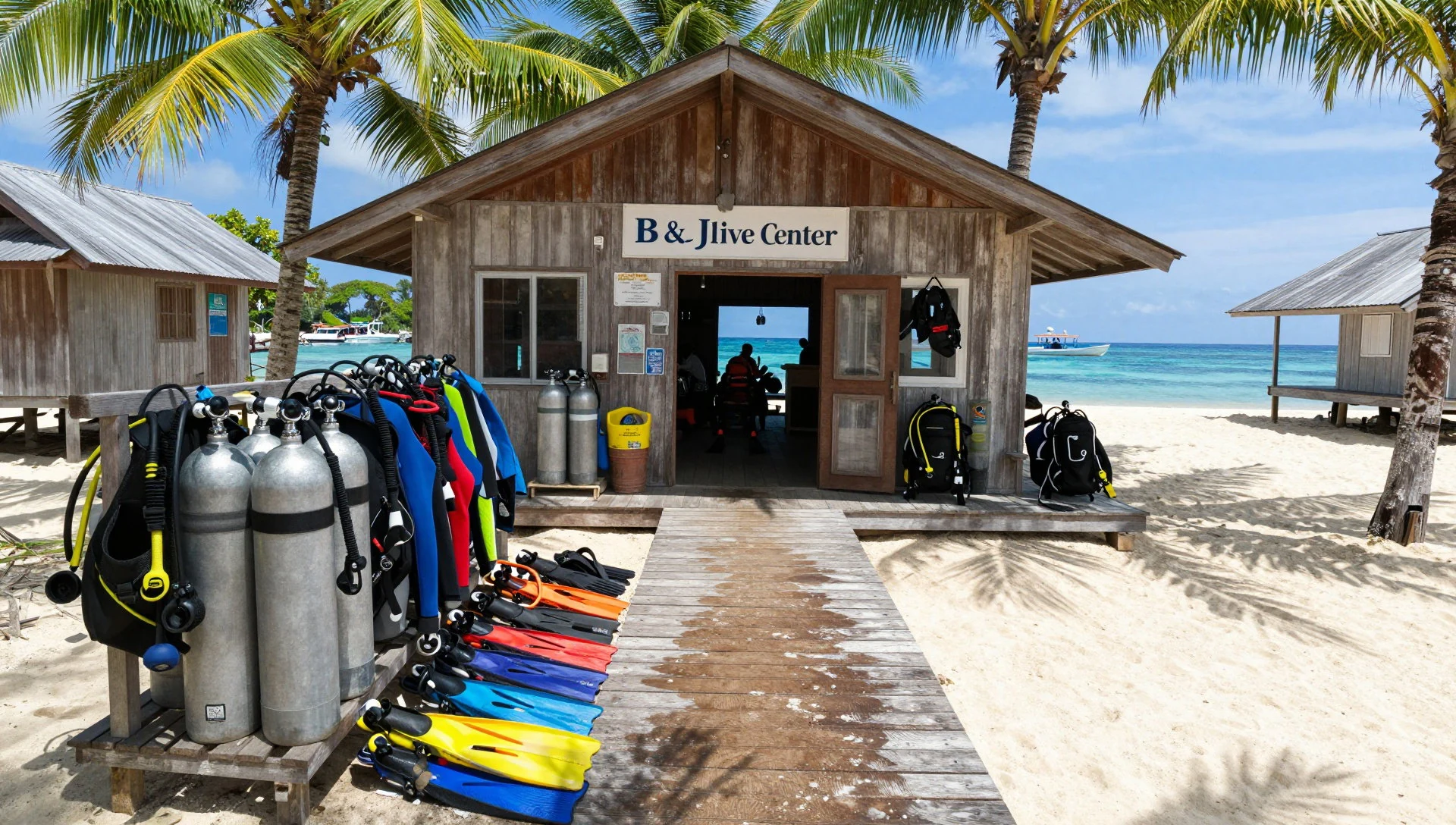
- Tekek–Juara Jungle Trek — Tekek
A demanding hiking route cuts right across the spine of the island from the central western coast to the eastern shore. Starting near the village power station, the trail climbs steeply through dense rainforest canopy before descending to the quieter beaches of Juara.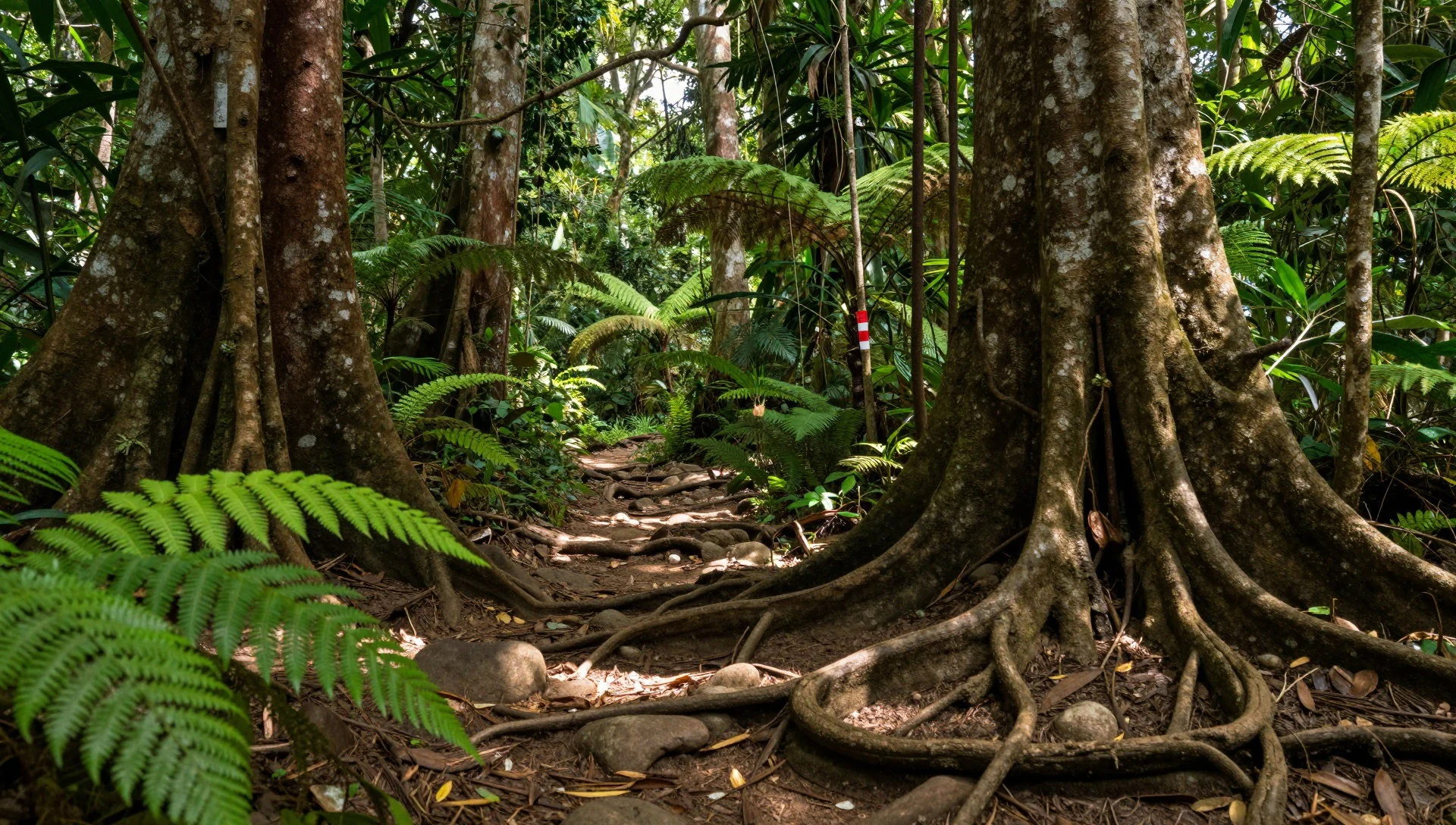
- Juara Turtle Project — Juara Beach
Dedicated conservationists run this privately funded sanctuary on the east coast, focusing on sea turtle protection, habitat preservation, and sustainable island living. Visitors can join volunteer programs or learn about local marine ecology.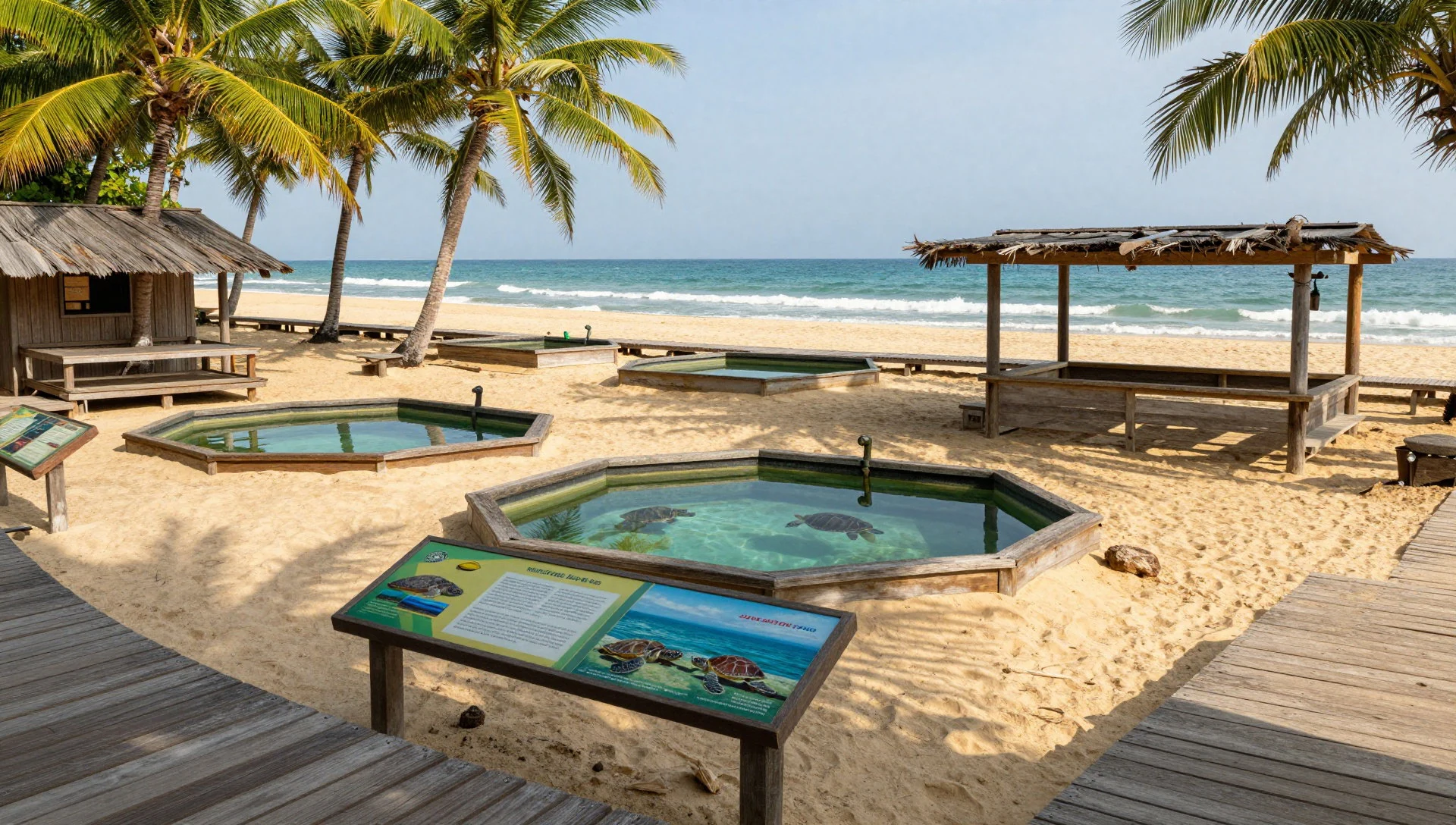
- Waterfall Trail — Southern coast
A short, shaded walk leads from the southern beach past the local turtle breeding facility and up towards a cascading jungle waterfall. The marked path takes about half an hour to complete, winding through ferns and boulders.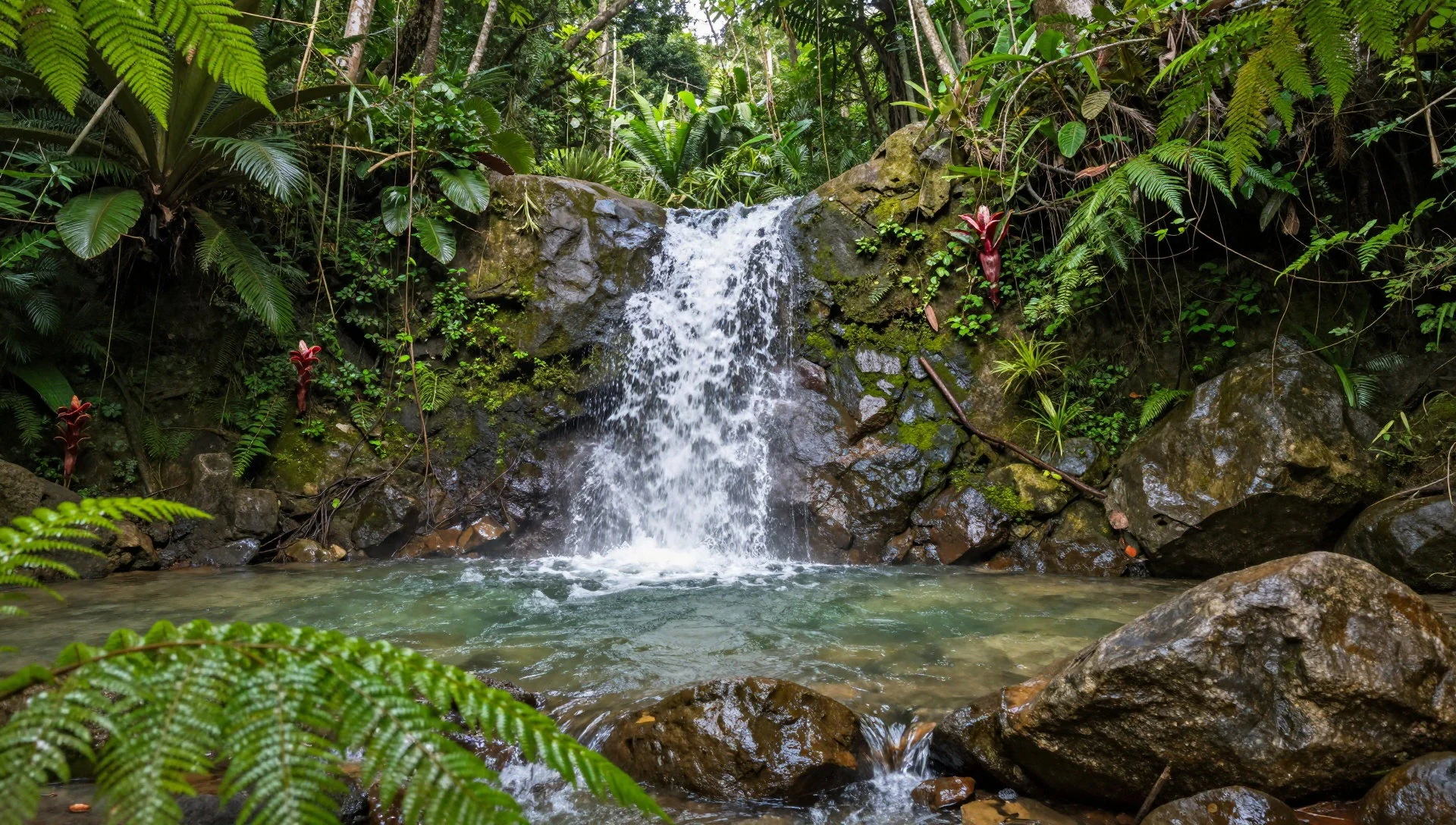
- Beach Shack Surf — Juara Beach
One of the longest-standing surf spots on the island faces the rolling waves of Juara beach. Travellers can rent boards by the hour or book lessons with instructors who know the local break inside out.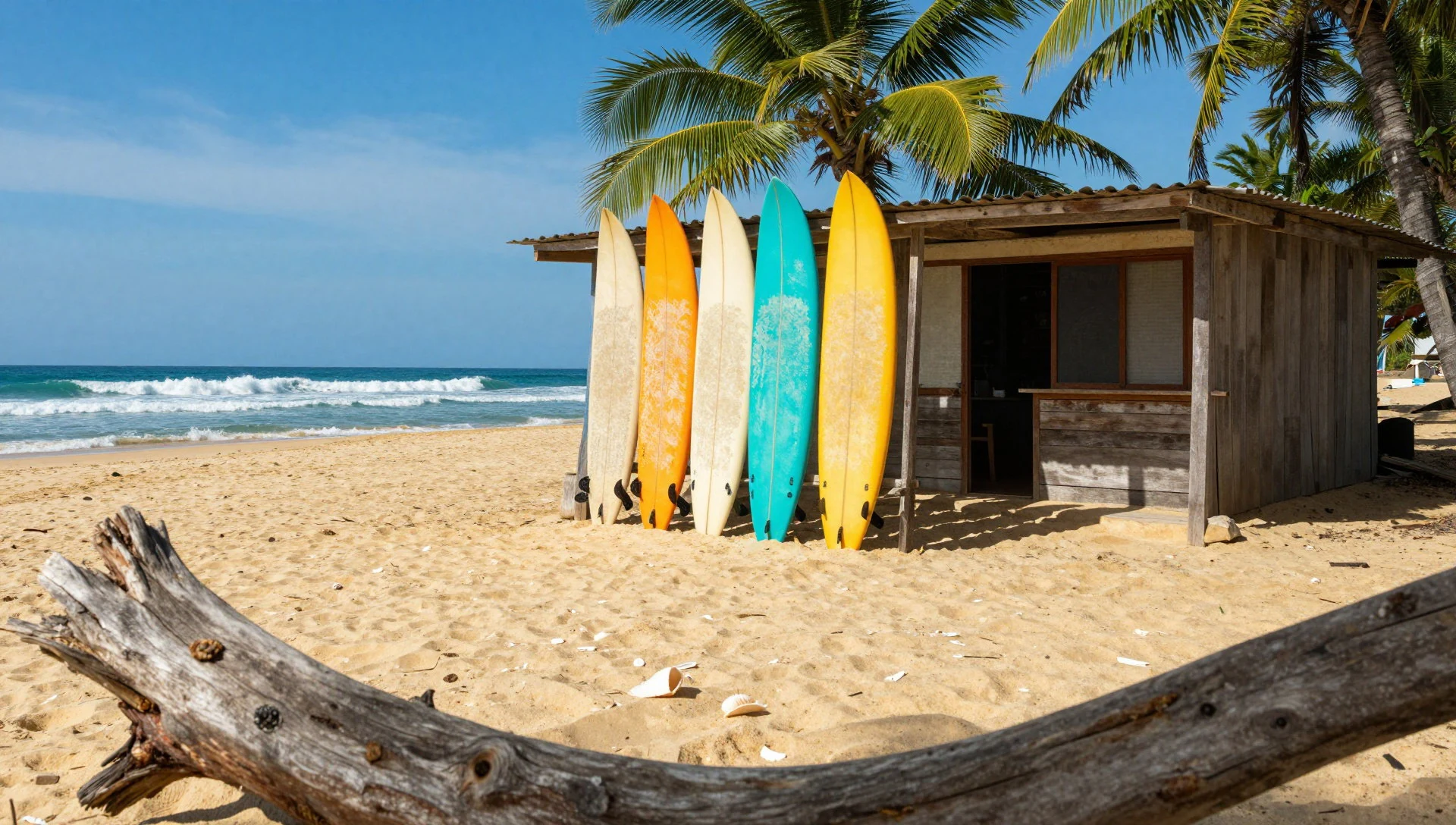
Culture
Life on Tioman moves to the unhurried rhythm of a traditional coastal community shaped by Malay heritage and maritime trade. Islam is the primary faith, and the daily call to prayer echoes softly across the villages from local mosques. Fishing and boat-handling traditions remain deeply rooted among older residents, though tourism now plays a central role in everyday island commerce. Visitors will find locals warm, welcoming, and ready to share stories of the sea over a hot drink, provided social norms are respected. Dress modestly away from the beach, covering shoulders and knees when walking through villages or visiting local shops. Always remove your shoes before stepping inside someone's home or a sacred space. Remove your footwear before entering any village home or religious building.
What to wear
Traditional attire across coastal Pahang reflects practical tropical living, historically featuring light cotton fabrics, loose tunics such as the baju kurung for formal occasions, and sarongs wrapped around the waist for ease in the humid climate. Artisanal textiles often incorporate subtle geometric weaves and batik prints inspired by local flora and marine motifs.
Today, everyday dress on the island is casual and functional. Residents wear modern streetwear, t-shirts, and light trousers, blending contemporary Malaysian styles with beach-ready practicality. For travellers, the wardrobe should balance comfort under a hot sun with respect for local cultural norms. Swimwear, bikinis, and revealing beach attire belong strictly on the sand and at the resort pool; when heading into the villages, local shops, or dining spots, throw on a lightweight shirt or sarong over your swimwear to keep shoulders and knees covered.
What to eat
- Roti Canai — ABC village eateries
Flaky, pan-fried flatbread served with a side of savoury dhal or curry sauce, perfect for a quick breakfast or a late-night bite.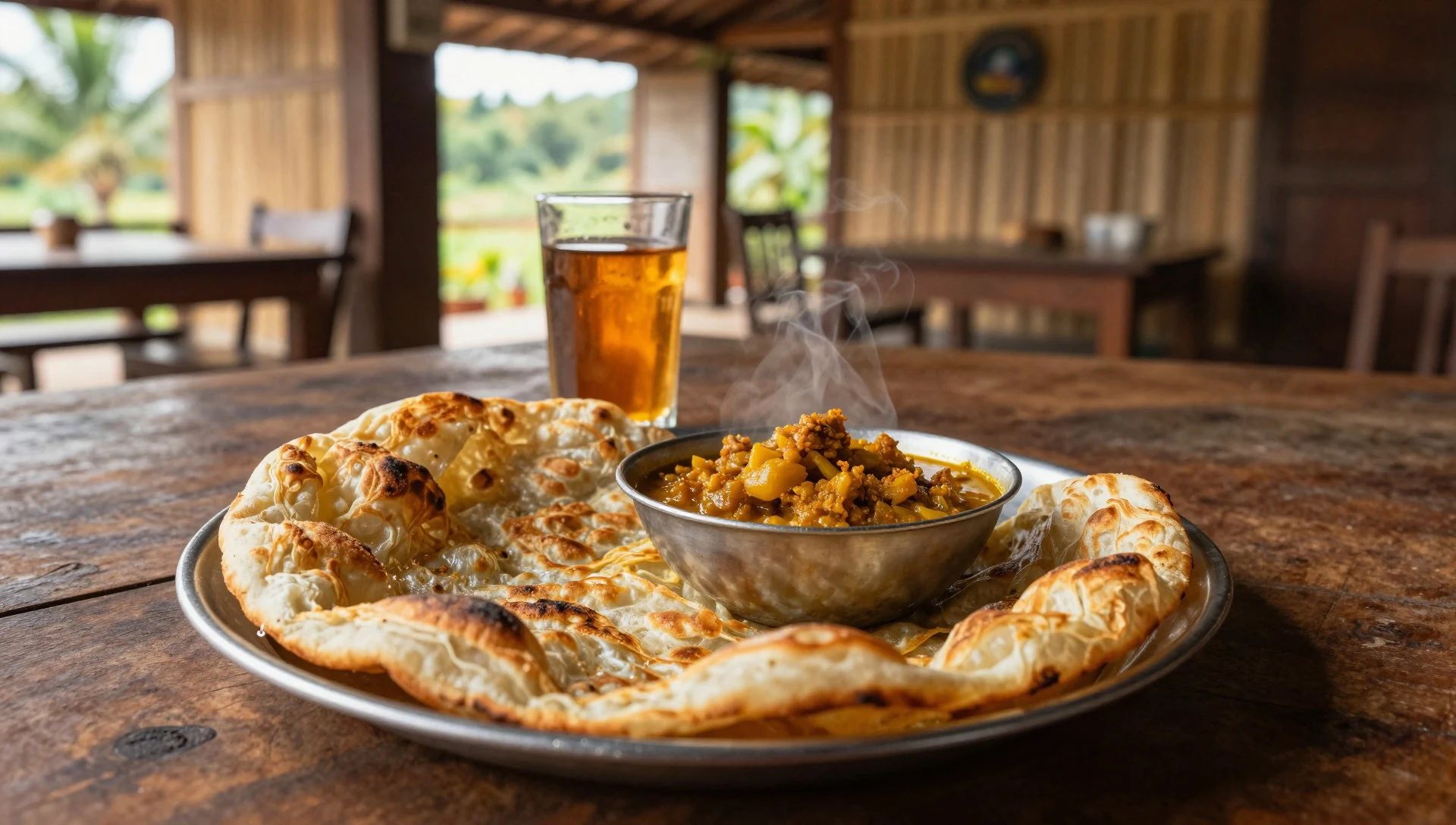
- Arini's Family Restaurant — Air Batang beach
A small, owner-run spot on the beach serving an eclectic mix of home-cooked Malayan dishes and comfort food favourites.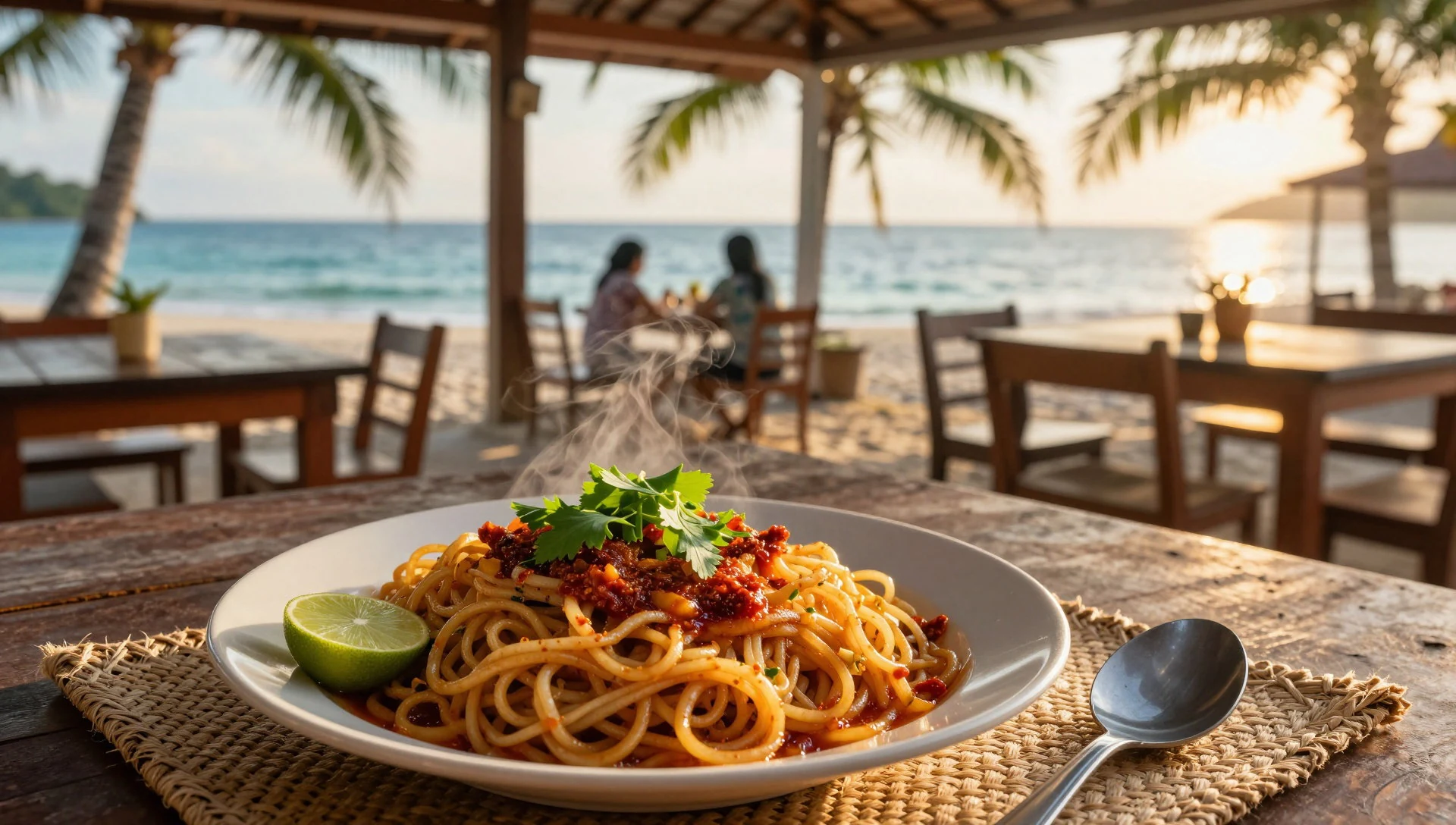
- Aqiss Bistro — Air Batang waterfront
A relaxed seaside dining spot offering fusion dishes, burgers, and hearty plates where you can enjoy the sound of the waves. - Ketapang Roof — Air Batang village
A quiet hangout space known for fresh baguette sandwiches, cold drinks, and a laid-back atmosphere for reading or playing board games.
Plan it
Best time. March to April and October to November offer the calmest seas and best diving conditions, avoiding the rough monsoon swells.
How long. 3–4
Getting there. Take a ferry from Mersing or Tanjung Gemok on the mainland directly to one of the island's village jetties.
Budget. mid
Tips
- Book ferry tickets online in advance during peak holiday periods
- Avoid the final ferry of the day to steer clear of overcrowded vessels
- Carry sufficient cash, as island ATMs can be unreliable
- Drink bottled water and protect yourself against strong sun and mosquitoes
Etiquette
- Cover shoulders and knees when walking through village areas
- Remove your shoes before entering homes or local establishments
Nearby
Sources
- Wikidata Q771765 (CC0)
- Wikipedia (CC BY-SA 4.0)
- Wikivoyage (CC BY-SA 4.0)