Tikal
Tikal, Guatemala
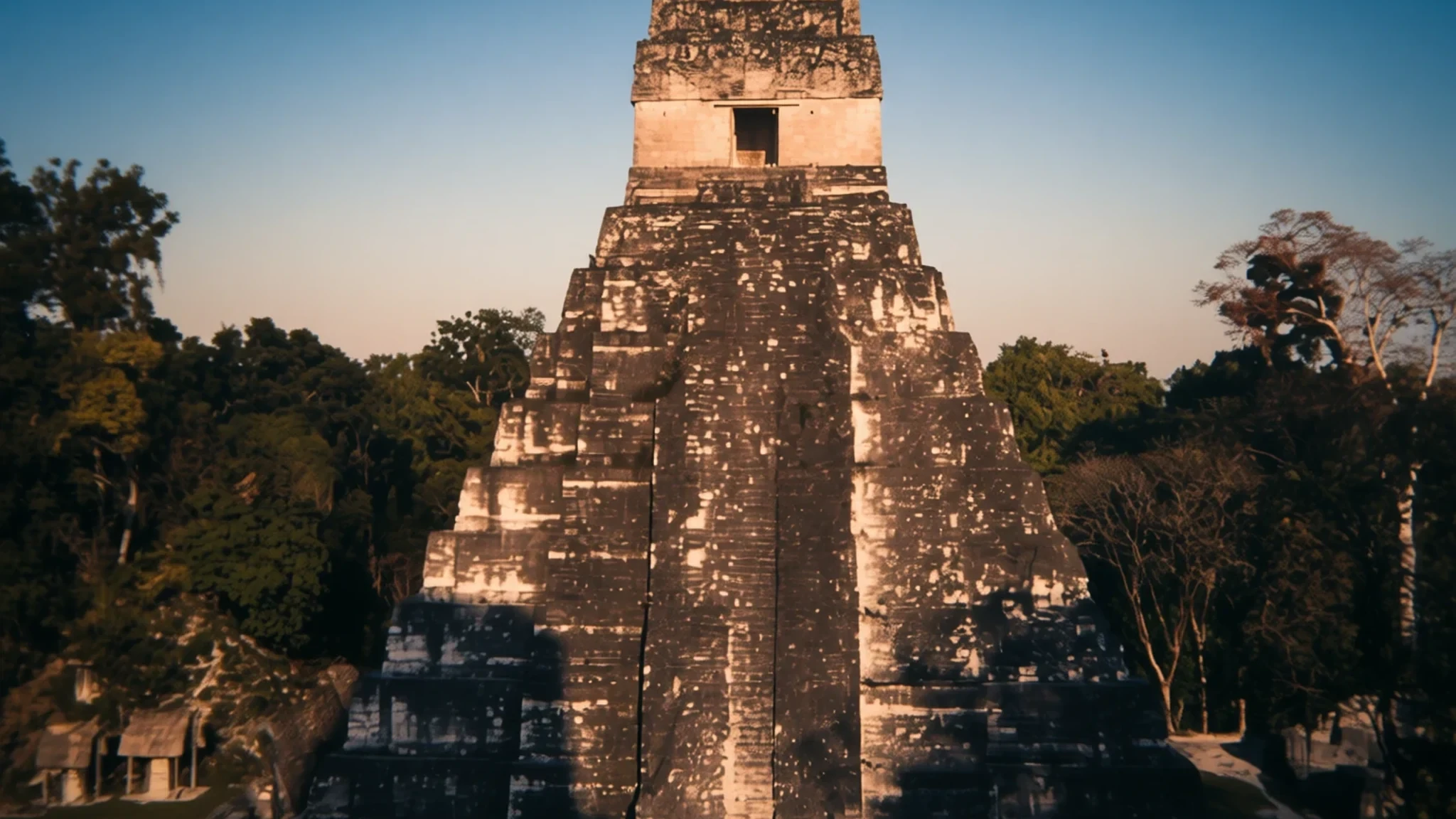
Tikal offers the extraordinary experience of exploring towering Maya pyramids hidden deep within a living Guatemalan rainforest.
The place
Tikal, known in modern Mayan orthography as Tik'al, is an ancient city nestled deep inside a lush northern rainforest in Guatemala. Set within the Petén Basin of the Petén Department, the ruins form the heart of a vast national park that protects extensive tropical forests, wetlands, and savannas. As one of the largest pre-Columbian urban centres of the Maya civilisation, the site shelters colossal limestone temples and royal palaces that pierce right through the dense jungle canopy. Howler monkeys swing through the branches above, and toucans call across plazas that once hummed with imperial power. Today, travellers arrive to walk shaded dirt tracks between moss-covered mounds and soaring pyramids that have stood sentinel for centuries. The surrounding wilderness creates an immersive atmosphere where archaeology and untamed nature merge completely, offering visitors a profound sense of isolation and ancient majesty far from modern urban sprawl.
Its story
Tikal served as the capital of a formidable state, rising to become one of the most dominant kingdoms in the ancient Maya world. While monumental building efforts began centuries earlier, the city reached its golden age during the Classic Period. During these centuries, the urban centre exerted massive political, economic, and military influence across the wider region, maintaining complex diplomatic and martial ties with distant Mesoamerican metropolises like Teotihuacan. Archaeological records indicate that foreign conquerors from that distant valley even established a new ruling dynasty here in the fourth century. Following the conclusion of the Late Classic era, construction abruptly ceased, elite palaces suffered fire damage, and the population dwindled until the grand capital was entirely abandoned by the end of the tenth century. Modern exploration began when nineteenth-century expeditions rediscovered the ruins swallowed by vines, leading eventually to formal protection and decades of painstaking excavation by archaeologists seeking to decode the royal dynastic history carved into stone stelae.
What to see
- Great Plaza — Central archaeological zone
Tikal's Great Plaza serves as the magnificent ceremonial heart of the ancient city, flanked sharply on its eastern and western edges by two of the most famous, towering temple-pyramids ever captured by photographers.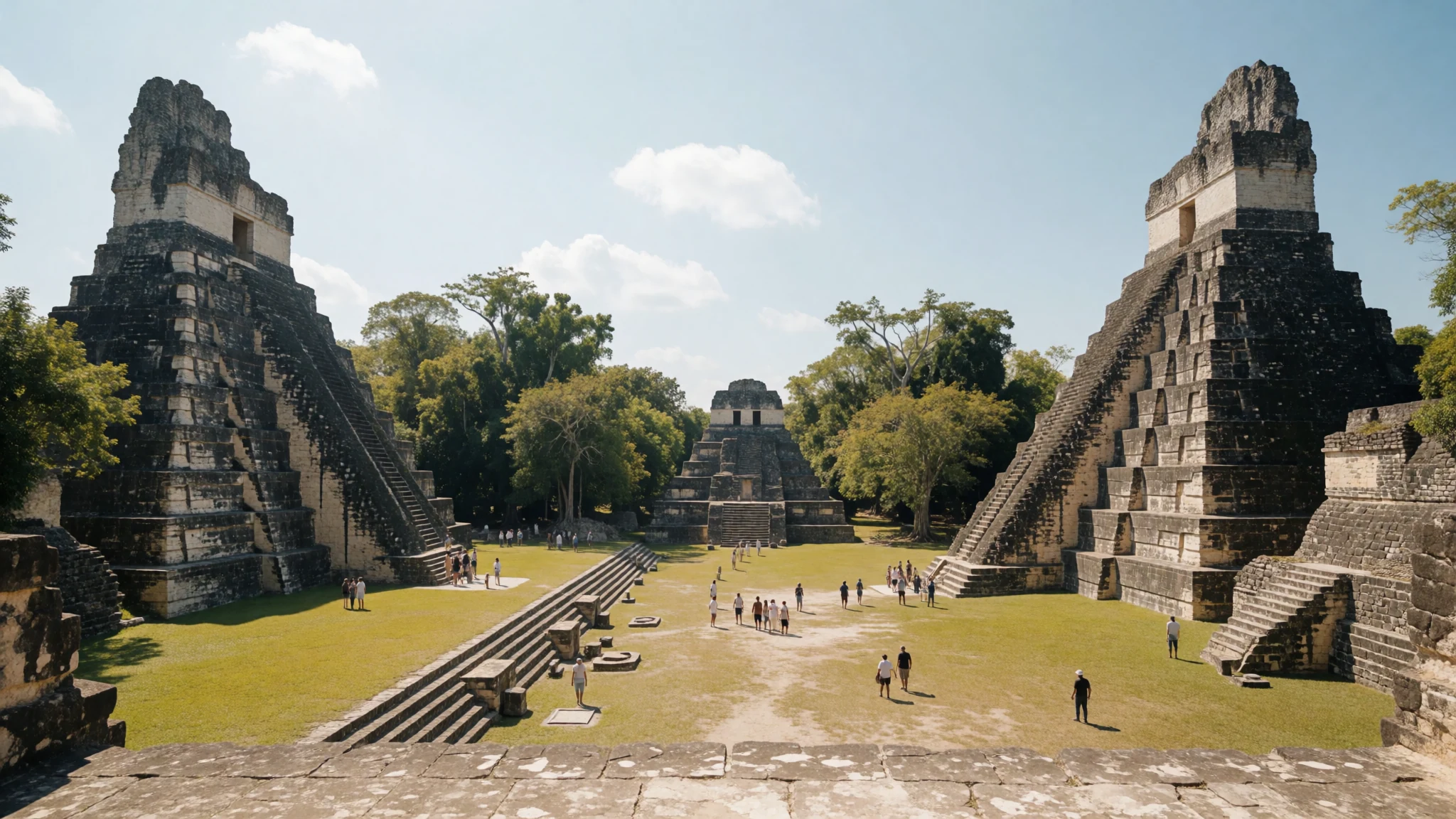
- North Acropolis — Central archaeological zone
The North Acropolis stands as one of the most thoroughly investigated architectural complexes in the entire Maya area, featuring a dense concentration of overlapping shrines, burial platforms, and intricately carved stone monuments accumulated over centuries.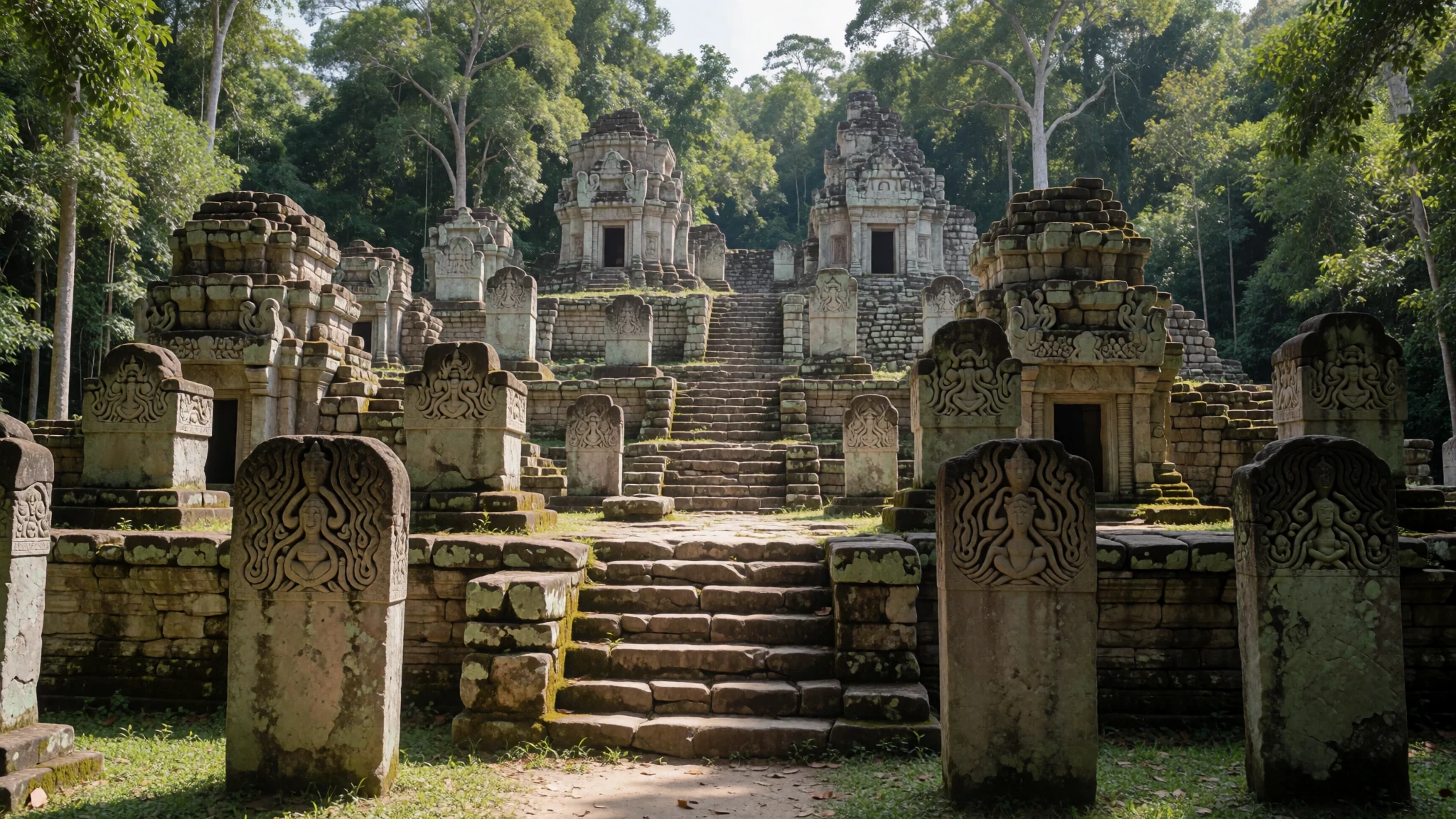
- Central Acropolis — Central archaeological zone
The Central Acropolis consists of a vast, sprawling maze of multi-level palace courtyards, residential rooms, and vaulted chambers built upon an elevated natural hill directly adjacent to the main public plaza.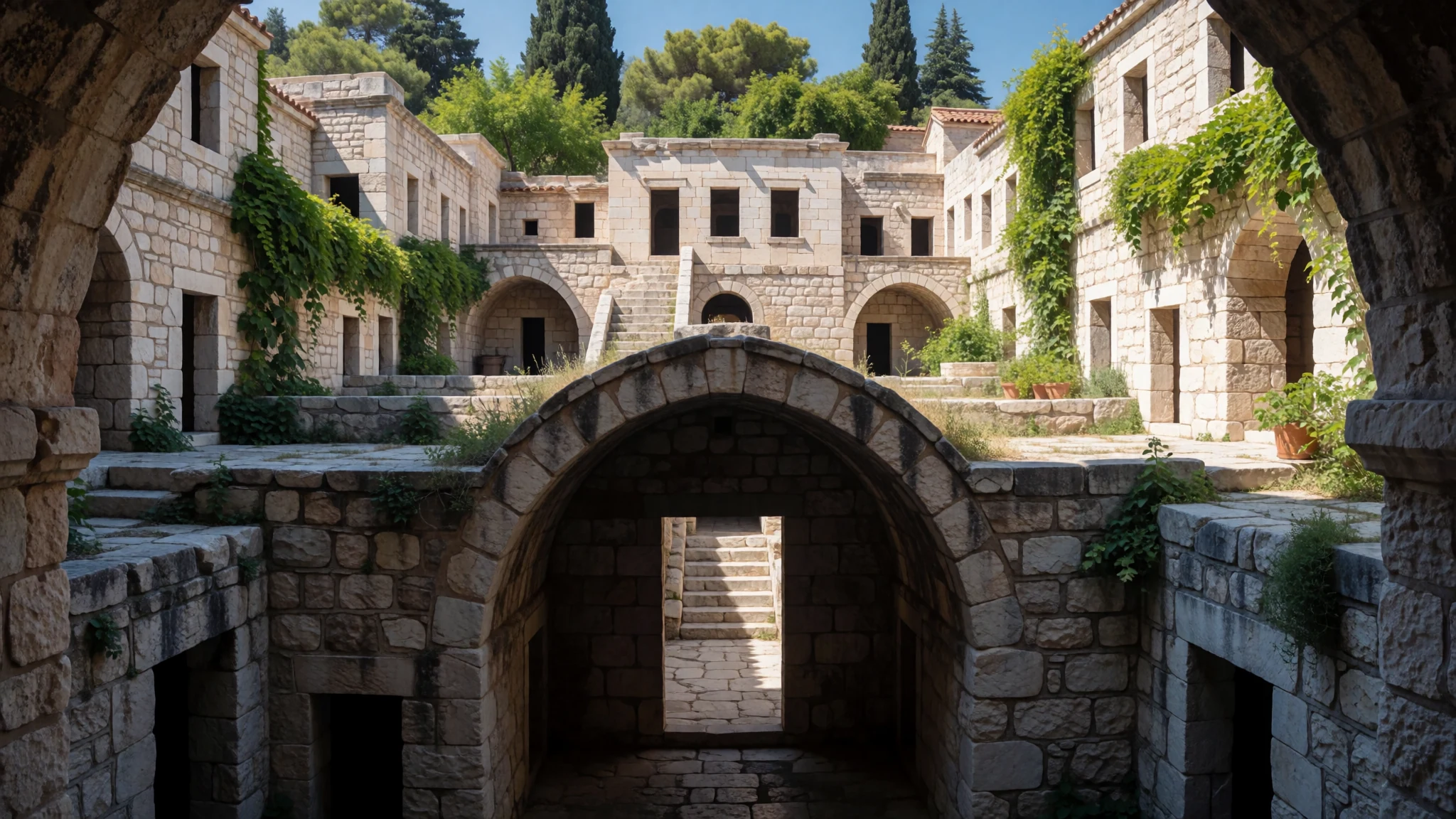
- Mundo Perdido — Southern archaeological complex
Mundo Perdido, or the Lost World, represents the largest ceremonial complex surviving from the Preclassic period at Tikal, anchored by a massive radial pyramid fitted with modern wooden stairs for climbing.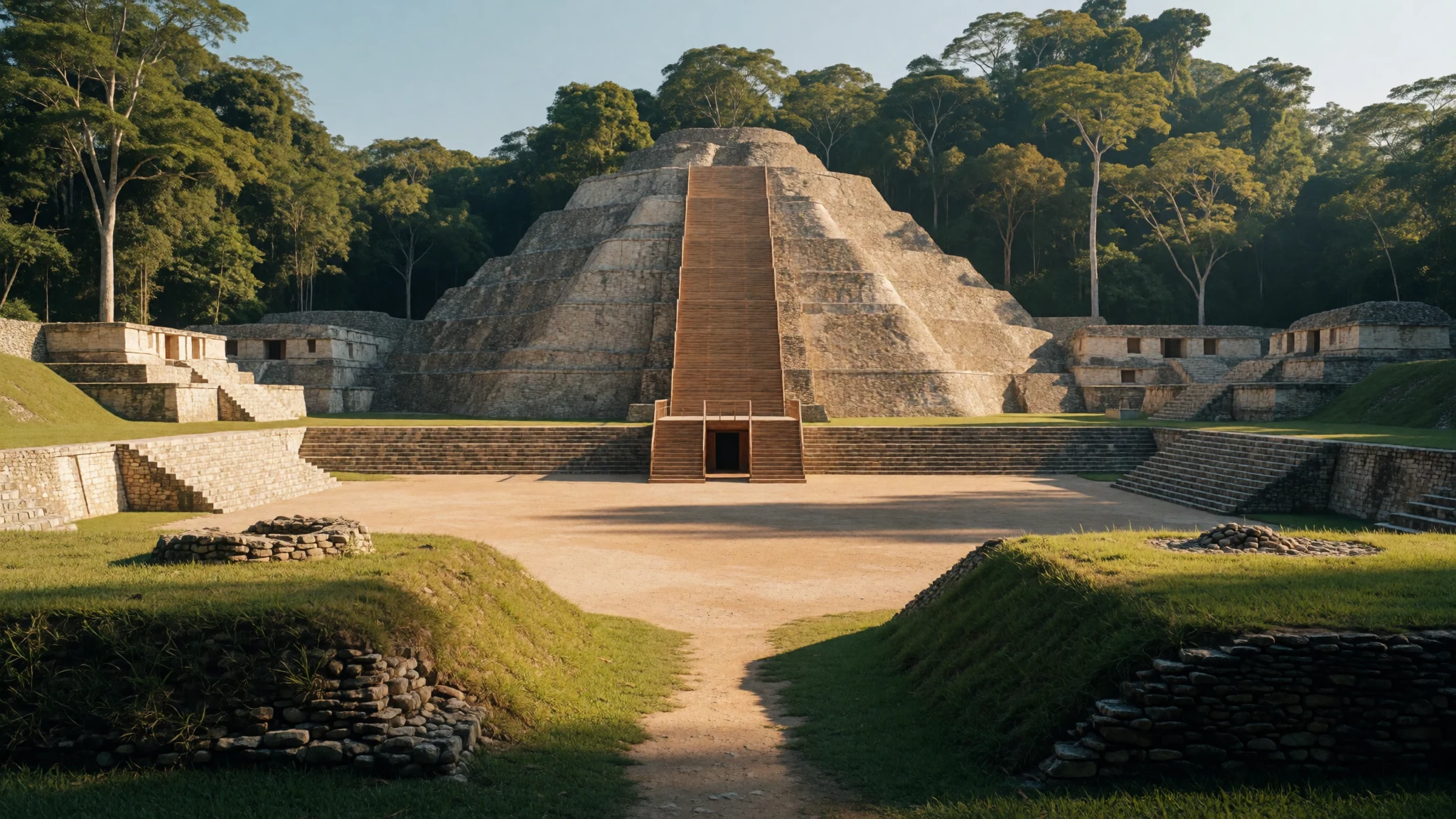
- Temple IV — Western sector of the ruins
Temple IV rises as the tallest pyramidal structure in the entire park, where wooden boardwalk stairs lead visitors to an elevated viewing platform peering out across an endless, emerald ocean of jungle treetops.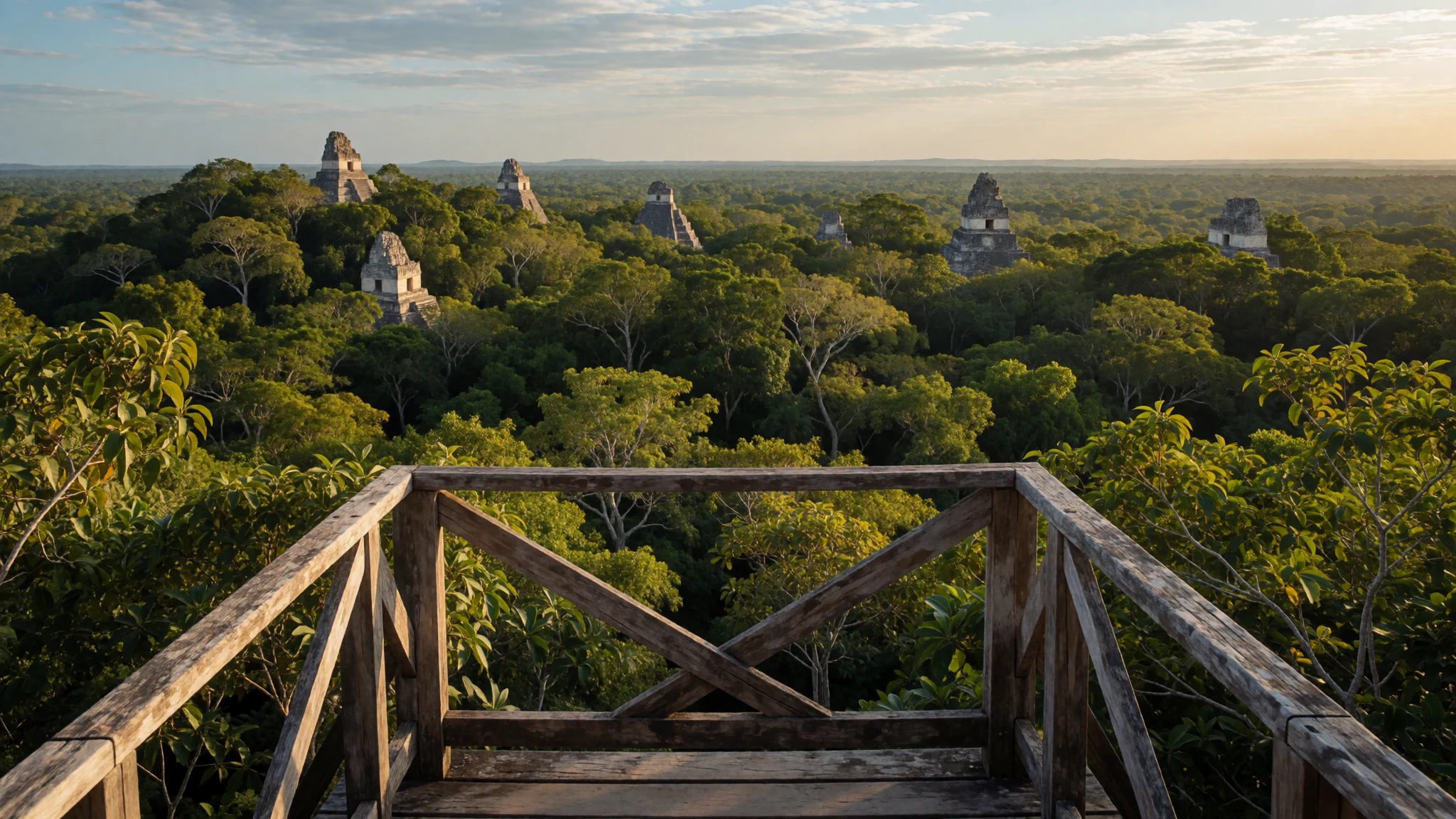
Culture
Tikal is deeply intertwined with the living heritage of the Maya peoples, who maintain spiritual connections to these sacred ancestral lands across Guatemala. Traditional customs in the Petén region blend ancient indigenous cosmology with Catholic practices, visible in community celebrations, local festivals, and traditional textile weaving traditions handed down through generations. Modern locals in nearby towns speak Spanish alongside Mayan languages, preserving a rich oral history that honours the forest and its ancient stone builders. Visitors walking among the towering pyramids should maintain a respectful, quiet demeanor, as these ruins are treated as sacred sanctuaries rather than mere tourist backdrops. Please refrain from climbing on any unapproved ancient structures, touching delicate carved stelae, or leaving any litter behind in the national park.
What to wear
In Tikal and the surrounding Petén region, traditional dress features vibrant, hand-woven textiles created on backstrap looms, with women frequently wearing embroidered blouses known as huipiles and patterned wraparound skirts rich in symbolic geometric motifs. Everyday wear for local residents prioritises practical, lightweight cotton garments suited to the intense tropical heat and humidity of the lowlands. For travellers exploring Tikal, clothing should be breathable, lightweight, and loose-fitting, ideally covering shoulders and knees to protect against both aggressive sun exposure and biting insects. Sturdy walking shoes or lightweight hiking boots with reliable grip are essential for navigating uneven stone steps, exposed tree roots, and muddy forest tracks, while a wide-brimmed hat and polarized sunglasses complete the necessary field outfit.
What to eat
- Comedores Roadside Stalls — Roadside near the park entrance
A row of humble, open-air local eateries positioned right along the road just outside the visitor entrance, offering traditional home-cooked Guatemalan dishes like black beans, handmade tortillas, eggs, and fried plantains.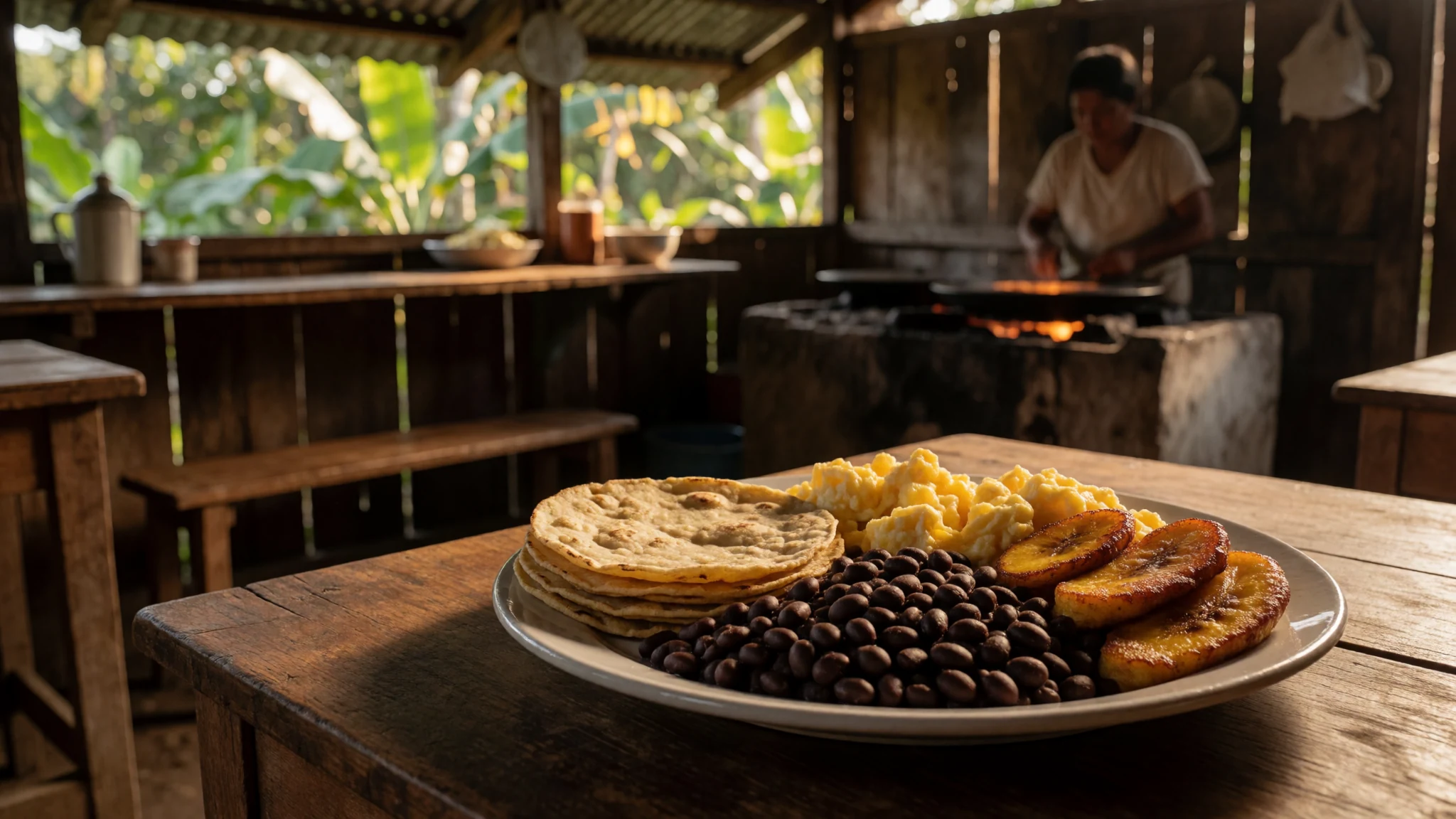
- Hotel Jaguar Restaurant — Hotel Jaguar grounds within the park
A comfortable dining room open to all visitors within the park bounds, serving hearty local meals, fresh fruit juices, and warm coffee in a pleasant jungle setting.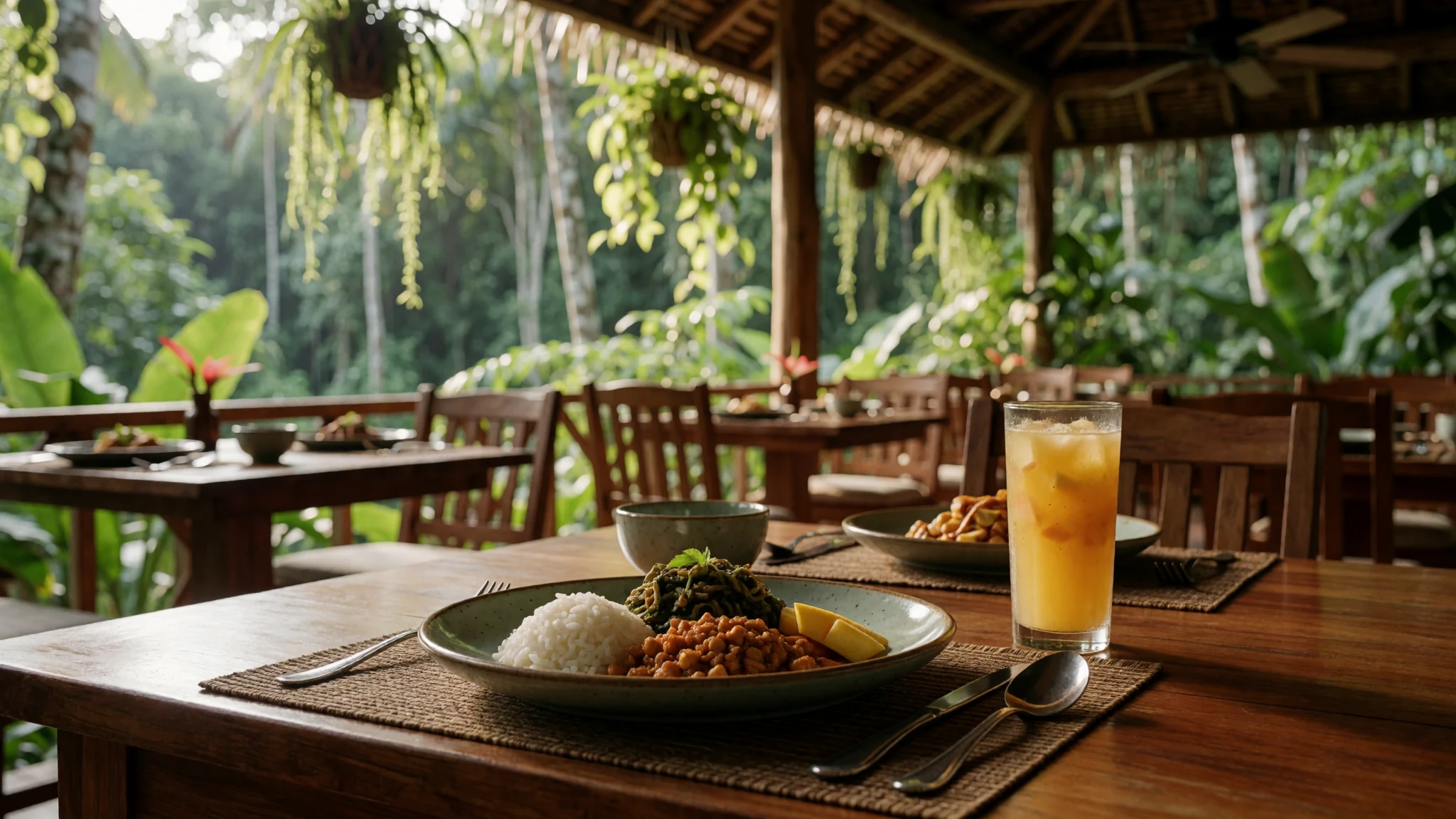
- Visitors' Centre Eatery — Tikal Visitor Centre complex
A convenient cafeteria-style restaurant located near the main arrival plaza, providing quick hot meals, snacks, and cold beverages before or after long jungle walks. - Jungle Lodge Dining Room — Jungle Lodge interior grounds
An established lodge dining room tucked deeper into the forest environment, offering sit-down regional dinners and continental breakfasts for hungry explorers.
Plan it
Best time. February through April brings the driest weather and clearest skies, though temperatures peak in April, whereas the wettest months from June through October bring heavy downpours and humid heat.
How long. 2
Getting there. Fly to Flores, then take a connecting bus, minibus shuttle, or pre-arranged taxi along the well-paved highway directly to the park entrance.
Budget. mid
Tips
- Arrive at the park gates right at opening time to beat the midday heat and heavy tour crowds
- Carry abundant drinking water with you, as dehydration is a severe risk in the humid climate
- Bring plenty of physical cash, as there are no automated teller machines and cards are rarely accepted at park stalls
- Hire a certified local guide at the entrance to fully understand the archaeology and spot wildlife
Etiquette
- Never climb on archaeological structures unless wooden stairs are explicitly provided for designated viewpoints
- Pack out all personal rubbish and plastic waste to preserve the pristine rainforest ecosystem
Nearby
Sources
- Wikidata Q181172 (CC0)
- Wikipedia (CC-BY-SA 4.0)
- Wikivoyage (CC-BY-SA 4.0)