Taxco de Alarcón
Taxco de Alarcón, Mexico
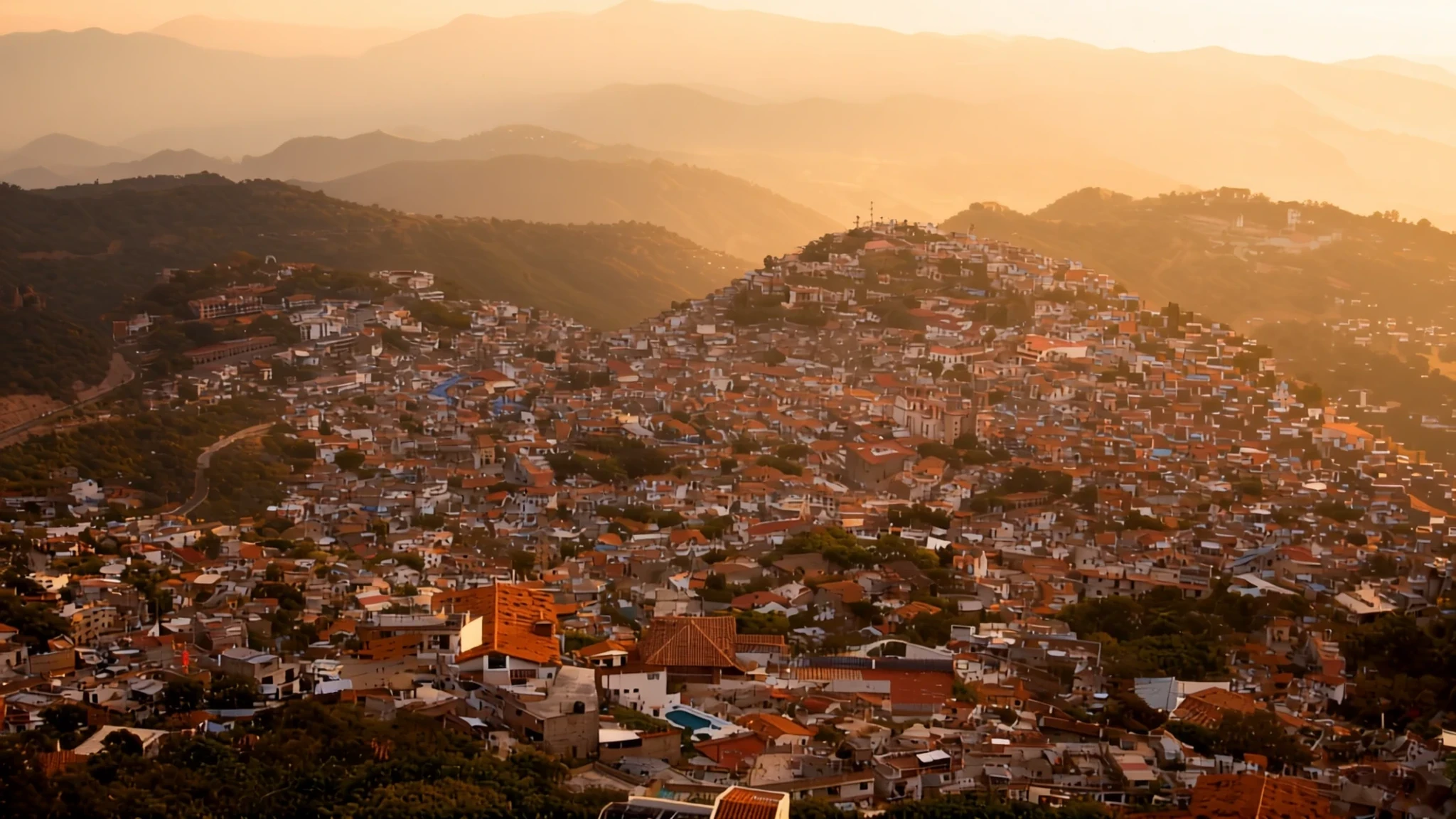
Clinging steeply to a mountain ridge, Taxco de Alarcón offers labyrinthine cobbled lanes, baroque silver architecture and sweeping valley views.
The place
Taxco de Alarcón is a striking hillside municipality nestled in the north-central mountains of the Mexican state of Guerrero. Perched high above the surrounding valleys, this settlement is defined by steep, winding lanes paved in cobbles, steep staircases instead of conventional streets, and whitewashed houses topped with red-tiled roofs that tumble down sharp ravines. Though the wider municipality is home to a modest population, the historic centre feels remarkably intimate, unfolding around small plazas and shaded courtyards where locals gather away from the traffic. The entire layout reflects its mountainous topography, leaving very little flat ground and rewarding anyone willing to explore on foot with unexpected architectural details, wrought-iron balconies heavy with cascading flowers, and panoramic viewpoints that stretch far across the rugged terrain. While extraction once drove the local economy, today the settlement thrives as a cultural destination where visitors wander past glass-fronted workshops and open-air displays featuring intricate metalwork. The air carries the hum of vintage white and light-green Volkswagen beetles serving as local taxis, navigating slopes so steep that vehicles lean precariously against the stone walls. As the afternoon sun shifts across the valley, the facades of the old buildings turn from stark white to amber and gold, creating a quiet atmosphere that feels entirely detached from the lowlands below. The town retains a distinct rhythm governed by the grade of its geography, encouraging slow exploration and long pauses at roadside terraces where travellers can watch the clouds drift lazily over the peaks.
Its story
Long before European vessels reached the Americas, the indigenous community known by the name Taxco sat roughly ten kilometres to the south in what is now called Taxco el Viejo. In those pre-Hispanic centuries, that southern settlement functioned as an administrative seat where local leaders collected tribute for the Aztec empire across surrounding districts. The original inhabitants also gathered various stones and minerals from the surrounding hills for decorative and ritual purposes, recognising the mineral wealth hidden beneath the soil long before formal extraction began. The modern settlement took root when Hernán Cortés established a Spanish town in an area previously called Tetelcingo, drawn by the rich deposits of silver discovered within the rocky earth. Over subsequent generations, the community grew around mineral extraction shafts and processing yards, eventually adopting the suffix honouring the colonial writer Juan Ruiz de Alarcón, who was born locally. The most enduring symbol of this prosperous era is the monumental parish church funded by a wealthy mining magnate, which took years of skilled craftsmanship to complete in the eighteenth century. Municipal heritage is still represented by an ancient Aztec glyph depicting a ballcourt with rings and skulls, preserving memories of the region's linguistic origins in the Nahuatl term for a place of ballgames. Through shifting political eras, fires, and economic transformations, the community evolved from a rough frontier camp into an architectural treasure, preserving centuries of layered history within its narrow stone corridors and subterranean tunnels.
What to see
- Parroquia de Santa Prisca y San Sebastián — Main Square
Standing proudly at the heart of the settlement, this eighteenth-century masterpiece is celebrated for its intricate baroque stonework, towering pink-cantera facade, and twin bell towers that dominate the skyline. Inside, gilded altarpieces catch the flickering candlelight.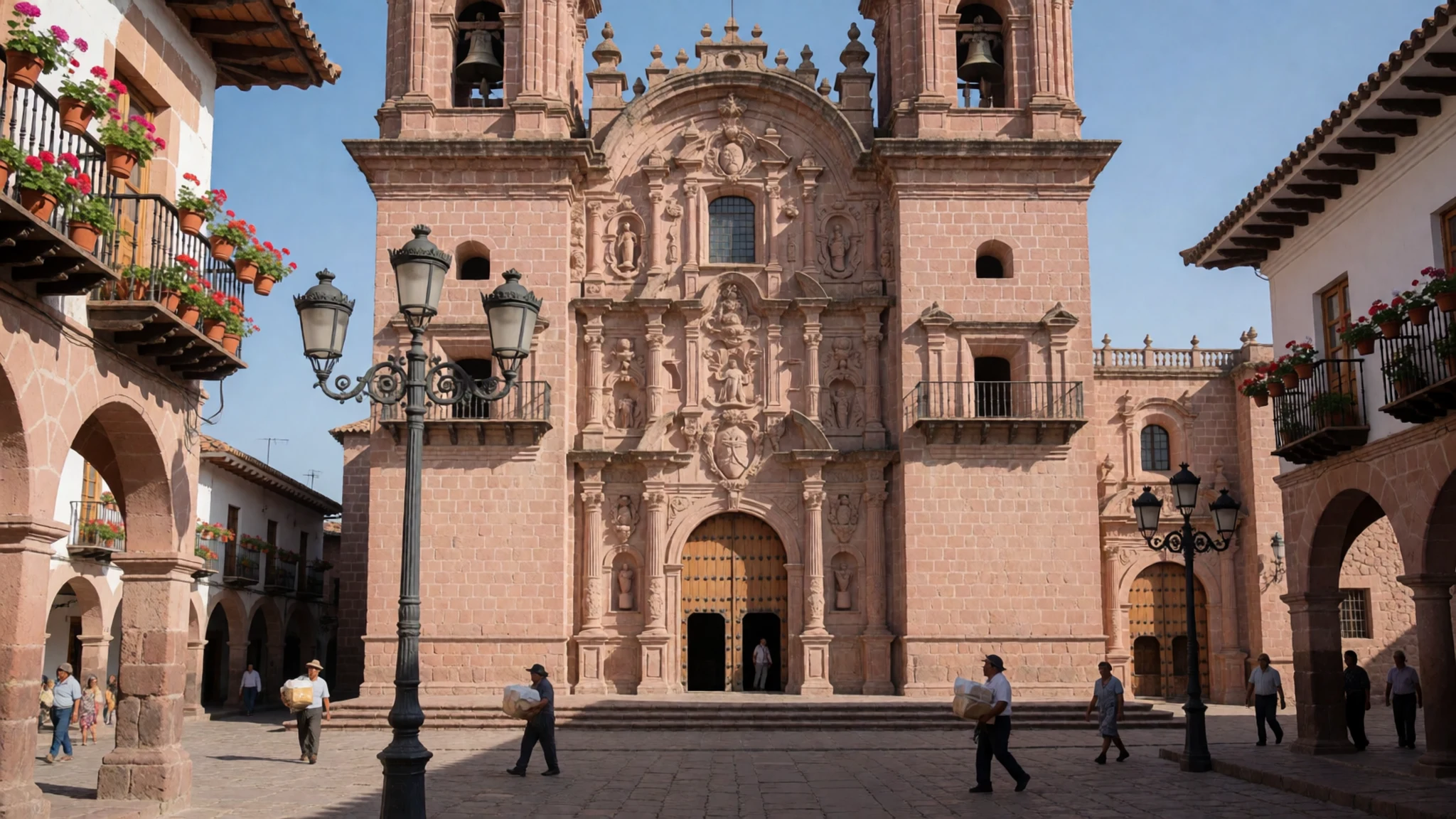
- Casa Borda — Plaza Principal
Constructed by a prominent eighteenth-century mining magnate, this historic building now functions as a vibrant cultural centre and museum. Visitors can explore galleries showcasing contemporary paintings, experimental theatre performances, and local sculpture exhibitions.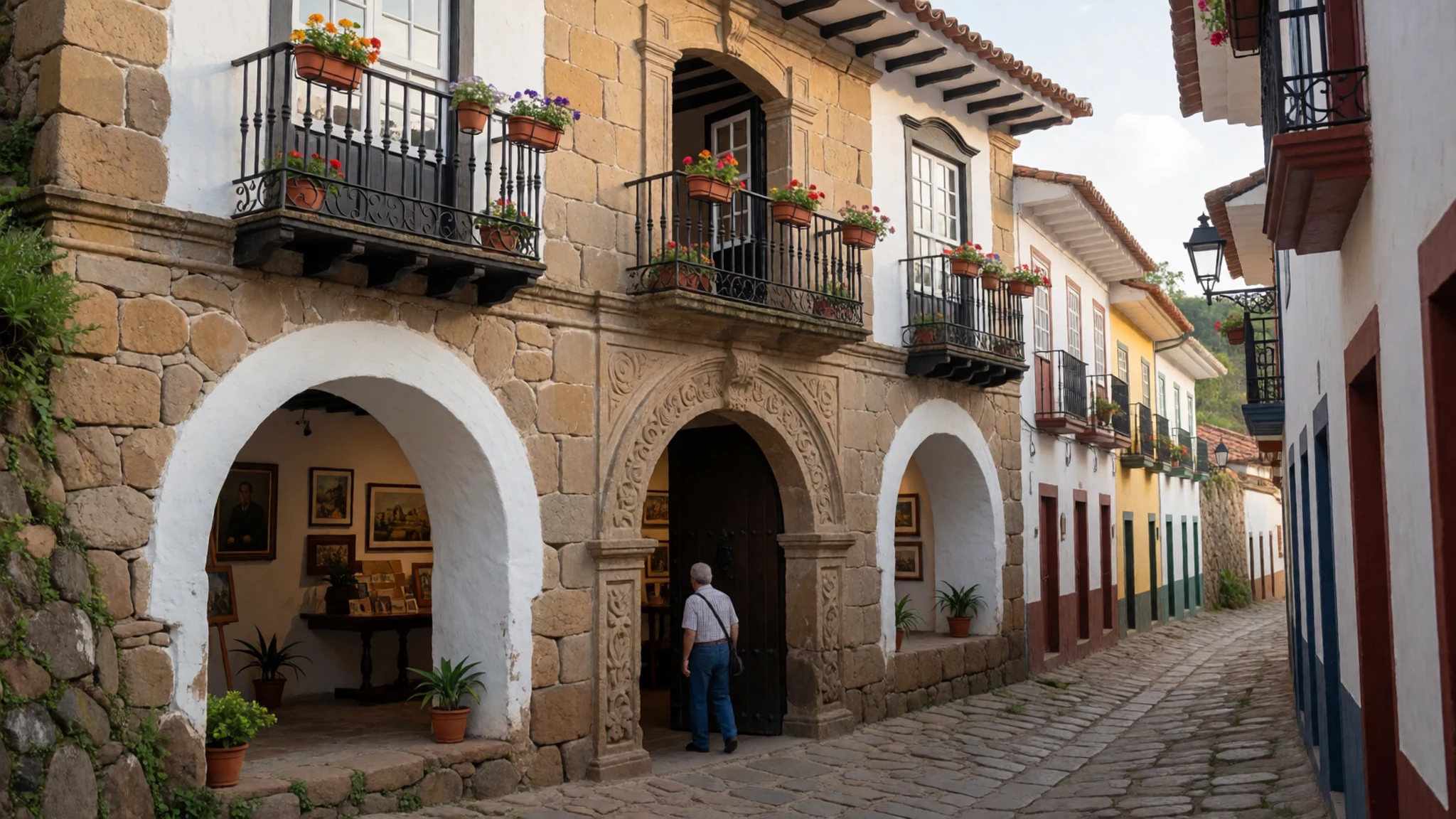
- Museo Guillermo Spratling — Behind Santa Prisca
Dedicated to the American silversmith and artist who revitalised local metalcraft, this institution houses an important collection of pre-Hispanic artefacts alongside historical examples of mid-century silver jewellery and decorative objects.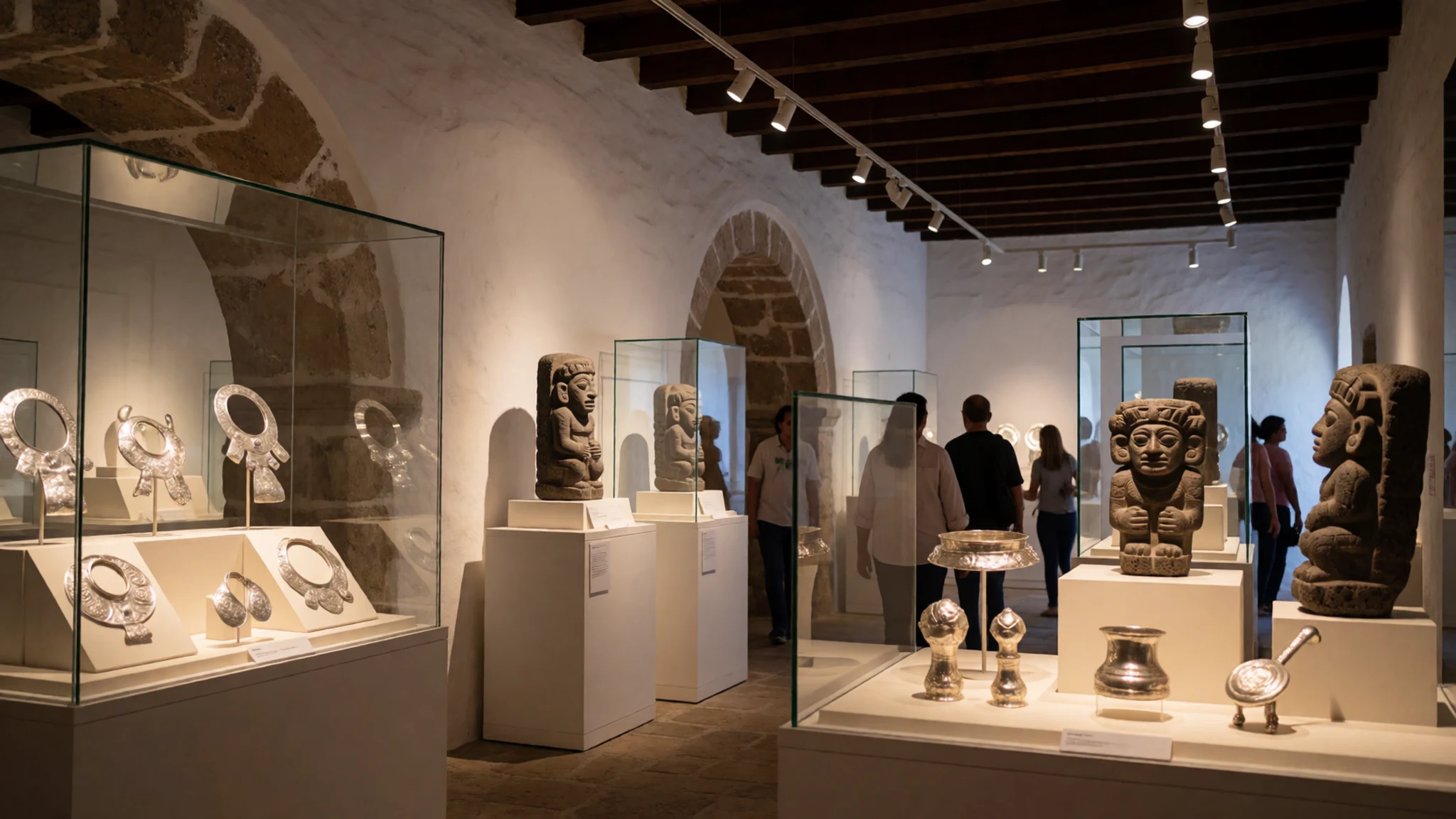
- Mina Pre-hispanica de Taxco — Hotel Posada del Misión grounds
Discovered accidentally during hotel renovations, this subterranean network reveals ancient tunnels used for mineral extraction before European arrival. Guided tours take visitors deep beneath the foundations to view raw mineral veins and ancient tools.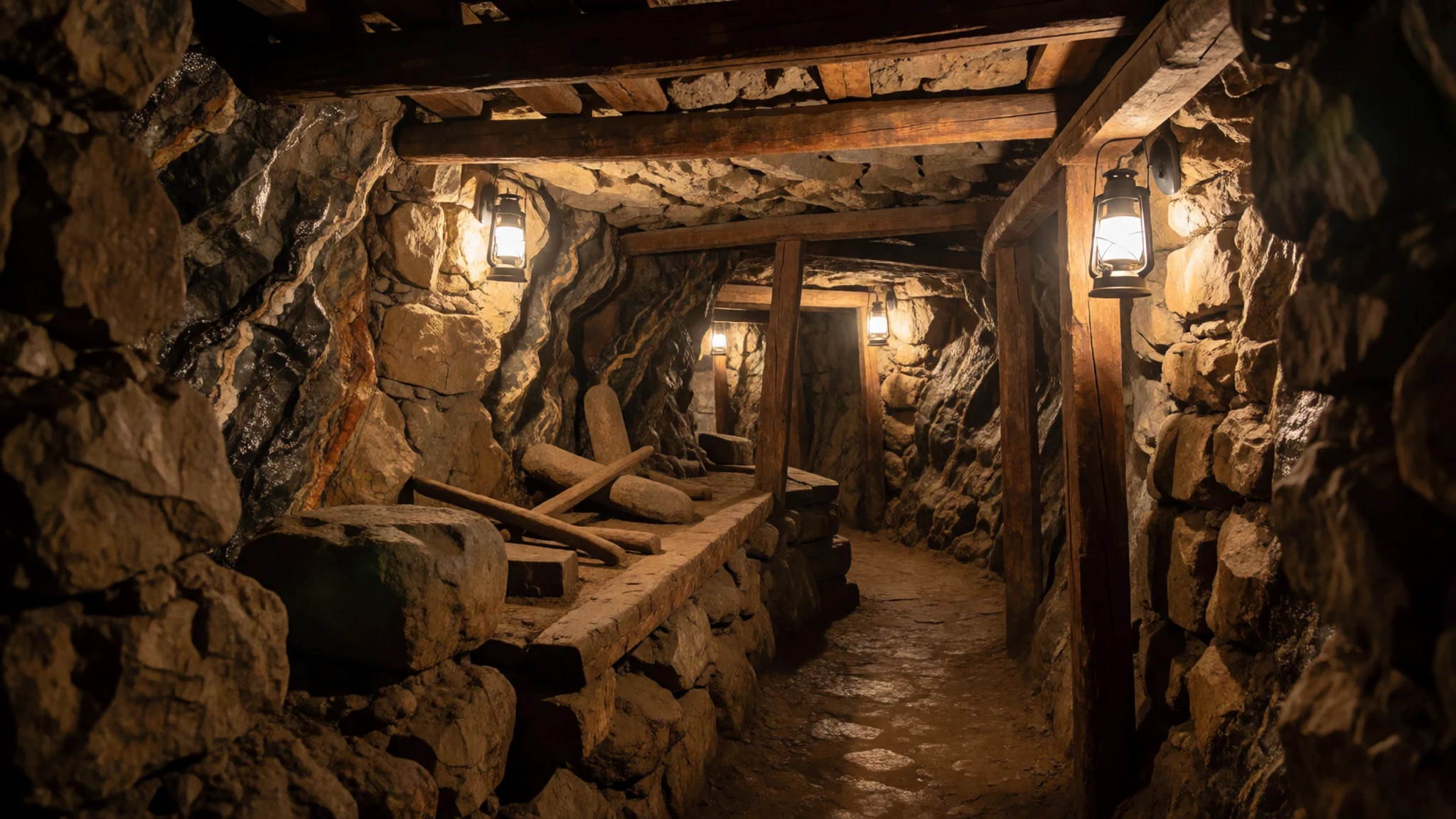
Culture
Taxco de Alarcón maintains a deeply traditional calendar anchored by religious festivals and community celebrations that draw visitors from across the region. The most famous observance takes place during Holy Week, when solemn processions wind through the steep, narrow lanes between Palm Sunday and Easter Sunday. These historic commemorations feature dramatic evening and daytime marches dating back centuries, originating at the atrium of the former monastery of San Bernardino de Siena and centring upon the iconic parish church. Other notable celebrations include the San Antonio Abad Festival in January, the literary Jornadas Alarconianas in May, the unusual Jumil Festival in October, and the National Silver Fair held in late November and early December to honour local artisans. Maize remains a cornerstone of daily life, appearing in traditional preparations served in family kitchens and neighbourhood eateries. Throughout these events, residents demonstrate a strong sense of pride in their artistic heritage and historical identity. When entering churches or attending solemn religious processions, dress modestly and maintain a respectful silence during ceremonies.
What to wear
Taxco de Alarcón exhibits a distinctive blend of traditional rural Mexican attire and practical everyday garments suited to its mountainous climate. Historically, local dress featured sturdy cotton garments, hand-woven shawls, and leather sandals designed for navigating steep, uneven terrain. Today, residents generally wear modern casual clothing, including jeans, comfortable shirts, and lightweight jackets or sweaters for cooler evening mountain breezes. Because the municipality is renowned for its metalcraft, many locals and shopkeepers wear elegant silver accessories as part of their daily appearance. For visitors exploring the settlement, footwear is the single most important consideration; sturdy walking shoes with good grip are essential for safely negotiating steep, polished cobblestone streets and countless stone staircases. Layered clothing is recommended, as daytime sun can feel warm while shade in the narrow alleys brings cooler temperatures. When visiting religious sites like Santa Prisca, dress modestly by covering shoulders and knees out of respect for local customs.
What to eat
- Pozole — The small covered market near the silver stalls
A comforting, soup-like dish made with large hominy corn kernels, tender pork, and savory broth, typically served with avocado and crispy tortilla crumbles. Thursdays are traditional pozole days when red and green varieties are widely featured across local eateries.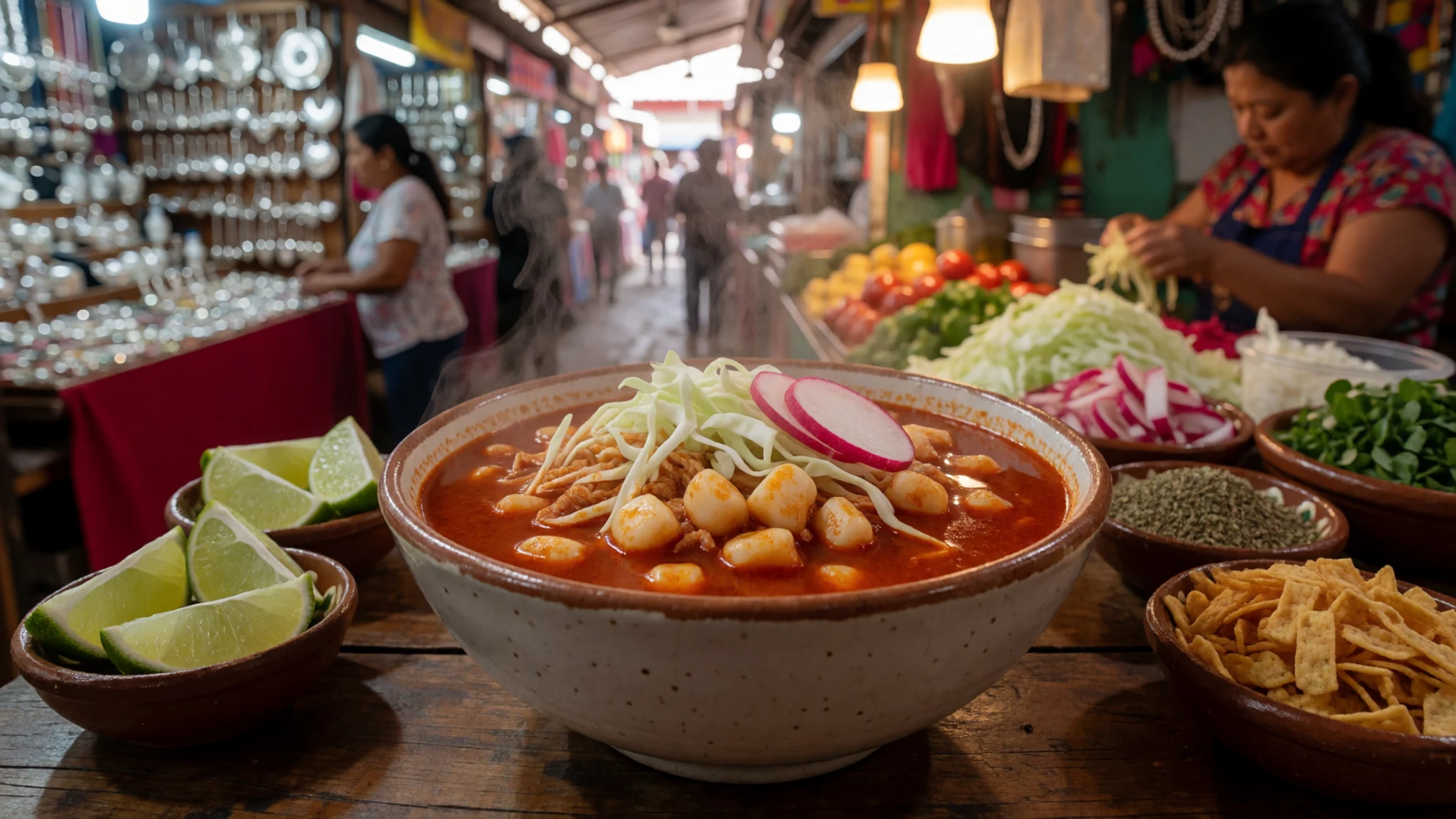
- Tacos — Local street stands around the main square
Classic street food featuring freshly pressed corn tortillas loaded with savoury grilled meats, onions, cilantro, and spicy regional salsas. They are eaten quickly at standing counters or small family-run food stalls scattered throughout the steep neighbourhoods.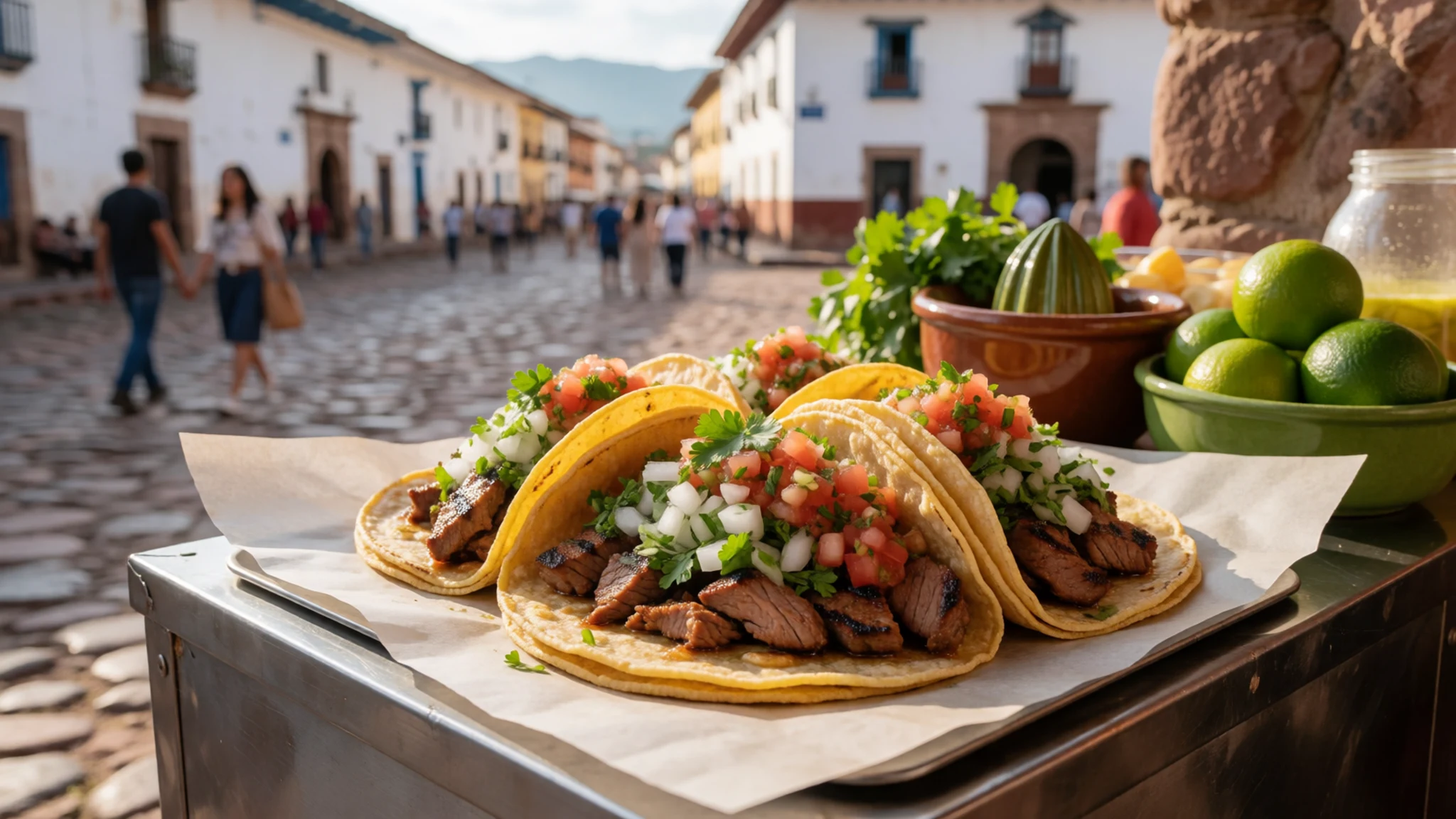
- Jumiles — Traditional food stalls in the central municipal market
For adventurous diners, these small edible insects are harvested from local hills between November and February and traditionally served alive or toasted on a warm tortilla as a taco with lime and salt. - Speciality Coffee and Regional Pastries — Cafes around Hotel Loma Linda and Plazuela
Local cafes serve aromatic coffee sourced from nearby mountain plantations alongside freshly baked sweet bread and regional pastries, providing a welcome rest stop after climbing the steep hills.
Plan it
Best time. November to April offers the most pleasant weather with dry days and clear skies, while the rainy season runs from June to September with afternoon showers.
How long. 2–3
Getting there. Regular buses run frequently from Mexico City's South Bus Station (Autobuses del Sur) taking travellers through scenic mountain views, or via Cuernavaca.
Budget. mid
Tips
- Wear sturdy, grippy footwear to cope with steep cobblestones and stairs
- Carry cash for small shops, local markets, and bus fares
- Take a local VW bug taxi if the uphill walk to the zocalo becomes too steep
- Book accommodation well in advance if visiting during Holy Week or the National Silver Fair
Etiquette
- Dress modestly when entering churches and religious sites
- Ask permission before photographing participants during holy week processions
- Greet shopkeepers and locals with a polite 'Buenos días' or 'Buenas tardes'
Nearby
Sources
- Wikidata Q990095 (CC0)
- Wikipedia (rev 1378320919) (CC BY-SA 4.0)
- Wikivoyage (rev 5393037) (CC BY-SA 4.0)
- Photo 01-santa-prisca-en-medio-de-taxco.jpg (CC BY-SA 4.0)
- Photo 02-taxcoamontage.jpg (CC BY-SA 4.0)
- Photo 03-santa-prisca-en-taxco-guerrero.jpg (CC BY-SA 4.0)
- Photo 04-populartraditionssculpture-taxco-de-alarc-n-guerrero-mexico.jpg (CC BY-SA 2.5)
- Photo 05-taxistaxco.jpg (CC BY-SA 1.0)
- Photo 06-browserealmina.jpg (CC BY 3.0)
- Photo 07-procesion-de-flagelados-taxco.jpg (CC BY-SA 2.0)
- Photo 08-cristo-de-taxco-de-alarc-n-guerrero-24831553921.jpg (CC BY-SA 2.0)


