Taketomi Island
Taketomi Island, Japan
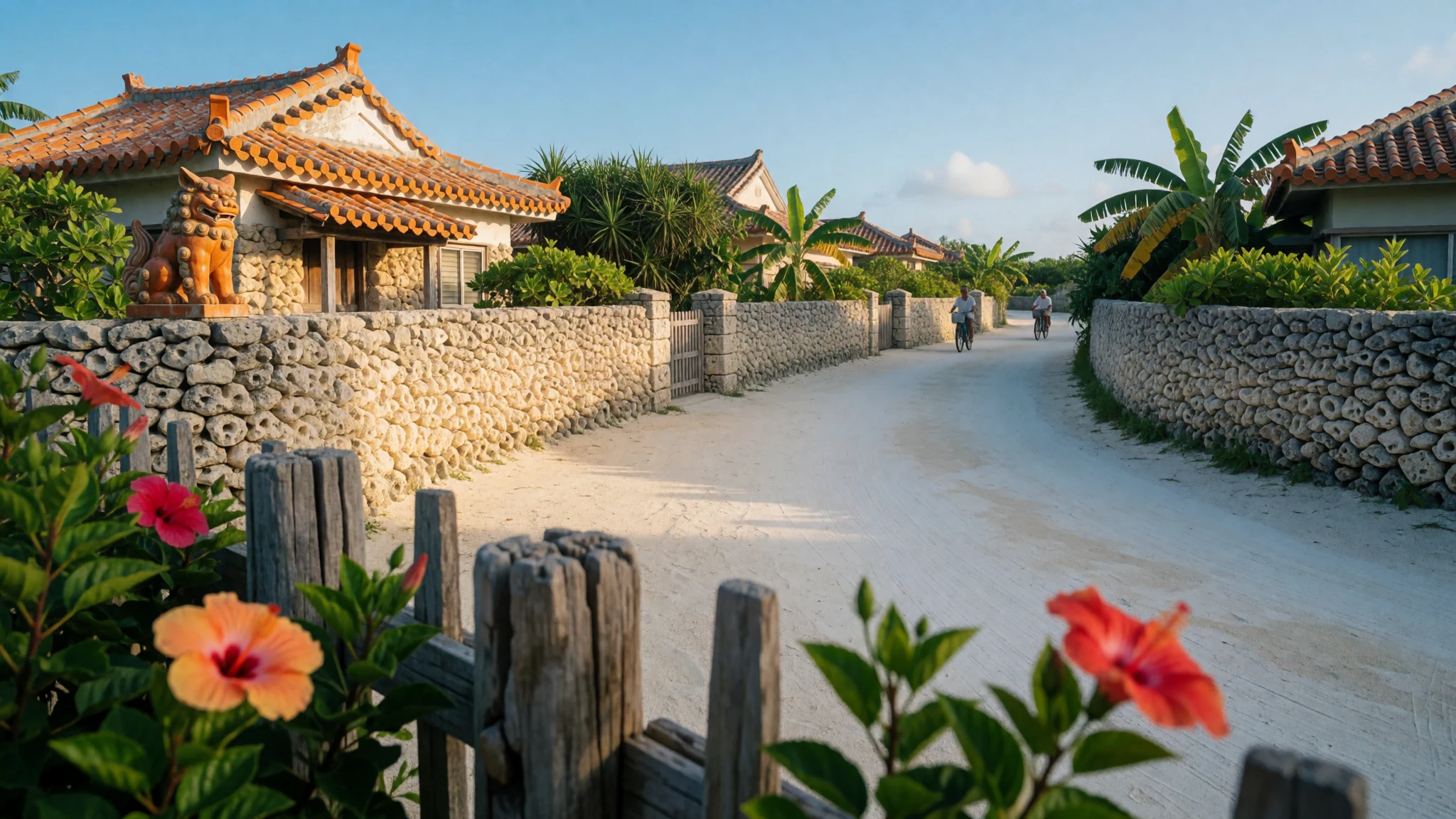
Taketomi Island offers an immaculately preserved Okinawan villagescape of coral-stone walls, sandy lanes, and slow-paced island life just a short boat ride away.
The place
Taketomi Island sits in the turquoise waters of Okinawa Prefecture, positioned a short distance south of Ishigaki Island in the Yaeyama chain. Rising gently as a raised coral atoll, the landmass is largely circular in shape, ringed entirely by coral reefs that catch the bright sub-tropical light. At the heart of Taketomi Island sits a single, compact village where white sand paths take the place of asphalt roads, and low hand-built stone walls border every property. The local population remains small, ensuring that the community retains a quiet, residential atmosphere even when daytime visitors arrive from nearby transit hubs. Visitors stepping ashore find themselves immediately immersed in a landscape protected by strict local design regulations that bar modern concrete eyesores and preserve the traditional architectural heritage. Visitors navigate the settlement on foot, by bicycle, or aboard slow-moving ox-drawn carts that amble down the tree-lined tracks. Beyond the village centre, the terrain opens up to sugarcane fields, quiet viewing mounds, and pristine coastal stretches where the surrounding sea shifts through endless shades of blue and green. The island forms an integral part of a protected national park, ensuring that its delicate marine habitats and coastal fringes remain largely untouched by commercial overdevelopment. Though many travellers treat the destination as a straightforward day trip from larger neighbouring islands, staying overnight allows the true rhythm of Taketomi Island to emerge once the afternoon boats depart and the lanes fall completely silent.
Its story
The distinct visual identity of Taketomi Island is a fascinating blend of ancient regional customs and more modern aspirations. For centuries during the period of the Ryūkyū Kingdom, ordinary citizens on Okinawa were strictly prohibited from constructing dwellings topped with roof tiles, meaning common folk lived under thatch or simpler materials while tile roofs remained the exclusive privilege of the aristocracy. This restriction began to shift only after the kingdom was abolished and societal rules relaxed. The very first red-tiled roof appeared on Taketomi Island in the early twentieth century, specifically in nineteen hundred and five. Far from being an ancient vernacular norm passed down from antiquity, this terracotta roof style quickly became a coveted status symbol of wealth and modernity among prosperous island families. As decades passed, these vibrant red tiles, paired with the iconic ceramic shisa guardian lions perched atop the ridges, evolved into the definitive image of traditional Okinawan architecture. In the late twentieth century, as modern concrete construction threatened to homogenise rural Japan, the residents of Taketomi Island took collective action. They established rigorous aesthetic guidelines to protect their historic appearance, mandating the retention of hand-packed stone boundary walls and prohibiting unsightly modern developments. Today, academic historians recognise that the village's famed aesthetic is a relatively modern creation, yet the community's dedication to maintaining these harmonious architectural traditions has successfully preserved a living window into historical island craftsmanship.
What to see
- Kondoi Beach — Western coast
Kondoi Beach on Taketomi Island provides a spectacular expanse of powdery white sand meeting shallow turquoise water, making it the primary coastal spot where swimming is permitted. The water remains remarkably clear and calm, drawing travellers who want to wade out into the warm shallows or relax under the open sub-tropical sky.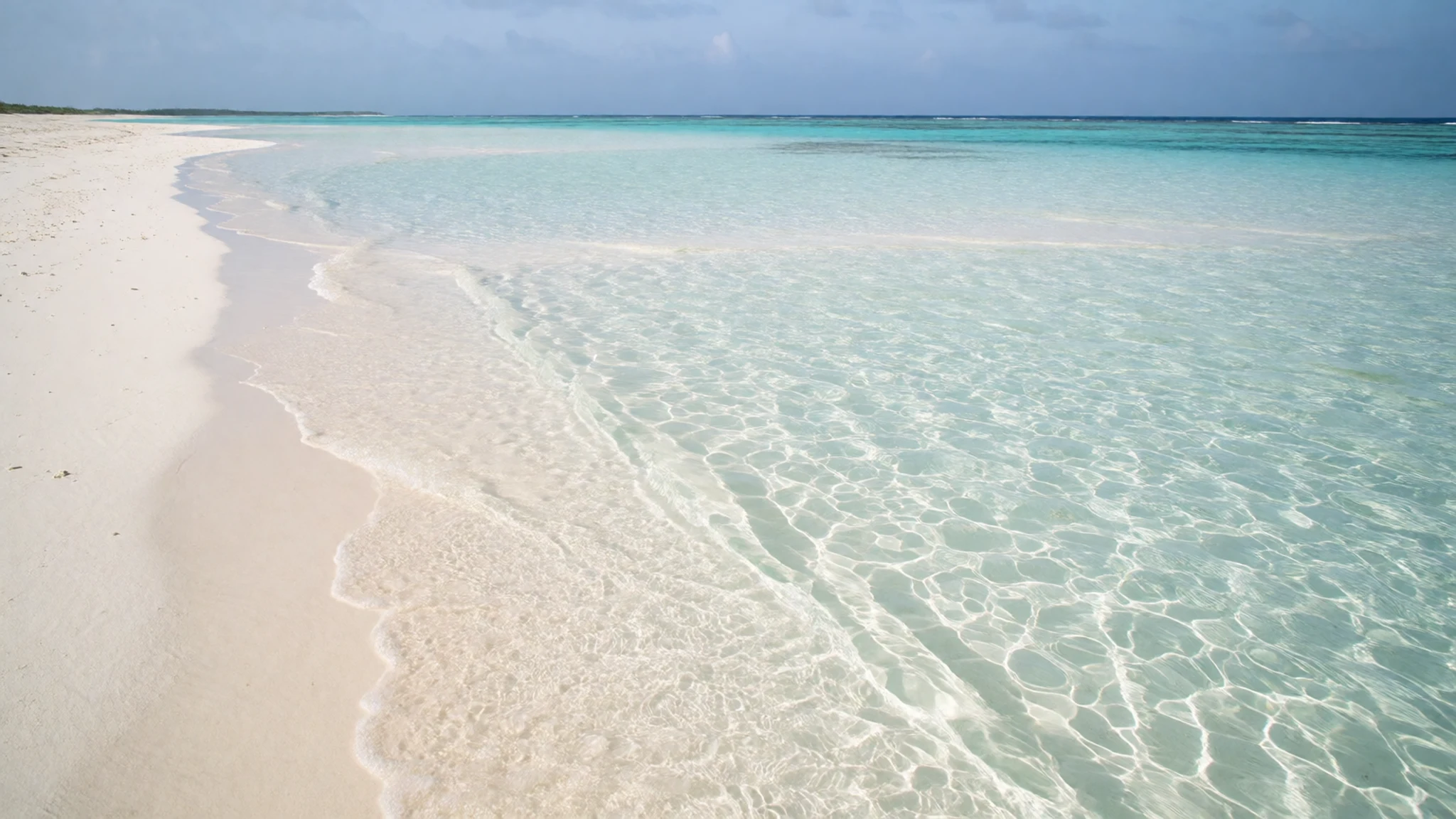
- Nagomi-no-tō — Village centre
Nagomi-no-tō is a purpose-built concrete viewing tower rising in the centre of Taketomi Island village. The stairway leading to the top is exceptionally steep, but those who make the climb are rewarded with sweeping panoramas across the entire settlement, revealing a sea of red terracotta tile roofs and surrounding greenery.
- Kaiji Beach — Southwestern shore
Kaiji Beach on Taketomi Island is celebrated as one of only two locations in the entire country where visitors can find unique sand composed entirely of tiny star-shaped shells. Searching through the grains in the shallows for these microscopic skeletal remains is a popular pastime, though swimming here is prohibited due to strong currents.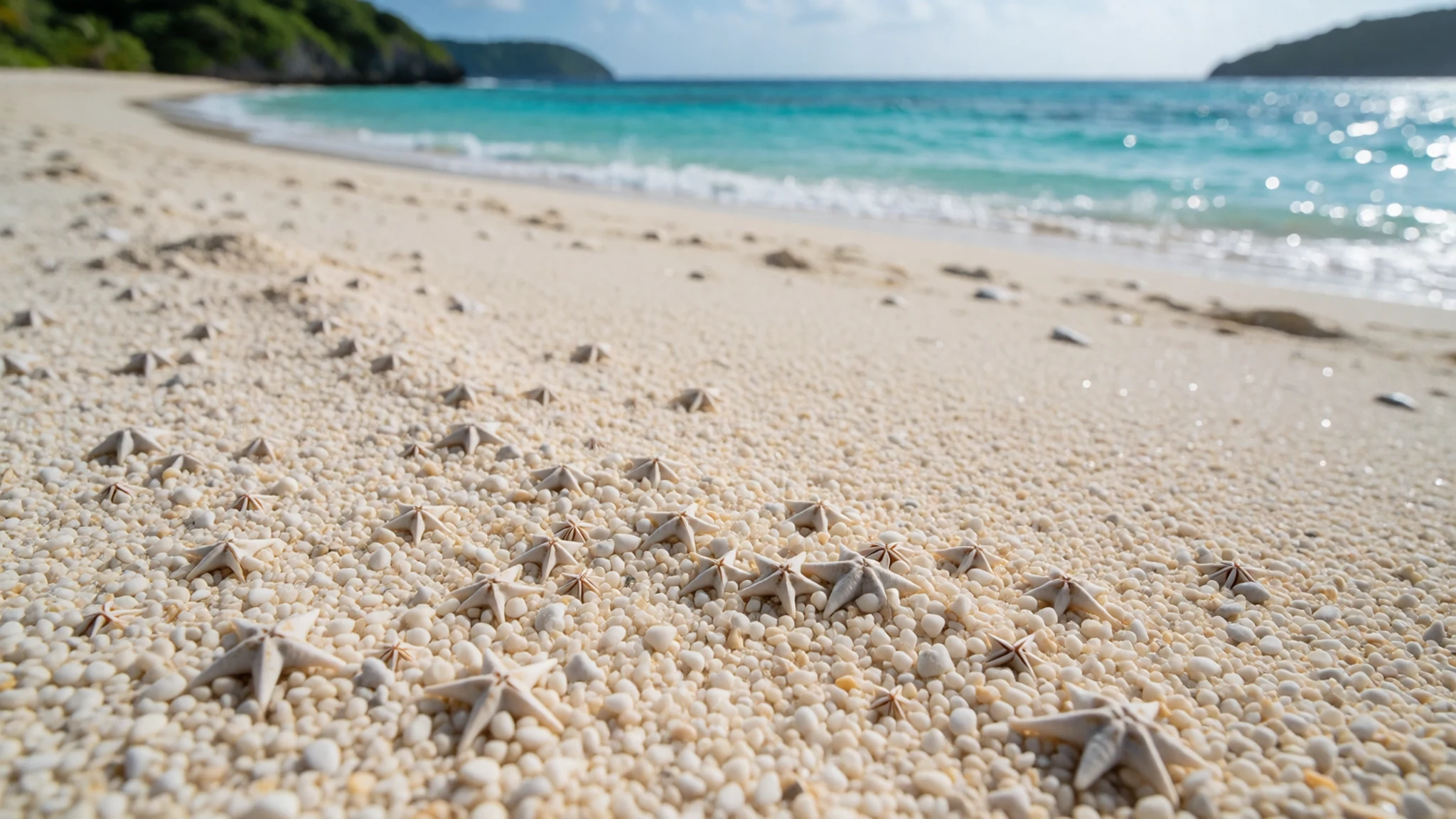
- West Pier — Western shore
West Pier on Taketomi Island serves as a historic jetty where villagers once set off by canoe to tend distant agricultural plots. Today, this disused stone pier stretches straight out into the sea and functions as the premier vantage point on the island for watching the sun set over the horizon.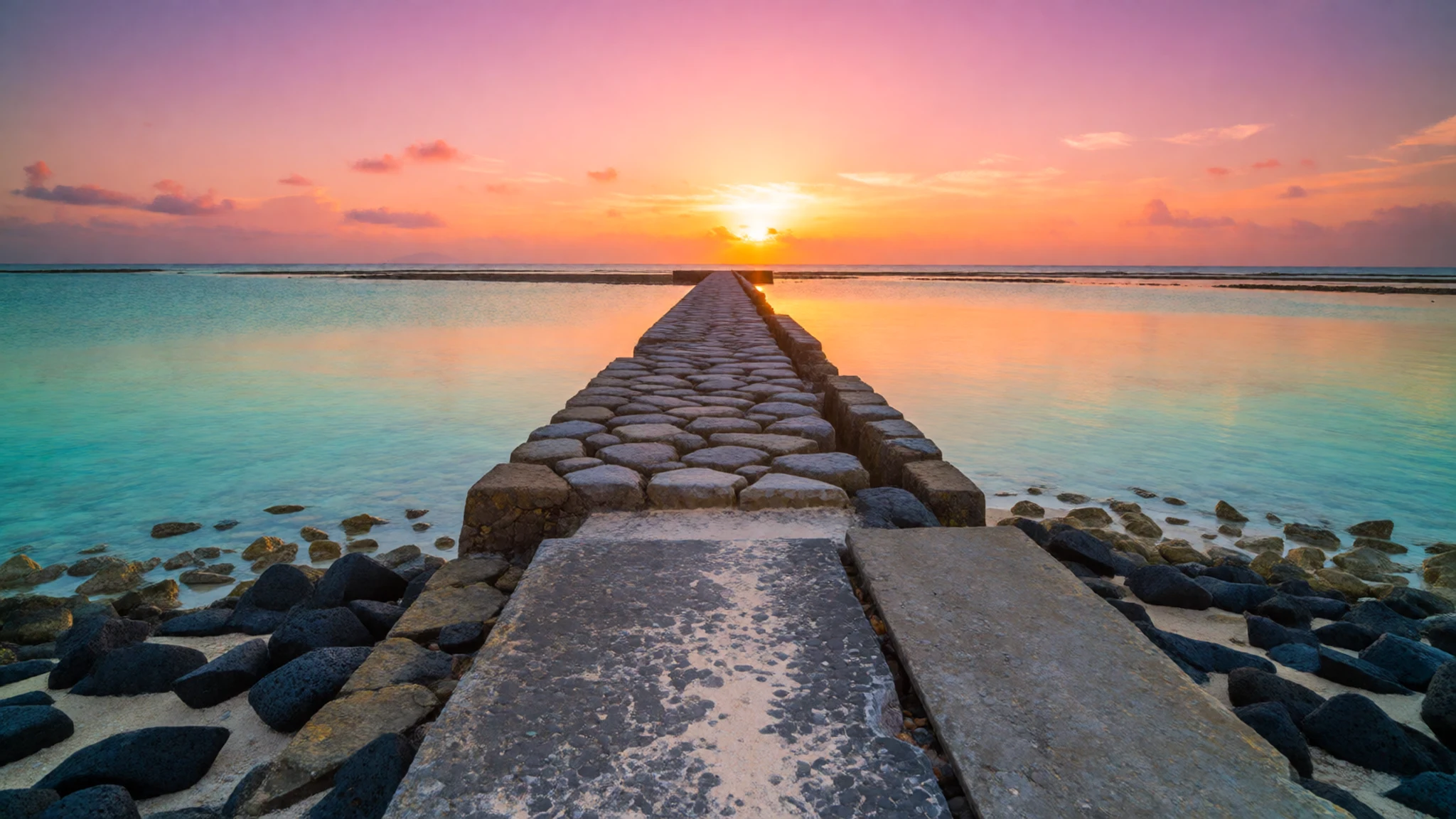
- Folkcraft Museum — Village centre
Folkcraft Museum on Taketomi Island offers visitors a closer look at traditional regional artistry and heritage craftsmanship. Inside, local artisans can often be observed meticulously weaving intricate Yaeyaman minsā cloth, keeping centuries-old textile patterns alive through patient handloom work.
Culture
Taketomi Island holds deep spiritual significance tied to indigenous Okinawan beliefs, featuring no less than thirty designated holy sites known locally as on. These sacred zones are dedicated to venerating ancestral deities and protecting the spiritual wellbeing of the community. They are typically demarcated by low, respectful stone boundaries and feature clear signage indicating their sacred status. Local residents maintain a quiet reverence for these spiritual anchors, ensuring that daily life on Taketomi Island operates in harmony with ancient traditions. Visitors should always be mindful of local customs and respect the profound quietude of the settlement, particularly as evening falls and day-trippers depart for the mainland. Do not venture inside the low stone walls marking local holy sites or attempt to photograph sacred prayer grounds.
What to wear
Fashion and textiles on Taketomi Island reflect a deep connection to local heritage, most notably through the production of traditional Yaeyaman minsā cloth. This distinctive woven fabric traditionally features geometric patterns of five and four squares, symbolising a wish for eternal love and safe journeys, and was historically crafted by women as tokens of affection. In daily life, residents of Taketomi Island dress for a warm sub-tropical climate, favouring lightweight, breathable cottons and casual clothing suited to cycling and walking along sandy lanes. Travellers visiting the island should pack comfortable walking shoes or sandals that handle sand easily, alongside sun hats, light layers, and modest clothing that covers shoulders and knees when exploring near sacred community spaces or local residential areas.
What to eat
- Takenoko — Village centre
Takenoko is a beloved island eatery operating in the heart of Taketomi Island village, celebrated across the region for serving exceptional bowls of traditional Yaeyama soba noodles since nineteen seventy-five.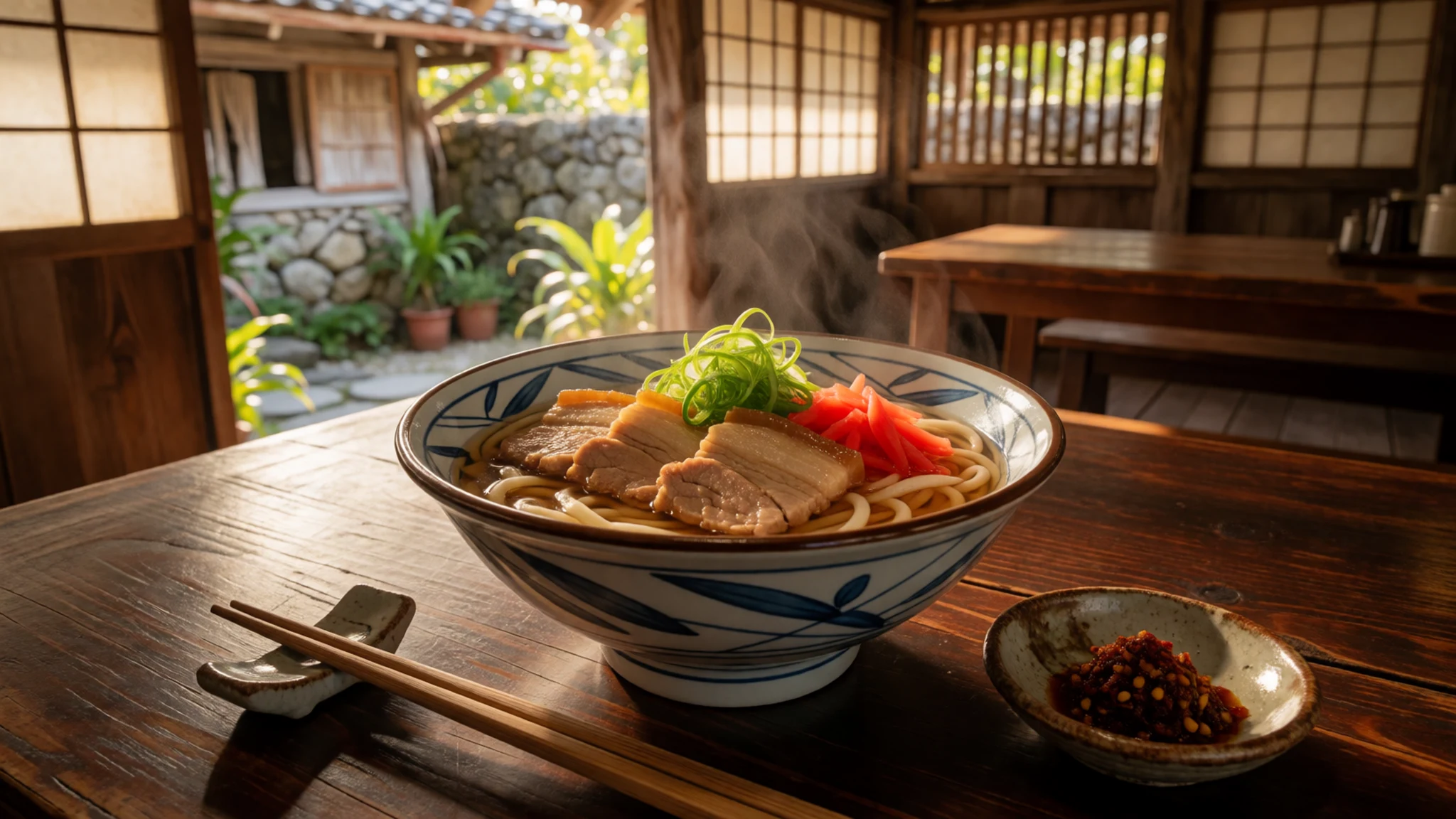
- Shidame-kan — Near Nagomi-no-tō tower
Shidame-kan is a charming, casual cafe and bar nestled right below the central viewing tower on Taketomi Island, offering hungry travellers a broad selection of Okinawan and Japanese comfort food staples.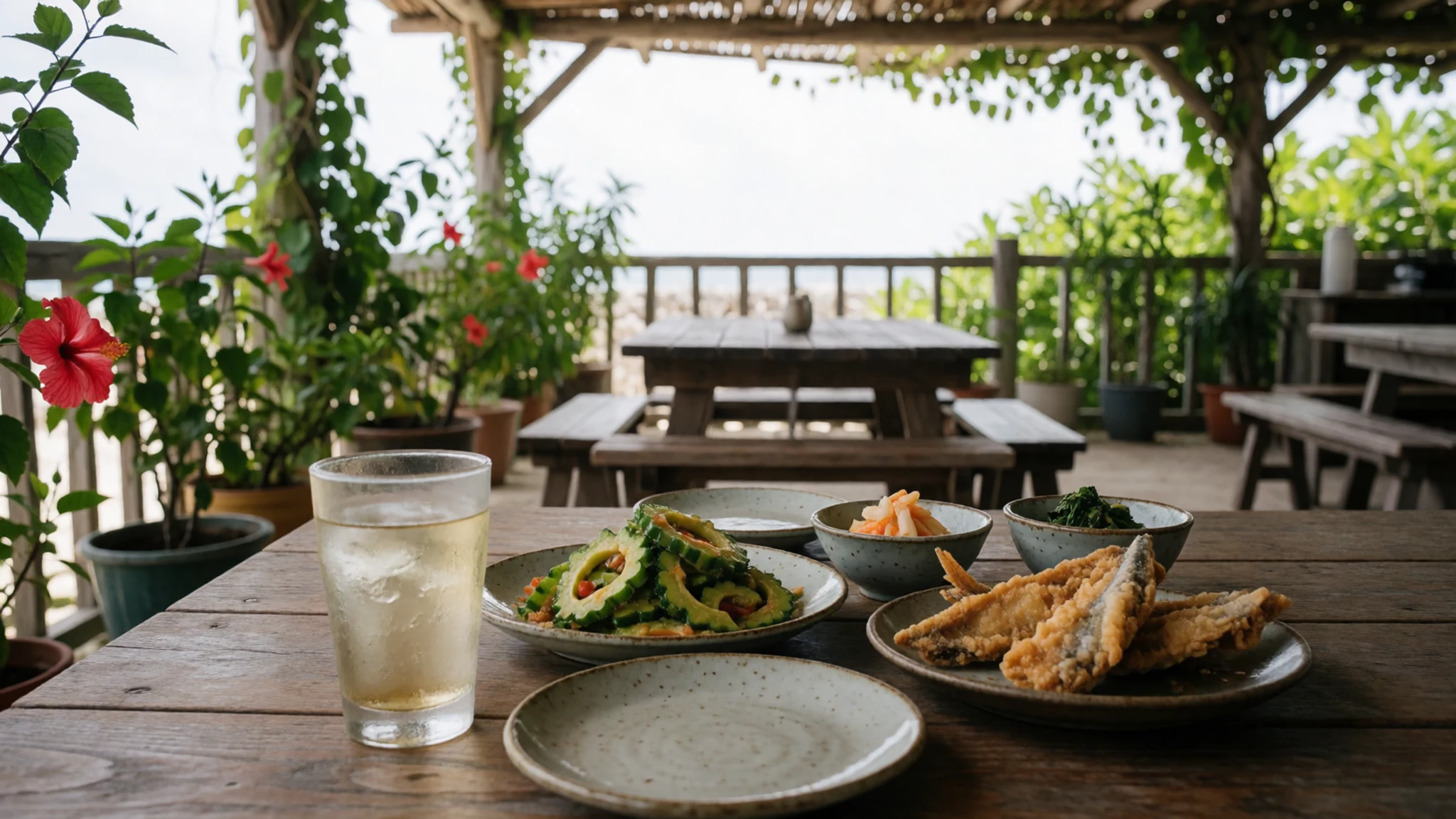
- Bar Take-To-Me — Village lanes
Bar Take-To-Me is the sole dedicated drinking spot on Taketomi Island, featuring an open-air wooden platform furnished with plastic lawn chairs and surrounded by lush tropical hibiscus flowers. - Island Seafood Eateries — Around the village and harbour
Island seafood eateries dotted across Taketomi Island regularly feature locally cultivated kuruma-ebi shrimp harvested directly from the large aquaculture farms operating in the southern sector of the island.
Plan it
Best time. March to May and October to November offer pleasant warm weather without the intense heat and humidity of August or the rains of June.
How long. 1–2
Getting there. Take a high-speed ferry from Ishigaki Island; crossings take about fifteen minutes and run roughly every thirty minutes daily.
Budget. mid
Tips
- Catch an early morning ferry to enjoy the village before day-trippers arrive
- Carry sufficient cash as many smaller eateries and shops do not take cards
- Rent a bicycle near the dock to easily navigate the sandy lanes
- Confirm the schedule of the final return ferry so you do not get stranded
Etiquette
- Do not venture inside the low stone walls marking local holy sites
- Respect the privacy of residents living in the historic village lanes
Nearby
Sources
- Wikidata Q474560 (CC0)
- Wikipedia Taketomi Island (CC BY-SA 4.0)
- Wikivoyage Taketomi (CC BY-SA 4.0)