Taiwan
Taiwan, Taiwan
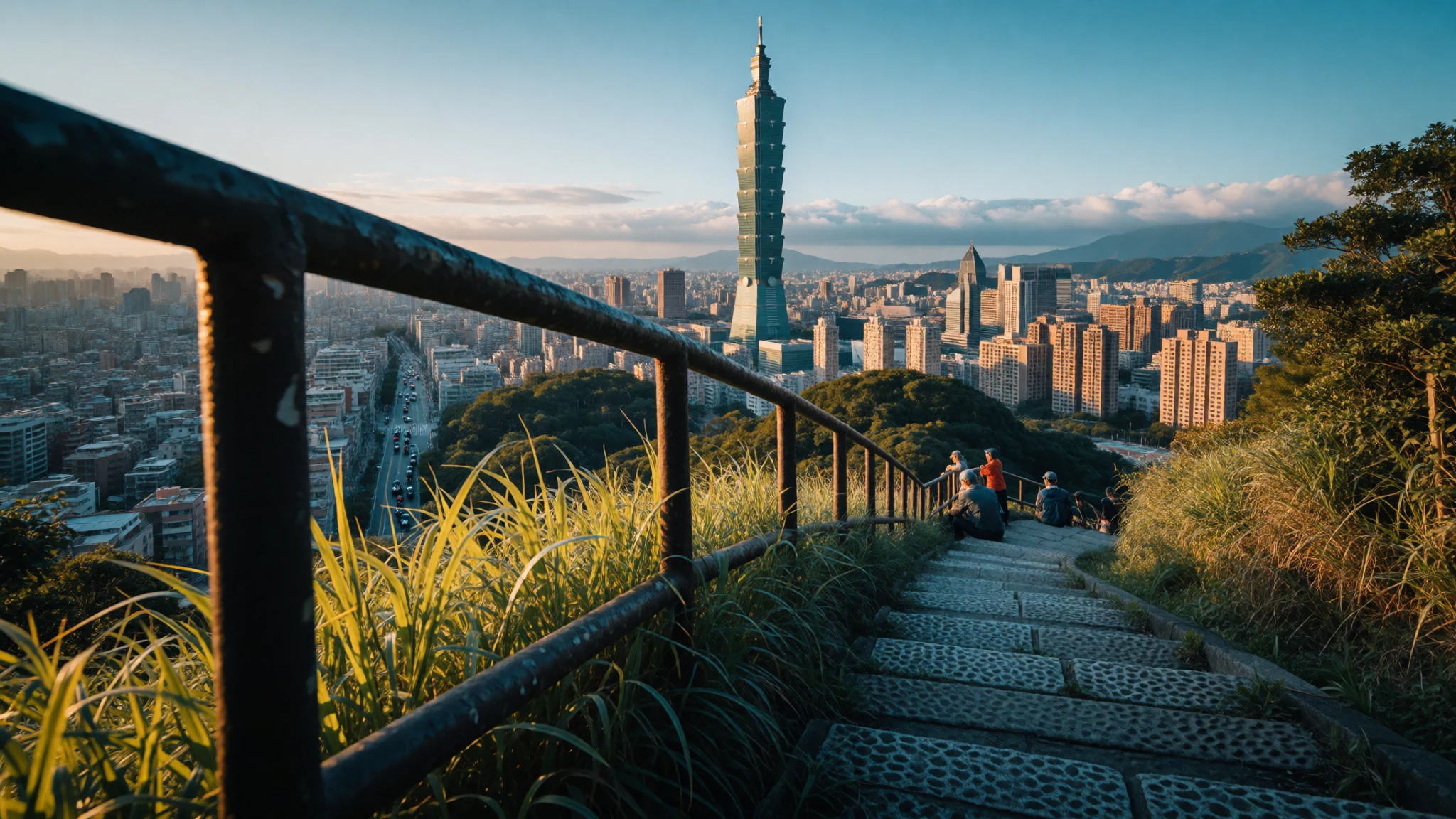
Taiwan packs sharp mountains, temple-lined cities, island coasts and serious food into one compact, easy-to-travel island.
The place
Taiwan is an island off the southeast coast of China, home to about 24 million people. Most of them live on the western plains and in the northern lowlands, where cities, farms and factories sit shoulder to shoulder. The east is a different world. Rugged mountain ranges run parallel to the coast, and the highest peak, Yu Shan, rises to 3,952 m. Water surrounds the island on every side: the East China Sea lies to the north, the Philippine Sea to the east and the South China Sea to the southwest, while the Taiwan Strait separates it from the mainland province of Fujian. The Tropic of Cancer crosses the island, so the north is humid subtropical and the south properly tropical. Winter brings steady rain to the northeast while the centre and south stay mostly sunny. Summer is wet and hot, and typhoons are a regular feature of the late season. Beyond the main island, the government also administers Penghu, Kinmen, Matsu and a few remote islets in the South China Sea. Travellers find modern cities with reliable public transport and, within a short ride, forested hills, rivers and coast. Earthquakes are an everyday reality, because the island sits where two tectonic plates collide. That same collision built the mountains and still shapes how people build and plan.
Its story
Taiwan began as a geological accident. Millions of years ago, the Philippine Sea Plate pushed against the Eurasian Plate, and the crumpling rock rose from the sea as an island. The same boundary remains active, which is why quakes and steep, unstable slopes are part of the story today. People arrived long before any written record, and the island's Indigenous peoples still hold distinct languages, weaving traditions and festival calendars. Later waves of settlers crossed the strait, and most of today's population traces its ancestry to Fujian, which is why local temples, dialects and cooking carry such a strong southern-coast flavour. Japan then ruled the island for fifty years, leaving behind railways, colonial buildings and a taste for certain foods that has not faded. In 1949, after the communist victory on the mainland, the Nationalist government retreated here, bringing soldiers, officials, scholars and chefs from across China. Their regional cooking and family recipes added yet another layer. The result is an island where the old and the new sit close together: incense-filled temples beside glass towers, farmland beside chip factories, and a political status that remains contested and is often left politely unspoken. Visitors who read the island as a layered place, rather than as a single story, tend to enjoy it most.
What to see
- Taipei's old streets and museums — Taipei
Taipei, the capital, rewards slow walking. Older lanes with shopfronts and temples sit alongside modern towers, and the National Palace Museum holds imperial treasures worth half a day. Scooters swarm every junction, so cross with the locals. Evenings are lively, and the city works as an easy base for the north.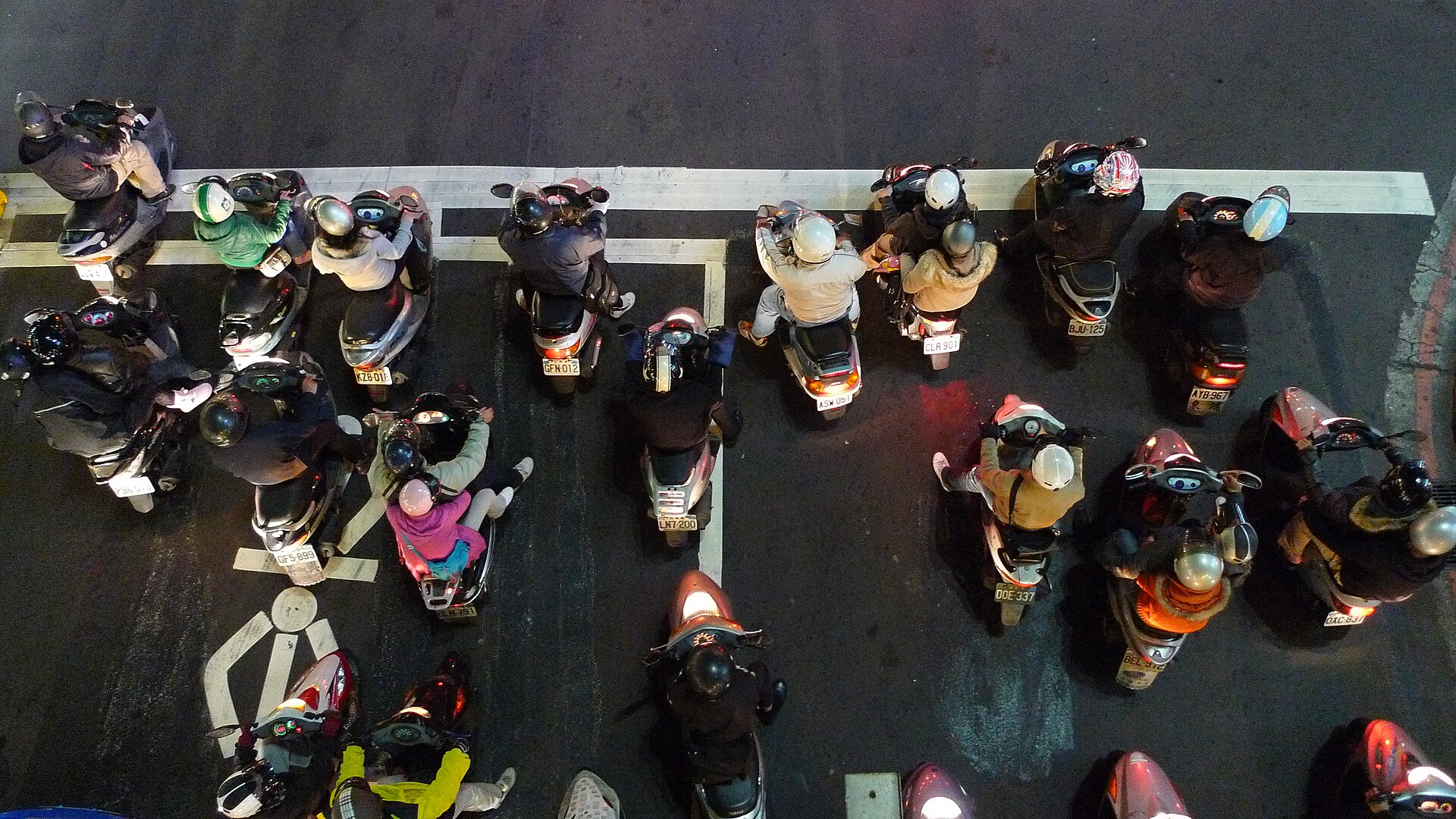
- Bao'an Temple — Datong district, Taipei
Bao'an Temple in Taipei was restored with great care, and its roofs are crowded with painted figures and ornate ridge decoration. Local worshippers use it daily, so incense smoke and quiet prayer fill the courtyards. Visit in the morning, keep your voice low, and watch how people make offerings before you step forward. - Tainan and the Anping Tree House — Anping, Tainan
Tainan is full of old temples, Confucian halls and colonial buildings. At Anping, banyan roots have swallowed a former warehouse, wrapping brick walls in a tangle of aerial roots and leaves. Go early, before tour groups arrive and the heat builds, and leave time for slow wandering through the lanes nearby. - Zushi Temple, Sanxia — Sanxia, New Taipei
The Zushi Temple at Sanxia, a short trip from Taipei, is known for dense, finely worked carving in stone and wood. Dragons, scholars and mythical beasts climb pillars and eaves. Bring patience, because the detail rewards close looking, and visit on a weekday if possible to avoid the busiest weekends. - Yu Shan and the central ranges — Central mountains
Yu Shan, at 3,952 m, crowns the central mountains that run down the east side of the island. Climbs are demanding and weather turns quickly, so check park rules and permit requirements on the official site first. Lower trails and river valleys offer gentler forest walks for those who prefer less altitude.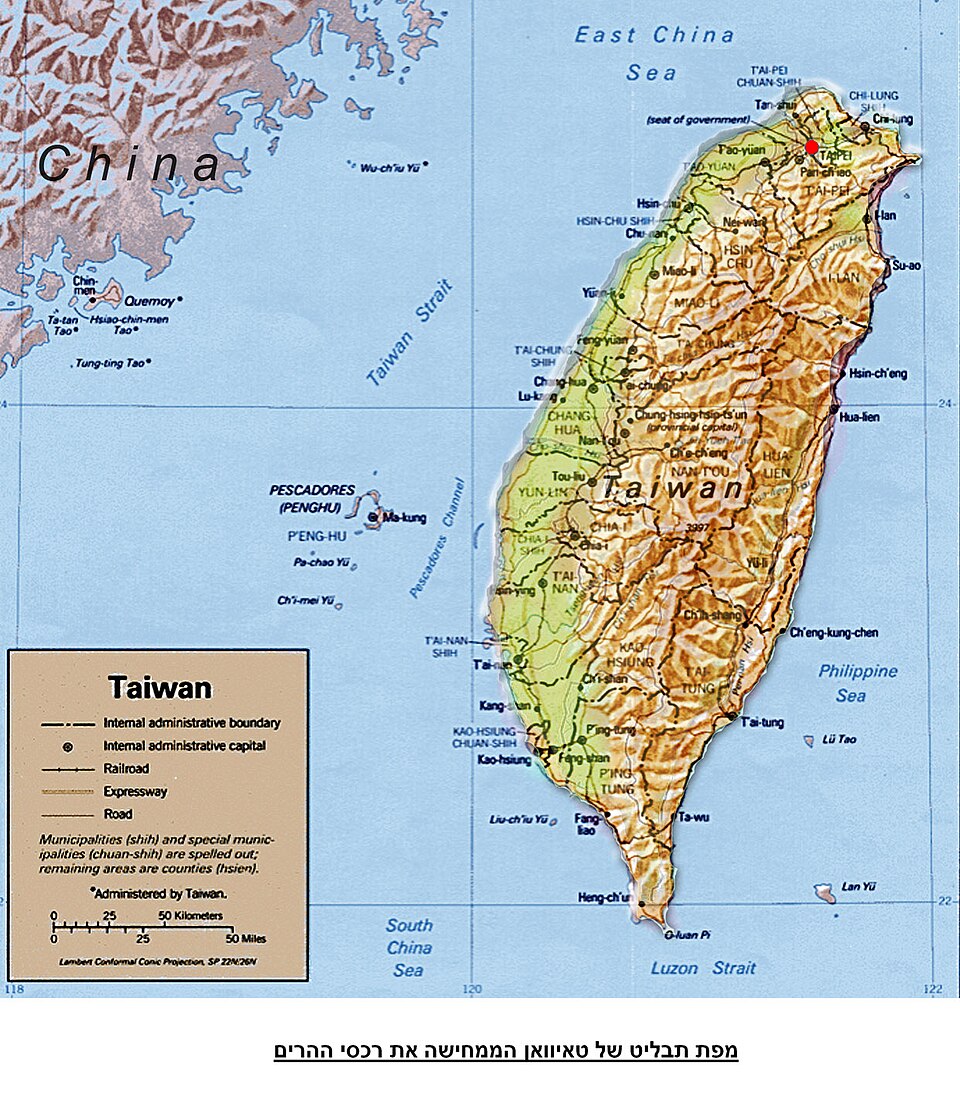
- Penghu archipelago — Taiwan Strait
Penghu is a scatter of low islands in the Taiwan Strait, reached by short flights or boats from the main island. It is a quieter, windier place, with fishing villages, small temples such as the Mazu temple at Makung, and coastal walks. Ferries and flights can be disrupted by wind, so allow spare days.
Culture
Taiwan has been shaped by Confucian ideas of respect, especially toward elders, and visitors usually find people warm, polite and quick to help. Older travellers often receive extra courtesy, such as a seat on the train. Temple life is part of the everyday routine. Locals drop in to light incense, ask for guidance or simply sit, and festivals bring processions, firecrackers and food stalls into the streets. Indigenous communities keep their own languages, songs and ceremonies, adding a distinct voice to the island's culture. Some customs are worth knowing in advance. The number four sounds like the word for death in Mandarin, so it is avoided in some buildings and gifts, and anything connected with dying can be an uncomfortable topic. Writing a person's Chinese name in red ink carries the same association. Some people believe that whistling or ringing a bell at night invites ghosts, and pointing at a grave is considered rude. Names and forms of address broadly follow mainland Chinese practice, with family name first. None of this is policed, but showing awareness is noticed and appreciated. Hand over and accept business cards with both hands and a slight bow, and never write a Chinese name in red.
What to wear
Taiwan's traditional dress is not a single costume. Han Chinese settlers brought long gowns, jackets and the close-fitting qipao, now mostly seen at weddings, performances and festivals. Hakka communities are linked with plain, dark blue cotton cloth. Indigenous peoples have their own distinct weaving traditions, with patterned cloth, embroidery and beadwork that differ from group to group and are worn at ceremonies and celebrations. Everyday clothing today is practical and lightweight. In Taipei and other cities, people dress casually but neatly: T-shirts, shirts, jeans, sneakers and a great many rain jackets. Scooter riders wear helmets and often a light jacket or sleeve covers against sun and rain. Office wear is smart but adjusted to the humidity. Visitors should pack for the season. In summer bring breathable cotton or linen, a hat, sunscreen and a compact umbrella that works for both sun and downpours. Winter in the north is damp and cool, so a waterproof layer and a light jumper are useful, while the south stays warm. Temples do not require formal dress, but covered shoulders and knees show respect. Comfortable, grippy shoes are essential for wet city pavements and for mountain trails, where weather changes quickly.
What to eat
- Oyster omelette — Night markets across the island
Small oysters are cooked with egg and starch into a soft, slightly chewy omelette, then topped with a sweet-savoury sauce. It is a classic night-market snack, best eaten hot from the stall while standing beside the cook. - Beef noodle soup — Small noodle shops in Taipei and other cities
A deep, savoury broth with tender braised beef and wheat noodles, shaped by the many regional cooks who settled here. Versions vary from clear and gentle to dark and spicy, so try a few before choosing a favourite. - Braised pork rice — Neighbourhood eateries and market stalls
Minced pork, slowly cooked in soy and spices, is spooned over plain rice, often with pickles or a halved egg. It is simple, filling and cheap, the sort of meal locals eat regularly rather than save for occasions. - Seafood — Harbour towns and coastal restaurants
With the sea on every side, fish, prawns, squid and shellfish are central to local cooking. Expect them grilled, stir-fried, steamed or served in soups, usually with ginger, garlic and basil rather than heavy sauces. - Fresh tropical fruit — Fruit shops and roadside stalls
Fruit is a point of pride here, and the seasons bring mangoes, guavas, pineapples and more. Buy it sliced and chilled, or blended into juice and shaved ice, which also helps with the summer heat. - Regional Chinese dishes — Restaurants in larger cities, especially Taipei
Cooks from across China settled here after 1949, so Sichuan, Hunan, Cantonese and northern dishes sit alongside local cooking. Many have drifted from their origins, picking up Taiwanese and Japanese touches along the way.
Plan it
Best time. March–April and November are usually the most comfortable, with milder temperatures and less storm risk. The northeast is rainy in winter while the south stays mostly sunny. Summer (May–October) is hot and wet, and typhoons are most likely from July to October.
How long. 5–7
Getting there. Most visitors fly into Taipei's main international airport, then take rail or a bus into the city. From Taipei, fast trains and good regional services reach the west coast; the east and the mountains need more time and sometimes a hired driver or local bus. Check the official transport sites for timetables.
Budget. mid
Tips
- Carry a compact umbrella in every season; showers come quickly
- Drink plenty of water in summer, especially in the south
- Check weather and typhoon warnings before mountain or island trips, and allow spare days
- Visit big temples in the morning when it is cooler and quieter
- Check park websites for permits before hiking in the high mountains
Etiquette
- Keep your voice low in temples and do not step on thresholds
- Do not point at graves or whistle at night
- Use both hands when giving or receiving business cards
Nearby
Sources
- Wikidata Q22502 (CC0)
- Wikipedia: Taiwan (island) (CC BY-SA 4.0)
- Wikivoyage: Taiwan (CC BY-SA 4.0)
- Taiwan NASA Terra MODIS, Jeff Schmaltz, MODIS Rapid Response Team, NASA/GSFC (Public domain)
- San Guang River, Fusing, Taoyuan, Mnb at Chinese Wikipedia (CC BY 3.0)
- Formosan Serow, user:peellden (CC BY 3.0)
- Scooters in Taipei, allenhsudesign (CC BY 3.0)
- Taiwan's Relief Map-3, Crocodile2020 (CC BY-SA 4.0)


