Tad Fane
Tad Fane, Laos
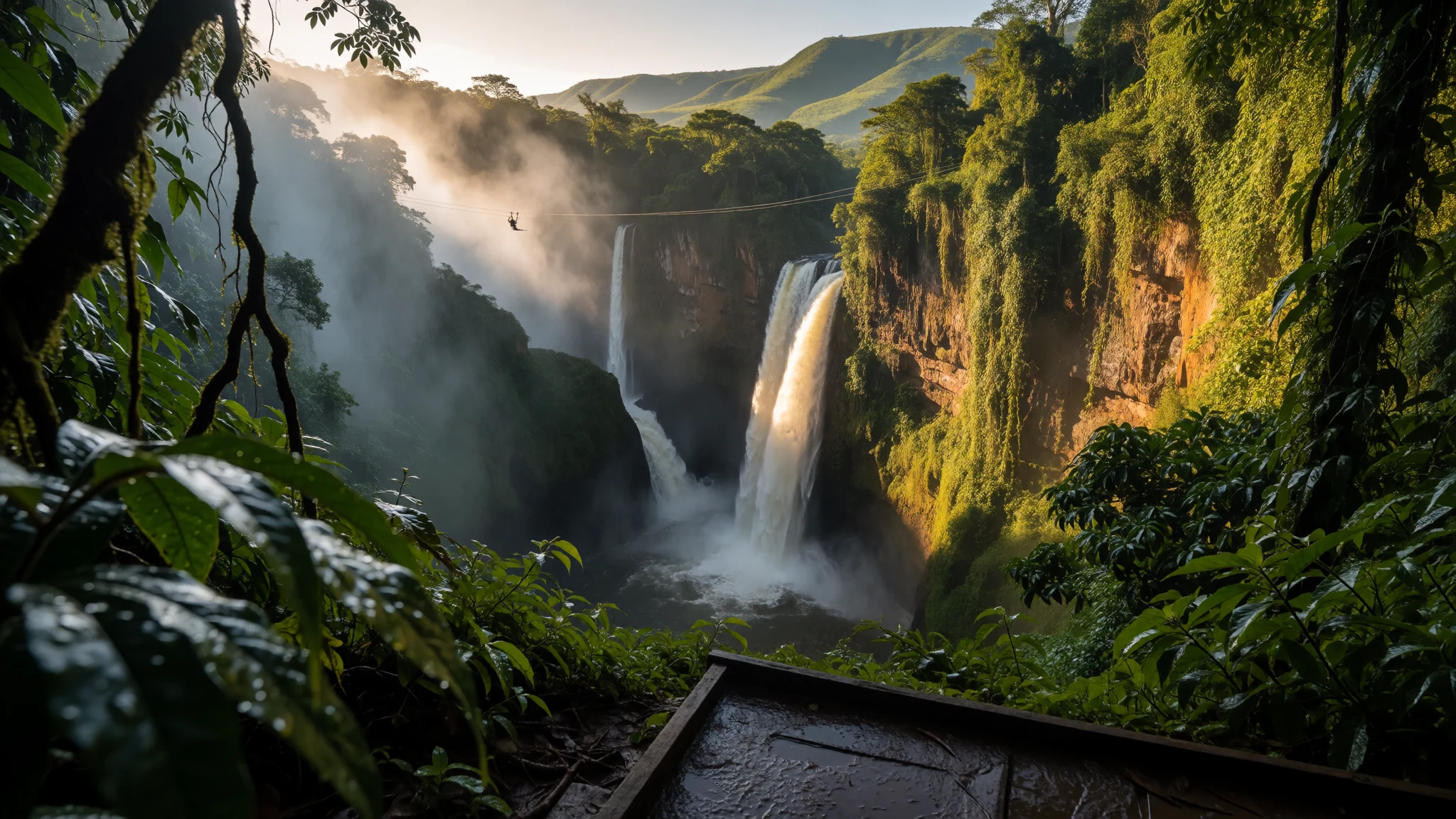
Witness twin roaring torrents plunging into a dramatic, jungle-clad volcanic gorge in southern Laos.
The place
Tad Fane sits within the lush landscapes of Champasak province, forming a dramatic feature of the wider Bolaven Plateau. The surrounding region transitions from sleepy riverside settlements along the Mekong river to elevated, fertile volcanic soils where cooler highland air supports dense greenery. Nearby Champasak village preserves remnants of its past as the seat of a former Lao kingdom, featuring wooden Lao homes alongside French colonial architecture built for local royalty. While travellers often base themselves around the nearby riverside or historic ruins, the plateau itself draws visitors seeking sweeping canyon vistas, dramatic drops, and cooler highland temperatures away from the tropical lowlands. The landscape is defined by rushing waters carving through ancient rock formations, surrounded by dense forests that cloak the plateau slopes. Narrow tracks and viewpoint clearings allow visitors to take in the sheer scale of the gorge, where the twin streams plunge into the abyss below. The atmosphere carries the constant, deep roar of falling water, echoing across the forested valley walls and mingling with the mist that rises from the canyon floor.
Its story
The history of Champasak and its surrounding plateau is tied closely to ancient regional powers, trade routes, and royal lineages. Long before modern borders were drawn, the river valleys and highland forests sustained kingdoms that left behind monumental stone architecture and spiritual sites across the southern plains. Later eras brought French colonial influence, which left architectural marks in the riverside settlements where officials and local nobility once gathered. The overthrow of the royal regime marked a major turning point for the area, shifting the old seat of power into a quiet agricultural village while preserving memorials and faded colonial facades as testaments to its aristocratic past. For generations, the deep gorges and plateau forests remained the domain of local agrarian communities and upland ethnic groups who cultivated the rich volcanic earth. Over time, the natural wonders of the plateau transformed the area into a focal point for travellers exploring southern Laos, drawing visitors from across the world to witness the dramatic geography that once served as a remote frontier of ancient kingdoms and royal domains.
What to see
- Wat Phou — Champasak area
A ruined Khmer-Hindu temple complex featuring Champa influences, standing as one of the oldest places of worship in the wider region.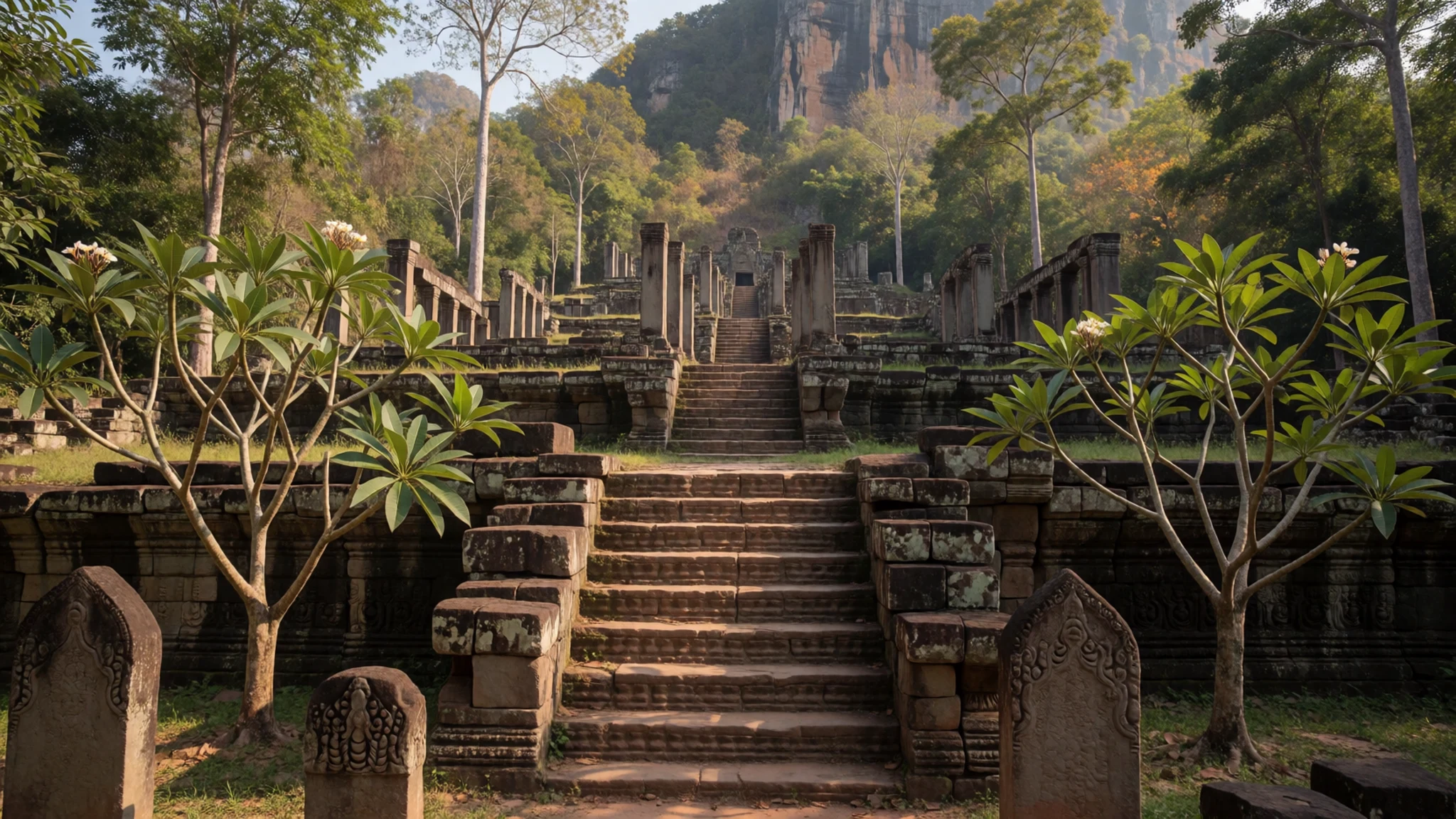
- Théâtre d'ombres de Champasak — Champasak town
An evening shadow puppet show telling traditional stories accompanied by live musicians playing regional instruments.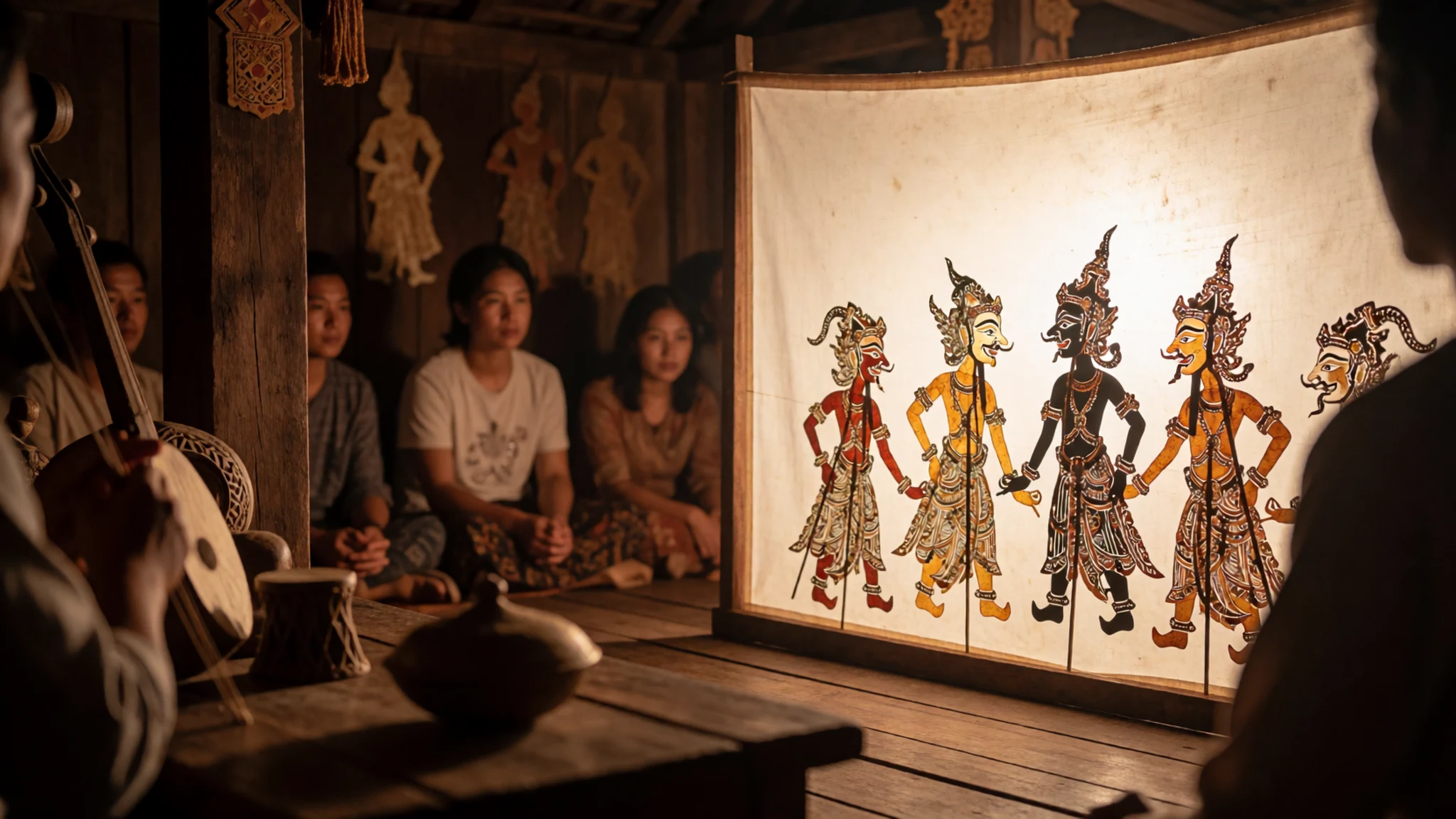
- AD Learning Centre — Champasak town
A community-focused social enterprise offering educational support and English classes, welcoming volunteers and visitors.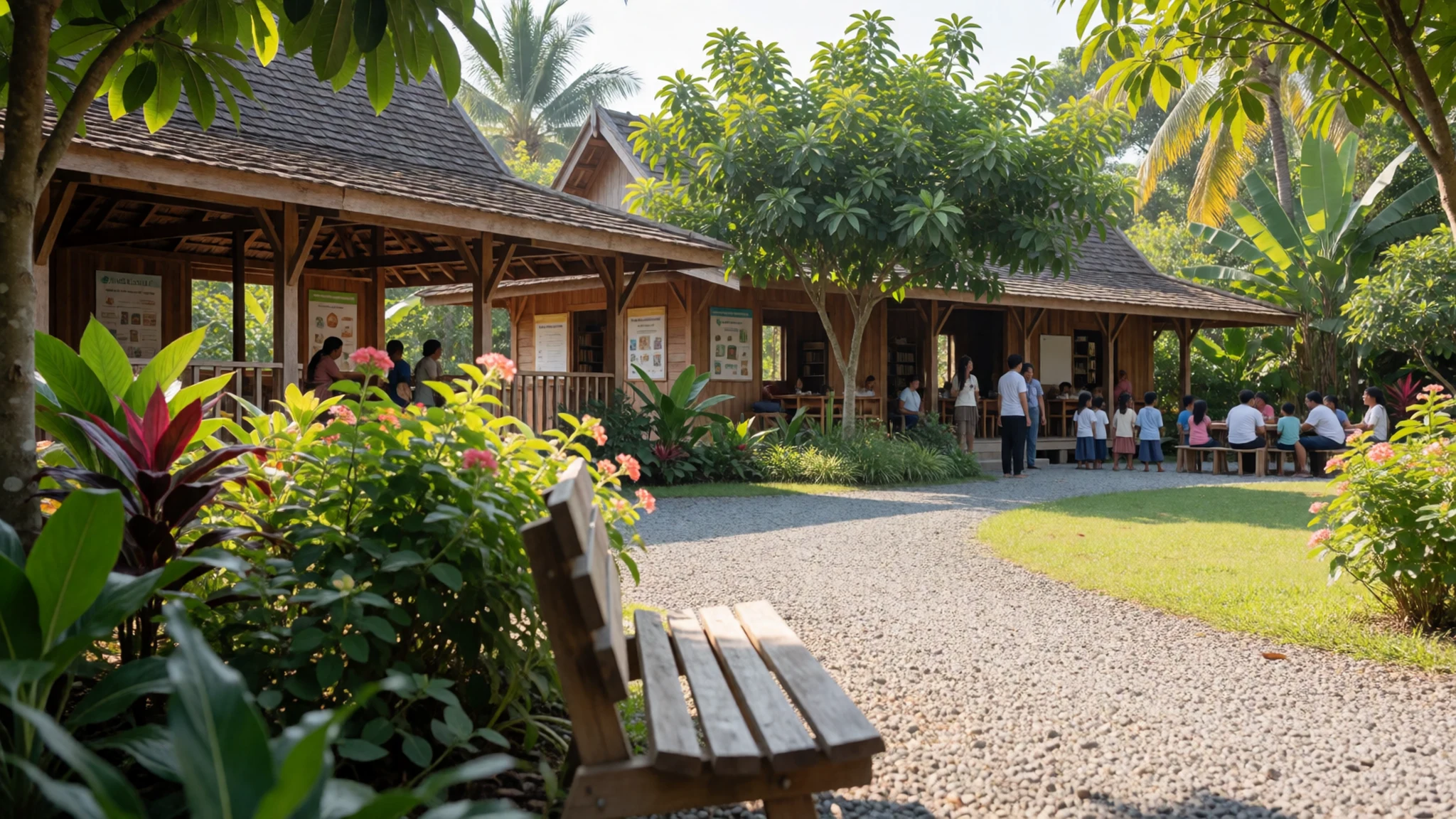
- Champasak eSPAce bien-etre — Champasak riverfront
A relaxing riverside spot offering traditional body therapies and soothing coconut oil massages along the riverbank.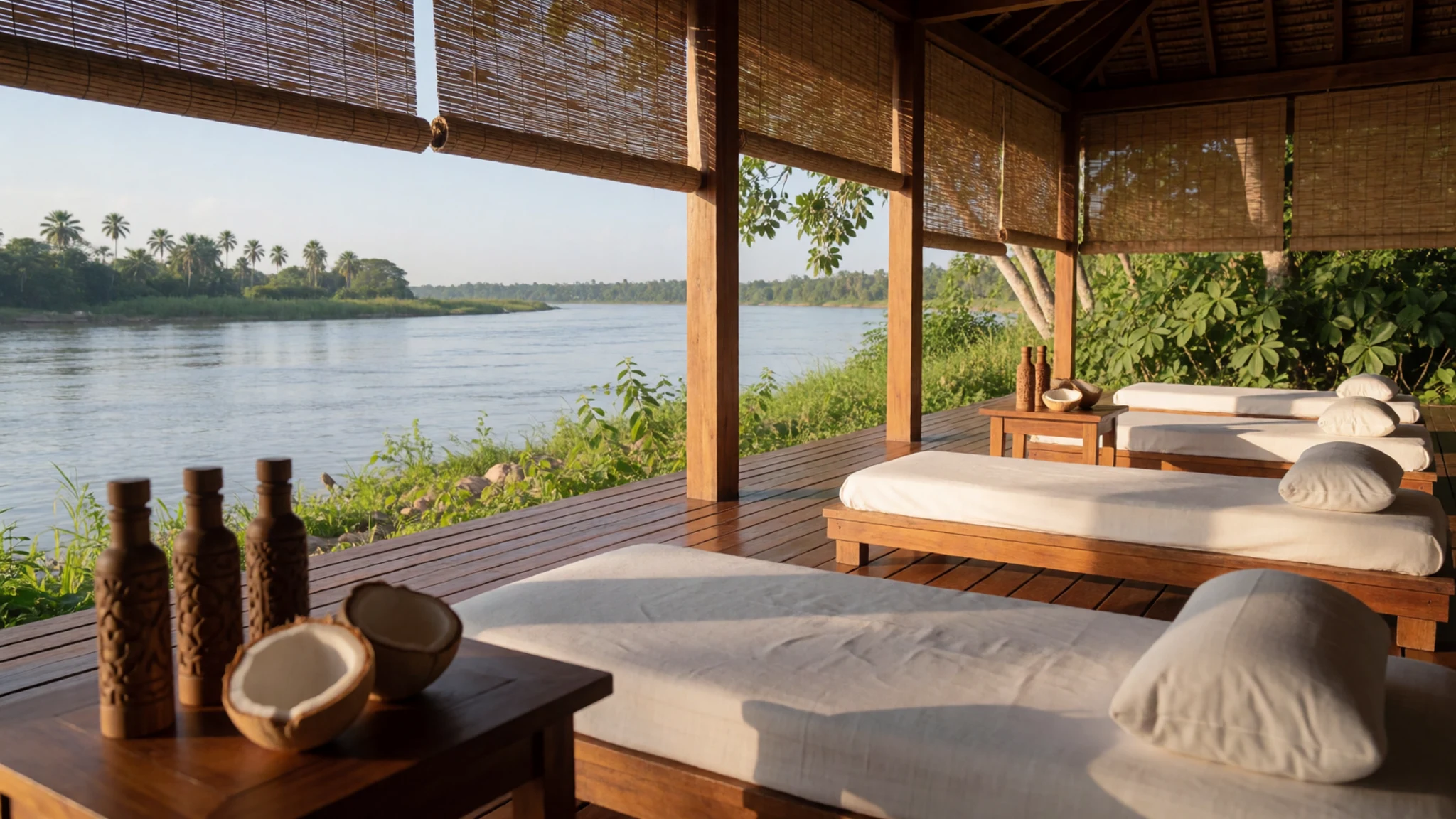
- Wat Nyutthitham — Champasak main street
A local Buddhist temple serving the community with colourful shrine halls and quiet temple courtyards.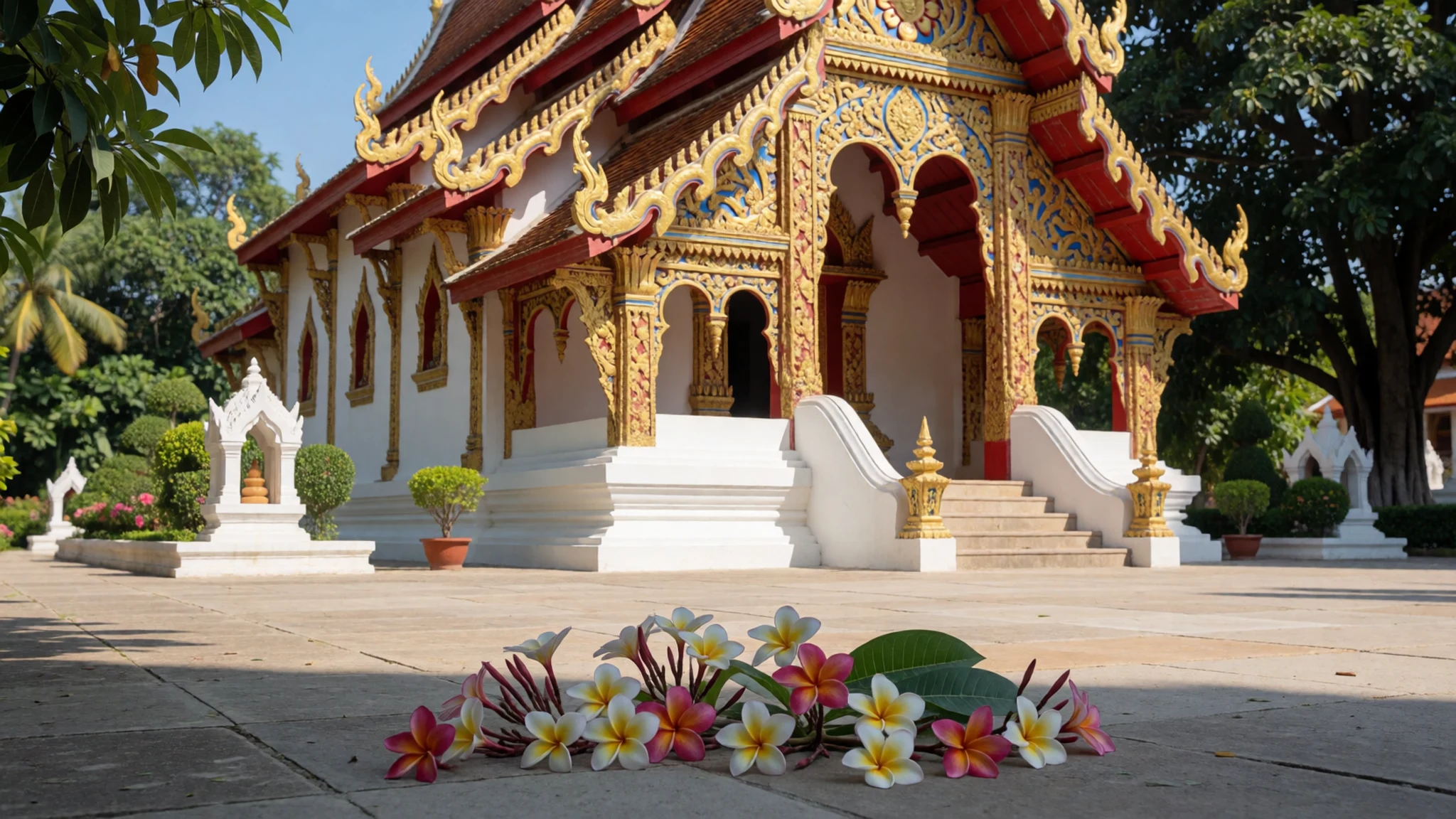
Culture
Southern Lao culture is deeply rooted in Theravada Buddhism, rural traditions, and community life along riverbanks and plateau slopes. Daily routines often begin with alms-giving to monks in the early morning, while village life moves at a gentle, unhurried pace shaped by agricultural cycles and seasonal rains. Traditional arts such as shadow puppetry, weaving, and regional music continue to be passed down through generations, keeping ancient epics and folklore alive in local performance spaces. Visitors are welcomed with warmth and hospitality, though cultural modesty remains important when exploring sacred spaces or rural villages. Dress modestly with covered shoulders and knees when visiting temples, and always remove footwear before stepping inside religious buildings.
What to wear
Traditional attire across Laos includes the elegant *sinh*, a traditional woven tube skirt worn by women, often crafted from patterned cotton or silk with intricate horizontal designs along the hem. Men traditionally wear simple trousers or traditional wrap garments during ceremonies and festivals. For everyday wear in the tropical climate, locals opt for lightweight, breathable fabrics such as cotton and loose shirts to stay comfortable in the heat and humidity. Travellers should pack lightweight, modest clothing suitable for warm weather, including breathable trousers or skirts and shirts that cover the shoulders. Sturdy footwear is essential for walking around uneven natural terrain, viewpoints, and ancient temple ruins.
What to eat
- Lao Larb — Local riverside restaurants
A fragrant minced meat salad seasoned with toasted rice powder, fresh herbs, lime juice, and chilli, found at local eateries.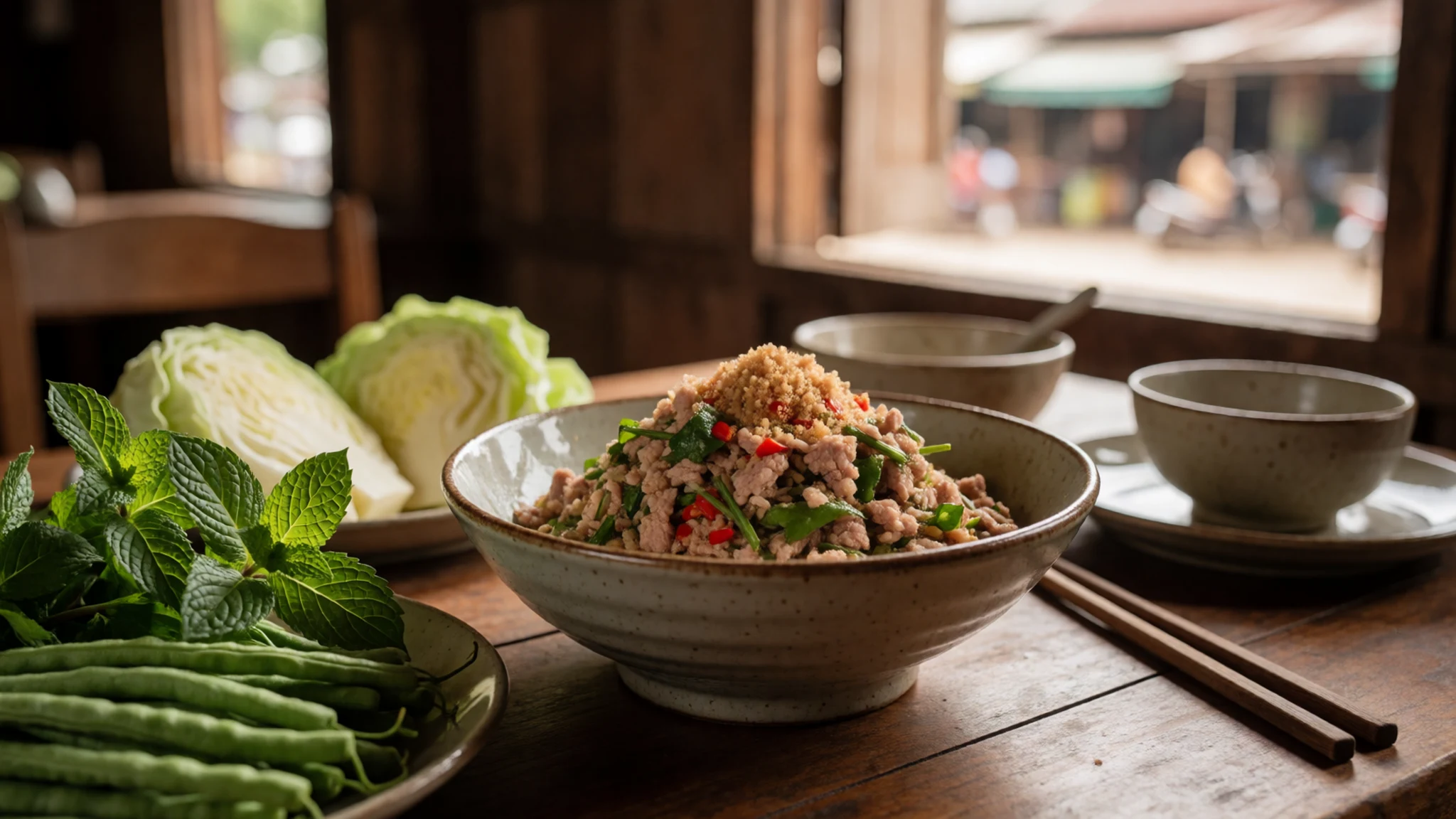
- Sticky Rice — Any local market or family-run diner
Glutinous rice served in small woven bamboo baskets, forming the essential foundation of nearly every traditional meal.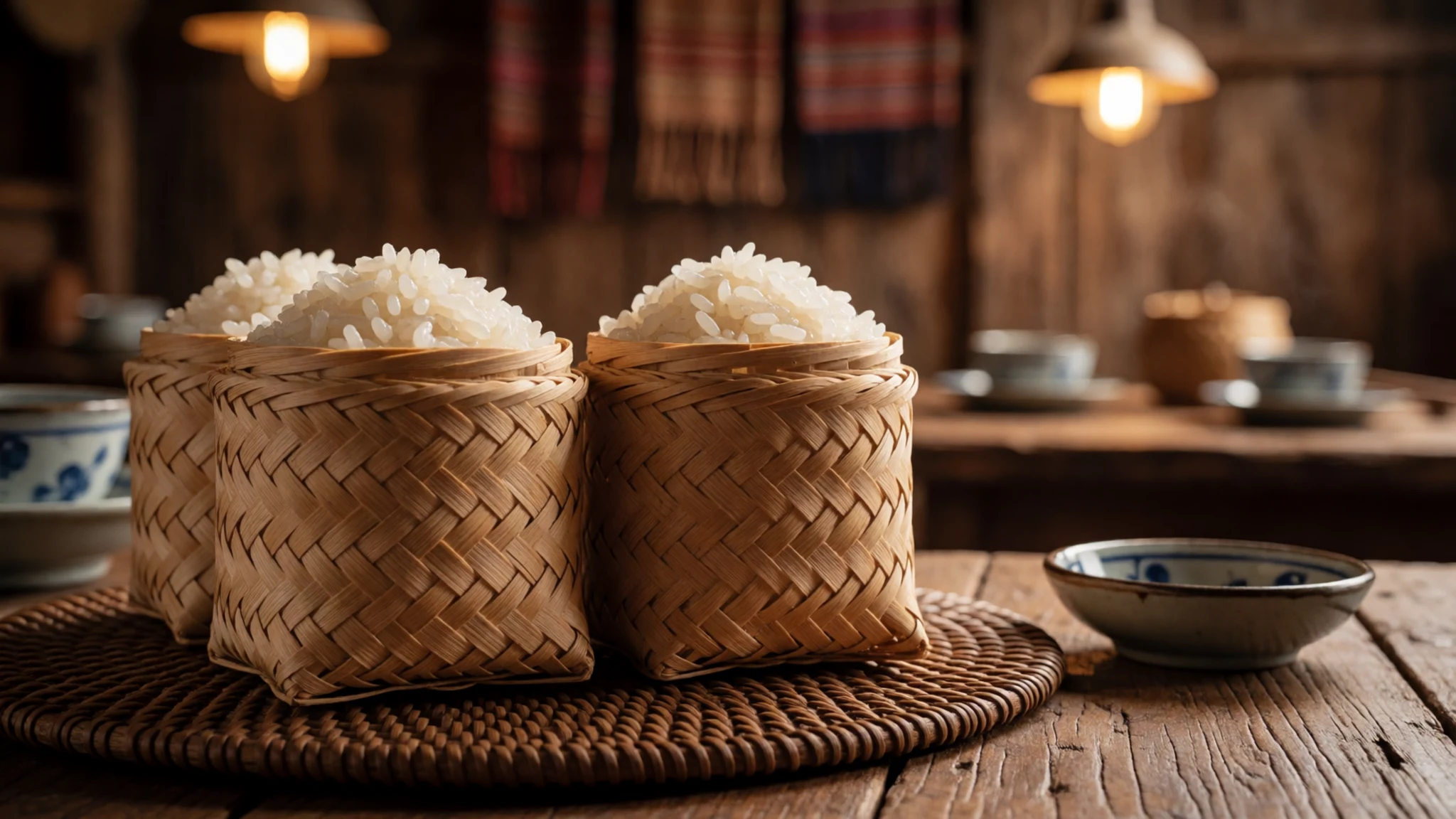
- Mok Pa — Morning riverside food stalls
Fresh river fish mixed with herbs, lemongrass, and chillies, wrapped in banana leaves and steamed until tender. - Tum Mak Hoong — Street food stalls and village markets
Pound green papaya salad tossed with garlic, chillies, fish sauce, and lime juice for a sharp, spicy kick.
Plan it
Best time. The cooler dry months offer the most pleasant weather for exploring the plateau and outdoor viewpoints.
How long. 2–3
Getting there. Fly or travel by road to Pakse, then take a local minibus or hire transport across the plateau toward Champasak.
Budget. mid
Tips
- Carry sufficient cash as card acceptance is limited outside major hotels
- Wear sturdy walking shoes for exploring uneven canyon paths
- Check local transport timetables as afternoon services can be sparse
Etiquette
- Dress modestly with covered shoulders and knees at sacred sites
- Remove your shoes before entering temples and traditional homes
Nearby
Sources
- Wikidata Q124466019 (CC0)
- Wikivoyage (rev 5302142) (CC BY-SA 4.0)
- Wikipedia (CC BY-SA 4.0)