Table Mountain
Table Mountain, South Africa
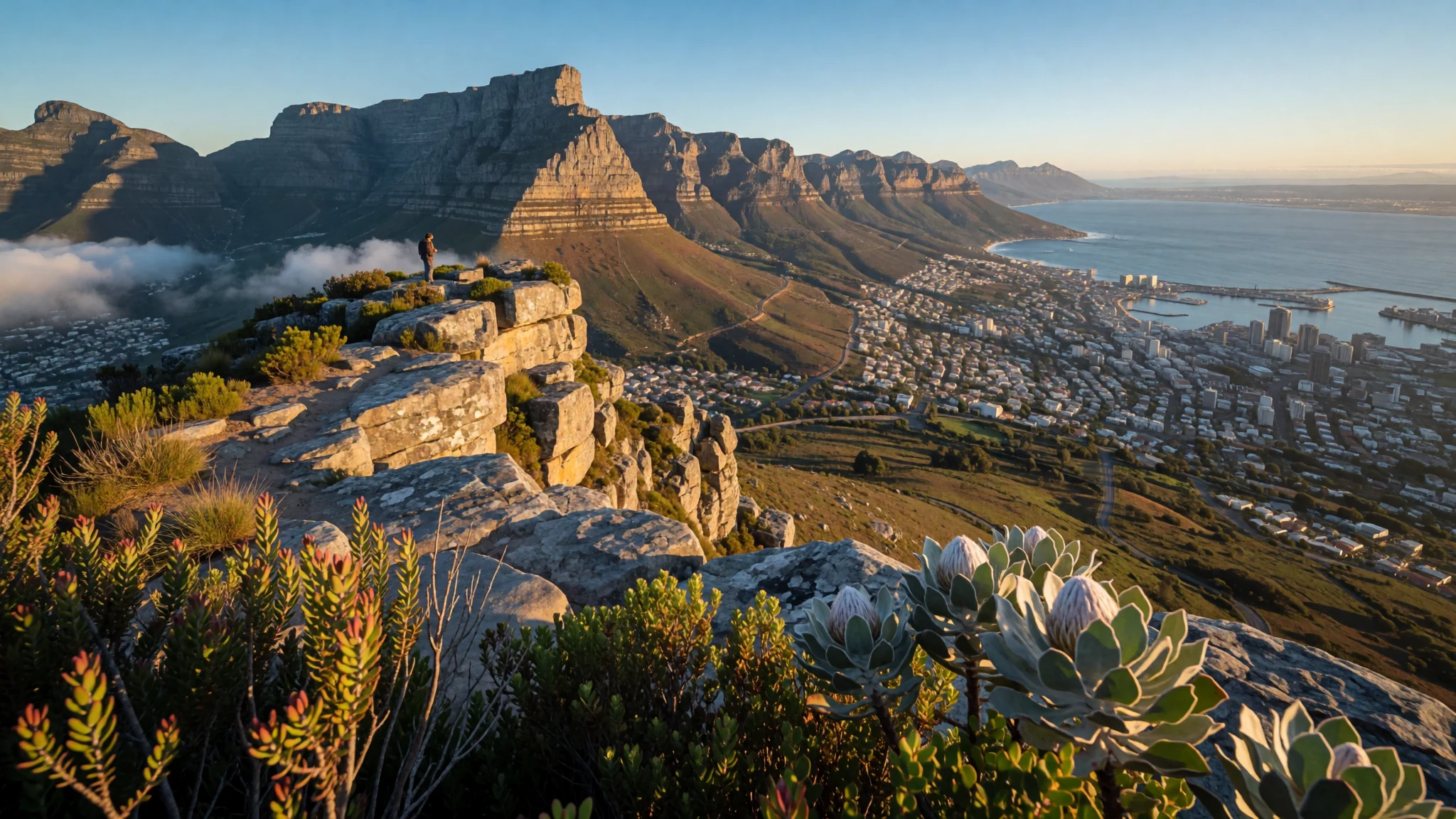
Rise above the Atlantic and the Cape metropolis on a flat-topped quartz sandstone giant draped in ancient, delicate fynbos wilderness.
The place
Table Mountain dominates the skyline of South Africa's legislative capital, rearing its flat-topped silhouette directly above the coastal metropolis. The upper reaches of this massive mesa consist of ancient quartz sandstone layers that resist weathering, forming the sheer grey crags that define the peak's formidable profile. Thousands of plant species flourish across the elevated plateau and slopes, with a vast majority belonging to the distinctive low-growing shrubland known locally as fynbos. Millions of visitors arrive each year to explore the national park lands surrounding the summit, making it the most visited protected natural area in the country. Reaching the upper plateau requires either a rotating cableway ride or a serious climb on foot along steep, rocky paths that demand proper preparation, reliable footwear and adequate water. Weather conditions on the summit can shift without warning, as moist winds rolling in from the ocean frequently spill over the edge in a tumbling blanket of cloud known colloquially as the tablecloth. Below the steep cliffs, the terrain slopes down towards bustling urban districts, sandy ocean beaches and the wider Cape Peninsula. The mountain acts as a central geographical anchor for the region, visible from almost every corner of the surrounding coastal bowl and providing a dramatic backdrop for the sprawling suburbs, historic avenues and active harbourfront below.
Its story
Human history on these slopes stretches back deep into prehistory, long before written records or European maritime expeditions reached the southern ocean. Indigenous forager groups originally roamed the peninsula before pastoralist clans arrived from the northern interior, bringing herds of cattle and sheep to graze the seasonal pastures. By the time Portuguese navigators first sailed into the wide coastal bay, local pastoralist communities utilised the fertile coastal lowlands and mountain grazing grounds according to traditional cycles. The Portuguese explorer António de Saldanha became the first European to set foot ashore in the area, climbing the towering massif and leaving a carved mark on the rock of a nearby prominence that remains traceable today. Centuries later, colonial authorities established defensive positions across the elevated terrain, ordering the construction of stone blockhouses to secure the strategic port against rival European powers. Remnants of these military outposts still stand among the scrub, testifying to the mountain's long role as a watchtower over the maritime routes linking Europe to the East. Through eras of colonial rule, urban expansion and political transformation, the mountain has remained an enduring symbol for the diverse peoples of the Cape, holding deep cultural resonance and serving as a shared natural sanctuary above a changing city.
What to see
- Plateau Summit & Cableway — Table Mountain National Park
Ascend the steep rock faces via the modern aerial cableway with rotating floors, or walk up the direct central gorge route. The flat summit plateau features an extensive network of footpaths leading to various viewpoints overlooking the Atlantic seaboard, the sprawling city bowl, and the distant peaks of the Cape Peninsula.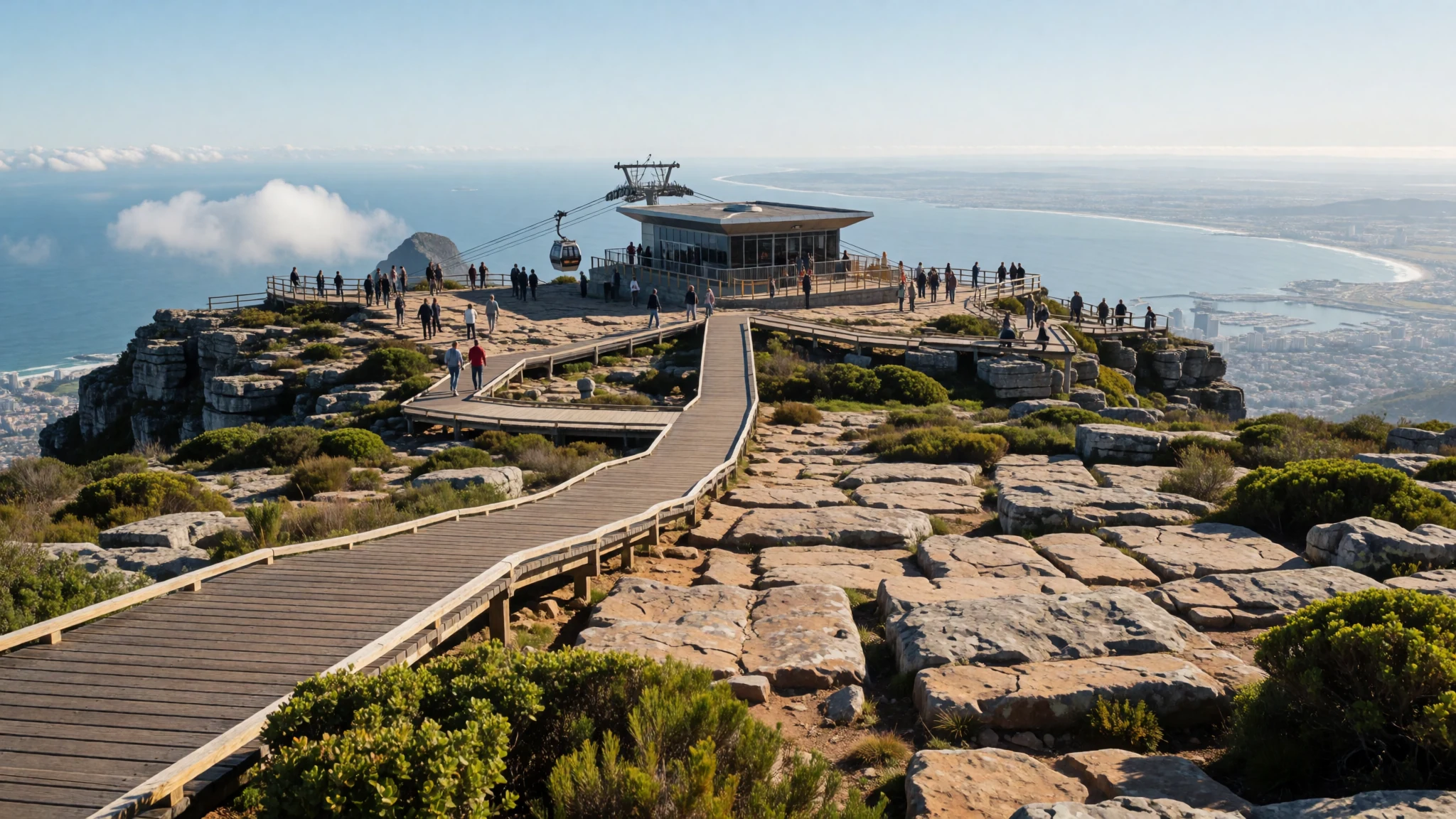
- Cape Peninsula & Boulders Beach — False Bay coast
Travel south along the dramatic coastal roads toward the tip of the peninsula. Stop at sheltered bays to observe the resident African penguin colonies waddling among the granite boulders, and continue onward to the rugged headlands where two oceans meet within the protected coastal reserve.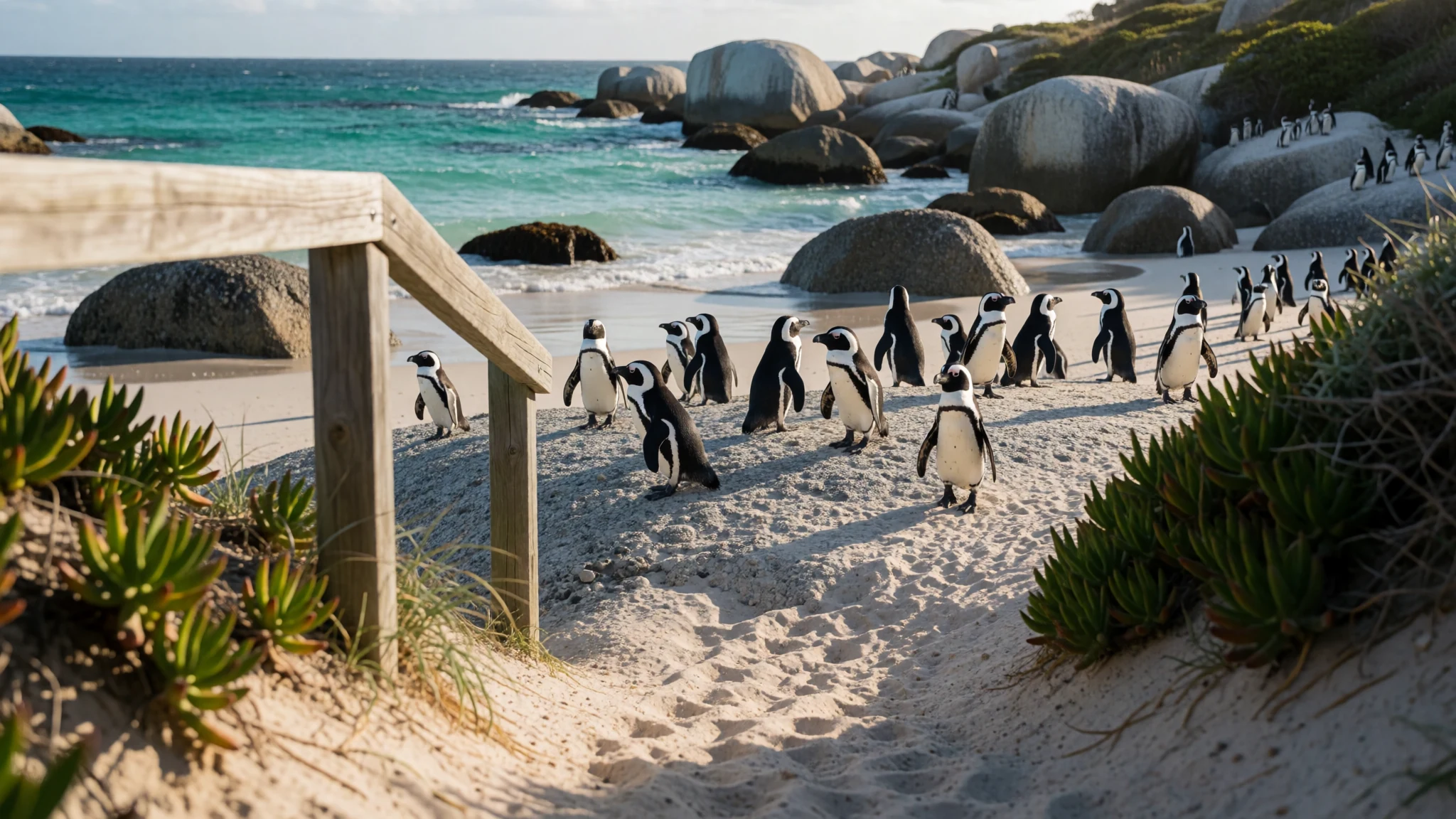
- Cape Winelands — Stellenbosch and Franschhoek valleys
Venture inland to the fertile valleys surrounding historic towns where centuries-old vineyards climb the mountain foothills. Sample regional vintages in shady courtyards, tour old Cape Dutch cellars, and enjoy exceptional regional gastronomy set against dramatic backdrops of jagged mountain ranges.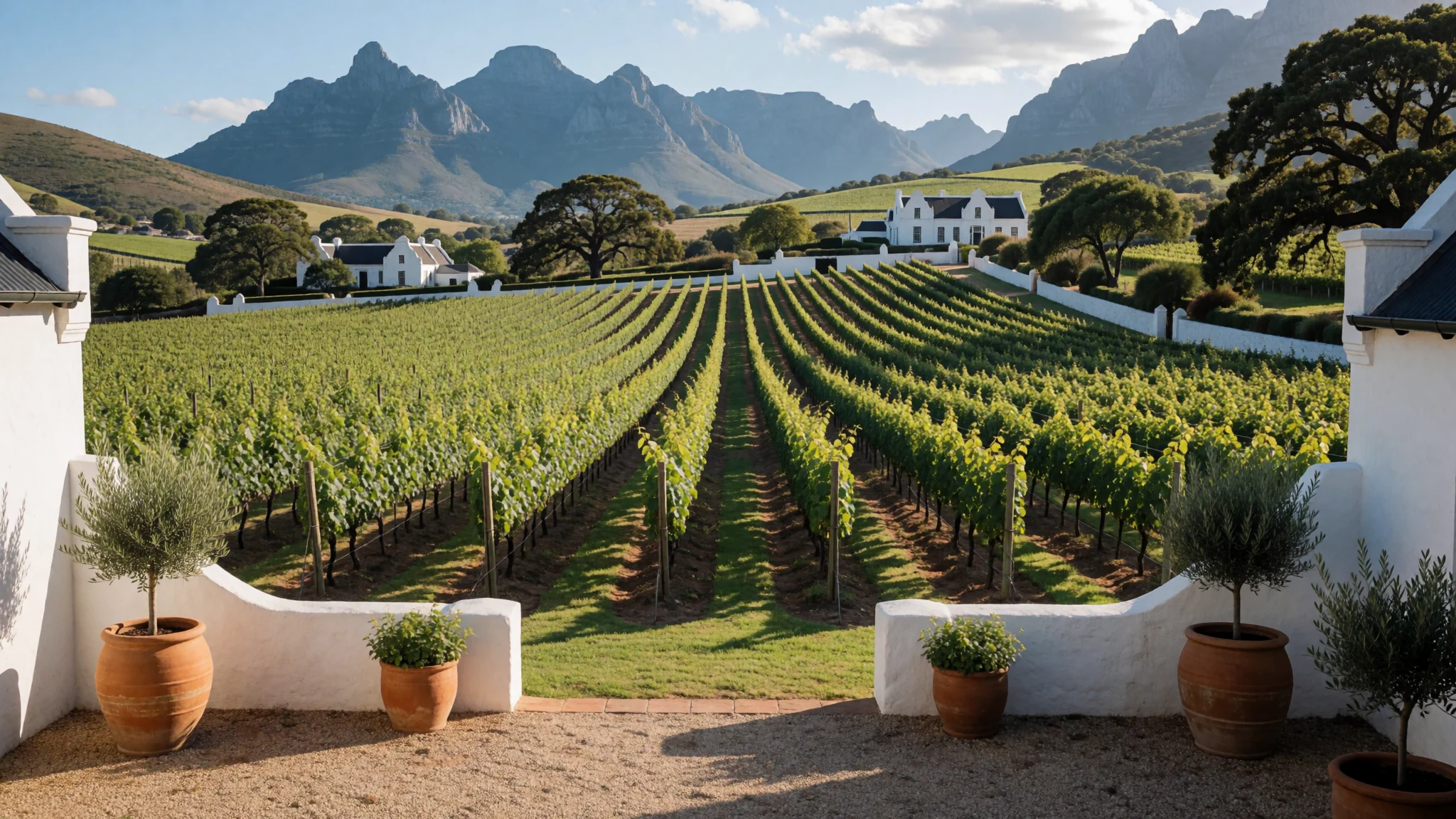
- Signal Hill & Lion's Head — Cape Town Atlantic seaboard
Positioned immediately adjacent to the main mountain massif, these smaller prominences offer outstanding panoramic vistas across the city and harbour. Walk the curving paths around sunset to watch the evening light play across the stone face of Table Mountain and the waters of Table Bay.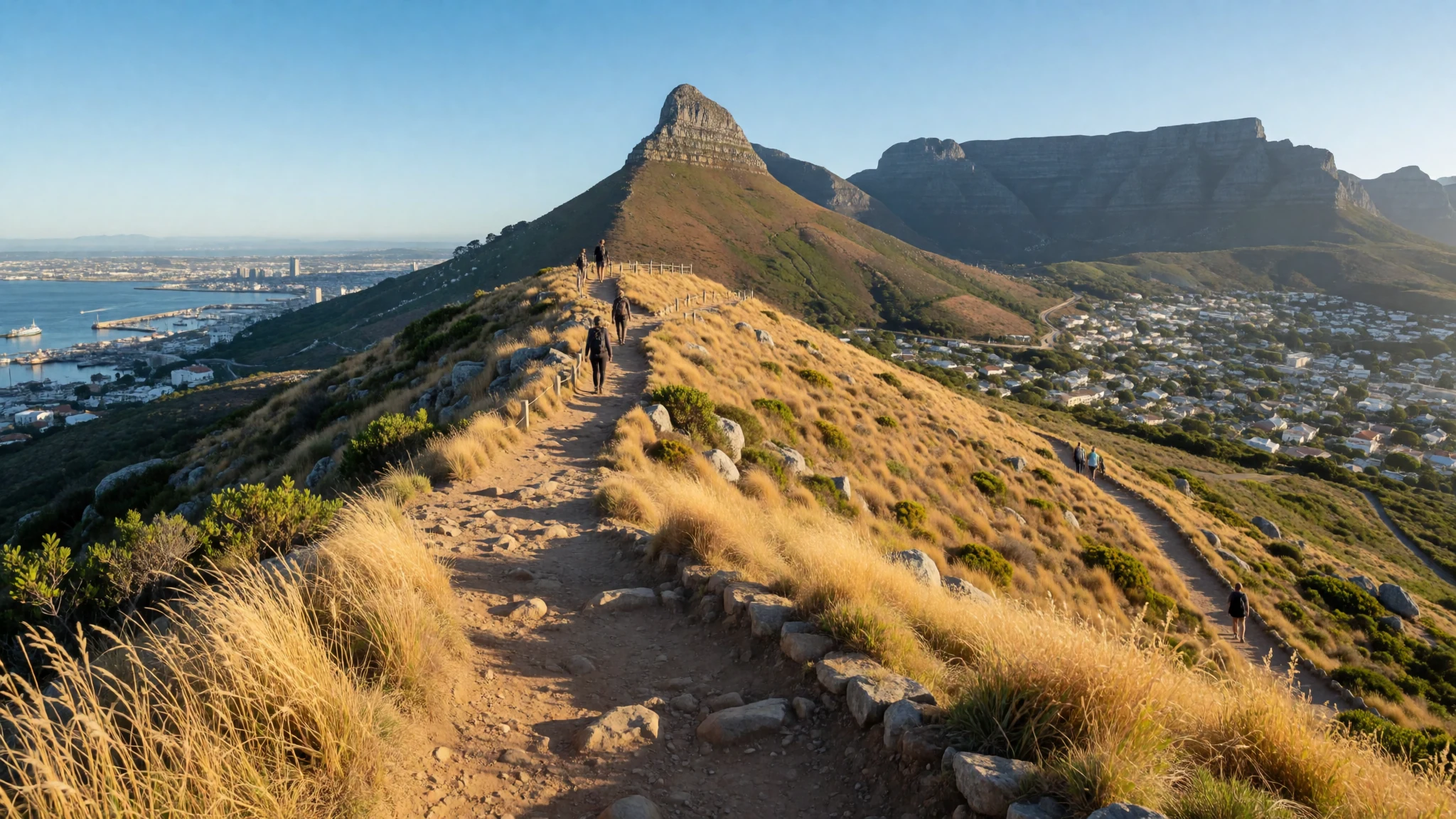
Culture
The cultural fabric of the Cape reflects a rich blend of indigenous heritage, early European maritime history, Cape Malay traditions, and modern South African diversity. Communities across the region gather around shared outdoor traditions, weekend hikes up the mountain slopes, and vibrant culinary customs rooted in local spices and coastal produce. Public life moves at a relaxed coastal pace, though urban areas bustle with creative energy, markets, and musical performances. Visitors will find English and Afrikaans widely spoken alongside isiXhosa, reflecting the multicultural identity of the Western Cape. When exploring nature reserves or urban markets, greet stallholders and guides with a friendly word before asking questions. Always respect local conservation guidelines and stay on marked footpaths to protect the fragile endemic fynbos ecosystems from trampling.
What to wear
Traditional dress in the Western Cape encompasses vibrant Cape Malay garments with Dutch-influenced tailoring, alongside contemporary African prints and everyday casual wear suited to a Mediterranean maritime climate. Locals generally dress in practical, comfortable clothing for city life, favouring denim, light cotton shirts, and sturdy footwear for navigating the hilly streets. Because weather conditions on the mountain can shift rapidly from warm sunshine to chilly winds and mist, visitors must dress in layers. Pack a windproof jacket, sturdy hiking boots with good grip for rocky sandstone paths, a sun hat, and high-factor sunscreen. Even on warm days at sea level, the upper plateau can feel cold and exposed when ocean mists sweep across the flat summit.
What to eat
- Fresh Coastal Seafood — Hout Bay harbour and Atlantic seaboard restaurants
Sample freshly caught line fish, mussels, and crayfish pulled from the cold Atlantic waters, often prepared simply with lemon, garlic, and herbs at harbourfront eateries along the coast.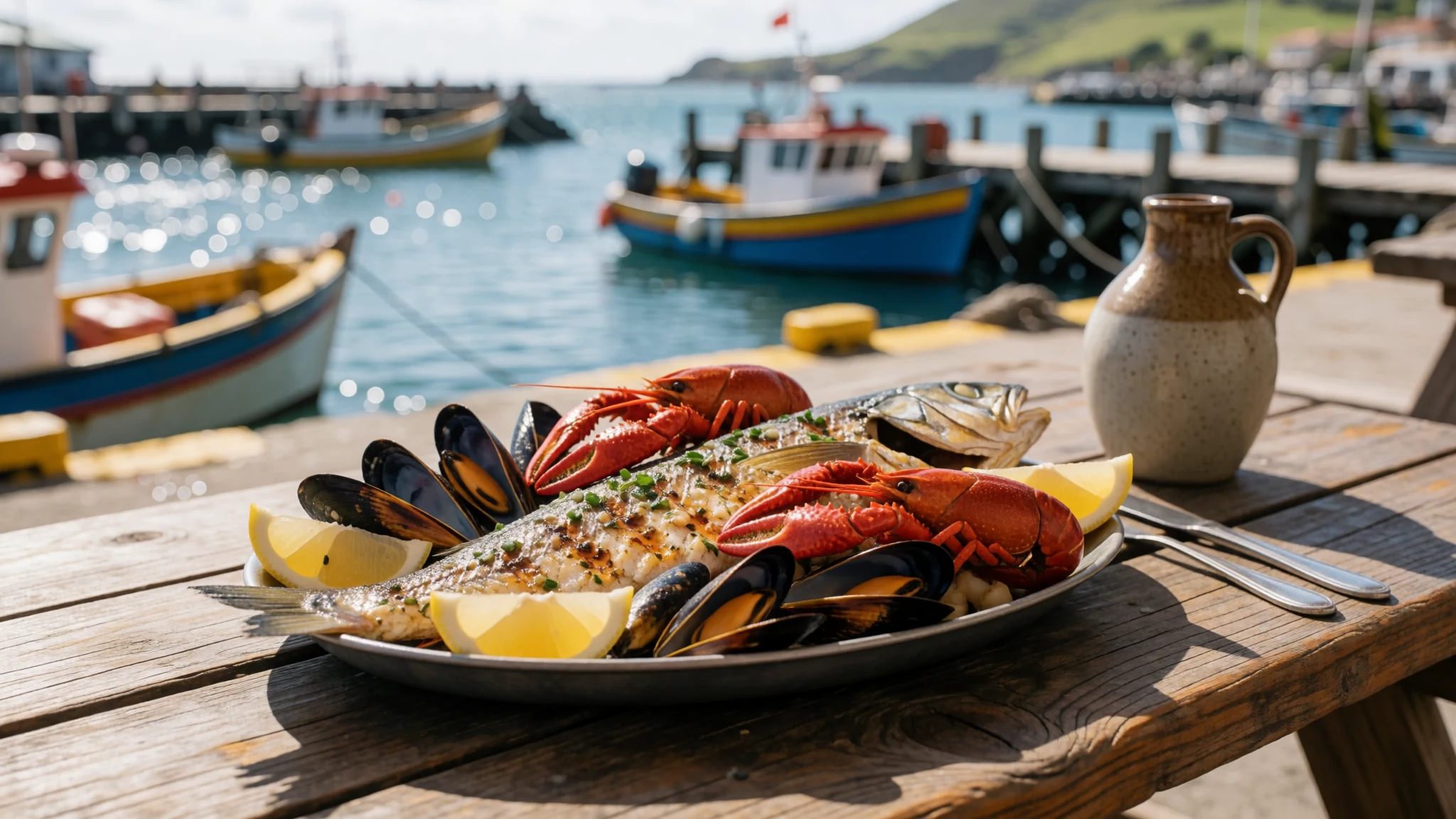
- Cape Malay Curry — Historic Bo-Kaap neighbourhood kitchens
Savour aromatic, mildly spiced bobotie or fragrant chicken and lentil curries infused with turmeric, cinnamon, and dried fruit, served alongside yellow rice and sambals.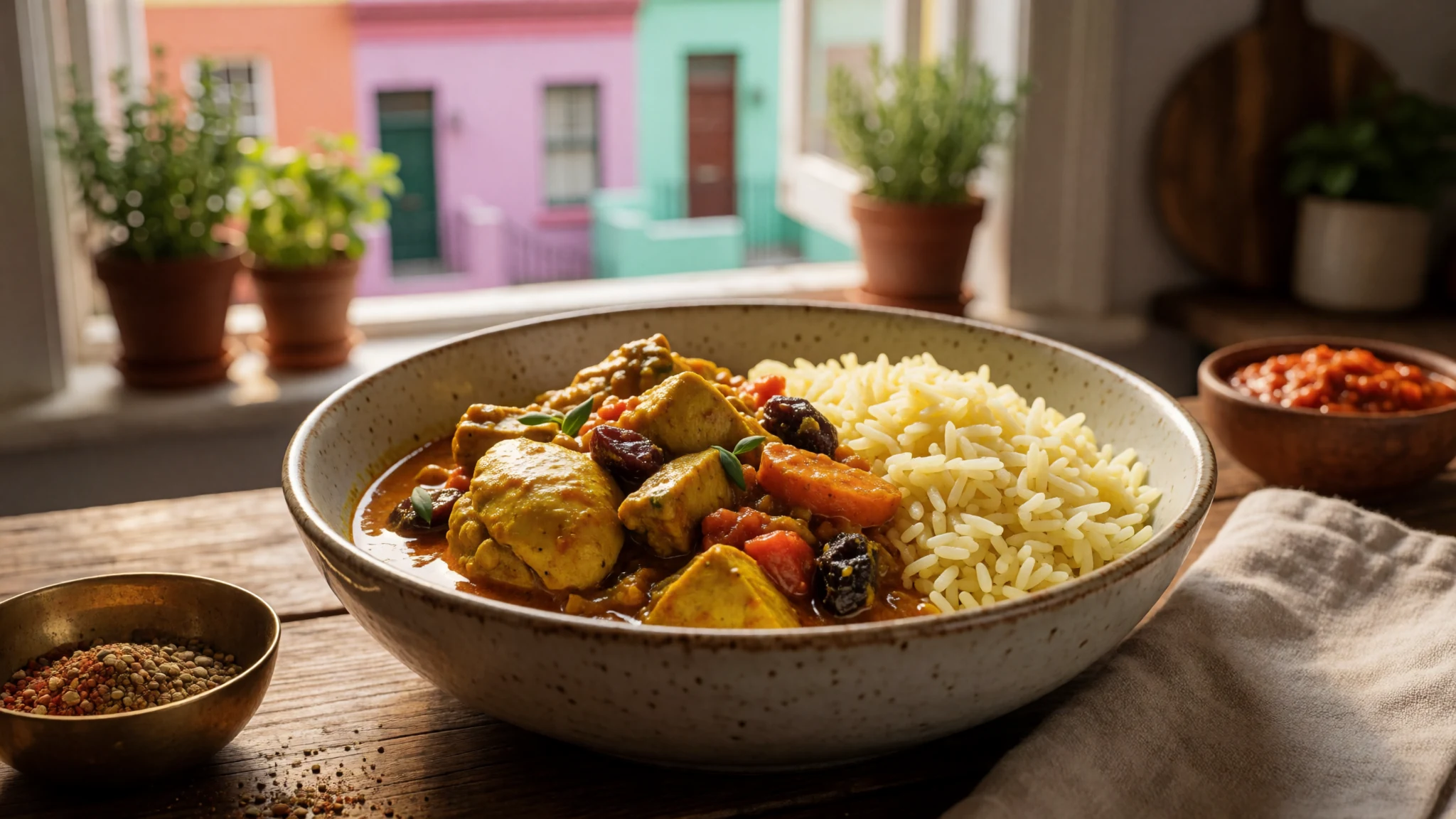
- Winelands Artisan Cheese & Charcuterie — Stellenbosch and Franschhoek farm stalls
Enjoy handcrafted goat cheeses, cured meats, and freshly baked breads produced in the nearby valleys, paired with world-class local wines. - Biltong and Droëwors — Local butcheries and markets across Cape Town
Try traditional cured, spiced strips of beef or game meat dried slowly according to heritage recipes, popular as an energy-boosting snack for hiking outings.
Plan it
Best time. November through March offers the warmest weather and longest daylight hours for outdoor exploring, though autumn (April to May) brings calmer days and fewer crowds.
How long. 3–4
Getting there. Fly into Cape Town International Airport, then take an authorized shuttle, taxi, or rental car for the final half-hour drive into the city centre.
Budget. mid
Tips
- Check cableway operating status online before heading up, as strong winds frequently suspend service
- Start hiking routes early in the morning to avoid intense midday heat on exposed northern slopes
- Carry ample drinking water and emergency layers, as mountain weather changes without warning
- Stick strictly to designated paths to protect sensitive endemic vegetation
- Keep valuables secure and avoid walking isolated trails alone after dark
Etiquette
- Greet guides and park staff politely before asking for directions
- Take all rubbish down with you and leave natural items untouched
- Respect private property boundaries when exploring rural wineland areas
Nearby
Sources
- Wikidata Q213360 (CC0)
- Wikipedia (rev 1377057480) (CC-BY-SA 4.0)
- Wikivoyage (rev 4996818) (CC-BY-SA 4.0)
- Photo 01: Table Mountain DanieVDM (CC BY 2.5)
