Székesfehérvár
Székesfehérvár, Hungary
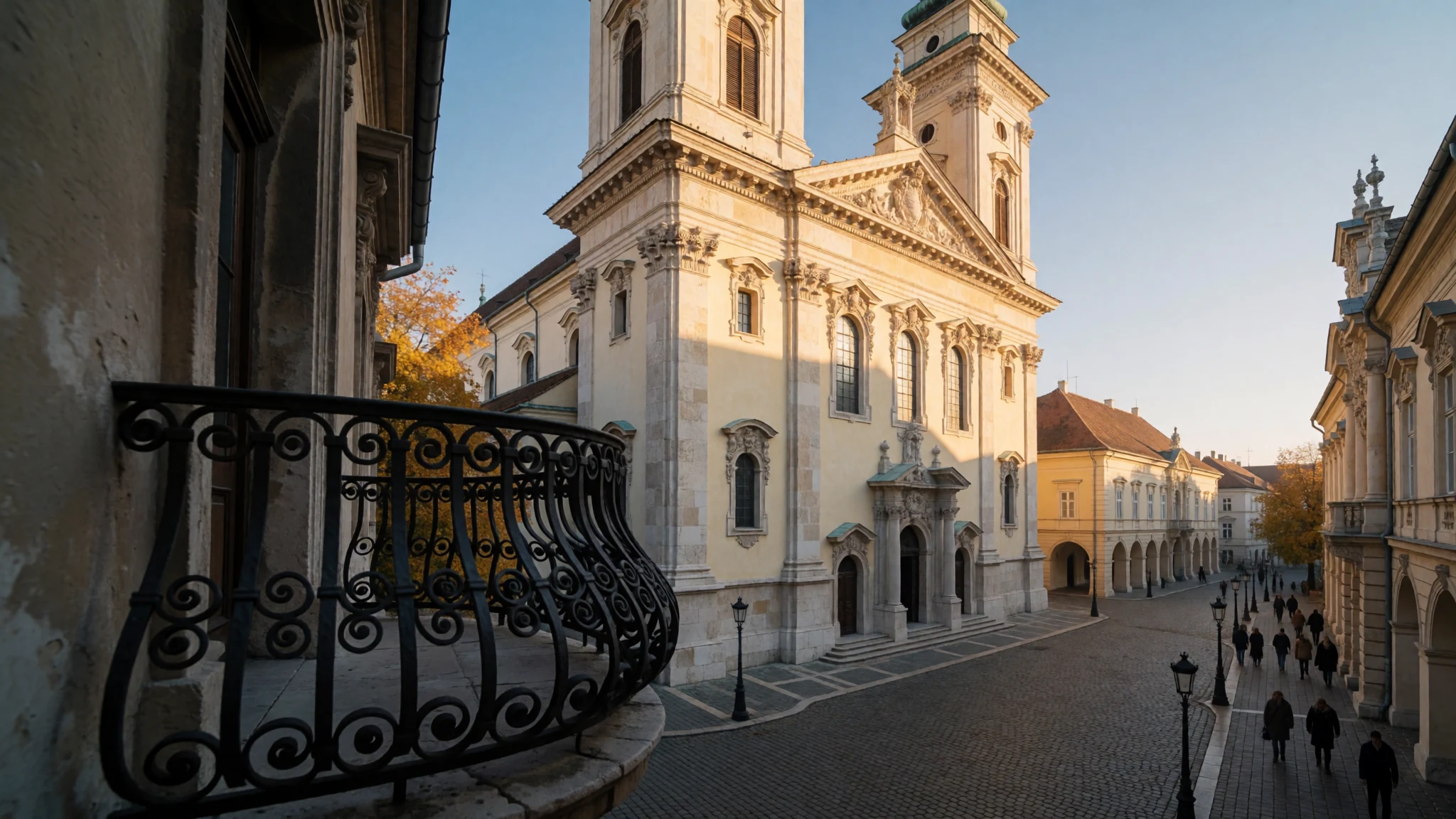
Székesfehérvár offers quiet medieval history, baroque architecture and royal coronation sites away from major tourist crowds.
The place
Székesfehérvár sits within central Hungary as an important regional capital and transportation hub. Positioned strategically between Lake Balaton and Lake Velence, the municipality acts as a natural meeting point for travellers moving across the Transdanubian region. The settlement functions as the centre of Fejér County and supports a population of nearly one hundred thousand residents.
Colloquially known as Fehérvár, meaning white castle, the locality carries deep historical weight as an ancient royal seat. In medieval times, monarchs of the realm held their primary residence here, establishing a powerful political and administrative centre. The urban layout reflects centuries of architectural evolution, blending medieval foundations with baroque squares, classical civic buildings and shaded pedestrian avenues. Green spaces, quiet parks and public courtyards punctuate the streetscape, offering a calm atmosphere for those exploring the municipal core.
As a crucial junction for rail and road networks, connections to the surrounding countryside and major urban centres remain straightforward. The terrain sits at a modest elevation above sea level, contributing to a continental climate with distinct seasonal shifts. Visitors find a relaxed pace of life where local commerce, historical reverence and contemporary amenities exist in equilibrium, making the destination an engaging stop for anyone curious about Central European heritage.
Its story
Human habitation in the area stretches back centuries before the foundation of the medieval realm, with archaeological records noting settlements from the early periods and Roman outposts known as Gorsium and Herculia nearby. Following the Migration Period, the territory saw various tribal influences before taking on a definitive role in the emerging Hungarian state under the Árpád dynasty.
Grand Prince Géza initiated policies to integrate the region into Christian Western Europe, setting the stage for his successors to elevate the locality into a primary royal seat. According to historical tradition and the Doctrine of the Holy Crown, monarchs required coronation and burial within the grand basilica established here. For centuries, the settlement remained the beating heart of political power, hosting state assemblies and housing royal treasures.
This prominence drew intense conflict during the Ottoman expansion, leading to a long period of Turkish occupation that transformed the urban fabric and destroyed many monumental medieval structures, including the great basilica. Following liberation and the subsequent Habsburg administration, the town experienced a significant baroque and classical revival. Religious authorities, nobles and merchants constructed graceful palaces, churches and civic buildings over the ruins of the past, creating the harmonious architectural ensemble visible across the historic centre today.
What to see
- Saint István Cathedral — Városház square
The Saint István Cathedral stands as a principal religious landmark in the historic centre, featuring twin neoclassical towers and an ornate interior. Originally established by early medieval rulers, the structure underwent substantial rebuilding over subsequent centuries to achieve its present architectural form, serving as an active seat for regional bishops and a repository of sacred art.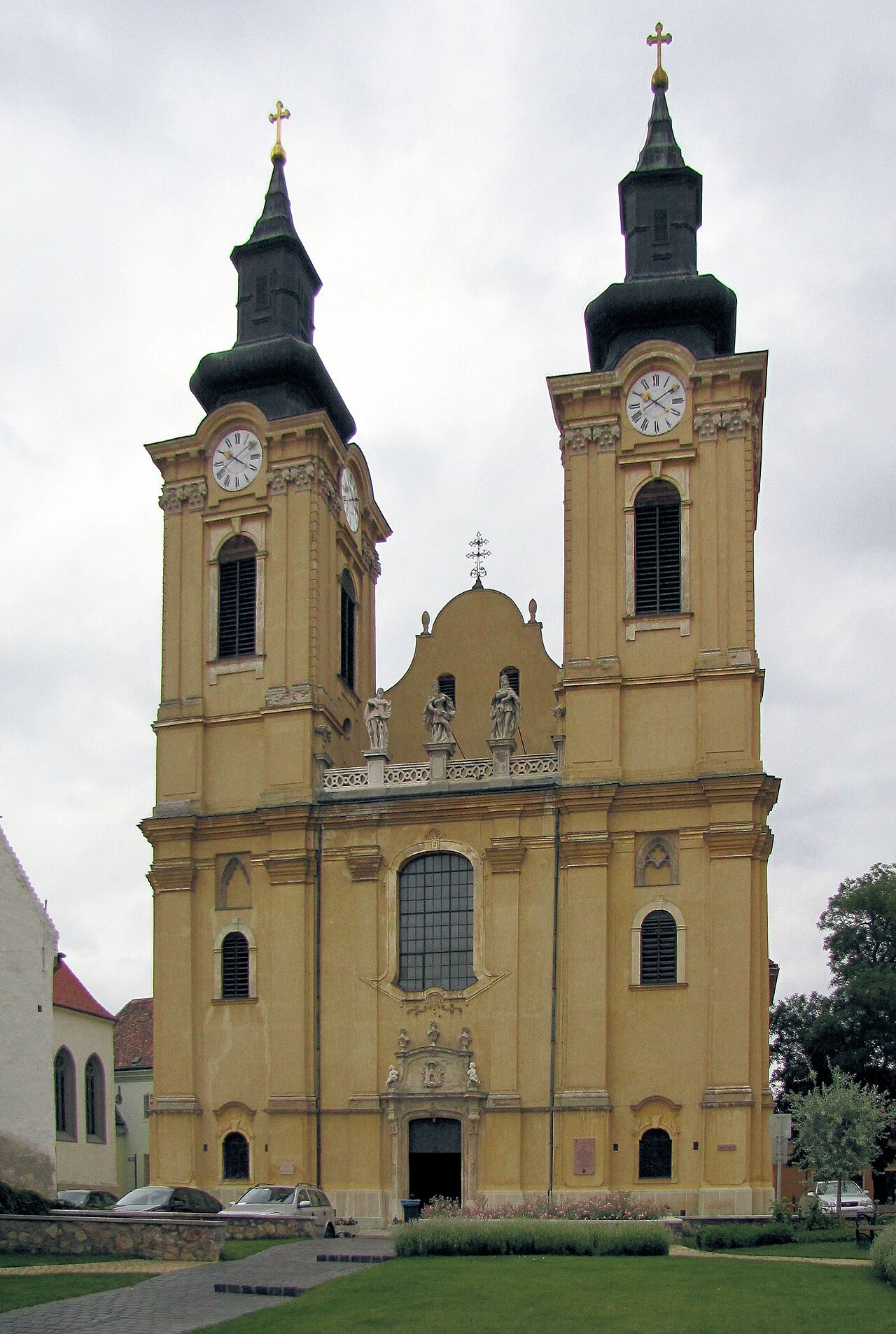
- Medieval Ruin Garden — Koronázó tér
The Medieval Ruin Garden preserves the foundations and stone fragments of the great coronation basilica where ancient kings were crowned and interred. Destroyed during centuries of conflict under Ottoman rule, the excavated site now functions as a solemn national memorial park, allowing visitors to walk among the scattered relics of medieval European history. - Bishops Palace — Városház square
The Bishops Palace dominates the main civic square with an impressive facade and refined architectural detailing. Constructed in a distinctive regional zopf style that bridges baroque and classical design, the building houses valuable ecclesiastical collections and stands alongside decorative public monuments that celebrate the heritage of the region.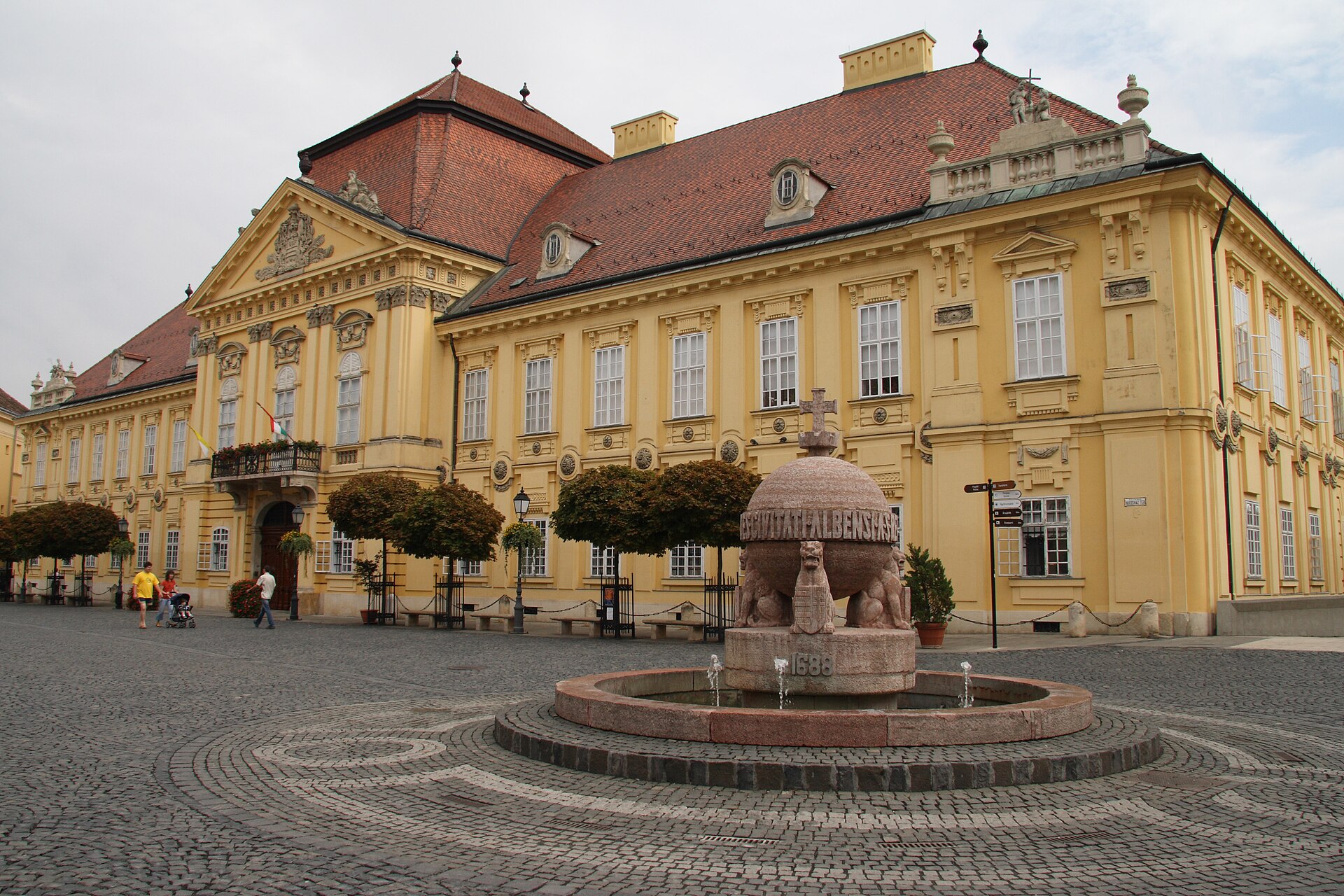
- St Anna Chapel — Historic centre
St Anna Chapel is a rare survivor from the medieval era, having miraculously escaped destruction during the Turkish occupation. Built in a Gothic style with delicate stonework and pointed arched windows, the chapel provides a tangible link to the architectural craftsmanship of the fifteenth century within the urban core. - Serbian Quarter — Historic district
The Serbian Quarter preserves a unique cultural pocket featuring traditional vernacular architecture and historic residential buildings alongside a distinctive place of worship. Recognized for its heritage preservation efforts, this quiet neighbourhood reflects the multi-ethnic history and diverse mercantile communities that once flourished in the region during earlier centuries.
Culture
The cultural identity of Székesfehérvár is deeply intertwined with its royal past, celebrating classical music festivals, historical pageants and artistic exhibitions throughout the warmer months. Local residents take immense pride in their heritage, maintaining traditional crafts, regional folklore and lively community gatherings that animate the public squares. Museums and municipal galleries showcase archaeological treasures, fine arts and historical artifacts recovered from local excavations, offering deep insights into the evolution of Central Transdanubia.
Social life often revolves around outdoor café terraces, leisurely strolls through pedestrian zones and community events held near historic monuments. Visitors will notice a polite, welcoming demeanor among locals who appreciate basic courtesy and respect for civic spaces. When entering churches, chapels or memorial gardens, maintain a respectful tone, keep mobile devices silenced, and ensure your shoulders and knees are covered as a sign of local custom.
What to wear
Traditional attire in Székesfehérvár and the surrounding Fejér region features richly embroidered waistcoats, pleated skirts, linen shirts and ornamental headwear worn during national holidays, folk festivals and official municipal ceremonies. These historical garments incorporate intricate needlework, vibrant floral patterns and heavy woolen textiles passed down through generations.
In daily life, residents dress in contemporary European styles, favouring practical, comfortable clothing suited for seasonal weather shifts. For urban walking and exploring cobbled historic streets, sturdy footwear is essential. Visitors should pack layered clothing, including light jackets or sweaters for cooler spring and autumn evenings, breathable fabrics for warm summer afternoons, and waterproof outerwear for occasional rain showers. Modest attire with covered shoulders and knees is recommended when visiting local churches, religious monuments and indoor cultural venues.
What to eat
- Transdanubian Wine Selections — Traditional cellars and wine bars in the historic centre
Regional wine bars and traditional taverns across the city serve diverse vintages produced from nearby vineyards in the Balaton and Velence hills, offering crisp whites and robust reds that showcase local viticultural traditions. - Artisanal Pastries and Coffee — Cafés and pastry shops around Városház square
Local confectioneries and historic cafés serve classic Hungarian layered cakes, poppy seed pastries and rich tortes alongside specialty coffee in elegant dining rooms overlooking the main pedestrian squares and quiet side streets. - Hearty Hungarian Stews — Traditional restaurants throughout the old town
Local eateries and family-run restaurants prepare traditional slow-cooked goulash, paprika-infused meat stews and savory potato dishes seasoned with local spices and served with homemade dumplings or crusty artisanal bread. - Lake Fish Specialties — Eateries near the central market and riverside areas
Restaurants feature freshwater fish sourced from nearby Lake Balaton and Lake Velence, typically prepared as paprika fish soup or pan-fried fillets served with traditional garlic sauces and regional side dishes.
Plan it
Best time. May to September brings pleasant weather, outdoor dining and cultural festivals, while spring and autumn offer quieter conditions for exploring historical sights.
How long. 2–3
Getting there. Arrive by regional train or bus from Budapest or surrounding Transdanubian transport hubs, connecting directly to the central railway station.
Budget. mid
Tips
- Explore the historic pedestrian zone and ruin garden in the morning before midday crowds arrive
- Wear comfortable flat shoes suitable for walking on historic cobblestone streets
- Carry some local currency for small purchases at independent bakeries and market stalls
- Check official municipal websites for current exhibition hours at local museums and palaces
Etiquette
- Quiet voices and respectful behaviour are expected inside churches and memorial gardens
- Always greet shopkeepers and servers with a polite local greeting when entering establishments
Nearby
Sources
- Wikidata Q130212 (CC0)
- Wikipedia (rev 1384726224) (CC BY-SA 4.0)
- Wikivoyage (rev 5419327) (CC BY-SA 4.0)
- Photo 01 (CC BY-SA 4.0)
- Photo 02 (CC BY-SA 2.5 hu)
- Photo 03 (CC BY 3.0)
- Photo 04 (CC BY-SA 2.0)
- Photo 05 (CC BY 3.0)
- Photo 06 (CC BY-SA 2.5)
- Photo 07 (CC BY 3.0)
- Photo 08 (CC BY 3.0)


