Sylt
Sylt, Germany
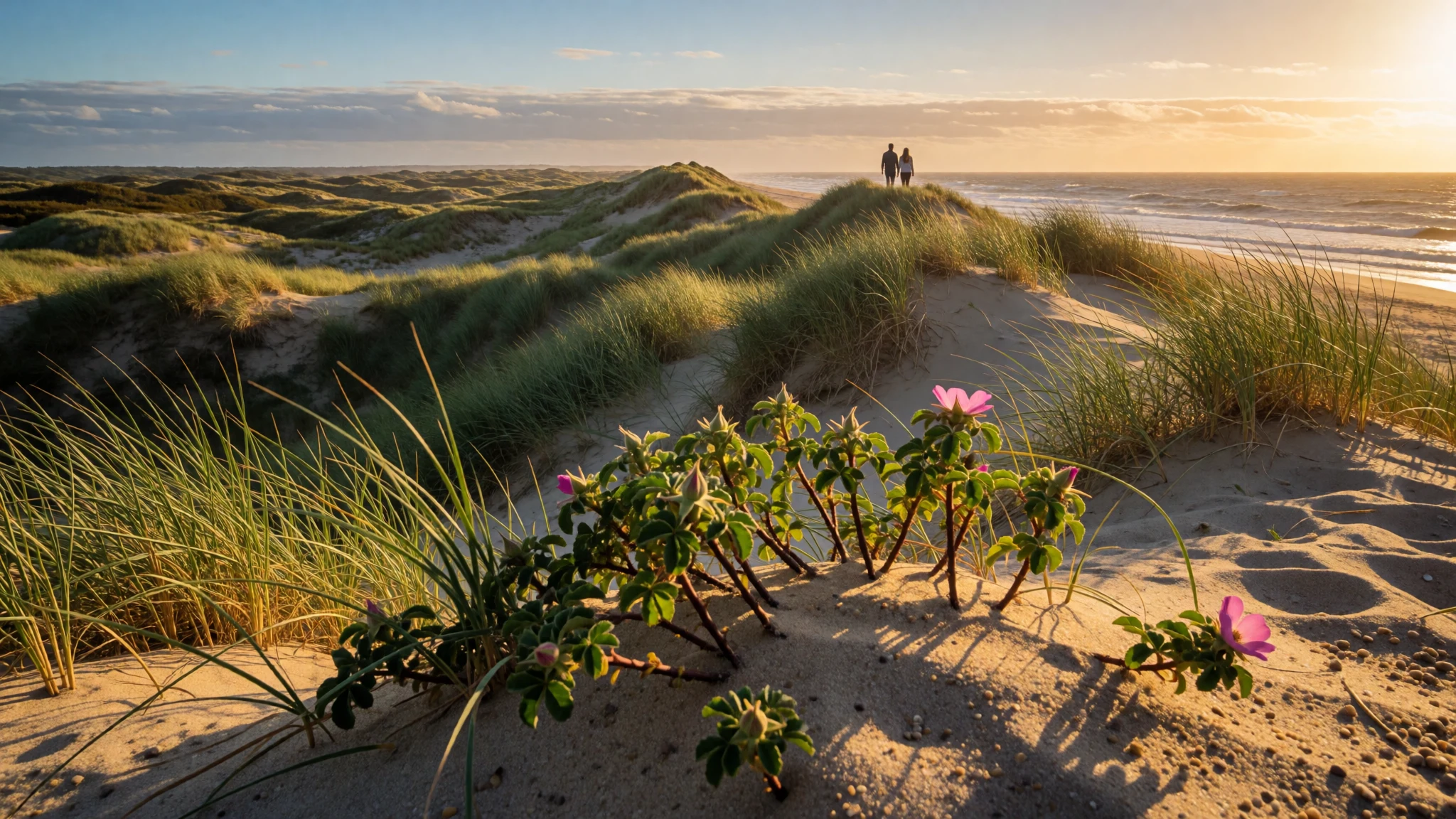
Sylt offers windswept North Sea beaches, dramatic red cliffs and quiet dune paths at the northern edge of Germany.
The place
Sylt stands as the northernmost island of Germany, resting within the district of Nordfriesland in Schleswig-Holstein. Its shoreline traces a distinctive, elongated shape, stretching across an expansive coastal reach in the North Sea. Positioned several kilometres off the mainland, the island is linked to the German coast by the historic Hindenburgdamm causeway, which carries passenger and car shuttle trains across the shallow tidal flats. The geography of the island is defined by constant exposure to maritime weather, featuring extensive sandy shores, rolling dunes and tidal flats that shift with the tides.
Resort settlements such as Westerland, Kampen and Wenningstedt-Braderup shape the character of the coast, drawing travellers with long stretches of sandy beach and coastal architecture. The natural environment is fragile and dynamic, shaped by fierce storm tides that continually test the coastline and require ongoing sand replenishment efforts to protect the land. While summer brings visitors seeking sea air and coastal walks, the off-season reveals a quieter side of the island, where grey seas crash against quiet shores and winds sweep across empty moorlands. Visitors navigating the island will find a landscape that feels remote and expansive, despite its popularity as a coastal destination for travellers coming from across the country.
Its story
The history of Sylt reaches back deep into antiquity, with archaeological evidence showing human habitation on the land since ancient times, marked by megalithic structures like Denghoog. Long before modern tourism arrived, the inhabitants of the island made their living through fishing, maritime trade and seafaring. During successive centuries, the territory was divided among various regional rulers and crowns, reflecting the complex political shifts of the borderlands between Germany and Denmark.
In later eras, the maritime economy flourished through whaling and oyster harvesting, bringing considerable prosperity to local captains and merchants, particularly in settlements like Keitum, which served as an early centre of island life. The nineteenth century brought a profound transformation as sea bathing gained popularity, leading to the rise of Westerland as a prominent resort and shifting the economic focus toward hospitality. The twentieth century brought strategic military importance, transforming parts of the island into a fortified outpost during wartime, visible today in remnants of concrete structures embedded in the dunes. The opening of the rail causeway permanently altered the accessibility of the island, turning a remote fishing and farming community into an easily reached coastal retreat while preserving its distinct insular identity.
What to see
- Denghoog — Keitum
Step inside a remarkable Neolithic passage grave dating back thousands of years. Heavy stone megaliths support the earthen mound, offering a tangible link to the earliest human inhabitants of the island.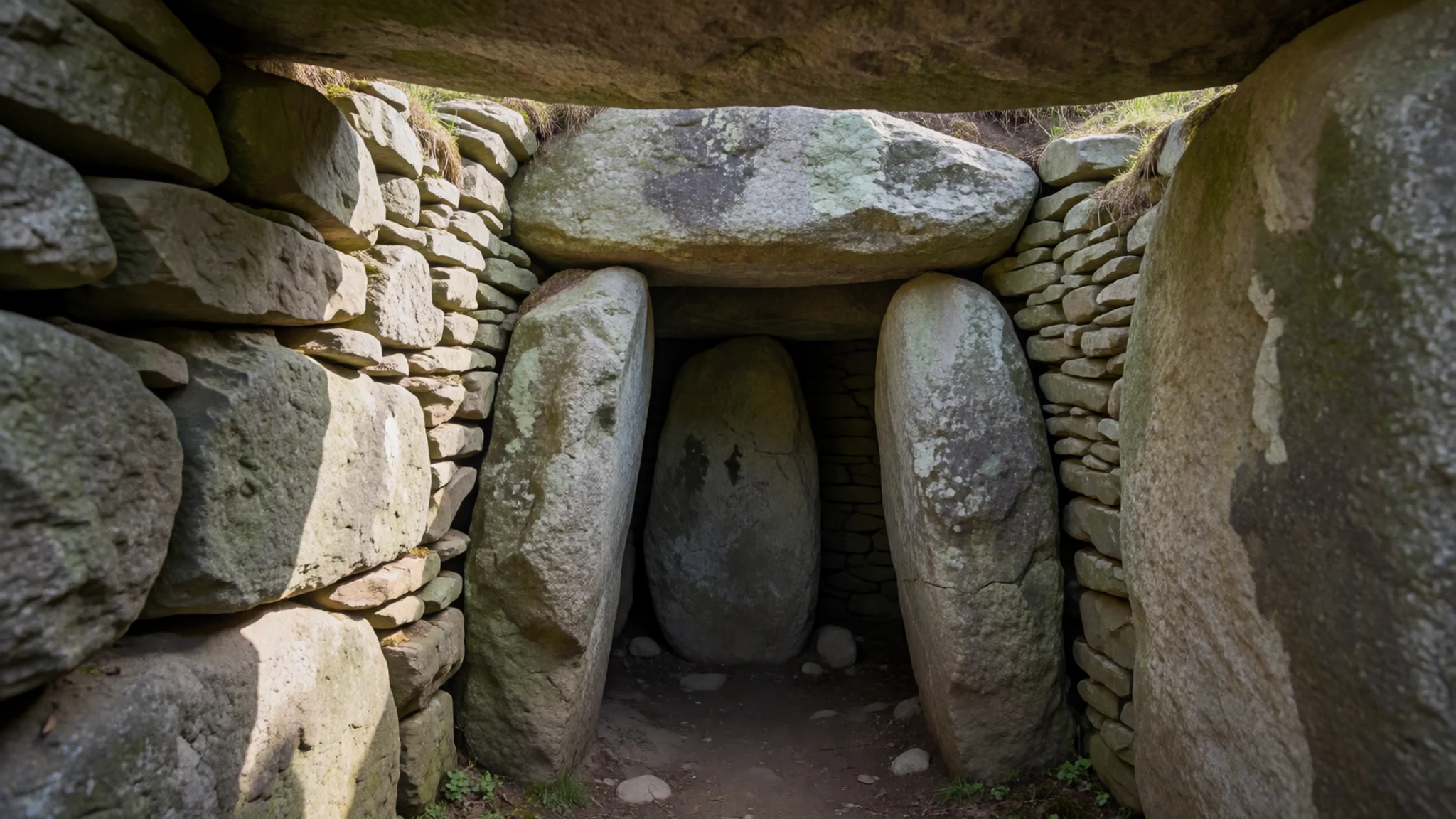
- Rotes Kliff — Kampen
Gaze upon a striking line of reddish sea cliffs that glow warmly in the late afternoon light. The coastal wall faces constant erosion from the sea, creating a dramatic drop toward the sandy shore below.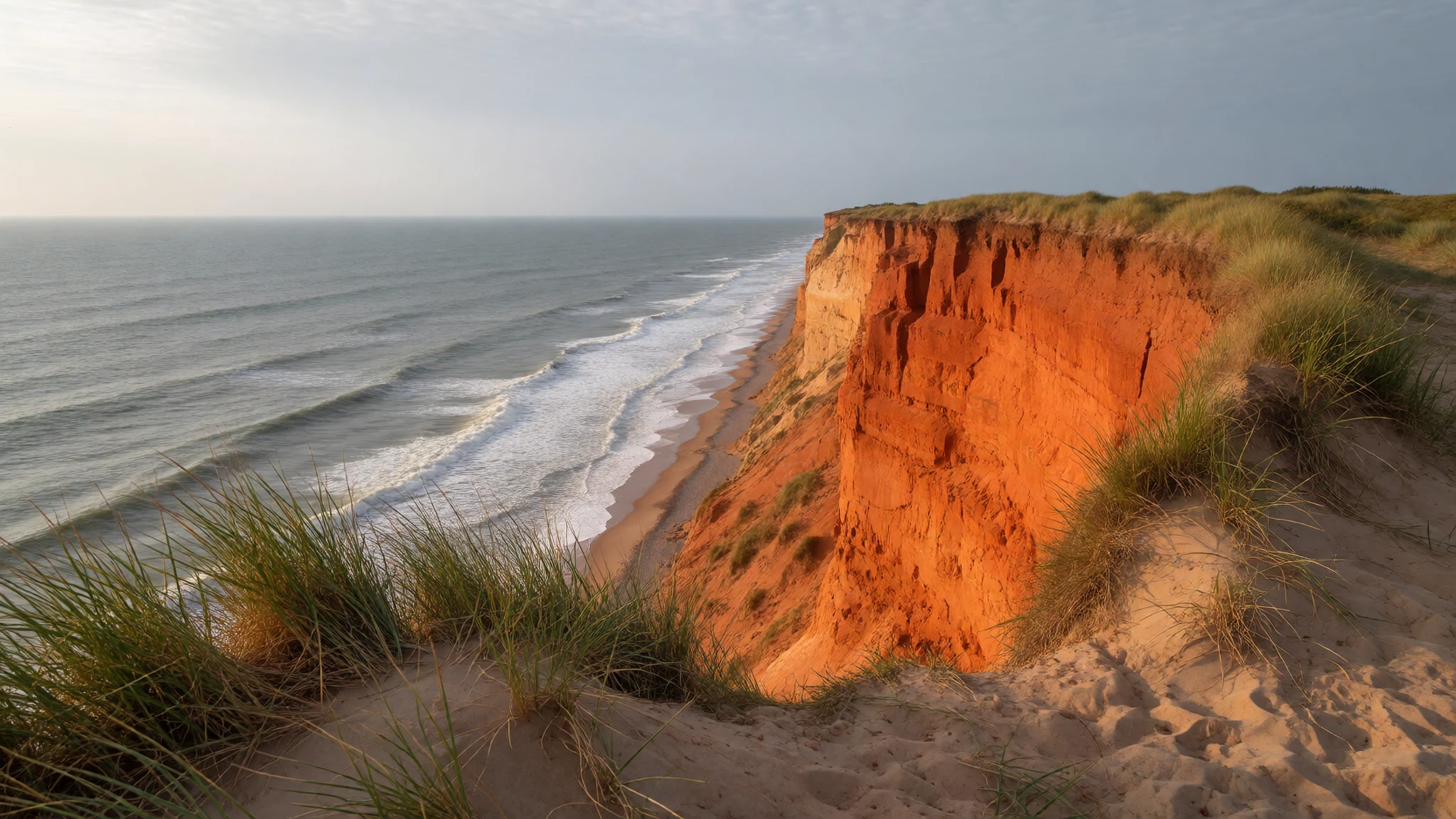
- Uwe Düne — Kampen
Climb the wooden stairs leading to the highest vantage point on the island. From the summit, visitors are rewarded with panoramic views stretching across the dunes, the surrounding sea and nearby coastal villages.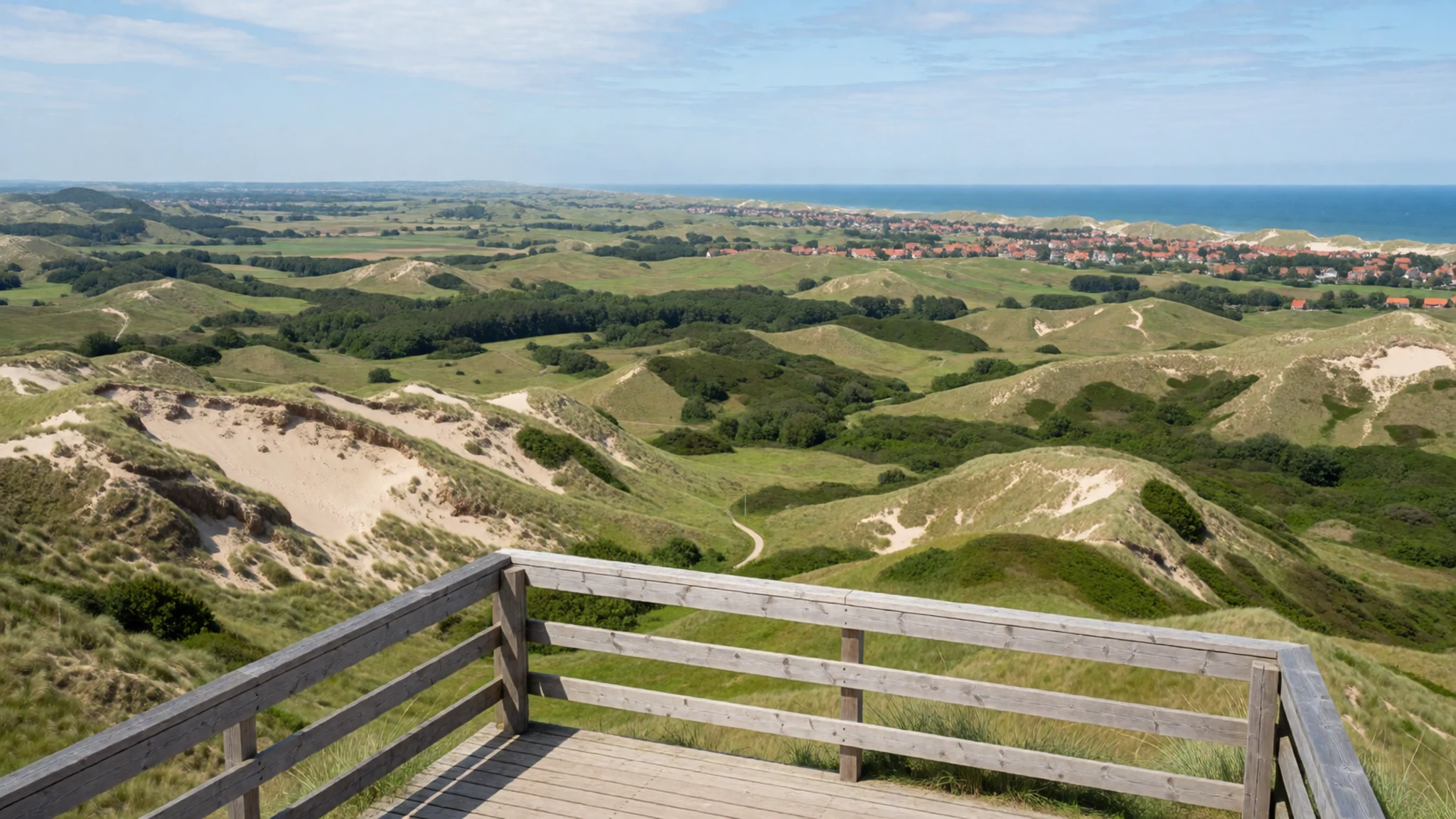
- Wandering Dunes of List — List
Observe the last active shifting dune formation in the country as it slowly advances across the northern landscape year by year. The protected sands create a stark, desert-like expanse near the northern tip of the island.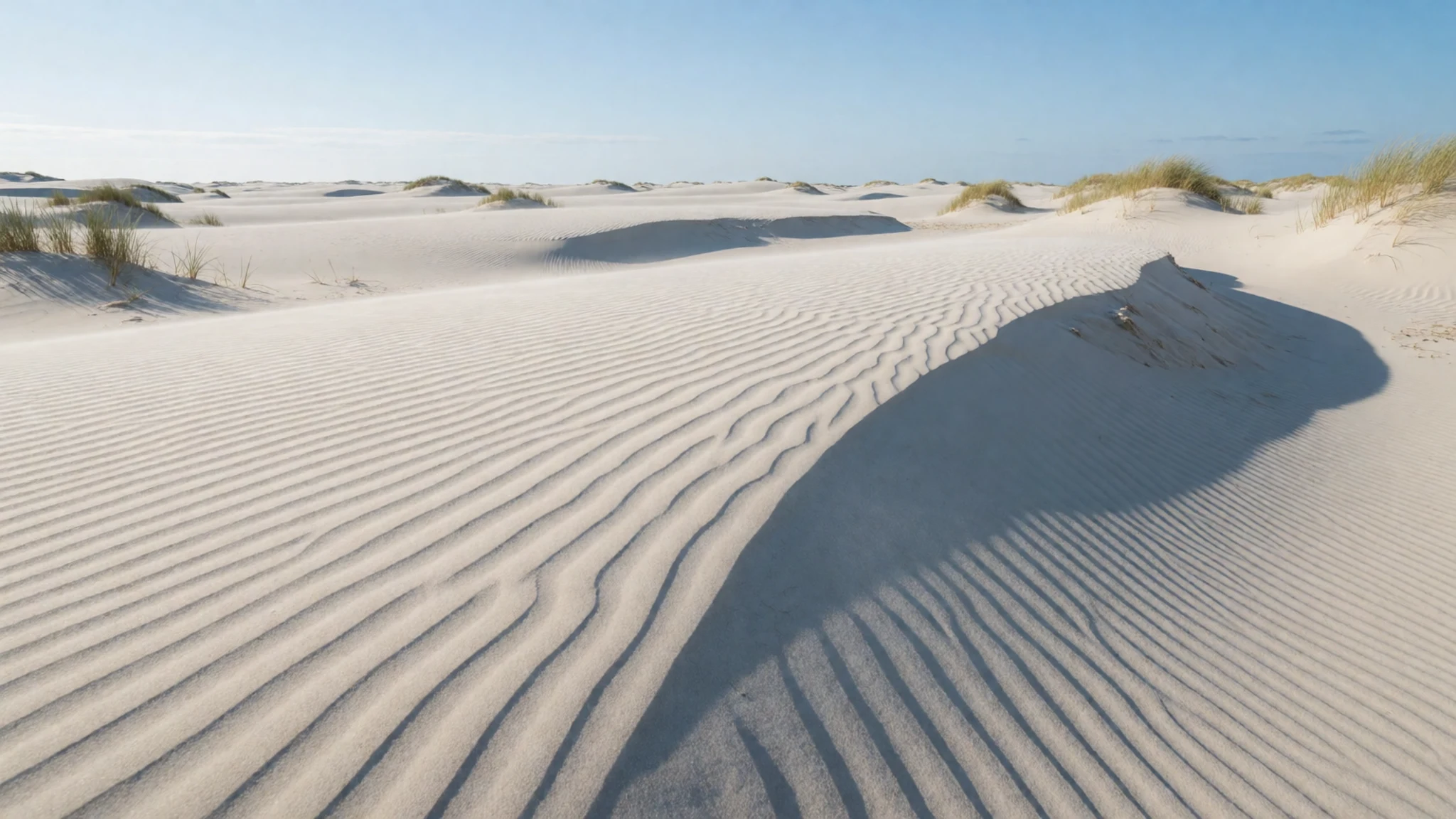
- Altfriesisches Haus — Keitum
Explore a traditional Frisian home preserved as a museum to showcase historical domestic life, regional furniture and maritime heritage from earlier centuries on the island.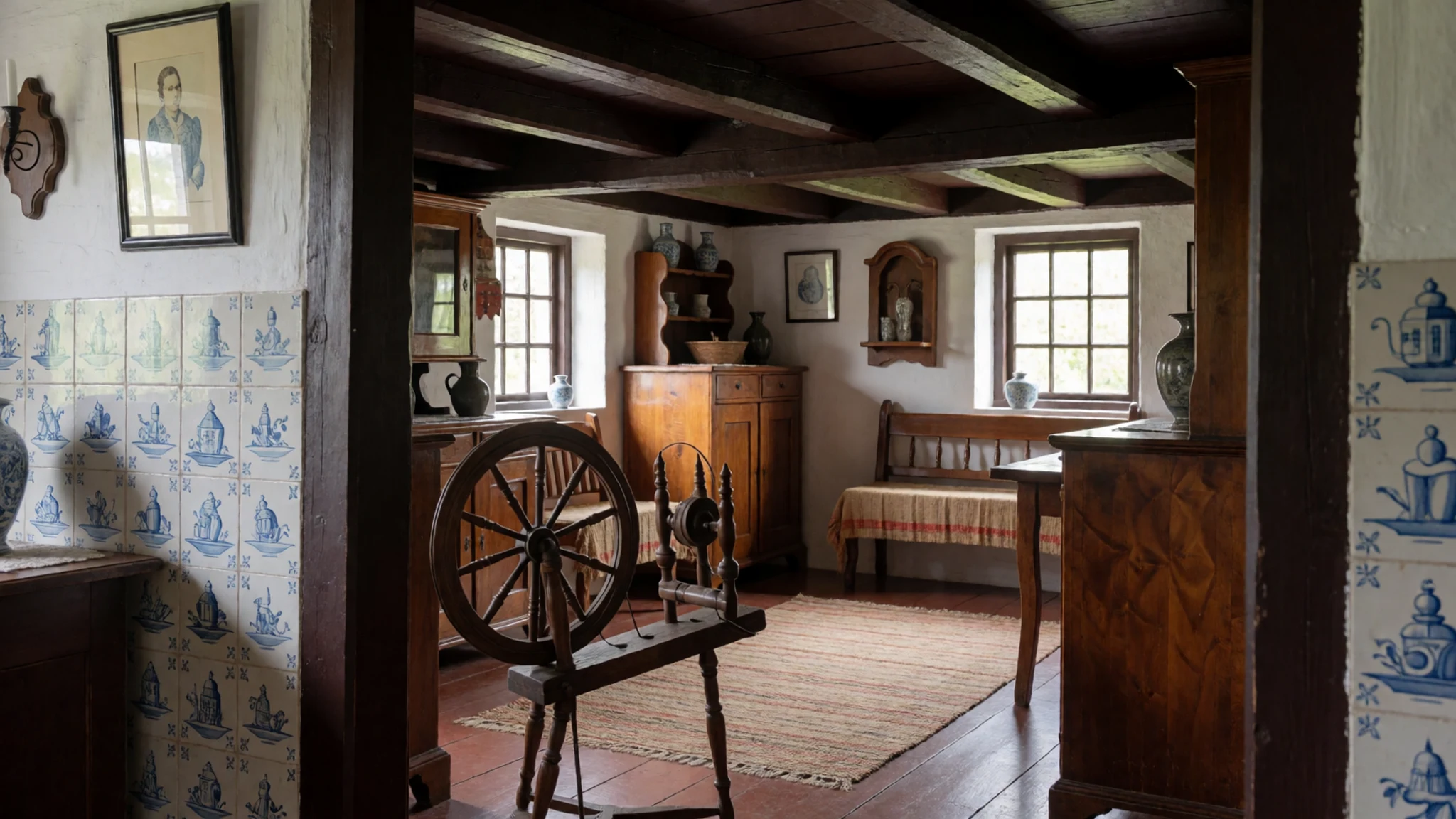
Culture
Sylt is rooted in the heritage of the North Frisian islands, possessing its own indigenous dialect known as Söl'ring. While everyday conversation is predominantly conducted in standard German, efforts are made through regional legislation to preserve the linguistic traditions and cultural identity of the Frisian minority. Traditional celebrations continue to mark the turning of the seasons, including local customs where children go from house to house in costume on New Year's Eve to recite traditional verses.
The relationship between the islanders and the sea remains central to local identity, influencing everything from architecture to community life. Respect local customs and private property when exploring residential lanes in historic villages like Keitum.
What to wear
Traditional dress on the island historically reflected the practical needs of a seafaring and farming community living in a harsh maritime climate, featuring woollen textiles, durable fabrics and traditional caps worn during community gatherings and festivals. Today, locals and regular visitors dress in practical, weather-resistant clothing designed for coastal conditions, where windproof jackets, layers and sturdy footwear are standard throughout much of the year.
Visitors should pack for variable weather regardless of the season, bringing windbreakers, comfortable walking shoes for sandy paths and layers suitable for sudden changes in temperature near the water. Casual elegance defines the local resort style in restaurants and cafes, while beachwear should be kept strictly to the shore.
What to eat
- Fresh Regional Oysters — Harbour areas and local fish restaurants
Savour locally harvested oysters farmed in the tidal waters around the island, celebrated for their clean, briny flavour and enjoyed fresh at seaside shacks and traditional seafood eateries.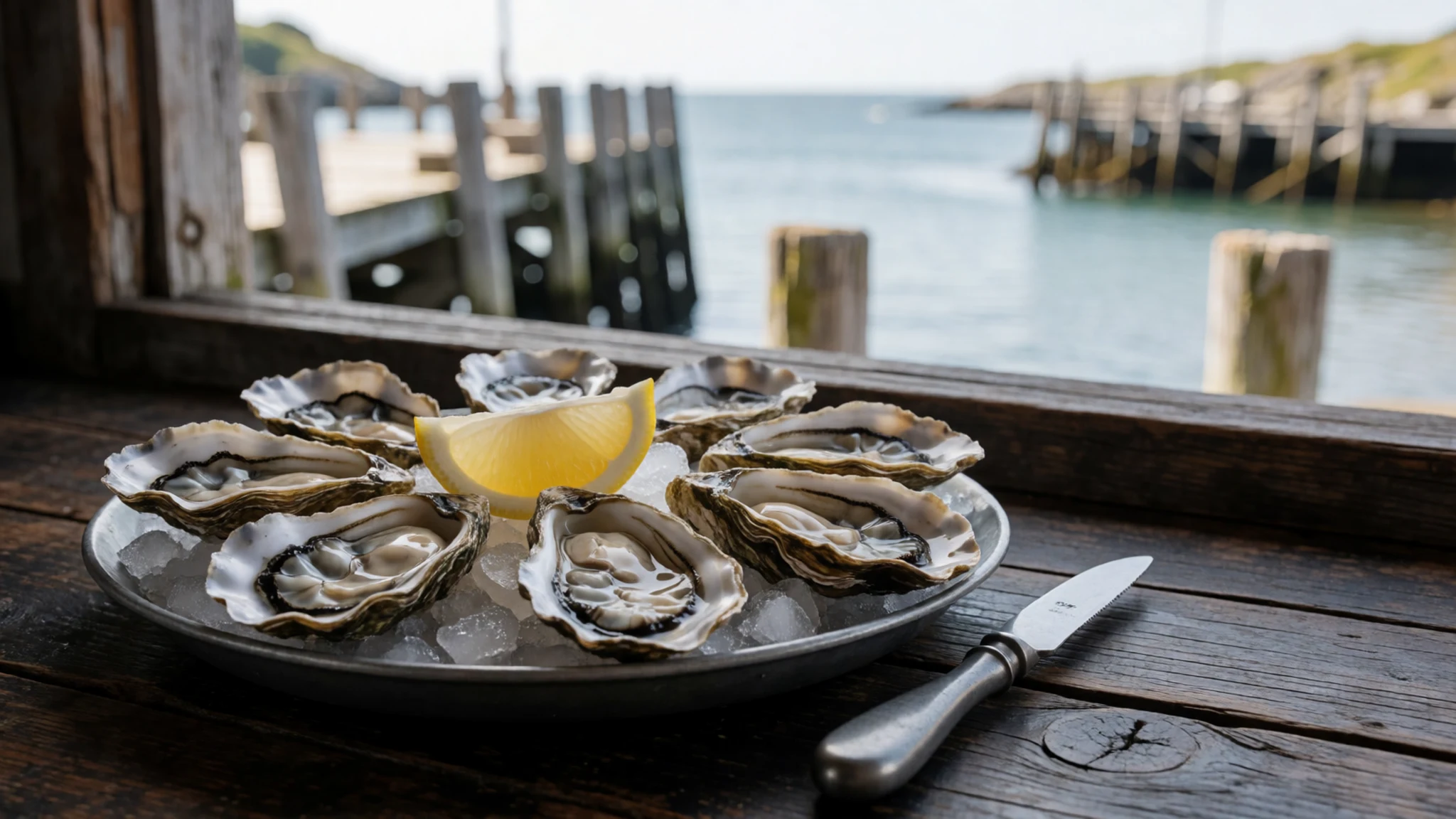
- Classic Fish Burger — Harbour stalls and beach kiosks
Sample a popular coastal takeaway speciality featuring freshly caught fish fried or grilled, served in a soft bun with crisp lettuce and tangy remoulade sauce.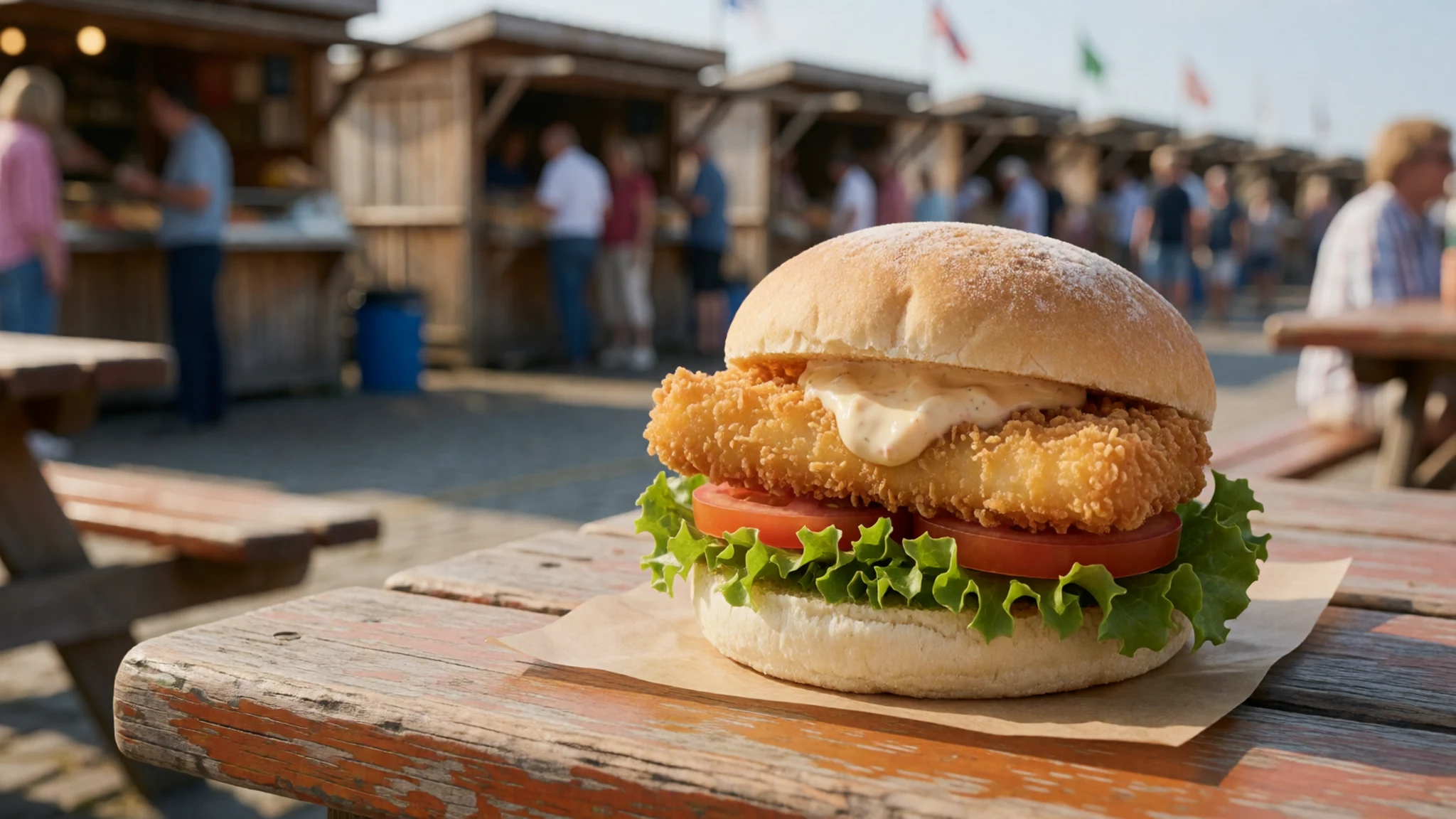
- North Sea Crabs — Local seafood taverns and markets
Enjoy tender brown shrimp pulled straight from local waters, commonly served simply on buttered rye bread or folded into fresh salads at neighbourhood dining rooms. - Frisian Rye Bread — Village bakeries and cafes
Taste dense, dark regional rye bread baked according to long-standing traditions, often paired with smoked fish, local butter or strong cheese for a hearty snack.
Plan it
Best time. June to September brings the warmest weather for coastal walks and beach visits, though July and August are the busiest months with the highest number of travellers.
How long. 3–4
Getting there. Take a regional or intercity train from Hamburg via the Hindenburgdamm rail causeway straight onto the island, or arrive via regional flight connections.
Budget. high
Tips
- Book accommodation well in advance if visiting during the peak summer holiday season
- Rent a bicycle to explore the network of dedicated paths across the dunes and villages
- Check train schedules early when planning day trips or departures via the causeway
- Bring layers for windy days on the beach, even during the warmer summer months
Etiquette
- Respect local quiet hours in residential neighbourhoods and natural dune reserves
- Stay on marked paths when walking through the fragile dune ecosystems to protect the landscape
- Keep dogs on leads in designated nature conservation areas along the coast
Nearby
Sources
- Wikidata Q3107 (CC0)
- Wikipedia (CC-BY-SA 4.0)
- Wikivoyage (CC-BY-SA 4.0)