Sydney Opera House
Sydney Opera House, Australia
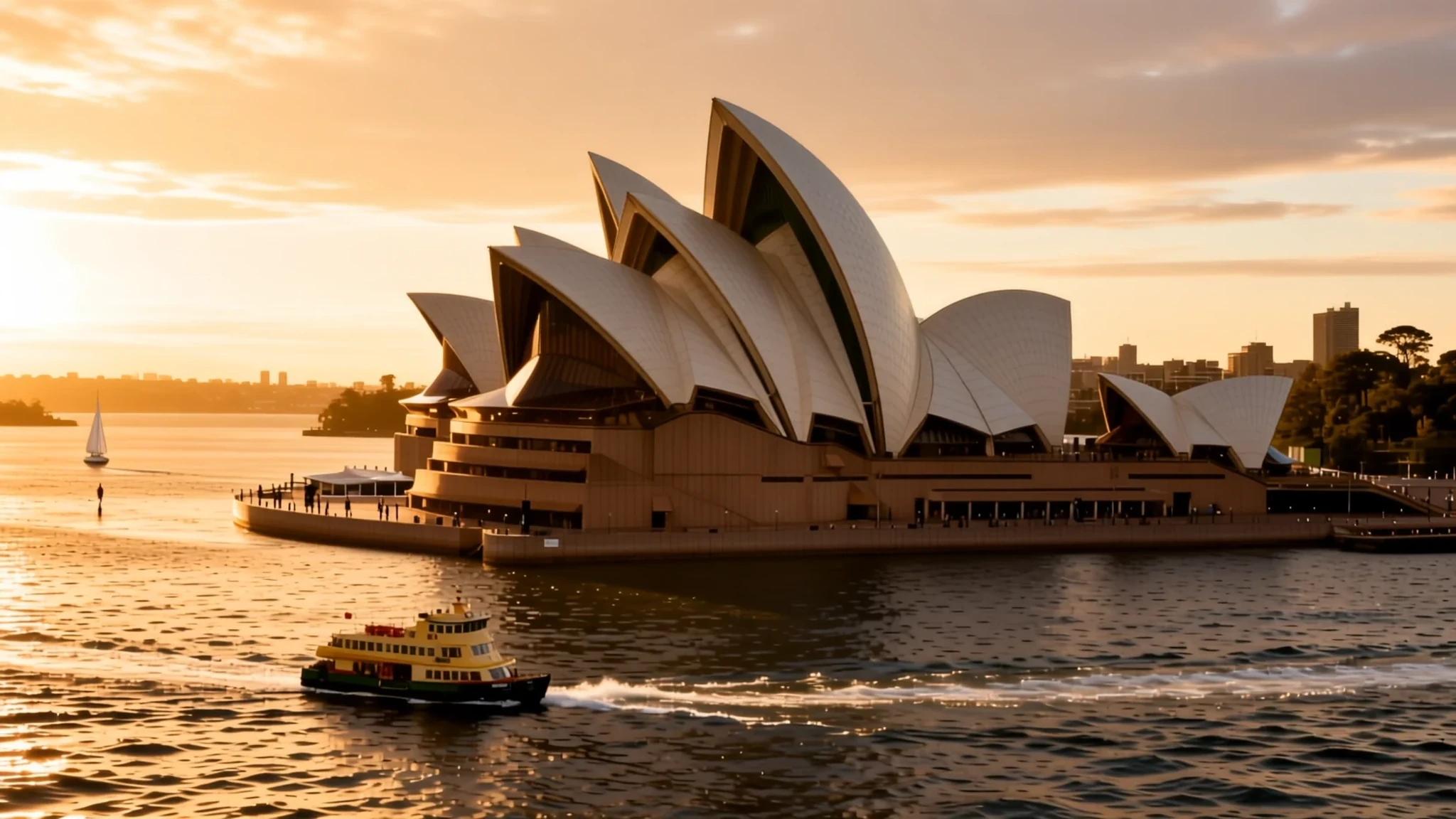
Visit the Sydney Opera House to experience a global architectural masterpiece that defines the harbour skyline and hosts thousands of annual performances.
The place
The Sydney Opera House sits on Bennelong Point, a prominent tongue of land reaching out into Sydney Harbour between Sydney Cove and Farm Cove. Positioned right beside the central business district and the sprawling green lawns of the Royal Botanic Garden, and keeping close company with the grand curve of the Sydney Harbour Bridge, this multi-venue performing arts complex commands one of the most photographed waterfront settings on the planet. The complex occupies the entire spit of land, presenting its iconic series of interlocking vaulted shells to the water on all sides.
Today, the building functions as a bustling cultural hub. Inside its shell-covered auditoriums and exhibition spaces, the arts centre manages a packed schedule hosting more than 1,800 performances each year. These events draw over 1.4 million attendees annually, ranging from classical symphony concerts and ballet to contemporary music and theatre productions. The surrounding promenade acts as a natural stage for pedestrians, where locals and travellers alike gather to watch ferries glide across the deep blue harbour, stroll beneath the towering ribbed structures, or dine at the open-air eateries lining the precinct.
While the exterior shells appear deceptively light and organic against the harbour currents, the complex houses a robust network of performance halls, foyers, rehearsal studios, and restaurants. The immediate precinct links the maritime energy of the ferry terminals directly with the quiet shade of the botanical gardens, creating a seamless transition from the bustling commercial heart of New South Wales into one of the world's most celebrated cultural landmarks.
Its story
The journey to create a dedicated home for the arts in New South Wales began in earnest during the late 1940s. Eugene Goossens, who served as Chief Conductor of the Sydney Symphony Orchestra and Director of the State Conservatorium of Music, campaigned tirelessly for a venue grand enough to handle major orchestral works and opera, arguing that the existing Sydney Town Hall fell short of the city's needs. By 1954, Goossens secured the backing of Premier Joseph Cahill. Although Cahill initially favoured a location near Wynyard railway station, Goossens insisted that Bennelong Point was the only proper stage for the project.
Premier Cahill launched an international design competition on 13 September 1955, offering a grand prize of 5,000 Australian pounds. The competition attracted 233 entries from architects across 32 countries. The winning entry arrived from Danish architect Jørn Utzon, whose radical sketches captured the imagination of the judges with soaring, shell-like roof structures. Work commenced in 1958 with Utzon directing operations on site.
What followed was a famously complex construction phase marked by severe engineering hurdles, budget stretching, and political friction over scheduling. Utzon eventually resigned from the project amid the mounting pressures, leaving an Australian architectural team led by Peter Hall to complete the vast interior fit-out and structural details. Despite the turbulent construction years, the completed building was officially opened by Queen Elizabeth II on 20 October 1973, forever transforming the architectural identity of Australia.
What to see
- Sydney Harbour — Sydney Harbour
The sparkling waterway surrounding Bennelong Point serves as the ultimate backdrop to the building. The sweeping harbour can be viewed from passing ferries, central island lookouts, or the winding walkways of the nearby national park. It remains one of the most recognised postcard vistas in the southern hemisphere.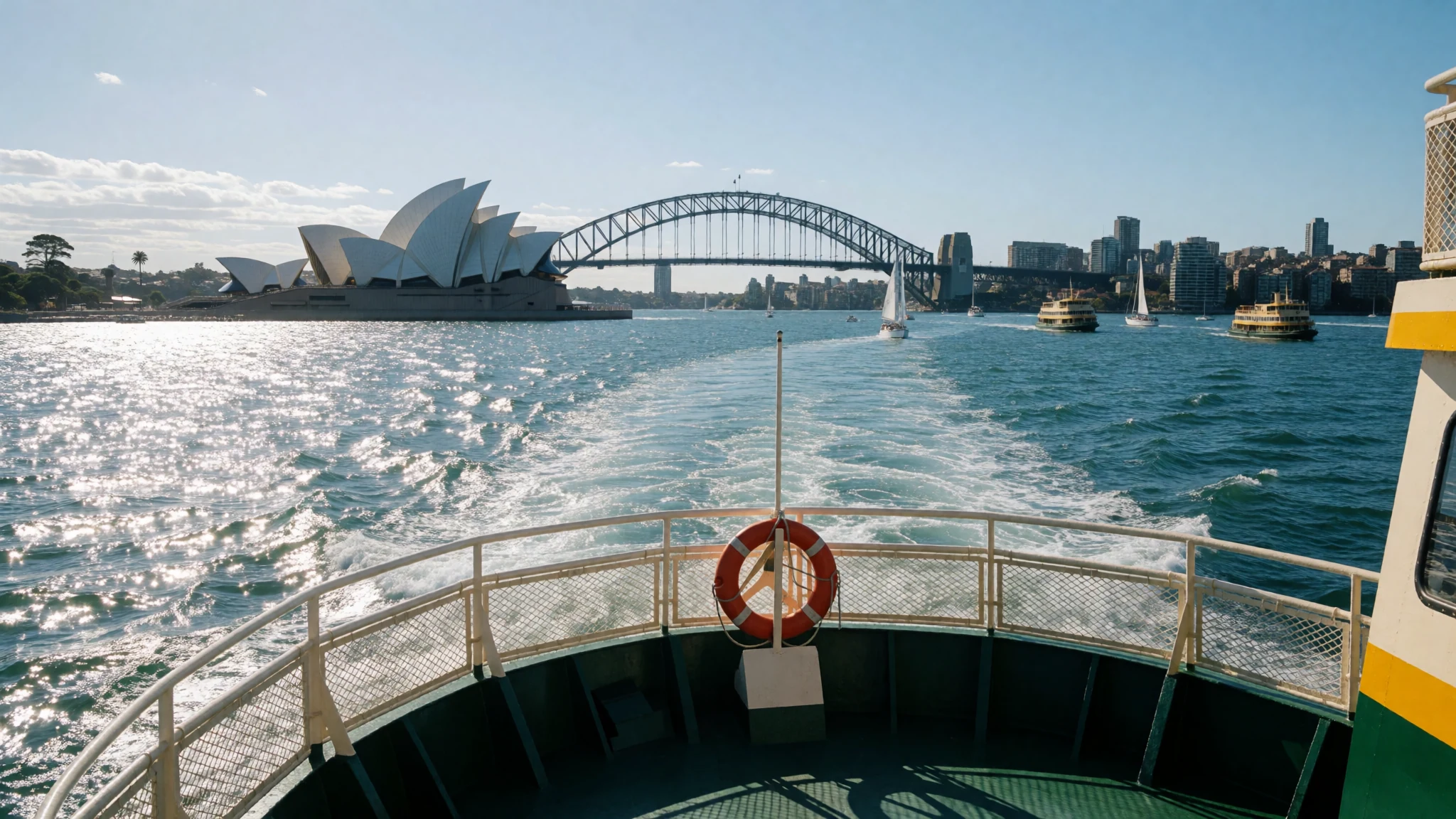
- The Concert Hall — Sydney Opera House interior
The largest interior performance venue within the complex features towering timber acoustic panels and soaring ceilings beneath the highest shell vault. It accommodates large-scale orchestral concerts, choral performances, and contemporary music shows, showcasing the intricate structural ribs that support the landmark roof.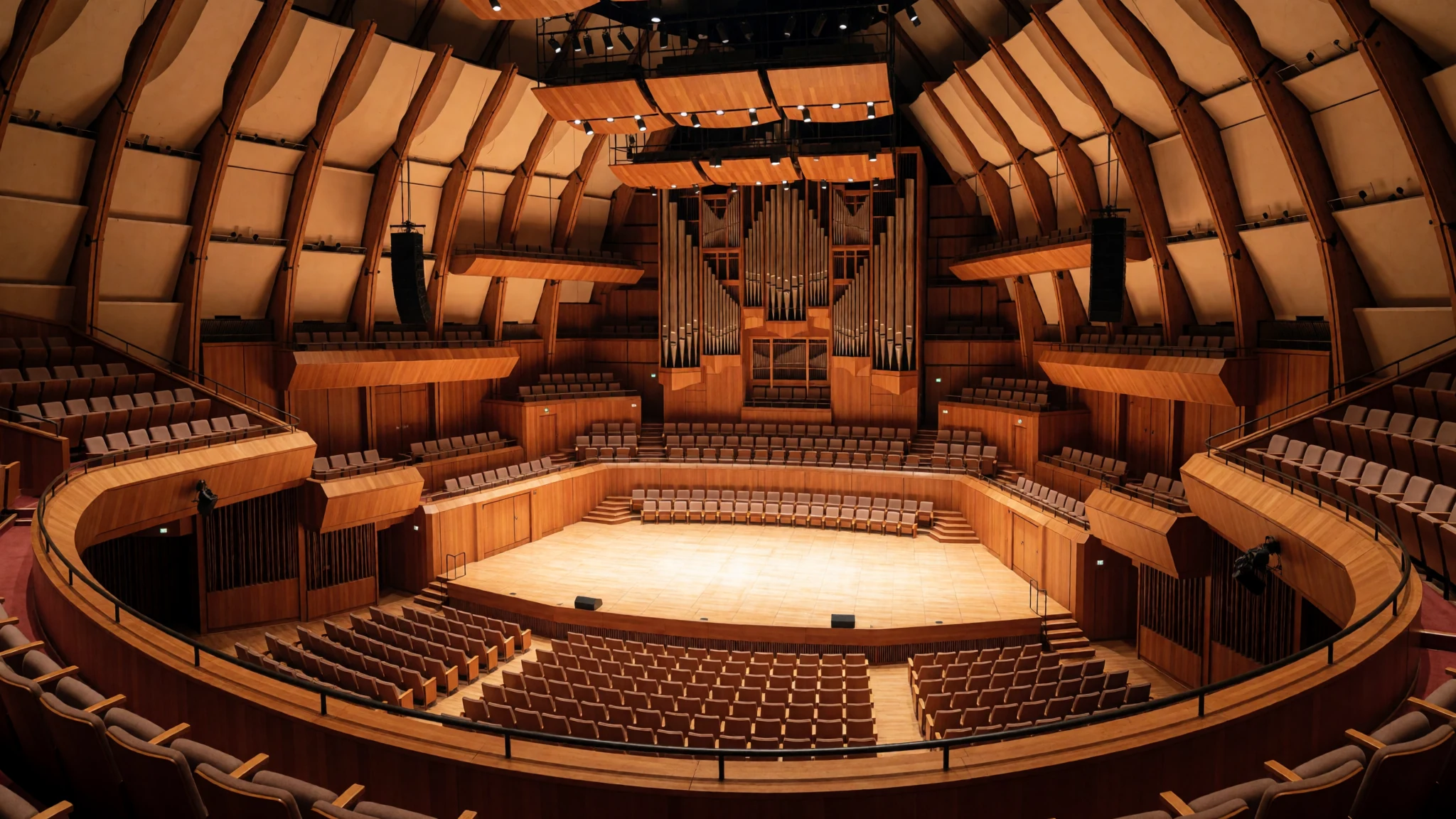
- Joan Sutherland Theatre — Sydney Opera House interior
Named after the celebrated Australian soprano, this major proscenium arch theatre plays host to opera and ballet performances. The interior layout places audiences close to the stage, combining intimate sightlines with the dramatic architectural flair of the surrounding complex.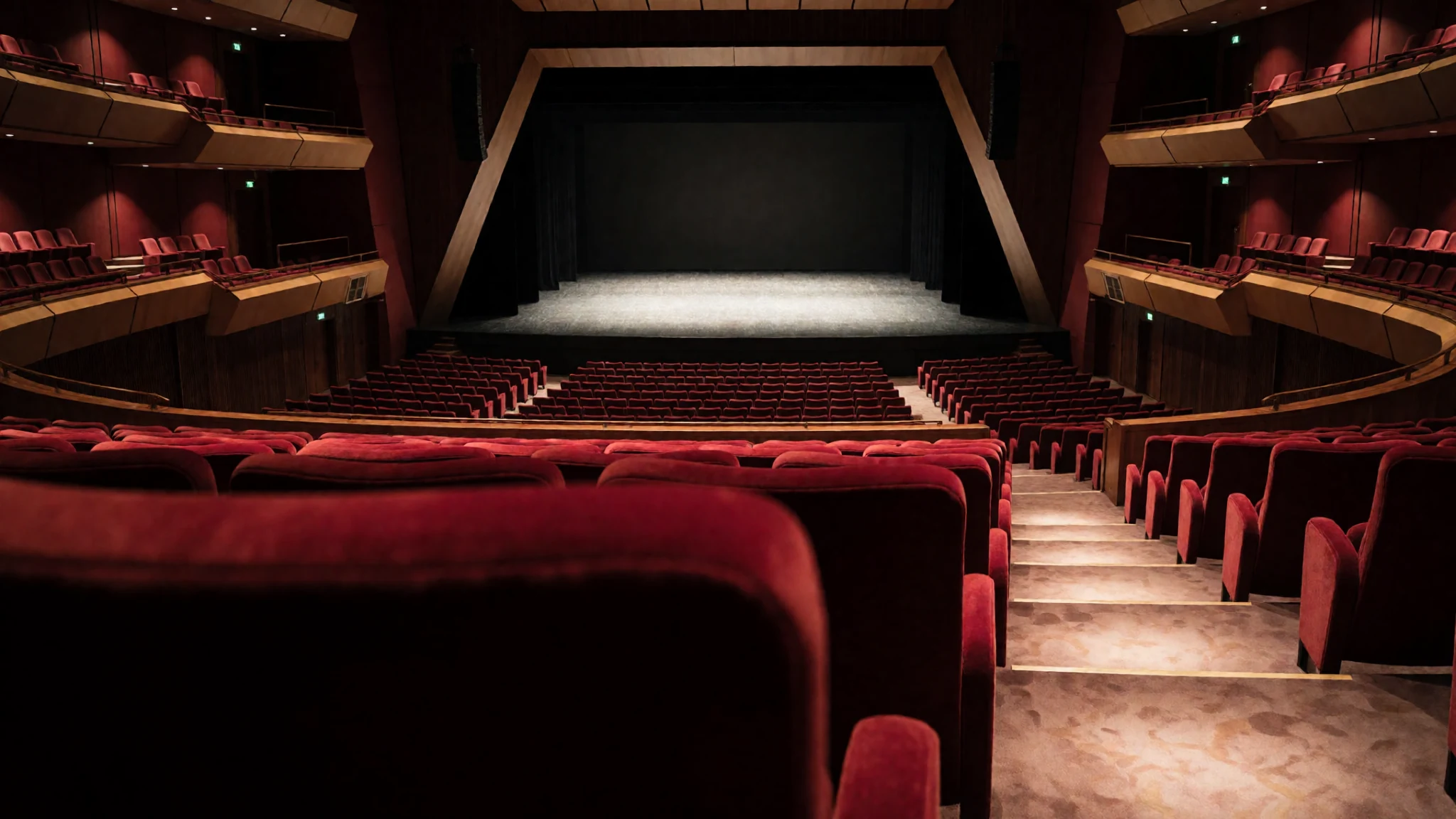
- Bennelong Point Promenade — Bennelong Point
The wide granite concourse that circles the base of the building allows visitors to walk right up to the ceramic-tiled shells. It provides unobstructed vantage points across the water toward the Sydney Harbour Bridge and the bustling Circular Quay ferry terminals.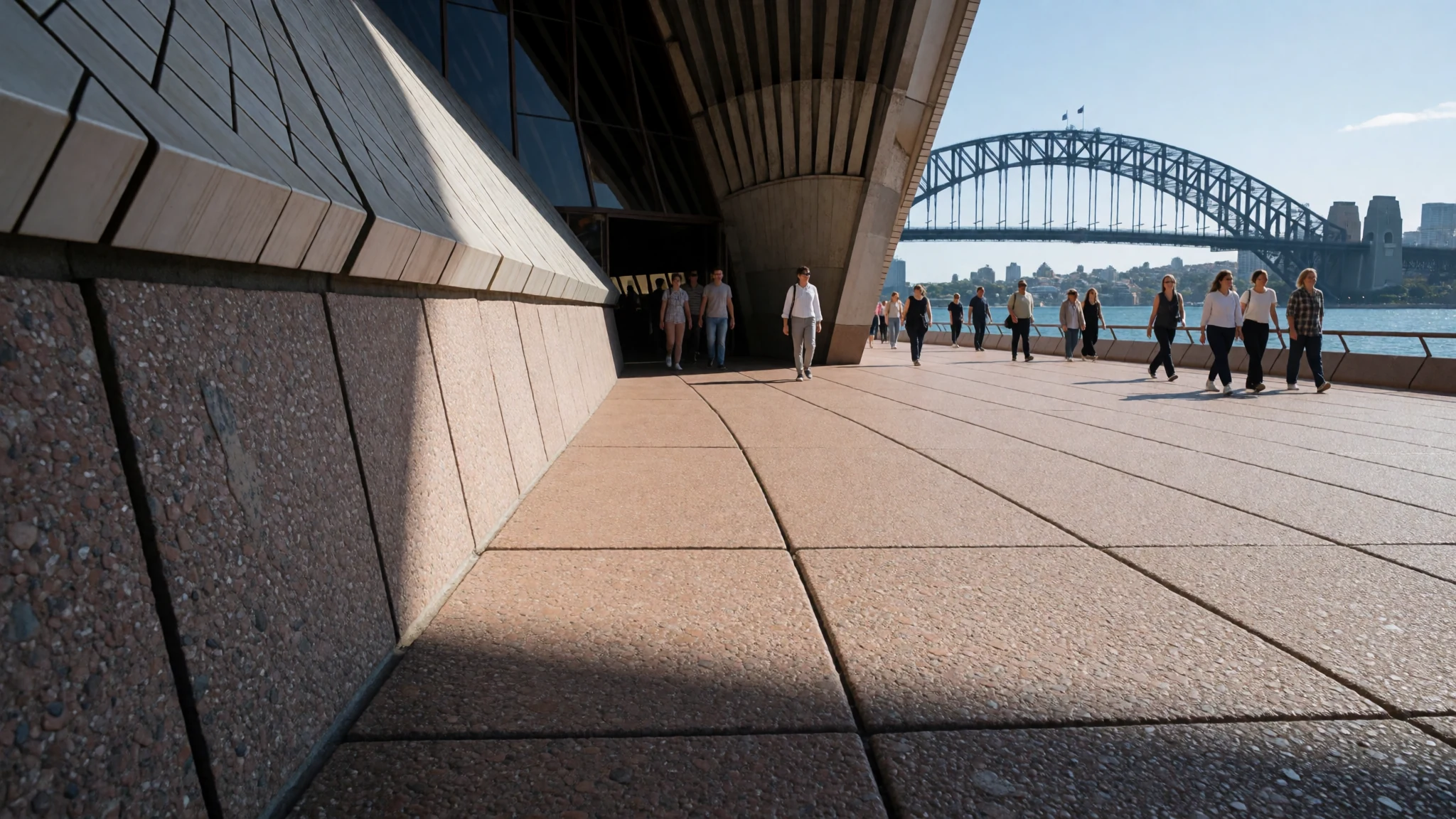
Culture
Sydney shares in a relaxed, multicultural Australian social fabric shaped by its coastal geography and outdoor lifestyle. Locals place a high value on public health, environmental cleanliness, and outdoor recreation, with the harbourfront serving as a communal backyard for exercise, social gatherings, and cultural festivals. The atmosphere around the arts precinct is generally welcoming and casual, though patrons attending evening performances in the main auditoriums often choose neat casual or smart attire. Smoking is strictly banned indoors across all public venues, bars, restaurants, and transport networks, as well as in outdoor areas where food is served. Vaping follows the same regulatory restrictions as tobacco, meaning e-cigarettes are prohibited wherever standard smoking bans apply. Always check posted signage in outdoor dining spots to confirm smoke-free perimeters before lighting up or vaping.
What to wear
Fashion in Sydney leans toward casual, practical comfort that suits the warm coastal climate, though the city's cosmopolitan districts embrace contemporary global styles and high-end designer labels. Traditional Australian attire historically reflects utilitarian roots—such as durable moleskin trousers, RM Williams leather boots, and wide-brimmed Akubra hats worn in regional areas—while urbanites favour lightweight linens, denim, simple cotton tees, and comfortable footwear suitable for walking long harbour distances. For visitors exploring Sydney, the key is versatility: lightweight layers for changing sea breezes, sunglasses, and dependable walking shoes are essential. When attending a performance inside the auditoriums, a collared shirt or smart dress is appropriate, but heavy formal wear is rarely required unless attending a specific gala opening night.
What to eat
- Fresh Seafood — Sydney Harbour waterfront and fish markets
Sydney's coastal location makes it a premier destination for seafood lovers, offering freshly caught prawns, rock oysters, and local fish. You can find excellent seafood at harbourfront markets and waterfront restaurants throughout the central coastal districts.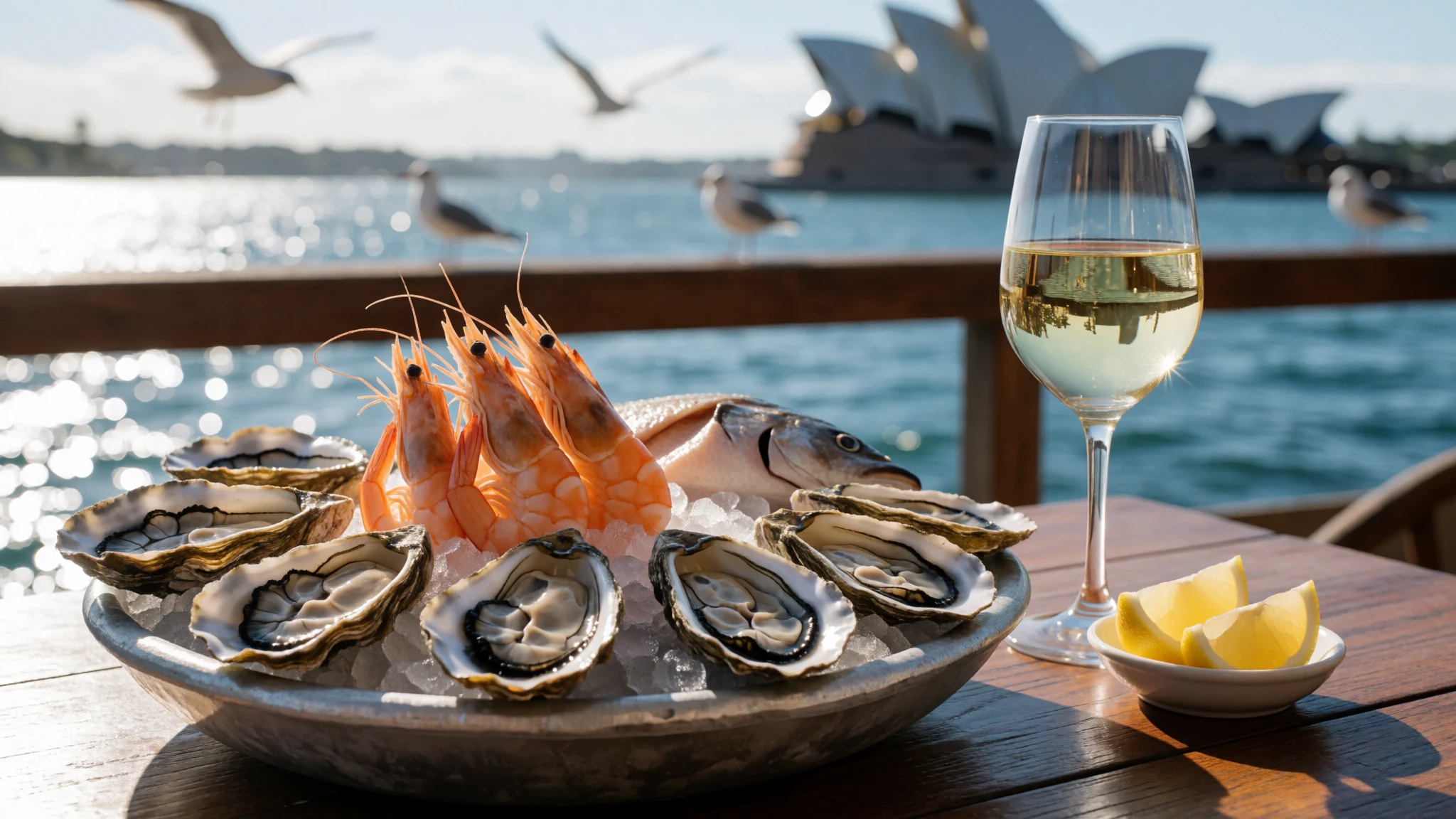
- Fusion and Thai Cuisine — Sydney central business district and inner suburbs
The city's vibrant multicultural population has fostered a thriving culinary scene celebrated for inventive fusion dishes and vibrant Thai restaurants. These eateries range from casual neighbourhood diners to sophisticated establishments helmed by internationally trained chefs.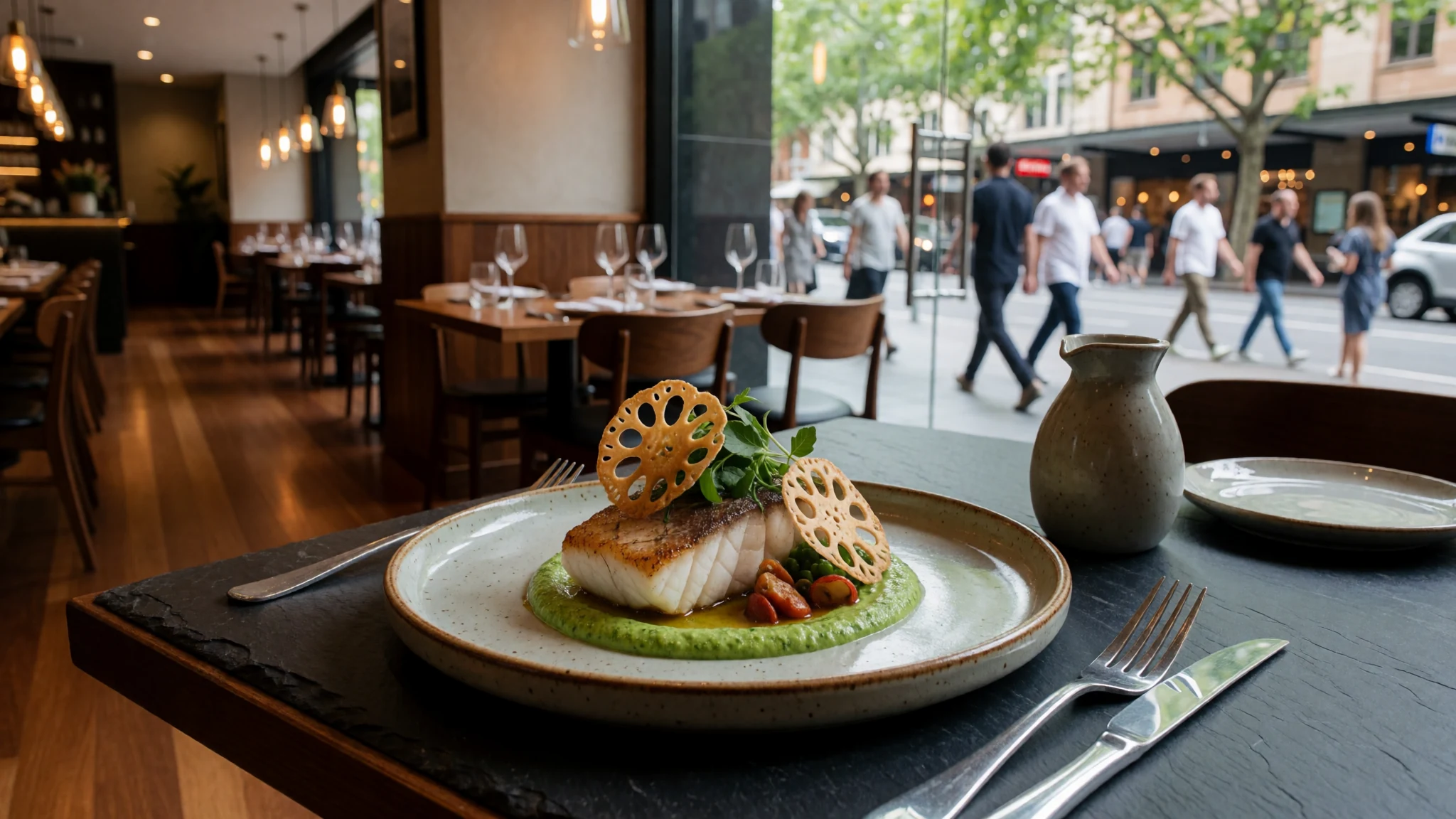
- Central West Regional Produce — Central West New South Wales
Inland areas like the Central West specialise in hearty dishes crafted directly from regional farming produce, highlighting local orchard fruits, artisanal cheeses, and paddock-to-plate dining experiences.
Plan it
Best time. June to August (winter) brings the mildest, most comfortable weather for walking the harbour foreshore, while March to April (autumn) and October to November (spring) often reach 30 °C or more.
How long. 2–3
Getting there. Fly into Sydney Airport, then take the train directly to Circular Quay or the city centre, followed by a short walk to Bennelong Point.
Budget. mid
Tips
- Book performance tickets and guided tours well in advance online.
- Arrive early in the morning to photograph the architecture with fewer crowds on the concourse.
- Wear comfortable walking shoes to explore the harbour foreshore and adjacent botanical gardens.
- Keep hydrated and wear sunscreen, as the Australian sun can be harsh even on mild days.
Etiquette
- Observe strict indoor smoking and vaping bans across all public venues and dining areas.
- Do not bring fresh fruit or vegetables across internal quarantine zones without checking local restrictions.
Nearby
Sources
- Wikidata Q45178 (CC0)
- Wikipedia (rev 1382397277) (CC BY-SA 4.0)
- Wikivoyage (rev 5395593) (CC BY-SA 4.0)