Sulawesi
Sulawesi, Indonesia
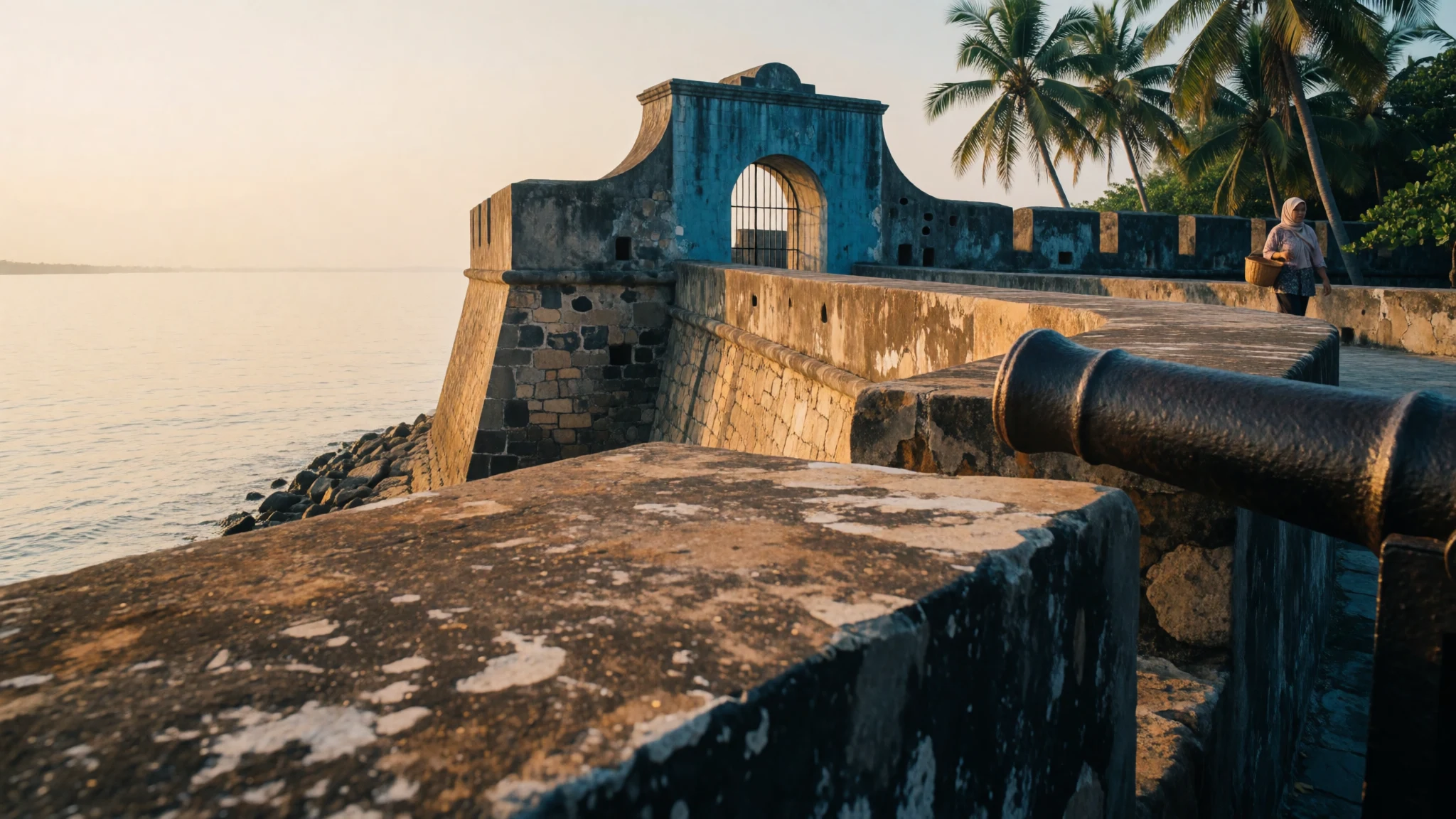
Sulawesi is a four-armed island of dive reefs, forest wildlife, rock-art caves and Toraja funeral traditions, best explored one region at a time.
The place
Sulawesi sits at the centre of Indonesia, with Borneo to the west, the Maluku Islands to the east, the Philippines to the north and Nusa Tenggara to the south. Its odd shape comes from four long peninsulas: Minahasa in the north, then the East, Southeast and South peninsulas. Three gulfs cut between them, the Tomini, the Tolo and the Boni, while the Makassar Strait runs down the western side and separates the island from Borneo. About 18.5 million people live here.
The interior is rugged and mountainous, which is why the peninsulas have long felt like separate countries. Traditionally they were better connected to each other by sea than by road, and that still shapes a trip: distances on the map look modest, but overland journeys are slow. Sensible visitors pick one or two regions rather than trying to see the whole island.
The regions differ a great deal. The north around Manado is mostly Christian, close to marine parks and forest reserves, and known for fiery cooking. The south, centred on the port city of Makassar, has a long seafaring and trading tradition and a mainly Muslim population, with the Toraja highlands inland. The Togean Islands in the Gulf of Tomini and the central districts are far quieter. The local economy rests on farming, fishing, mining and forestry, so many towns feel working rather than polished. Heat and humidity are constant near the coast, and highland evenings are cooler.
Its story
Sulawesi, also called Celebes in older European writing, enters the record in fragments. A bronze statue in the Amaravati style was found near the Karama river in South Sulawesi, and scholars place it in the early centuries AD. Small locally made Buddhist figures later turned up on Selayar, an island off the south coast. Together they point to contact with the wider Indian Ocean world long before European ships arrived.
From the thirteenth century, access to iron and to prestige imports began to loosen older social patterns. Ambitious leaders could now gather followers and build larger political units. Historians are unsure whether iron and imported goods arrived together by coincidence or whether one led to the other. A Javanese court poem, the Nagarakretagama, names Gowa, Makassar, Luwu and Banggai among the island's polities, which shows Sulawesi already tied into a maritime network centred on Majapahit's port in East Java. By the turn of the fifteenth century, farming principalities had formed in the Cenrana valley, on the south coast and near modern Parepare.
Portuguese sailors came in the early sixteenth century, sent from the Moluccas to look for gold the islands were rumoured to hold. Because the coastline is so contorted, they took Sulawesi for an archipelago. Later European engravings show Makassar as a walled port with a fort at its edge, a reminder that the city grew rich as a trading harbour well before the island became a single administrative idea.
What to see
- Tana Toraja — South Sulawesi highlands
Tana Toraja is a highland region in the south of Sulawesi where people are mostly Christian yet keep strong ties to older beliefs. Funeral ceremonies are the draw, and visitors are sometimes welcomed to attend. They involve animal sacrifice and are not for everyone. Go with a local guide and be ready for long, winding roads.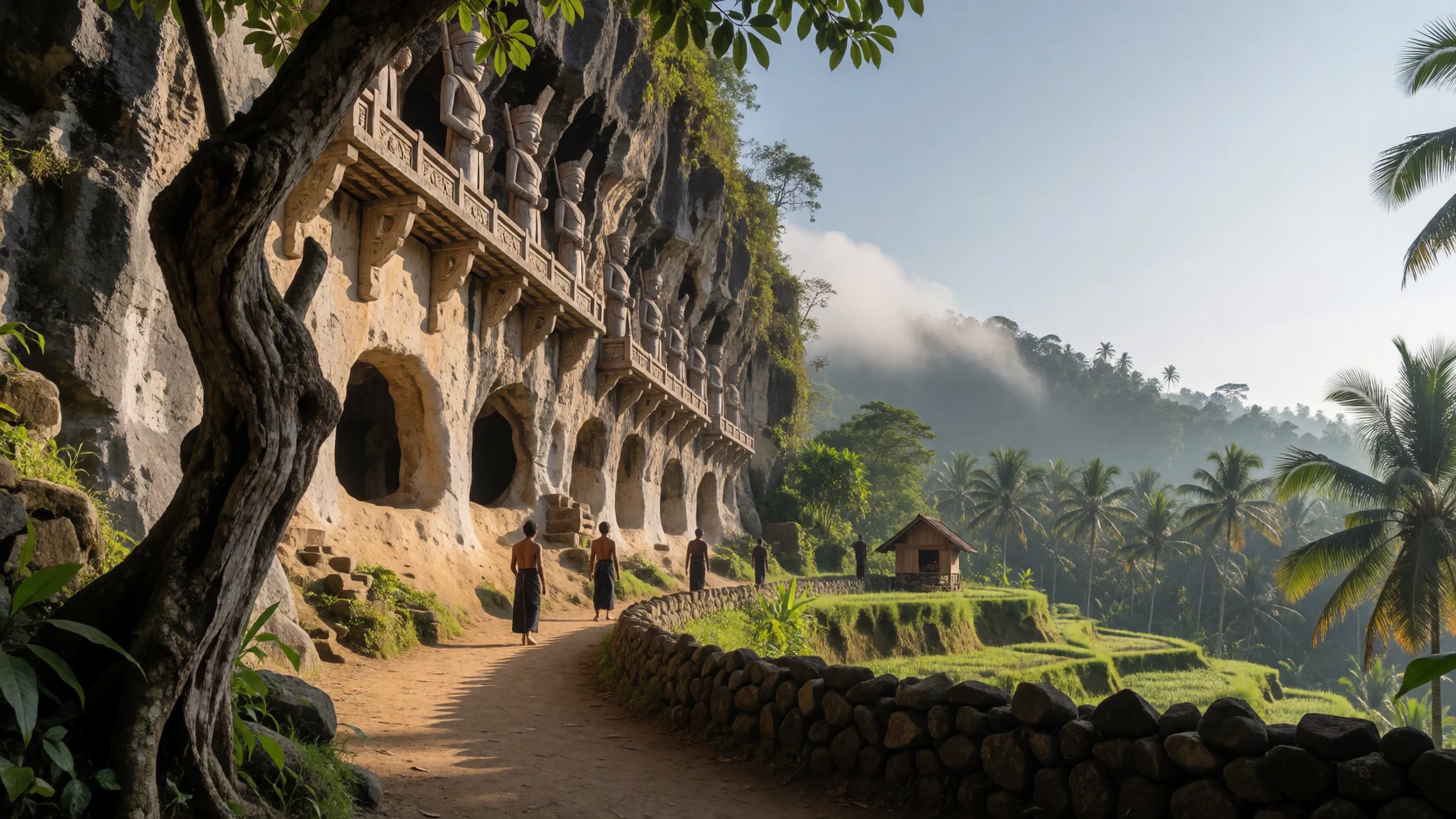
- Bunaken National Park — Off Manado, North Sulawesi
Bunaken National Park lies just off Manado in the north and is the usual first stop for divers. Many visitors fly into Manado, book a dive package here and leave without seeing the rest of the island. Snorkellers also do well, since reefs often sit close to the boat landings. Check conditions with an operator before booking.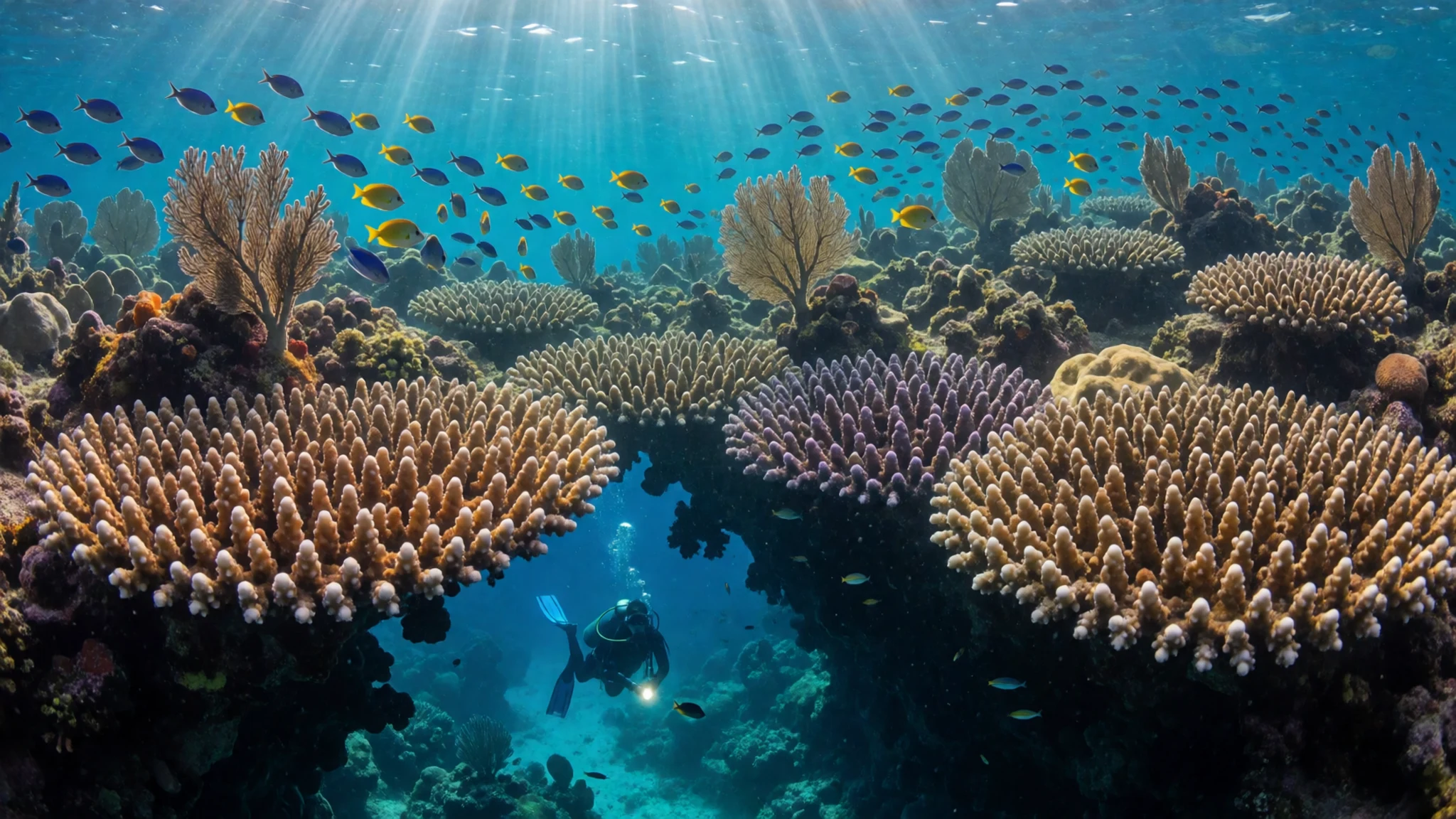
- Tangkoko National Park — North Sulawesi coast
Tangkoko National Park is a forest reserve on the north coast, with the slopes of Gunung Tangkoko rising behind the shore. It is the place for wildlife walks, best started at first light when the forest is cooler and animals are active. A local ranger guide is worth having for finding species and for staying on the trails.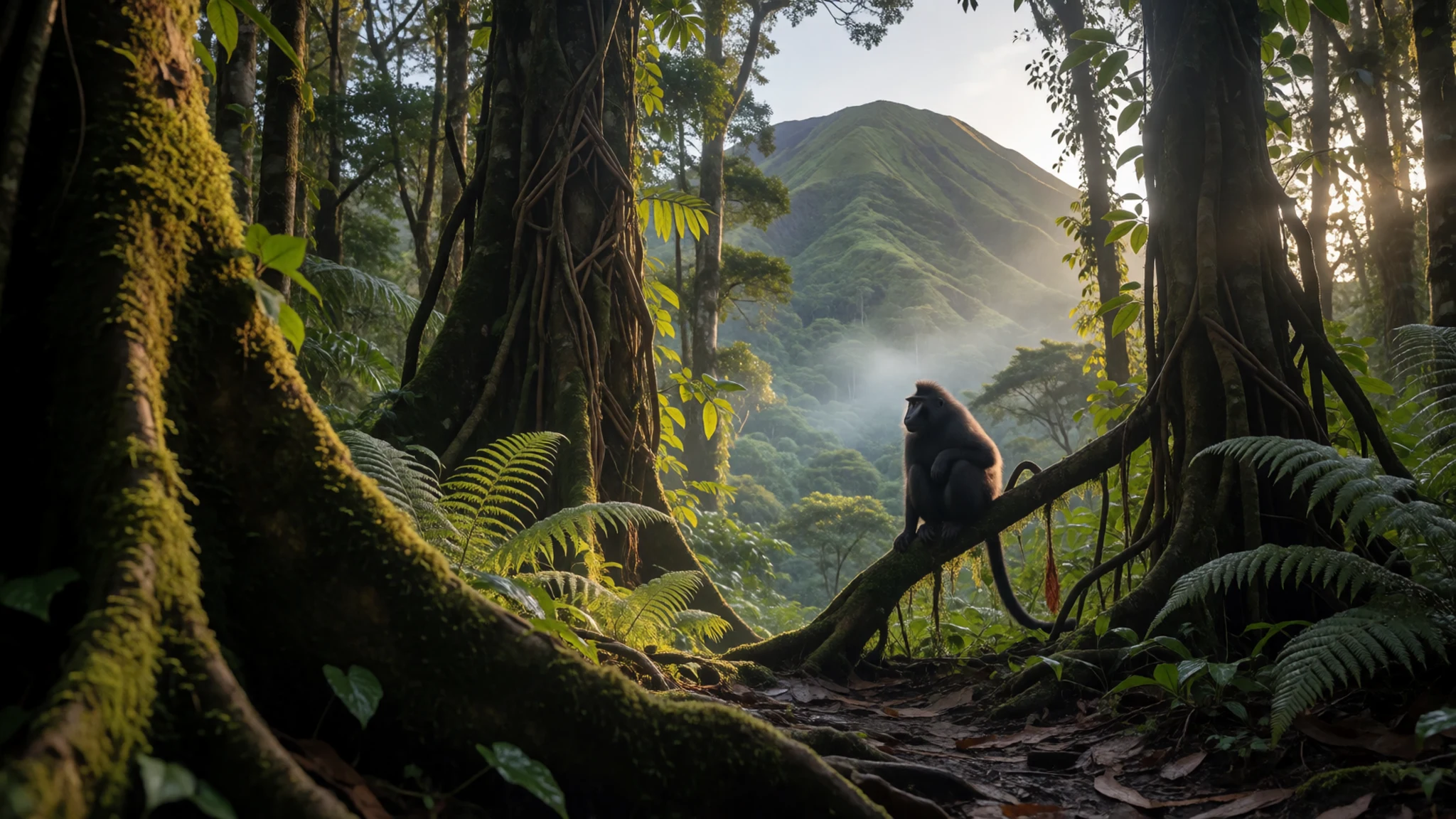
- Leang-Leang prehistoric site — Maros, South Sulawesi
Leang-Leang is a cluster of limestone caves near Maros, north of Makassar, where ancient hand stencils are still visible on cave walls. Pettakere Cave is among the best known. The site is an easy day trip from Makassar, and the surrounding karst scenery is as much a pleasure as the paintings themselves.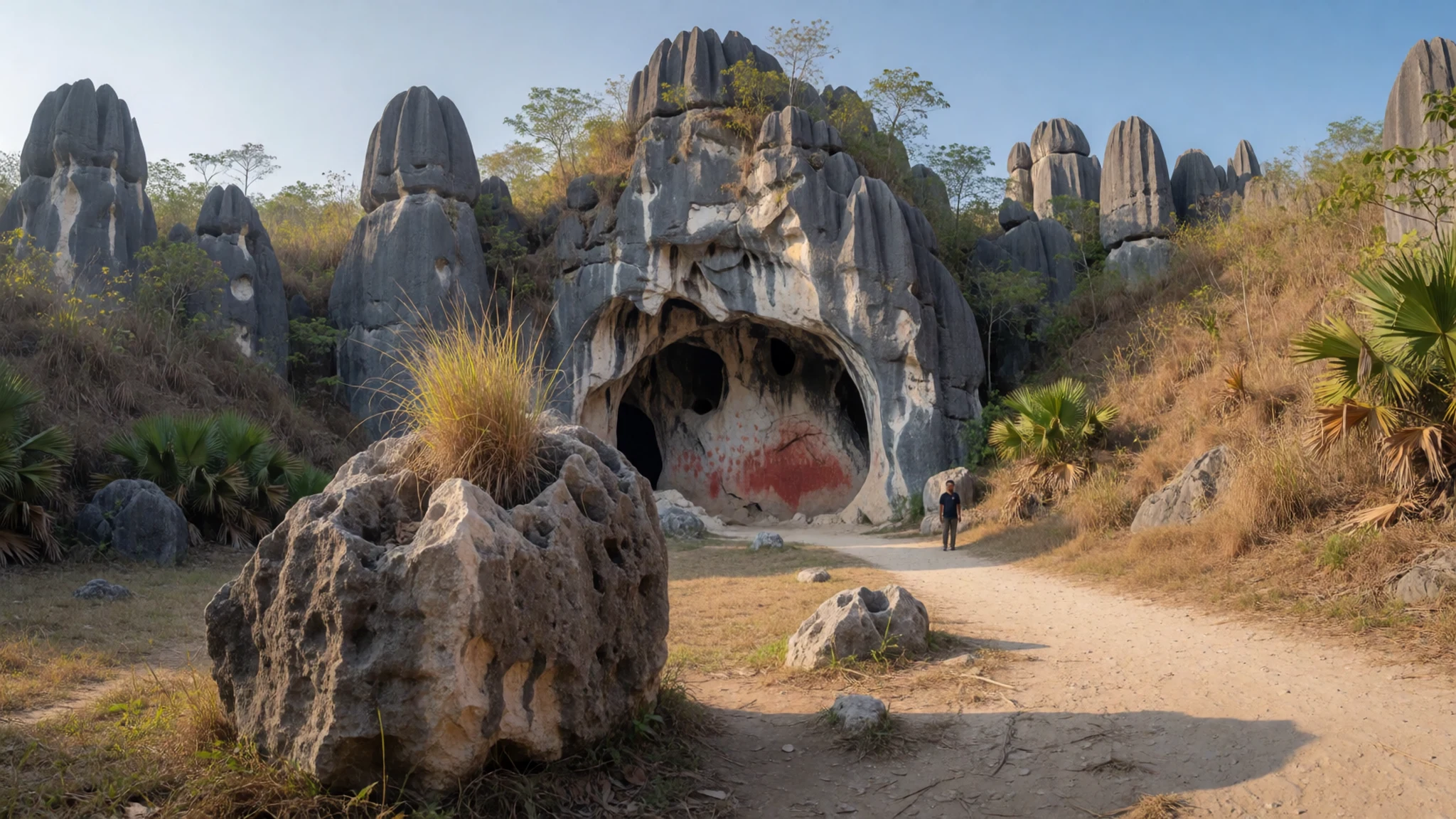
- Makassar waterfront and old fort — Makassar, South Sulawesi
Makassar is the island's main gateway and a trading port with a long history. The old fort by the water and the harbour district reward a few hours on foot, ideally in the cooler morning. Old European engravings of the walled port show how long the city has been a landmark for sailors on the strait.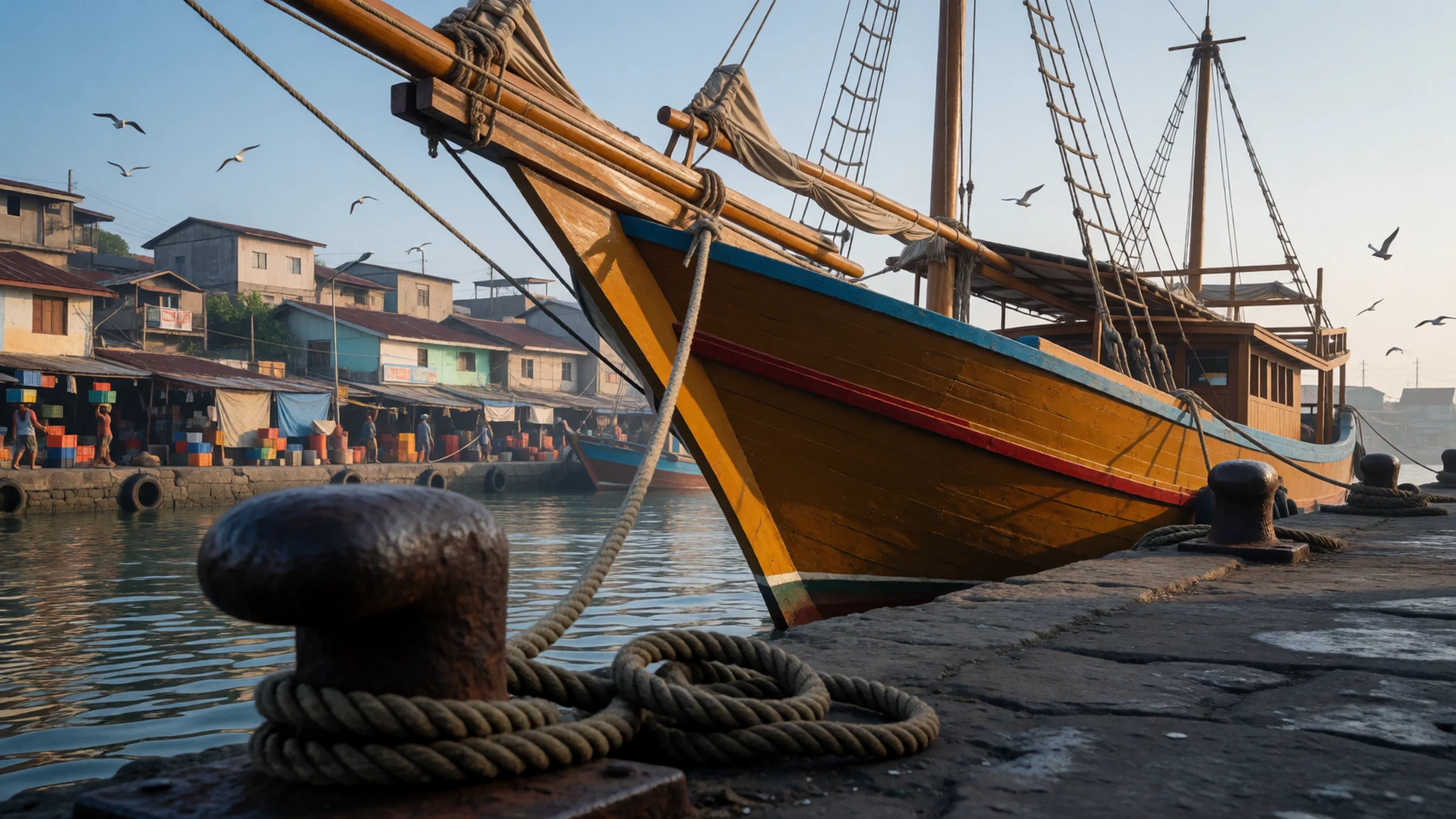
- Togean Islands — Gulf of Tomini
The Togean Islands scatter across the Gulf of Tomini and suit travellers who want reefs without the crowds of Bunaken. Reaching them takes time and some planning, usually by sea from the mainland. Accommodation is basic, power can be limited, and the reward is quiet water and very little noise after dark.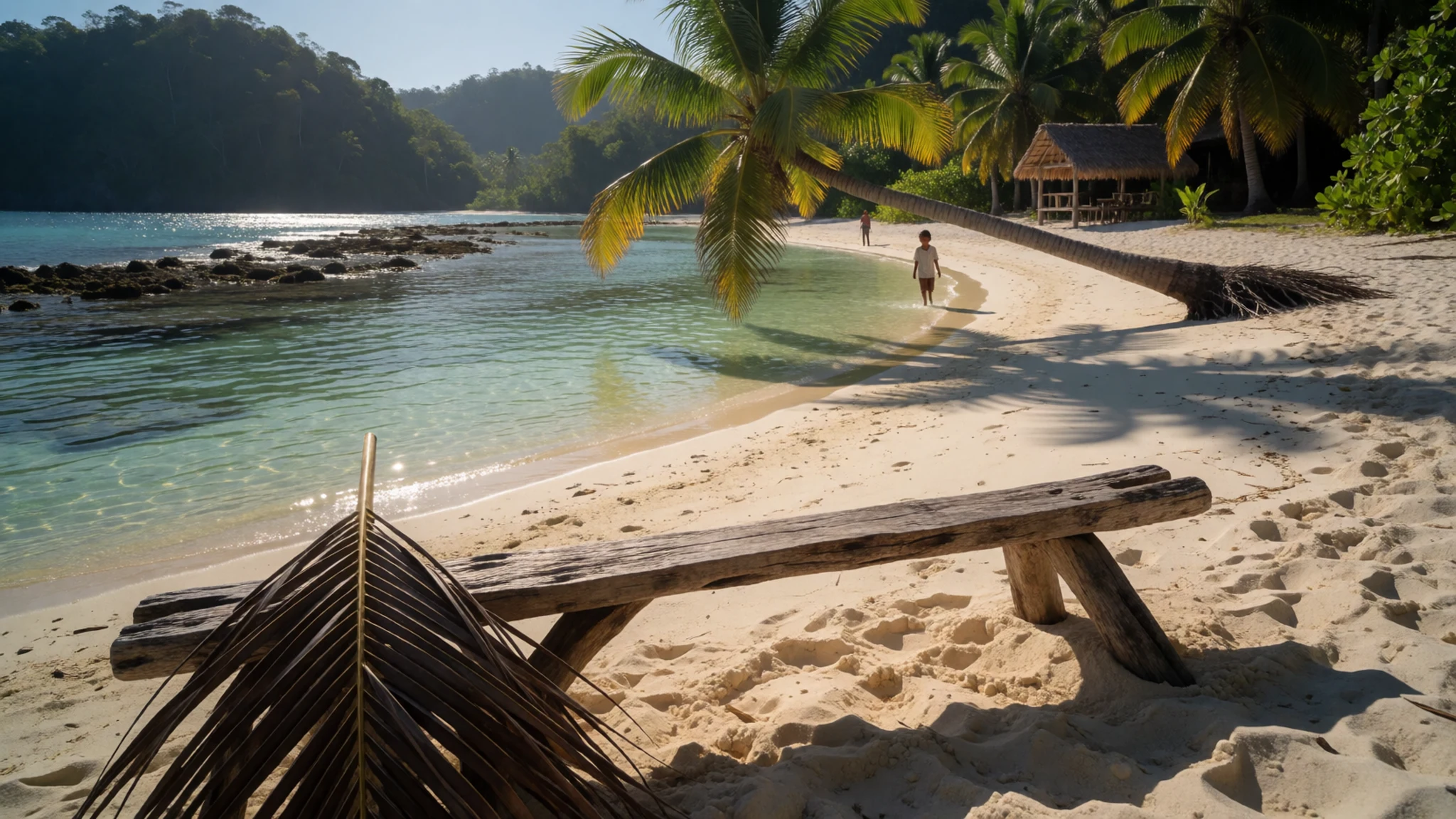
Culture
Sulawesi has no single culture, because mountains and sea kept its peoples apart for centuries. In the north, the Minahasa are largely Christian, and church on Sunday shapes the rhythm of the week. In the south, Bugis and Makassar communities have a long seafaring and trading history, and the Muslim call to prayer sets the day. Inland, the Toraja are Christian but keep a strong link with their older religion, which is clearest in their funeral rites. These are elaborate, drawn-out events that involve animal sacrifice, and families may host guests from far away.
In the central districts, stone megaliths of unknown origin stand in the landscape, and local communities treat them with respect. Elsewhere, cave paintings of hands and animals show that people have been marking this island for a very long time.
Daily life is hospitable and fairly formal. Greetings, a handshake and a smile go a long way, and shared meals are social events. Religious holidays and funerals can close roads or fill guesthouses, so it helps to ask locally before assuming transport will run as normal.
If a Toraja family invites you to a funeral, go with a local guide or host, wear dark modest clothes, accept their advice on any gift, and ask before photographing people or the ceremony.
What to wear
Traditional dress in Sulawesi varies by community. Among the Bugis of the south, women have worn the baju bodo, a light, loose blouse, with a woven silk sarong, and men wear a sarong with a jacket and head cloth for weddings and formal occasions. In Toraja, handwoven cloth and beadwork are worn at ceremonies and funerals, and the colours often follow the occasion. These outfits appear at weddings, festivals and funerals rather than on ordinary days.
Everyday clothing is simple and practical. In Manado and other northern towns, jeans, T-shirts and Sunday best for church are common. In the Muslim-majority south, many women wear headscarves and long sleeves, and men often wear trousers and a shirt, with a songkok cap for prayers or formal events. Fishing and farming communities wear whatever keeps the sun off, usually long sleeves, a hat and rubber sandals.
Visitors should pack for heat and humidity. Light cotton or linen shirts and trousers dry quickly and keep the sun off. Covered shoulders and knees are polite in villages, mosques and churches, and dark clothes are needed if attending a funeral. A sarong is handy for covering up. Take sturdy shoes for forest trails and rocky paths, reef shoes or sandals for boat landings, and a light rain jacket plus a warm layer for cool highland evenings.
What to eat
- Tinutuan — Breakfast stalls and cafés in Manado
Tinutuan is Manado's breakfast porridge, a thick mix of rice, pumpkin and leafy vegetables, usually served with fried fish or a spoonful of chilli sambal. It is mild, filling and easy on the stomach for a first morning in the north.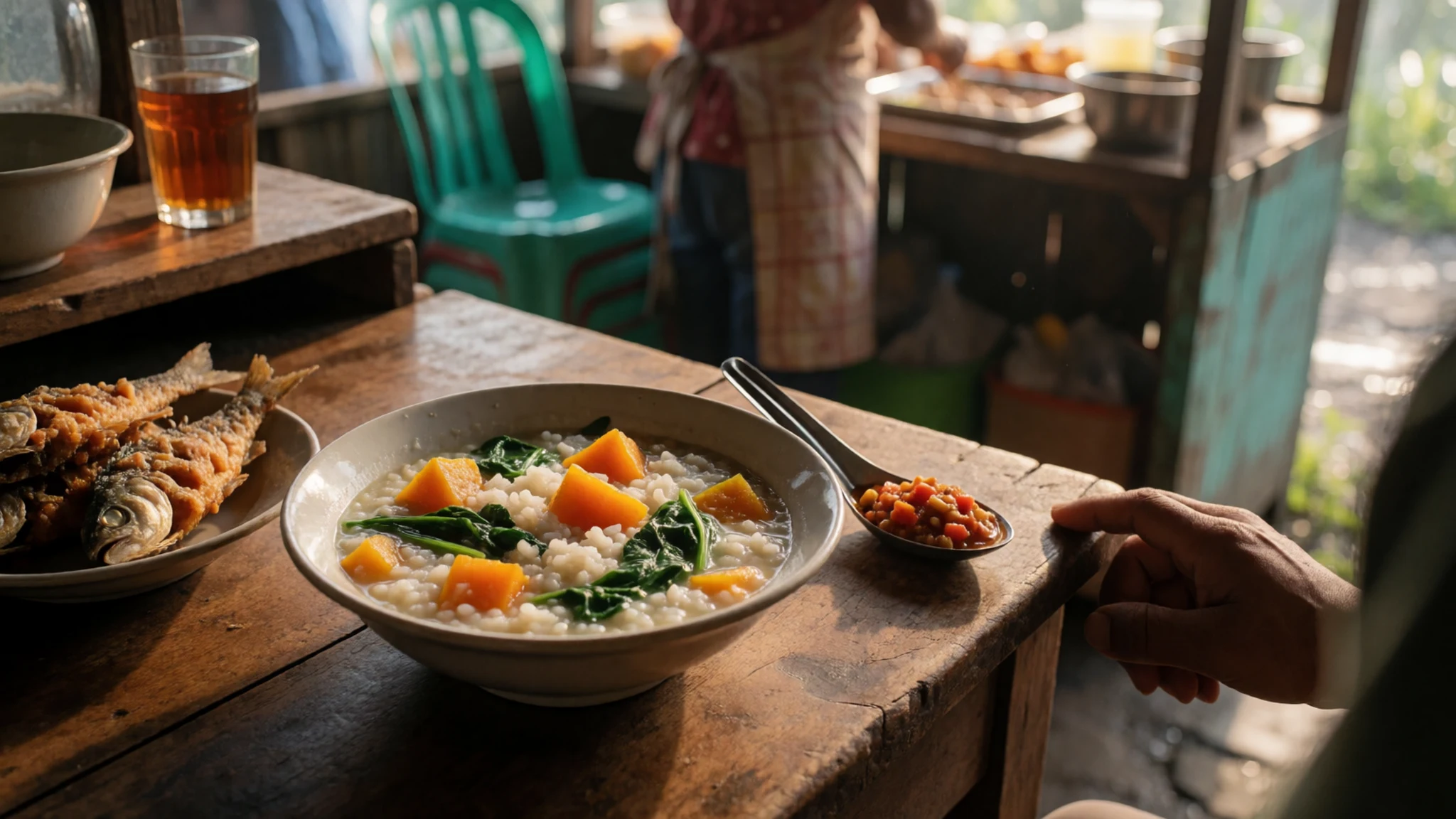
- Cakalang fufu — Markets and roadside stalls in Minahasa
Cakalang fufu is smoked skipjack tuna, a staple of North Sulawesi. The fish is smoky, firm and salty, and it is eaten flaked with rice, stirred through sauces or used as a filling. It travels well and is a common thing to take home.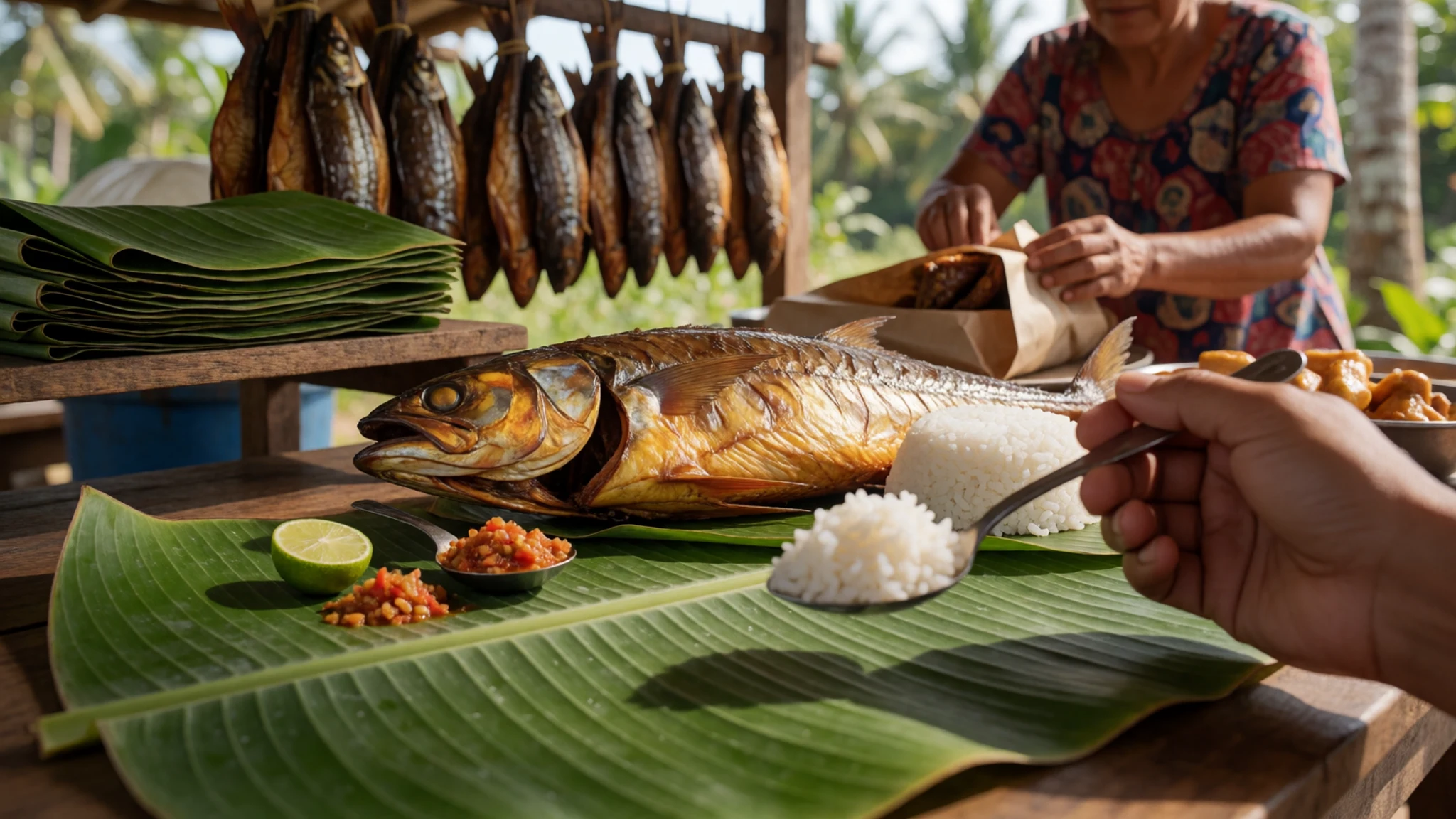
- Rica-rica — Warung and local eateries in Manado
Rica-rica is the north's fiery signature, a dish of chicken, fish or other meat cooked in a paste of chillies, ginger and lemongrass. Manadonese cooking is known for heat, so ask for a milder version if unsure. Markets in the region sometimes sell exotic meats, which visitors can simply avoid. - Coto Makassar — Soup shops around Makassar
Coto Makassar is a rich beef soup from the south, flavoured with spices and ground nuts, and served with rice cakes or steamed rice. It is eaten at any time of day and is best enjoyed with sambal and a squeeze of lime. - Konro — Ribs restaurants in Makassar
Konro is a Makassar speciality of beef ribs, either served in a dark spiced soup or grilled and brushed with sauce. The meat is tender and rich, and the soup version comes with rice. It makes a hearty evening meal after a day of sightseeing. - Pa'piong — Family-run eateries in Tana Toraja
Pa'piong is a Toraja dish in which meat, often chicken or pork, is cooked with herbs and leaves inside a length of bamboo over a fire. The result is fragrant and moist. Ask ahead, since it takes time to prepare and is often made for gatherings.
Plan it
Best time. June to September is the drier part of the year for most of the island, which suits the Toraja highlands, road travel and boat trips. Rainfall varies from region to region, and heavy rain can slow mountain roads, so check local forecasts for the area you choose.
How long. 7–10
Getting there. Fly to Sultan Hasanuddin Airport (UPG) in Makassar for the south and the Toraja highlands, or to Manado (MDC) for the north, Bunaken and Tangkoko. Both operate as international airports offering visas on arrival, and both have flights to Malaysia and Singapore. Kendari, Gorontalo and Palu also have direct flights from Jakarta. The last leg is usually by road or boat, so check current services before booking.
Budget. mid
Tips
- Pick one or two regions: road links between the peninsulas are slow and the interior is mountainous.
- Check your government's travel advice before heading to Central Sulawesi, as warnings apply to parts of the Sigi, Parigi Moutong and Poso districts.
- Book dive and boat trips through an established operator, and ask about conditions on the day.
- Carry cash for markets, village eateries and small guesthouses, as card acceptance is patchy outside cities.
- Start wildlife walks and sightseeing early to avoid the midday heat.
Etiquette
- Dress modestly in villages, mosques and churches, with shoulders and knees covered.
- Ask before photographing people, especially at funerals and religious events.
- Use your right hand for giving, receiving and eating.
Nearby
Sources
- Wikidata Q3812 (CC0)
- Wikipedia: Sulawesi (CC BY-SA 4.0)
- Wikivoyage: Sulawesi (CC BY-SA 4.0)
- Photo: Sulawesi topography plain (RXerself) (CC BY-SA 4.0)
- Photo: Fires on Sulawesi, MODIS (Jeff Schmaltz, NASA GSFC) (Public domain)
- Photo: Sulawesi map (CC BY 3.0)
- Photo: Tangkoko National Park (Lip Kee Yap) (CC BY-SA 2.0)
- Photo: Tokalalaea Megalith (Oliver van Straaten) (CC BY-SA 2.0)
- Photo: Hands in Pettakere Cave (Cahyo Ramadhani) (CC BY 3.0)
- Photo: Leang Tedongnge rock art panel (Oktaviana) (CC BY-SA 4.0)
- Photo: View of the city and the fort of Macassar (Johann Wolffgang Heydt) (Public domain)


