Sulaiman-Too
Sulaiman-Too, Kyrgyzstan
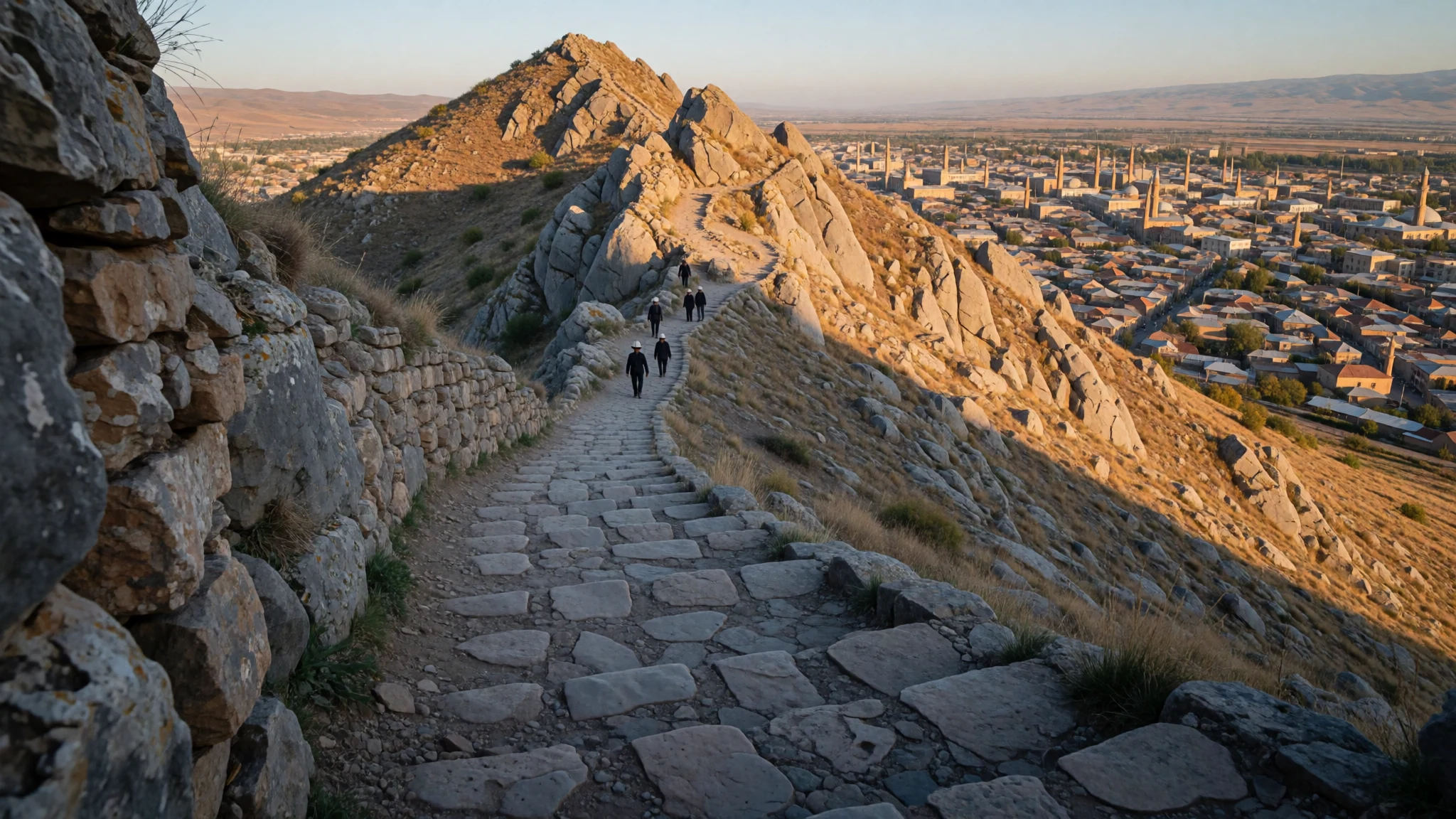
Sulaiman-Too is a towering sacred hill above Osh, where ancient worship sites sit side by side with living faith.
The place
Sulaiman-Too (Сулайман-Тоо, “Sulaiman Rock”) is a mountain and cultural landscape in Osh, Kyrgyzstan, rising to about 1110 m. In a city that feels distinctly Islamic and more conservative than much of the country, this single mass dominates the skyline—and with it, the story of Osh itself.
The mountain is also a UNESCO-listed wonder, and it’s hard to separate the geology from the human tradition. The slopes and cliff faces hold a scatter of older sacred spaces, some still used today. Walking around the base and then up towards the main worship areas feels less like a “park” and more like moving through layers of time: carved or built sanctuaries, steps worn by repeated visits, and viewpoints where the city sits below you.
Osh is the second largest city in Kyrgyzstan and sits in the south. It’s a place with visible everyday culture—bazaars, mosques, neighbourhood life—and it’s in the Fergana Valley, which helps explain the region’s mix of influences. For visitors, that means the experience of Sulaiman-Too is not isolated; it’s tied to where people live and pray.
On a practical note, Sulaiman-Too is easiest to enjoy when the weather is mild. In warmer months the day can feel long and bright, and you’ll want to start earlier and pace the climb. Crowd levels are usually calmer than the big-name tourist circuits, but religious spaces can still attract local visitors, so plan your timing around prayer and daylight.
Its story
Sulaiman-Too has a legend that reaches well beyond Kyrgyzstan’s borders. Some researchers and historians connect the mountain to an ancient landmark known in antiquity as the “Stone Tower”. The idea links the site to Claudius Ptolemy’s Geography, which described a “Stone Tower” and suggested it mattered for travellers moving across the Silk Road.
What makes this story feel plausible is that the mountain isn’t just scenic—it’s a clear reference point. When trade routes ran overland, landmarks that helped caravans orient themselves were valuable. A prominent hill above a settlement offers visibility, a natural meeting point, and a way to mark the midpoint of long-distance travel.
Over time, the same strong geography that may have guided merchants also attracted worship. Sulaiman-Too was once described as a major pre-Muslim pilgrimage place, and today its sacred character continues through the mosques and mausoleum areas around the slopes and at the base.
So the “Stone Tower” thread works on two levels: first as a navigation marker in a historical imagination of the Silk Road, and second as a foundation for later religious meaning. Whether you focus on the classical reference or the living shrines, the mountain’s main trick is the same—standing above Osh, it ties the ancient world to present-day footsteps.
What to see
- Sulayman Mountain (Sulaiman-Too) — Osh city — around the mountain
Sulayman Mountain looms over Osh and gathers ancient worship areas along its slopes. Expect a mix of carved nooks and built spaces that feel “in use”, not museum-only. The viewpoint over the city is part of the appeal.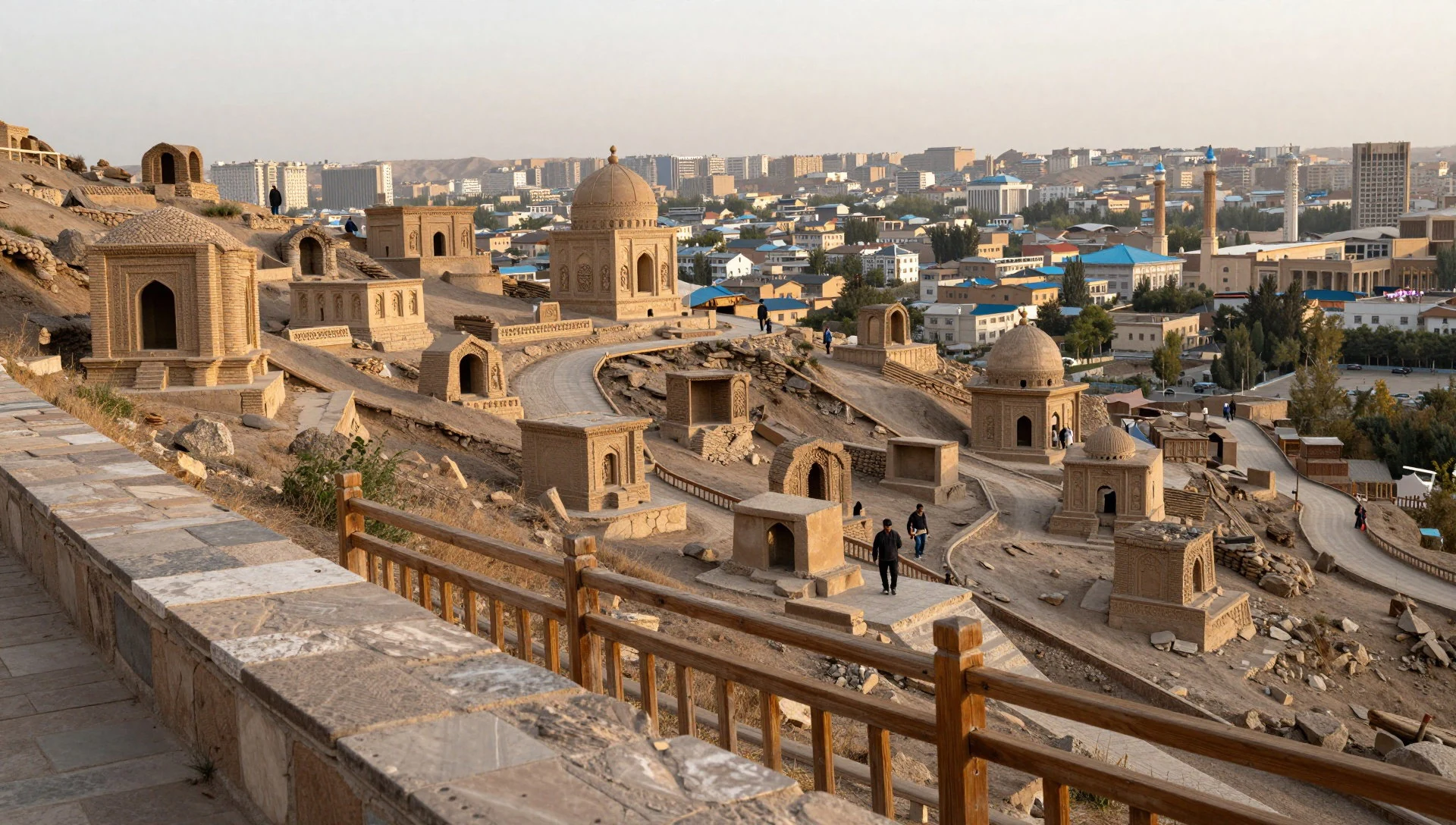
- Mechet' Ravvat Abdullakhana — Osh city — hillside mosque cluster
Mechet' Ravvat Abdullakhana is associated with an early mosque tradition in Osh and sits near the mountain area. It’s said to be the oldest mosque in Osh, and non-Muslims may be restricted, so plan respectful viewing from outside if needed.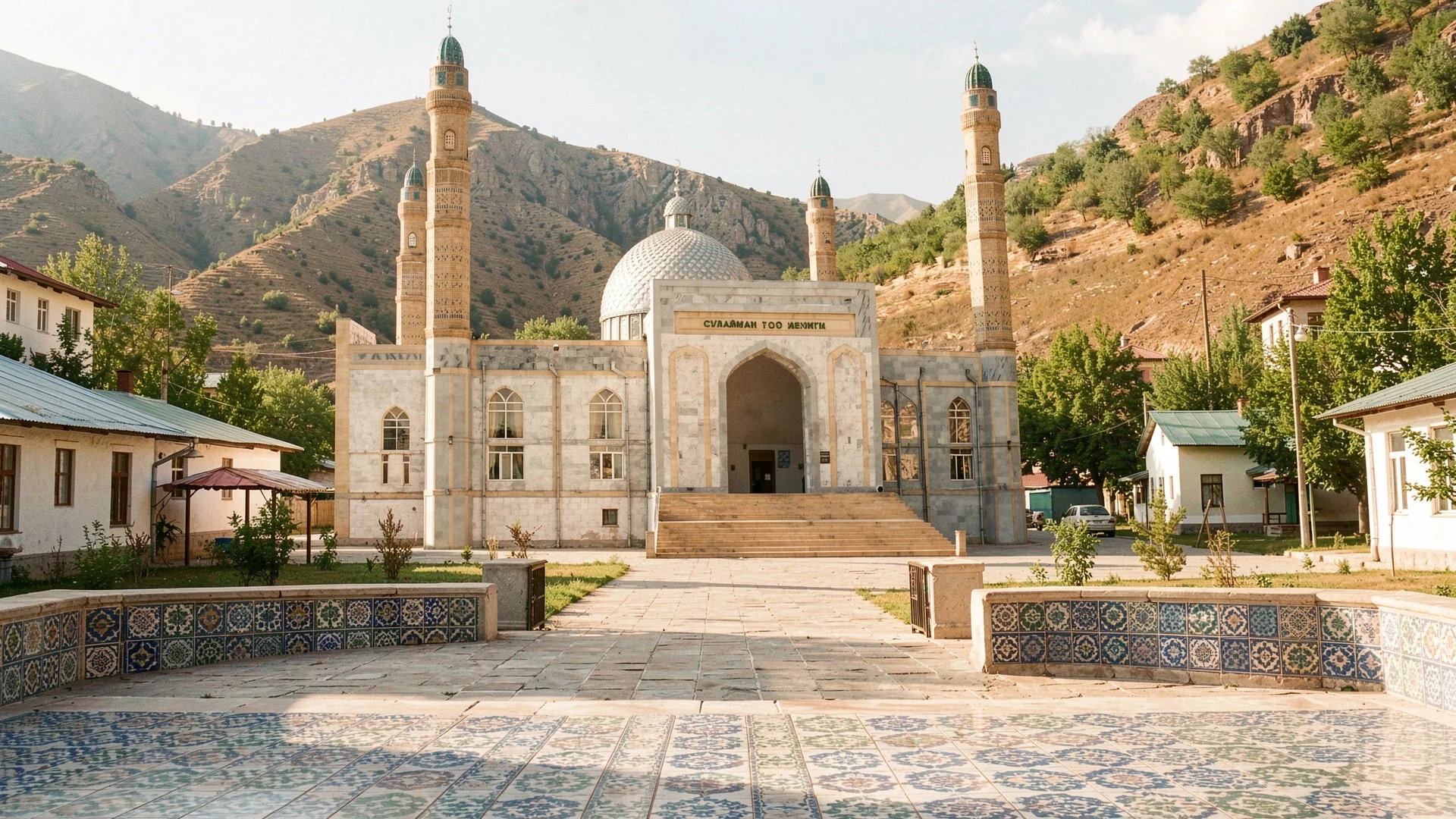
- Mausoleum of Asaf ibn Burkhiy — Osh city — lower slopes
At the base area of Mount Sulaiman, the Mausoleum of Asaf ibn Burkhiy offers Islamic architecture that’s easier to reach than the higher sites. It’s named for a figure connected with Suleiman’s vizier in local tradition, with photo opportunities close up.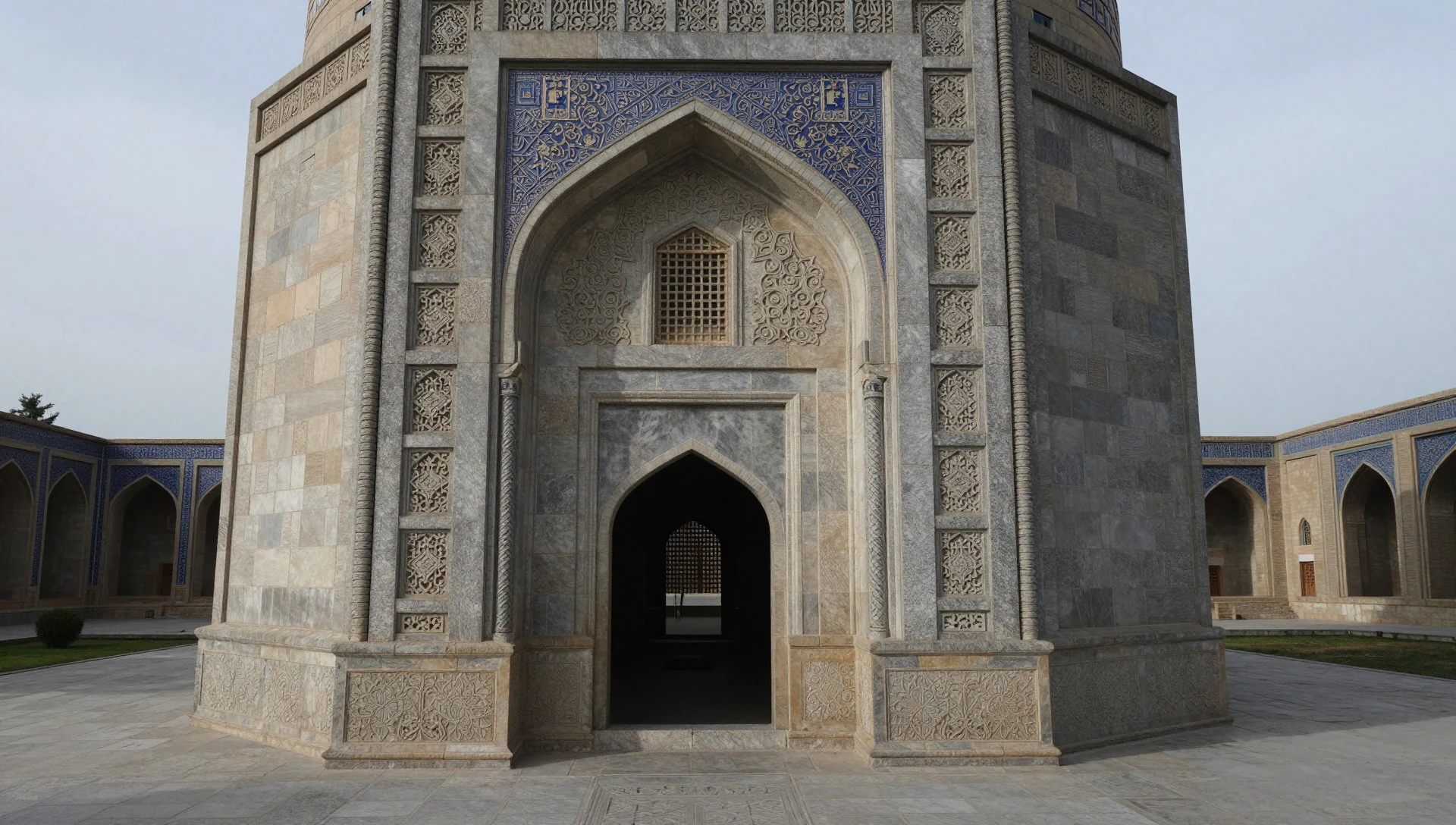
- Sulaiman-Too Mosque — Osh city — approach to the mountain
The Sulaiman-Too Mosque is known for distinctive blue mosaic work you can spot before heading up the mountain. It’s a meaningful religious stop, so visitor access can be limited; expect to queue and keep noise down near entrances.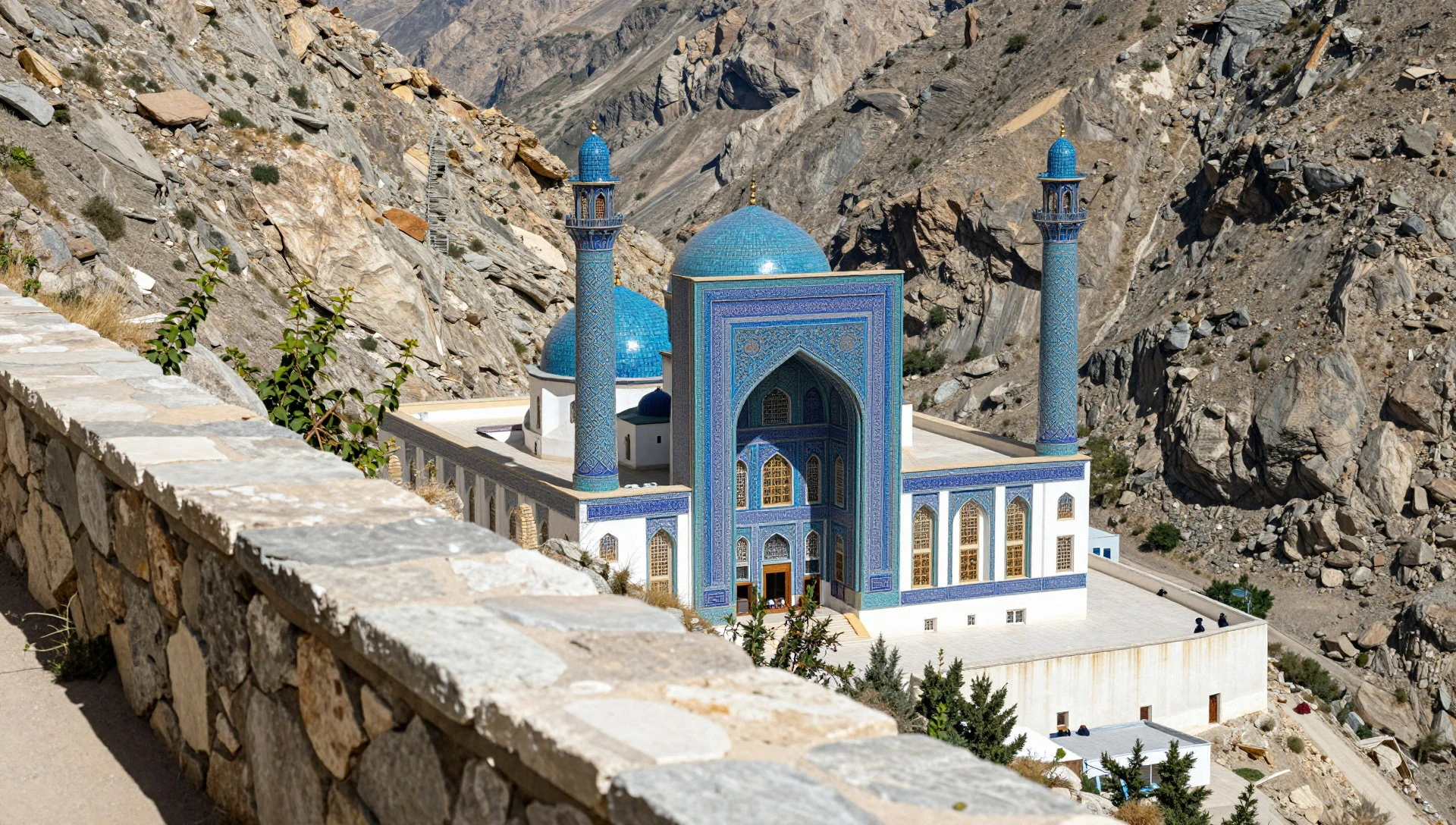
- Russian Orthodox Church — Osh city — outside the Sulaiman hill area
The Russian Orthodox Church in Osh adds a different spiritual silhouette: blue-and-white walls with a stone gate in front. It ties to early 20th-century history and is a good “contrast stop” after time on the mountain, especially for calmer late-afternoon light.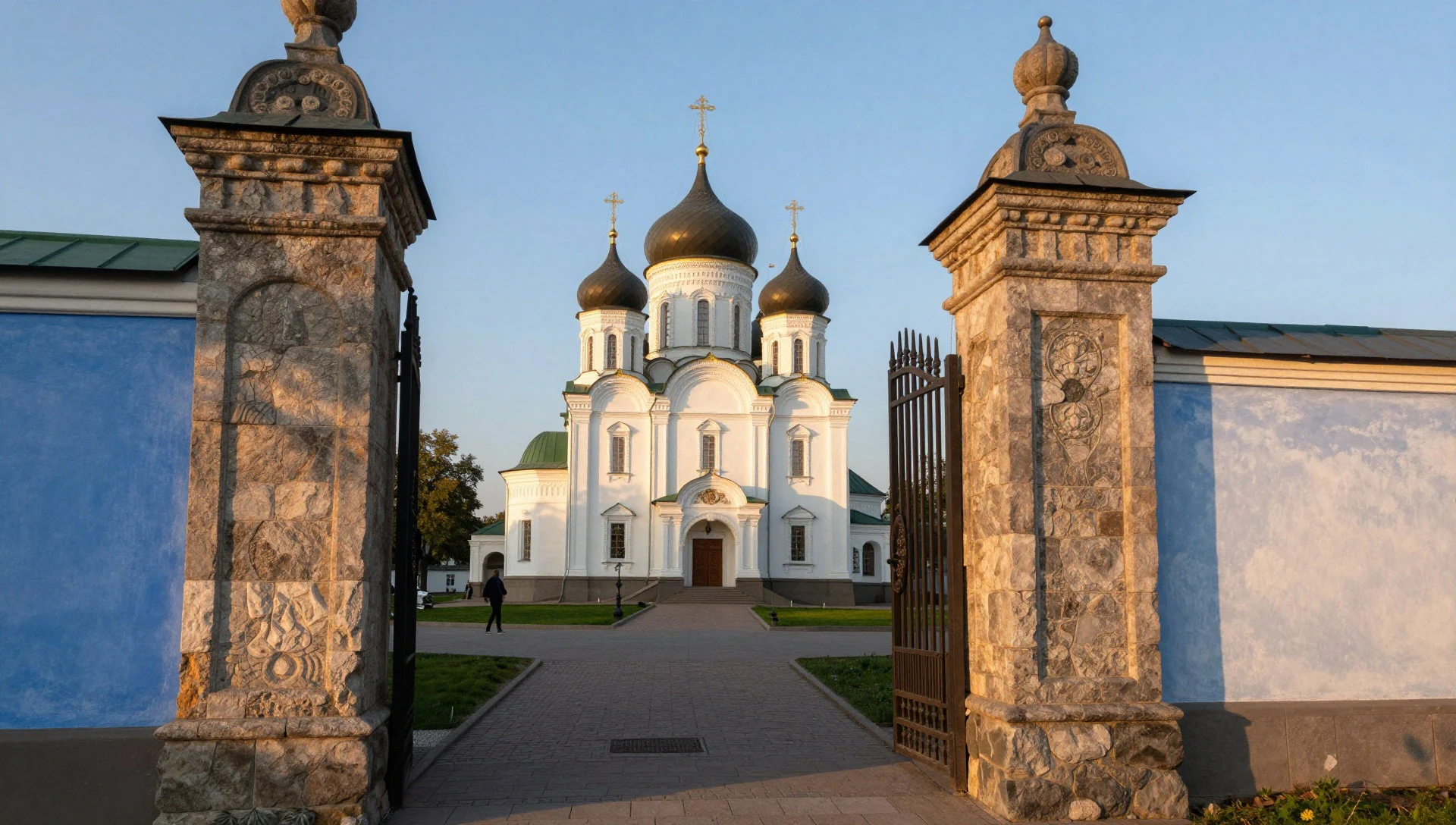
Culture
Sulaiman-Too is the kind of place where visitors notice they’re stepping into everyday faith. In Osh, the city’s more conservative, Islamic character shapes how people behave in and around religious spaces, and the mountain’s old sanctuaries still pull local visitors.
When you move around the mosque areas, keep your body language calm and avoid lingering at doorways or blocking entrances for photos. Dress matters because it affects how easily you’ll be allowed into certain areas: covered shoulders and clothing that doesn’t show too much skin are the safest choice, even when you’re only approaching. If you do photograph, be mindful that some spots may feel private or sensitive.
Practical rhythm matters too. Shoes off and respectful entry can be expected in certain rooms, and prayer times can change how busy a courtyard feels. If access is limited, the best approach is to observe from nearby respectfully rather than pushing for inside views.
Visitor etiquette: Dress modestly and keep voices low near mosque entrances, following any instructions about footwear and access.
What to wear
Sulaiman-Too’s fashion is about modesty first, then comfort for walking. Traditional dress in Osh and across Kyrgyzstan often features flowing fabrics, bright textiles, and embroidered details—frequently seen in everyday rural traditions and at cultural events. Visitors will spot men in styles influenced by local hats and jackets, and women in long, layered garments during festivals, with the textiles doing much of the storytelling through pattern and colour.
Now, in day-to-day Osh, most people wear modern clothing, but the local norm still leans modest. In religious zones around Sulaiman-Too Mosque and other worship areas, shoulders and legs are commonly kept covered.
For visitors, wear breathable layers that work in warm sun and cooler shade on the mountain slopes. A light scarf helps with quick coverage. Choose non-slip footwear: the ground near steps and viewpoints can be uneven, especially when you’re moving between lower mausoleum areas and higher viewpoints. Avoid very short hems, sleeveless tops, and anything that’s too transparent—if you’re unsure, err on the conservative side.
If you plan to spend several hours, pack water and a hat, but keep your clothing respectful once you’re near entrances and courtyards.
What to eat
- Shashlyk — Local restaurants around Osh
Sulaiman-Too days in Osh pair naturally with shashlyk—grilled meat served hot with simple sides. Look for it at local eateries and courtyard restaurants around the city, where grills are a constant background sound.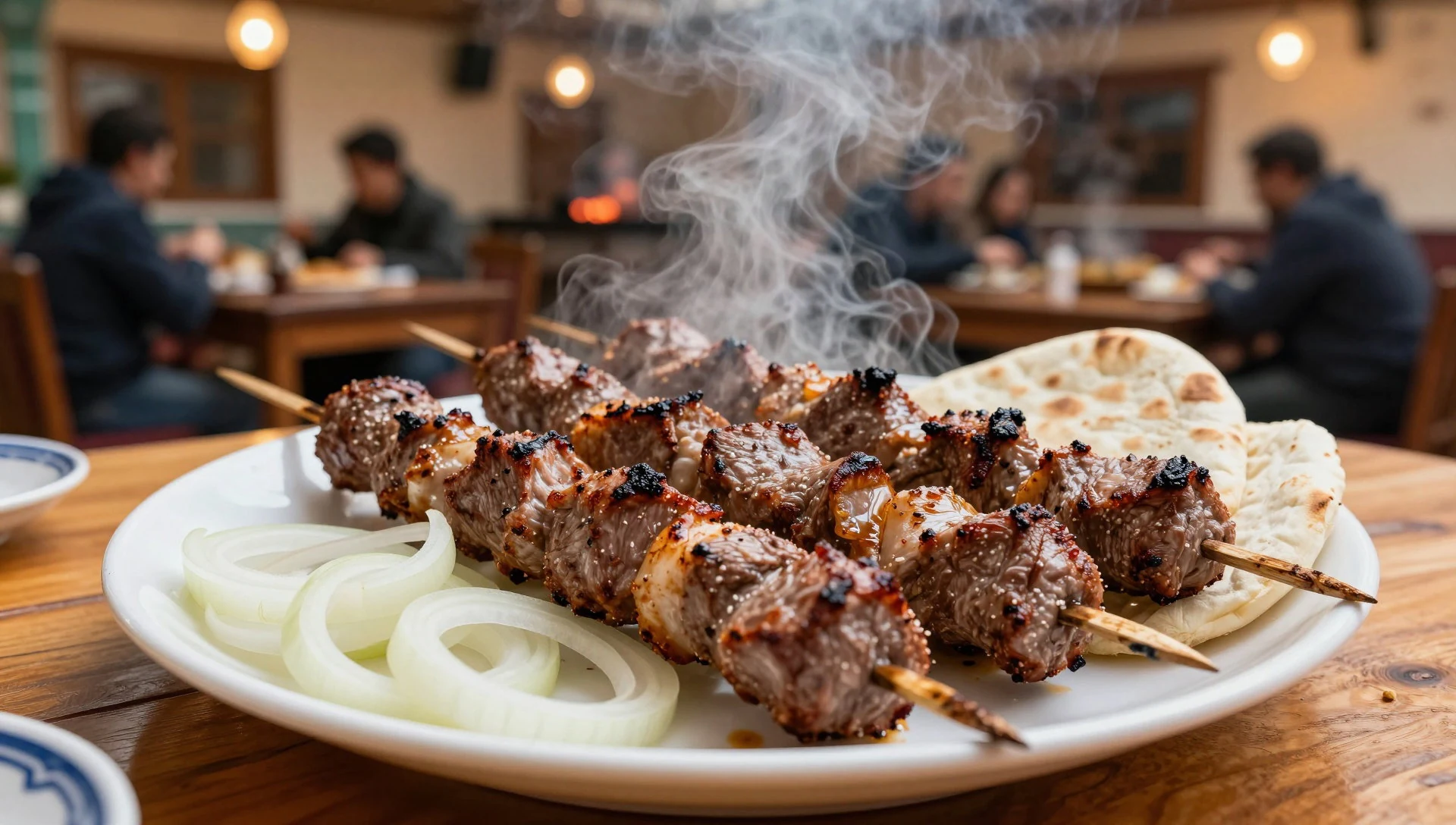
- Local plov-style rice — Chaikhanas and local cafes in Osh
Osh’s everyday comfort food is rice cooked with flavoursome meat and aromatics, often served in generous portions. You’ll usually find it on menus at Kyrgyz cafes and chaikhana-style places where locals eat lunch.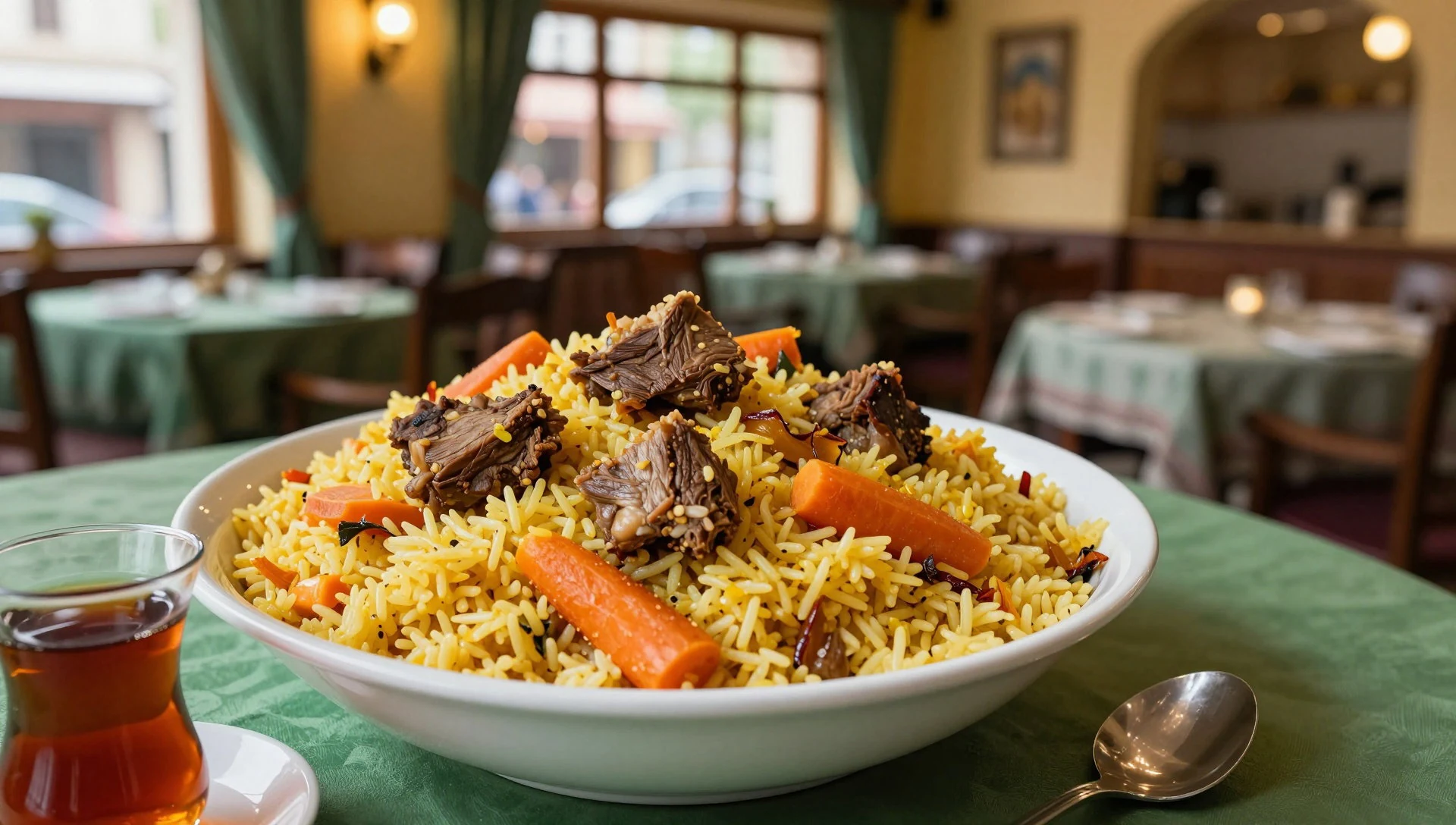
- Lagman — Local food spots and regional menu restaurants
Lagman is a hearty noodle dish that’s commonly offered in Osh, with a rich sauce and tender noodles. It’s a good choice when you want something filling without being overly heavy. - Arpa beer — Restaurants and beer-cafe style venues in Osh
Arpa is Kyrgyzstan’s national beer and shows up in many places that serve drinks. In Osh it can feel a bit harder to find than in larger capitals, but the better-known eateries and drink-oriented spots still carry it. - Tea (chai) and pastries — Chaikhana-style places around town
Chaikhana culture in Osh often means tea with small bites or pastries while you settle into a slower pace. It’s an easy, low-fuss stop between mosque visits and viewpoints.
Plan it
Best time. April–May and September–October for more comfortable walking temperatures: May is warm (about 39°C highs) and October is cooler (about 32.5°C highs). The hottest months are July and August (about 42.4°C and 41.7°C highs), and the wettest stretch is from March to April (roughly 29–27 mm of rain), so plan to start early and avoid the peak heat or rain.
How long. 2–3
Getting there. Fly into Osh via the local airport, then take a taxi or marshrutka into the city centre. From there, the last leg is short by taxi or on foot depending on where you stay in Osh.
Budget. mid
Tips
- Start around the mountain early in the day so the viewpoints are calmer and the heat is easier to manage
- Keep a little flexibility for access around mosques, since rules can vary by time and visitor situation
- Wear shoes with grip for the stone and stair sections around the mountain
- Carry small cash for quick purchases and informal stops, but also check payment options for larger eateries
Etiquette
- Expect footwear rules near religious entrances—remove shoes where required and follow any instructions
- Keep voices low and avoid interrupting prayer or conversations at mosque courtyards
- Ask before photographing people close up, especially near worship areas
Nearby
Sources
- Wikidata Q750190 (CC0)
- Wikipedia — Sulayman Mountain (rev 1366156856) (CC BY-SA 4.0)
- Wikivoyage — Osh (rev 5413472) (CC BY-SA 4.0)
- Photo photos/01-.jpg (CC BY-SA 4.0)
- Photo photos/02-kyrgyzstan-osh-with-suleiman-hill.jpg (CC BY 3.0)
- Photo photos/03-geology-of-sulayman-mountain-osh.jpg (CC BY-SA 4.0)
- Photo photos/04-sulaiman-too-mosque-osh-kyrgyzstan-3.jpg (CC BY 3.0 pl)
- Photo photos/05-sulaiman-too-mosque-osh-kyrgyzstan-1.jpg (CC BY 3.0 pl)
- Photo photos/06-osh-mosque.jpg (CC0 1.0)
- Photo photos/07-mosque-sulaiman-too-panoramio.jpg (CC BY 3.0)
- Photo photos/08-panorama-of-osh.jpg (CC BY-SA 2.0)


