Streymoy
Streymoy, Faroe Islands
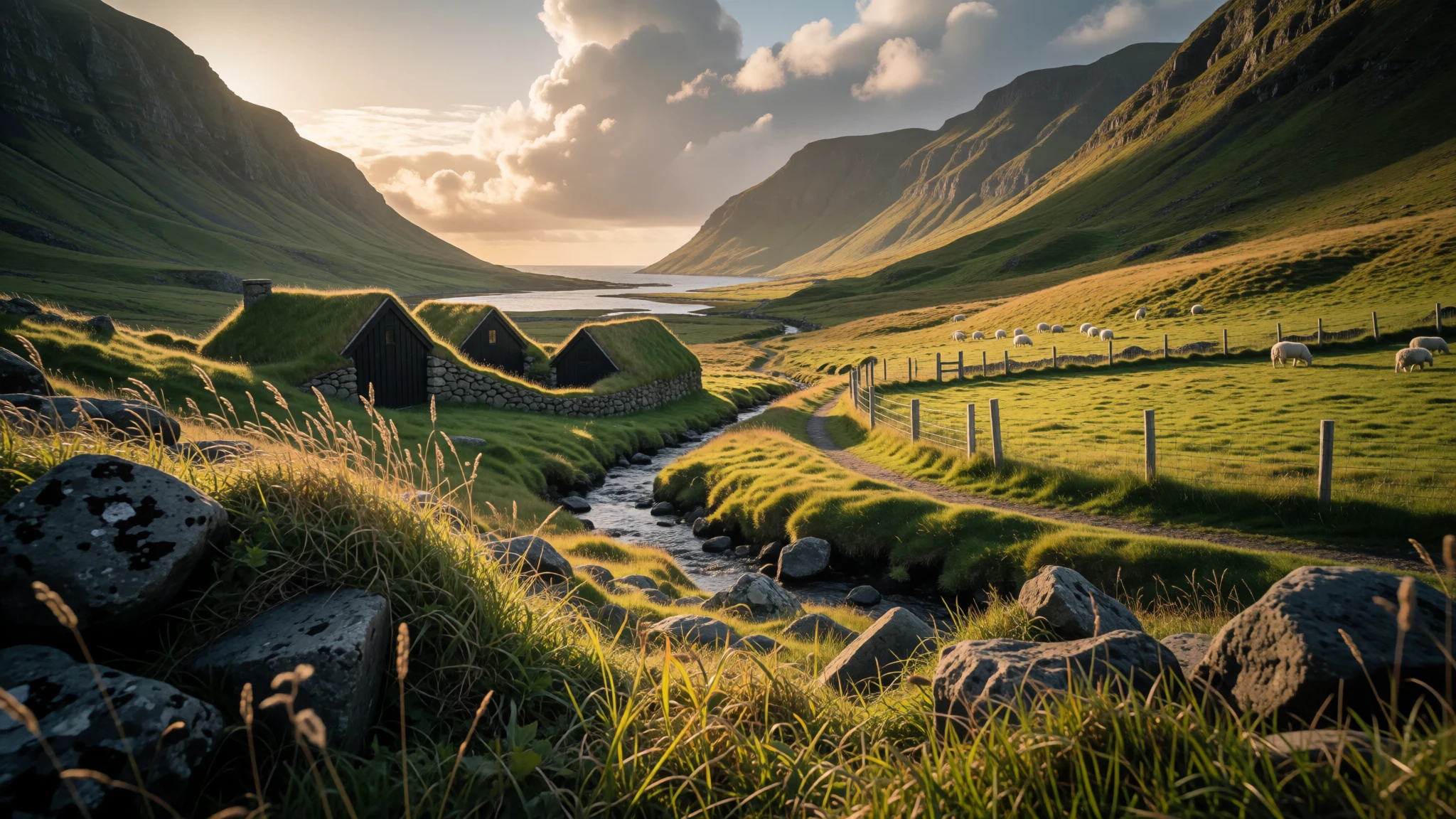
Go to Streymoy for dramatic sea cliffs, deep green valleys, and the historic maritime culture of Tórshavn.
The place
Streymoy is the primary island of the archipelago, shaped oblong and stretching in a northwest to southeast direction. The southeast coast holds the capital, Tórshavn, alongside deeply indented fjords such as Kollafjørður and Kaldbaksfjørður. Across the island, the terrain is distinctly mountainous, rising sharply in the northwest where sheer precipices plunge into the open sea. Numerous short streams cut through the grassy landscape, feeding minor lakes and carving out valleys where small settlements cling to the coastline. Natural vegetation consists almost entirely of hardy grasses, as native trees are absent from the open landscape. Enclosed village plots feature planted greenery protected behind sturdy fences designed to keep roaming sheep at bay. The surrounding waters—including the narrow sounds of Sundini to the east and Vestmannasund to the west—connect the island to neighboring landmasses via bridges and sub-sea tunnels. Weather conditions shift rapidly, bringing sudden squalls, low mists, and changing light that sweep across the high plateaus and rocky shorelines.
Its story
The human narrative of Streymoy has long been tied to the surrounding sea and the unpredictable temperament of the North Atlantic. For centuries, isolated coastal hamlets relied entirely on fishing, sheep farming, and the traditional harvesting of pilot whales in approved bays. Life in these settlements followed the rhythms of the outfield and the unpredictable bounty of the ocean. Tórshavn grew as the political and trading heart of the region, anchored by historical administrative quarters that preserve timber buildings painted in dark tar and bright reds. Outlying communities like Kirkjubøur served as the medieval spiritual center, holding ecclesiastical ruins and ancient farmsteads that have survived generations of harsh winters and maritime storms. Despite modern infrastructure connecting isolated valleys through road tunnels and bridges, the island retains a strong sense of isolation and maritime heritage. Local traditions endure in communal land management, seasonal sheep roundups, and the preservation of historic stone paths that once served as the primary routes between distant settlements before the advent of modern vehicular roads.
What to see
- Saksun — Northwest Streymoy
Saksun on Streymoy sits in a dramatic bowl of steep mountains above a tidal lagoon connected to the Atlantic. Visitors can walk past historic turf-roofed farm buildings that operate as a local museum and admire the lonely white church perched on the nearby rocky ledge.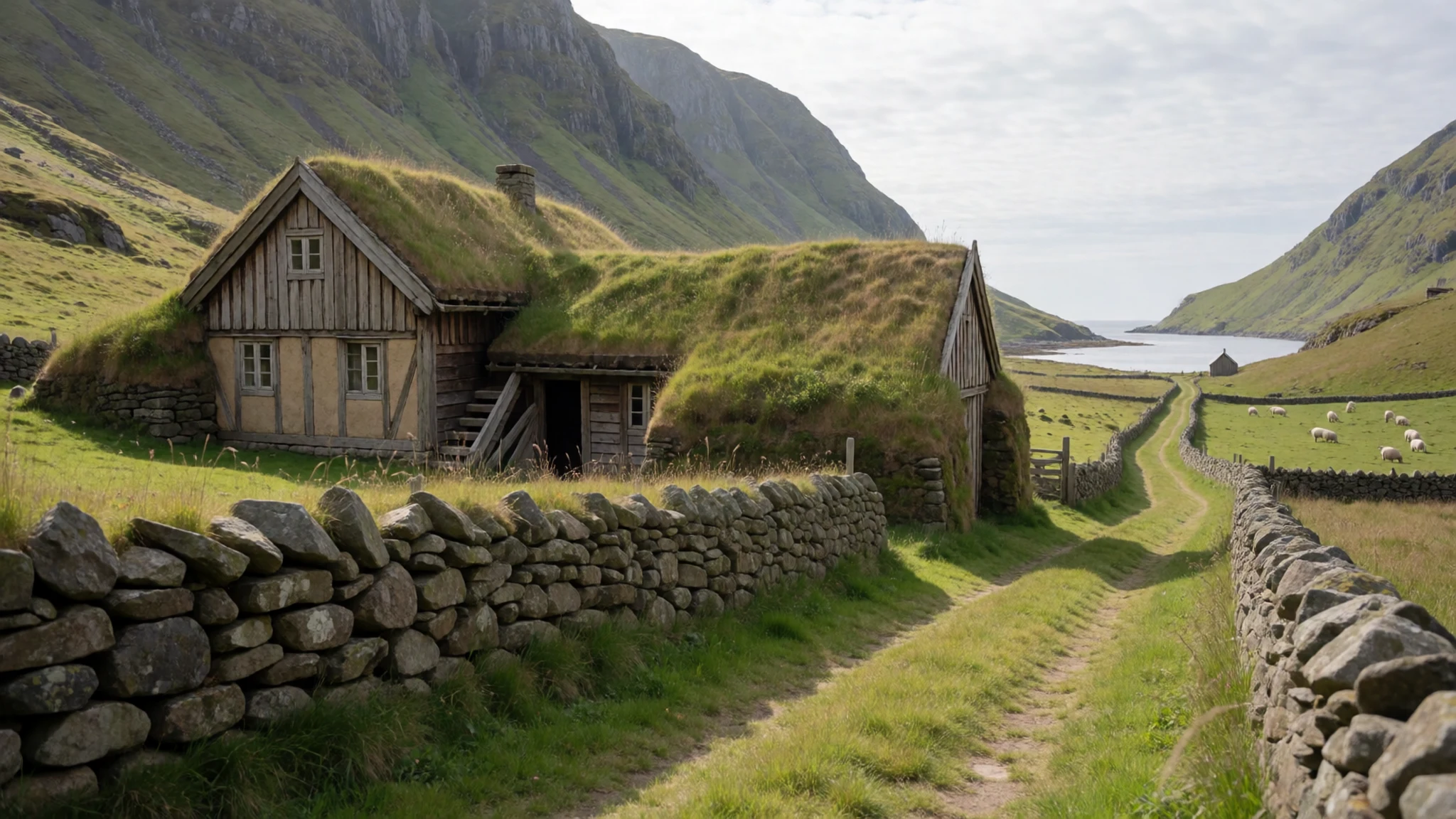
- Fossá Waterfall — Northern coastal road
Fossá is the largest waterfall on the islands, cascading down two massive tiers of dark basalt cliffs before emptying into the sound below. The site offers an impressive vantage point for viewing the coastal waters and the neighboring landmass of Eysturoy across the narrow channel.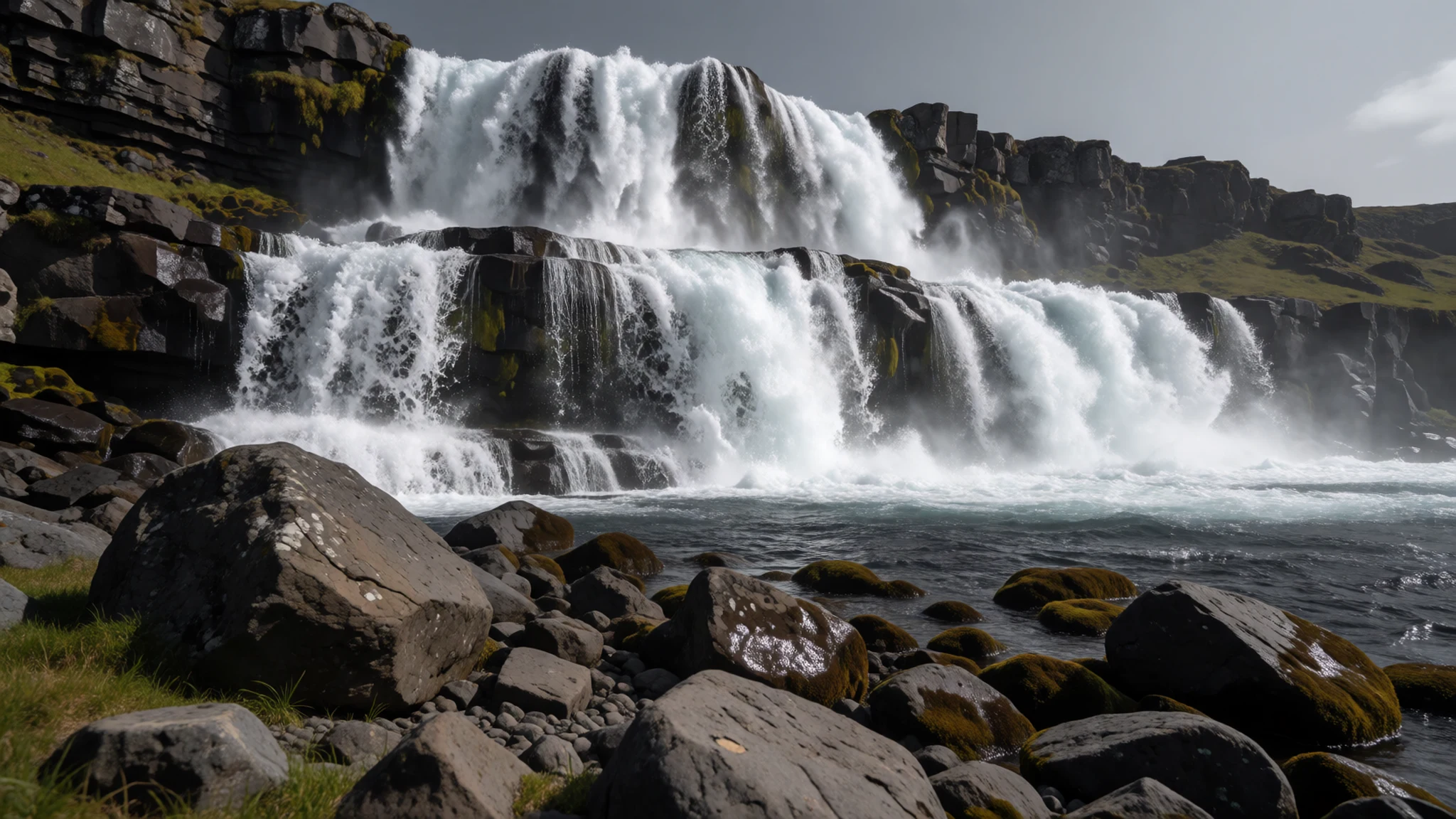
- Magnus Cathedral Ruins — Kirkjubøur, southern Streymoy
The uncompleted stone walls of Magnus Cathedral stand as a testament to the medieval importance of Kirkjubøur on the southern coast. Built without a roof or tower, the ancient structure overlooks the sea and neighboring islands while undergoing careful historical preservation work.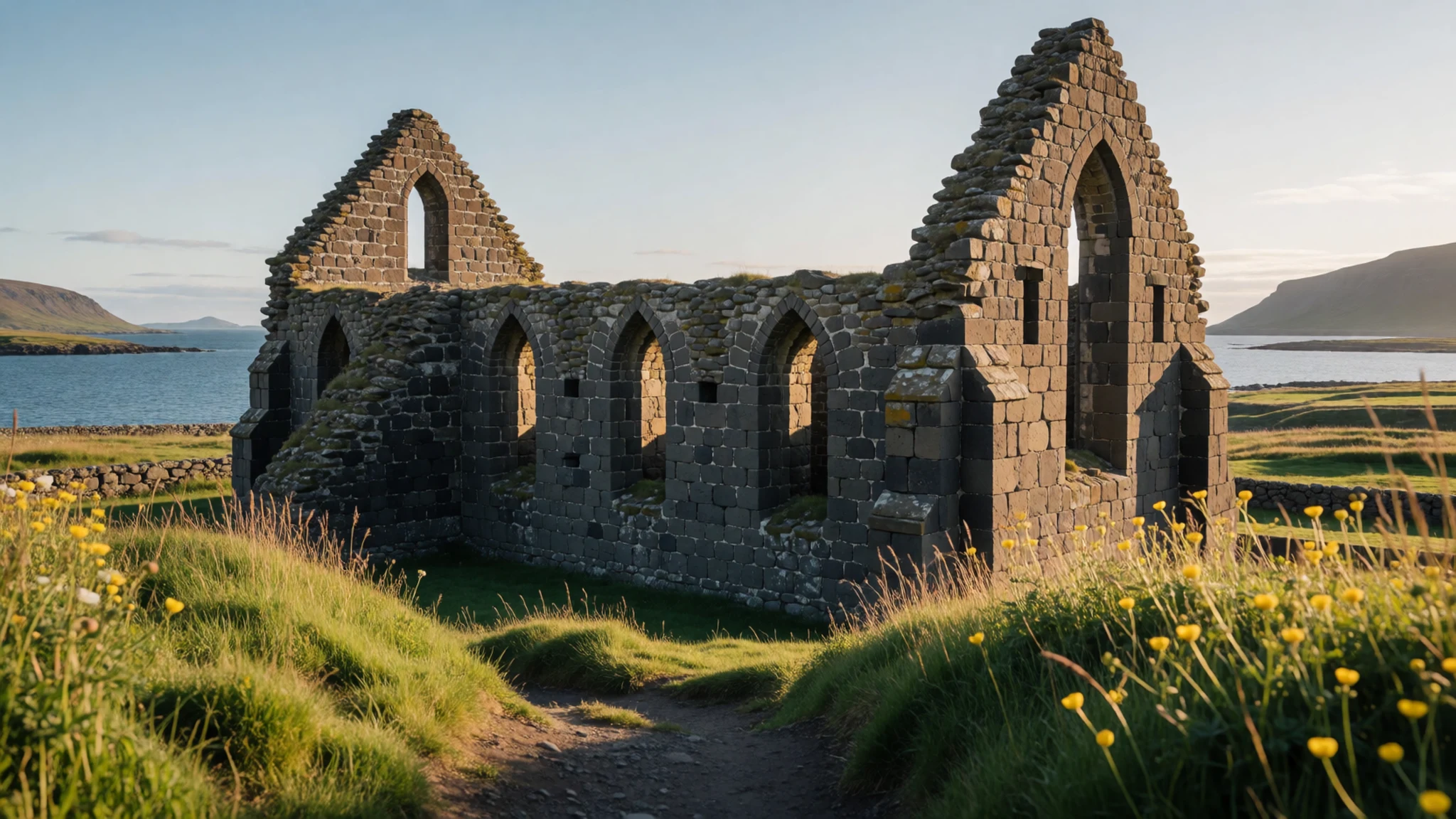
- Haldarsvík Church — Northern Streymoy coast
Haldarsvík village features an unusual octagonal church situated right at the water's edge, offering expansive views across the sound. Inside and around the graveyard, visitors find intriguing marble dove sculptures and traditional stone architecture that reflect the quiet character of northern coastal settlements.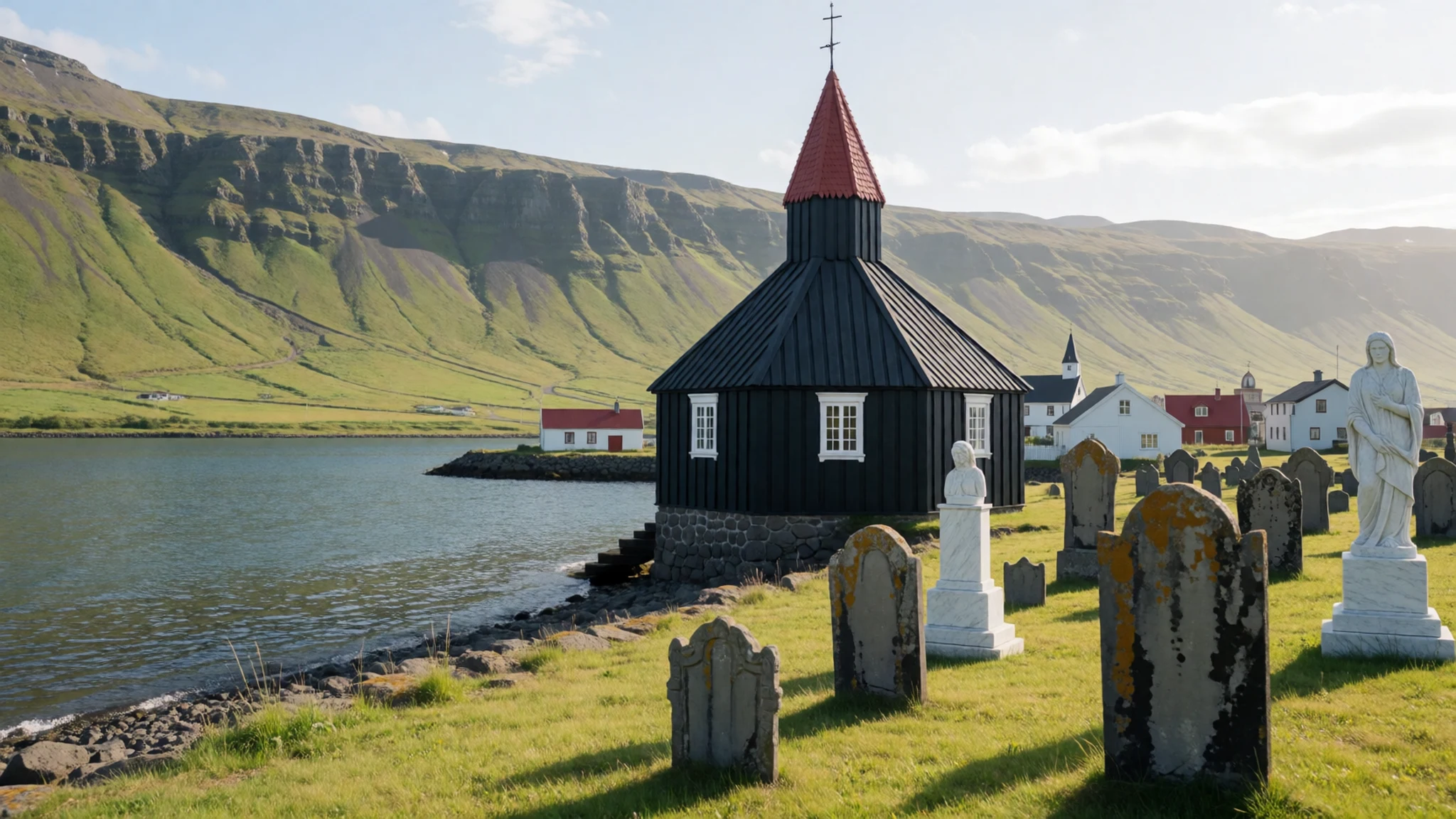
- Við Áir Museum — East coast near Hvalvík
Við Áir preserves the heritage of the former shore-based whaling station located on the east coast south of Hvalvík. The open-source industrial site provides a glimpse into the heavy maritime labor and processing techniques that shaped the economic history of the archipelago during earlier decades.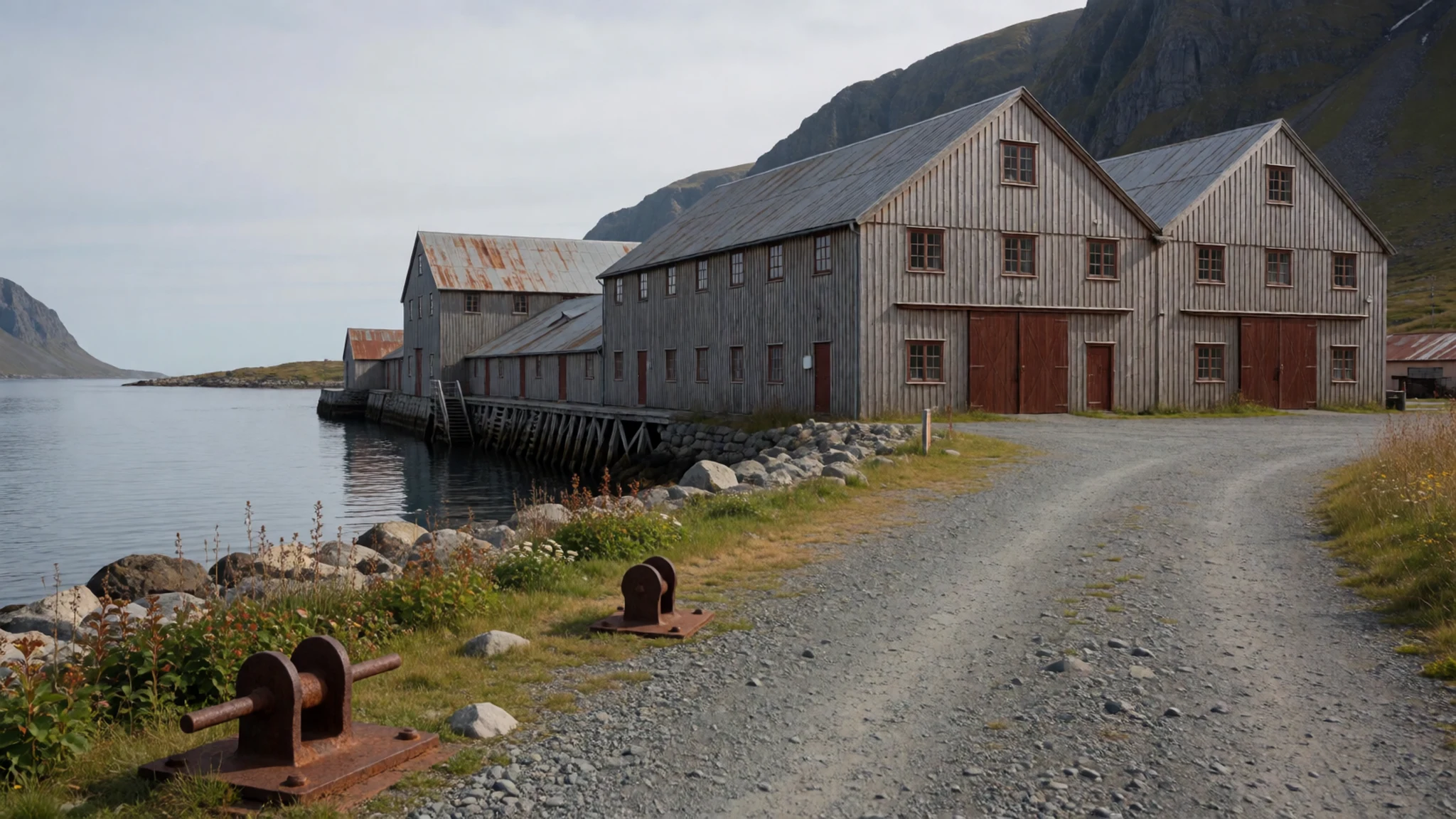
Culture
Culture on Streymoy is deeply rooted in maritime endurance, community cooperation, and a fierce preservation of the Faroese language and folklore. Social life often centers around village gatherings, church festivals, and seasonal agricultural tasks like the autumn sheep sorting in the hills. Music, choral singing, and traditional chain dancing form an integral part of community celebrations, bringing residents together through rhythmic movement and ancient ballads. Visitors will find locals to be reserved yet quietly hospitable, valuing mutual respect and personal space. Environmental stewardship is paramount given the fragile nature of the terrain and the reliance on local marine ecosystems. Always close pasture gates securely behind you when walking through the outfield to prevent sheep from wandering into forbidden sectors.
What to wear
Traditional dress on Streymoy is celebrated during national holidays and weddings, featuring intricately patterned woollen waistcoats, embroidered velvet collars, and heavy pleated skirts or trousers crafted from local sheep's wool. These garments represent generations of textile handiwork and are passed down with great care as family heirlooms. For daily life, residents of Streymoy dress in practical, durable clothing suited to a maritime climate characterized by frequent rain and high winds. Modern wear leans toward functional outdoor gear, waterproof shells, and sturdy woollen jumpers like the classic Faroese pattern. Travellers visiting the island should pack layers, including windproof and waterproof jackets, thermal undergarments, and reliable walking boots with good grip for uneven, boggy terrain. Hats and gloves are essential even during summer months when coastal winds lower the effective temperature significantly.
What to eat
- Nordic Gourmet Fare — Kirkjubøur on the southwestern coast
High-end dining experiences focusing on foraged coastal ingredients, fermented meats, and fresh seafood harvested from local waters. - Café and Pub Refreshments — Central Tórshavn harbour area
Simple hot beverages, local brews, and light comfort food served in casual, friendly gathering spaces along the waterfront. - Tourist Centre Diner — Vestmanna coastal centre
Standard hot meals, light snacks, and quick cafeteria fare operated to serve travellers embarking on boat excursions. - Village Kiosk Snacks — Tjørnuvík village
Basic provisions and simple light bites offered at local seasonal refreshment spots in remote northern settlements.
Plan it
Best time. June through August offers the longest daylight hours and mildest weather for exploring coastal hiking trails and driving mountain roads.
How long. 3–4
Getting there. Arrive via Vágar Airport on the neighboring island, then rent a car or take a bus through the sub-sea tunnel to Streymoy.
Budget. high
Tips
- Rent a car to reach remote villages and trailheads independently
- Check weather forecasts constantly as conditions change without warning
- Book accommodation in Tórshavn well in advance for the summer season
- Carry payment cards, though minor rural spots may occasionally appreciate cash
Etiquette
- Respect private property and stay on marked paths across farmland
- Ask permission before photographing local residents in small villages
- Never disturb nesting seabirds along cliff edges during the breeding season
Nearby
Sources
- Wikidata Q192540 (CC0)
- Wikipedia (rev 1378471709) (CC BY-SA 4.0)
- Wikivoyage (rev 5419033) (CC BY-SA 4.0)