Strahan, Tasmania
Strahan, Tasmania, Australia
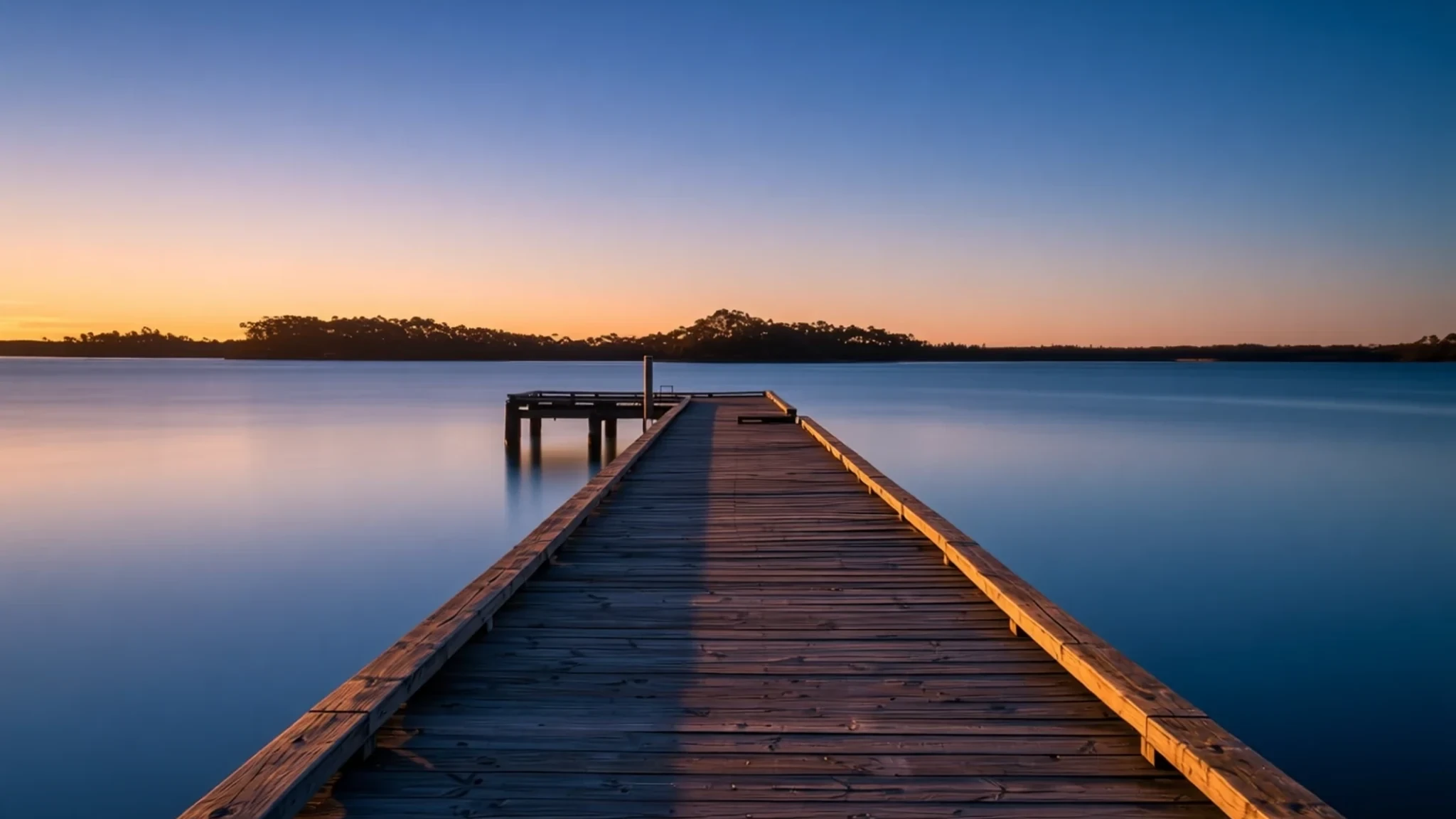
Strahan is a quiet coastal settlement and the ultimate wilderness gateway to Tasmania's dramatic, wave-lashed western shores and ancient river forests.
The place
Strahan sits quietly on the western edge of Tasmania, tucked safely within the sheltered curve of Macquarie Harbour. Long regarded as an essential hub for travellers seeking out the remote reaches of the island's southwest, the settlement retains a distinctly maritime character shaped by decades of timber-getting, shipping, and coastal fishing. The surrounding terrain is defined by dark, tannin-rich waterways, dense temperate rainforests, and an immense expanse of wild ocean coastline where the air feels sharp and untamed. Visitors arriving in the area quickly notice the profound sense of isolation, balanced by a warm local hospitality found within its historic buildings and family-run guest houses. The waters of the harbour stretch wide, dotted with modern aquaculture pens and framed by rolling hills that catch every shift in the maritime weather. Whether watching fishing boats tie up along the weathered timber wharf or observing commercial vessels prepare for morning departures, life here moves at a measured, unhurried pace dictated by the rhythms of the southern sea. While nearby historic mining centres have faded into quiet memories, Strahan has evolved into a welcoming sanctuary for those willing to venture past the central plateau and experience the raw edges of the Australian wilderness.
Its story
The history of Strahan is deeply intertwined with the harsh, uncompromising nature of the island's western frontier. Long before European sailing ships navigated the treacherous channel known as Hells Gates, Indigenous groups moved through the river valleys and coastal dunes, leaving behind deep cultural heritage sites. In the early decades of the nineteenth century, colonial authorities established a penal settlement on isolated Sarah Island within Macquarie Harbour. Known for its brutal isolation and punishing labour conditions, the island became a place from which escape seemed entirely impossible—until a small band of convicts dramatically commandeered a vessel under construction and sailed all the way to South America. As the penal era closed, the region transformed into a bustling maritime timber port and a crucial supply lifeline for the interior mining towns of Queenstown and Zeehan. Forests of Huon pine were logged along the Gordon River, and sailing schooners regularly braved the treacherous harbour entrance to carry timber and minerals out to wider markets. Throughout the twentieth century, as the inland mining fortunes shifted, Strahan found itself reinventing its purpose once more. The heavy industry gave way to conservation awareness, leading to the protection of the vast surrounding wilderness. Today, the heritage of shipwrights, convicts, and hardy mariners lives on through local theatre productions, preserved ruins, and interpretive displays along the foreshore, ensuring the dramatic chapters of this remote coast are never forgotten.
What to see
- Sarah Island — Macquarie Harbour
Take a boat across Macquarie Harbour to explore the haunting, moss-covered ruins of the notorious nineteenth-century penal settlement. Walking paths weave through historic foundations where guides recount tales of convict labour, daring maritime escapes, and the sheer grit required to survive in total isolation at the edge of the world.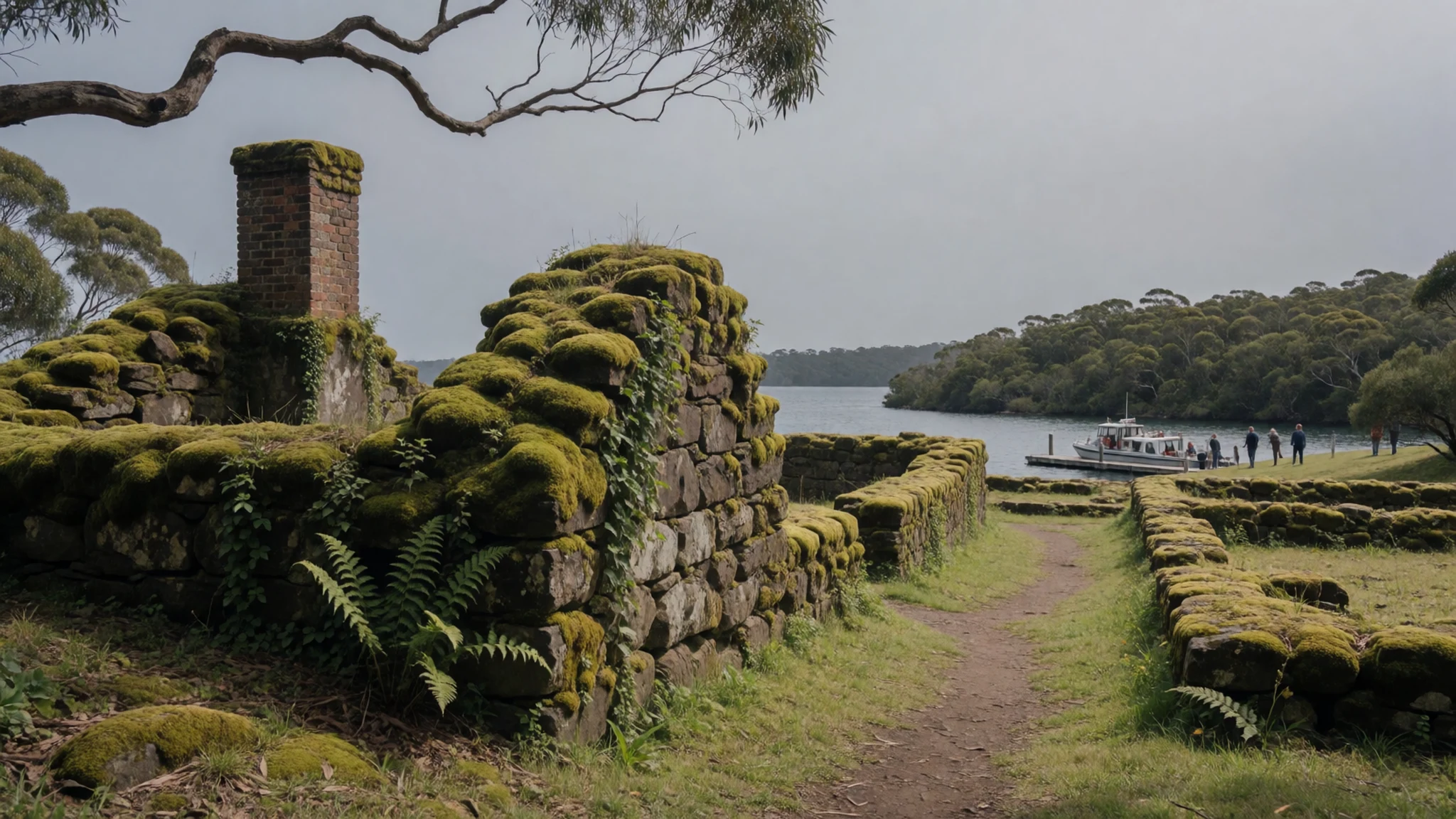
- People's Park and Hogarth Falls — Northern Strahan Harbour
Located at the northern edge of the harbour, this tranquil park serves as a gentle introduction to the local rainforest. An easy walk beneath towering tree ferns and ancient myrtle beech leads directly to Hogarth Falls, where clear water cascades over smooth dark rock shelves in a peaceful woodland setting.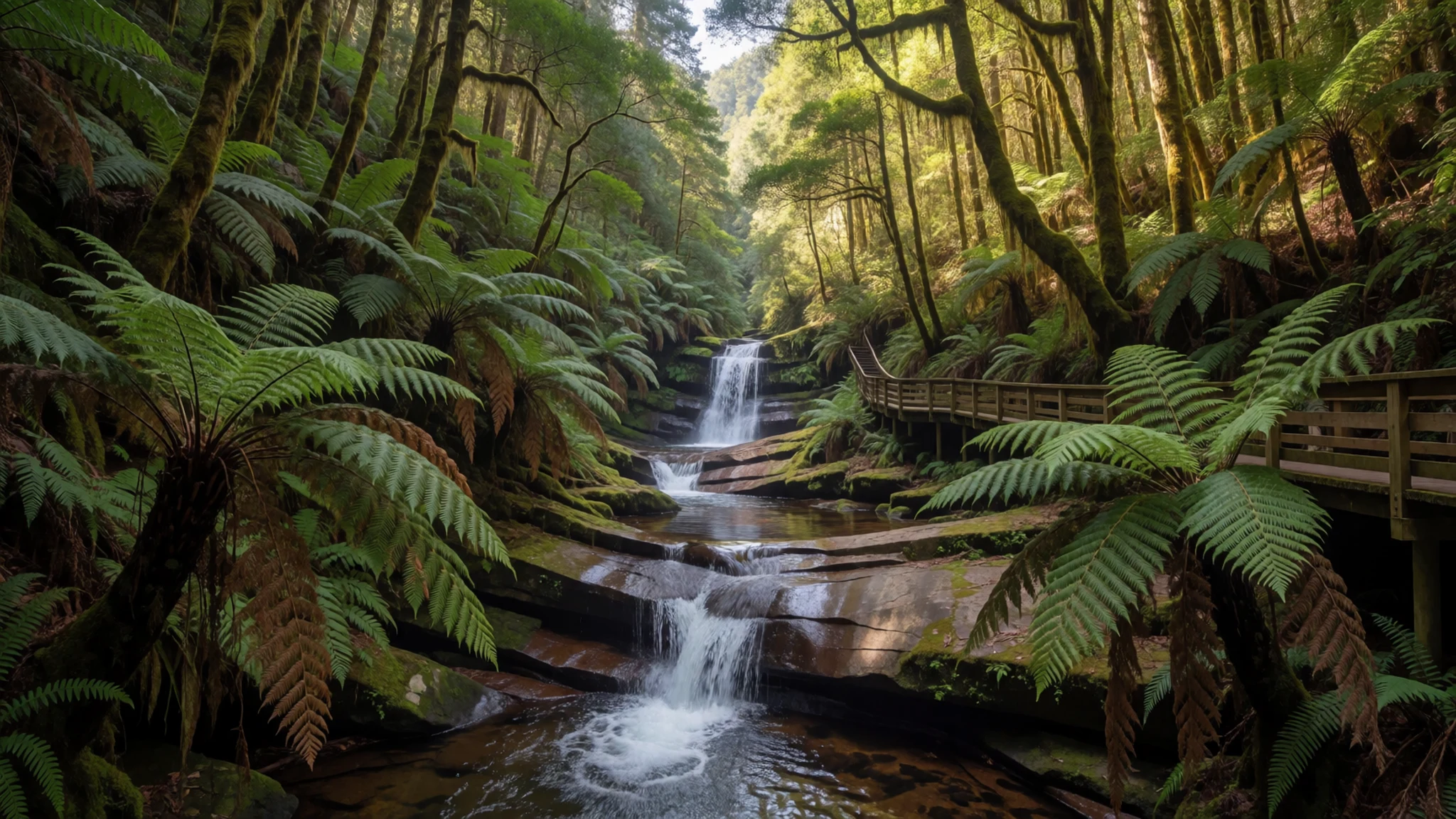
- Ocean Beach — Western Coastline
Feel the immense power of the Southern Ocean on this roaring, uninterrupted forty-kilometre stretch of sand. The powerful waves breaking onto the shore have travelled completely unhindered all the way from Patagonia, carving out dramatic dunes and offering striking, windswept views of the wild Tasmanian coastline.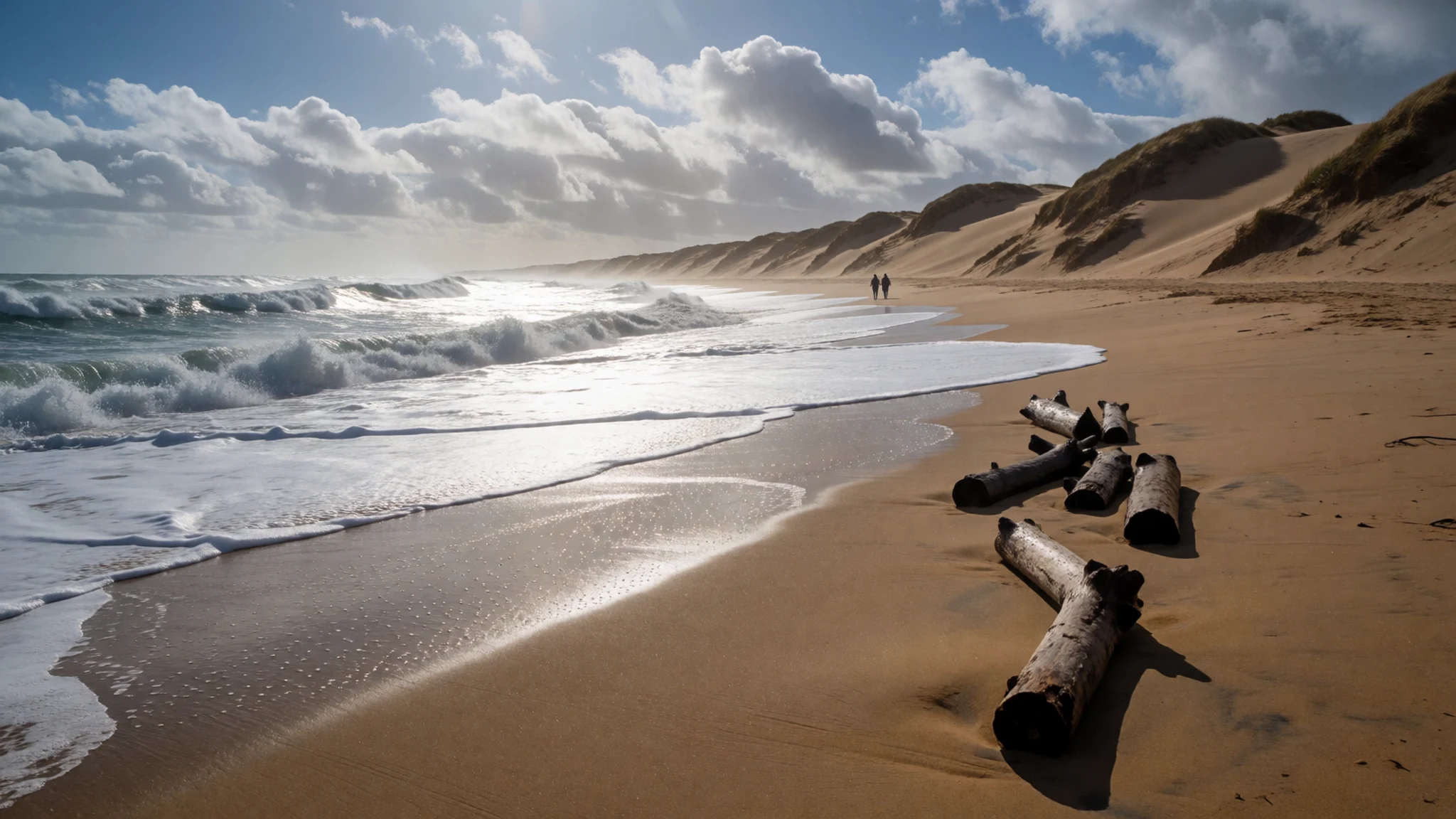
- Cape Sorell Lighthouse — Cape Sorell Headland
Standing tall on a rugged rocky headland, this historic structure has guided vessels safely past the treacherous harbour entrance for generations. Though distant from the town centre, the surrounding coastal tracks provide expansive outlooks across crashing surf and rocky outcrops battered by relentless ocean winds.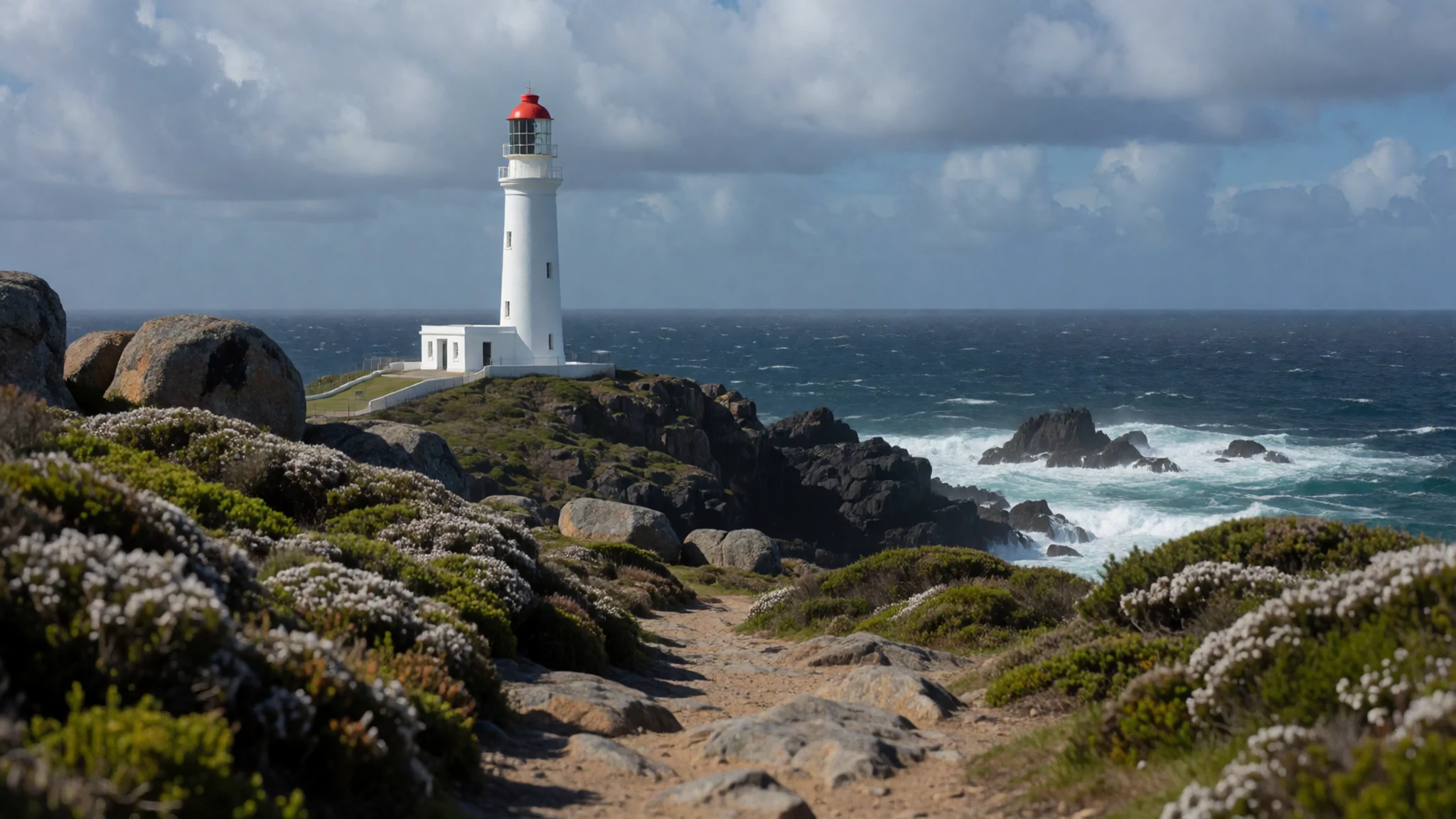
- The Ship That Never Was — The Esplanade
Attend Australia's longest-running theatrical production, hosted locally by the Round Earth Theatre Company. This lively, interactive performance brings to life the remarkable and true story of the most audacious convict escape in Australian history, combining engaging storytelling with plenty of audience participation.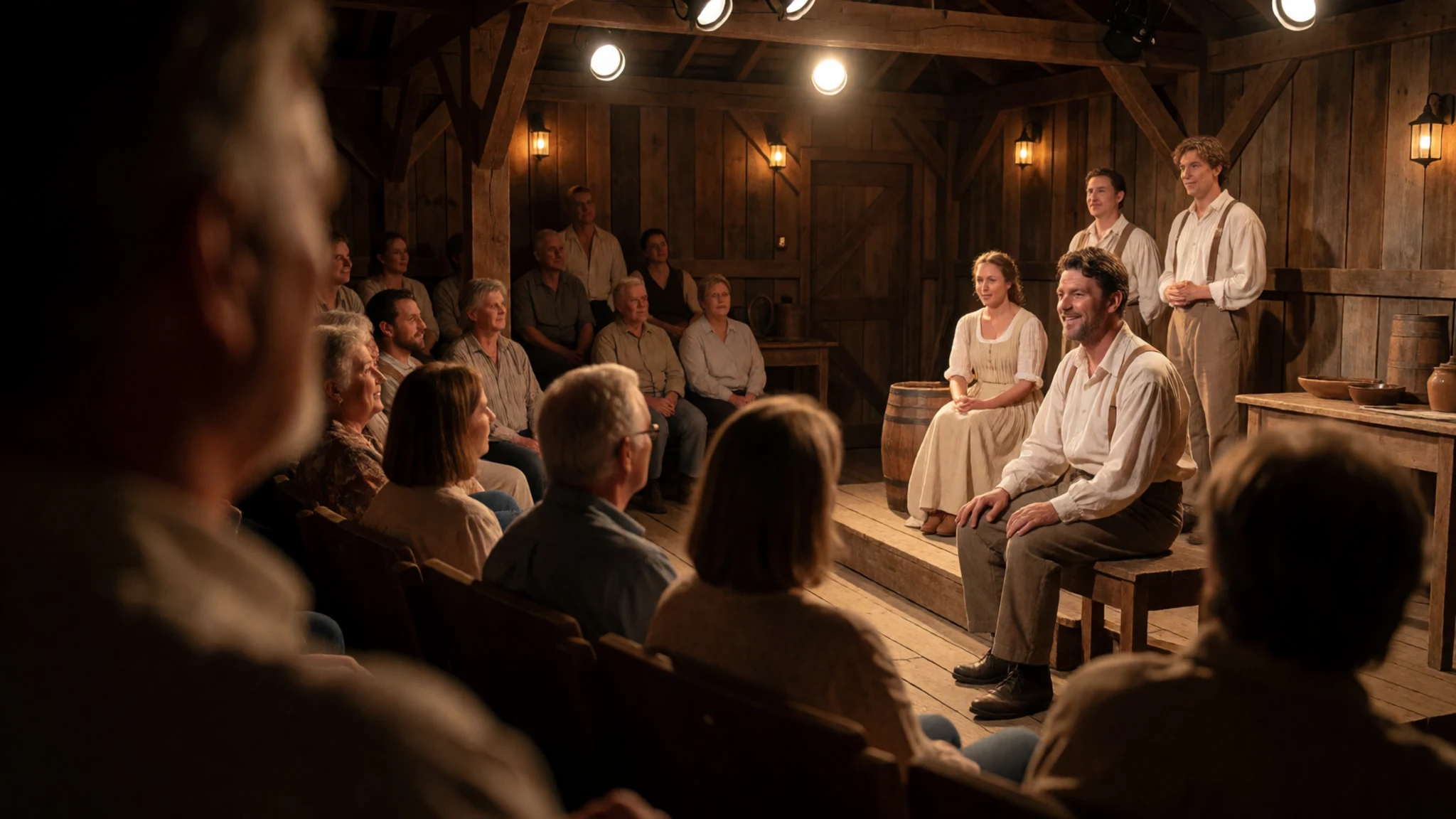
Culture
The community life of this remote coastal port is deeply shaped by its maritime heritage, fishing traditions, and a fierce pride in preserving the surrounding natural wilderness. Local residents, often referred to locally as West Coasters, share a resilient, independent spirit forged through generations of living in an isolated and weather-beaten environment. Traditional storytelling, maritime crafts, and community gatherings remain central to daily existence, alongside a strong commitment to environmental conservation following decades of industrial extraction. Visitors will find an open, conversational culture where locals are always willing to share advice on navigating the coastal trails or recount stories of the local fishing fleets. Respect for the natural environment is paramount, as the community actively protects its fragile waterways and old-growth forests from ecological harm. When exploring local nature reserves or historic ruins, always stick strictly to marked walking tracks to protect sensitive native flora and archaeological heritage.
What to wear
Traditional working attire in this historic timber port historically centred on heavy woollen jumpers, oilskin jackets, and durable leather boots designed to withstand relentless rain and cold southern gales. While historic local garments are preserved in local museums rather than worn daily, contemporary residents and workers continue to dress with a practical, utilitarian approach suited to the unpredictable climate. Visitors will find that everyday style here is entirely casual and functional, prioritising warmth and comfort over fashion trends. Because local weather conditions can shift rapidly from bright sunshine to chilly squalls within a single afternoon, dressing in flexible layers is essential. Essential items for any traveller include a waterproof, wind-resistant outer jacket, sturdy walking boots with good grip for muddy forest trails, a warm woollen beanie, and comfortable garments that can be easily added or removed as temperatures fluctuate throughout the day.
What to eat
- Fresh Cooked Seafood — Fish Cafe on the Wharf
Savour locally caught marine delicacies including delicate whitefish and ocean trout, prepared simply to highlight the clean flavours of the southern waters. These fresh catches are regularly served at casual eateries located right along the historic timber wharf.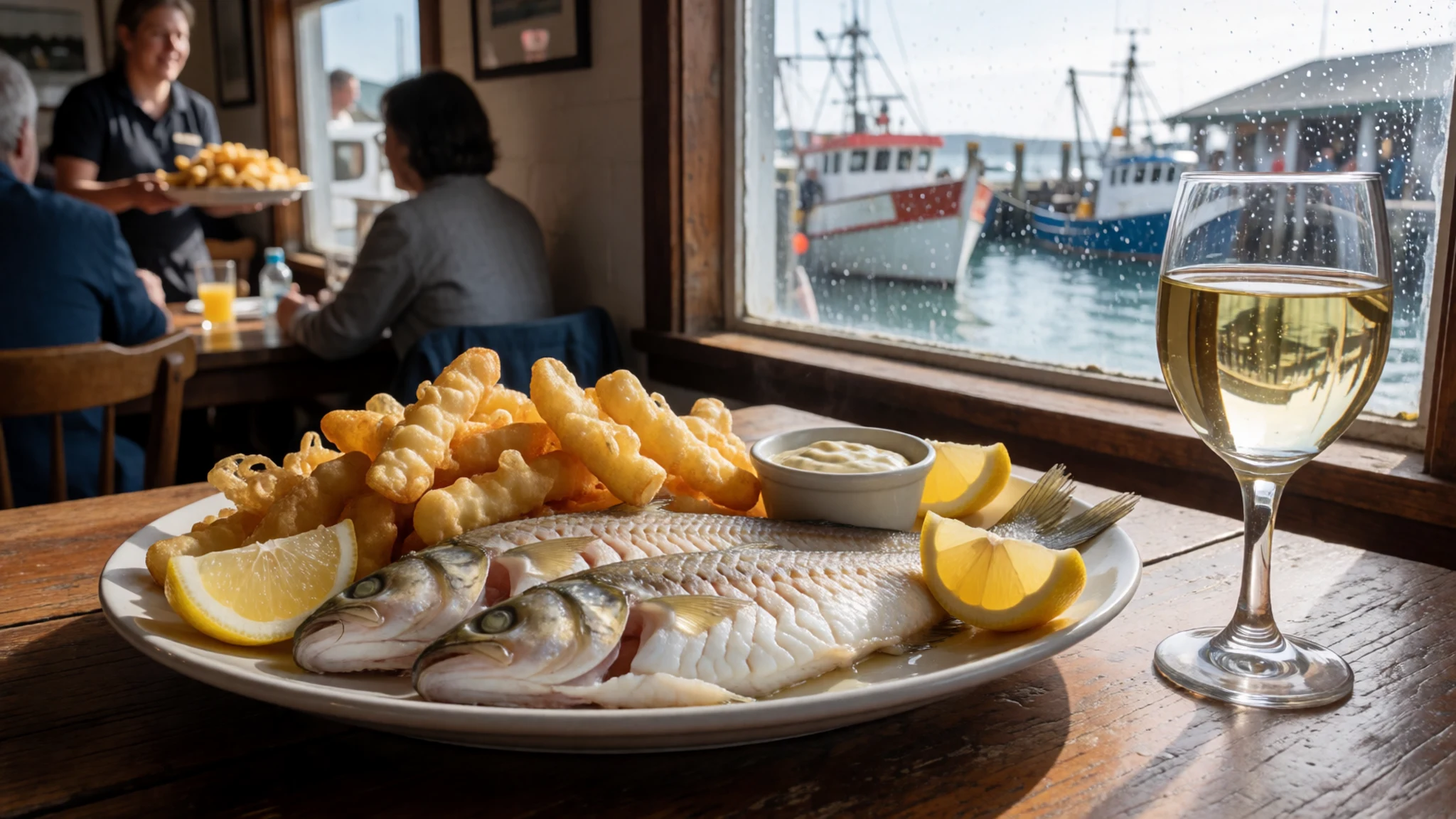
- Upmarket Counter Meals — Hamers Bar and Grill
Enjoy hearty Australian pub classics featuring regional produce, premium cuts of meat, and seasonal sides. These satisfying meals are served in traditional bar environments decorated with rich maritime memorabilia and warm timber features.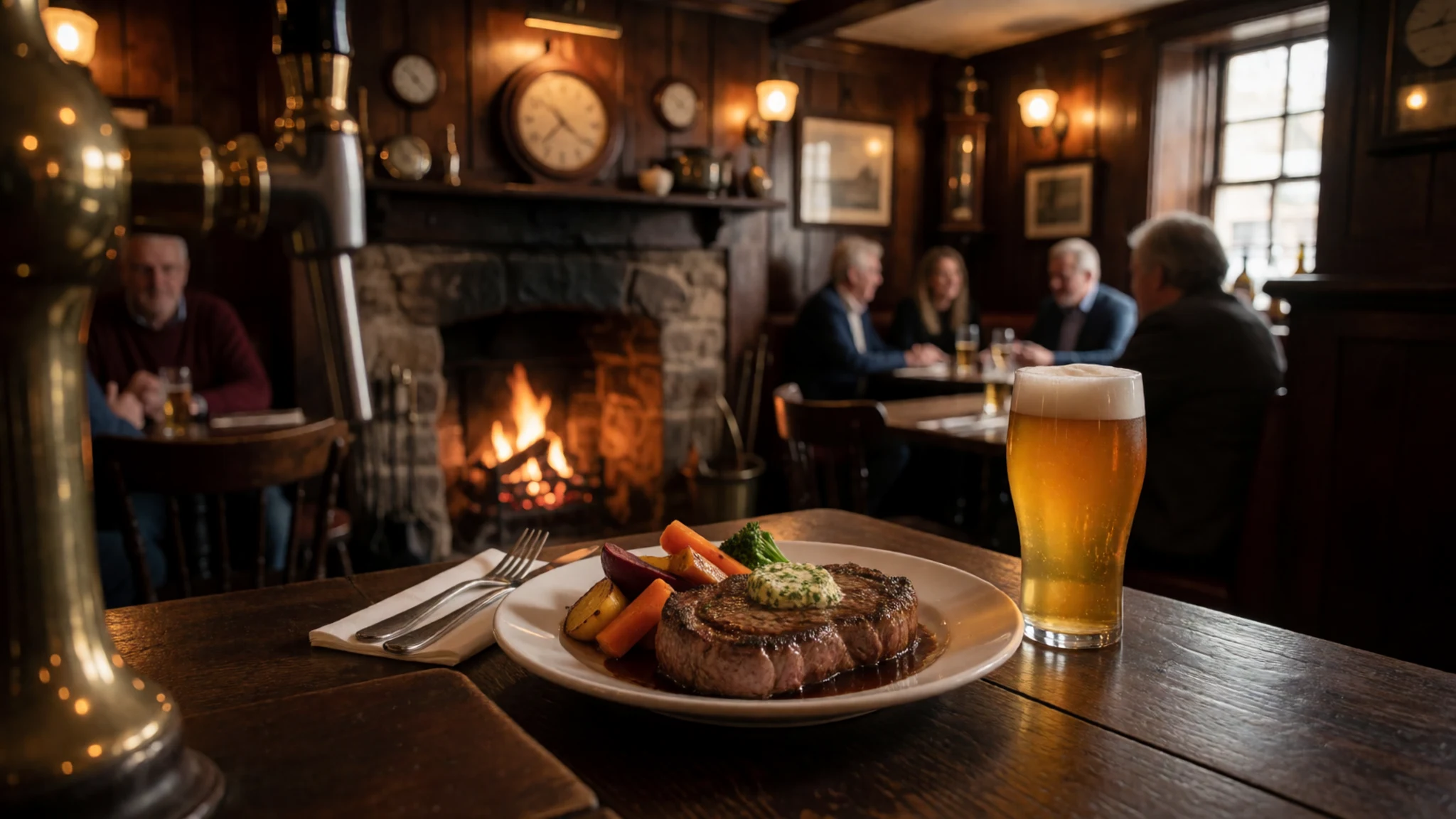
- Wood-Fired Pizza and Pasta — Wild River Pizza and Pasta Bar
Sample artisan pizzas made to order with creative local ingredients alongside comforting, freshly prepared pasta dishes. This relaxed dining option provides a warming meal after a long day of exploring damp rainforest trails. - Regional Seafood Buffets — View 42 Restaurant
Indulge in generous spreads showcasing the best bounty from local waters, paired with selections from regional wine cellars. These seated dining rooms offer comfortable sit-down meals overlooking the scenic harbour waters. - Fresh Local Crayfish — Selected small shops around town
Purchase sweet, locally sourced saltwater crayfish directly from small town vendors upon request. Look for daily handwritten notices posted outside local shops to secure your portion when fresh supplies become available.
Plan it
Best time. The warmer summer months bring longer daylight hours and milder conditions, though coastal weather remains notoriously changeable year-round with frequent damp days.
How long. 2–3
Getting there. Access the region by driving along the Lyell Highway from Hobart or taking northern routes through Queenstown; check local road conditions before departure.
Budget. mid
Tips
- Pack waterproof outer clothing and sturdy footwear regardless of the season
- Book Gordon River cruises and theatre tickets well in advance during peak periods
- Check weather warnings before attempting walks out on exposed ocean beaches
- Carry a mix of payment methods, though card acceptance is widespread in town
Etiquette
- Stay strictly on designated boardwalks and paths to protect delicate rainforest ecosystems
- Respect local maritime workers by keeping clear of active working slipways and private fishing vessels
Nearby
Sources
- Wikidata Q574085 (CC0)
- Wikipedia (rev 1380053442) (CC BY-SA 4.0)
- Wikivoyage (rev 5320040) (CC BY-SA 4.0)
- Photo photos/01-strahan.jpg (Public domain)
- Photo photos/02-strahan-2.jpg (CC BY 3.0)
- Photo photos/03-130130-6977-shopping-centre-strahan-tas-australia.jpg (CC BY 3.0)
- Photo photos/04-130131-6987-west-coast-visitor-information-centre-strahan-ta.jpg (CC BY 3.0)
- Photo photos/05-130131-7000-foreshore-walk-strahan-tas-australia.jpg (CC BY 3.0)
- Photo photos/06-andrews-beaked-whale-neonate-beachwashed-cropped.jpg (CC BY-SA 4.0)
- Photo photos/07-andrews-beaked-whale-neonate-beachwashed.jpg (CC BY-SA 4.0)
- Photo photos/08-andrews-beaked-whale-neonatal-head.jpg (CC BY-SA 4.0)


