Hobart
Hobart, Australia
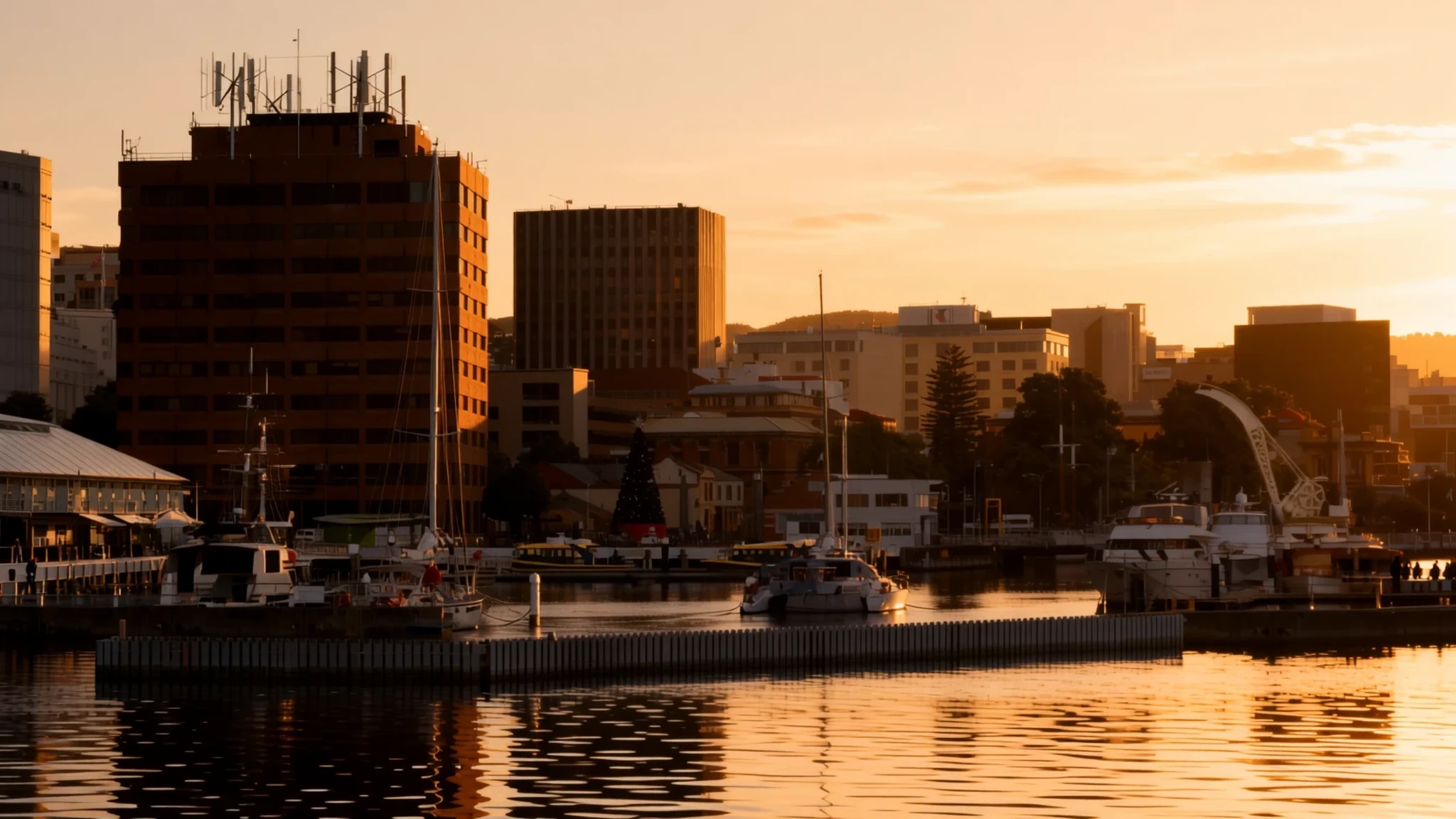
Hobart pairs a harbour-side old town with a mountain at its back, and a contemporary art scene that draws visitors south to Tasmania.
The place
Hobart is the capital of Tasmania, the island state south of mainland Australia, and the southernmost capital city on the continent. It sits on the Derwent estuary, with kunanyi / Mount Wellington rising behind the streets and dominating the skyline. The harbour is among the deepest natural ports in the world, and much of the waterfront has been built out on reclaimed land.
The population is listed at 197,451. Despite holding nearly half of Tasmania's people, Hobart is the least populated of Australia's state capitals, and that gives it an easy pace. The centre is compact, and most of what visitors want is within walking distance of the water.
The climate is mild and maritime, so the weather can shift quickly and a waterproof layer is useful in any season. Summers are hot rather than mild, and northerly winds push temperatures above 35 °C in most years. Around Sullivans Cove, old warehouses at Salamanca Place now hold galleries, restaurants and craft shops, while the cottages of Battery Point climb the slope to the south.
The city's creative reputation has grown since the 2000s, largely through the Museum of Old and New Art and the events that orbit it. Crowds are heaviest during the peak summer weeks, so book beds early then. Outside those peaks, the streets are quiet enough to wander at a gentle pace.
Its story
Hobart began as a military camp, not as a town. In 1803 British forces set up at Risdon Cove on the eastern shore of the Derwent, partly because they feared French explorers were heading for the area. The site did not last. Later that year, the camp, along with settlers and convicts from an abandoned settlement at Port Phillip, was moved by Captain David Collins to the place where the city stands today, at Sullivans Cove on the western side.
The earlier site is also remembered for violence. In 1804 a massacre of Aboriginal people took place at Risdon Cove, on land that had been home to the Muwinina people for a very long time. They knew the country around the river as nipaluna. Disease and conflict after the arrival of the British sharply reduced the Aboriginal population, and free settlers and convicts filled the places they left.
Martial law was declared in the colony. In 1832 a group that included Tongerlongeter and Montpelliatta surrendered to G. A. Robinson's so-called friendly mission and were brought into the town to negotiate a truce with Governor George Arthur. Soon afterwards they were sent into exile on Flinders Island.
Visitors later came to see a growing port town. In February 1836 Charles Darwin called at Hobart Town during the Beagle voyage. He admired the forest around it and compared the place with Sydney.
What to see
- Battery Point — the peninsula beside Sullivans Cove
Battery Point is a historic residential district next to Sullivans Cove, named after a battery of guns set on the point in 1818. The guns were later removed, out of fear that the homes would come under fire in an invasion. Today the small cottages and steep lanes make a pleasant place to wander, with good views back over the water.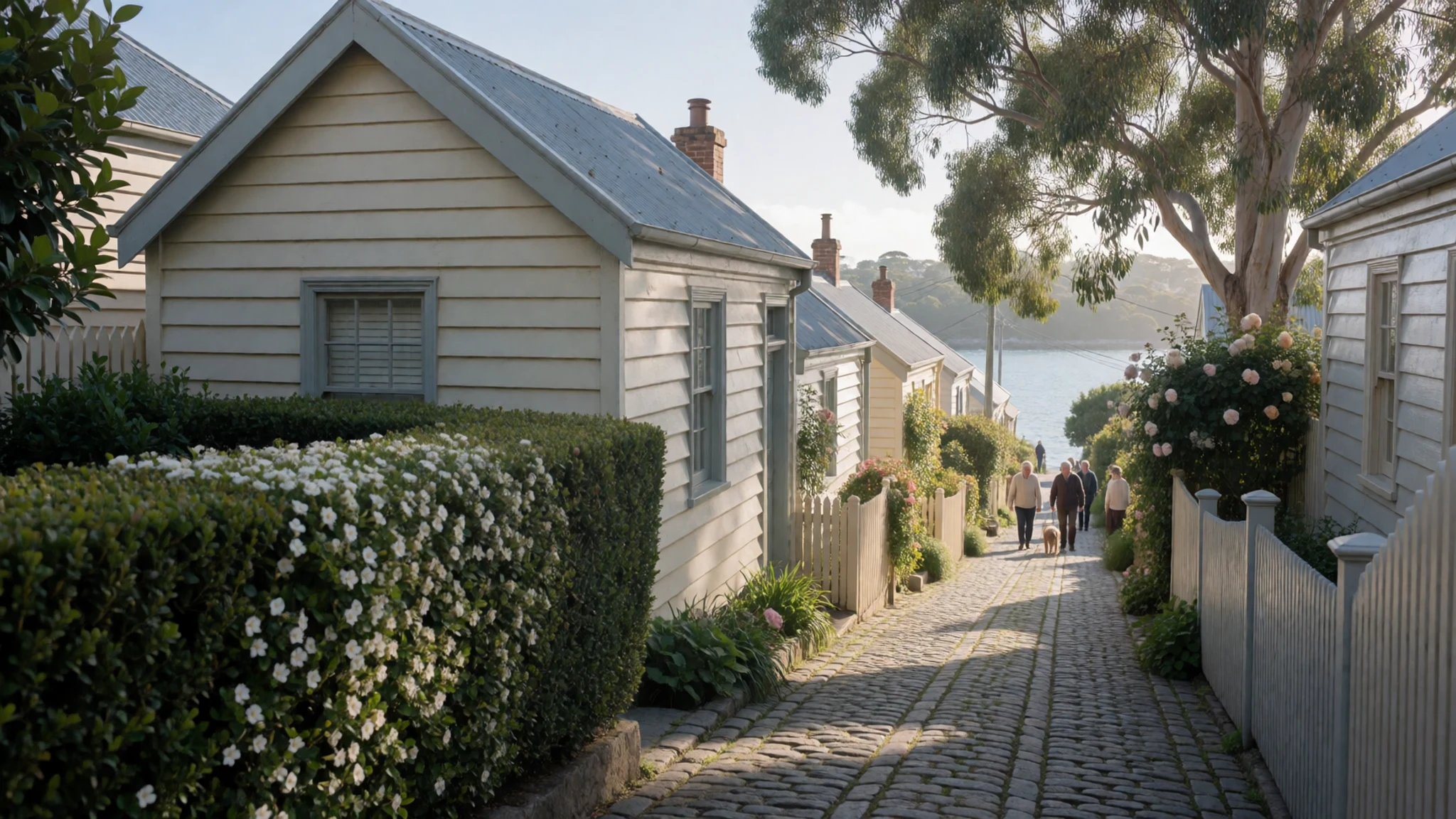
- Cascades Female Factory — to the south-west of the centre
Hobart's Cascades Female Factory operated between 1828 and 1856 as a site meant to reform female convicts and separate them from what officials saw as the temptations of the town. The remaining buildings and yards are a sobering place to spend an hour. The interpretation gives useful context on the lives of the women held there.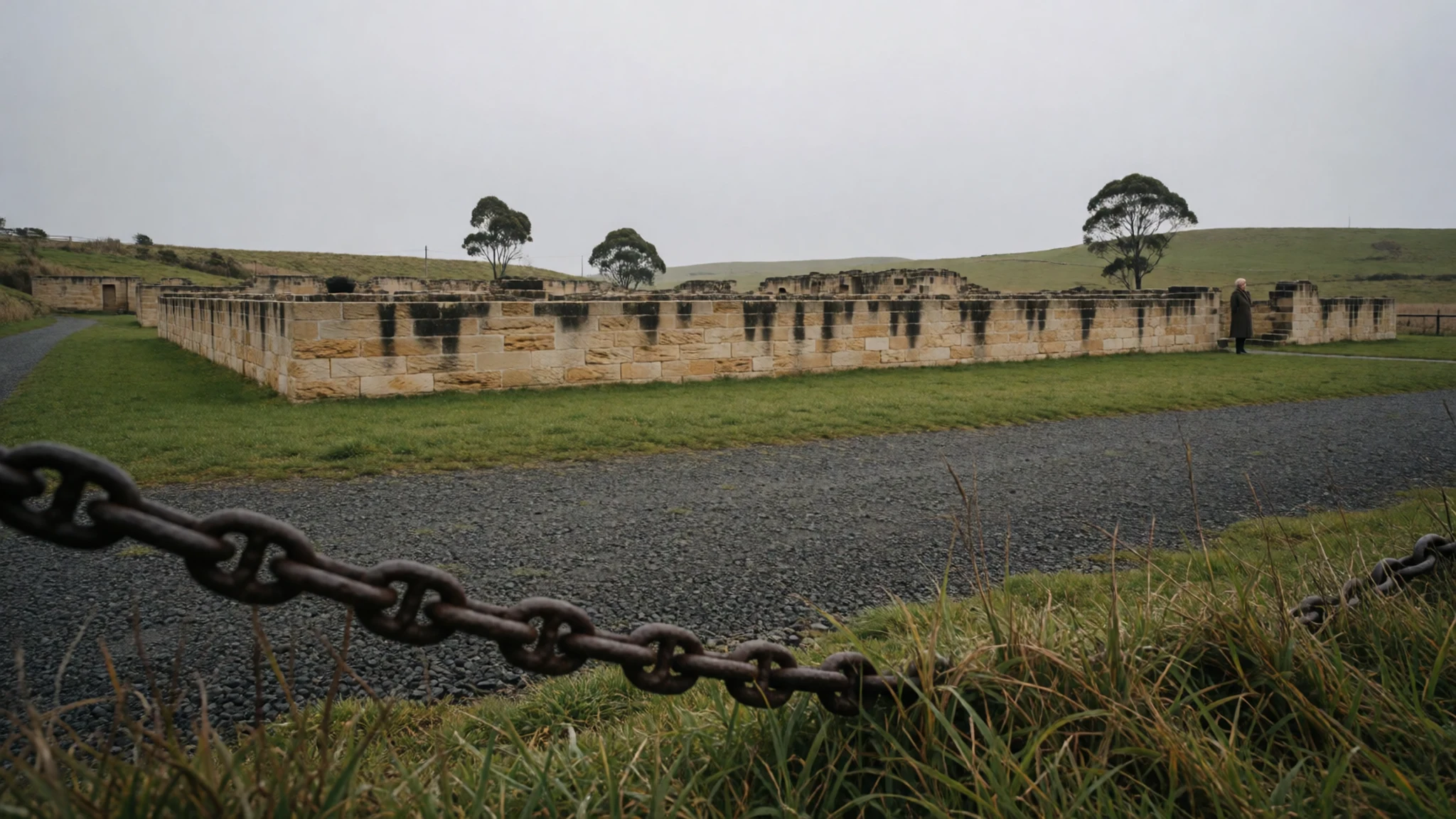
- Kangaroo Bluff Historic Site — east of the city centre
Kangaroo Bluff is a historic defence site built to protect Hobart after Russian warships appeared in the harbour in 1873. It shows how seriously the colony took the threat of attack in the late nineteenth century. Walk the grounds for the views across the water, and check access details before you go.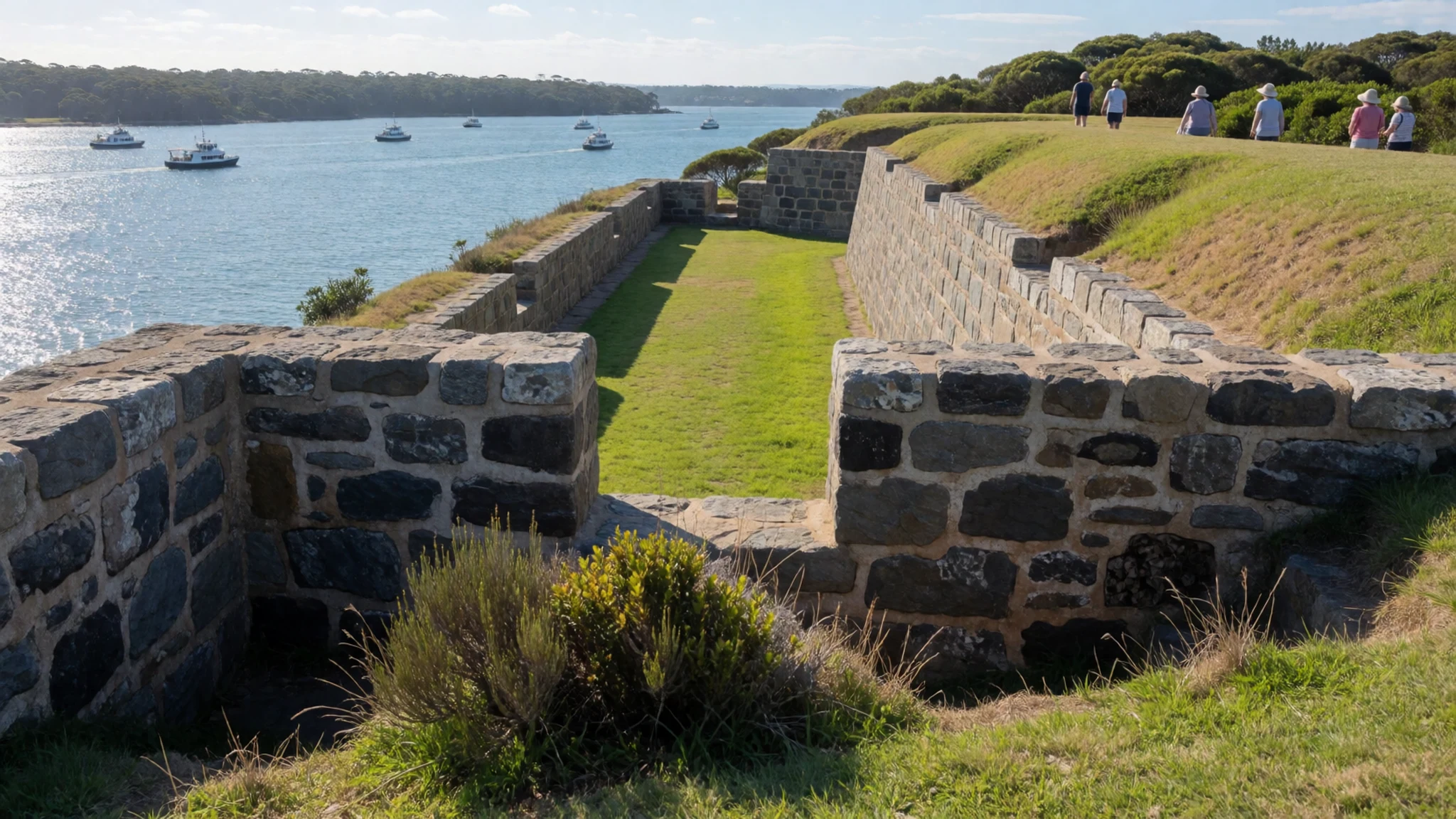
- Parliament House of Tasmania — the waterfront end of the old town
Parliament House of Tasmania opened in 1840 as a customs house, built for trade rather than government. It came to serve solely as the state's parliament building only in 1904. The architecture still reflects its harbour-side origins. Check the parliament's website before visiting, as access depends on sittings and tours.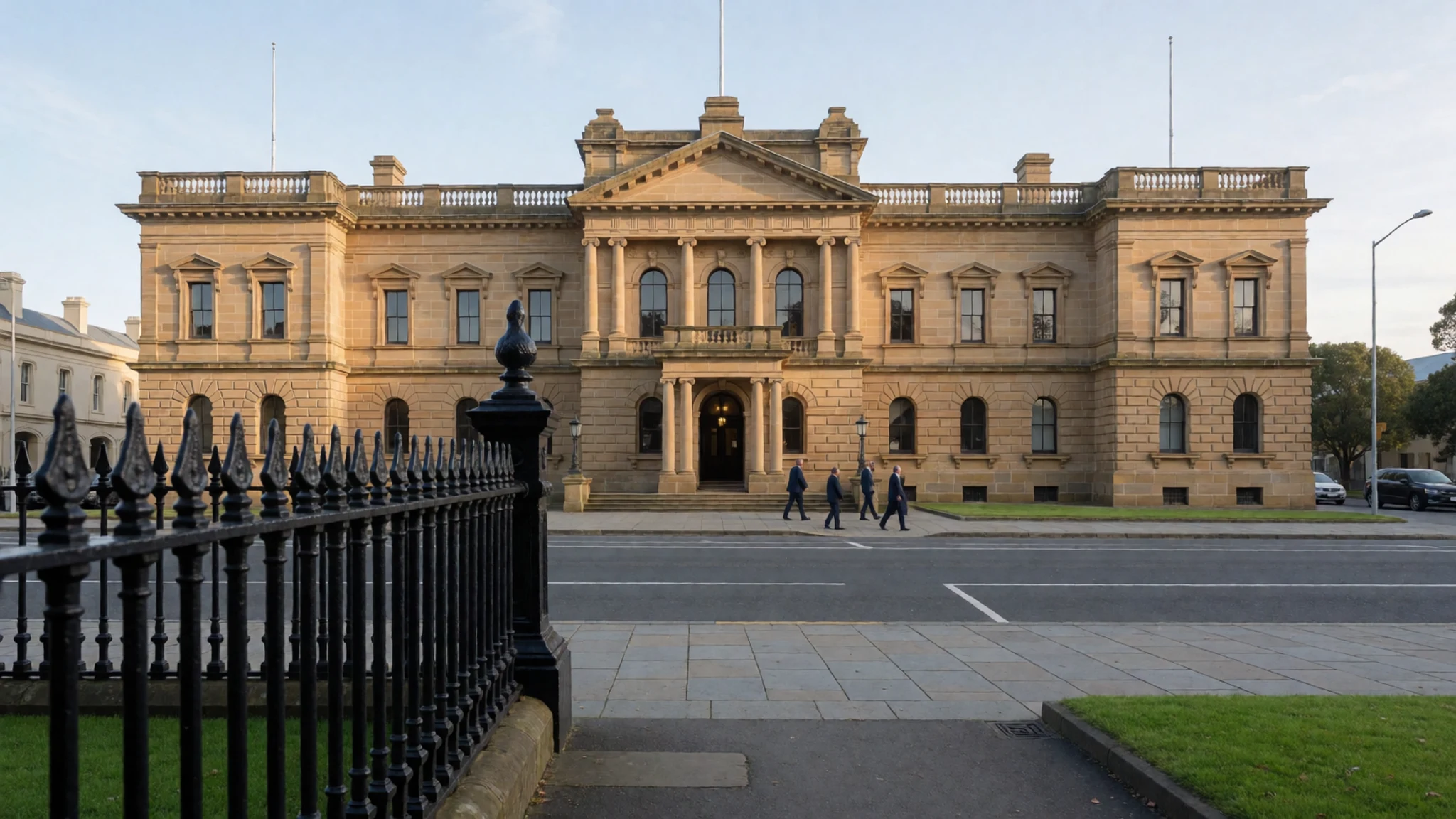
- Salamanca Place — the sandstone-free warehouse row by Sullivans Cove
Salamanca Place is a row of old merchants' warehouses on the edge of Sullivans Cove, now lined with galleries, restaurants, bars and craft shops. It is the busiest part of the city on weekends, when the market stalls and the crowds fill the street. Go early for an easier walk and a better look at the stalls.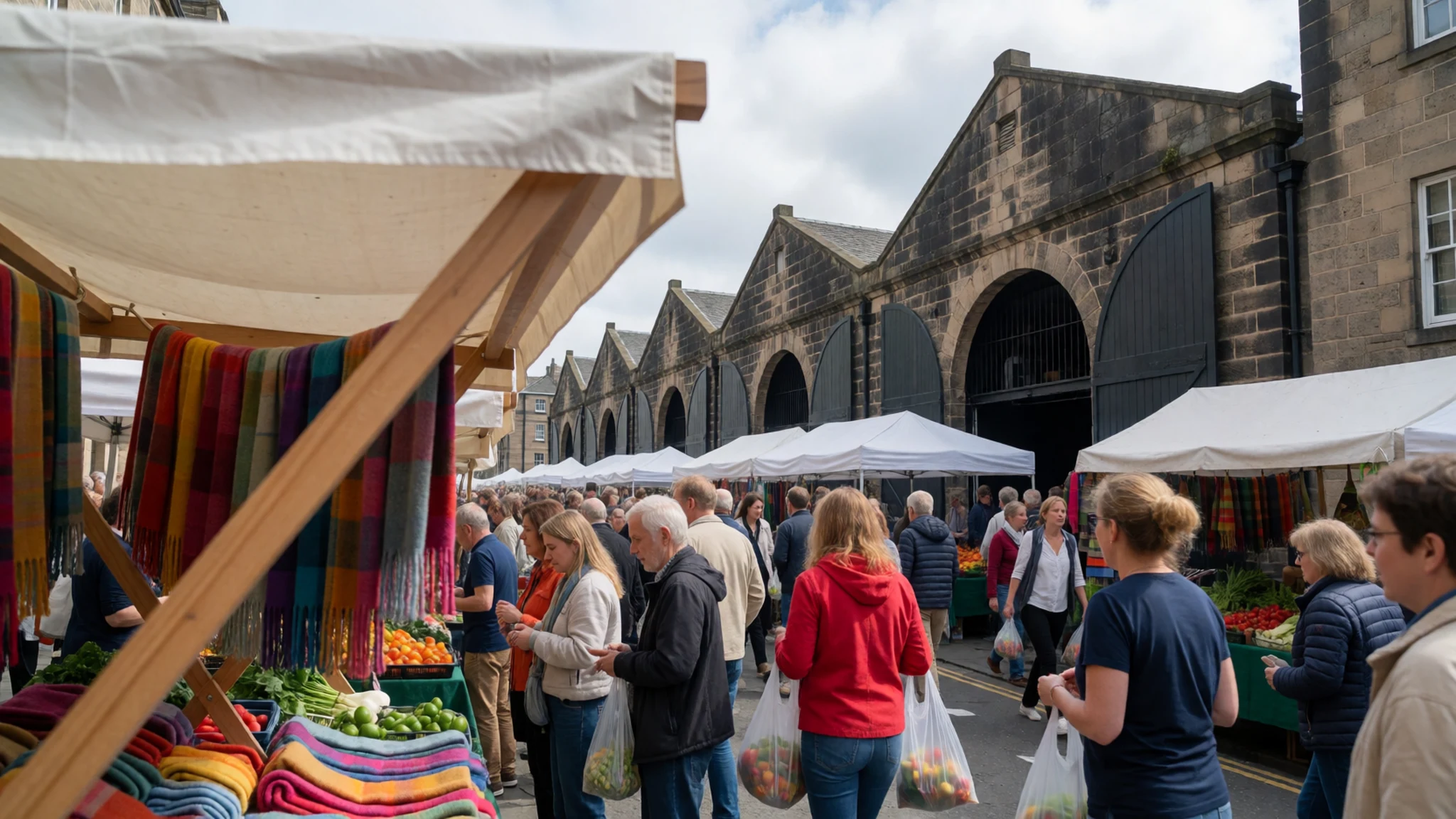
Culture
Hobart has built a name as a creative and slightly unconventional city since the 2000s, and visitors arrive for its quirky events and art projects. Much of that momentum is credited to the Museum of Old and New Art, known locally as MONA, whose effect on the local economy and on Tasmanian tourism has become a phrase of its own: the MONA effect.
Nightlife is concentrated in a few compact areas. Salamanca Place, North Hobart, the waterfront, Elizabeth Street with its pedestrian mall, and Sandy Bay all have dining strips, pubs, bars and nightclubs, and you can walk between them in an evening.
Theatre matters here too. The Theatre Royal, opened in 1837 and designed by the colonial architect John Lee Archer, has operated continuously ever since. The city centre also holds the Playhouse Theatre and a multiplex cinema.
When you are out at night, keep your voice down on residential streets, and ask before photographing people at the markets.
What to wear
Hobart dresses for cool, damp weather and wind off the water, so its everyday look is practical rather than formal. The historic dress of the Muwinina and of the Palawa and Pakana peoples is not documented in the sources behind this reading, so this section does not name garments or materials. Tasmanian Aboriginal cultural organisations are the right place to learn more. Wool is the textile most closely tied to the island's farming past, and wool jumpers and coats remain common in the city.
What people wear now is casual and layered. Locals wear waterproof jackets, jeans, boots or walking shoes, with a little more polish in the better waterfront restaurants, where smart casual is the norm.
For a visit, pack layers. The mild maritime climate can bring rain and a cold wind in any season, so a waterproof outer shell and a wool or fleece mid-layer work well. Choose footwear with grip for the steep streets of Battery Point and for any climb on kunanyi / Mount Wellington. Dress is relaxed almost everywhere, so comfort should lead the choice.
What to eat
- Artisan sourdough and pastries — bakeries around Salamanca Place and the central city
Artisan sourdough and pastries. Hobart's bakeries are a reliable first stop, and the counters are worth a slow look before you choose. Take a loaf of sourdough for later, or a pastry with a coffee while you walk the waterfront.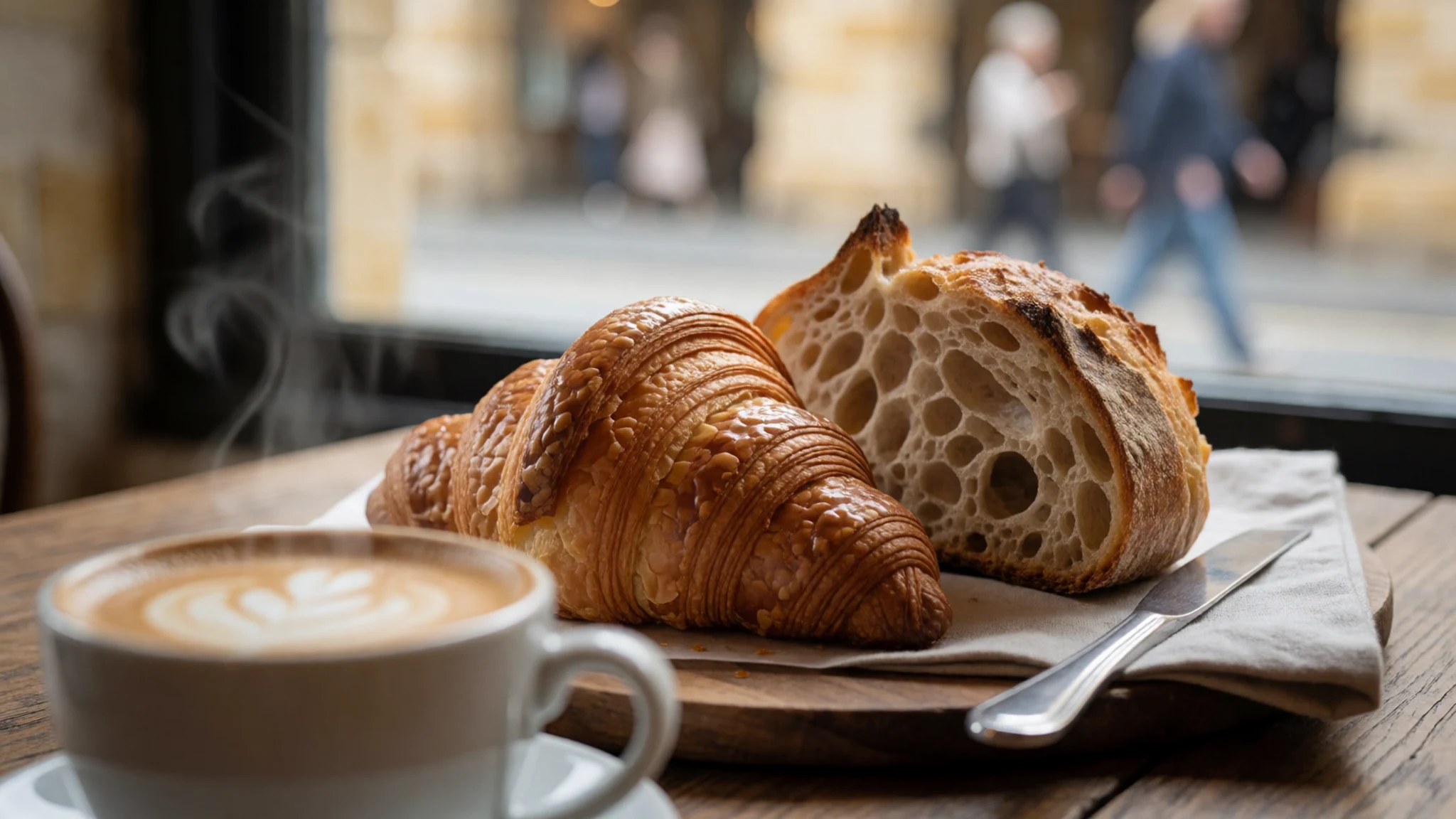
- Tasmanian cheese and cider — cheese shops and cafes in the central city and along the Path
Tasmanian vintage cheeses are a local highlight in Hobart, often served on a board with bread and fruit. Pair them with a local cider from the island's orchards. Ask staff which cheeses are made nearby, and taste before you buy a whole wheel for the trip home.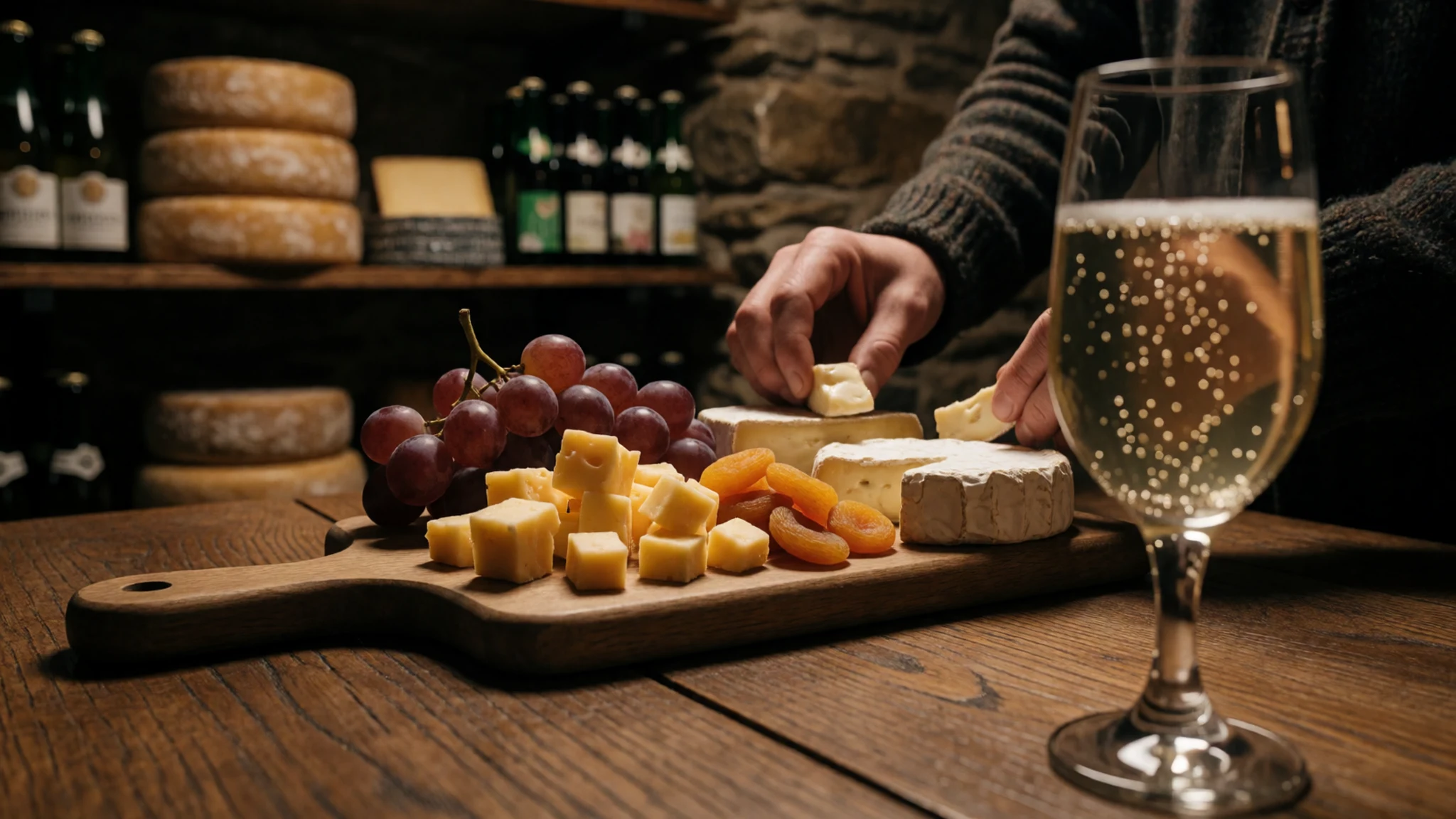
- Espresso and a breakfast muffin — cafes along the waterfront and in the central city
Good espresso and a breakfast muffin make a simple start in Hobart. Cafes along the waterfront and in the central city serve strong coffee and muffins with fruit or savoury fillings, some with tables outside on the Path. Expect a relaxed pace, and order at the counter.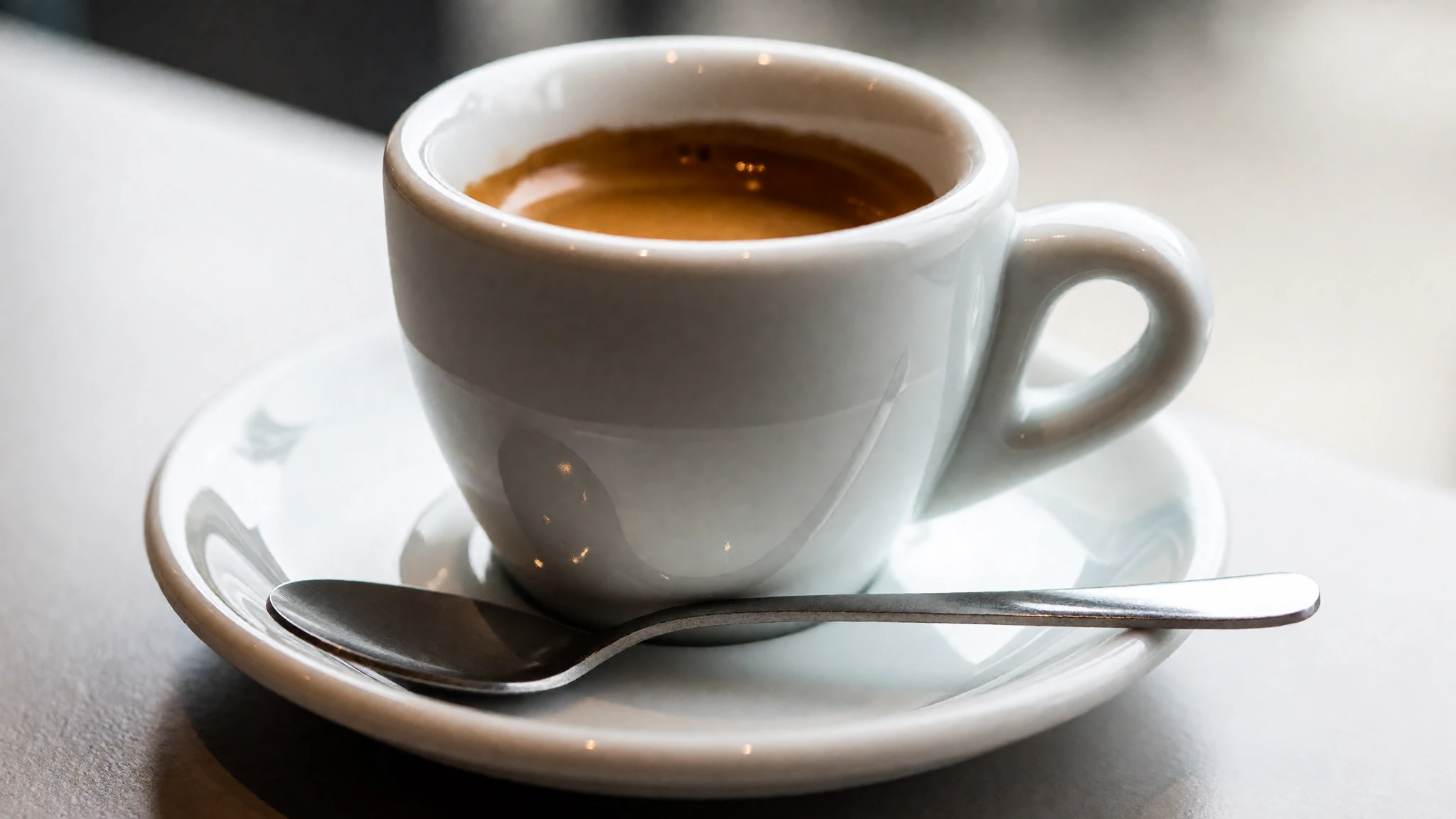
- Cascade lager — pubs and bars in the old town and around Salamanca Place
Cascade is a name you will see on taps and menus across Hobart. After a day of walking, a local lager in a pub is an easy way to unwind. Try it in one of the old bars in the historic streets near the waterfront, and ask staff what else is on tap from Tasmania. - Seafood on the waterfront — restaurants along the harbour edge
Seafood on the waterfront. Restaurants along the harbour edge serve fish and shellfish. Book ahead on weekend evenings, and ask what came in that day, since menus change with the season and the dish of the day often says more than the printed card.
Plan it
Best time. In Hobart, April–May and September–November suit most visitors: the weather is mild and the city is quieter than in summer. December to February is the busiest season and the warmest, while winter is cold and wet, which suits a museum-led trip better than a walking one.
How long. 2–3
Getting there. Hobart Airport is a short taxi ride from the centre. A SkyBus shuttle meets arriving flights and serves most central accommodation; reservations are not needed for the trip into town but are required for the return to the airport. Flights run from Sydney, Melbourne, Brisbane, Perth, Adelaide and Auckland, and car hire is available at the airport.
Budget. mid
Tips
- Book summer accommodation early, since December to February is the busiest period
- Reserve your SkyBus seat for the return to the airport, as reservations are required for that leg
- Walk the waterfront early, before the weekend crowds gather around the markets
- Check conditions before climbing kunanyi / Mount Wellington, as the summit can be cold and windy
- Carry a waterproof layer at any time of year
Etiquette
- Acknowledge the Muwinina people as traditional owners of the land, and treat historic sites that record the removal of Aboriginal people with care
- Keep noise down in residential streets late at night
- Ask before photographing people at markets or in galleries
Nearby
Sources
- Wikidata Q40191 (CC0)
- Wikipedia: Hobart (rev 1382084693) (CC BY-SA 4.0)
- Wikivoyage: Hobart (rev 5404124) (CC BY-SA 4.0)
- Franklin Wharf Hobart at sunrise 2015, Michael fromholtz (CC BY-SA 4.0)
- Franklin Wharf 2015 (cropped), Georgfotoart derivative (CC BY-SA 4.0)
- Hobart GPO from Collins Street, Canley (CC BY-SA 4.0)
- Hobart, Tasmania, Australia, Diego Delso (CC BY 3.0)
- Salamanca Place, Hobart, Tim J Keegan (CC BY-SA 2.0)
- Cascade Brewery, Hobart, Barrylb (Public domain)
- James Turrell's Amarna at Mona 2015, Michael fromholtz (CC BY-SA 4.0)
- John Glover, Mount Wellington and Hobart Town from Kangaroo Point (Public domain)


