Stockholm
Stockholm, Sweden
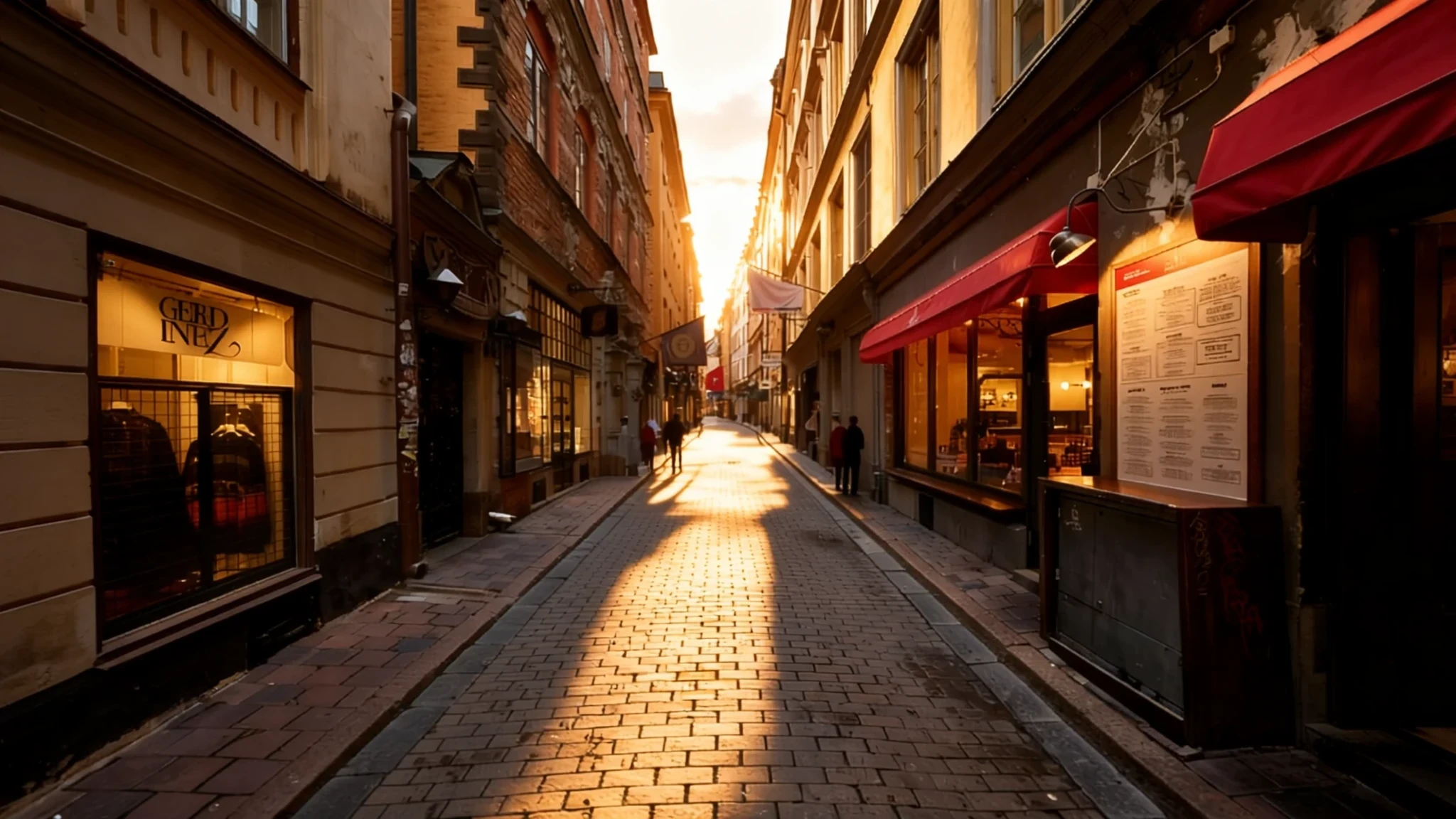
Stockholm spans fourteen islands where Lake Mälaren meets the Baltic Sea, offering a harmonious blend of medieval stone alleys and modern design.
The place
Stockholm sprawls gracefully across fourteen islands where freshwater from Lake Mälaren pours into the Baltic Sea, creating a capital city defined constantly by the presence of water. Bridges sweep between quays, and ferries churn white wakes past pastel-coloured facades and copper roofs. Around the urban fringe, an immense coastal archipelago of thousands of rocky islets and wooded shores unfolds toward the open sea. Established centuries ago, the municipality supports about one million residents while anchoring a much wider metropolitan spread that serves as the economic and cultural heart of the nation. The atmosphere shifts effortlessly from the dense, cobbled medieval alleys of the historic centre to leafy parks, waterfront promenades, and sleek districts shaped by cutting-edge architecture and design.
As the primary urban hub in the Nordic region, Stockholm balances historic royal heritage with a forward-looking, progressive rhythm. Maritime trade and defensive positioning shaped its layout long ago, yet today the waterways invite quiet contemplation rather than battle. Public ferries function as everyday transit, and seagulls wheel above stone embankments where sleek contemporary museums sit within sight of centuries-old maritime vessels. Visitors walk easily between districts, crossing canals where the current runs swift and clear, framing a cityscape that feels at once intimately compact and refreshingly open to the natural world.
Its story
Long before official charters were drawn, the geography of Stockholm appeared in Norse sagas under the name Agnafit, linked to legendary kings and early northern trade routes. Nearby Birka flourished as a major commercial centre during the Viking Age, leaving behind archaeological remains that still draw researchers and curious travellers to the region today. The official chapter of the city began when statesmen sought to secure the waterways and protect inland settlements from naval raids following earlier conflicts along Lake Mälaren.
The core of Stockholm, known today as Gamla Stan, rose from the mid-thirteenth century onward on a central island strategically positioned to control maritime traffic. Merchants and traders from the powerful Hanseatic League soon established a commanding presence, trading iron from northern mines for continental goods and anchoring the city's early wealth. Over subsequent centuries, grand palaces, defensive ramparts, and austere churches replaced wooden fortifications, reflecting the growing power of the Swedish monarchy. Fires reshaped districts repeatedly, yet each rebuilding effort grafted new Renaissance and Baroque flourishes onto the medieval street grid, preserving a layered architectural record that tells the story of an empire rising around the water.
What to see
- Gamla Stan — Central Stockholm
Stockholm features this remarkably intact medieval old town, where winding, pedestrian-only cobblestone lanes are flanked by mustard-coloured merchants' houses dating back centuries. Visitors can wander through narrow alleyways like Mårten Trotzigs Gränd, discover hidden vaulted cellars, and pause in quiet public squares that have witnessed centuries of dramatic political history.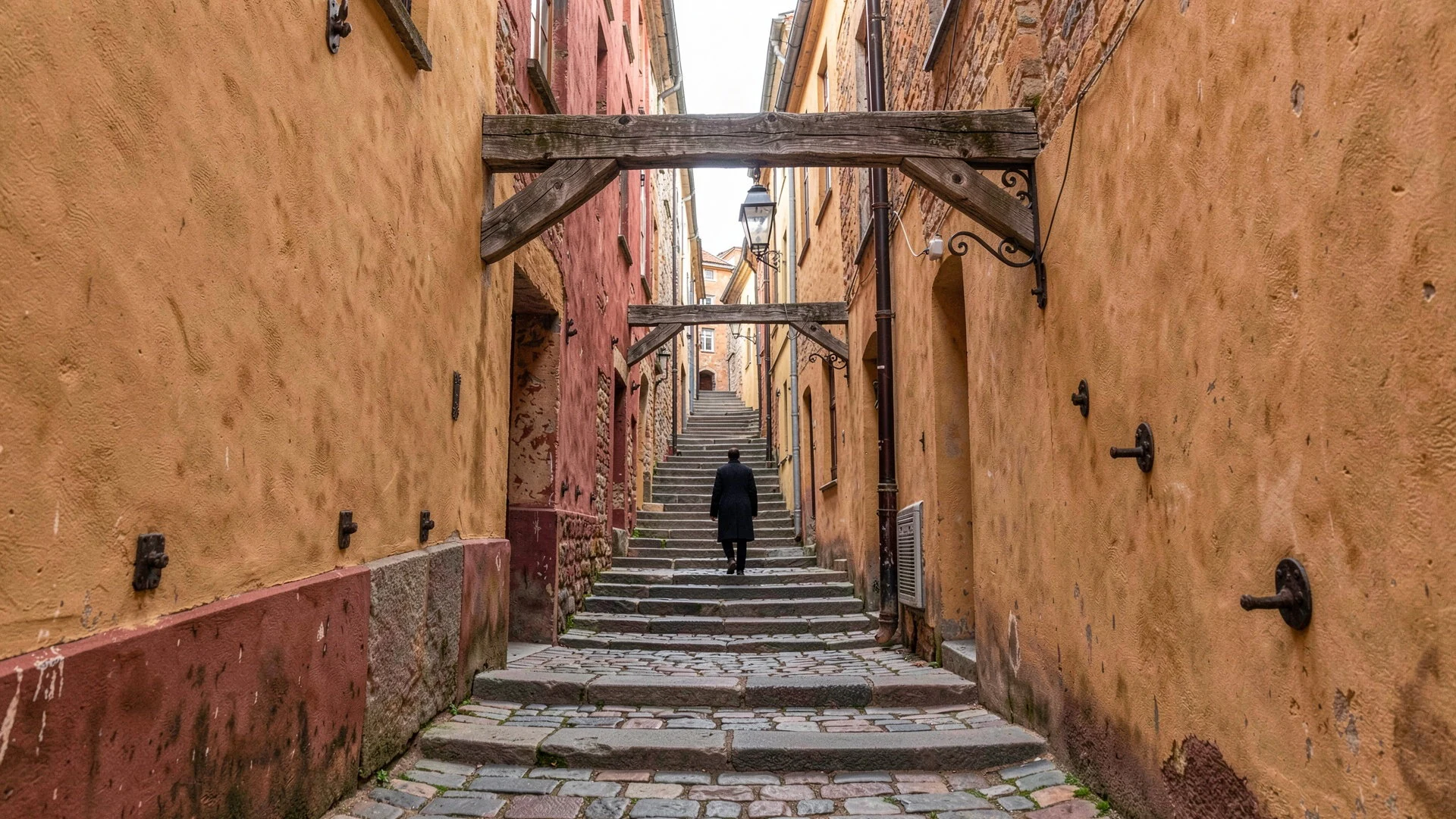
- Stockholm Palace — Gamla Stan
Stockholm houses the official residence of the Swedish monarch in a massive Baroque structure containing over six hundred rooms. Visitors can watch the traditional daily changing of the guard ceremony in the expansive outer courtyard, explore the royal apartments, and view historical coronation carriages and priceless regalia preserved within the subterranean treasury vaults.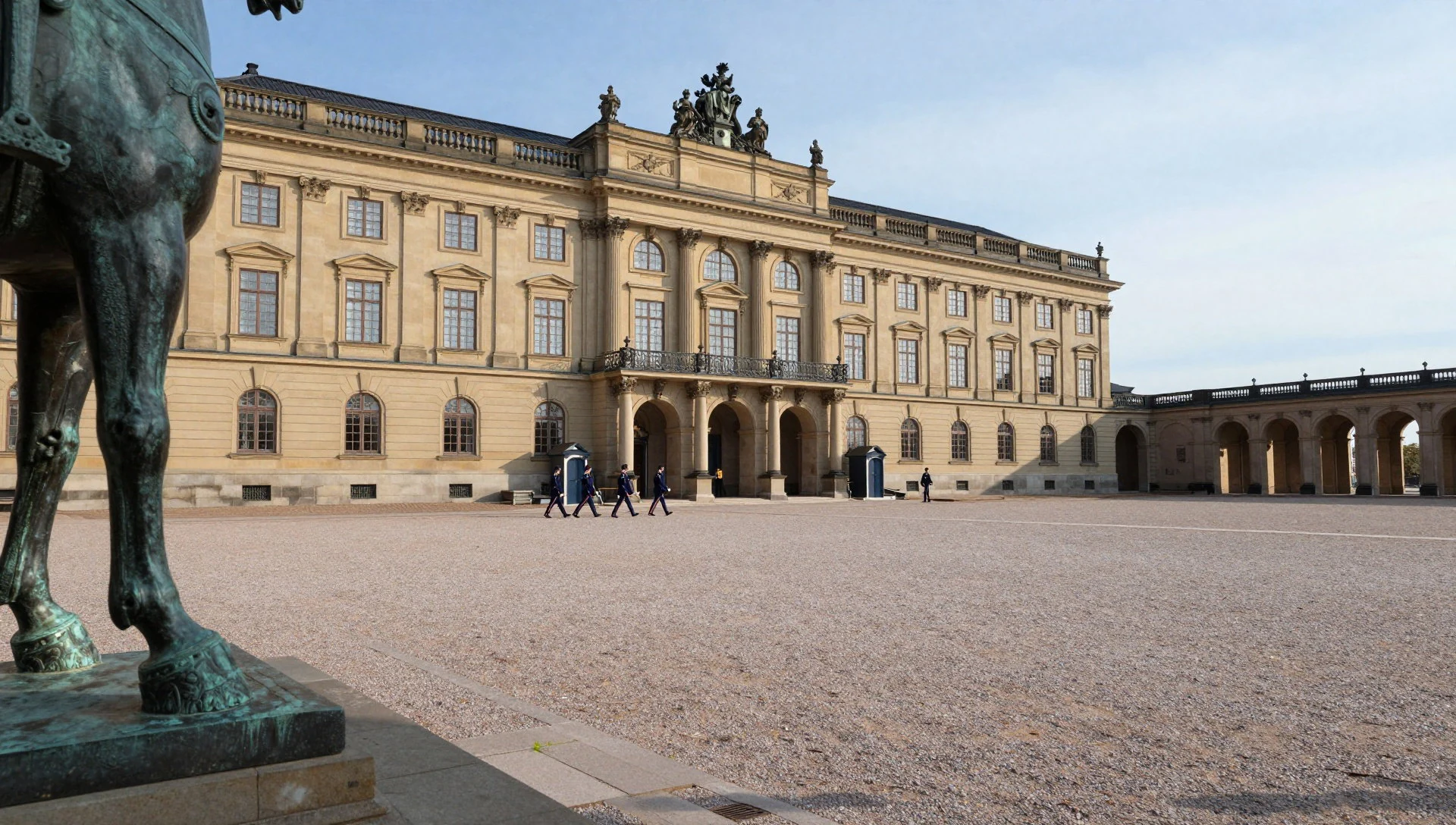
- Archipelago Boat Tours — Strömkajen
Stockholm invites travellers to board classic passenger steamers departing directly from central quays to explore the vast coastal maze of islands. These excursions navigate past forested shores, rocky skerries, and traditional wooden summer cottages, offering an authentic perspective on the maritime landscape that defines the surrounding region's unique geography and outdoor lifestyle.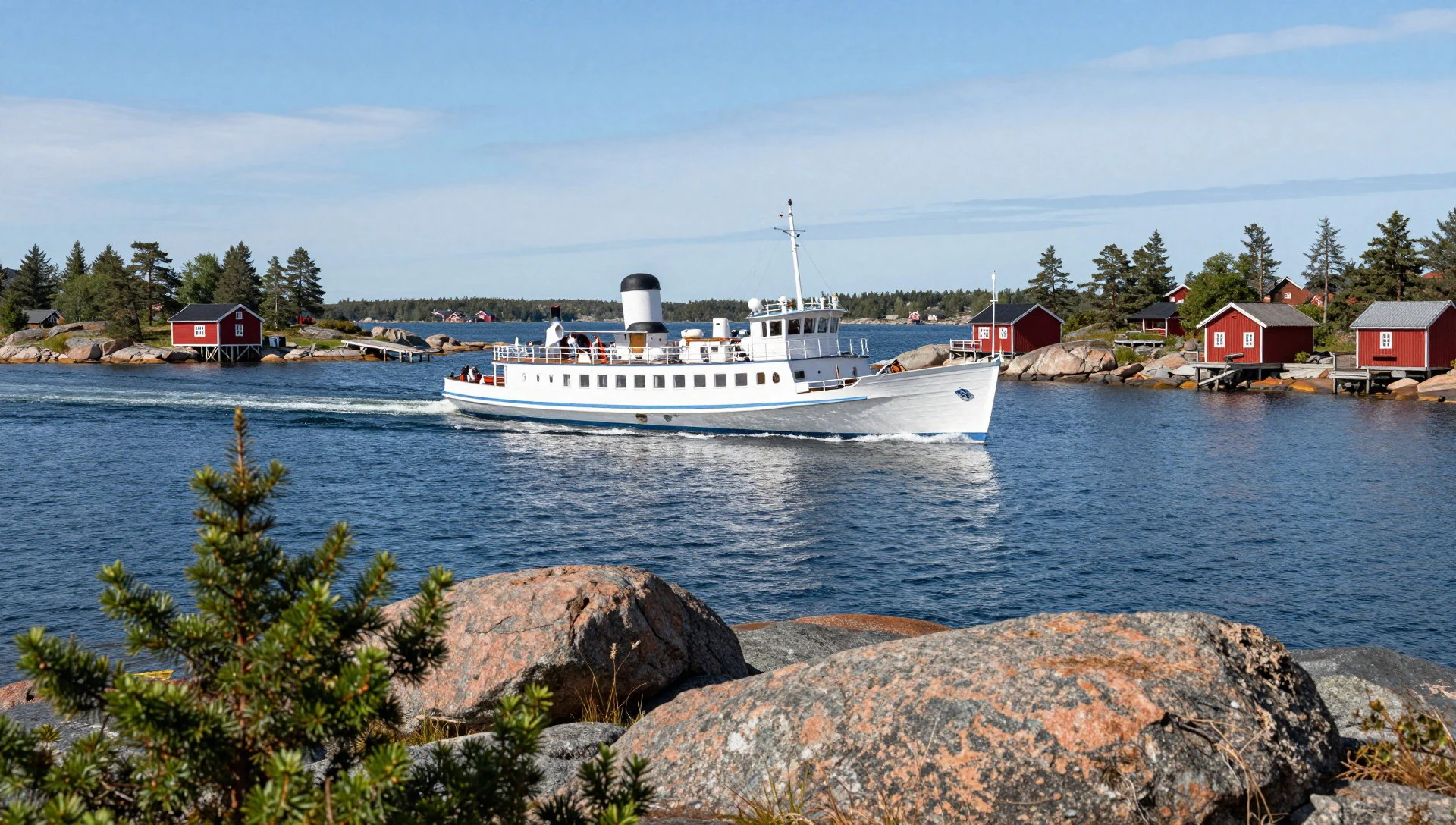
- Nationalmuseum — Blasieholmen
Stockholm displays an exceptional national collection of fine arts and applied design within a majestic nineteenth-century building overlooking the water. The galleries showcase centuries of Swedish and international painting, sculpture, and decorative arts, following comprehensive modern renovations that restore historical exhibition halls while providing bright, welcoming spaces for visitors to explore masterworks.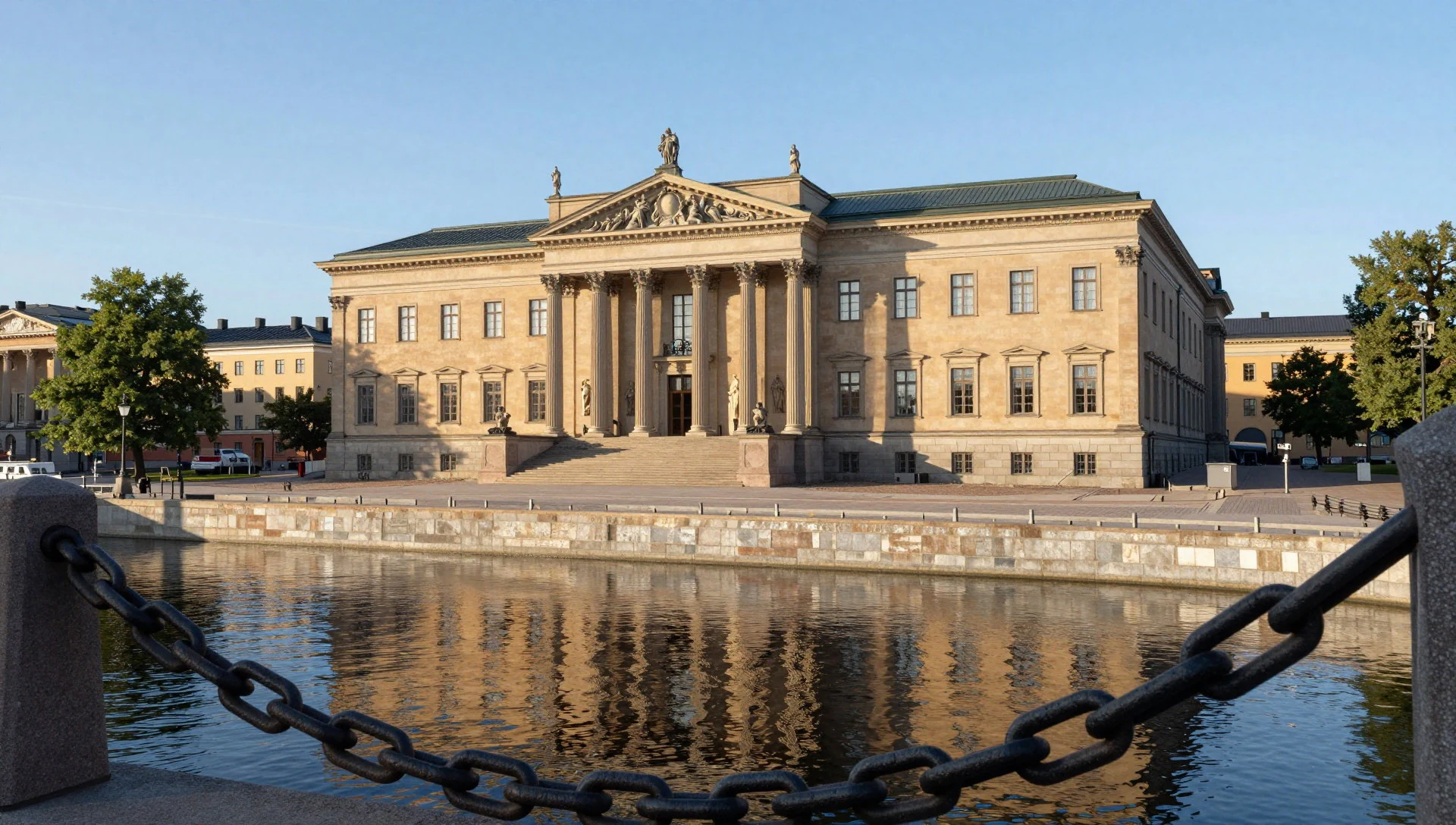
Culture
Stockholm serves as the undisputed cultural powerhouse of Sweden, nurturing a legacy of world-renowned literature, groundbreaking design, and prestigious global honours. Royal academies established centuries ago continue to foster intellectual pursuits, while legendary authors such as August Strindberg and Astrid Lindgren left indelible marks on the city's creative consciousness. Beyond literature, the metropolitan area encompasses three UNESCO World Heritage Sites, ranging from royal country estates to solemn woodland cemeteries and Viking-age trading settlements. Contemporary life in the capital is characterised by an appreciation for minimalist aesthetics, functional design, and a strong cultural emphasis on egalitarian values and quiet personal space. Locals place a high value on polite consideration, environmental consciousness, and the traditional social pause known as fika, where colleagues and friends gather over coffee and pastries to converse. When exploring traditional indoor venues or private homes in Stockholm, always remove your shoes near the entryway if you notice other footwear placed by the door.
What to wear
Stockholm fashion reflects a distinct philosophy of clean lines, understated elegance, and functional minimalism. While traditional Swedish folk costumes featuring embroidered wool vests and pleated linen aprons are preserved for historic national celebrations like Midsummer, everyday attire in the capital leans toward a sophisticated, contemporary aesthetic. Locals favour neutral palettes, impeccably tailored outerwear, and durable, comfortable materials designed to transition effortlessly between professional environments and outdoor recreation. For visitors exploring Stockholm, the key is practical versatility: pack comfortable walking shoes for the uneven cobblestones of the old town, layered clothing to adapt quickly to changing maritime breezes, and a sleek waterproof jacket regardless of the season. Dressing in smart, understated layers ensures you will blend in naturally with the city's effortless street style whether visiting a museum or dining out.
What to eat
- Gravlax — Traditional indoor food halls and local seafood restaurants
Thinly sliced raw salmon cured in salt, sugar, and fresh dill, traditionally served with a sweet mustard and dill sauce on crispbread or alongside boiled potatoes.
- Köttbullar — Traditional neighbourhood taverns and market stalls
Classic Swedish meatballs prepared with minced beef and pork, served tender alongside creamy brown gravy, tart lingonberry jam, and pickled cucumbers.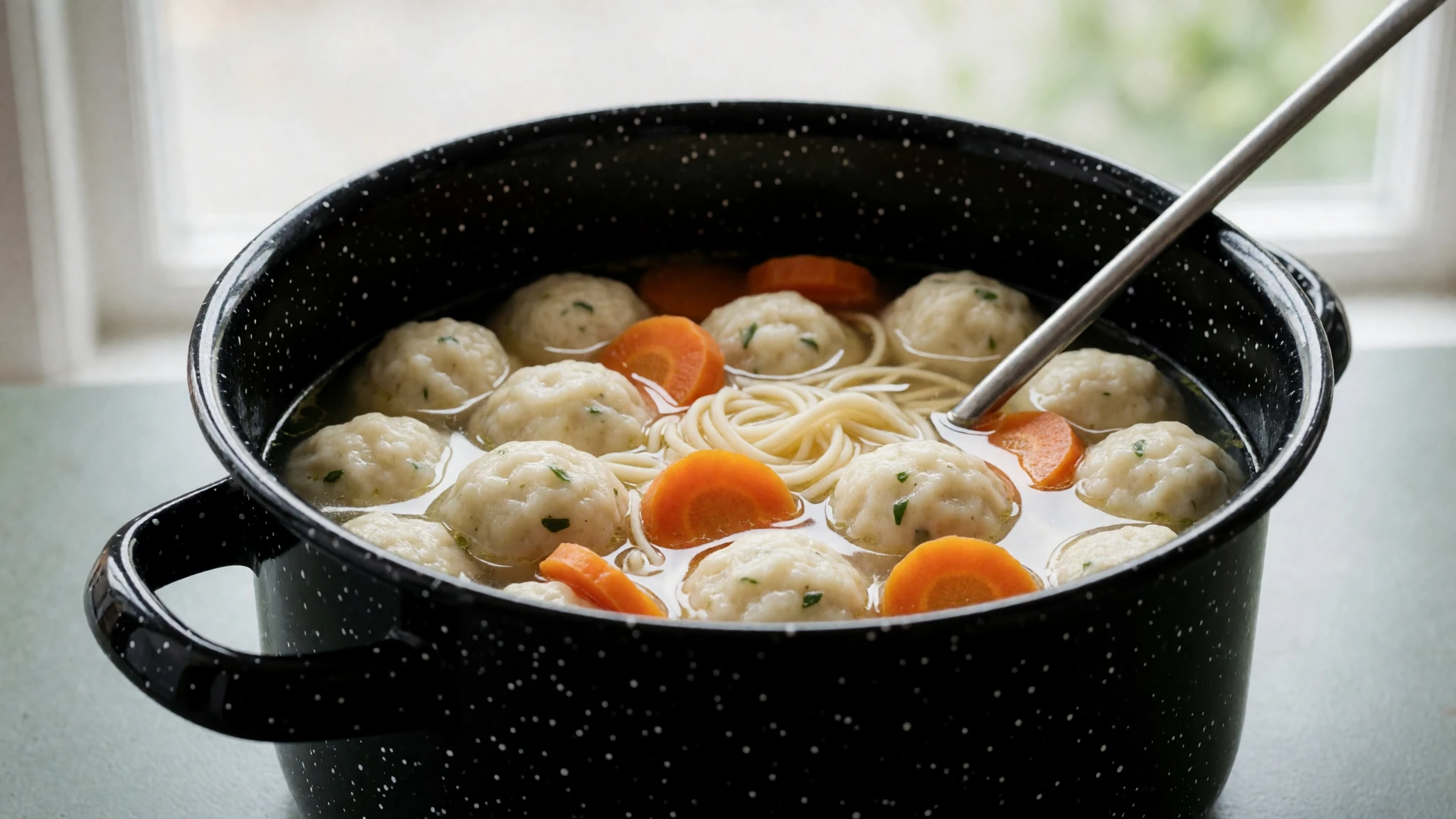
- Kanelbulle — Cafés across Gamla Stan and central shopping districts
A fragrant cinnamon bun rolled with cardamom-spiced dough, twisted into a knot, and topped with coarse pearl sugar, enjoyed during daily coffee breaks. - Strömming — Waterfront food kiosks and historic market halls
Baltic herring prepared in various traditional styles, often lightly battered and fried crisp, served with mashed potatoes and melted butter. - Ärtsoppa och Pannkakor — Traditional lunch restaurants throughout the city
Traditional thick yellow pea soup flavoured with pork, traditionally followed by thin pancakes served with jam and whipped cream.
Plan it
Best time. May through September brings pleasant weather, long daylight hours, and accessible outdoor archipelago boat services, while winter months offer crisp, snowy streets and festive holiday markets.
How long. 3–4
Getting there. Arlanda Airport is located 40 km north of the city; express trains reach Stockholm Central Station in twenty minutes, while budget buses provide economical connections.
Budget. mid
Tips
- Purchase transport cards for seamless travel across buses, metro lines, and commuter ferries
- Book popular museum tickets and royal palace tours online in advance during peak summer months
- Keep a credit or debit card handy, as cash is rarely accepted across restaurants and shops
- Pack comfortable, sturdy footwear suitable for walking on historic cobblestones and uneven stone quays
Etiquette
- Remove your shoes when entering private homes or traditional cultural venues
- Maintain quiet decorum on public transport and respect personal space in public queues
Nearby
Sources
- Wikidata Q1754 (CC0)
- Wikipedia (rev 1382901523) (CC BY-SA 4.0)
- Wikivoyage (rev 5406675) (CC BY-SA 4.0)
- Photo photos/01-skeppsbron-20-48-2006.jpg (CC BY 3.0)
- Photo photos/02-munkbroleden-with-kornhamstorg-at-gamla-stan-stockholm-swede.jpg (CC BY 4.0)
- Photo photos/03-kaffekoppen-and-chokladkoppen.jpg (CC BY 2.5)
- Photo photos/04-b-ten-vaxholm-iii.jpg (CC BY 3.0)
- Photo photos/05-nationalmuseum-byggnad-aug-2020.jpg (CC BY-SA 4.0)
- Photo photos/06-swedish-palace-2008-07-18-1-denoised.jpg (CC BY 3.0)
- Photo photos/07-stockholm-black-friars-vault-2023-1.jpg (Public domain)
- Photo photos/08-suecia-1-013-stockholm-fr-n-ster-right-side-detail.jpg (Public domain)


