St. Augustine, Florida
St. Augustine, Florida, United States
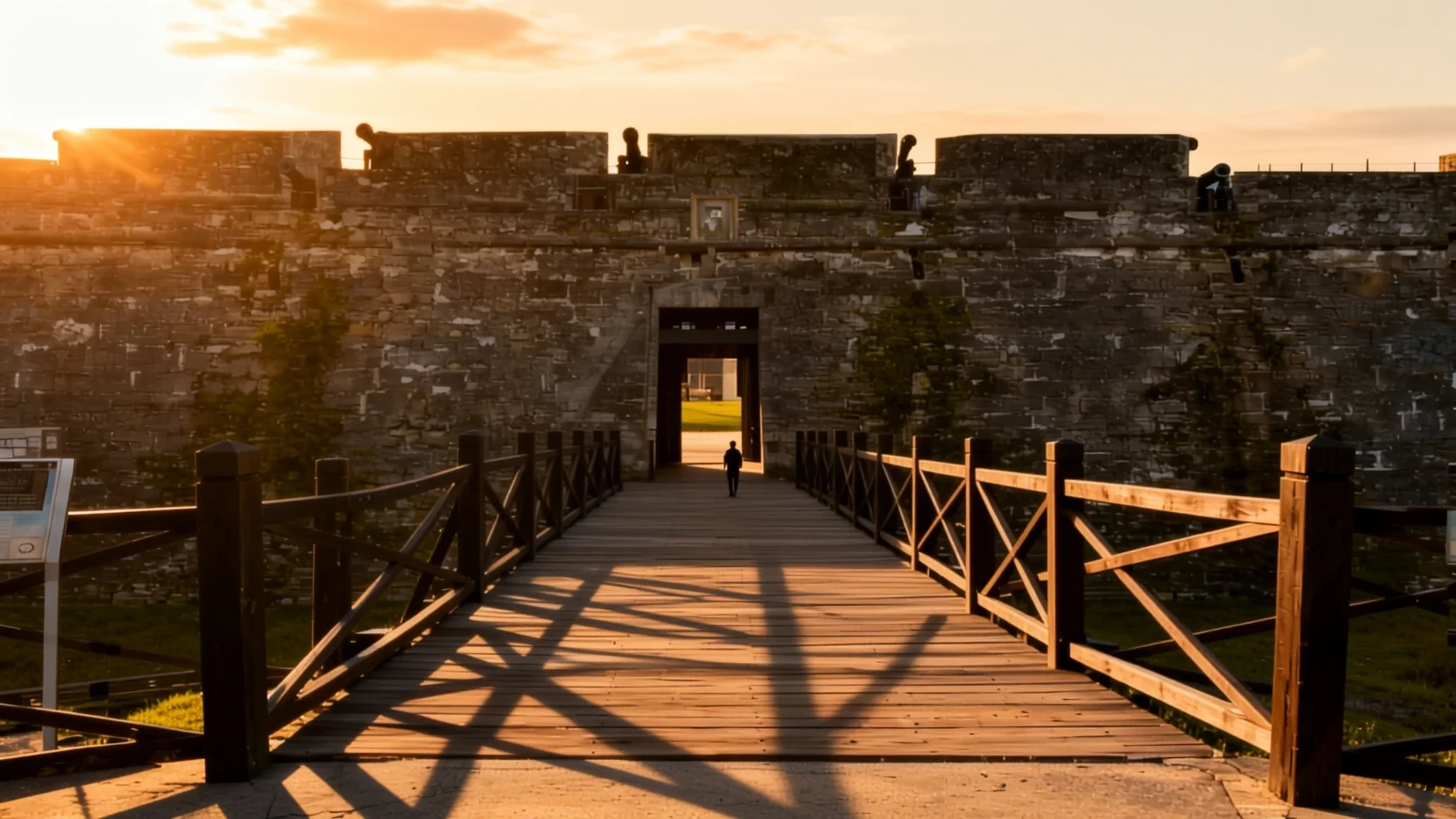
St. Augustine offers a rare glimpse into early European colonial history along the Atlantic coast, featuring centuries-old stone architecture and coastal charm.
The place
St. Augustine sits on the Atlantic coast of northeastern Florida, positioned south of downtown Jacksonville. As a coastal community in St. Johns County, the settlement occupies a low-lying peninsula defined by nearby waterways and marshes. Founded by Spanish settlers, the city is the oldest European-established site in the contiguous United States to be continuously inhabited. Visitors walking through the historic district encounter narrow lanes lined with coquina walls, wooden verandas, and mature oak trees draped in Spanish moss. The coastal climate brings warm air from the Atlantic, tempered by afternoon sea breezes that sweep across the riverfront. Life here moves at a gentler pace than in Florida's sprawling southern metropolises, drawing travellers who appreciate preservation, maritime heritage, and quiet courtyards tucked behind historic facades. The surrounding waterways connect the town directly to the ocean, shaping both its daily atmosphere and its long maritime traditions.
Its story
St. Augustine began long before European arrival, when Timucua communities inhabited villages along the local rivers, living by fishing, hunting, and maintaining extensive trade networks. The first European explorer to chart these shores was Juan Ponce de León, who claimed the peninsula for the Spanish crown. Decades later, Spanish admiral Pedro Menéndez de Avilés arrived with settlers and troops, establishing a permanent foothold on the Atlantic coast. Named after the feast day of the saint, the settlement quickly became the capital of Spanish Florida, serving as an administrative hub for the empire in North America for centuries. Control shifted repeatedly through colonial treaties, passing to British rule and later returning to Spanish administration before the territory was ceded to the United States. Following the transfer of sovereignty, the community transitioned from a strategic military outpost into a regional territorial seat before the capital moved elsewhere. Throughout these shifts, the fortified walls and defensive structures bore witness to conflicts involving European rivals, pirates, and shifting national boundaries, leaving behind a layered heritage preserved in the stone and mortar of the old town.
What to see
- Castillo de San Marcos National Monument — Waterfront district
Constructed by the Spanish during the late colonial period to protect their coastal garrison, this imposing fortress stands proudly on the waterfront. Visitors can explore the preserved guard quarters, climb the ramparts overlooking the Matanzas River, and inspect the unique coquina limestone masonry that absorbed enemy cannon fire during historical sieges.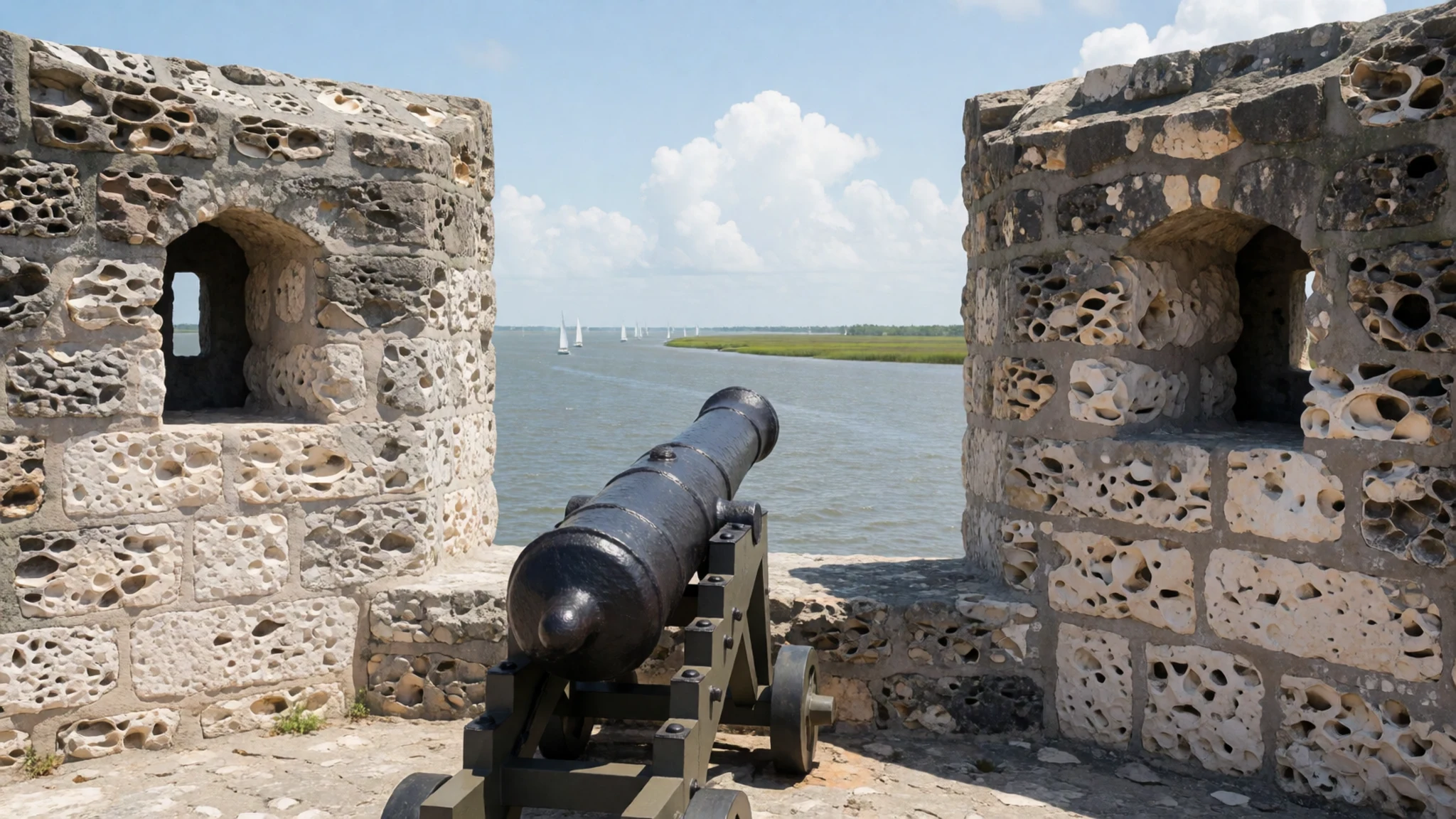
- Flagler College — Downtown core
Occupying grounds near the heart of downtown, this academic institution centers around the magnificent former luxury hotel built during the gilded era of Florida tourism. The Spanish Renaissance architecture features ornate towers, hand-painted murals, and an expansive central courtyard that showcases master craftsmanship and elaborate detailing from an ambitious era of development.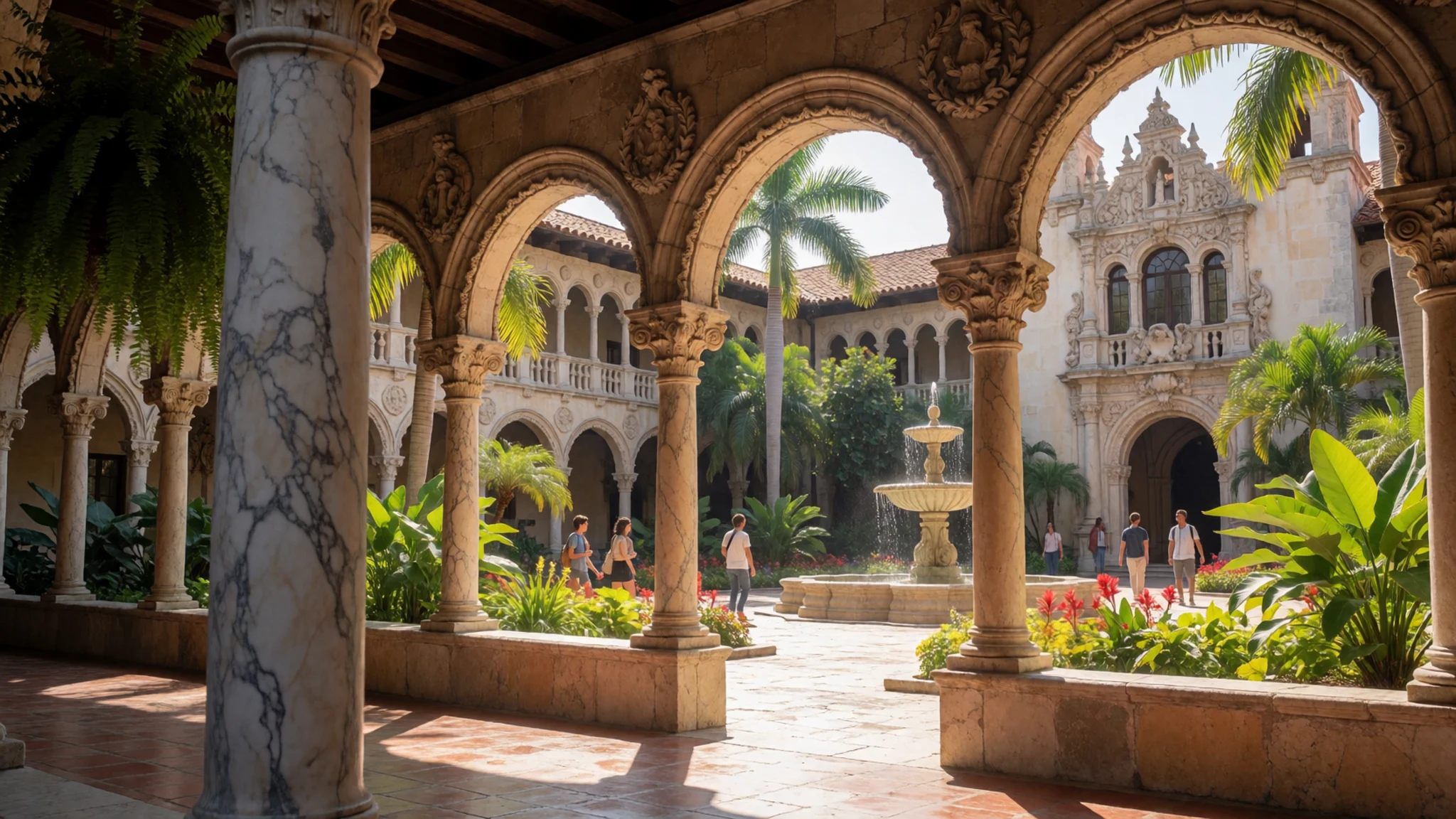
- Oldest House Museum Complex — Southern historic quarter
Situated just south of the main commercial streets, this historical site preserves domestic architecture dating back to the eighteenth-century period of Spanish governance. Visitors wander through shaded coquina rooms and traditional garden spaces to understand how ordinary colonial families lived, worked, and coped with the demanding climate of the northeastern Florida coast.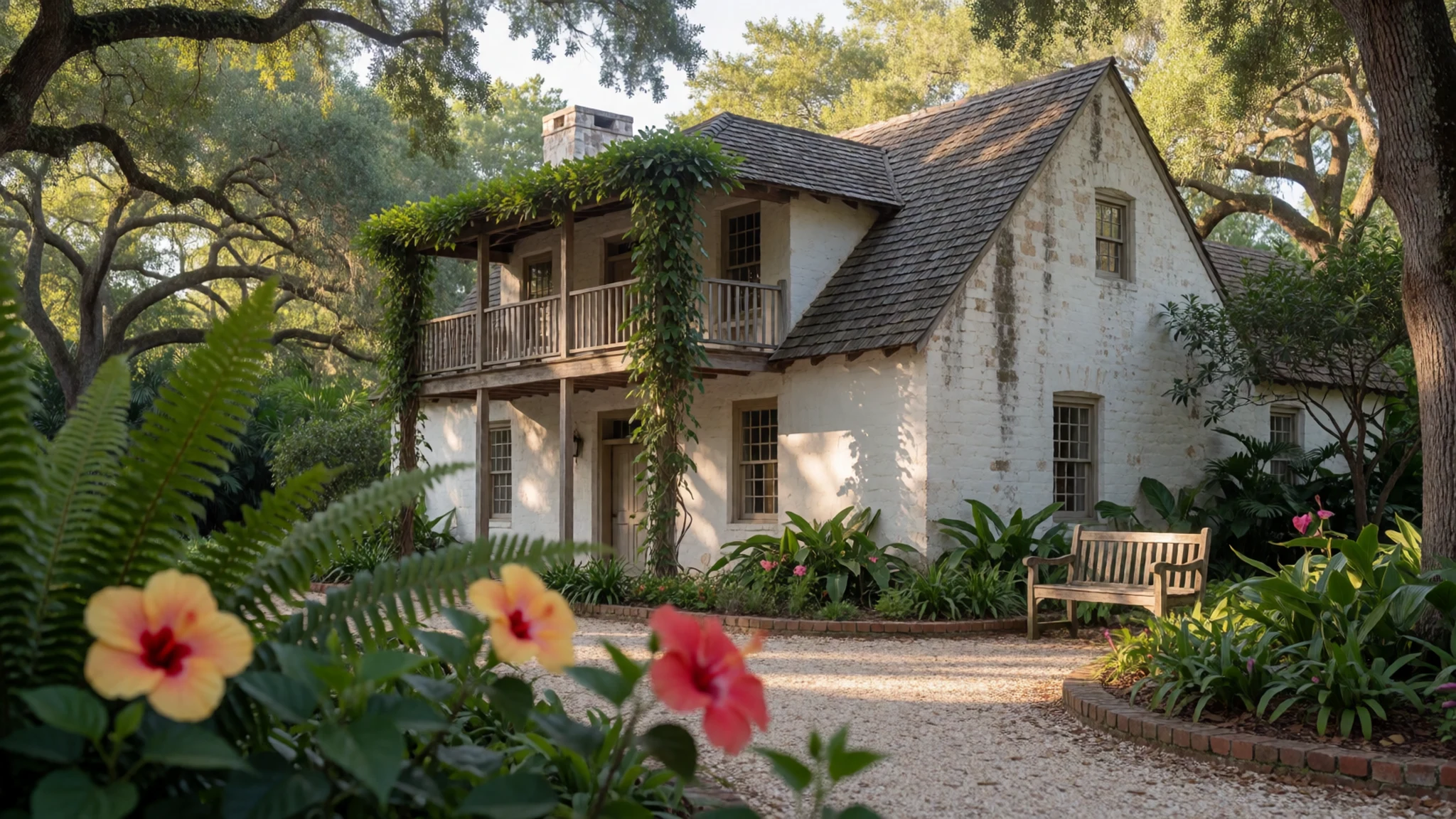
- Lightner Museum — Museum district
Housed within a former grand resort hotel built during the late nineteenth century, this cultural venue exhibits an eclectic collection of Victorian antiques, fine art, and mechanical musical instruments. The building itself is an architectural landmark featuring open balconies, a grand central court, and preserved spaces from its days as a lavish tourist retreat.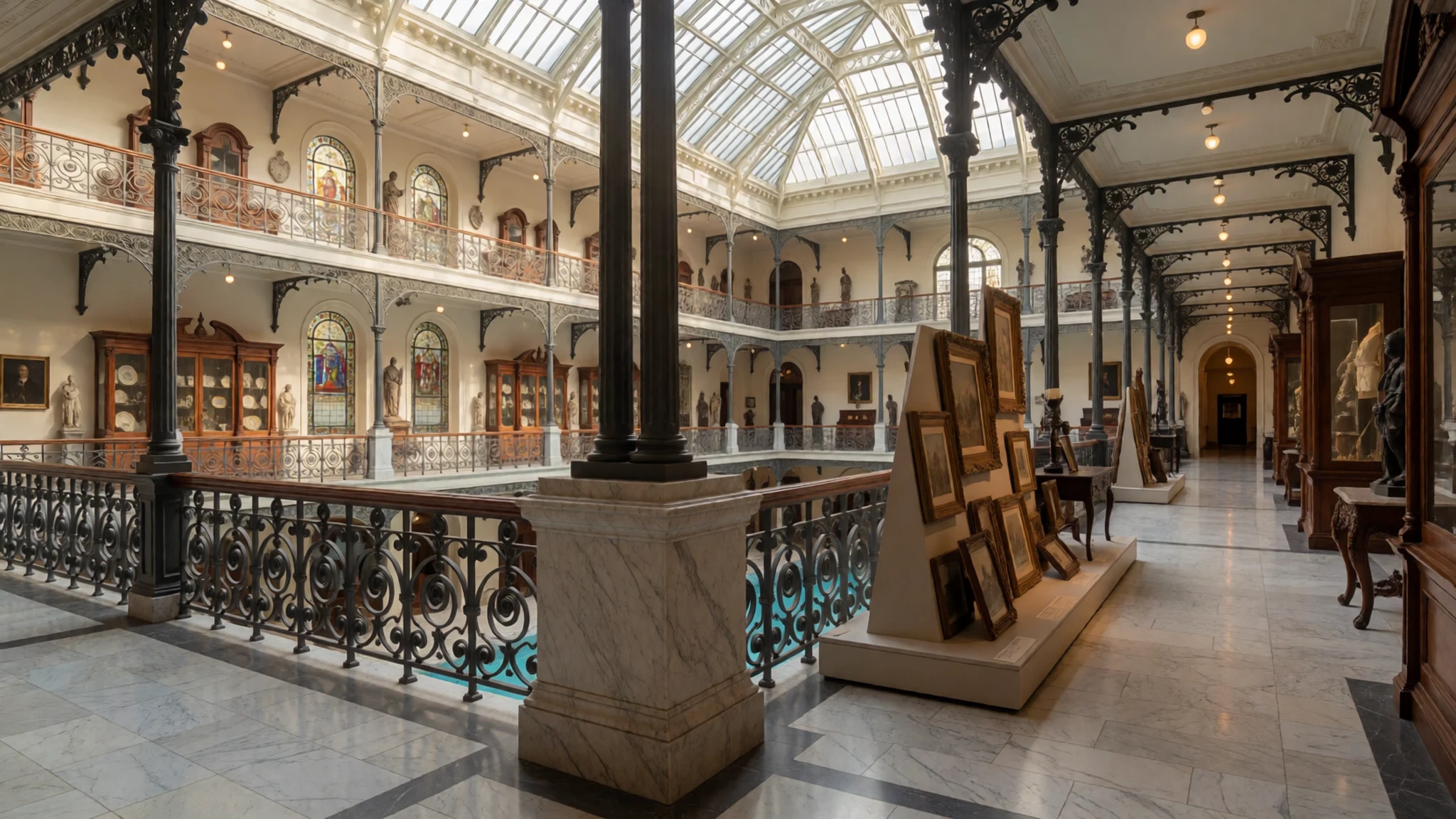
- Cathedral of St. Augustine — Historic center
Located within the historic center, this prominent religious structure displays Spanish colonial revival design elements alongside soaring bell towers and traditional masonry. The interior features tranquil pews, stained glass windows, and quiet spaces for reflection that reflect the long spiritual history of the oldest parish community in the country.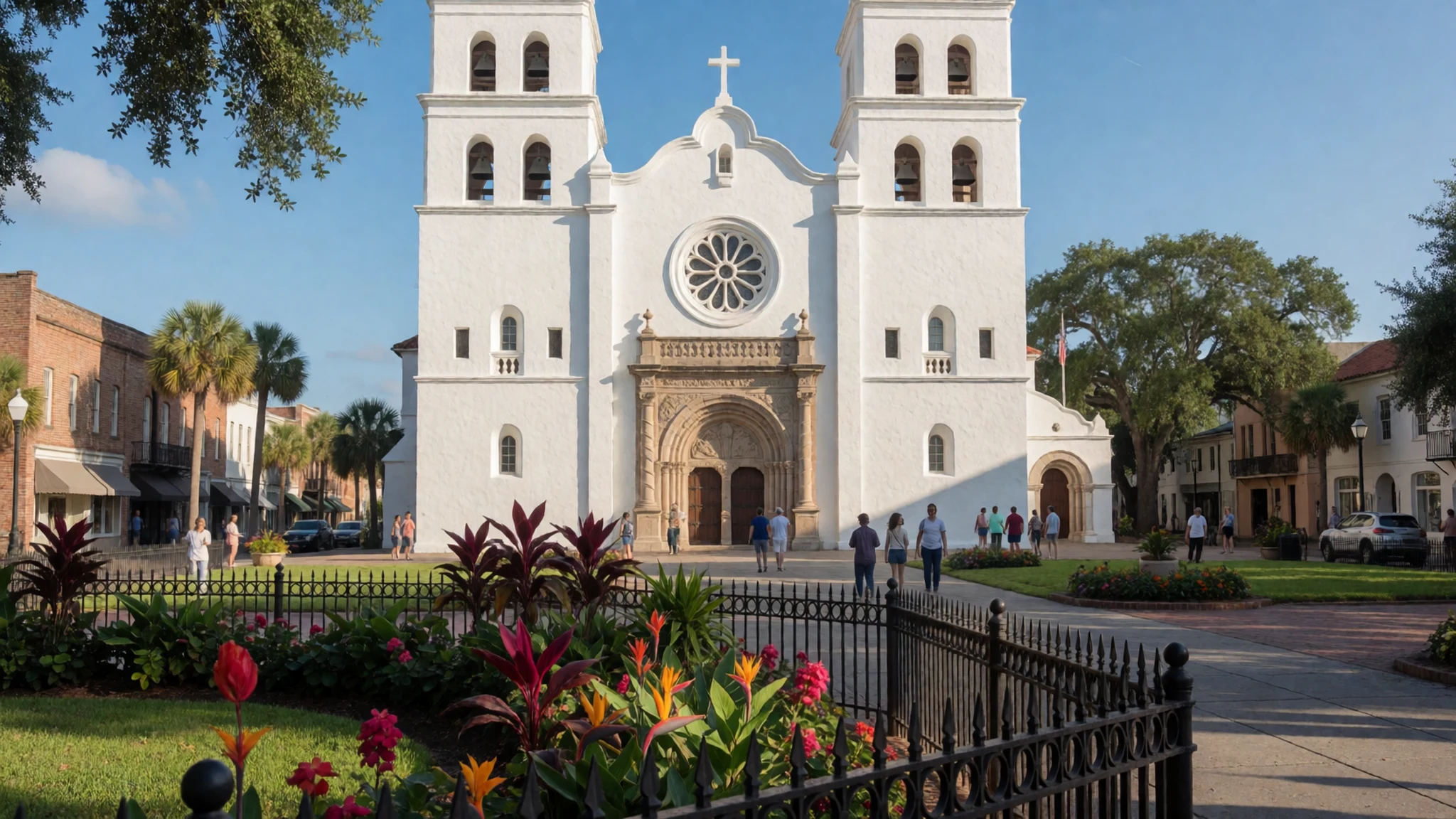
Culture
St. Augustine maintains a distinct cultural identity shaped by centuries of blending Spanish, Minorcan, African American, and Southern American traditions. The community celebrates its heritage through annual music festivals, historic reenactments, and cultural institutions such as the Lincolnville Museum and Cultural Center, which preserves the vital African American history of the region. Local residents take pride in their coastal traditions, artistic community, and deep-rooted culinary heritage passed down through generations of immigrant families. Visitors encounter a relaxed, welcoming atmosphere where creative local artisans work alongside historians and academics. While exploring old residential quarters and sacred sites, visitors should maintain a respectful volume and follow local guidelines regarding photography inside historic religious buildings.
What to wear
Fashion in St. Augustine is casual, practical, and heavily influenced by the warm coastal climate of northeastern Florida. Historically, early Spanish settlers and colonial inhabitants wore layered European garments adapted for subtropical heat using lightweight linens and practical cottons. Today, residents and local workers favour comfortable, breathable clothing such as linen shirts, cotton trousers, sun dresses, and sandals suitable for walking along historic cobblestone paths. For visitors exploring the outdoor plazas, coastal breezes and intense sun mean that practical summer attire is essential year-round. Lightweight layers work best for cooler winter evenings near the water, while sensible walking shoes are necessary for navigating uneven stone surfaces and historic courtyards. Modest clothing should be worn when visiting active churches and spiritual monuments around town.
What to eat
- Spanish Bakery & Cafe pastries — Historic bakery lane
Baked fresh daily over traditional hearths, these authentic pastries, empanadas, and rustic breads reflect the enduring culinary influence of early European settlers. Enjoy them outdoors in the shaded garden courtyard.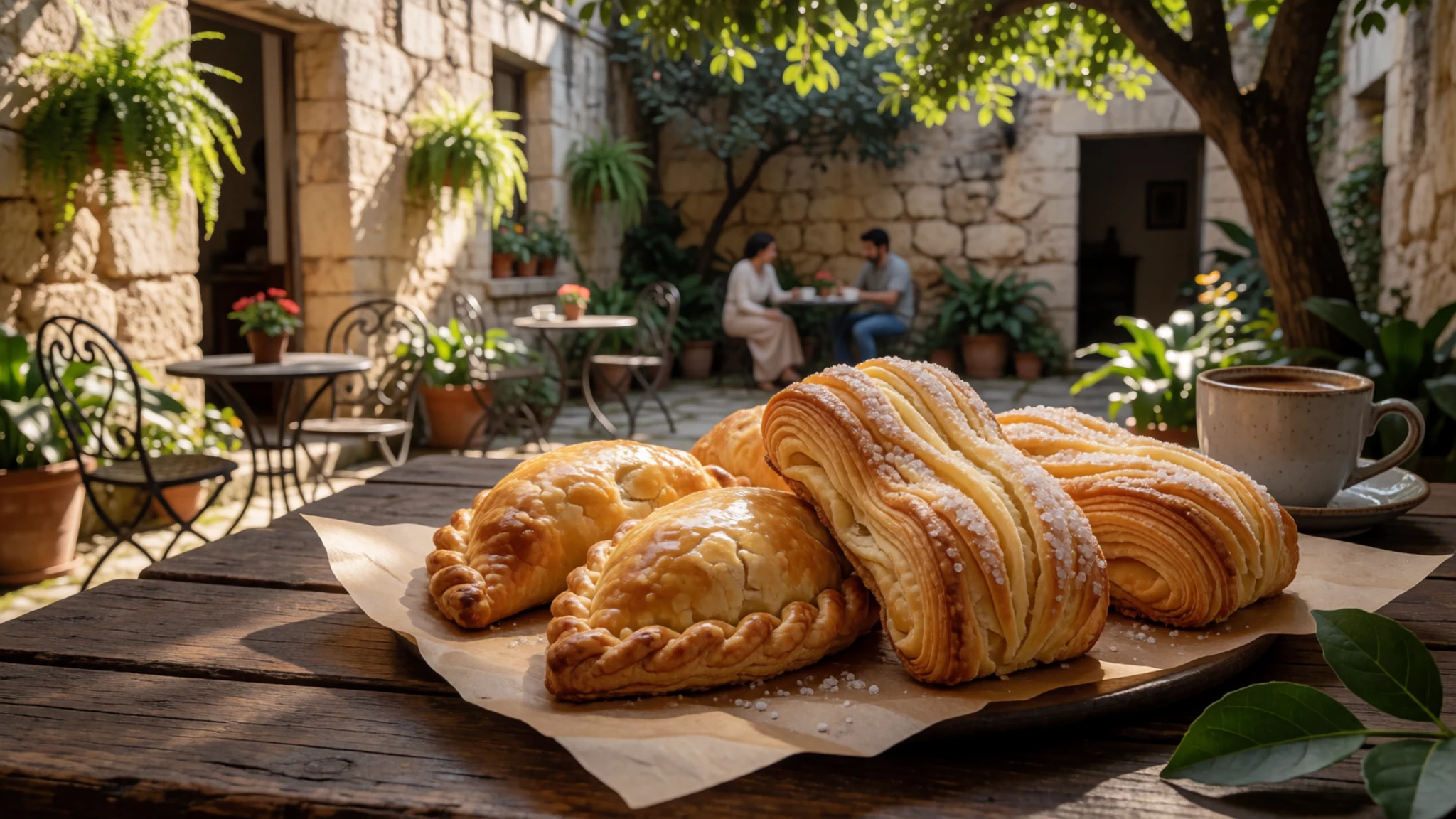
- Australian meat pies — Downtown coffee shops
Flaky, golden pastry shells filled with savory minced meats and rich gravies, offering a hearty handheld meal inspired by distant shores and served from a cozy local coffeehouse.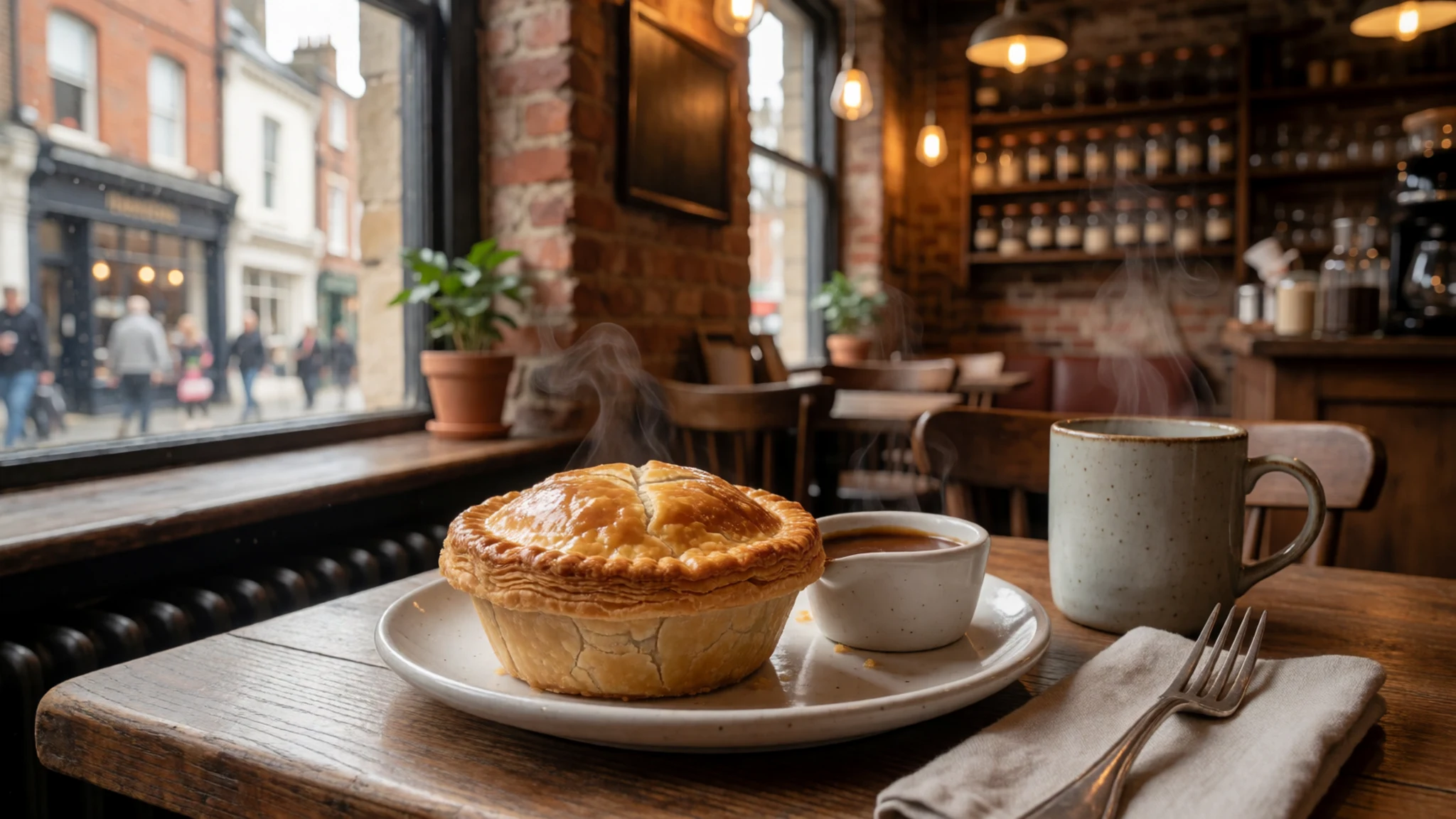
- Gourmet fruit popsicles — Pop-up kiosks and dessert parlours
Artisanal frozen treats crafted by local students using inventive fruit and cream combinations, providing a refreshing remedy against the warm Florida sunshine during afternoon walks. - Southern comfort breakfast — Residential neighbourhood bistros
Warm buttermilk biscuits, perfectly fried chicken, and artisanal grits served up in bright, airy neighbourhood cafes that celebrate the comforting traditions of regional American cooking. - New York style pizza slices — Downtown parlours
Large, foldable slices with blistered crusts and rich tomato sauce crafted by transplanted artisans who brought authentic pizzeria techniques to the historic cobblestone streets.
Plan it
Best time. March to April and October to November offer pleasant daytime temperatures and lower humidity, making outdoor exploration comfortable.
How long. 2–3
Getting there. Fly into Jacksonville International Airport, then continue south to St. Augustine by rental car, taxi, or rideshare service.
Budget. mid
Tips
- Arrive at major historic monuments early in the morning to avoid midday heat and crowds.
- Wear comfortable walking shoes with sturdy soles for uneven stone pathways.
- Carry reusable water bottles to stay hydrated during warm afternoon walking tours.
- Check official websites for current opening times before visiting museums and college grounds.
Etiquette
- Maintain a respectful, quiet demeanor when entering historic churches and chapels.
- Ask permission before photographing local artisans or performers in public plazas.
Nearby
Sources
- Wikidata Q487988 (CC0)
- Wikipedia (rev 1382273068) (CC BY-SA 4.0)
- Wikivoyage (rev 5392811) (CC BY-SA 4.0)
- Photo 1 (CC BY 4.0)
- Photo 2 (CC BY 3.0)
- Photo 3 (CC BY-SA 4.0)
- Photo 4 (CC BY 3.0)
- Photo 5 (CC BY-SA 4.0)
- Photo 6 (CC BY-SA 1.0)
- Photo 7 (CC BY-SA 1.0)
- Photo 8 (CC BY 4.0)


