Savannah, Georgia
Savannah, Georgia, United States
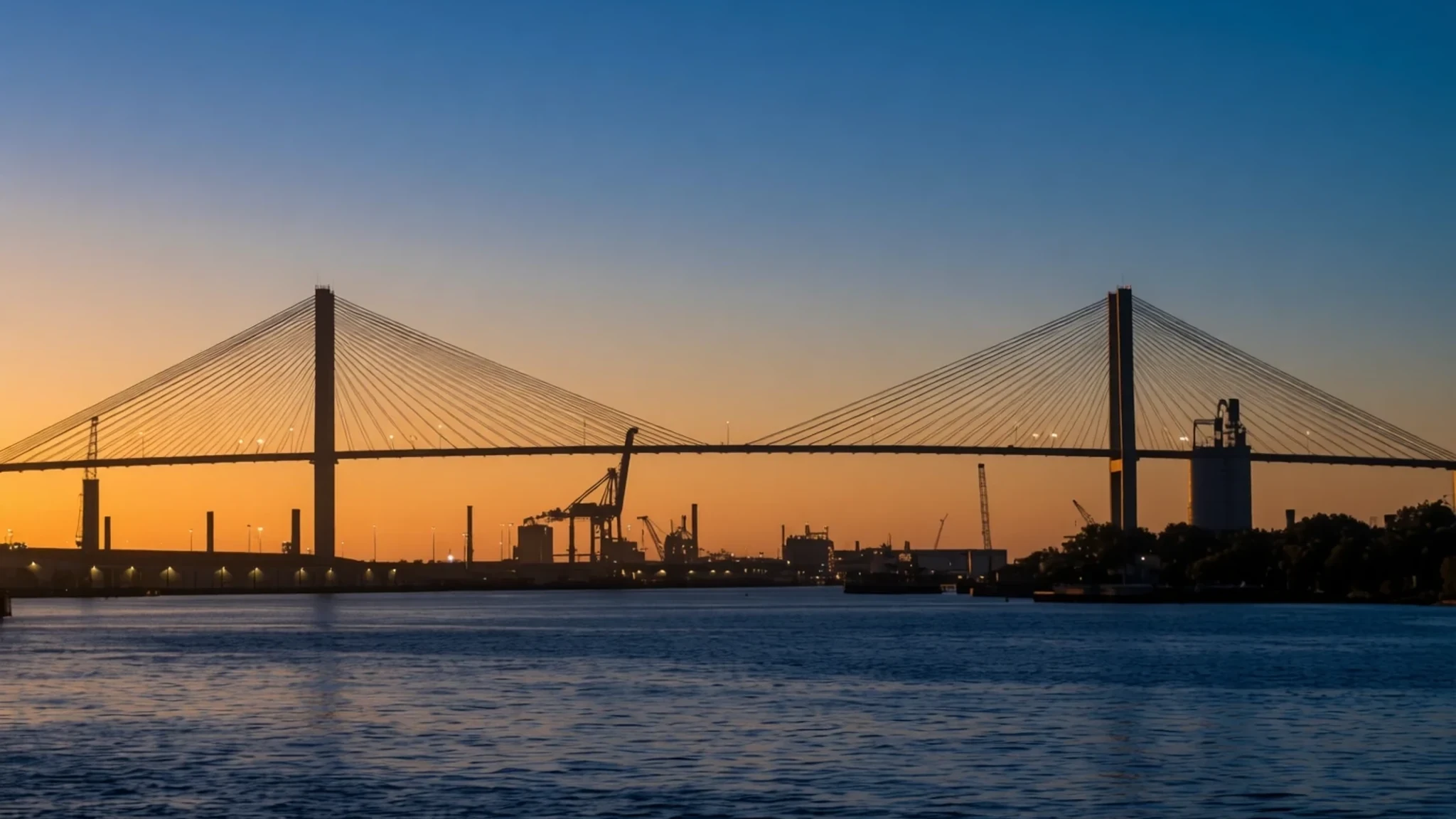
Go for walkable squares, shaded streets and a river-edge city that rewards slow mornings and warm evenings.
The place
Savannah sits on bluffs above the Savannah River in Chatham County, on Georgia's Atlantic coast. It is the county seat and the oldest city in the state, and it has been a working port since the eighteenth century. The city has about 148,000 residents, making it the largest on the coast and the fifth largest in Georgia, and its wider metropolitan area ranks third in the state. The land lies only about 15 metres above sea level, so the streets run flat and the air is humid for much of the year.
Much of the appeal is the historic core: a grid of squares laid out when the colony was young, each shaded by live oaks draped in Spanish moss. Brick townhouses, iron balconies and walled gardens line the lanes, and cobblestones survive in places as a reminder of the port's old trade. Sources describe the historic district as the country's largest restored urban historic area, and the walk through it always takes longer than the map suggests.
Beyond the squares the city is practical and industrial. Cargo moves through the harbour, factories and logistics firms line the river, and the redeveloped Plant Riverside District shows how old industrial buildings can take on new lives. Tourism is a major part of the economy, and in spring and autumn the historic centre fills with visitors, so the quieter streets are best found early in the morning or late in the day.
Its story
Savannah's story begins in February 1733, when General James Oglethorpe and the settlers of the ship Anne came ashore at Yamacraw Bluff. They were met by Tomochichi and the Yamacraw people, and by the Indian traders John and Mary Musgrove, whose knowledge of local languages made Mary Musgrove an important interpreter in the early dealings. The colony of Georgia was founded on the same day, with the new town as its first settlement, and it grew along the bluff above the river.
In 1751 the colony became a royal province, and Savannah was its capital. Its position made it a busy port, and by the time the American Revolutionary War began it was the southernmost commercial port among the colonies. That trade made the city a prize. The British took Savannah in 1778, and in 1779 a combined American and French force, including Haitian troops, failed to drive them out during the Siege of Savannah. The British did not leave until 1782.
The city remained a prosperous seaport through the nineteenth century, even as the seat of state government moved inland. The state legislature named Milledgeville the capital in 1804. During the Civil War, Savannah was a major Confederate city and the prime objective of General William T. Sherman's March to the Sea, and its historic fabric survived that period largely intact.
What to see
- Bonaventure Cemetery — East of the historic centre
Bonaventure Cemetery sits on the river east of the centre, where moss-hung oaks shade old monuments and sculpted headstones. Fans of Midnight in the Garden of Good and Evil come to see the grave of the songwriter Johnny Mercer, along with those of the writer Conrad Aiken and other Southern notables. The river views are lovely and the moss gives the place an atmospheric stillness, so keep visits quiet and respectful.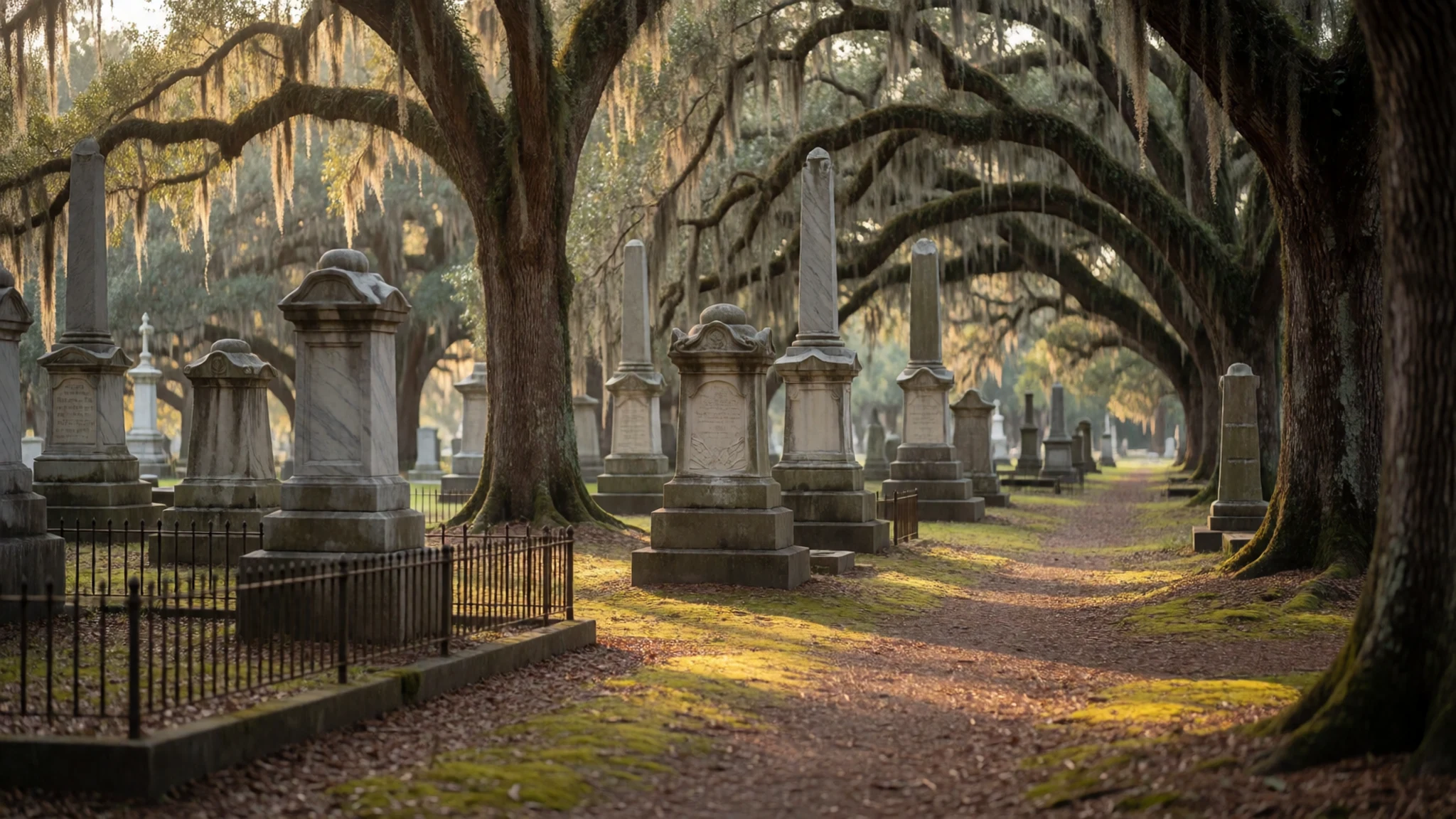
- City Market — North-west corner of the Historic District
City Market occupies a four-block stretch in the north-west corner of the Historic District. Its rehabilitation turned old commercial buildings into a lively mix of shops, bars and eateries. The project is the kind of large-scale renovation that would be hard to repeat today, so it is worth seeing as a historic achievement in its own right. Evenings are busiest, with music spilling onto the terraces.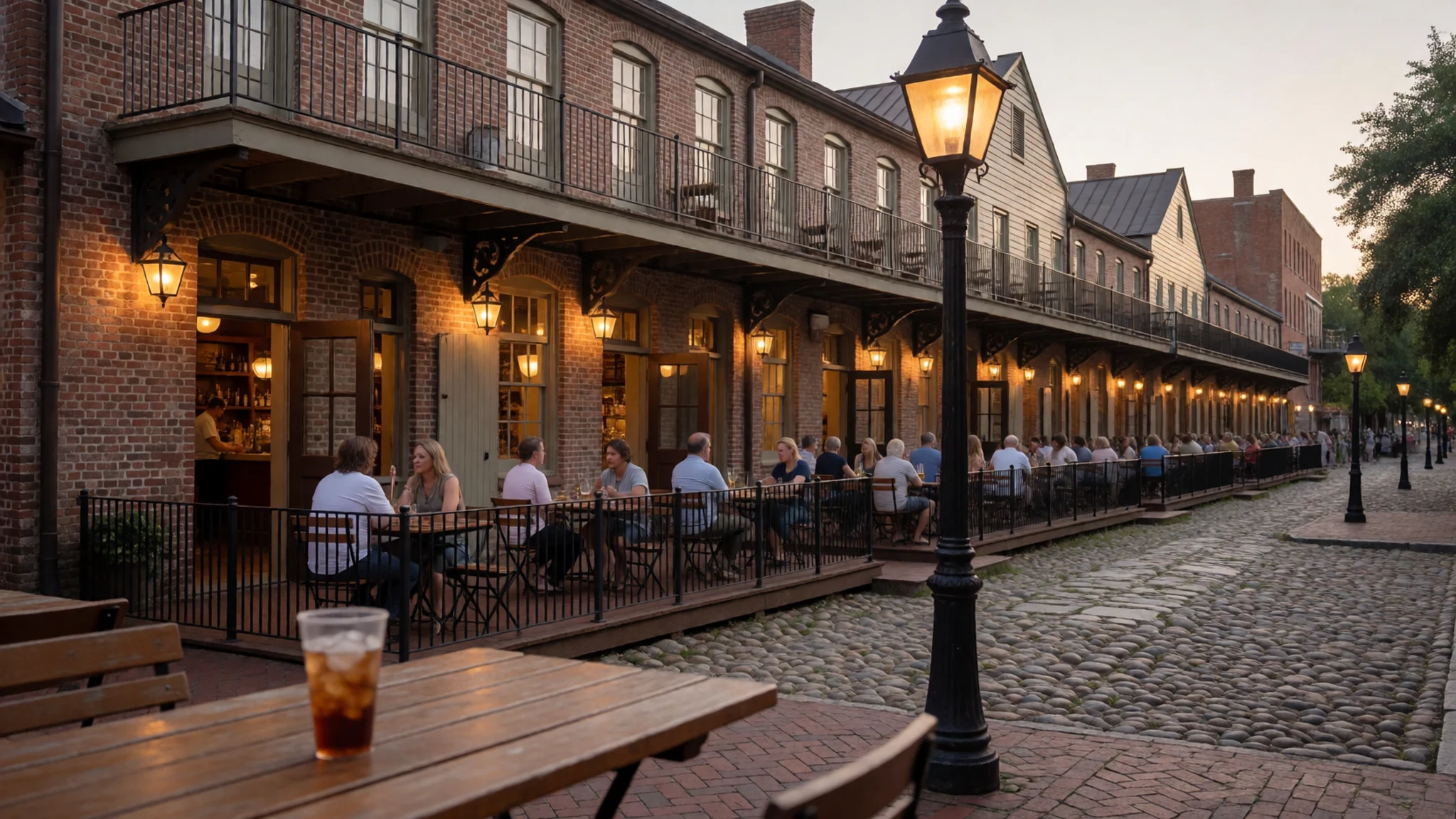
- Forsyth Park — Southern edge of the Historic District
Forsyth Park marks the southern edge of the Historic District. Its wide lawns and shaded walks are ringed by bed and breakfasts, and the centrepiece is a fountain that draws photographers at every hour. The park was a filming location for Midnight in the Garden of Good and Evil. Mornings are cooler and quieter, and a restaurant inside the park makes a good place to stop.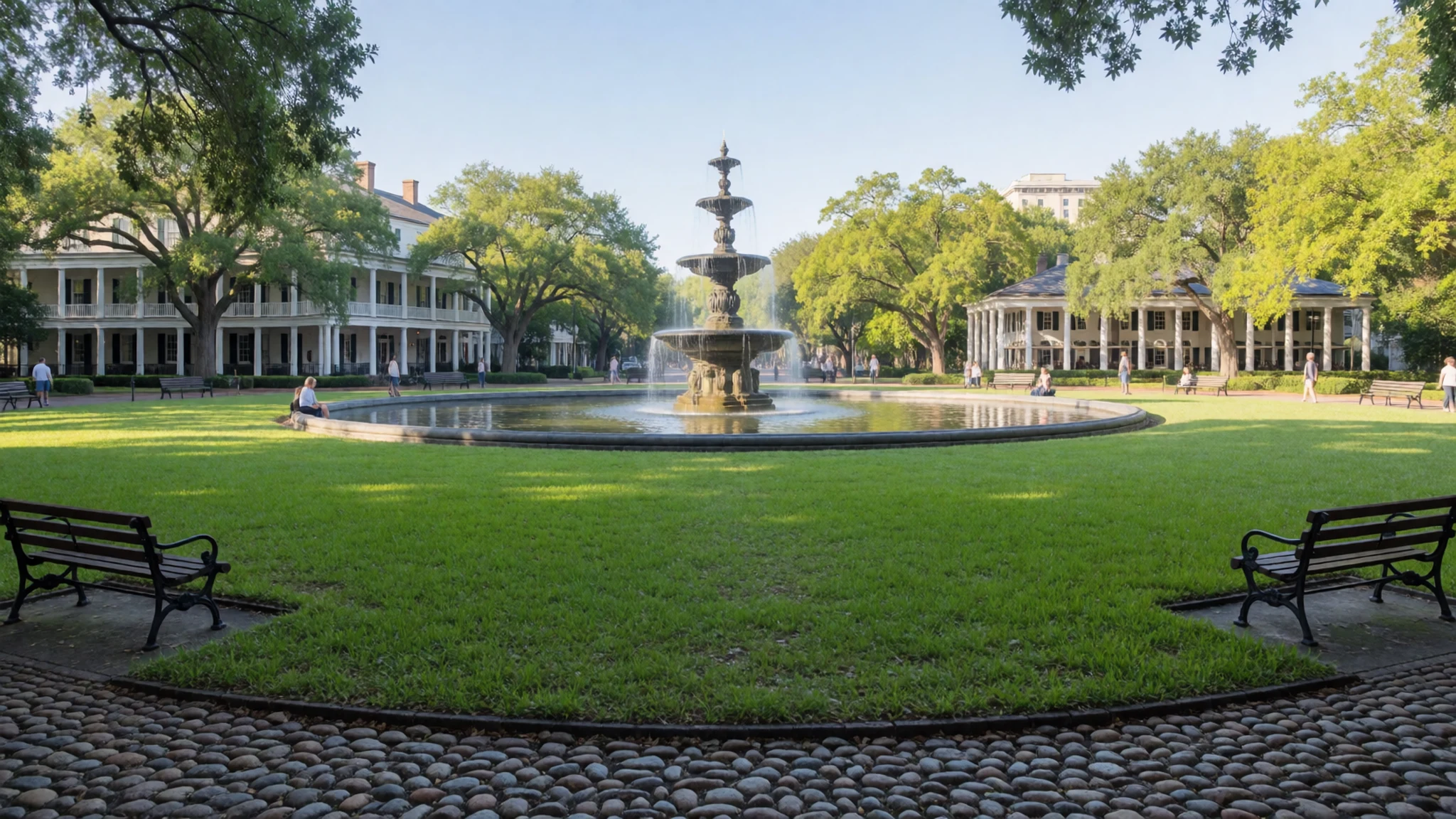
- Georgia State Railroad Museum — West of the historic squares
The Georgia State Railroad Museum holds several vintage pieces of rolling stock, an operating model train layout and an operating turntable. It suits a rainy afternoon or a visit with children, since the engines and carriages can be explored at close range. Check the official site before going, as opening days and times change with the season.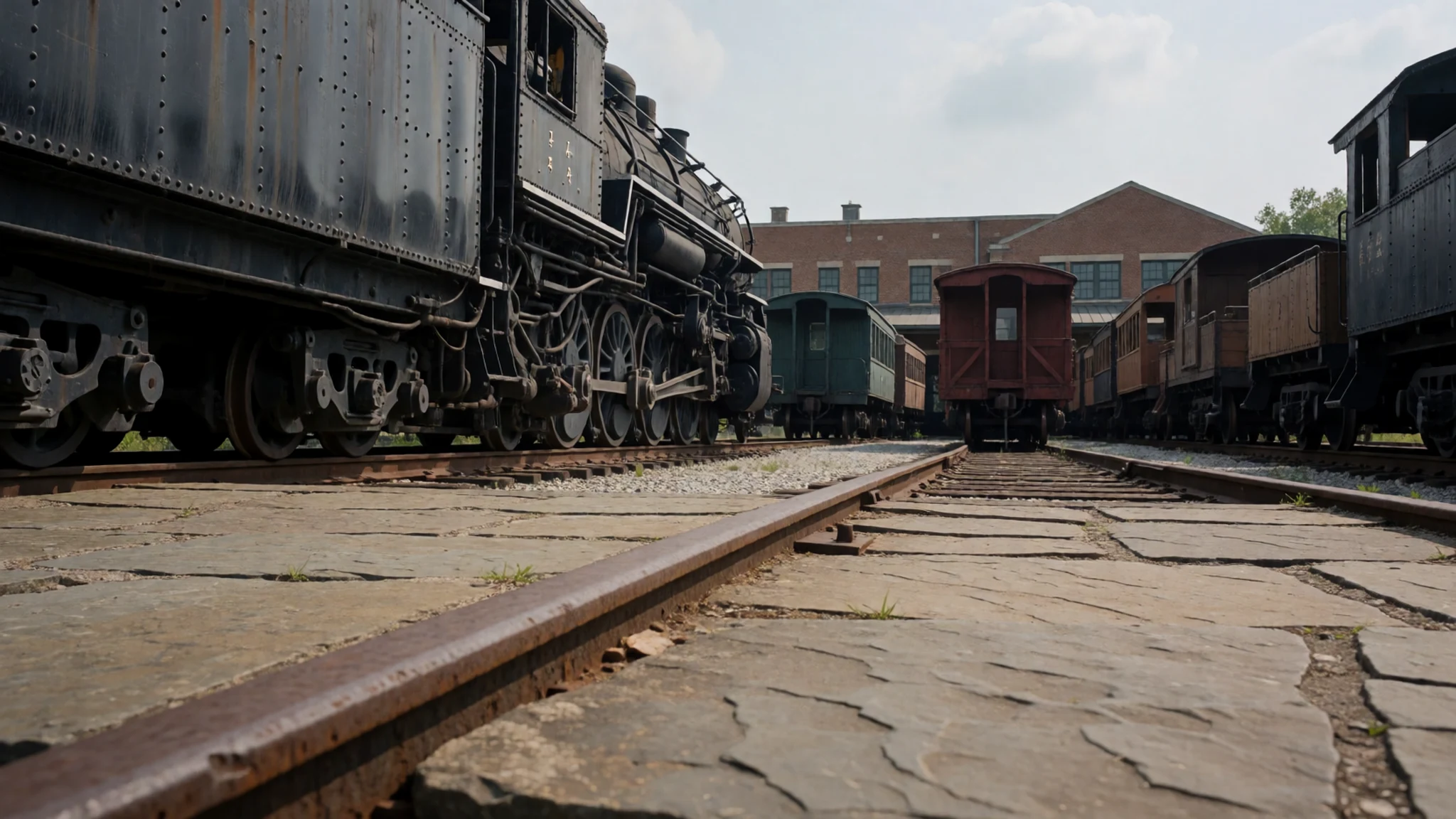
- Plant Riverside District — Riverfront, north-west of the centre
Plant Riverside District is a former power plant that was decommissioned and then redeveloped into a mixed-use district on the river. It offers a useful contrast to the squares, a reminder of the city's industrial side. The riverside setting makes it a pleasant walk from the centre, and the old plant structures give the place its character.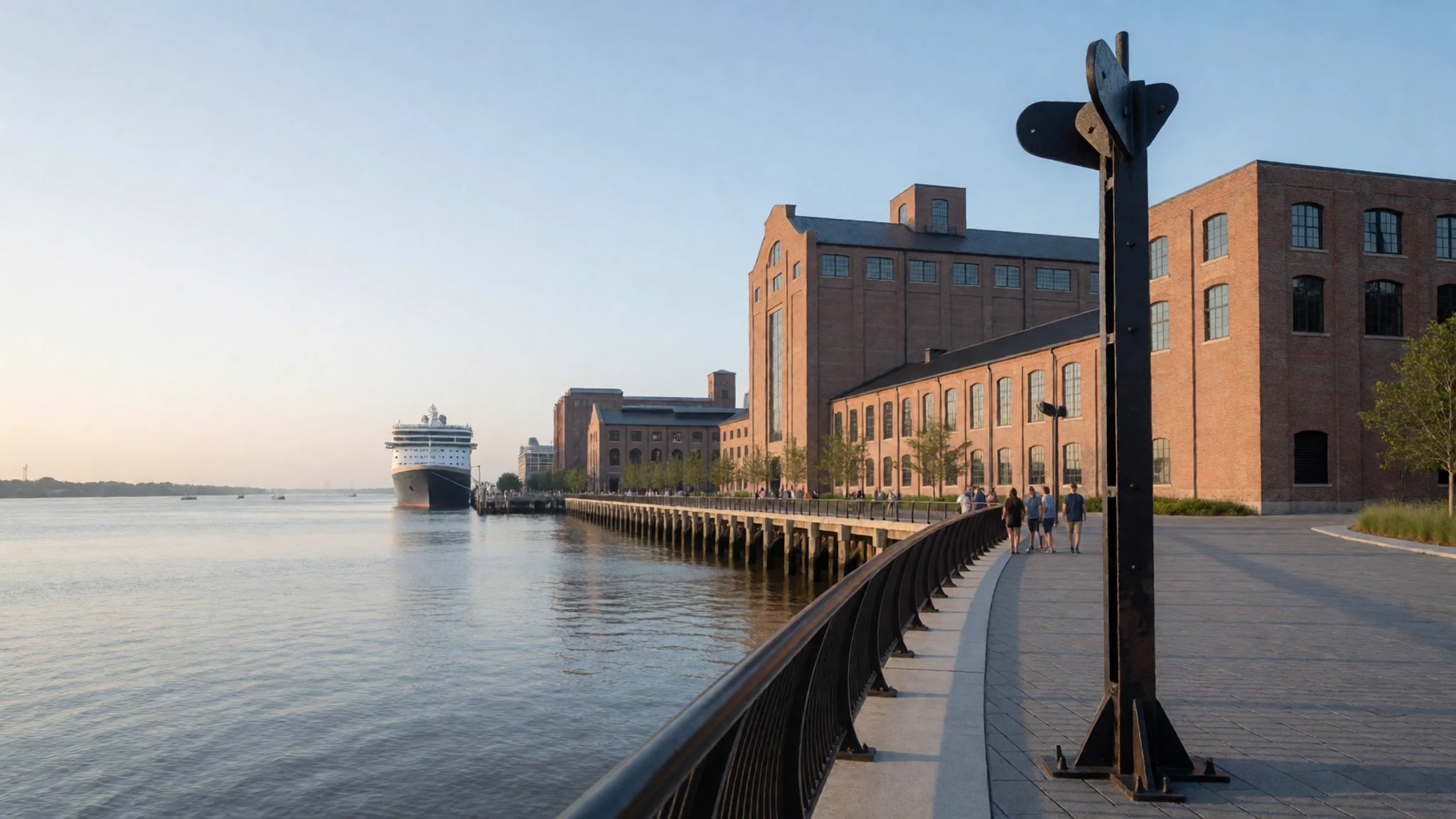
Culture
Savannah's arts scene is larger than its size suggests. The Savannah Book Festival is held each winter around the historic squares, with free talks by dozens of contemporary writers, and literary events are scattered through the rest of the year. The city is also the birthplace of the novelist Flannery O'Connor, who lived here until she was a teenager. Her childhood home is now a museum with its own literary programme, including the Ursrey Lecture, which honours American fiction writers. John Berendt's 1994 nonfiction book Midnight in the Garden of Good and Evil, set in the historic centre, has drawn many readers to its houses and squares, and some arrive expecting a tour of its characters.
Religious life runs deep here. The Congregation Mickve Israel synagogue and the city's churches are working places of worship, and their congregations keep regular services and community events. When you visit the synagogue or the cemeteries, dress modestly, keep your voice low and ask before photographing people or the inside of a service.
What to wear
Savannah's traditional dress is mostly the Anglo-American clothing of the colonial and nineteenth-century South. Visitors see it in museum collections: linen and cotton day dresses, waistcoats and tailored coats from the eighteenth century, and silk gowns with hooped skirts from the parlour era. The Lowcountry's older craft traditions, including sweetgrass basket weaving brought by Gullah Geechee communities, are closer to everyday life than formal dress.
What people wear now is relaxed and warm-weather. In summer, linen shirts, sundresses and seersucker are common, with flat sandals or canvas sneakers on the pavements. In the evening, smart-casual is the norm, and restaurants on the squares rarely ask for more than clean trousers or a simple dress.
For a visit, choose light, breathable cotton or linen, since summer humidity is heavy. Pack a sun hat, sunglasses and a light layer for air-conditioned interiors. Comfortable closed shoes matter more than fashion, because the old brick pavements and cobblestones are uneven. Cover shoulders and knees for churches and the synagogue.
What to eat
- Shrimp and grits — Breakfast counters and casual eateries around the historic squares
Shrimp and grits is the Lowcountry staple: shrimp in a savoury gravy, served over creamy stone-ground grits. Find it at breakfast counters and casual eateries around the squares, where it often appears on the menu all day.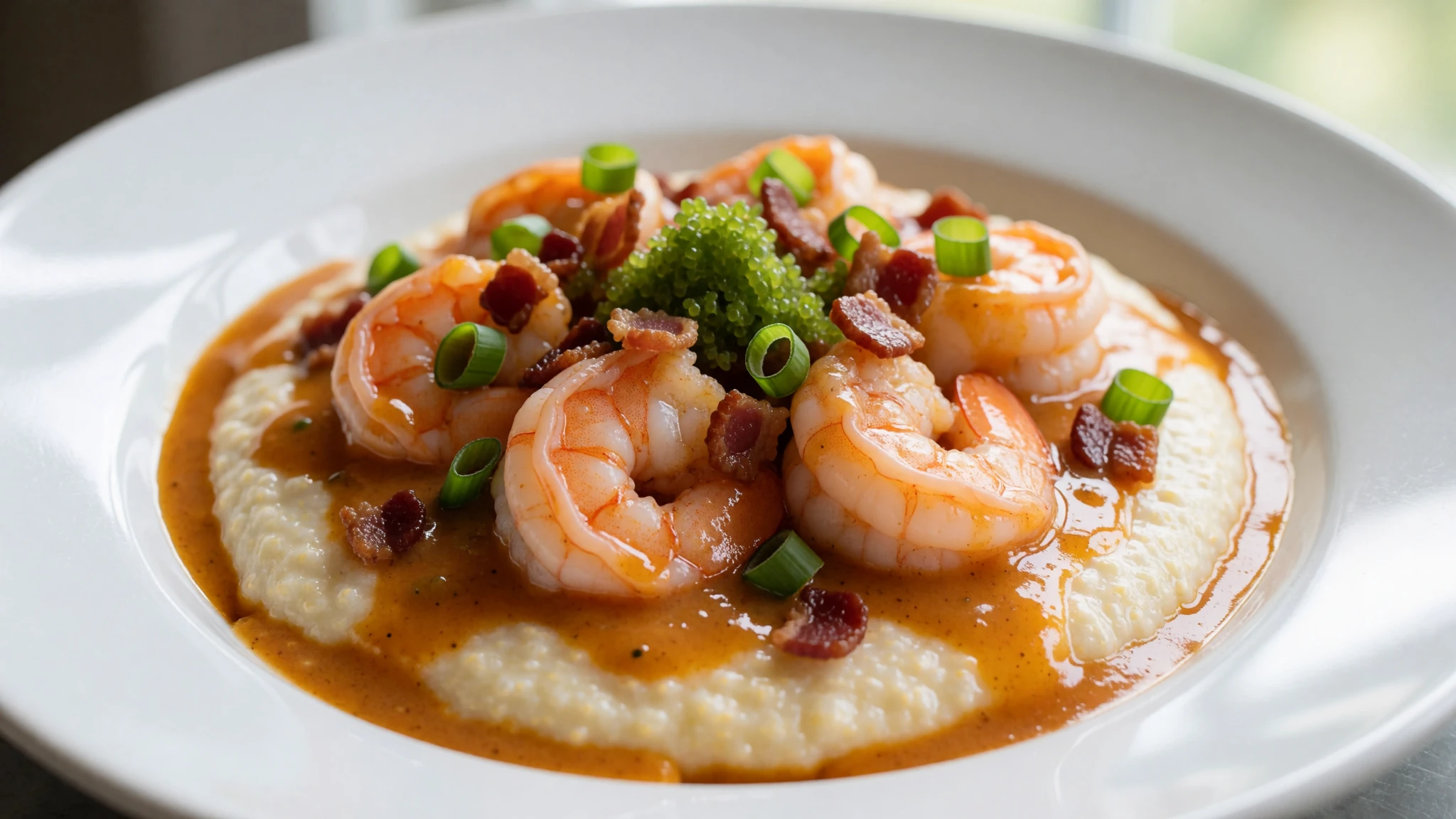
- She-crab soup — Traditional Southern restaurants in the historic centre
A rich, creamy soup thickened with crab and finished with a splash of sherry. It is a local speciality on the menus of traditional Southern restaurants, and it is especially good in cooler months.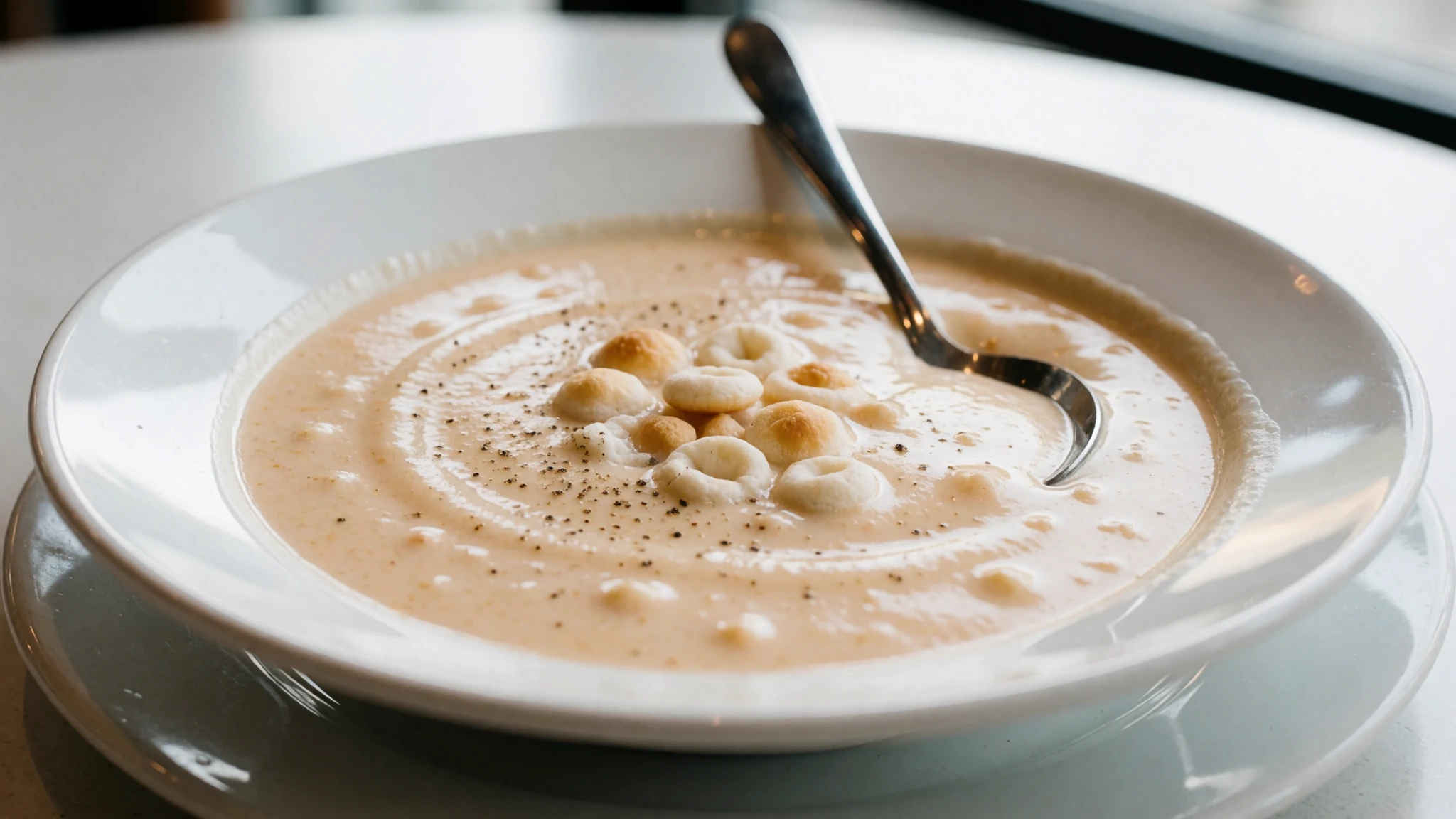
- Savannah red rice — Home-style menus across the historic centre and City Market
Long-grain rice cooked with tomato, bacon and onion, a dish that shows the city's Lowcountry cooking. It is served as a side with fish or chicken and appears on home-style menus across the centre.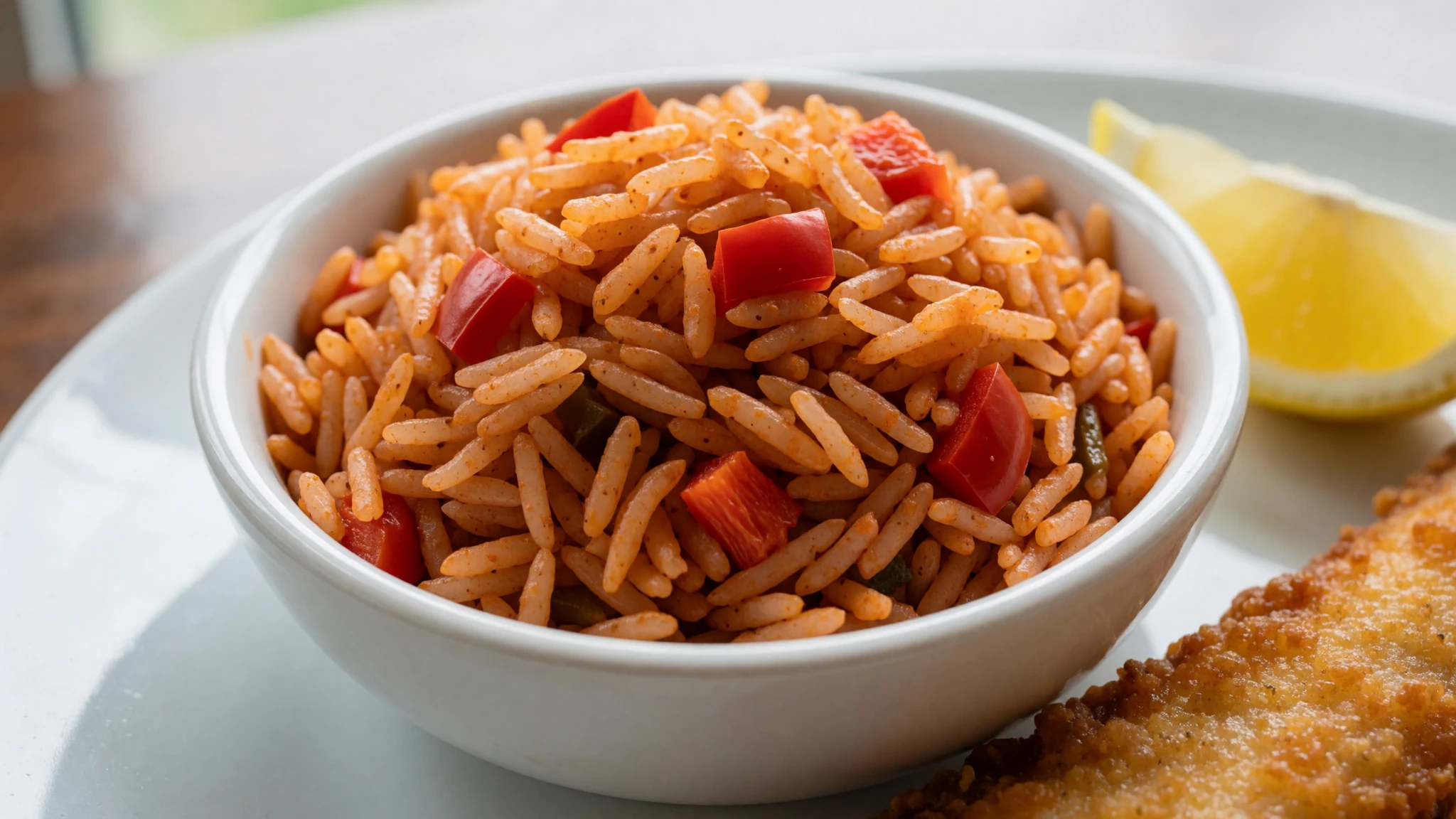
- Fried chicken and biscuits — Family-run eateries in the historic district and nearby neighbourhoods
Crisp fried chicken served with flaky buttermilk biscuits is a hearty Southern breakfast and lunch. Look for it at family-run eateries in the historic district and in the neighbourhoods just beyond it. - Benne wafers — Bakeries and gift shops in the historic centre
Thin, crisp biscuits flavoured with toasted sesame seeds, a sweet reminder of the city's older baking traditions. They are sold as a gift and a snack, and make an easy souvenir to take home.
Plan it
Best time. March and April bring mild weather and spring blossom, and November and December bring cooler, drier days. Summer is hot and humid with afternoon storms, and the hurricane season runs into the autumn.
How long. 2–3
Getting there. Fly into Savannah/Hilton Head International Airport, or into a larger hub such as Atlanta or Charlotte, then take a rental car or a train or bus. Amtrak serves Savannah on several long-distance routes, but the station is a little way out of the centre, so the last leg is a taxi, rideshare or local bus.
Budget. mid
Tips
- Book accommodation early for spring and autumn weekends, when the historic squares are busiest
- Walk the squares before 9 am, when the streets are cool and quiet
- Carry water and plan indoor stops for the afternoon heat
- Keep cash for small vendors and tips, and expect cards to be accepted almost everywhere else
- Check the official visitor site before booking tours or museum visits
Etiquette
- Keep your voice down near cemeteries and places of worship
- Ask before photographing people, especially at religious sites
Nearby
Sources
- Wikidata Q83813 (CC0)
- Wikipedia, Savannah, Georgia (rev 1380440206) (CC BY-SA 4.0)
- Wikivoyage, Savannah (rev 5386836) (CC BY-SA 4.0)
- Photo: Evening rooftop view of Savannah (RCraig09) (CC BY 3.0)
- Photo: River Street (Aude) (CC BY-SA 2.5)
- Photo: Savannah park with fountain (Fgrammen) (CC BY 3.0)
- Photo: Congregation Mickve Israel, side view (Bubba73) (CC BY-SA 4.0)
- Photo: Gingerbread House in Savannah (Photoartel) (CC BY 3.0)
- Photo: James Oglethorpe drawing (Bruce Tuten) (CC BY 2.5)
- Photo: The City and Harbor of Savannah, Georgia (J. O. Davidson) (Public domain)
- Photo: Savannah GA night (Tim Johnson) (CC BY 2.5)


