Skógafoss
Skógafoss, Iceland
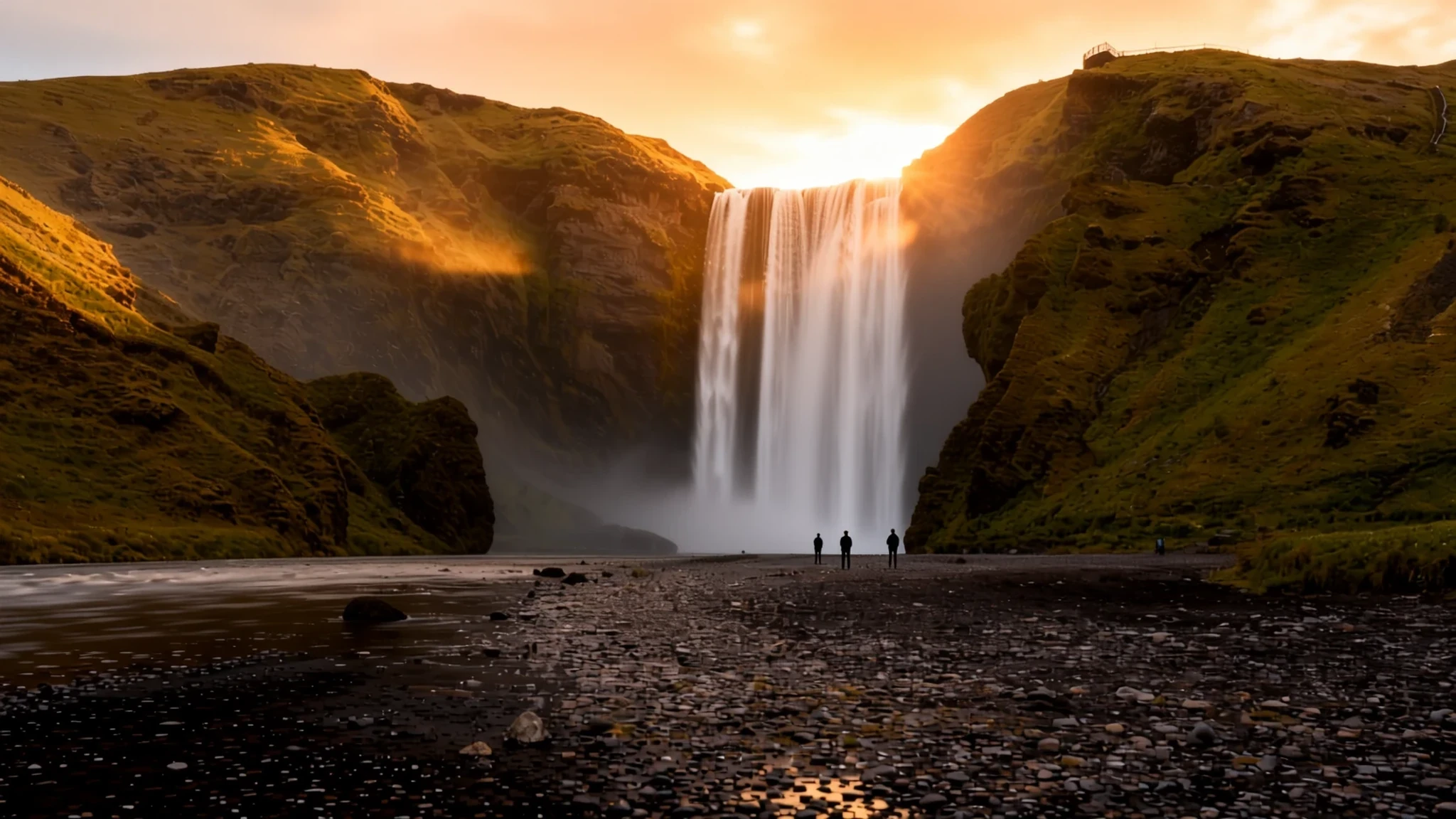
Skógafoss stands as an immense wall of water fed by ancient rivers, offering travellers a dramatic meeting point between coastal plains and rugged highlands.
The place
Skógafoss sits proudly on the Skógá River in the southern reaches of Iceland, marking the precise line of a former sea cliff. When the ancient coastline receded, leaving the ocean miles behind, these parallel bluffs remained as a stark natural barrier dividing the green coastal lowlands from the wild interior plateaus. As one of the largest waterfalls in the country, the torrent plunges over the precipice with immense force, sending up thick veils of heavy spray. On bright days, this constant atmospheric moisture catches the sunlight to create vivid single or double rainbows arching across the green gorge. Visitors who walk right up to the roaring base will find themselves thoroughly drenched within moments, wrapped in the damp thunder of falling water. A steep staircase hugs the eastern side of the cliff, climbing past the tumbling stream to an elevated viewing platform at the crest. From this high vantage point, the river winds away inland toward the dramatic volcanic wilderness of the southern ranges. The surrounding region feels rich and agricultural, yet carries an untamed edge where moss-covered rocks meet black volcanic sand. Visitors travelling along the southern route find this roaring cataract an unmistakable landmark, drawing footsteps from across the globe to witness its raw and elemental power.
Its story
Skógafoss carries deep echoes of folklore through the generations, woven firmly into the narrative heritage of the south. According to traditional local accounts passed down through centuries, the very first Viking settler in this coastal district, a chieftain named Þrasi Þórólfsson, concealed a magnificent chest of gold inside a hidden cavern situated directly behind the curtain of falling water. Generations later, adventurous local farmers spotted the glinting metal chest deep within the recess and managed to hook a heavy metal ring attached to its side. Yet as they pulled with all their might, the ring reportedly tore free from the vessel, leaving the treasure to vanish forever into the subterranean gloom. Storytellers say the ancient metal ring was subsequently donated to the local house of worship, where it served duty for many years on the heavy wooden entry door before finding a permanent home in the regional heritage collection at Skógar. Beyond treasure lore, the surrounding agricultural valleys served as the primary stage for several classic Icelandic sagas detailing the lives, feuds, and triumphs of early medieval heroes. Although the ancient timber homesteads mentioned in these historic tales have long since vanished into the damp earth, the enduring landscape remains completely unchanged, reminding modern travellers of the resilient spirit required by those who first settled these volcanic plains.
What to see
- Seljalandsfoss — West of Skógar
Seljalandsfoss drops as a slender ribbon of water over a high coastal cliff just west of Skógar, famous for a hidden footpath that lets adventurous travellers walk completely behind the roaring cascade.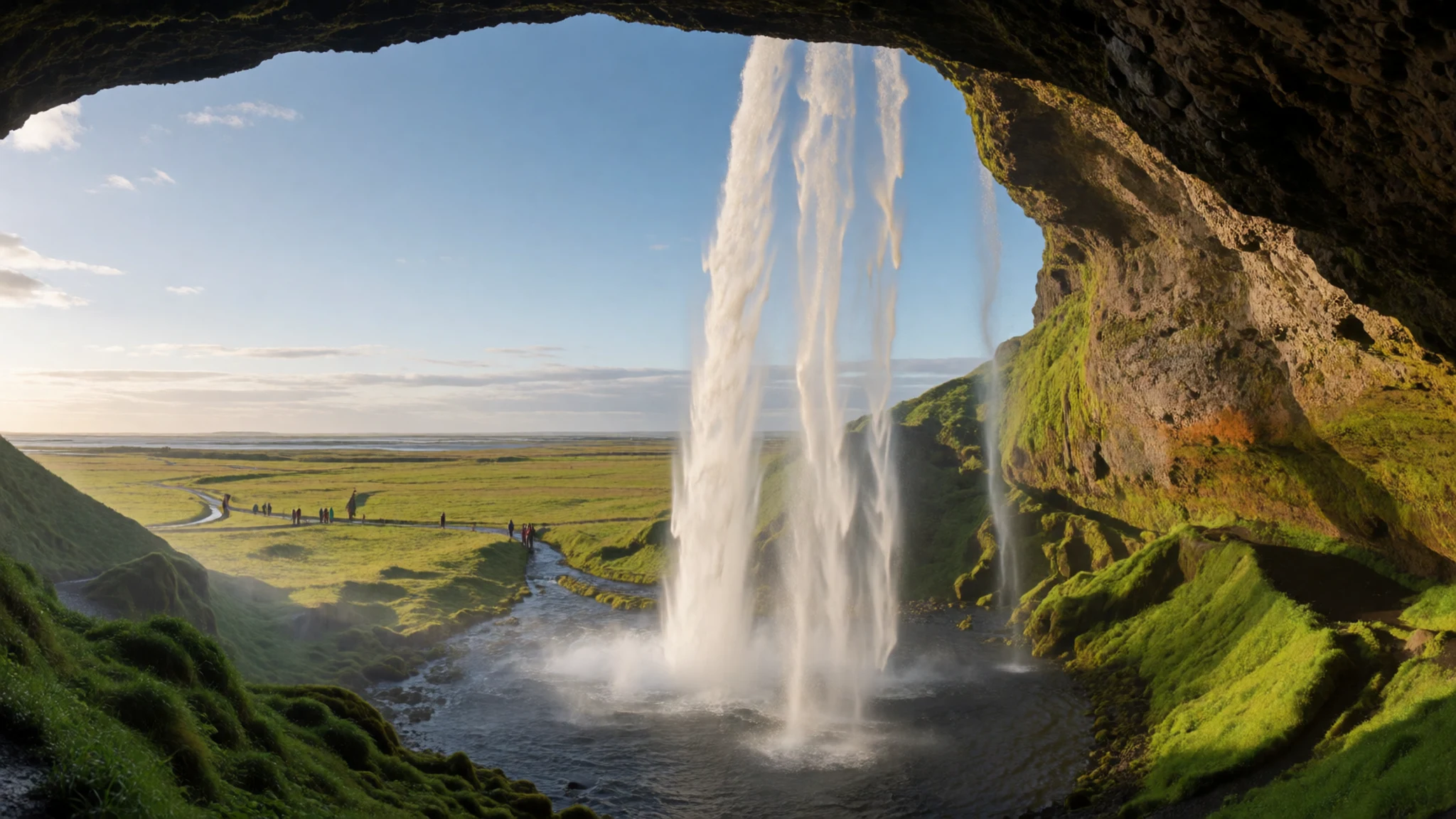
- Fjaðrárgljúfur Canyon — Near Kirkjubæjarklaustur
Fjaðrárgljúfur Canyon is a serpentine gorge carved by glacial waters over millennia, featuring sheer serpentine walls draped in emerald moss near the eastern village of Kirkjubæjarklaustur.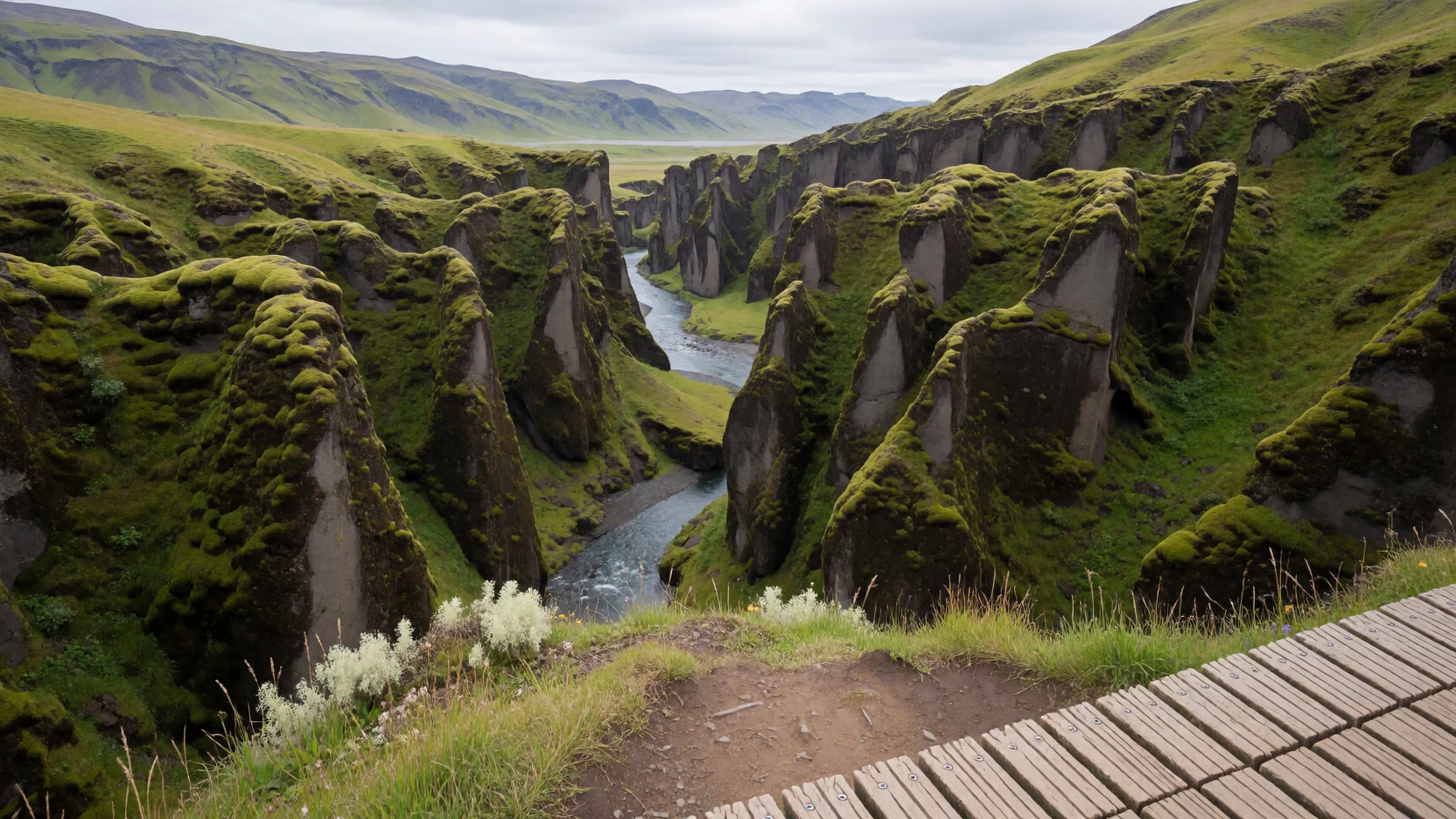
- Fimmvörðuháls Trail — Eastern ridge of Skógafoss
Fimmvörðuháls Trail is a demanding high-altitude mountain route beginning near the eastern side of the waterfall, winding upward between two massive glacial systems toward the interior valleys.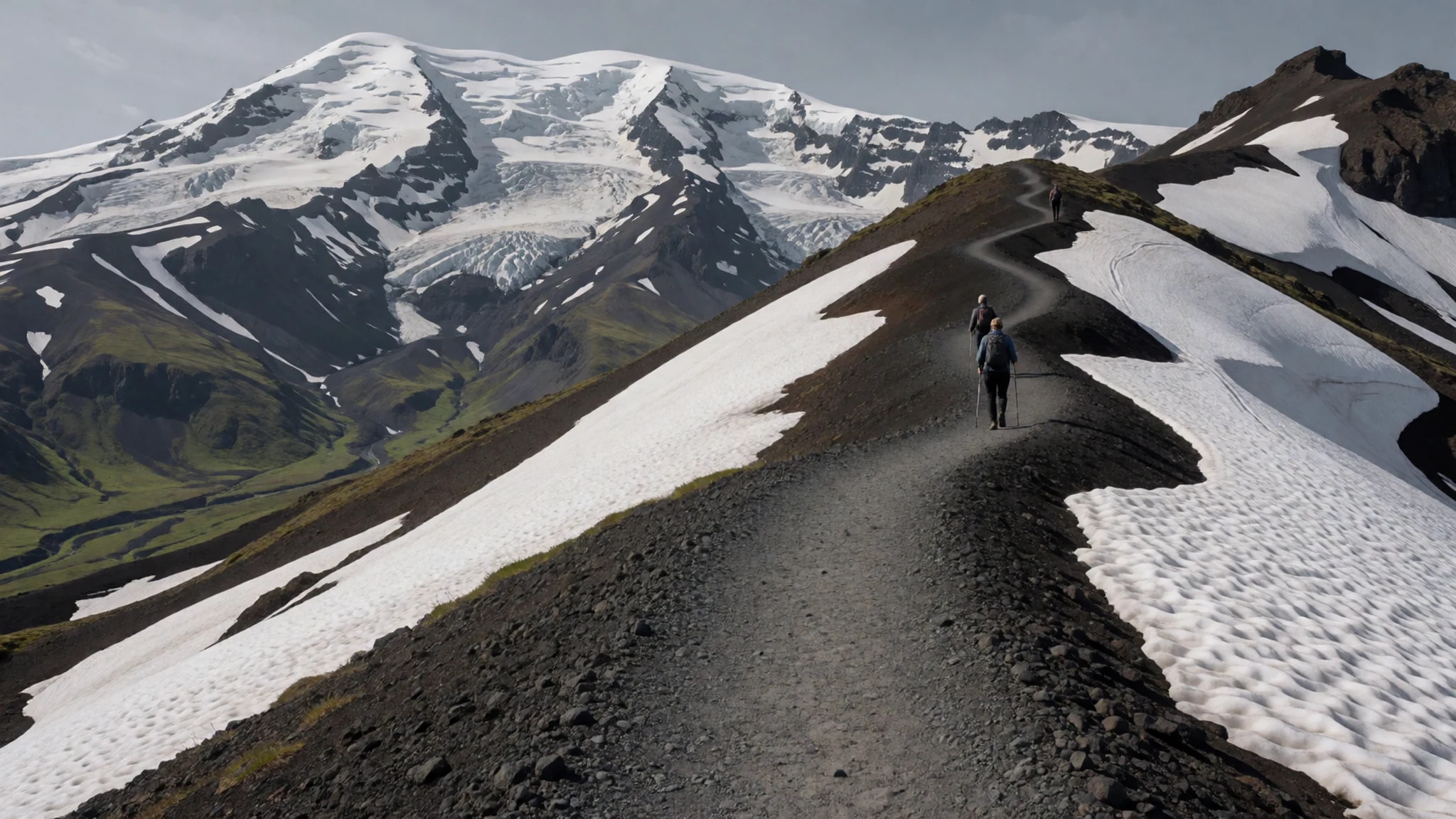
- Skógar Museum — Skógar settlement
Skógar Museum preserves regional heritage through historic turf houses, traditional farming implements, and folk artifacts gathered from across the agricultural districts of the southern lowlands.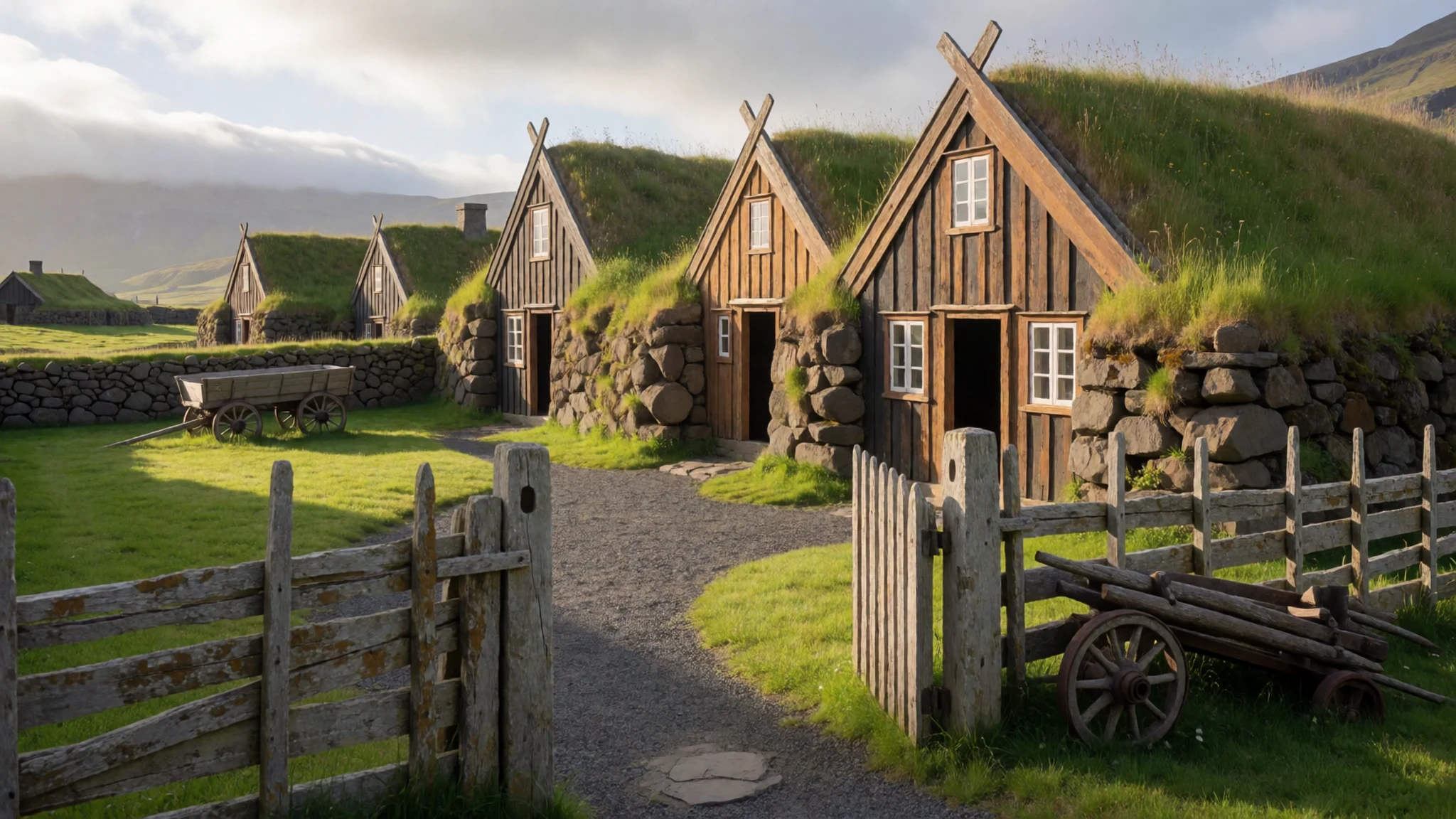
- Þórsmörk Nature Reserve — Interior highlands
Þórsmörk Nature Reserve is a sheltered highland valley surrounded by glacial rivers and jagged peaks, accessible by specialized mountain buses departing regularly from nearby southern parking lots.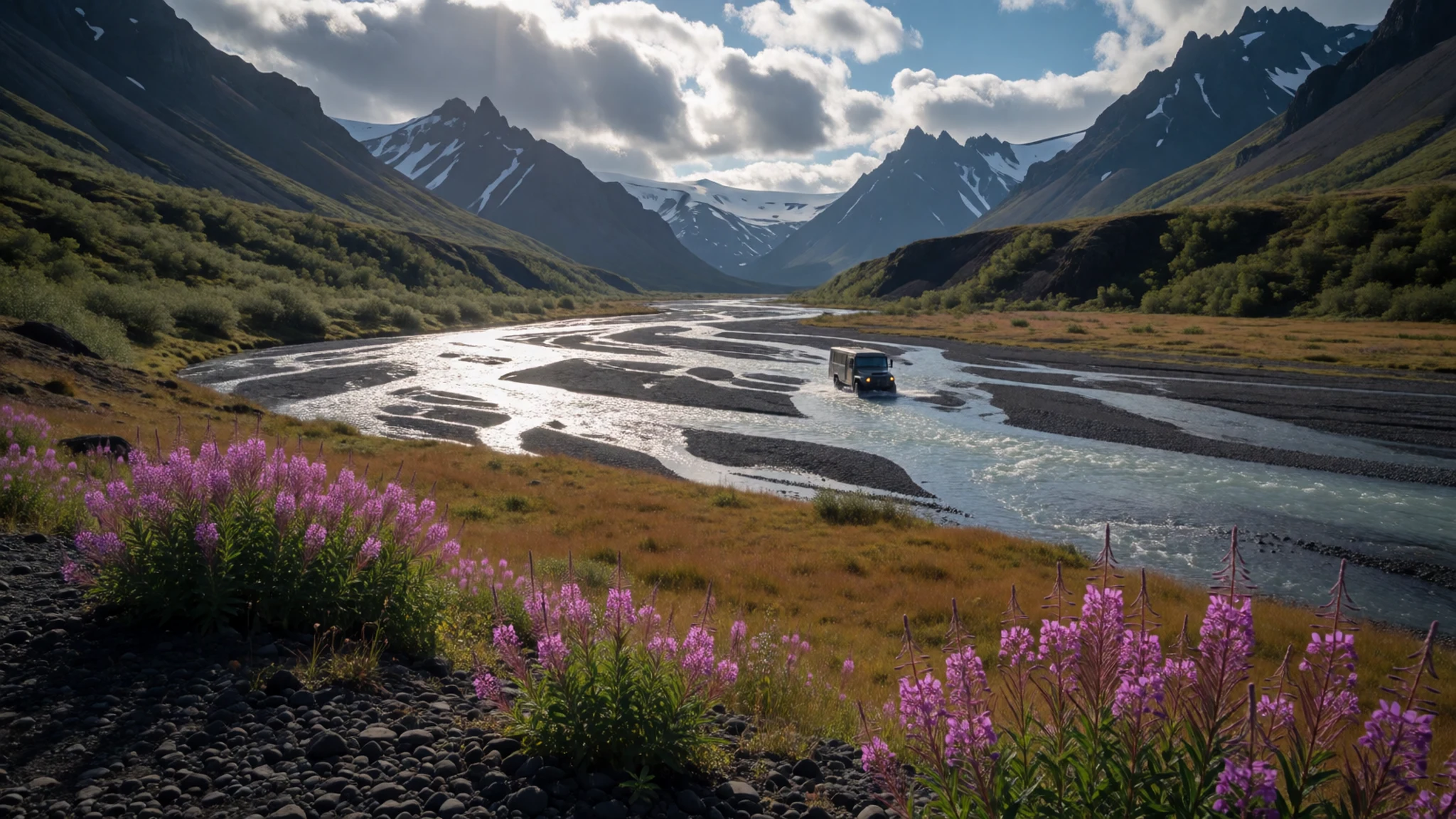
Culture
Skógafoss and the surrounding southern lowlands reflect a deeply rooted rural heritage shaped by generations of farming, fishing, and adapting to a demanding northern climate. Local communities take immense pride in preserving their traditional crafts, oral history, and architectural styles, often showcasing historical artifacts and folklore in regional cultural centres. Hospitality in these agricultural districts is warm and unpretentious, rooted in cooperative community bonds that have sustained generations through harsh winters and volcanic eruptions alike. Traditional music and storytelling remain vibrant elements of everyday gatherings, keeping ancient sagas alive alongside contemporary arts. Travellers exploring the countryside will notice a strong reverence for the natural environment, where rivers, mountains, and rock formations are treated with deep respect and mindfulness. When visiting rural settlements or entering local heritage houses, always remove muddy outdoor footwear at the designated entryway to keep interior spaces clean and dry.
What to wear
Skógafoss and the wider Icelandic countryside require practical, weather-resistant attire rather than formal traditional garments. Historically, Icelanders relied heavily on homespun wool to create durable sweaters and heavy cloaks capable of turning freezing rain and harsh coastal gales. Today, locals dressing for daily life combine modern outdoor technical wear with classic woollen knitwear, especially the iconic patterned lopapeysa sweater spun from untreated sheep's wool. For travellers visiting the waterfall, proper clothing is essential for comfort and safety. Because the roaring cascade generates a continuous, heavy mist that can soak standard clothing within seconds, a reliable waterproof jacket and water-resistant trousers are absolutely mandatory. Sturdy, broken-in hiking boots with good ankle support are necessary for climbing the steep, uneven stone steps leading to the top of the cliff or venturing onto surrounding muddy trails. Layering with breathable thermal undergarments helps regulate body heat against sudden chills brought by ocean winds.
What to eat
- South Coast Arctic Char — Local restaurants and farm shops across South Iceland
South Coast Arctic Char is a prized freshwater fish known for its delicate texture and rich flavour, harvested from pristine local rivers and lakes across the agricultural districts.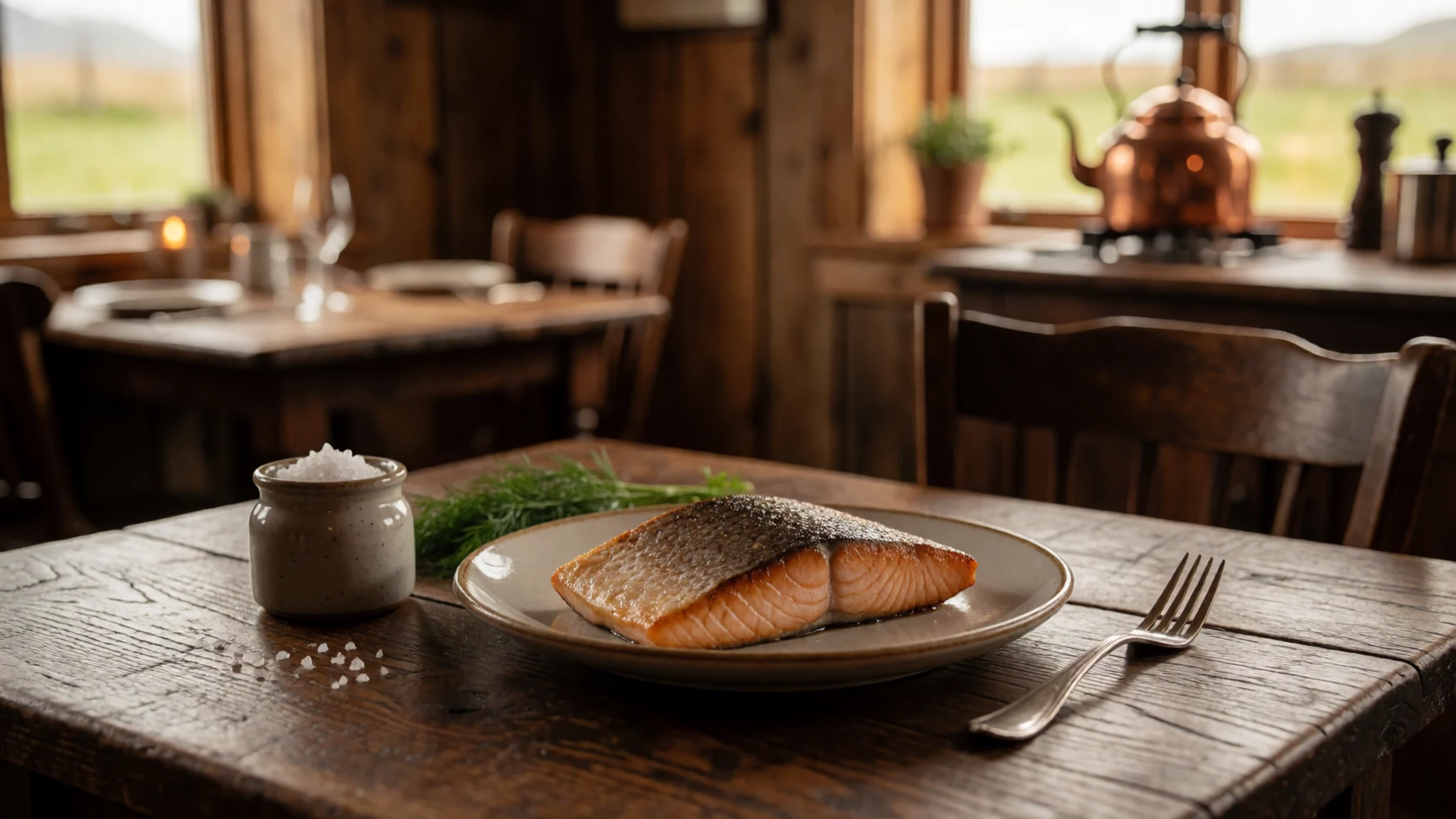
- Icelandic Lamb — Traditional country inns and eateries throughout the southern region
Icelandic Lamb features tender, free-range meat from animals that graze freely on wild mountain herbs and grasses throughout the brief summer months.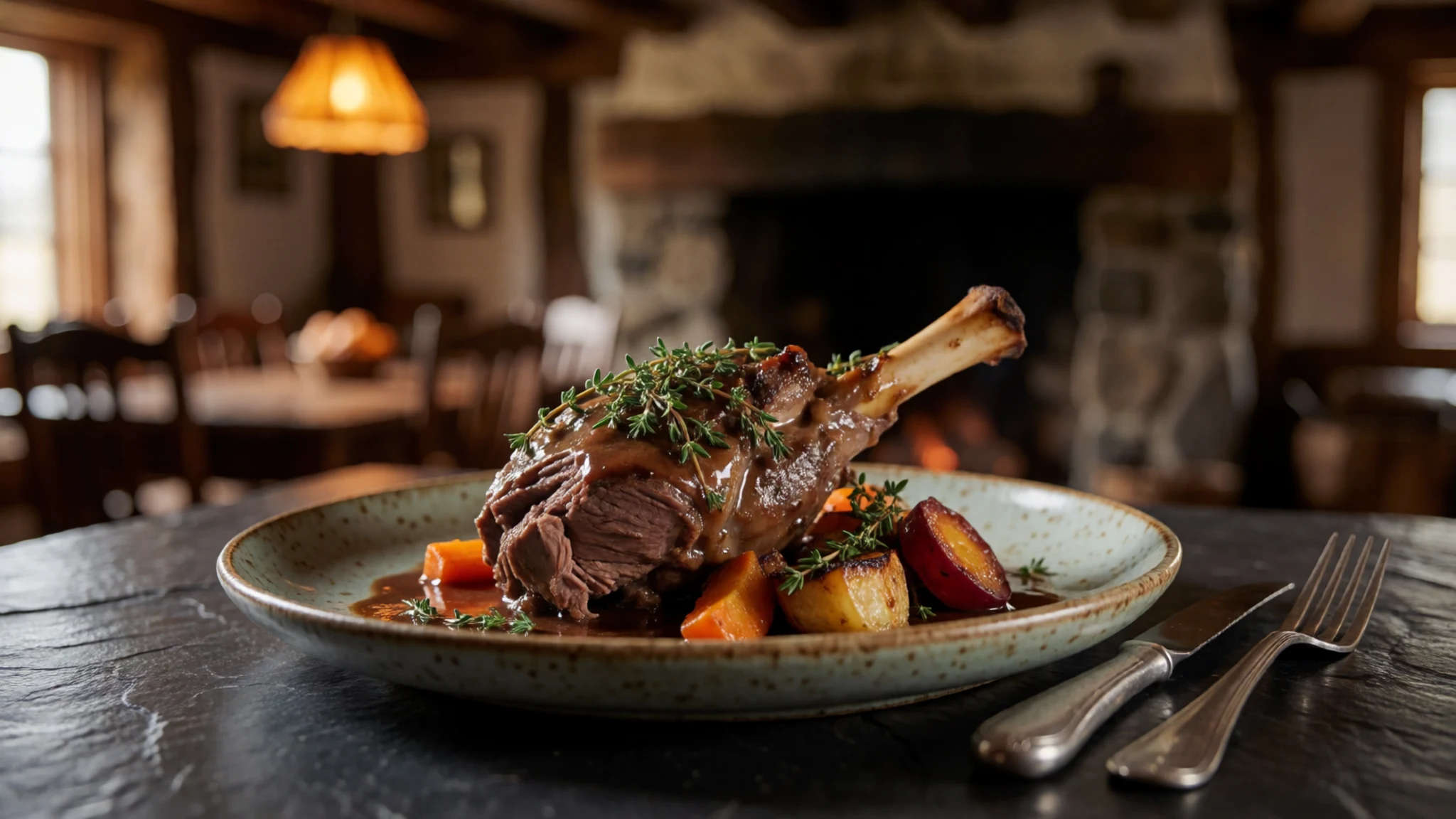
- Local Brewery Ales — Country pubs and restaurants around Selfoss and the southern towns
Local Brewery Ales include craft beers produced by regional independent brewers using pure glacial water and local grains, offering distinctive regional character. - Rye Bread Baked in Geothermal Soil — Roadside farm stalls and regional bakeries
Rye Bread Baked in Geothermal Soil is a dark, sweet bread traditionally cooked by burying pots in warm volcanic earth near geothermal hot springs. - Skyr Dairy Specialties — Any local supermarket or country cafe in the region
Skyr Dairy Specialties are thick, protein-rich cultured dairy products derived from ancient culinary traditions, often served fresh with cream and berries.
Plan it
Best time. June through August offers the most accessible weather, extended daylight hours, and open mountain roads, though summer also brings the highest volume of visitors to the site.
How long. 2–3
Getting there. Take the Ring road east from Reykjavík by rental car, which provides the most direct and flexible route to the southern coast.
Budget. mid
Tips
- Arrive early in the morning before tour coaches arrive to experience the waterfall in relative peace
- Wear complete waterproof gear when walking close to the crashing basin to avoid getting soaked
- Exercise extreme caution near the shoreline as sudden Atlantic waves can sweep unsuspecting visitors out to sea
- Keep headlights on at all times while driving, as required by local traffic regulations
- Carry bank cards for purchases as cash is rarely needed throughout the country
Etiquette
- Remove muddy hiking boots at doorway entrances before stepping inside indoor heritage sites and cafes
- Stay strictly on marked footpaths to protect fragile moss and vegetation from irreversible damage
- Respect local farmland boundaries and never climb over private fences or gates
Nearby
Sources
- Wikidata Q1130718 (CC0)
- Wikipedia (CC BY-SA 4.0)
- Wikivoyage (CC BY-SA 4.0)