Siwa
Siwa, Egypt
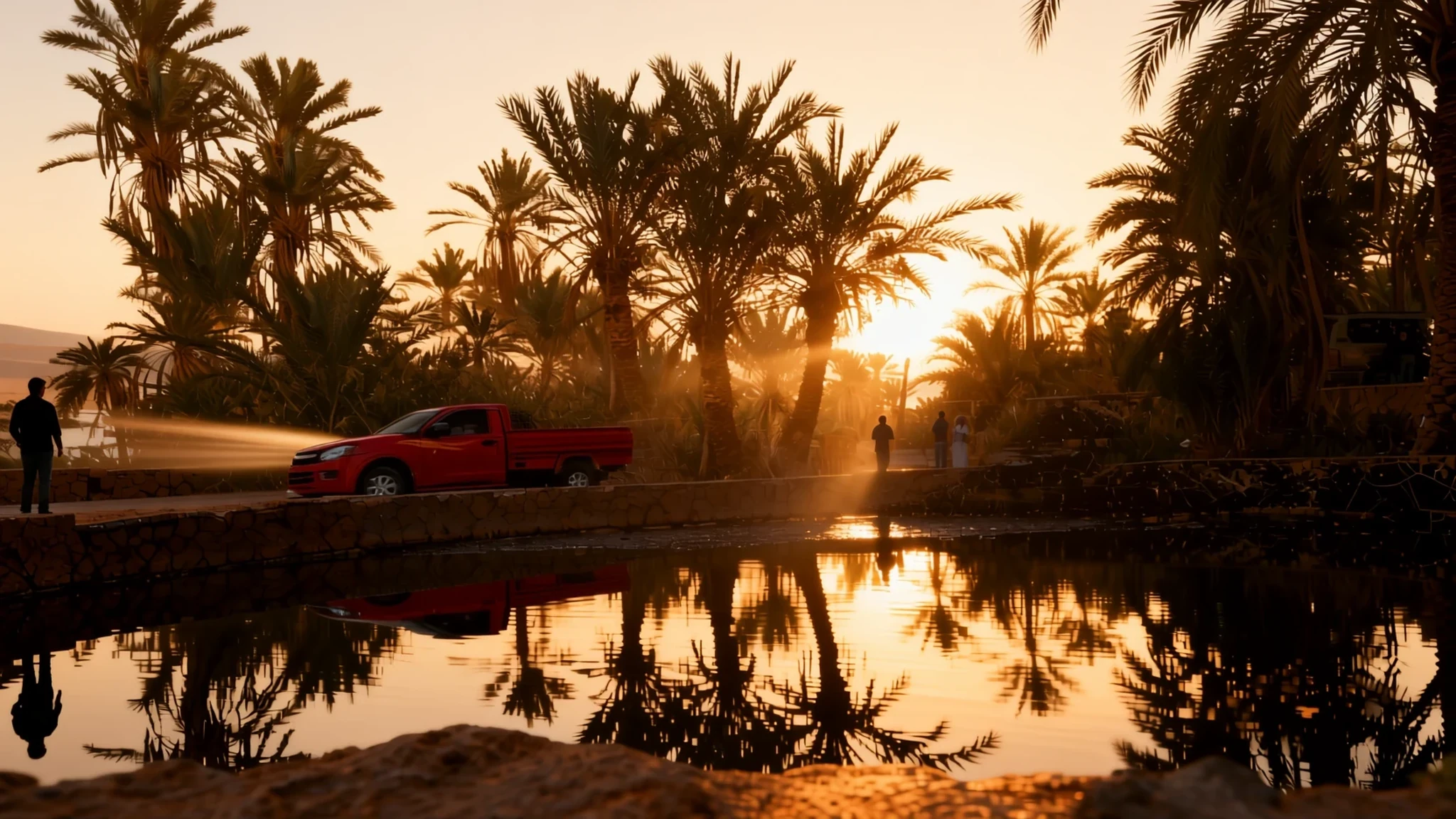
Siwa is a remote desert sanctuary where ancient springs feed endless palm groves, distinct Berber traditions endure, and history echoes through ancient mud ruins.
The place
Deep within the Western Desert of Egypt, nestled between the vast Great Sand Sea and the Qattara Depression, lies the remote urban sanctuary of Siwa Oasis. Positioned not far from the Libyan frontier, this verdant depression sits well below sea level, shielded from the surrounding arid expanse by sheer limestone cliffs and rugged inselbergs. Natural artesian wells and underground springs bubble up through the desert floor, feeding hundreds of flowing channels that sustain vast emerald groves of date palms and olive trees alongside reflective salt lakes.
Getting here has historically demanded patience and endurance, requiring travellers to traverse hundreds of kilometres of open highway across the desert from the Mediterranean coast or the Nile Valley. For generations, this geographic isolation kept the oasis protected, allowing a distinct culture to flourish independently from mainland Egypt. The local landscape is dominated by pale sedimentary rock formations, ancient date plantations, and the dramatic mud-brick ruins of historic settlements that crumble gracefully into the warm desert air. The atmosphere is quiet and slow-paced, shaped by the rhythm of agricultural life, the shade of thick canopy cover, and the profound stillness of the surrounding dunes. As daylight fades over the salt lakes, the desert temperature drops sharply, giving way to brilliant, star-filled night skies untouched by urban light pollution.
Its story
Siwa carries a deep, layered history stretching back millennia, marked by eras of pharaohs, Greek conquerors, and Berber resilience. Archaeological records confirm human settlement here since ancient times, though its most famous epoch is tied to the Egyptian dynasties and the renowned Oracle of Amun. Ancient rulers and pilgrims undertook treacherous desert journeys to consult the oracle, seeking divine counsel from the deity the Greeks later equated with Zeus. Most famously, Alexander the Great marched across the sands here after founding Alexandria, where the oracle reportedly hailed him as a divine ruler and legitimate pharaoh.
Over the centuries, the oasis remained a stronghold of Berber culture, maintaining its own distinct language and social structures while interacting with Arab traders crossing the trans-Saharan pilgrim routes. The original town of Shali was constructed in the thirteenth century atop a natural hill, built from kersheef—a unique local amalgam of mud, salt, and sun-dried clay. For generations, families lived stacked into these labyrinthine defensive towers until heavy rains in the twentieth century melted portions of the citadel, prompting residents to move down into the surrounding valley floor. Today, these haunting ruins stand as a monumental sculpture overlooking the modern community, preserving the memory of centuries past.
What to see
- Shali Old Town — Central Siwa
Wander through the crumbling labyrinth of Siwa's original thirteenth-century settlement, where houses and defensive walls were constructed from kersheef mud-brick. The ruins tower over the modern town, offering remarkable elevated vantage points across the palm groves and surrounding desert basin at sunset.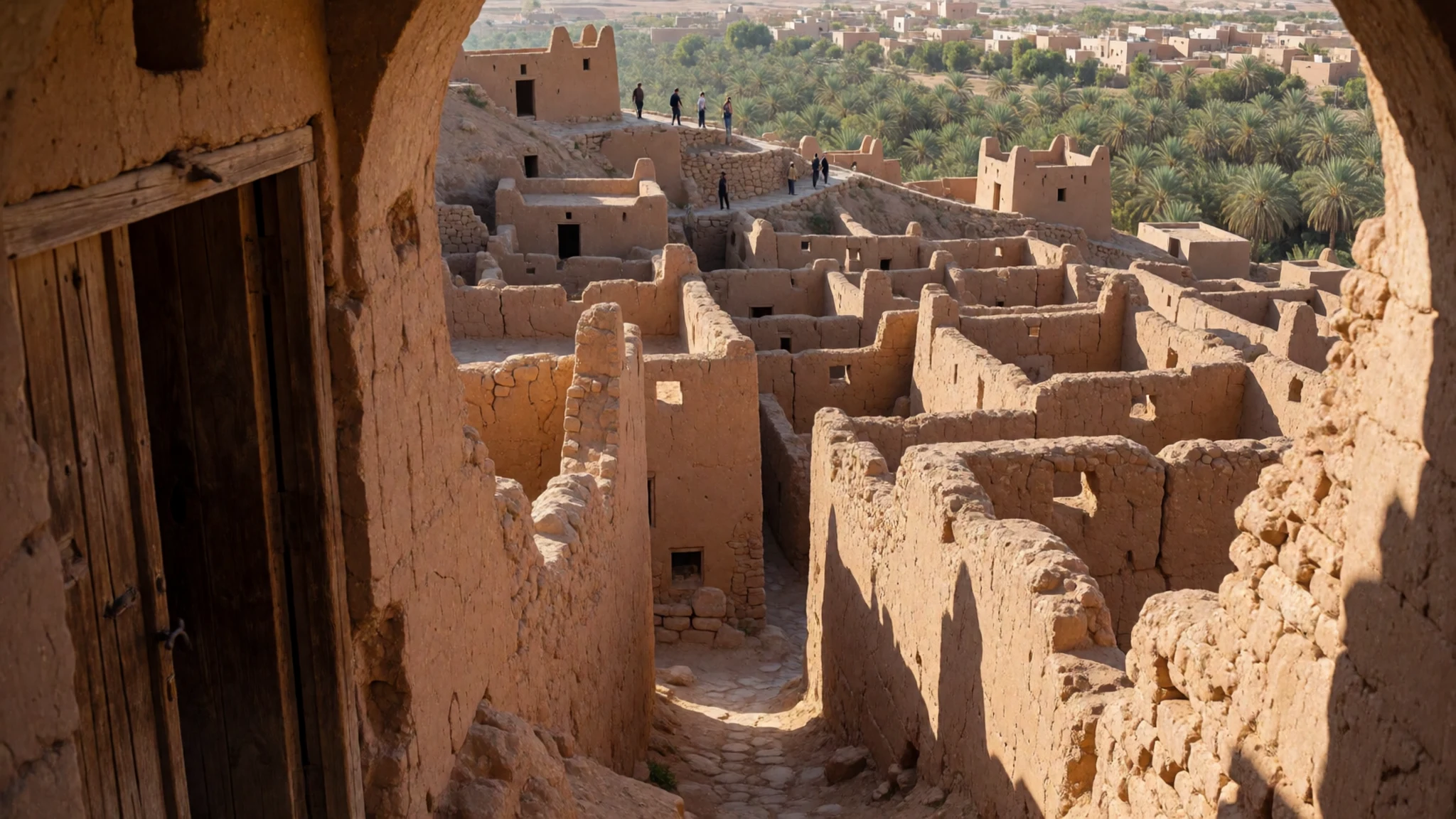
- Temple of the Oracle — Aghurmi village
Explore the historic ruins perched on a rocky outcrop where ancient travellers once sought divine prophecies from the god Amun. This is the very sanctuary that Alexander the Great visited during his desert campaign to cement his rule over Egypt.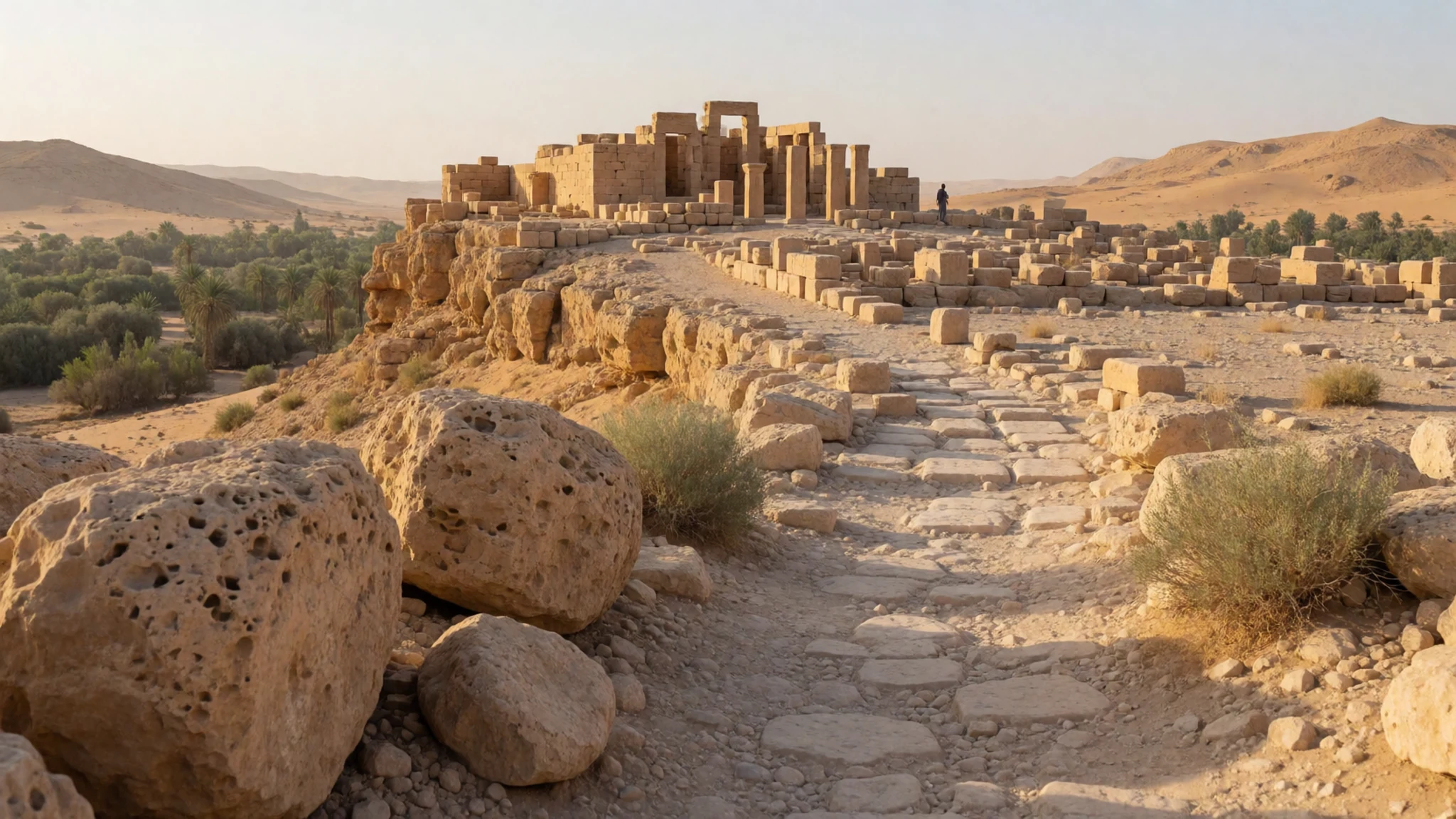
- Gebel el-Mawta — Northern Siwa
Discover this remarkable limestone hillock honeycombed with ancient rock-cut tombs dating back to the Ptolemaic and Roman eras. The highlight is a cluster of decorated burial chambers on the northeast slope, showcasing ancient artistic traditions carved directly into the living rock.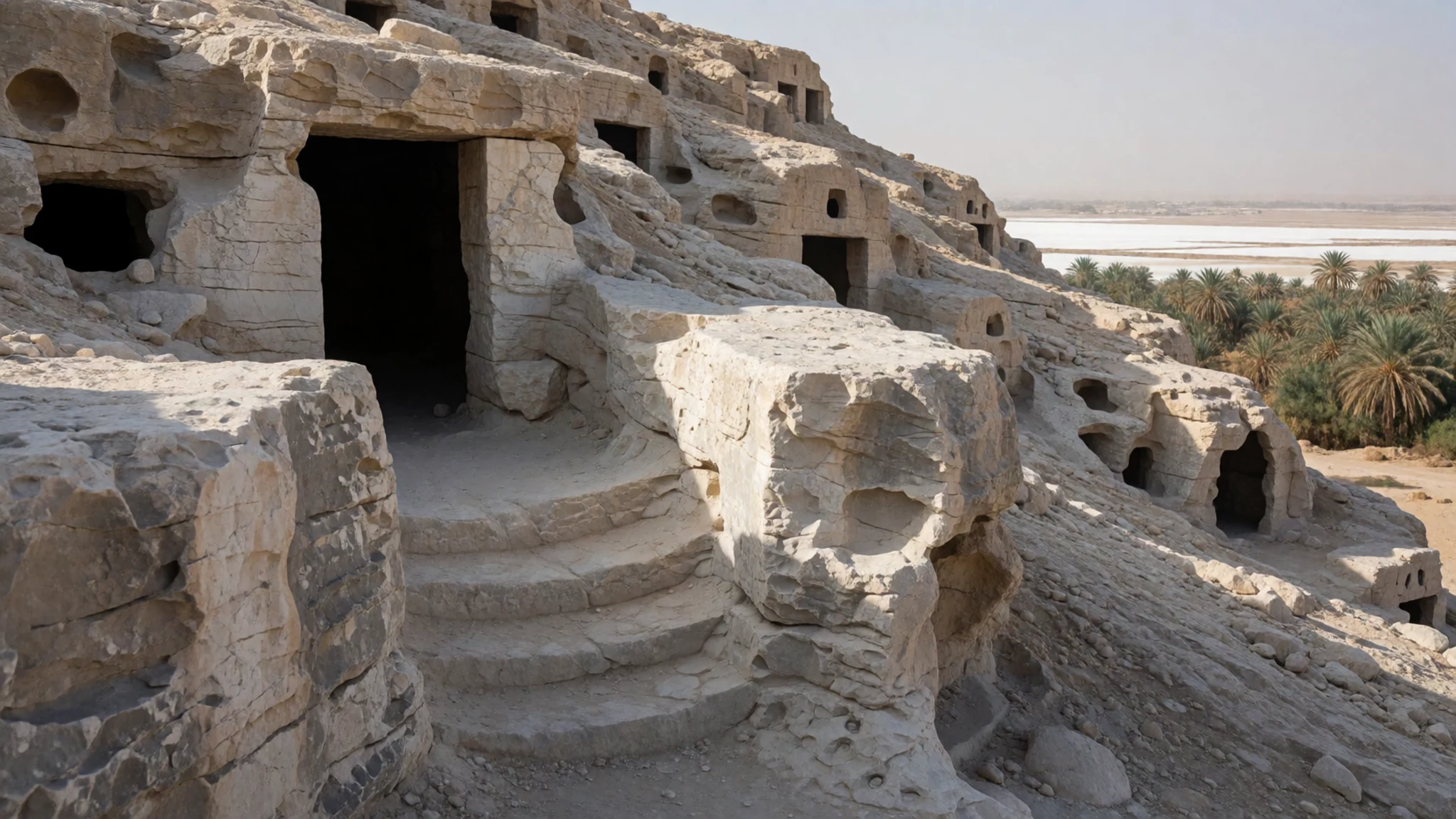
- Temple of Umm Ubeida — Near Aghurmi
Visit the solitary standing wall of this ancient sanctuary dedicated to Amun, constructed around the fourth century BCE. Early modern explorers frequently mistook these weathered stone blocks for the famed oracle temple nearby.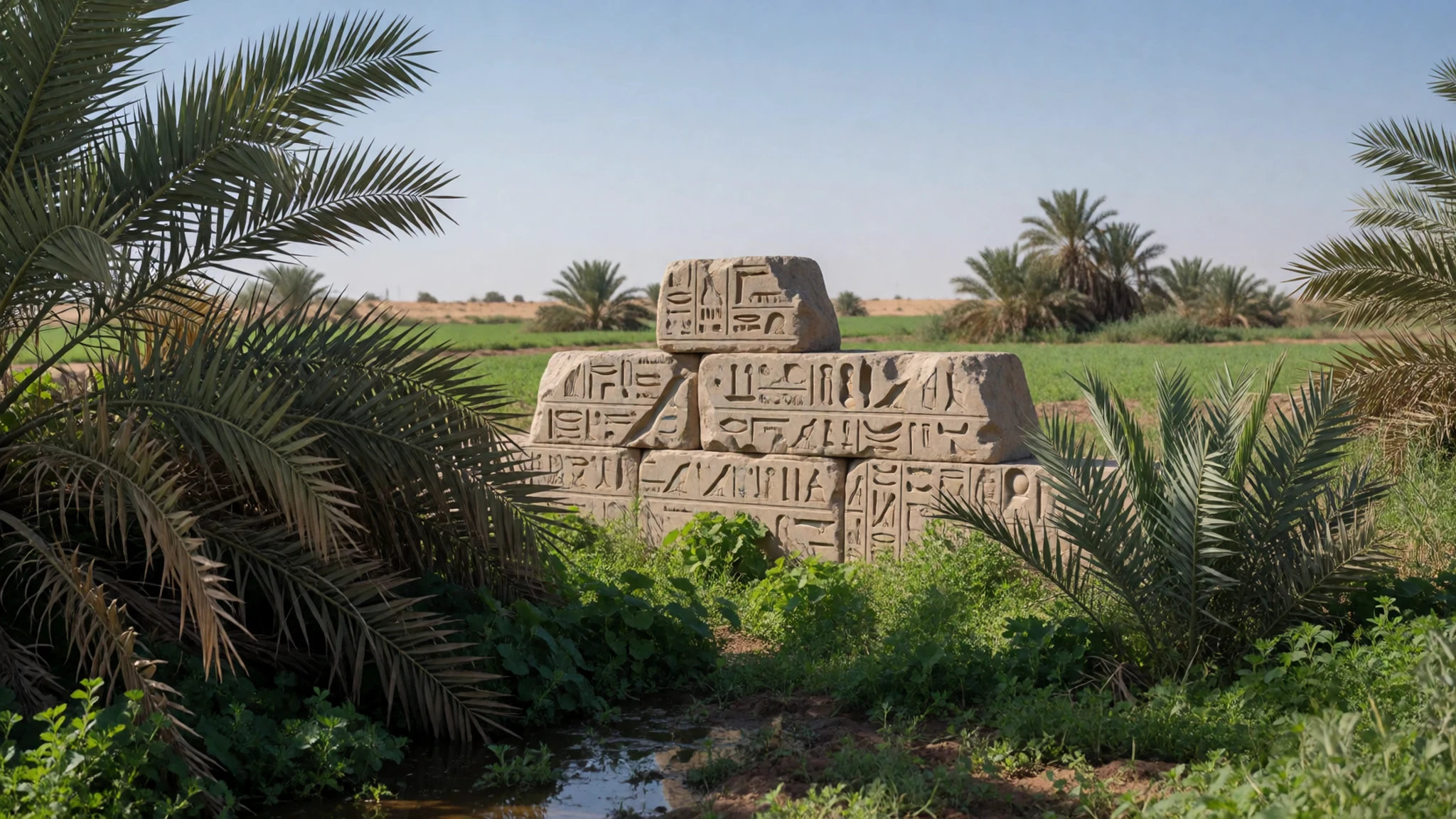
- Gebel Dakrour — Southeast of town
Climb the rugged limestone scarp situated just outside town to enjoy panoramic views sweeping across the entire oasis basin, salt flats, and distant dunes. The slopes are also the historic gathering ground for the annual community festival.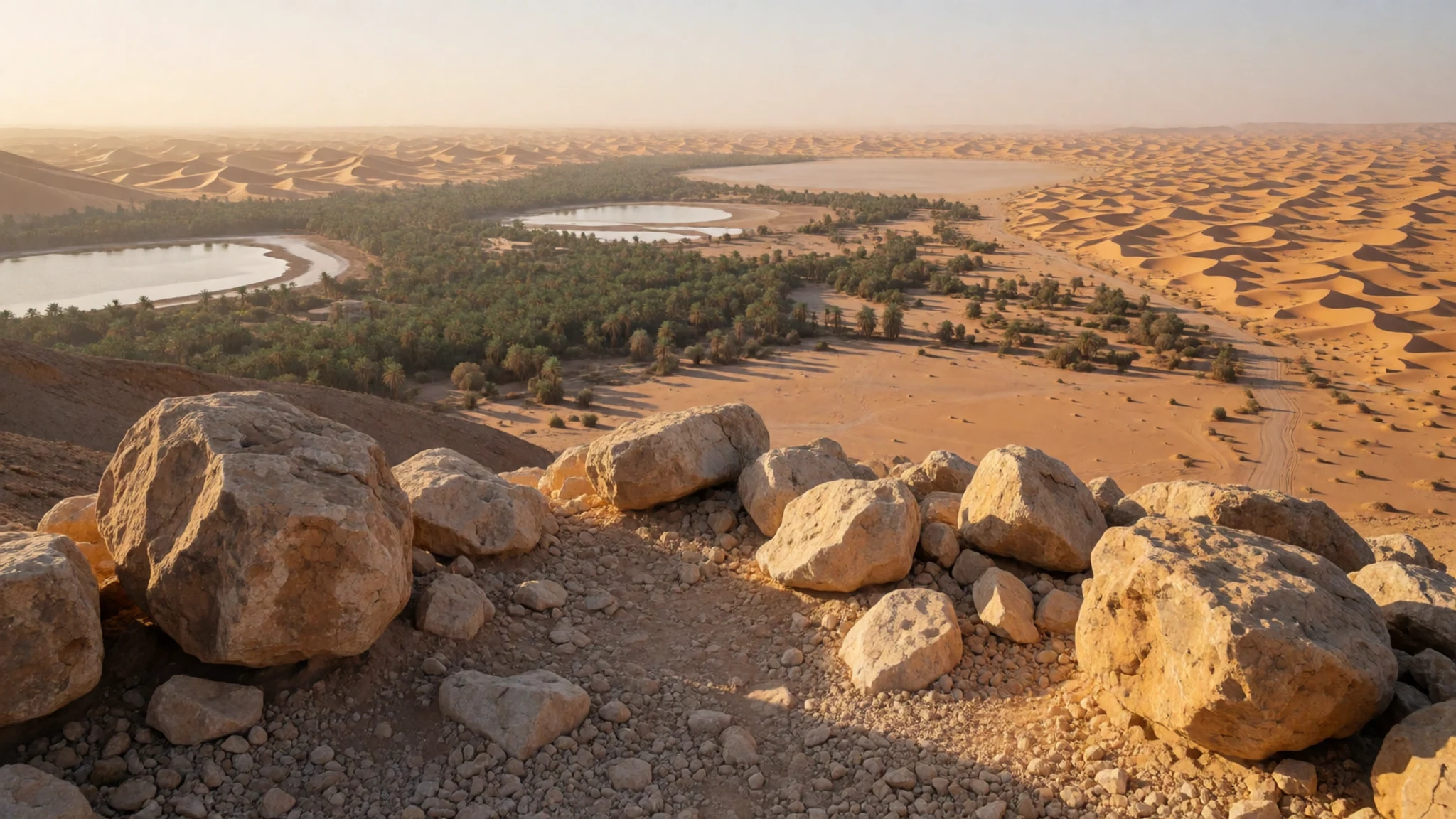
Culture
The inhabitants of Siwa are predominantly Siwi Berbers, preserving an ancient heritage distinct from mainstream Egyptian culture. Ten traditional tribes make up the community, communicating among themselves in their own eastern Berber language rather than standard Arabic. For generations, impassable desert tracks ensured that community life developed along self-reliant lines, fostering exceptional mastery in traditional crafts such as intricate basketry, pottery, and silver embroidery. Traditional ceremonies and weddings were once famous for the astonishing array of silver ornaments and beaded jewellery worn by women. Today, community life remains closely tied to agricultural labour, the tending of olive and date harvests, and the maintenance of ancient customary laws that govern land and water use among the tribes. Visitors should always ask permission before photographing local residents, particularly women and older community members.
What to wear
Traditional Siwan dress reflects centuries of desert adaptation and distinct Berber craftsmanship, historically featuring heavy embroidered tunics, silver adornments, and elaborate headpieces worn by women during festivals and weddings. These garments incorporate locally spun textiles and traditional motifs passed down through generations of artisans. In everyday modern life, local men generally wear comfortable, loose-fitting galabiyas or western casual attire, while women typically dress in modest garments that reflect conservative local standards. For visitors, respectful attire is essential across the oasis; both men and women should wear loose, lightweight clothing that covers shoulders and knees to blend in comfortably and show respect for conservative local customs. Sturdy footwear is equally important when exploring rocky hilltops, sandy tracks, and uneven ancient ruins.
What to eat
- Siwa Dates — Local markets and groves
Widely celebrated as some of the finest dates in Egypt, these rich, sweet fruits are harvested directly from the surrounding oasis palms and enjoyed fresh or dried throughout the day.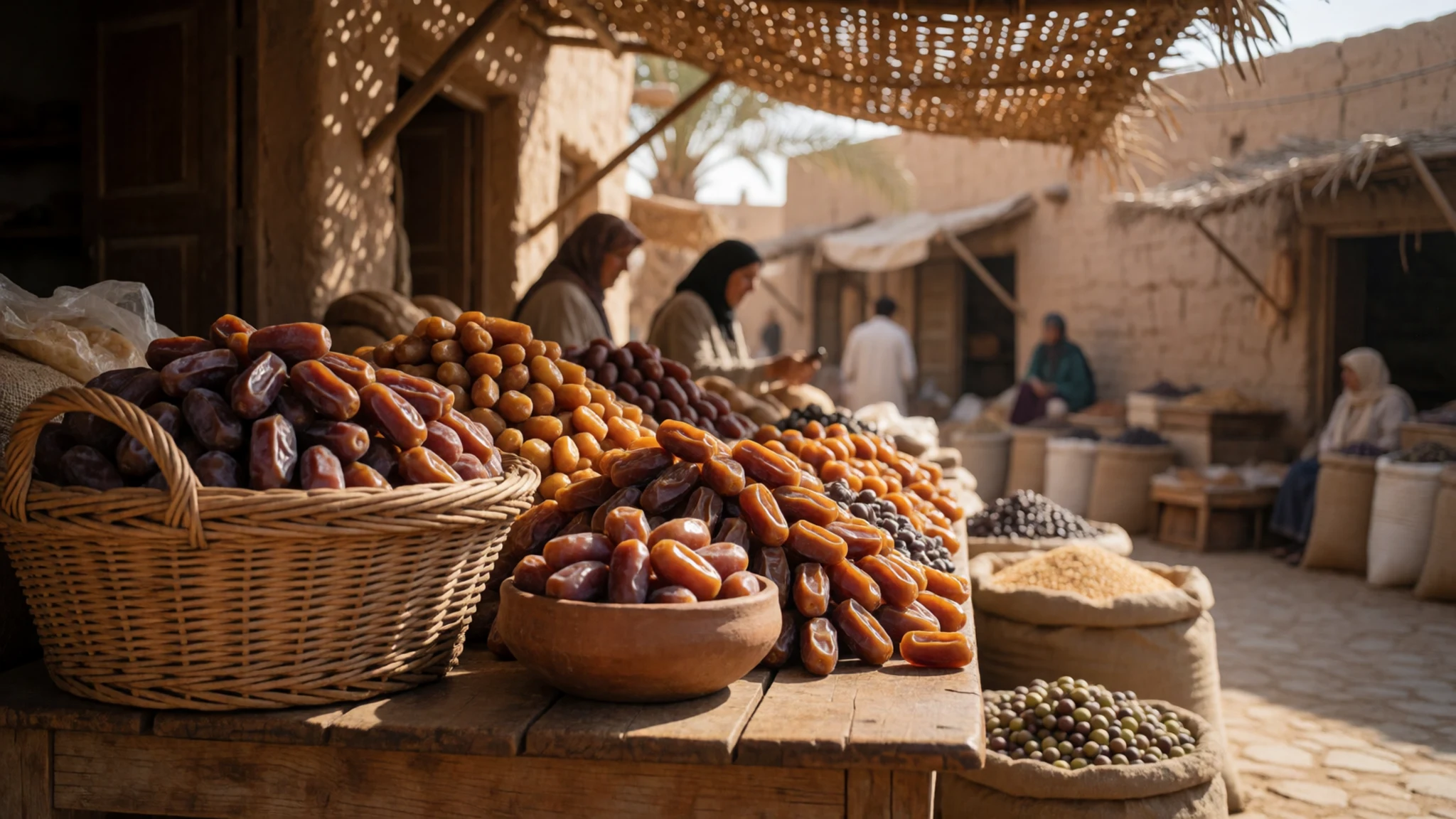
- Desert Vegetable Stews — Family-run eateries around town
Freshly prepared vegetable dishes simmered slowly with local herbs and spices, typically served alongside steaming bowls of couscous or flatbread in garden restaurants.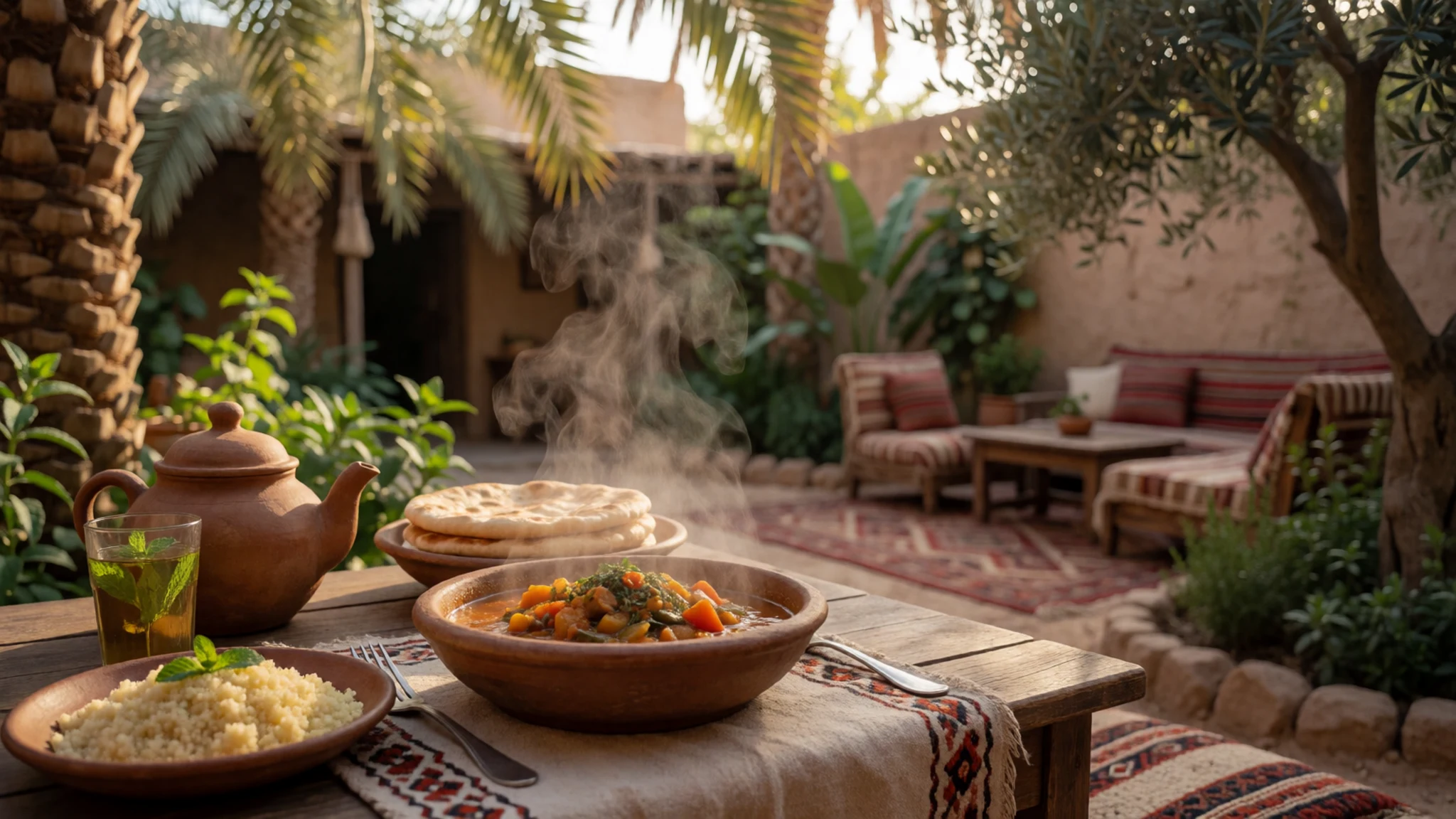
- Traditional Stuffed Pigeon — Open-air garden restaurants
A classic regional delicacy featuring tender meat stuffed with spiced rice or freekeh, slowly roasted in traditional clay ovens beneath the palms. - Wood-Fired Pizza and Grills — Downtown cafes and palm groves
Simple, hearty dishes prepared across casual town eateries, combining local produce, freshly baked dough, and grilled meats served under palm tree canopies.
Plan it
Best time. October to March offers mild, comfortable daytime temperatures, avoiding the extreme desert heat and severe spring Khamsin winds.
How long. 3–4
Getting there. Long-distance overnight bus from Cairo, or driving southwest from Marsa Matruh along the coastal highway across the desert.
Budget. mid
Tips
- Carry sufficient cash as card acceptance is limited across local shops and cafes
- Drink plenty of water to combat the dry desert air and intense sunlight
- Hire a local guide when venturing out into the surrounding dunes and sand seas
- Book accommodation in advance during the autumn harvest and festival periods
Etiquette
- Always ask permission before photographing local residents
- Dress modestly with shoulders and knees covered in public areas
- Respect local customs and tribal traditions during your stay
Nearby
Sources
- Wikidata Q2008735 (CC0)
- Wikipedia (CC-BY-SA 4.0)
- Wikivoyage (CC-BY-SA 4.0)