Sipadan
Sipadan, Malaysia
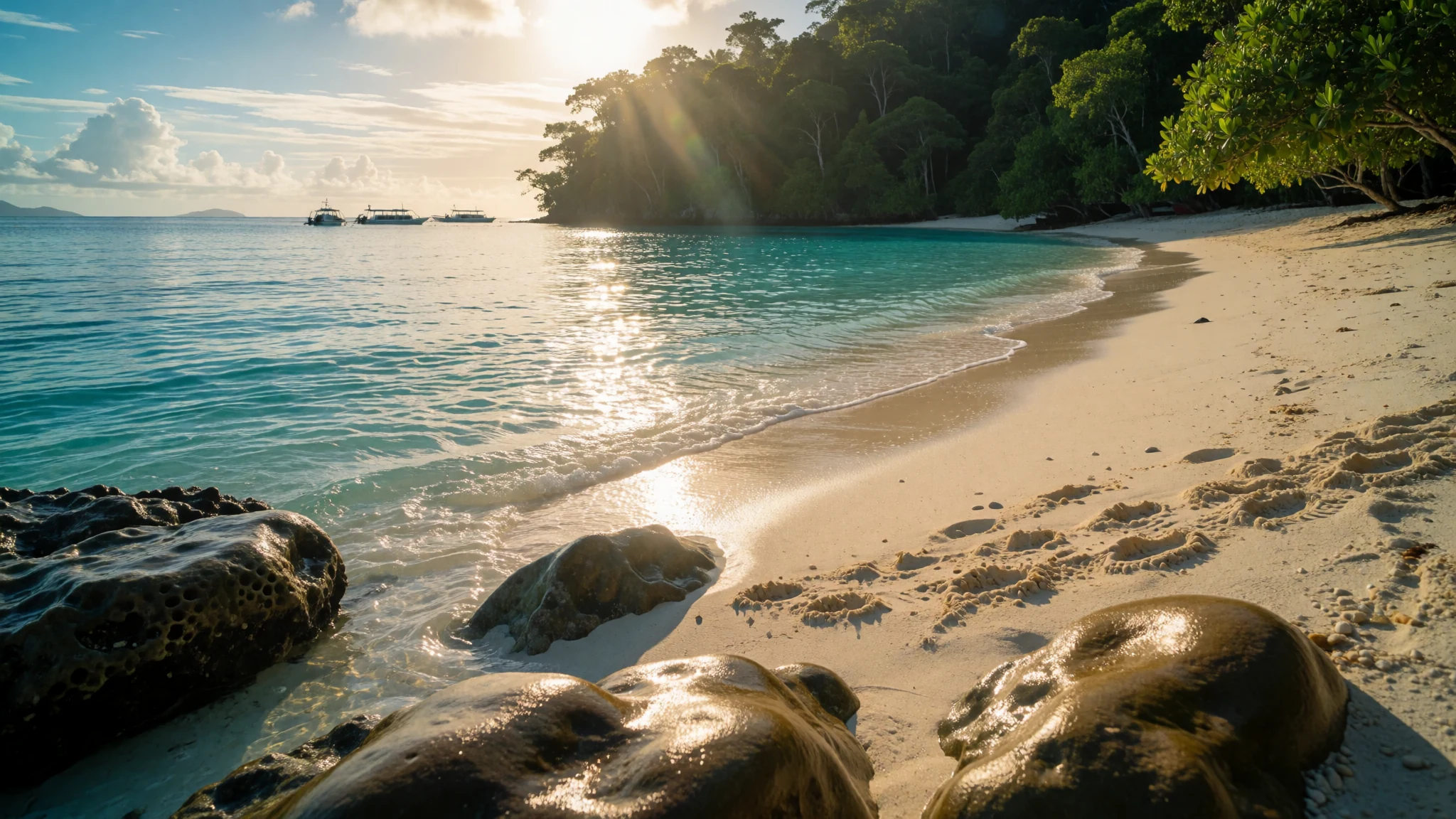
Rise above a volcanic peak in the Celebes Sea to dive the legendary walls where sea turtles and reef sharks roam.
The place
Sipadan stands alone as the only oceanic island in Malaysia, lifting itself straight out of the deep marine expanse of the Celebes Sea off the eastern shores of Sabah. Far beneath the turquoise surface, the island traces the jagged outline of an ancient volcanic formation, crested by generations of marine organisms that built up massive coral structures over vast stretches of time. Positioned squarely within the Indo-Pacific realm, this remote outcrop commands one of the most prolific aquatic habitats on earth, drawing divers from across the globe to its sheer underwater precipices. Within these protected marine boundaries, hundreds of distinct marine varieties and coral species thrive without interruption. Visitors approach the destination by boat from nearby coastal hubs or adjacent islets, as all overnight accommodation directly on the shore was dismantled years ago to safeguard the fragile local ecology. The surrounding waters transition rapidly from shallow reef flats into plunging aquatic drop-offs that descend into the deep blue abyss, creating an environment where pelagic life congregates in astonishing quantities. Every descent reveals a dynamic marine theatre framed by dramatic underwater geography, where warm tropical currents sweep past vertical coral walls teeming with active aquatic life.
Its story
The history of Sipadan stretches far beyond its modern reputation as a premier diving sanctuary, rooted deeply in the maritime routes and territorial claims of Southeast Asia. For generations, local seafaring communities frequented the surrounding waters for fishing, viewing the isolated jungle-covered pinnacle as a familiar landmark in the open sea. As global interest in scuba diving surged towards the end of the twentieth century, the island's extraordinary underwater biodiversity caught the attention of marine explorers and underwater photographers, quickly establishing its fame internationally. However, this rising prominence brought intense commercial development, leading to the construction of dive resorts directly on the island that threatened to overwhelm its delicate natural balance. Recognising the urgent need for conservation, authorities intervened to protect the fragile ecosystem, clearing away all permanent lodgings to allow the natural environment to recover and thrive once again. Concurrently, Sipadan and a neighbouring outcrop became the centre of a long-standing territorial disagreement between two neighbouring nations, resolved eventually through international legal adjudication that affirmed national jurisdiction over the territory. Today, strict daily permit systems regulate access to the marine park, ensuring that the underwater realm remains protected from overexploitation while continuing to inspire awe in every traveller fortunate enough to descend into its legendary depths.
What to see
- Turtle Patch — Sipadan Island reefs
Sipadan features an astonishing population of marine turtles that rest and feed along the shallow shelves. Divers frequently encounter green and hawksbill turtles resting peacefully under ledges or gliding gracefully upward to catch a breath of air near the surface, unfazed by the presence of underwater observers.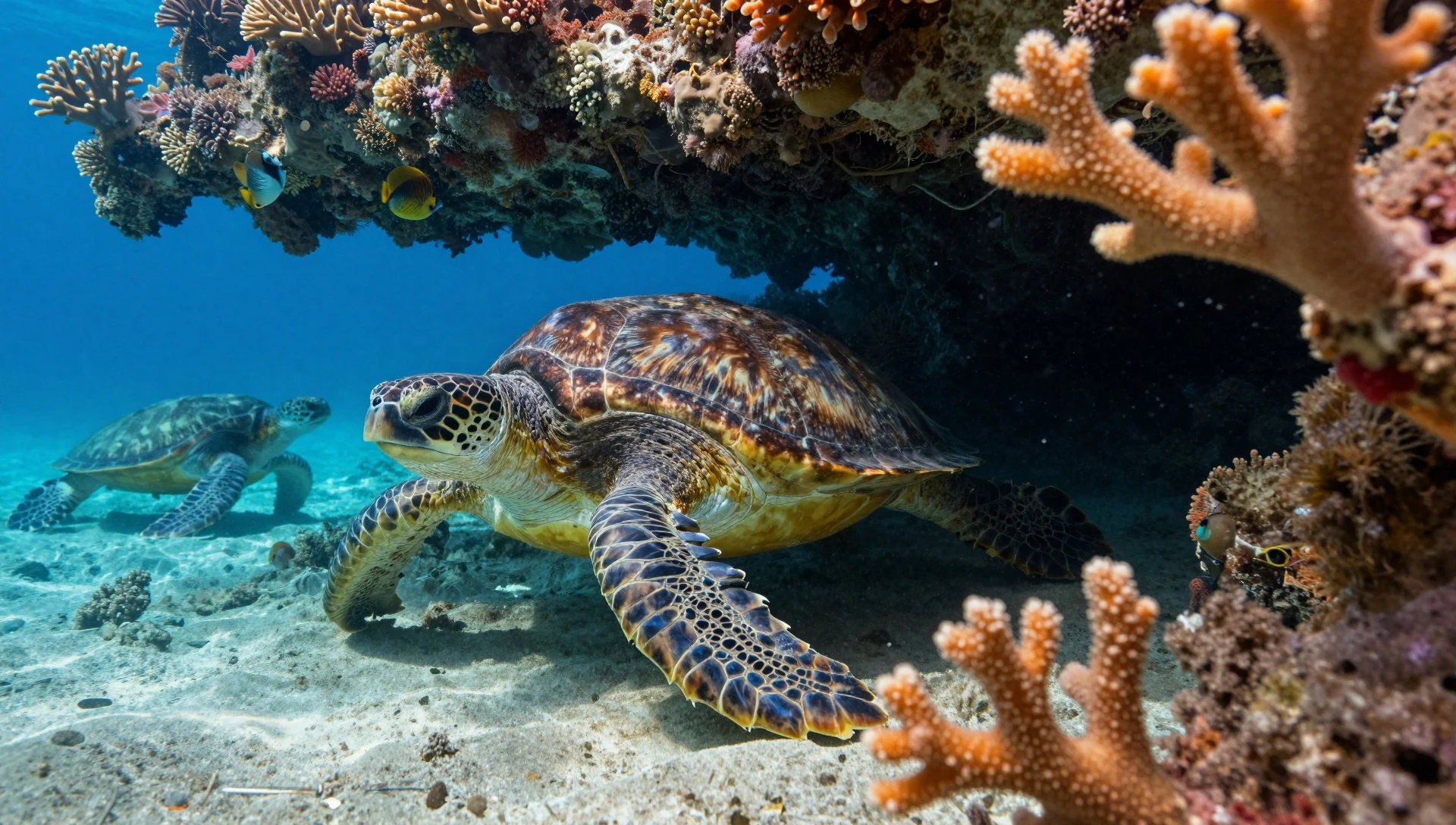
- Barracuda Point — Northern tip of Sipadan Island
Renowned for massive swirling tornadoes of schooling barracuda and jack fish, this northern tip of the reef offers exhilarating current dives. Swarms of pelagic predators circle methodically in the blue water while reef sharks patrol the upper edges of the steep drop-off.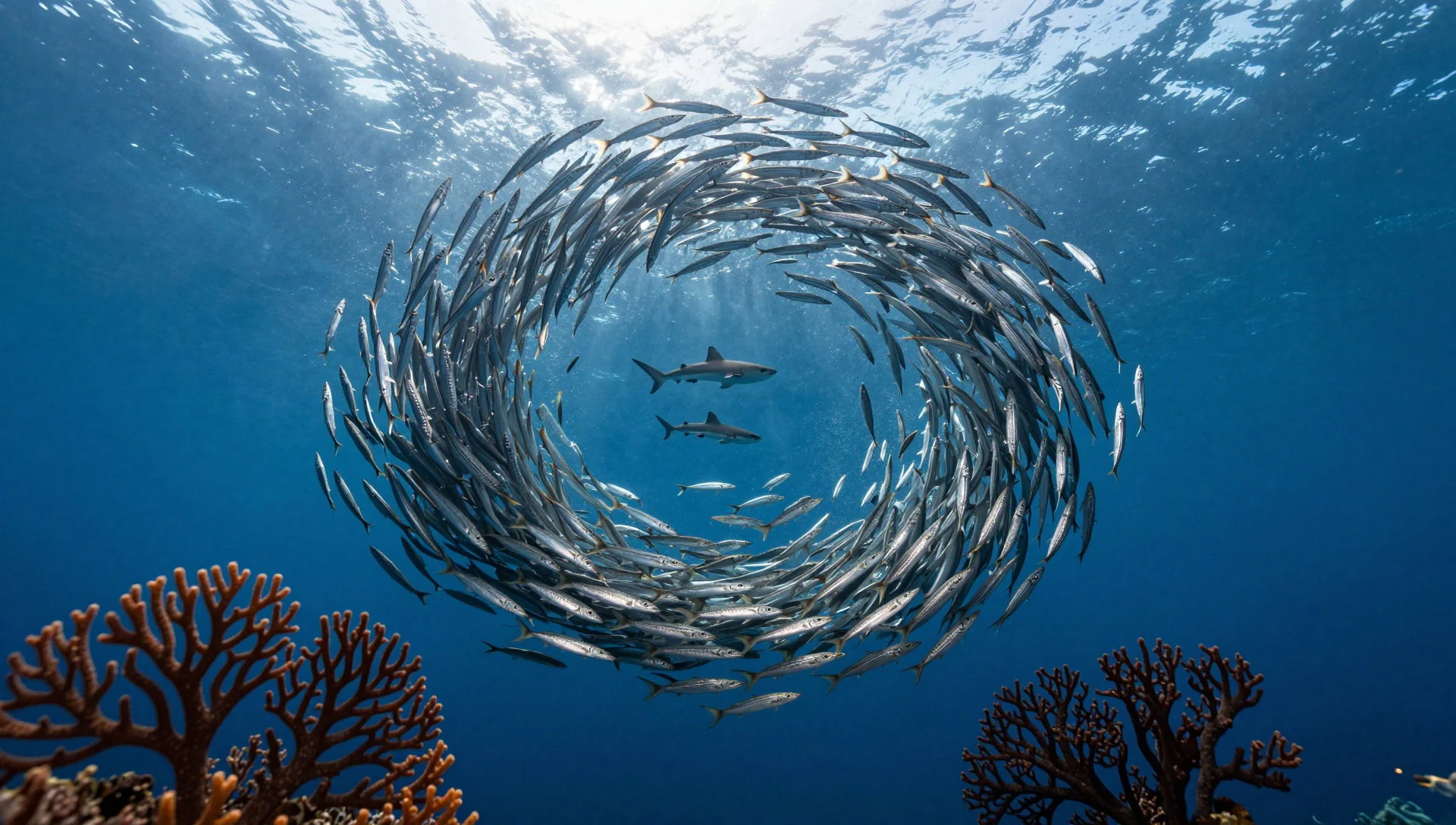
- Mid Reef — Eastern wall of Sipadan Island
A vibrant coral garden cascading down the upper wall, bursting with colourful butterflyfish, angelfish, and delicate anemones. The shallow sections provide exceptional natural light for underwater photography, showcasing pristine hard and soft corals nurtured by clean oceanic currents.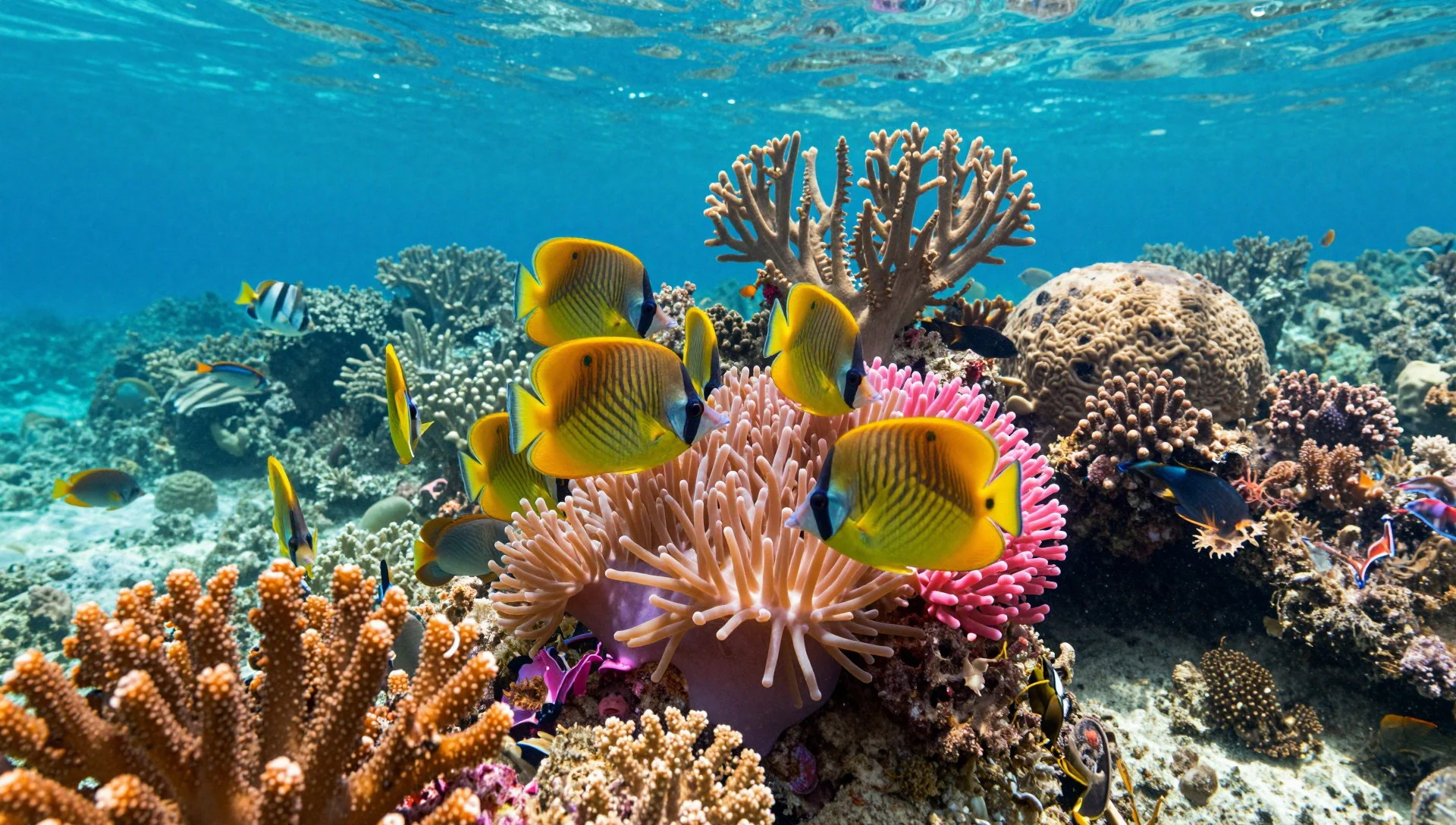
- The Drop-Off — Main beach drop-off, Sipadan Island
Located just a short swim from the shore, this legendary vertical wall plunges dramatically into the abyss. Divers hover near the edge of the shelf, watching white-tip reef sharks cruise effortlessly along the dark blue face of the abyss while smaller reef dwellers dart among the coral crevices.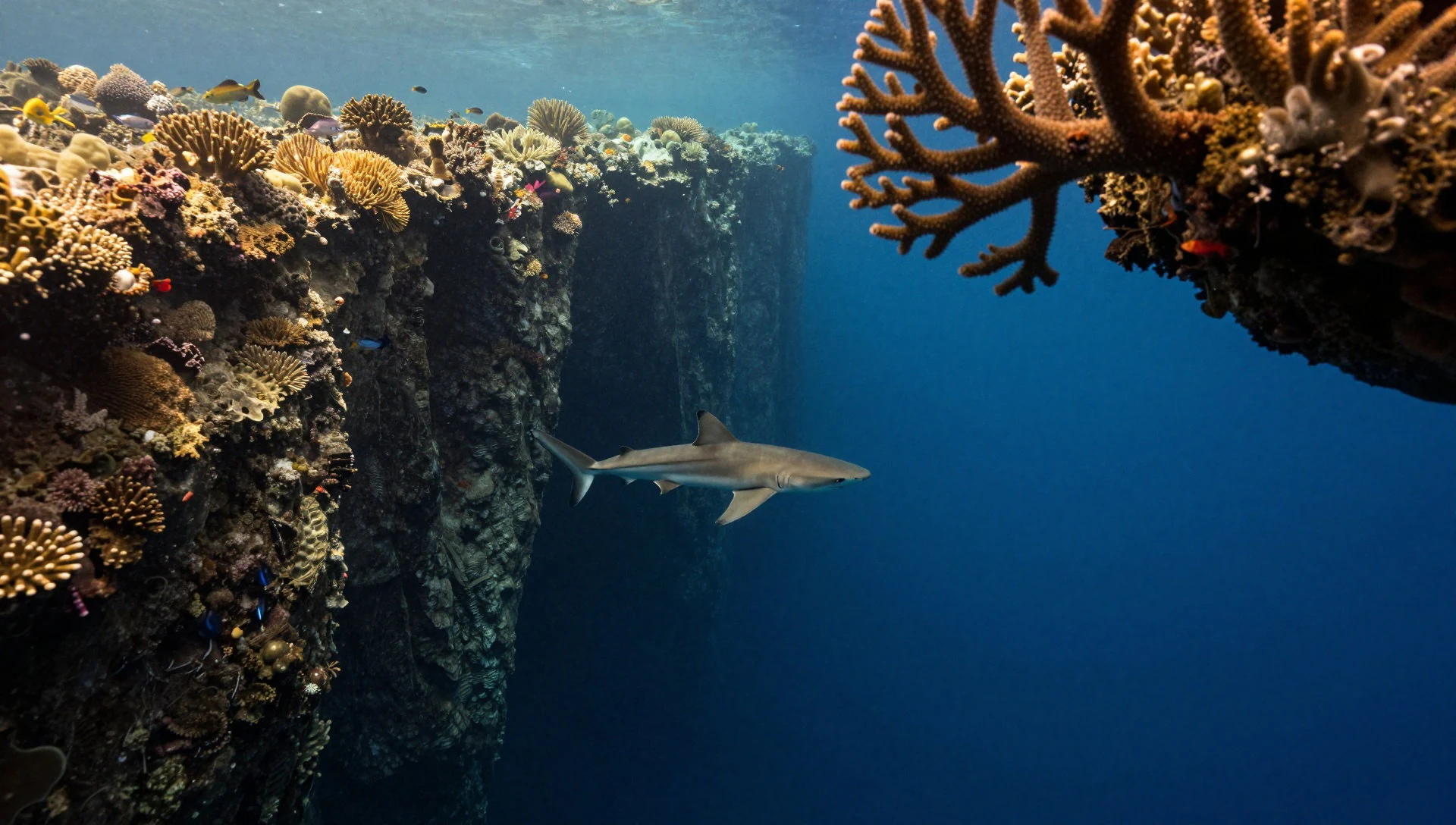
- Mabul Island — Mabul Island, Sabah
Positioned just a short boat journey away from the main dive sanctuary, this neighbouring island serves as the primary base for accommodation and dive operators. The palm-fringed shores feature stilt houses above shallow sandy bottoms, offering a fascinating glimpse into local coastal community life alongside exceptional macro diving.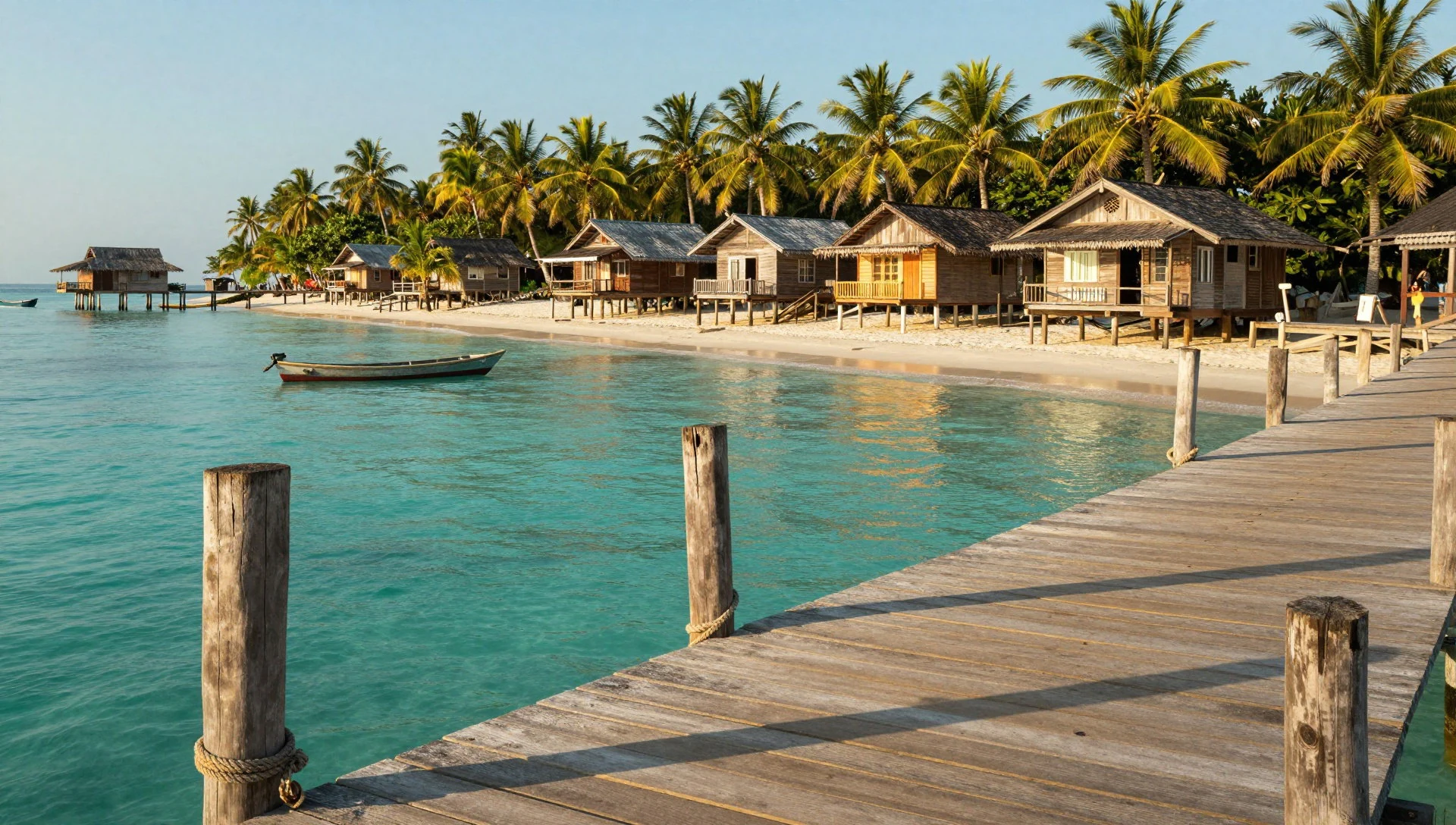
Culture
Sipadan and the broader coastal region of Sabah reflect a rich tapestry of indigenous and Malay cultural traditions, shaped deeply by generations of maritime life. Coastal villages near the departure ports are home to seafaring communities such as the Bajau Laut, historically known as sea nomads who spent their lives navigating the coral waters in traditional wooden boats. While modern influences have brought many families to settle on stilt houses above the coastal shallows, traditional music, weaving, and ocean-based livelihoods remain central to daily community identity. Hospitality in the region is warm and unpretentious, rooted in coastal customs that welcome travellers with genuine ease and friendliness. Visitors exploring the mainland towns or nearby island settlements should respect local customs, dress modestly when away from the dive boat, and show appreciation for the communities supporting the marine tourism economy. Always remove your footwear when entering traditional homes, local prayer spaces, or village cultural centres.
What to wear
Sipadan and its surrounding coastal areas embrace a practical, relaxed approach to clothing suited to the tropical climate and maritime lifestyle. Traditional Malay attire in Sabah includes loose-fitting cotton tunics, sarongs woven with intricate regional patterns, and traditional head coverings worn during festive gatherings and community ceremonies. For everyday life in the coastal towns and island bases, residents wear comfortable, breathable clothing such as lightweight shirts, trousers, and modest skirts that cope well with high humidity and warm temperatures. Travellers visiting Sipadan should pack lightweight, quick-drying clothing, sun-protective layers, and sturdy sandals or water shoes for navigating jetties and dive boats. When walking through local mainland villages or town markets, modest attire covering shoulders and knees is appreciated out of respect for local cultural norms. Swimwear must be strictly confined to beaches, resort pools, and dive vessels rather than worn walking through residential neighbourhoods.
What to eat
- Fresh Grilled Seafood — Coastal night markets and seaside eateries in Semporna
Catch of the day including prawns, squid, and reef fish grilled over charcoal fires, typically served with fragrant rice and spicy sambal. - Nasi Goreng Kampung — Local coffee shops and island resort dining halls
Traditional village-style fried rice tossed with anchovies, water spinach, chillies, and fried shallots, offering a savory and comforting local meal. - Mee Goreng Mamak — Open-air street food stalls in Semporna town
Yellow noodles stir-fried over high heat with eggs, tofu, vegetables, and a rich, tangy spiced sauce packed with aromatic depth. - Roti Canai — Morning breakfast kopitiams across the mainland port
Flaky, buttery flatbread tossed and griddled to golden perfection, served alongside a warm bowl of spiced lentil curry or dal for dipping. - Fresh Coconut Water — Beachfront stalls on Mabul Island and Semporna piers
Chilled young coconuts chopped open on the spot to offer sweet, refreshing hydration under the tropical sun after a morning dive.
Plan it
Best time. March to October brings the calmest sea conditions and excellent underwater visibility, with April through July offering particularly pristine diving weather.
How long. 4–5
Getting there. Fly to Tawau airport, take a taxi or minivan to Semporna (about 1 to 2 hours), then board a fast boat to the islands (about 1 hour).
Budget. mid
Tips
- Book your Sipadan dive permits many months in advance due to strict daily visitor caps
- Secure accommodation on Mabul Island or in Semporna as there are no resorts on Sipadan itself
- Carry sufficient cash as card machines are unreliable in smaller island shops and local markets
- Drink plenty of bottled water and use reef-safe sunscreen to protect the delicate marine environment
- Check weather updates with your dive operator during monsoon transitional periods
Etiquette
- Never touch, stand on, or take pieces of coral while diving or snorkeling
- Dress conservatively when visiting mainland villages away from the dive resorts
- Always ask permission before photographing local residents in fishing communities
Nearby
Sources
- Wikidata Q1412482 (CC0)
- Wikipedia (CC-BY-SA 4.0)
- Wikivoyage (CC-BY-SA 4.0)