Silver Falls State Park
Silver Falls State Park, United States
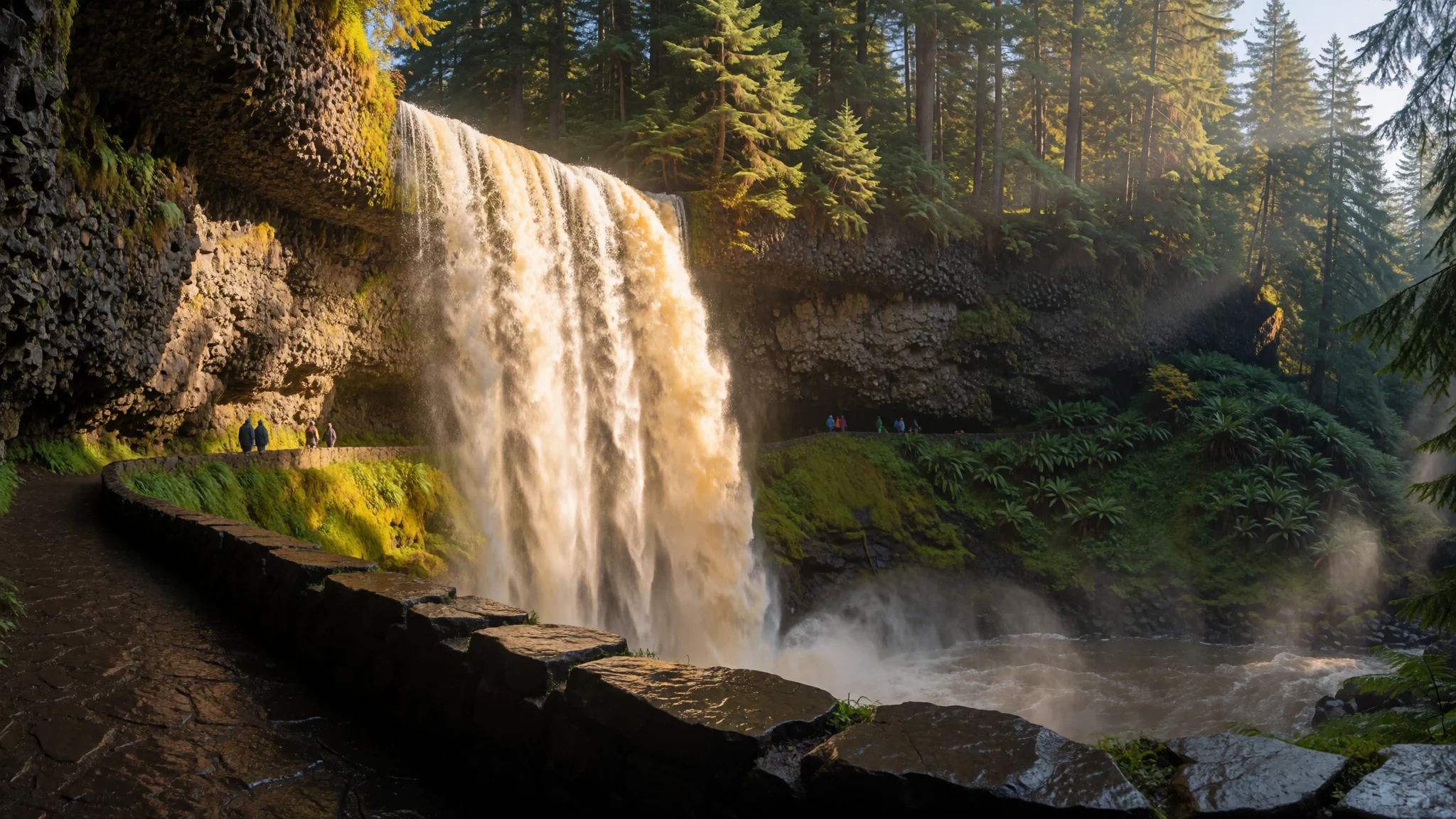
Silver Falls State Park offers dramatic walks behind cascading water curtains along a lush canyon trail linking ten remarkable waterfalls.
The place
Silver Falls State Park sits tucked away in the lush landscapes of the United States, standing proudly as a magnificent jewel within the regional park system. Spanning across vast wooded terrain, this protected haven serves as a premier destination for outdoor enthusiasts seeking deep immersion in temperate rainforest ecosystems. Visitors traversing the park encounter a sprawling network of well-maintained pathways that meander through dense groves of Douglas fir, towering maple trees, and thick fern understories. The defining geological feature of the area is the famous canyon carved by running water, where multiple tributaries plunge over high basalt ledges. These geological formations create sweeping amphitheatre-like recesses behind several of the cascades, allowing hikers to walk completely behind roaring curtains of rushing water without getting soaked by the main impact zone. The atmosphere shifts dramatically with the weather, moving from bright dappled sunlight filtering through the high forest canopy to moody, mist-shrouded quietude during overcast days. Bird life, amphibians, and small mammals thrive within this protected habitat, adding ambient sounds of wildlife to the constant, soothing roar of falling water. Management works diligently to balance heavy visitor foot traffic with rigorous conservation efforts, ensuring that the delicate mosses, ancient trees, and fragile stream banks remain undisturbed for future generations to explore. Whether approached as a peaceful day trip from nearby population centres or as the primary focus of an extended regional journey, the park delivers an unforgettable encounter with Pacific coastal wilderness at its absolute finest.
Its story
Silver Falls State Park holds a rich and complex history deeply rooted in the traditional lands of the Kalapuya and Molala indigenous tribes who relied on the fertile valley for seasonal harvesting, hunting, and fishing. Following the arrival of European settlers and the historic mass migrations along the overland trails, the landscape experienced rapid industrial transformation during the late nineteenth and early twentieth centuries. Silver Falls City emerged as a bustling logging settlement right atop the canyon rim, where timber extraction stripped away much of the old-growth forest and left behind vast fields of stark tree stumps. Early entrepreneurs attempted to commercialise the natural scenery by staging unusual spectacles and charging admission fees for visitors to watch stunts near the cascades. Visionary local advocates, particularly commercial photographers who captured the dramatic beauty of the falling water, campaigned tirelessly for official protection against further industrial devastation. Initial federal resistance citing the scarred, stump-filled landscape eventually gave way during the mid-twentieth century when public works initiatives mobilized specialized crews to construct rustic timber lodges, stone bridges, and walking paths that harmonized with the rugged terrain. Today, these enduring architectural structures are listed on historic registers, serving as physical monuments to the era when conservationists successfully rescued the watershed from permanent industrial loss and restored its natural ecological splendour for the public.
What to see
- South Falls — Canyon Trail main approach
Plunging over a high basalt ledge into a wide, mist-filled pool, this iconic cascade allows hikers to follow a dedicated pathway that curves safely behind the roaring sheet of water. The surrounding amphitheatre-like rock formation amplifies the sound and creates a truly immersive sensory experience.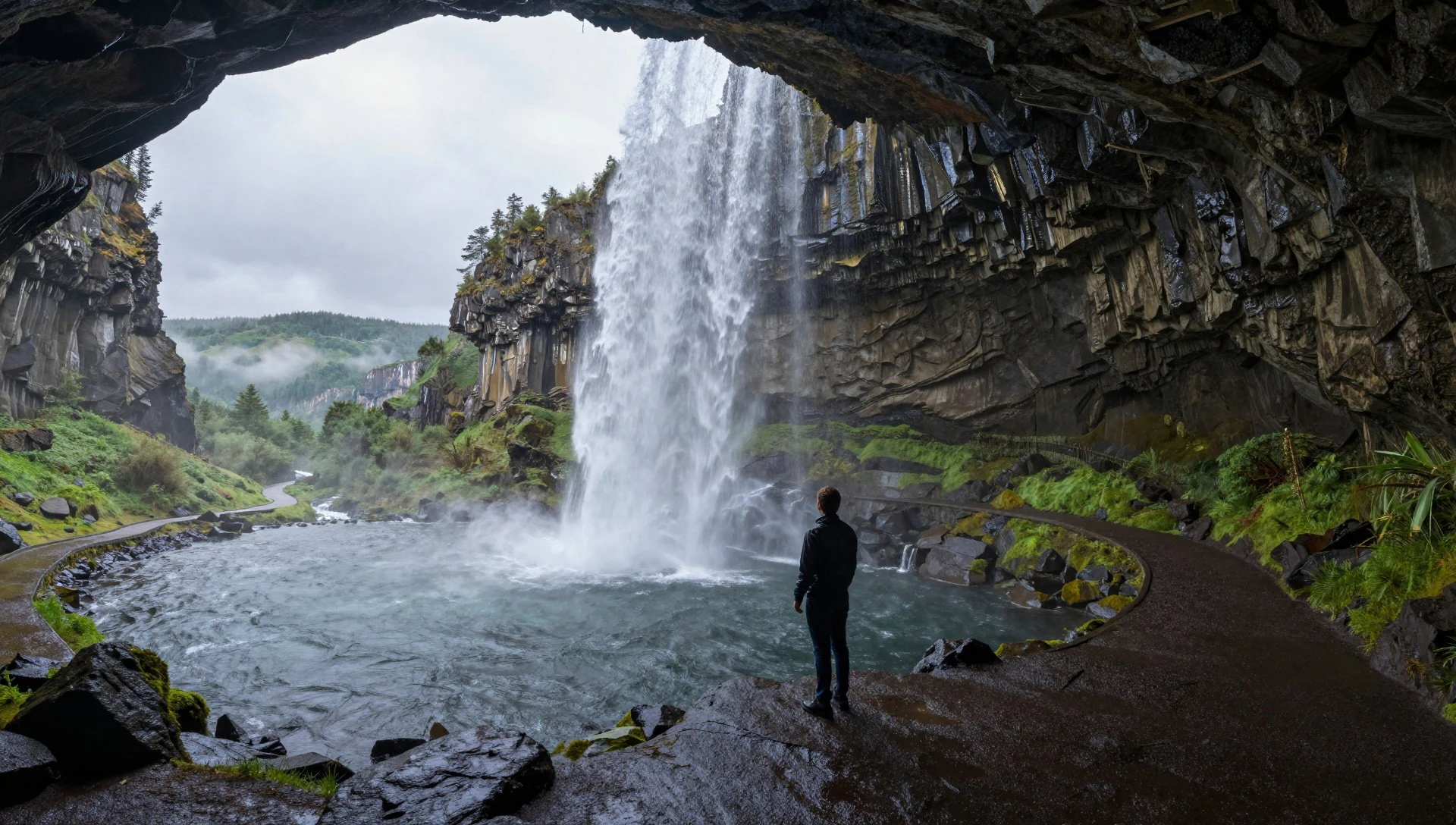
- Lower South Falls — Southern section of Trail of Ten Falls
Set deeper along the shaded canyon loop, this picturesque drop provides another rare opportunity to walk directly behind the cascading stream. Towering ferns and moss-draped boulders frame the plunge pool, making it one of the most atmospheric photography spots in the entire protected area.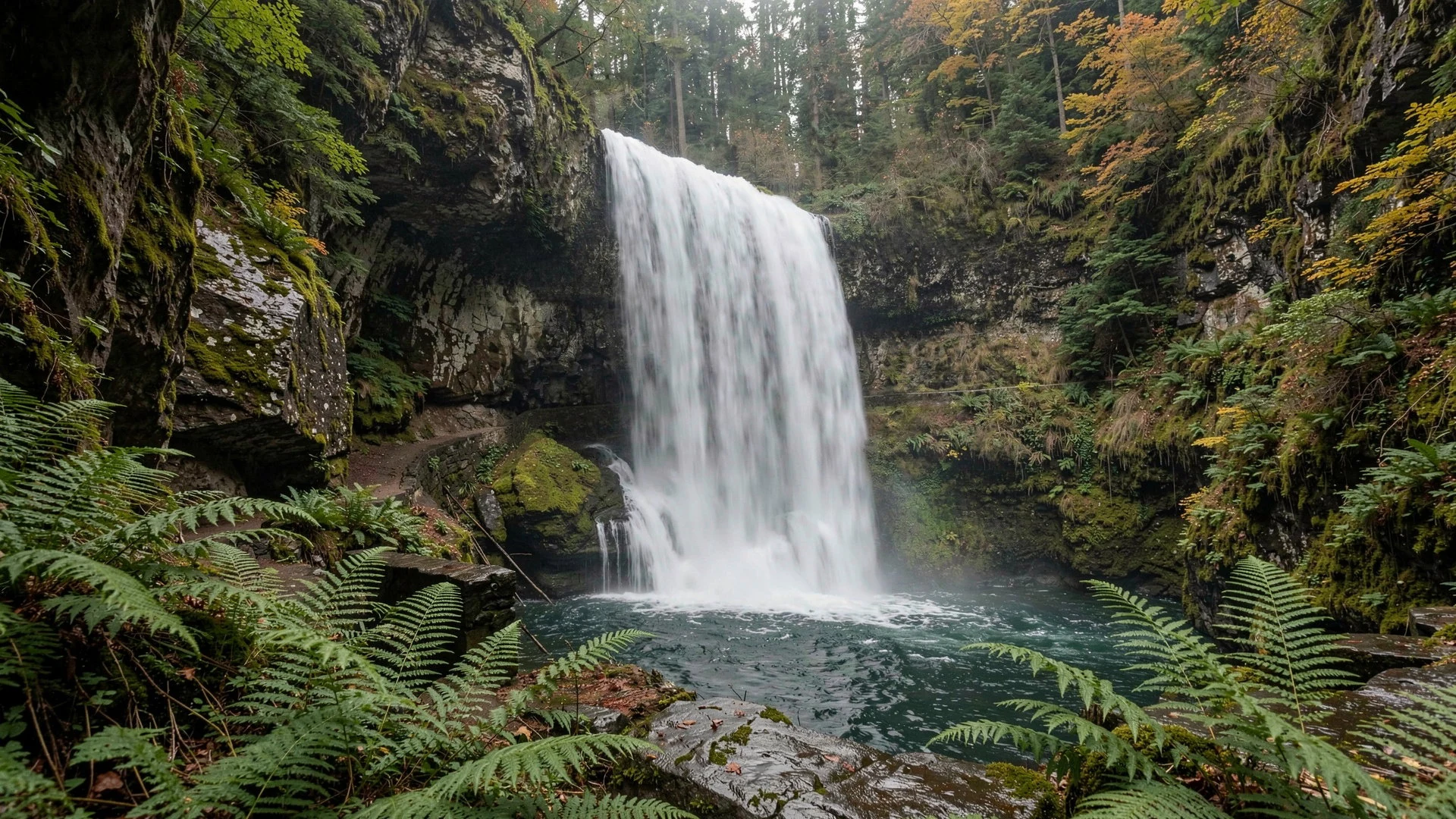
- Double Falls — Deep tributary canyon branch
Tucked away in a quiet tributary side canyon, this remote multi-tiered cascade descends in two distinct stages to claim the title of the tallest waterfall in the park. Reaching this hidden spot requires a slightly longer walk away from the main hub, rewarding hikers with profound tranquility.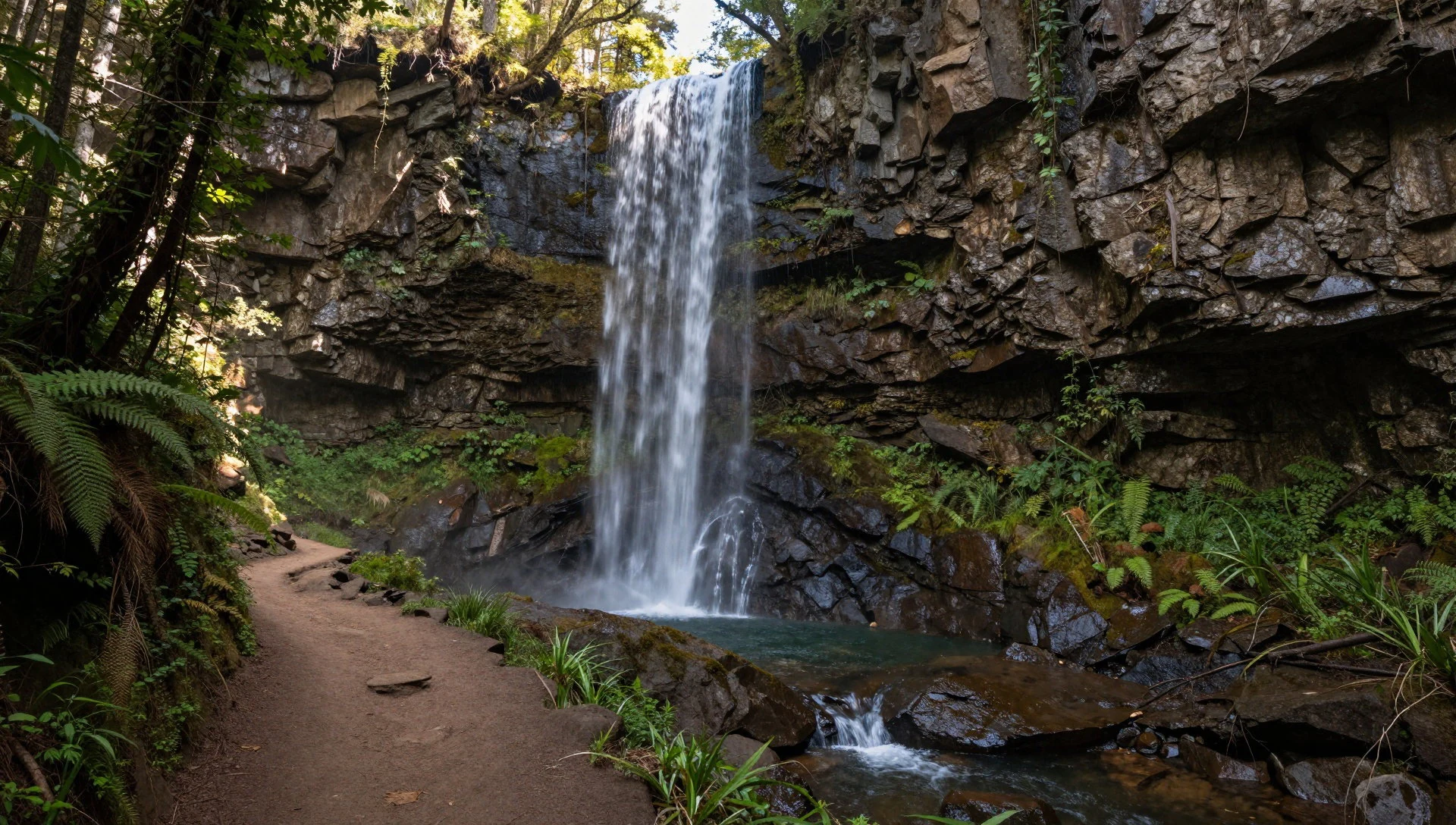
- Winter Falls — Upper rim connector trail
Flowing most powerfully during the cooler, wetter months of the year, this slender cascade tumbles off a high cliff face directly visible from the upper canyon trail connections. Its seasonal volume changes dramatically depending on recent rainfall and snowmelt in the surrounding hills.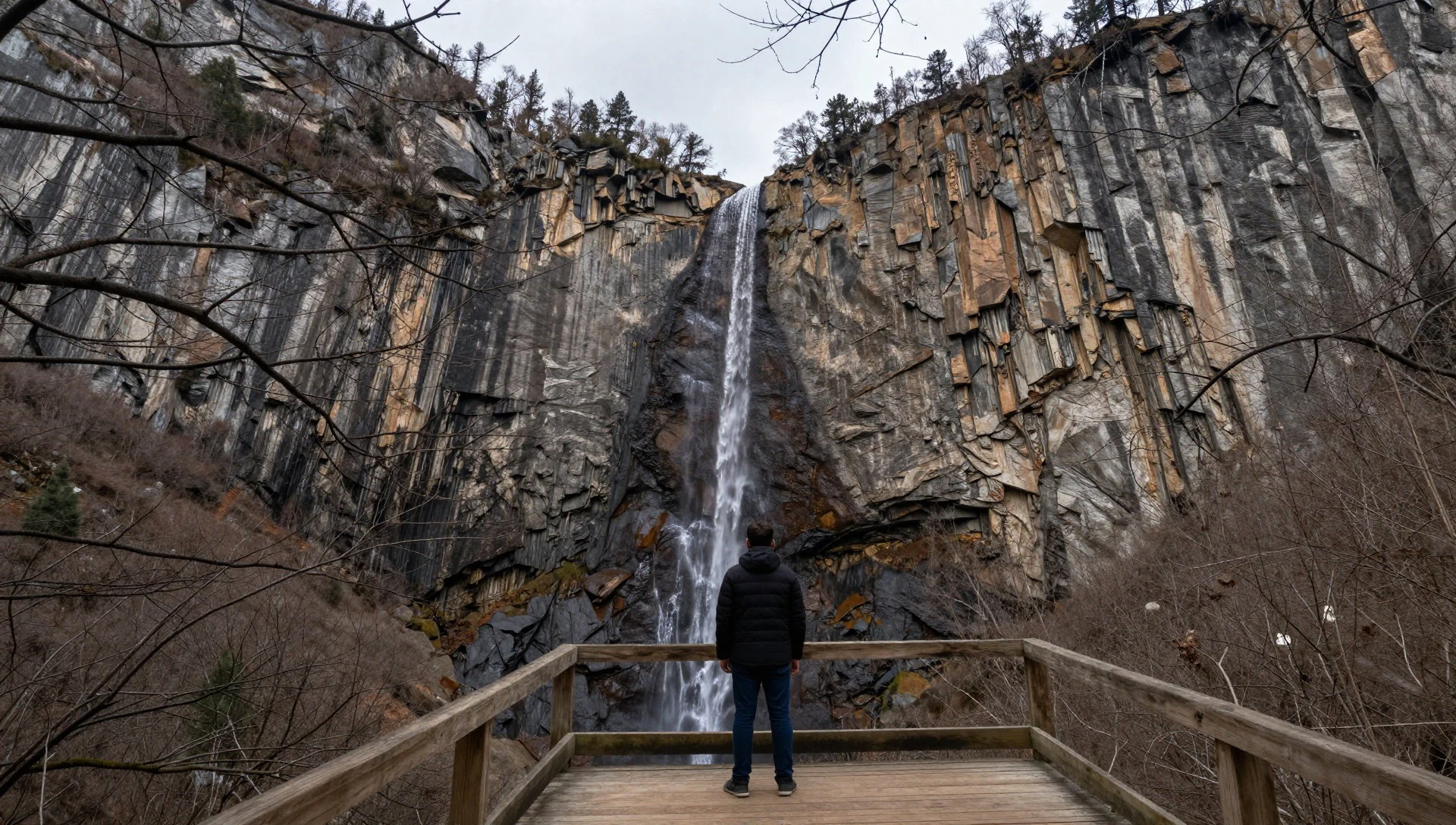
- The Historic Lodge — Main park concession area
Constructed during the mid-twentieth century by public works crews, this rustic timber and stone building exemplifies classic park architecture. It serves as a warm gathering place featuring massive exposed wooden beams and historical exhibits detailing the conservation struggle that saved the valley.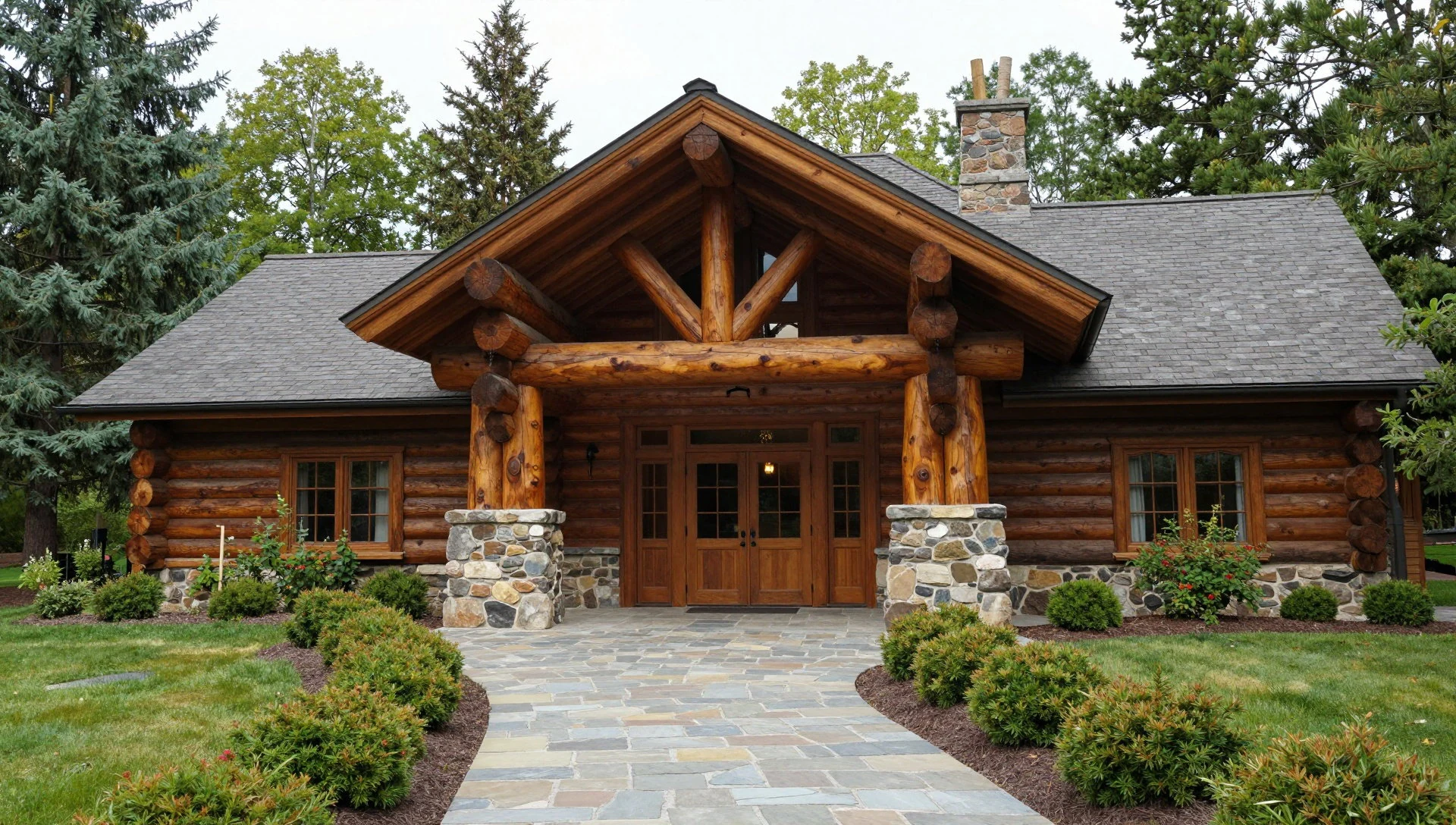
Culture
Silver Falls State Park reflects the deep environmental consciousness and outdoor enthusiasm characteristic of the broader Pacific Northwest region. Locals and regional visitors share a fierce dedication to protecting natural habitats, treating pristine wilderness areas with profound reverence and strict stewardship. Outdoor recreation is woven into daily life here, with hiking, trail running, and nature photography serving as common weekend pursuits regardless of overcast skies or damp weather. Communities near the park value sustainability, local agriculture, and historic preservation, often blending rustic rural traditions with modern eco-friendly living standards. Visitors will notice an easygoing, friendly social atmosphere where complete strangers readily exchange trail recommendations or weather tips at trailhead junctions. Cultural norms emphasize physical preparedness, respect for wildlife, and strict adherence to leave-no-trace principles across all public lands. Never carve initials into trees, stack rocks along stream beds, or leave any litter behind on the trails.
What to wear
Silver Falls State Park visitors and regional residents generally dress with a strong emphasis on practical functionality and outdoor durability. Traditional Pacific Northwest outdoor wear relies heavily on sturdy waterproof jackets, moisture-wicking synthetic layers, and reliable hiking boots capable of handling slick, muddy forest floors. Heavy denim and cotton garments are typically avoided for serious trail walking because they retain moisture in damp conditions. What people wear now blends rugged utility with casual comfort, featuring flannel shirts, fleece pullovers, and breathable trousers suited for shifting forest microclimates. Visitors should pack layered clothing, waterproof outer shells, wool or synthetic socks, and sturdy footwear with good traction to navigate wet wooden boardwalks and slippery canyon steps safely. Sun hats and sunglasses remain useful during brighter summer afternoons when light filters through the canopy breaks, while beanies and lightweight gloves are essential gear during cooler seasonal excursions.
What to eat
- Smoked Salmon — Local farmers' markets and regional specialty food shops
A historic indigenous staple deeply tied to regional rivers, offering rich, savoury flavours achieved through traditional cold or hot smoking techniques using native hardwood smoke.
- Marionberries — Roadside farm stands and valley bakeries
A prized local cane fruit bred specifically in the region, celebrated for their deep, earthy sweetness and dark purple juice used in freshly baked pies, jams, and preserves.
- Regional Microbrews — Pubs and taprooms throughout the Willamette Valley
Craft ales, crisp porters, and aromatic IPAs produced by independent local breweries utilizing pure mountain water and locally sourced Pacific hops. - Oregon Hazelnuts — Agricultural farm stands and regional gift shops
Nutritious tree nuts harvested in the fertile surrounding valleys, often roasted, salted, or incorporated into artisanal chocolates and baked goods. - Cascade Northwest Cuisine — Rustic lodges and farm-to-table eateries across the region
Seasonal regional dishes featuring foraged mushrooms, fresh local produce, and sustainable river fish prepared with contemporary culinary flair.
Plan it
Best time. May through September offers the most pleasant weather for hiking, though spring brings peak waterfall volume from winter rains and snowmelt.
How long. 1–2
Getting there. Fly into Portland International Airport, rent a vehicle, and drive south-southeast toward Silverton and the park entrance.
Budget. low
Tips
- Arrive early on summer weekends to secure parking at popular trailhead lots
- Wear waterproof footwear because mist from the canyon trail creates wet conditions year-round
- Carry sufficient drinking water and snacks as options inside the park are limited
- Check official park alerts for seasonal trail maintenance or weather closures
- Bring a camera with a moisture-resistant lens cover to protect equipment from waterfall spray
Etiquette
- Stay strictly on designated trails to protect fragile ferns, mosses, and eroding canyon slopes
- Pack out all rubbish and food wrappers without exception
- Yield to uphill hikers on narrow staircases and cliffside pathways
Nearby
Sources
- Wikidata Q1699315 (CC0)
- Wikipedia (CC BY-SA 4.0)
- Wikivoyage (CC BY-SA 4.0)