Crater Lake
Crater Lake, United States
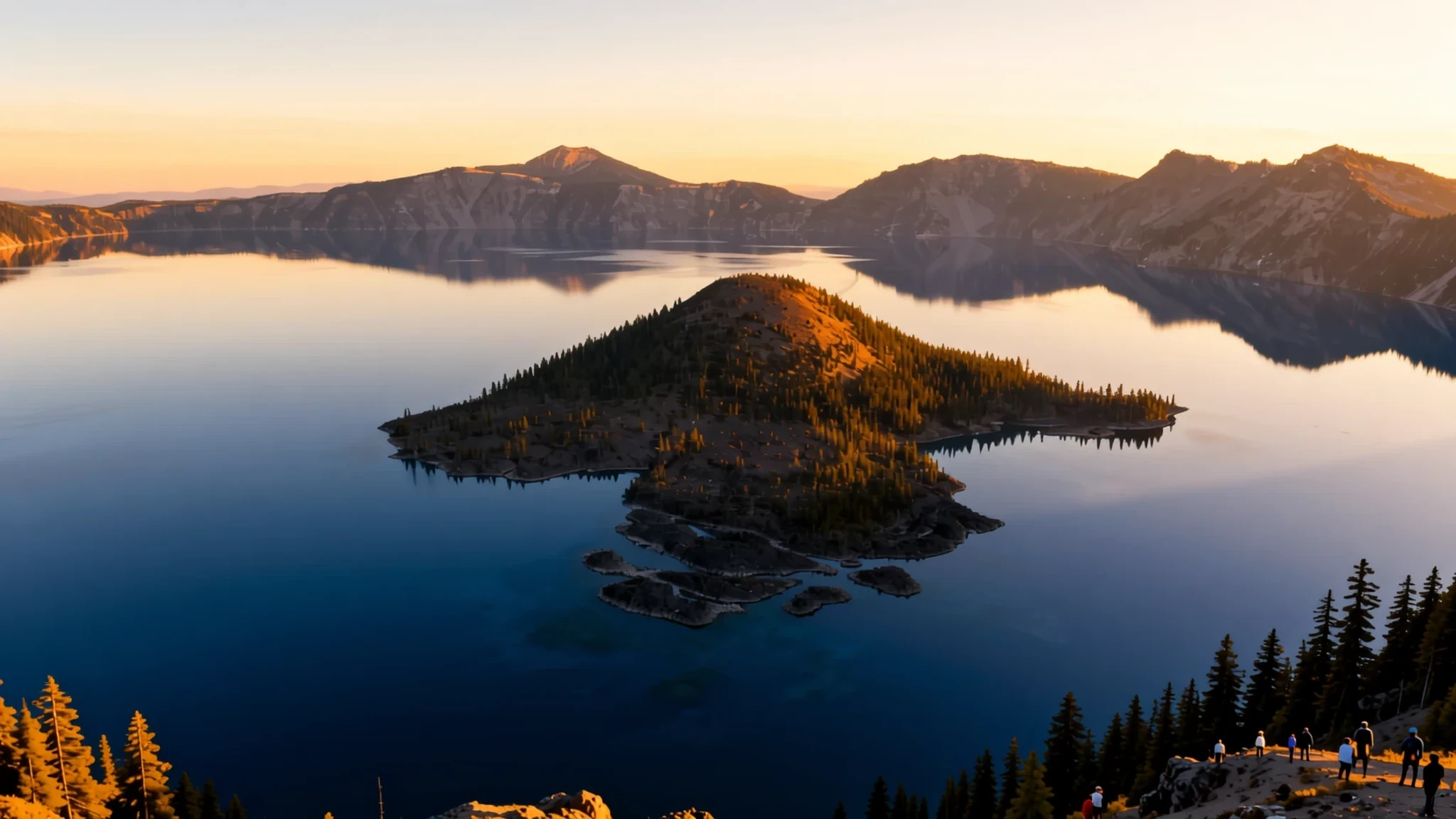
Crater Lake holds sapphire water inside a collapsed volcanic caldera, offering vast panoramic viewpoints across south-central Oregon.
The place
Crater Lake sits high in the southern region of the Cascade Range within the state of Oregon, occupying a vast hollow left behind by an ancient geological collapse. The water filling this high-altitude basin displays an extraordinary sapphire hue and remarkable clarity, drawing travellers who journey into the national park to gaze from the rim. Because no streams or rivers feed into or drain out of the basin, the pure water relies entirely on rain and snowfall to replenish its volume, completing a full cycle roughly every century and a half. Massive cliffs tower above the shores, carved from volcanic layers that reveal centuries of fiery activity before the mountain caved in upon itself. Snow blankets the surrounding landscape for much of the year, lingering along the shaded edges well into the summer months and creating striking contrasts against the deep blue surface below. Two distinct landforms break the liquid expanse: a small volcanic cinder cone rising near the western edge, and a jagged rock pillar resembling a sailing vessel hugging the southern cliffs. Drivers follow the winding rim road to discover changing perspectives of the water, where steep descents drop away toward the shoreline and dense evergreen forests stretch across the surrounding highlands.
Its story
Crater Lake carries deep cultural resonance for the Klamath people, who have known the high basin as Giiwas for generations and connect its origins to an ancient conflict between sky and underworld spirits. According to oral tradition, a fierce battle between the chief of the sky world and the chief of the below world resulted in the catastrophic collapse of the great peak that once stood on this site. Geologists tell a complementary scientific tale of cataclysmic eruption and subsequent emptying of subterranean chambers, leading the mountain to swallow itself in a fiery convulsion thousands of years ago. For centuries, native inhabitants treated the high water with great reverence, often avoiding direct contact with the sacred shores while incorporating the landscape into spiritual practices and traditional knowledge. Modern visitors continue to feel this sense of awe when looking out across the vast watery expanse, which transitioned from remote wilderness to protected national park status as awareness of its unique geological heritage spread. Today, the park preserves both the natural wonder and the echoes of its ancient human history, reminding every traveller who stands on the rim of the immense forces that shaped this high plateau.
What to see
- Wizard Island — Western shore of the lake
Wizard Island is a prominent volcanic cinder cone that breaks the deep blue surface near the western shore of the lake. Lakeshore access and boat tours to the cone are suspended for a multi-year trail and marina rehabilitation, so visitors can only admire it from the rim while planning their trip around the closure.
- Phantom Ship — Southern shore of the lake
Phantom Ship is a narrow, jagged natural rock pillar that clings to the southern cliffs of the caldera. Its weathered basalt spires bear an uncanny resemblance to an old sailing vessel caught in rough seas, particularly when morning mists partially obscure the base of the surrounding sheer rock walls.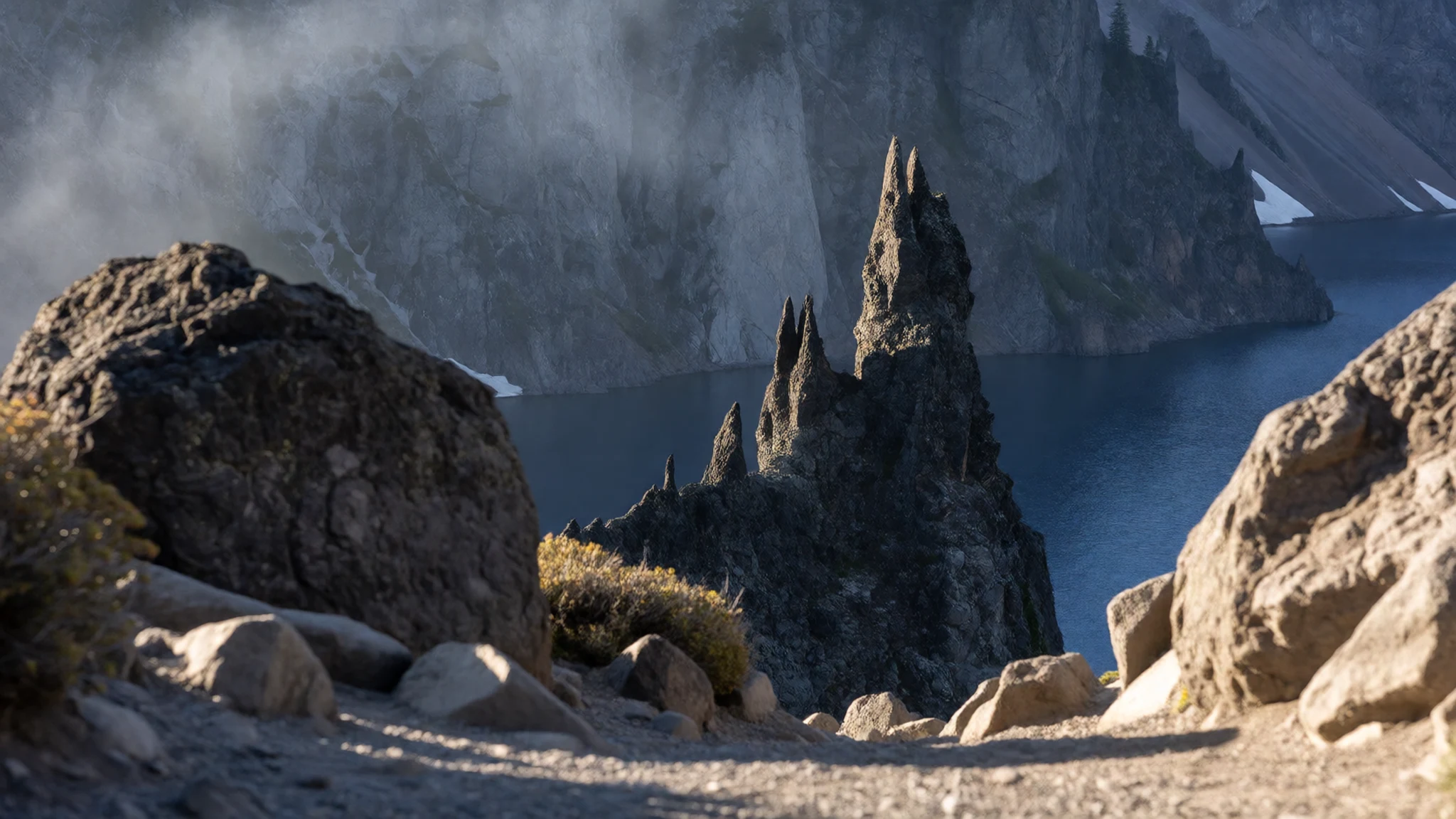
- Timberline Lodge — Mount Hood slopes
Timberline Lodge stands as a historic monument to Depression-era craftsmanship, built from native stone and massive timber high on the slopes of nearby Mount Hood. Inside, huge stone fireplaces and handcrafted ironwork create a warm mountain retreat where travellers gather for regional cuisine and alpine views.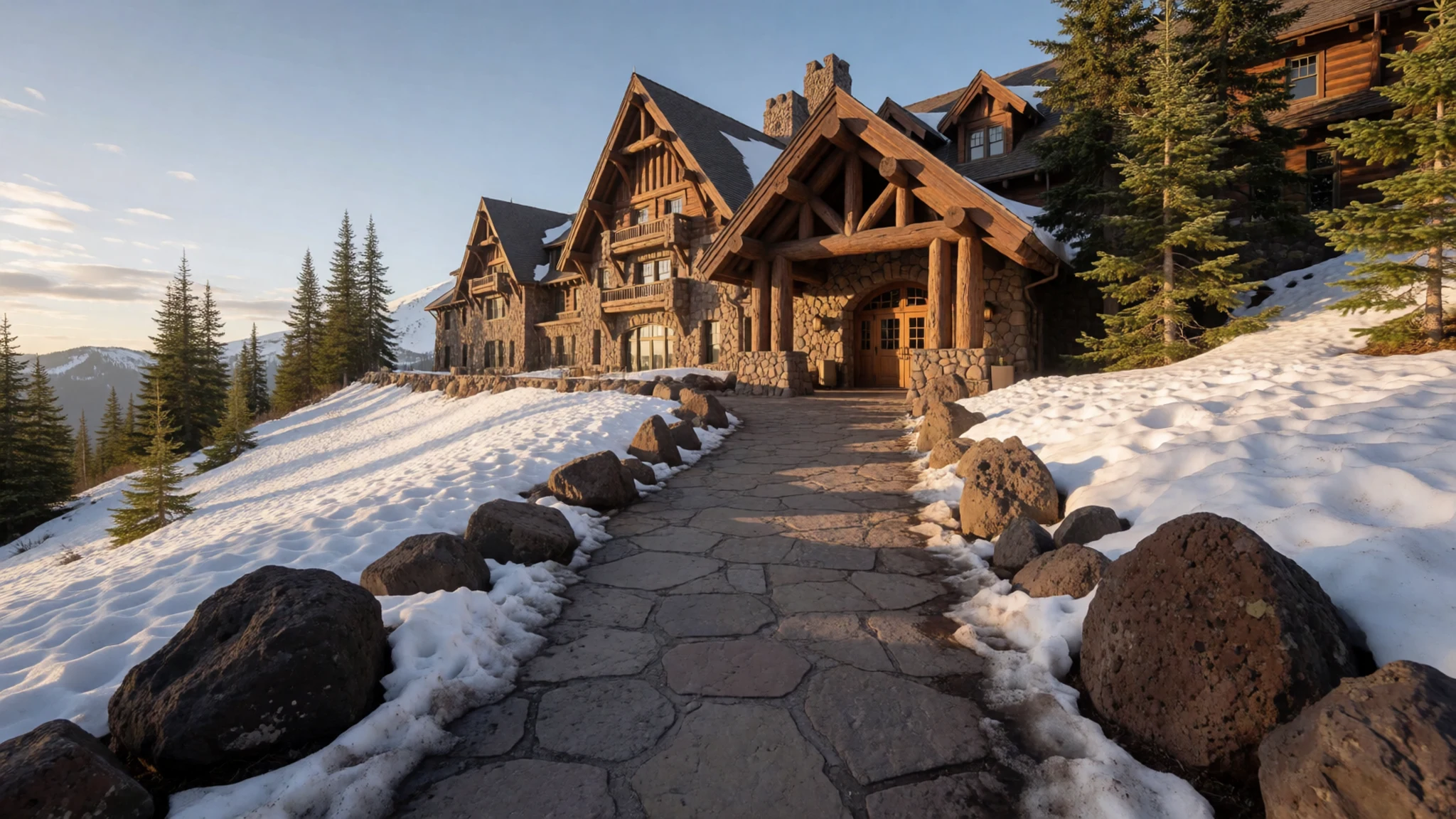
- Deschutes Brewery — Central Oregon region
Deschutes Brewery represents one of the pioneering brewing operations in the region, known across the state for crafting rich porters and stouts. Visitors can stop by the public houses to sample classic ales that have helped define the local craft beverage culture over the past several decades.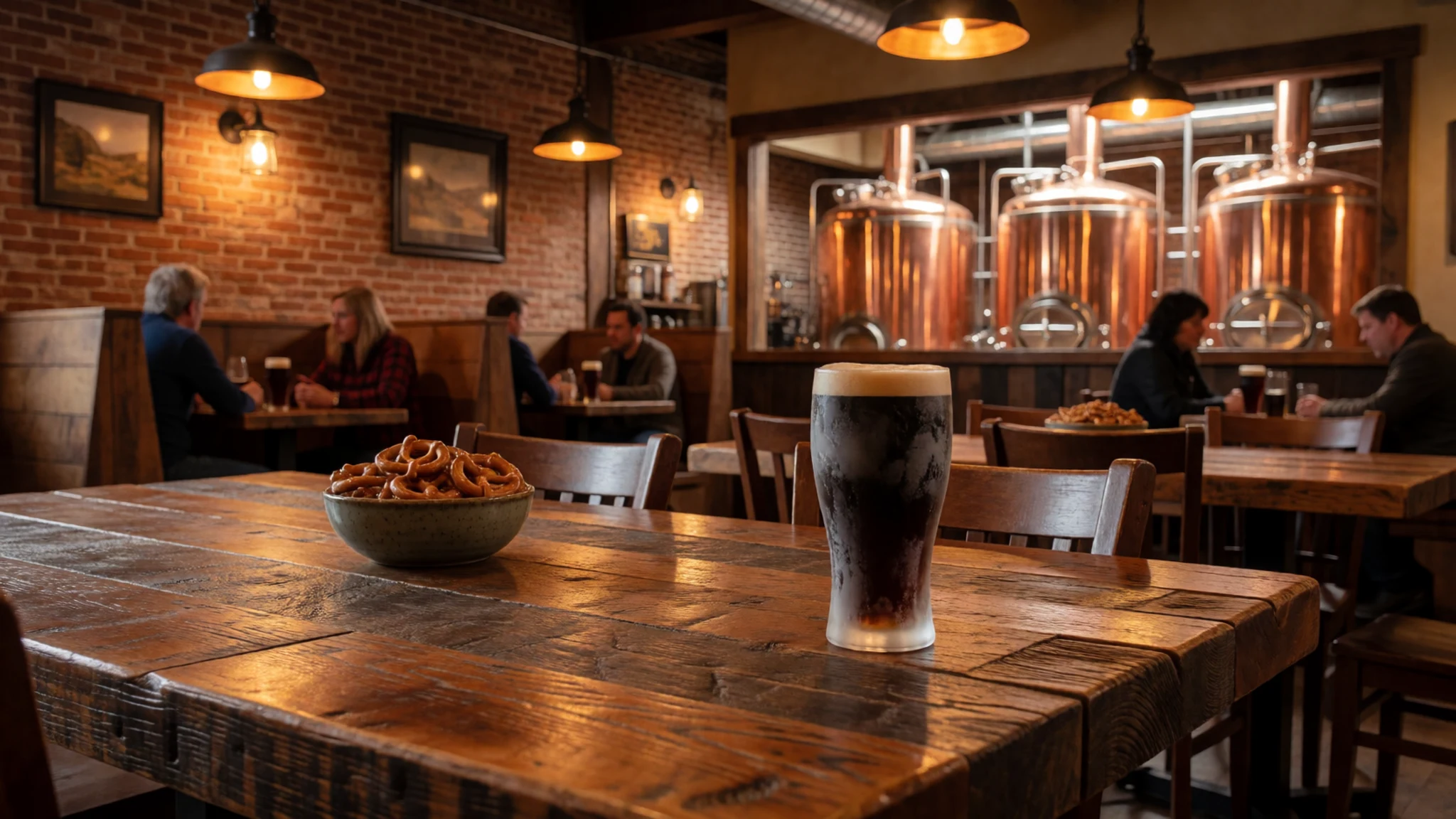
- Rim Drive — Crater Lake National Park
Rim Drive circles the entire volcanic basin, offering motorists dozens of designated turnouts with sweeping vantage points across the water and distant mountain ranges. Each stop reveals a different angle of the sheer cliffs and the vast sky reflected on the surface below during the warmer months.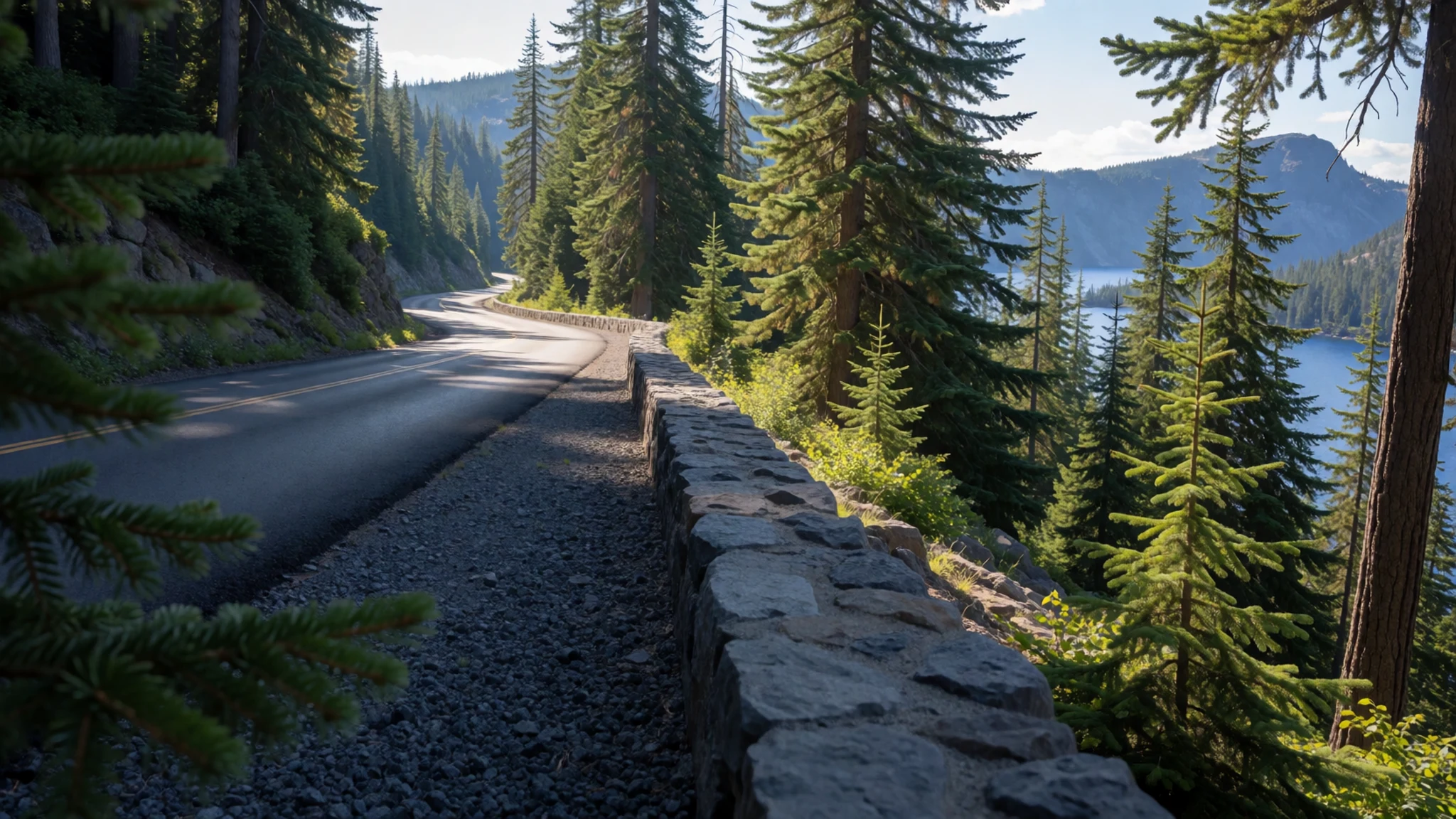
Culture
Crater Lake and the wider state of Oregon reflect a society fiercely protective of its wild landscapes and natural resources. Local residents display intense pride in their mountains, forests, and pristine waters, meaning any careless behaviour regarding littering or wildlife disruption is met with swift social disapproval and potential legal penalties. Culturally, the region shows a distinct division between the progressive, cosmopolitan urban centres found in the Willamette Valley and the more traditional, conservative communities spread throughout southern and eastern parts of the state. While city dwellers lean towards modern environmentalism and urban planning, rural residents often hold deeply traditional values tied to logging, agriculture, and land stewardship. Visitors travelling between the urban hubs and mountain parks will notice these shifting cultural currents in local conversation and community attitudes. Respect local environmental regulations by packing out all rubbish and staying strictly on designated trails to protect fragile alpine plant life.
What to wear
Crater Lake and the surrounding Oregon highlands call for practical, weather-resilient attire rather than high fashion. Traditional Oregon clothing reflects a rugged outdoor lifestyle rooted in forestry, hiking, and damp maritime climates, prioritising durability and warmth. Locals and modern visitors alike commonly wear sturdy flannel shirts, heavy denim, waterproof outer shells, and reliable hiking boots capable of handling mud, loose volcanic scree, and unexpected snow flurries. Because high-altitude weather can shift rapidly from warm sunshine to freezing winds and sudden storms, dressing in functional layers is essential regardless of the season. Visitors should pack thermal base layers, a windproof and waterproof jacket, sturdy footwear with good grip for steep volcanic trails, and sunglasses to protect against intense glare bouncing off the water and lingering snowpacks. Casual wear is universally accepted everywhere from roadside diners to upscale mountain lodges, allowing travellers to step straight from a dusty hiking trail into a warm tavern without changing their gear.
What to eat
- Smoked Salmon — Coastal smokehouses and regional markets
Smoked salmon has been a dietary staple in the region since pre-Columbian times, prepared using traditional wood-smoking techniques that preserve the rich flavor of the fish harvested from local rivers and coastal waters.
- Marionberry Pie — Bakeries and diners throughout the region
Marionberry pie features sweet, tart berries that were originally bred in Oregon, baked into flaky pastry crusts and commonly served warm with a scoop of vanilla ice cream at roadside diners across the state.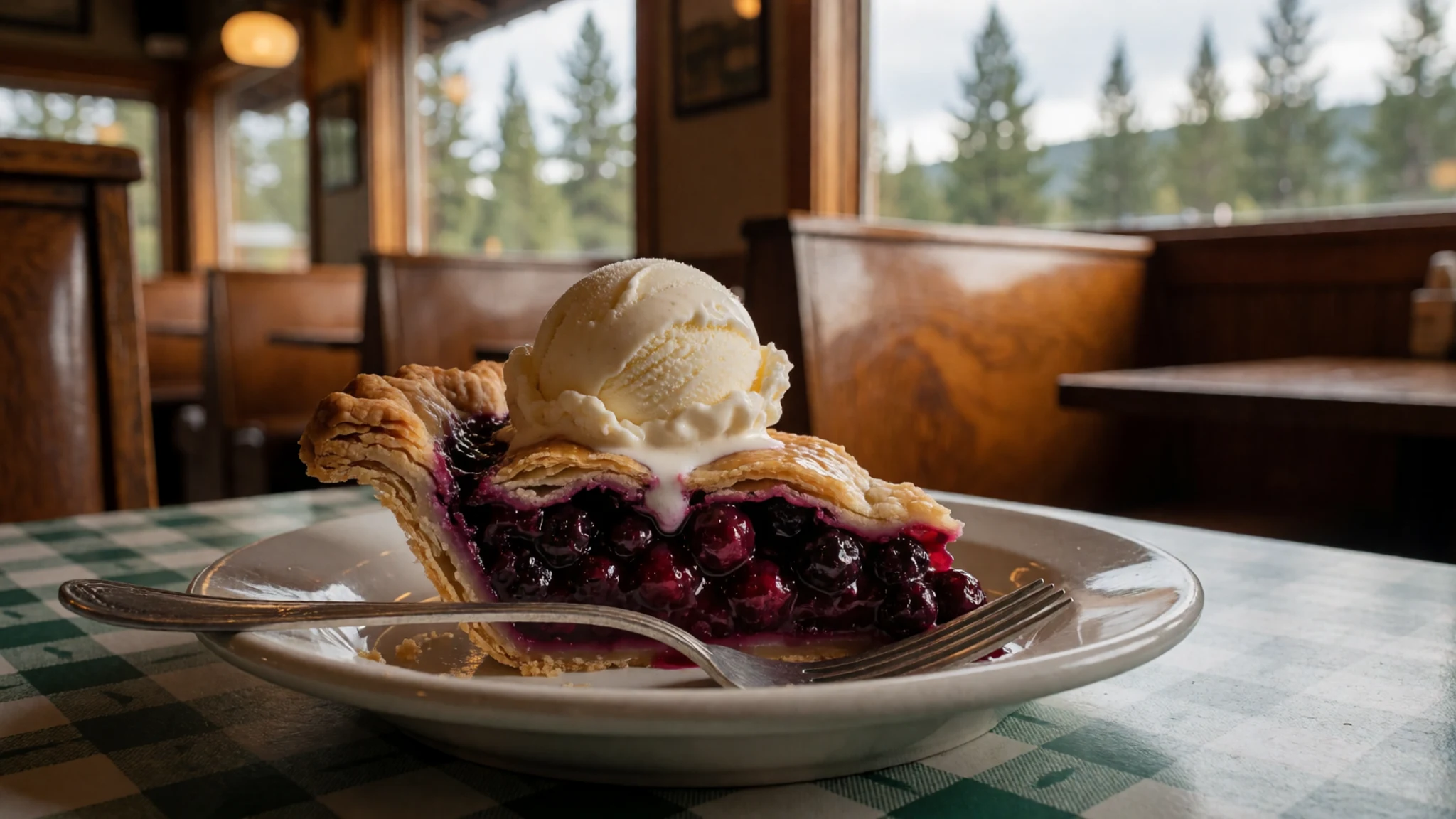
- Tillamook Cheese — Dairies and grocery stores across the state
Tillamook cheese comes from the damp northwestern farming valleys, celebrated for its rich, aged cheddars crafted through long-standing dairy traditions that produce sharp and creamy blocks enjoyed by locals and travellers alike. - Pacific Northwest Microbrews — Local brewpubs and taprooms statewide
Pacific Northwest microbrews represent a thriving craft beverage culture, offering everything from crisp pale ales to robust porters poured in bustling taprooms and brewpubs throughout every major town and city. - Hazelnuts — Farm stands and specialty food shops
Hazelnuts, historically known locally as filberts, are a prominent agricultural specialty harvested in the fertile valleys, enjoyed roasted as a snack or incorporated into artisanal chocolates and baked goods.
Plan it
Best time. July through September offers the most reliable access, as heavy winter snows close much of the rim road and delay complete melting until mid-summer.
How long. 2–3
Getting there. Fly into Portland International Airport, rent a car, and drive south down the Interstate and through the Cascade range towards the national park.
Budget. mid
Tips
- Check road status before visiting, as heavy snow can block rim routes even into early summer
- Arrive early in the morning to secure parking at popular viewpoints along the caldera rim
- Carry warm clothing and sturdy layers, because hard frosts can occur even during peak summer months
- Bring reusable water bottles, as drinking water facilities are limited along remote park trails
- Keep a safe distance from wildlife and pack out all rubbish to preserve the pristine landscape
Etiquette
- Never throw objects or litter into the lake or down the steep caldera slopes
- Respect sacred indigenous sites and traditional cultural boundaries within the park
- Stay strictly on marked trails to prevent erosion on fragile volcanic terrain
Nearby
Sources
- Wikidata Q329266 (CC0)
- Wikipedia (CC BY-SA 4.0)
- Wikivoyage (CC BY-SA 4.0)