Sihanoukville
Sihanoukville, Cambodia
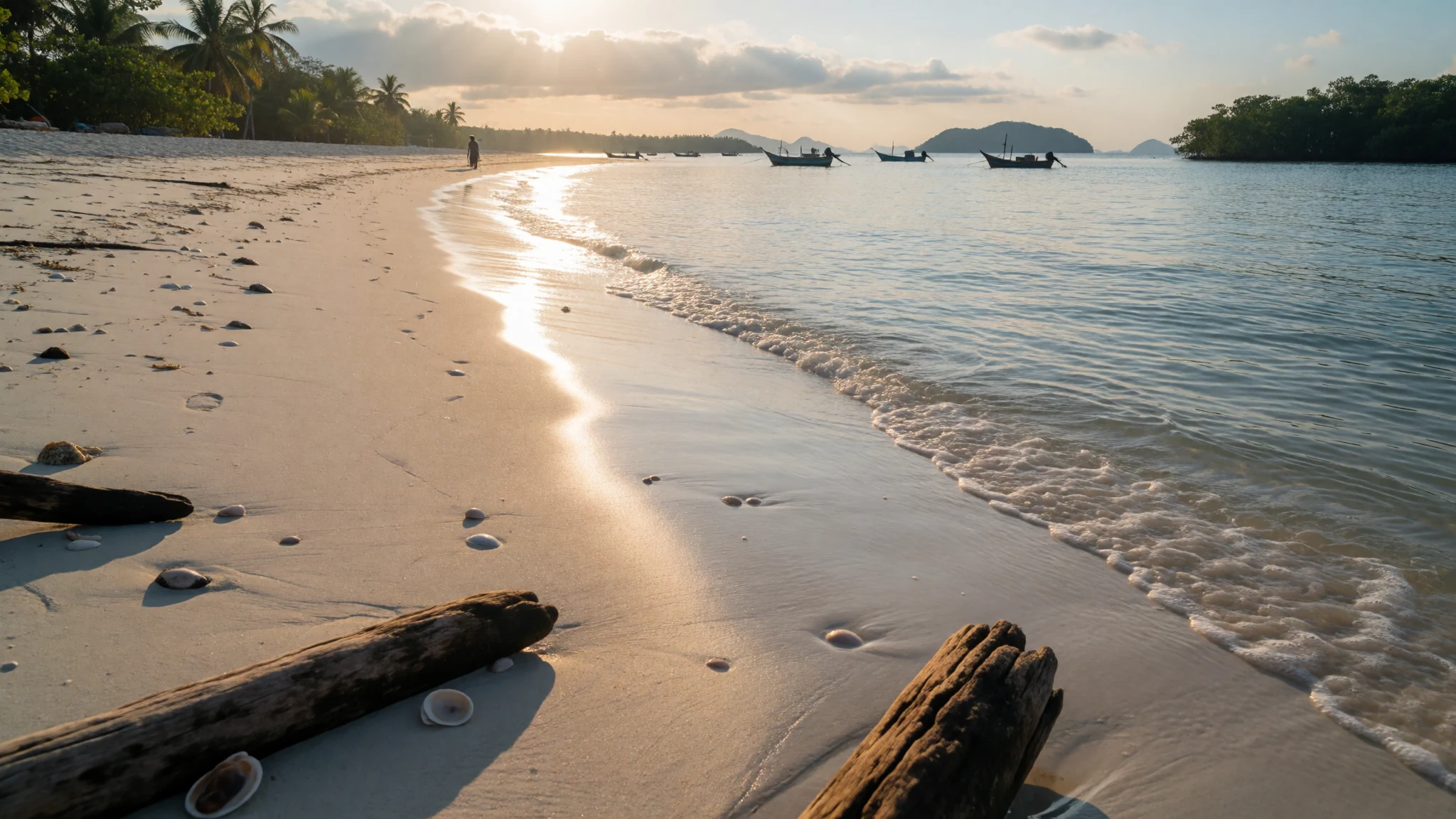
Sihanoukville offers coastal shores, sweeping Gulf views, and direct access to island escapes along the southern Cambodian coastline.
The place
Sihanoukville sits at the tip of an elevated peninsula in the south-west of Cambodia, looking out over the Gulf of Thailand as the capital of Preah Sihanouk Province. The urban landscape features a long string of sandy beaches curving along the coast, with coastal marshlands stretching out towards Ream National Park in the east. A single navigable river, the mangrove-lined Ou Trojak Jet, flows from the Otres Pagoda out to the sea at Otres. Several sparsely inhabited islands lie just offshore under the municipal administration, adding a remote horizon to the coastal geography. The layout of Sihanoukville has evolved in parallel with the construction of the Sihanoukville Autonomous Port, which began in the mid-twentieth century as the nation's primary gateway for direct international sea trade. As the only deep-water port in Cambodia, it incorporates specialized facilities including an oil terminal and an extensive transport logistics hub. The municipal population is spread across several communes, reflecting decades of transformation from a quiet regional anchorage into an industrial harbour and coastal destination. Road connections link the elevated town quarters with the sandy bays below, where hotels, local eateries, and traditional settlements exist side by side. The surrounding provincial terrain combines low hills, pockets of dense secondary forest, and tidal river channels that shape the daily rhythms of coastal life.
Its story
Before modern port construction began in Sihanoukville, the sheltered waters of Kampong Som functioned primarily as a regional anchorage rather than a major imperial hub. During the classical eras of Funan, Chenla, and the Khmer Empire, long-distance maritime trade routes across the region focused elsewhere, leaving this coastal stretch with relative isolation from the central lowland capitals. Historical records from the Cambodian Royal Chronicles briefly note the territory during periods of territorial division and royal succession struggles in the late fifteenth century, when regional administrative zones shifted between rival royal courts. During the early modern period, the territory experienced competing pressures from expanding neighbours across the lower Mekong basin. Territorial shifts in the seventeenth and eighteenth centuries exposed the southern coast to naval conflicts, including encounters involving Siamese and Vietnamese fleets competing for dominance over coastal trade routes and river mouths. For centuries, local communities here lived by fishing, small-scale boatbuilding, and coastal trade, relying on the shelter of the bay rather than formal international commerce. The modern era began when planners surveyed the peninsula for a dedicated maritime outlet that could bypass foreign river channels. The subsequent development of the deep-water harbour transformed Sihanoukville from a quiet provincial shoreline into the country's primary maritime doorway, reshaping the demographics, economy, and physical infrastructure of the entire southern peninsula.
What to see
- Otres Beach — Southern coast
Otres Beach provides a long stretch of clean shoreline with a relaxed atmosphere far removed from the busier central districts. Visitors can walk along the pale sands, swim in the warm coastal waters, or relax near the mangrove-lined river mouth where small local boats gather near the morning tide.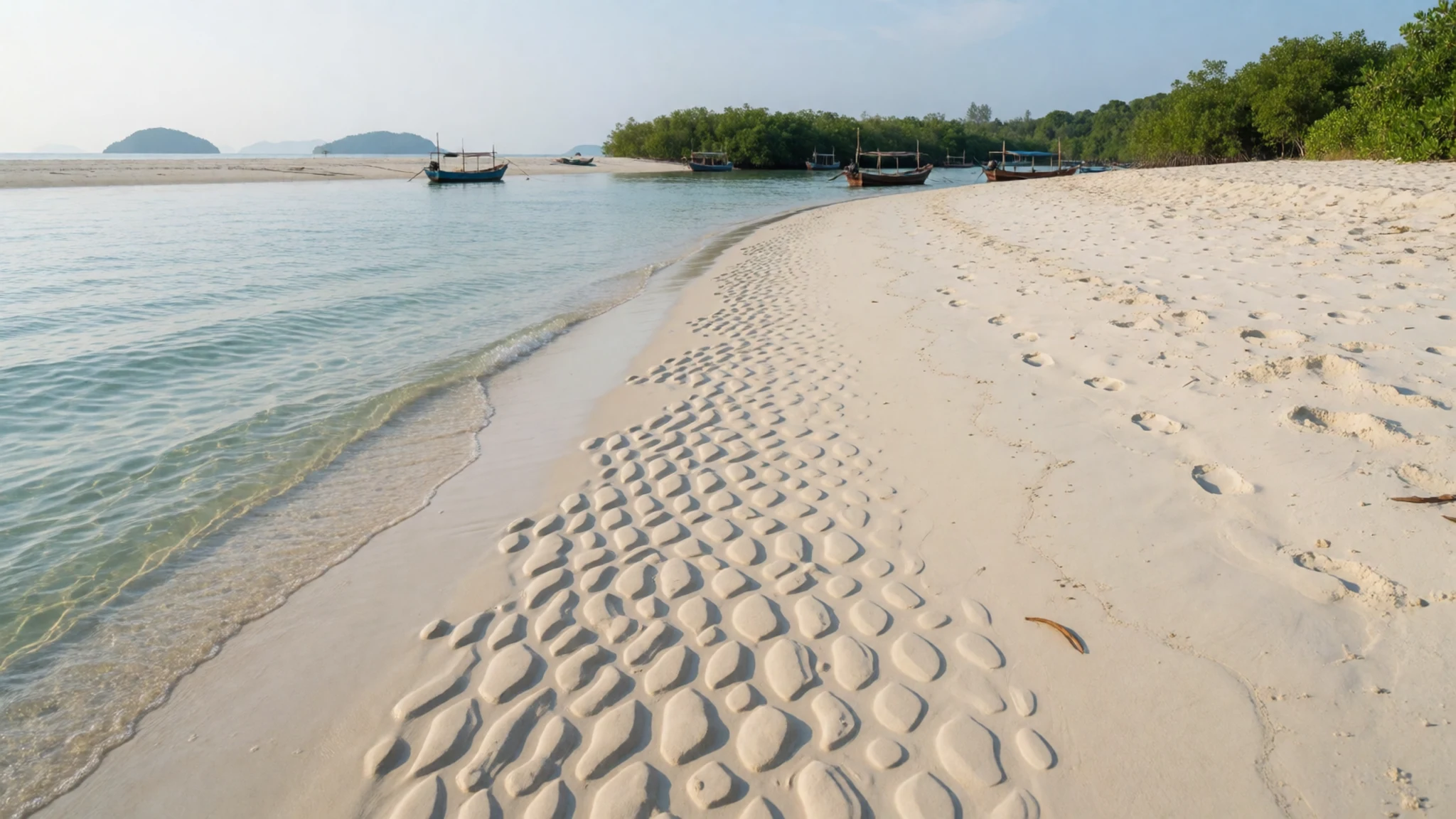
- Ochheuteal Beach — Central coast
Ochheuteal Beach features a narrow strip of sand lined with casuarina trees and informal food stalls serving grilled seafood. The northern portion transitions into livelier areas popular with evening visitors, while the southern end maintains a quieter environment for afternoon walks along the water.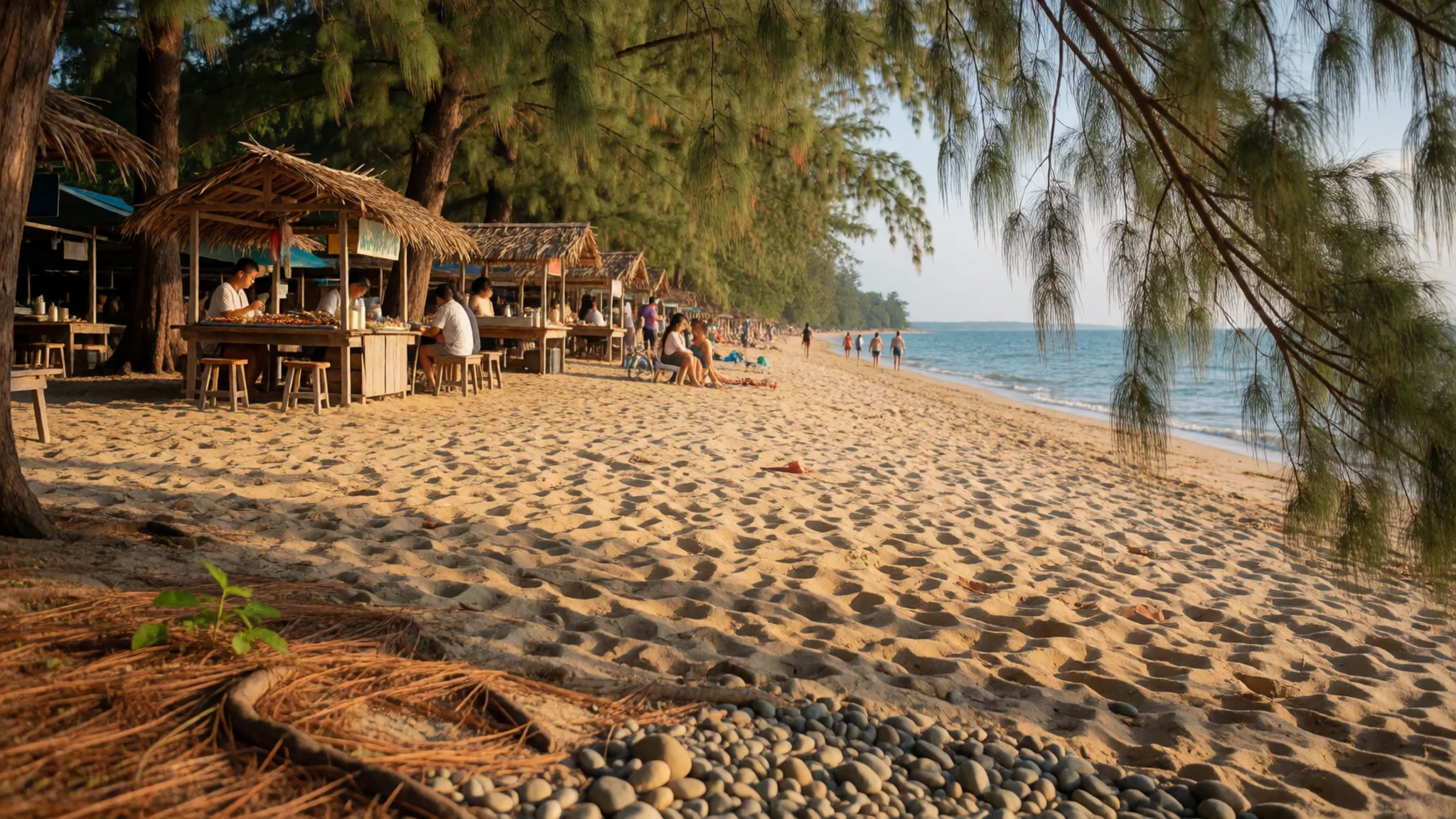
- Wat Leu — Hilltop district
Wat Leu occupies a quiet hilltop location above Sihanoukville, offering sweeping vantage points across the urban rooftops towards the open ocean. Resident monks tend the temple grounds, where ornate murals and traditional architectural details reflect classical Buddhist artistry in a serene environment.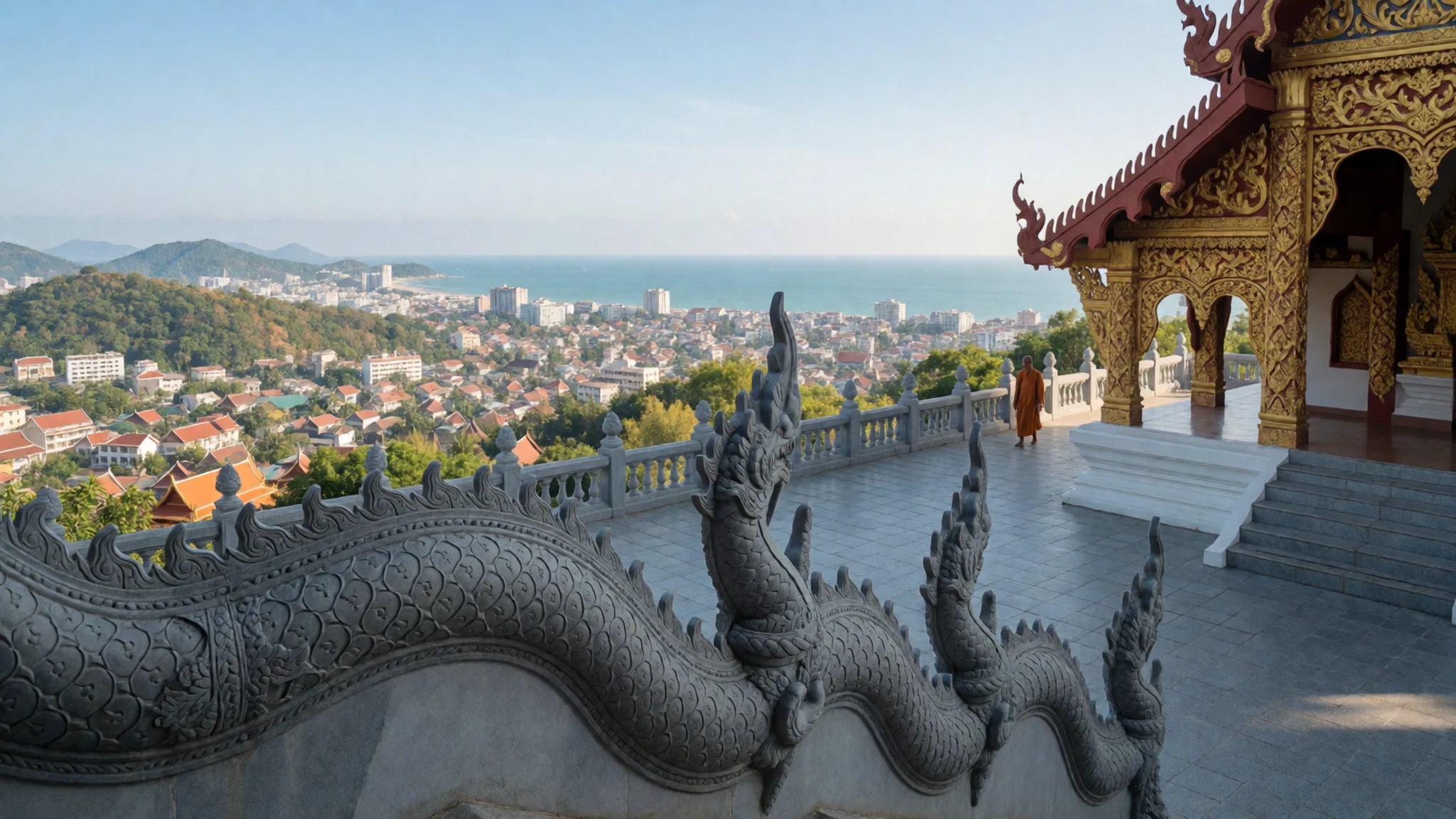
- Wat Kraom — Lower district
Wat Kraom rests within forested environs near the lower elevations of Sihanoukville, featuring a peaceful sanctuary and a large statue of the sleeping Buddha. The shaded grounds provide a quiet retreat from the coastal heat, frequented by local worshippers offering daily prayers.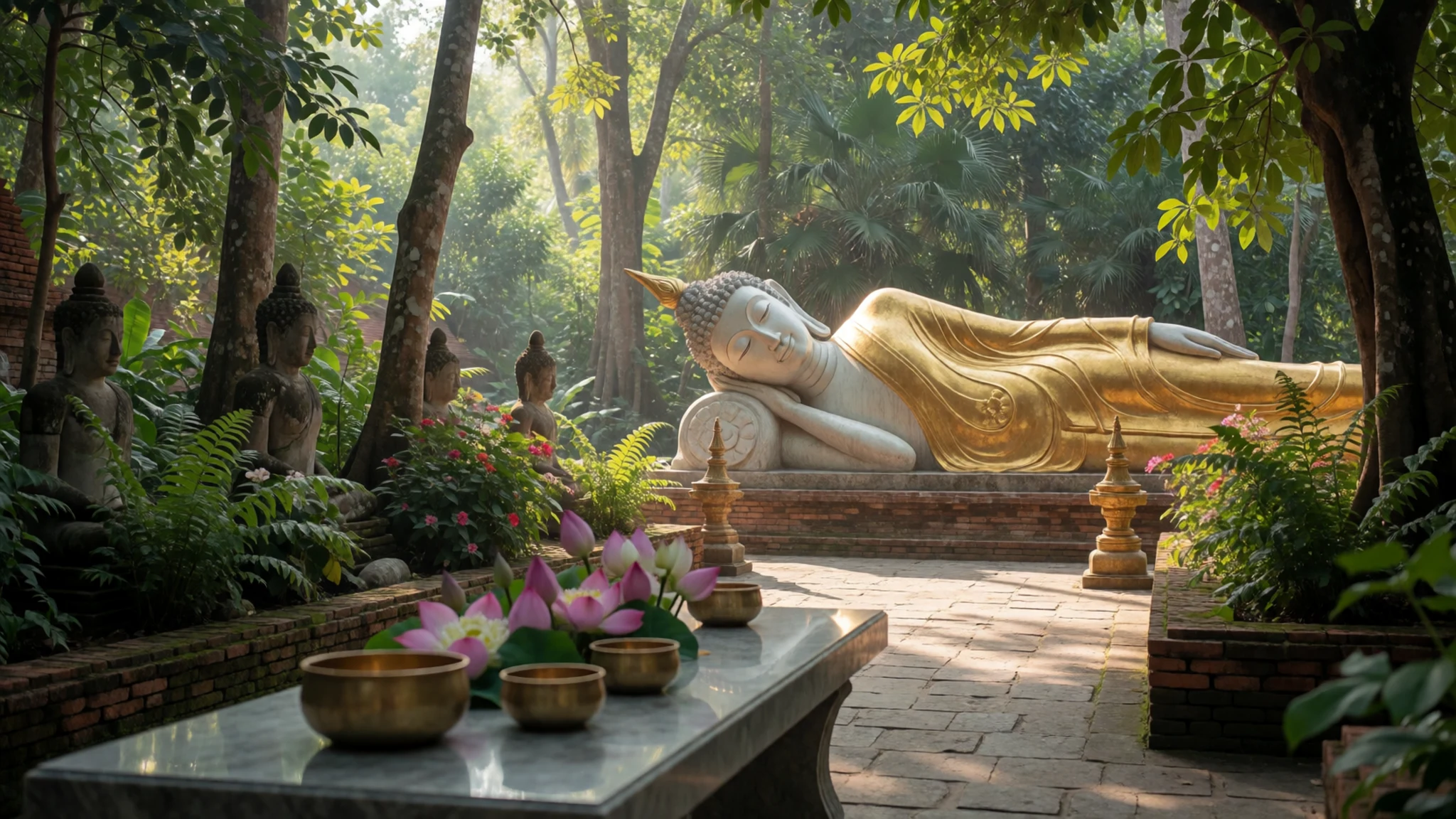
- Sokha Beach — Private coastal frontage
Sokha Beach comprises a private shoreline stretch known for its well-maintained white sand and calm swimming conditions. Visitors can access the grounds to enjoy an undisturbed seaside environment away from the busier public jetties and commercial vendor areas along the coast.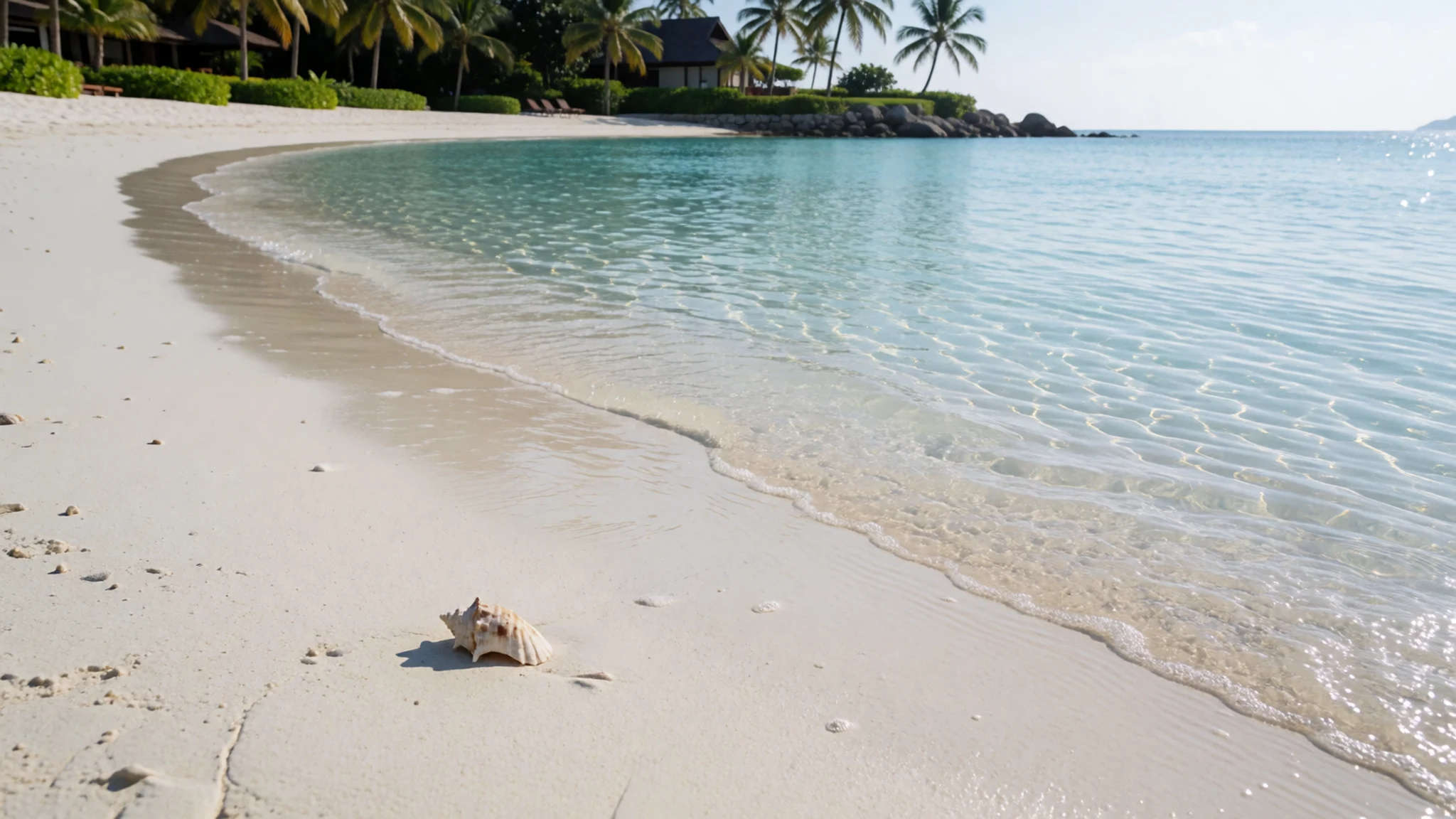
Culture
Sihanoukville reflects a diverse municipal population with deep roots in Cambodian traditions alongside long-standing Chinese and Vietnamese cultural influences. Residents across the city observe an extensive calendar of traditional festivities, including the Cambodian New Year celebrations in April, the water festival events in November, and the solemn Pchum Ben gatherings dedicated to honoring ancestors in October. Urban families of Sino-Khmer heritage have historically formed a significant part of the regional commercial community, contributing to the distinct cultural texture of the port city. Throughout the year, community events and religious ceremonies take place at local pagodas, reinforcing communal ties and shared spiritual practices among neighbours. Visitors should always remove their footwear before entering temple buildings or domestic homes.
What to wear
Traditional attire across Sihanoukville reflects everyday practical clothing suitable for a warm tropical climate, with ceremonial wear reserved for religious festivals, weddings, and national holidays. Silk sampots and formal garments featuring traditional Khmer motifs are worn by participants during national celebrations and temple ceremonies. For daily life, residents in Sihanoukville now dress in modern casual clothing, including lightweight shirts, trousers, and sandals suited to the high humidity and coastal environment. Visitors exploring the city should dress modestly when visiting pagodas or residential neighbourhoods, ensuring shoulders and knees are covered out of respect for local customs, while light, breathable fabrics are ideal for daytime wear along the sandy shores.
What to eat
- Beachside Grilled Seafood — Ochheuteal Beach food stalls
Fresh catches from local waters prepared simply over charcoal grills, often served with crispy chips and a cold local beer at the informal food stalls along the sandy shorelines.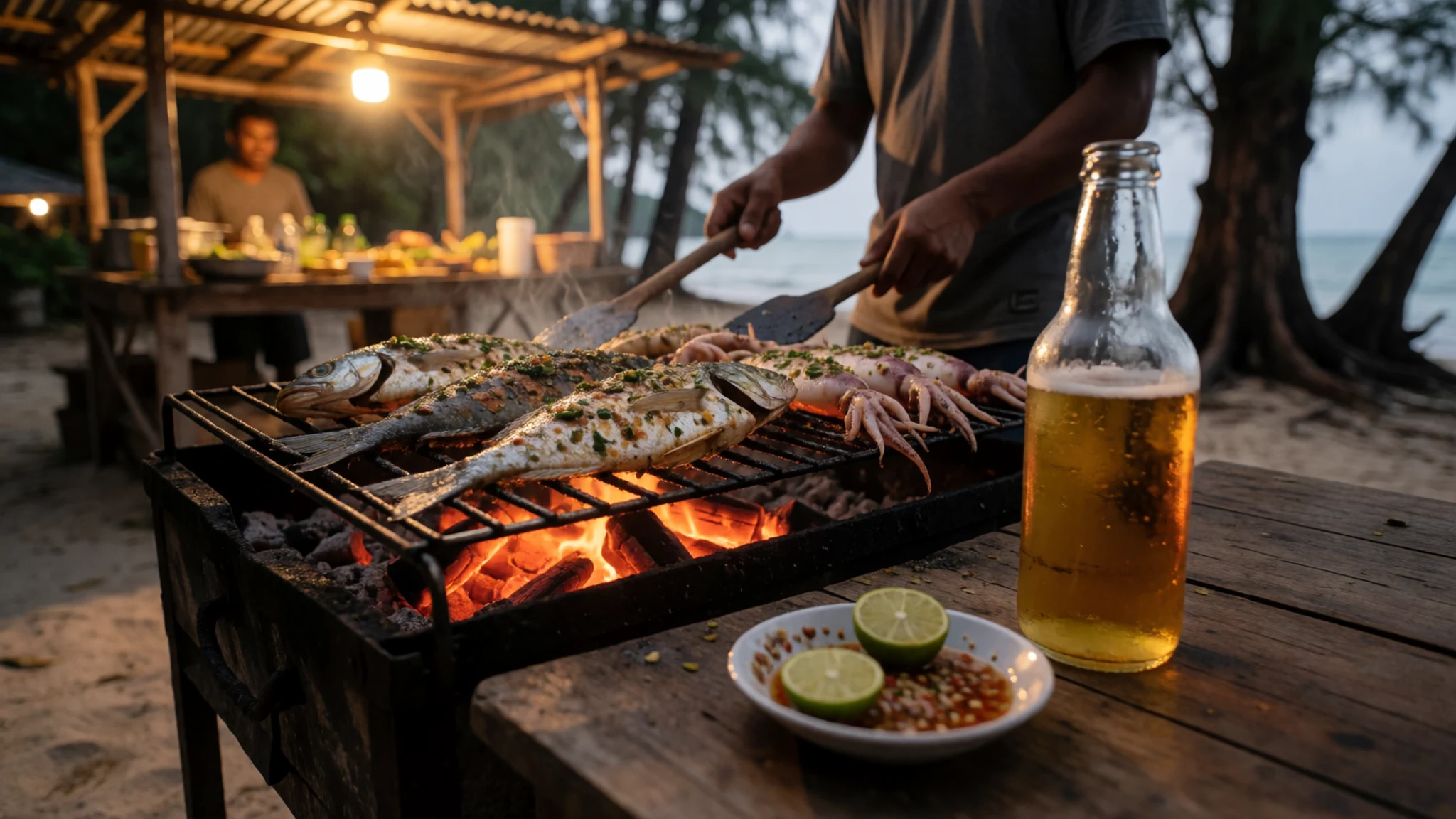
- Traditional Khmer Tasting Menus — Local specialty restaurants in town
Multi-course dining experiences featuring classic regional flavours, aromatic herbs, curries, and freshwater specialities prepared in accordance with long-standing Cambodian culinary traditions.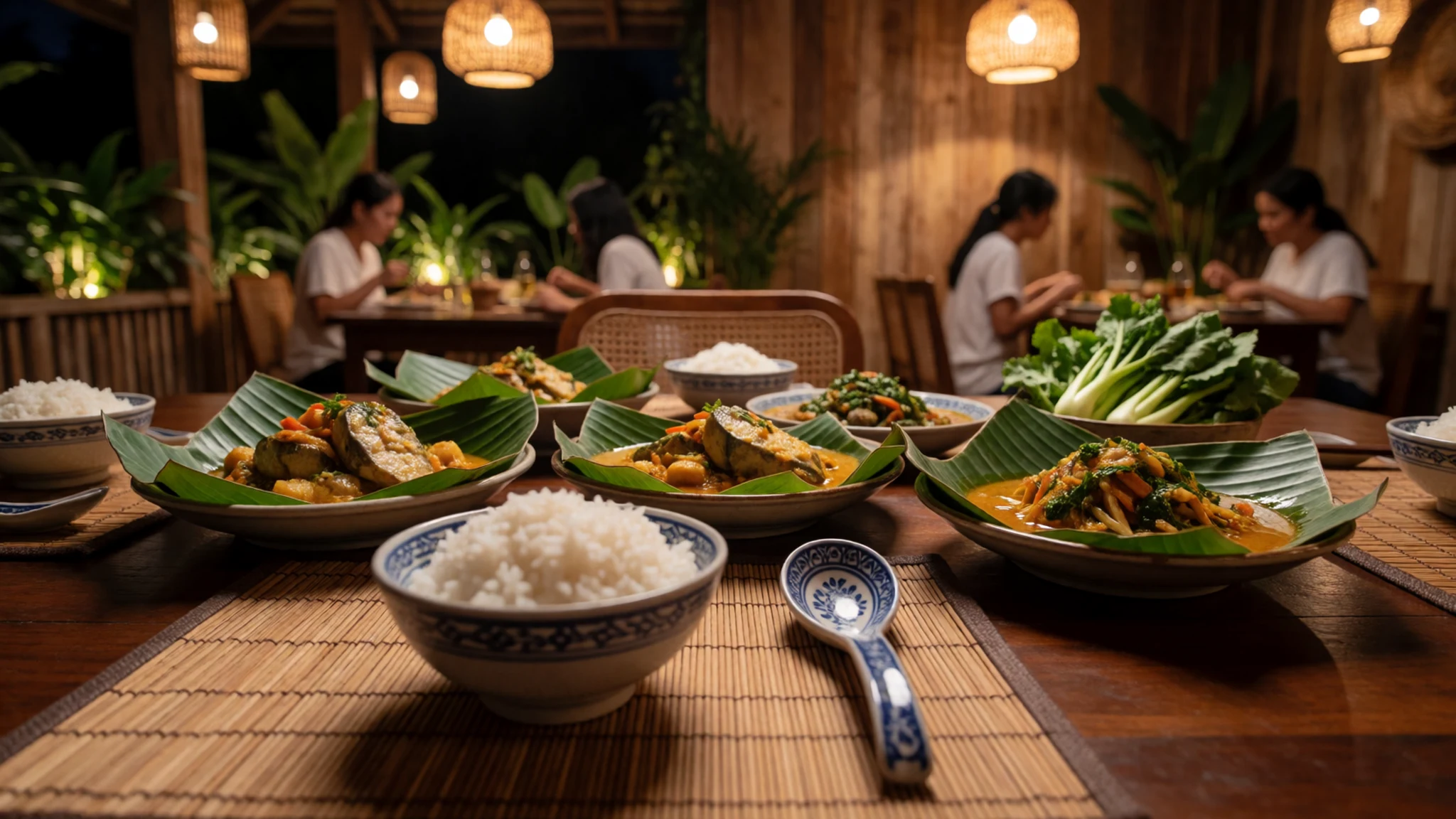
- Bakery and Café Fare — Town bakery cafés
Freshly baked goods, breakfast plates, and artisan coffee served in welcoming community spaces that often support local training initiatives and charitable causes. - Draft Beer and Snacks — Casual bars around the central streets
Extremely cold local draught beer served alongside light bar snacks in friendly neighbourhood establishments equipped with pool tables and casual seating.
Plan it
Best time. December to March, during the drier months when daytime humidity is lower and rainfall is less frequent.
How long. 2–3
Getting there. Arrive via Sihanoukville airport, then take a taxi for the road transfer into the city centre.
Budget. mid
Tips
- Carry cash in smaller denominations for local markets and beach stalls
- Keep hydrated and wear sun protection during the warm afternoon hours
- Confirm taxi fares before setting off from the airport or port
Etiquette
- Remove shoes before entering temples and private residences
- Dress modestly with covered shoulders when visiting religious sites
Nearby
Sources
- Wikidata Q18207676 (CC0)
- Wikipedia (CC-BY-SA 4.0)
- Wikivoyage (CC-BY-SA 4.0)