Shwedagon Pagoda
Shwedagon Pagoda, Myanmar
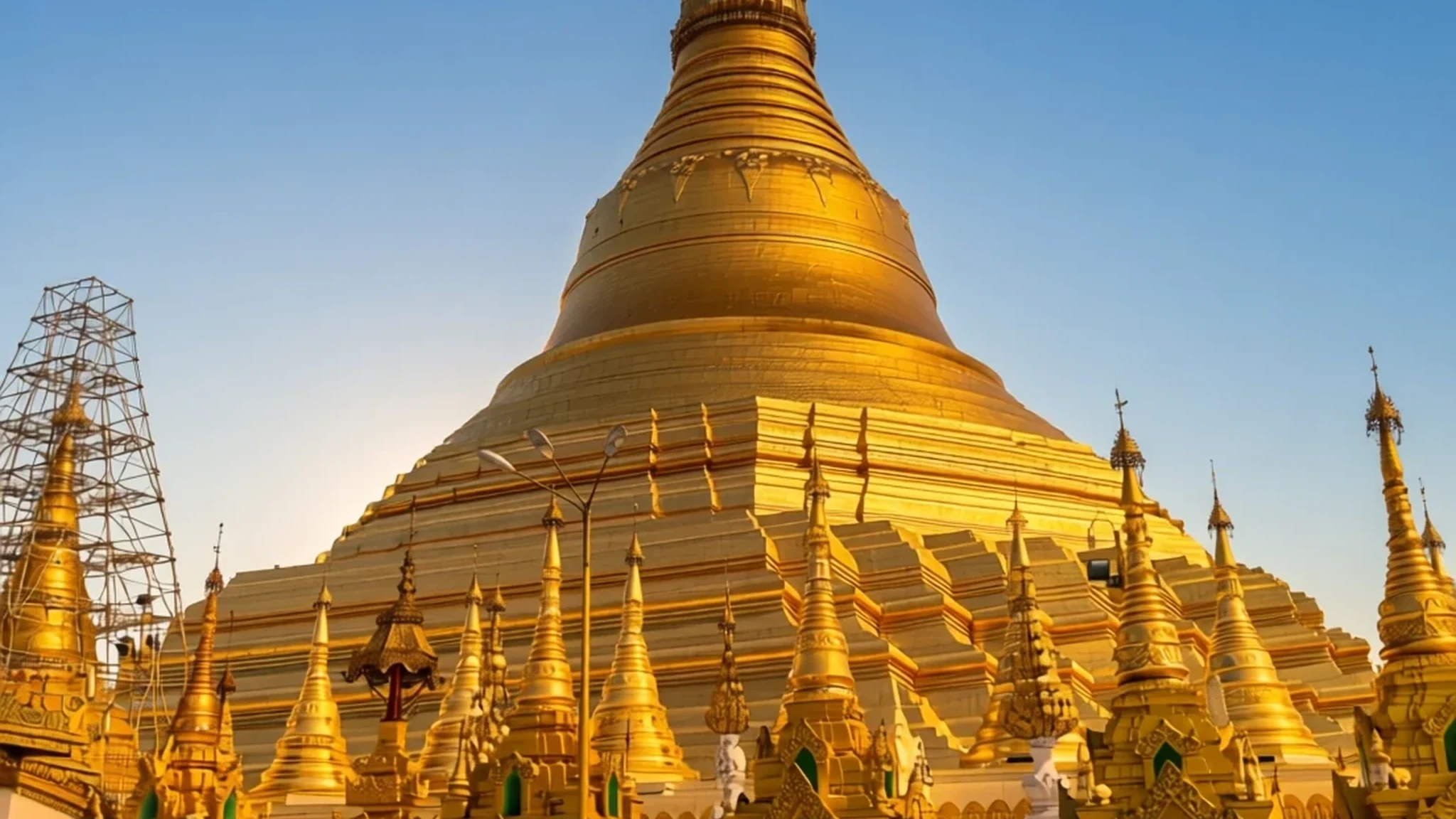
Visit Shwedagon Pagoda to experience Myanmar's most sacred Buddhist shrine, a towering golden monument that dominates the Yangon skyline.
The place
The Shwedagon Pagoda stands as the most revered Buddhist site in Myanmar, located in the dynamic and cosmopolitan city of Yangon. The colossal gilded stupa anchors the city's urban landscape, rising above the hills and capturing the changing light from dawn until late evening. Yangon itself serves as a fascinating melting pot of British colonial heritage alongside rich Burmese, Chinese, and Indian traditions. Although parts of the nineteenth-century urban fabric show their age, the city maintains a unique character across its bustling streets, markets, and leafy avenues. The pagoda rests upon a prominent eminence, visible from numerous vantage points across the metropolitan area, while strict municipal regulations preserve its unobstructed presence on the skyline. Visitors arriving in the city encounter a warm and resilient populace, lively neighbourhood eateries, and tranquil lakeside parks that contrast with the energetic pace of the commercial quarters. Surrounding the base of the grand stupa, wide open terraces provide a communal gathering space where pilgrims and travellers alike walk the stone flags, observe daily rituals, and listen to the gentle chiming of bells suspended from the umbrella pinnacle high above.
Its story
Tradition holds that the sacred complex dates back more than two millennia to the lifetime of the historical Buddha, which would position it among the most ancient surviving stupas anywhere in the world. According to foundational narratives, two merchant brothers encountered the Buddha in northern India shortly after his enlightenment and received eight strands of his hair. Upon returning to their homeland, the brothers presented these precious relics to the local ruler, who enshrined them alongside sacred items left by the three previous Buddhas upon the holy hill. Historical documentation in royal chronicles places the first significant structural expansion centuries later, when successive monarchs raised the height and reinforced the foundations. During the fifteenth century, a powerful queen and her royal successors further enlarged the monument, adding layers of gold and establishing the generous proportions that continue to define the sacred precinct today. Through centuries of earthquakes, foreign conflicts, and shifting political dynasties, the shrine has been repeatedly restored and regilded through the devotion of generations of worshippers who contribute gold leaf and precious stones as acts of profound spiritual merit.
What to see
- The Grand Stupa Platform — Central terrace
The vast elevated terrace surrounding the central golden stupa is the emotional heart of the complex. Pilgrims walk in a clockwise direction, offering flowers, burning incense, and pouring water at designated shrines while monks chant quietly in the warm breeze.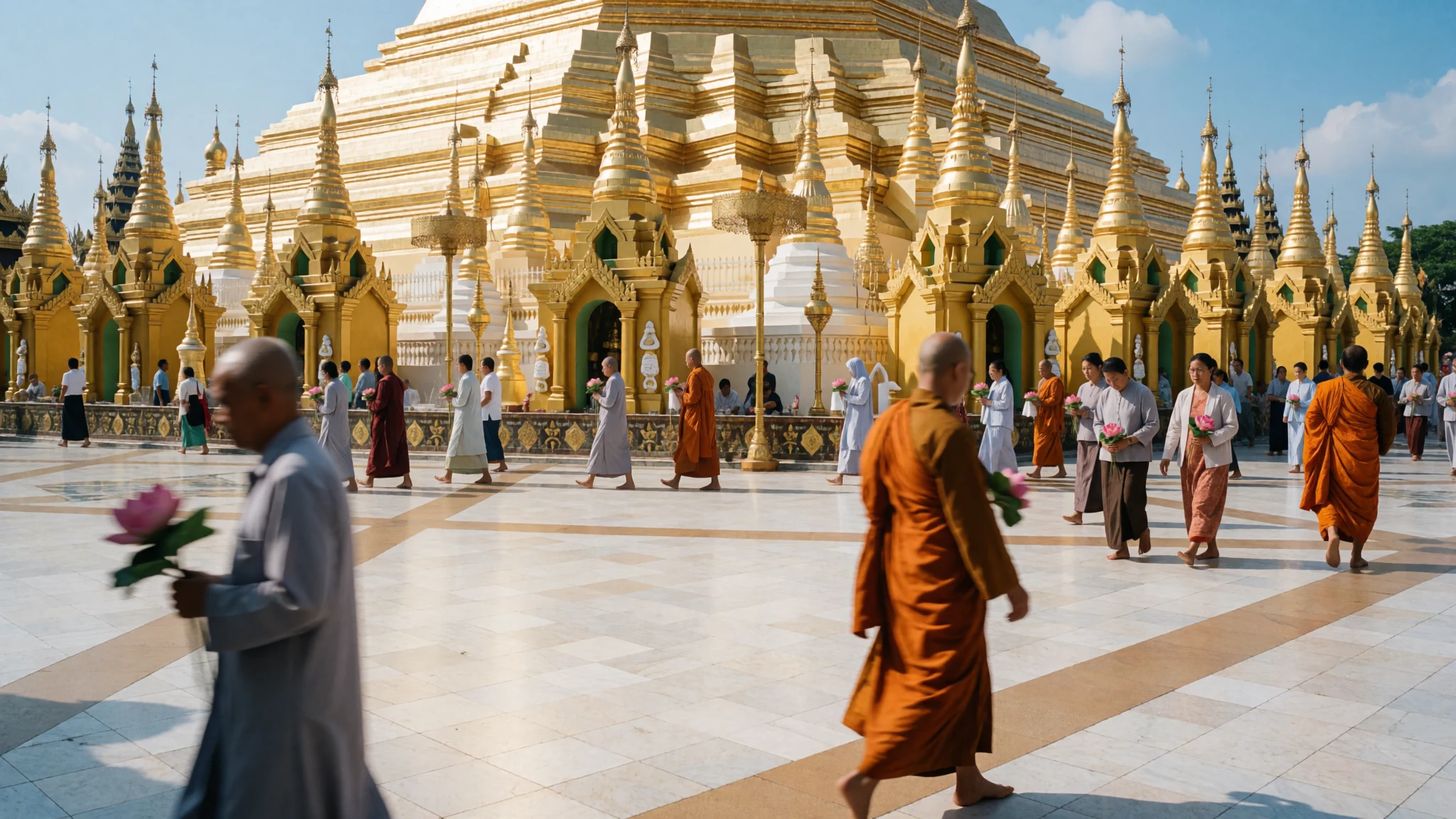
- Covered Walkways — Cardinal approaches
Four covered stairways approach the hilltop from the cardinal directions, shielding visitors from the tropical sun. The eastern approach is particularly lively, lined with small stalls vending candles, lotus blossoms, prayer beads, and thin sheets of hammered gold leaf.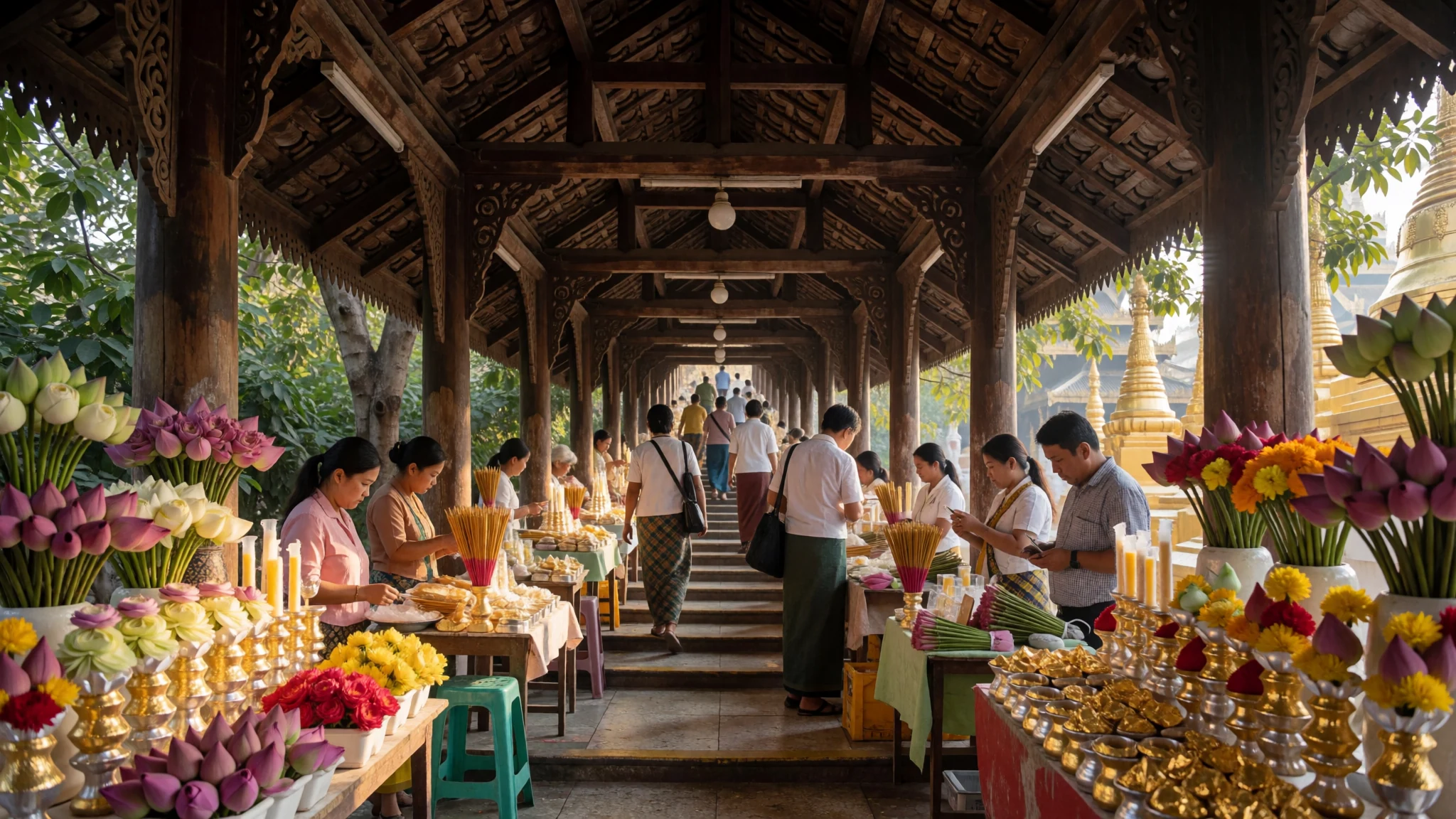
- Day Shrines — Base of the main stupa
The octagonal base of the stupa features distinct shrines corresponding to the days of the local astrological calendar, with Wednesday split into two halves. Worshippers locate their birth planet and pour water over the associated animal statue to honour protective spirits.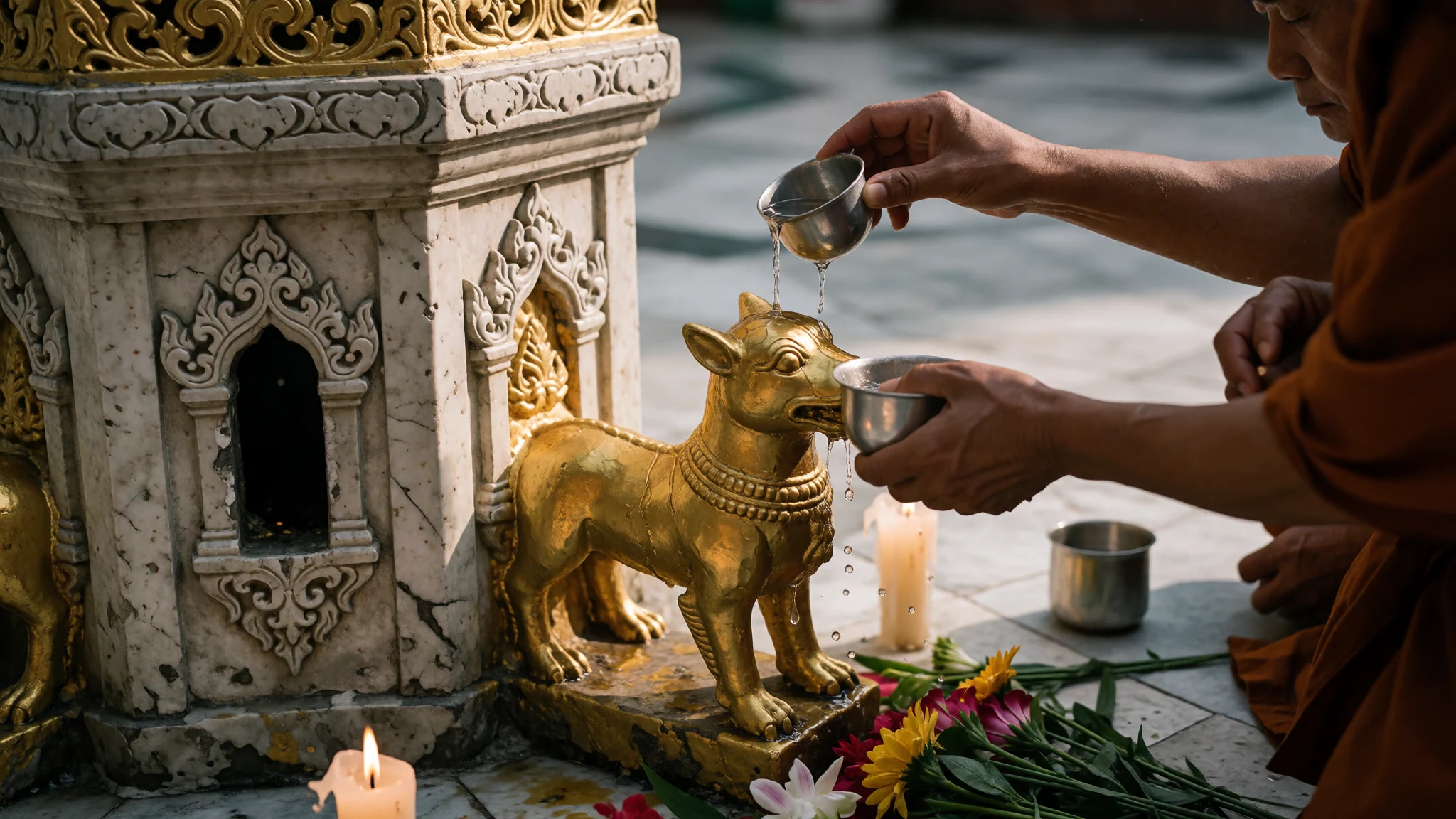
- Guardian Chinthes — Entrance stairways
Massive mythological lions stand guard at each of the four primary entrances, marking the threshold between the secular city streets and the sacred realm above. These stylized beasts feature ferocious expressions and elaborate ornamentation characteristic of classical religious sculpture.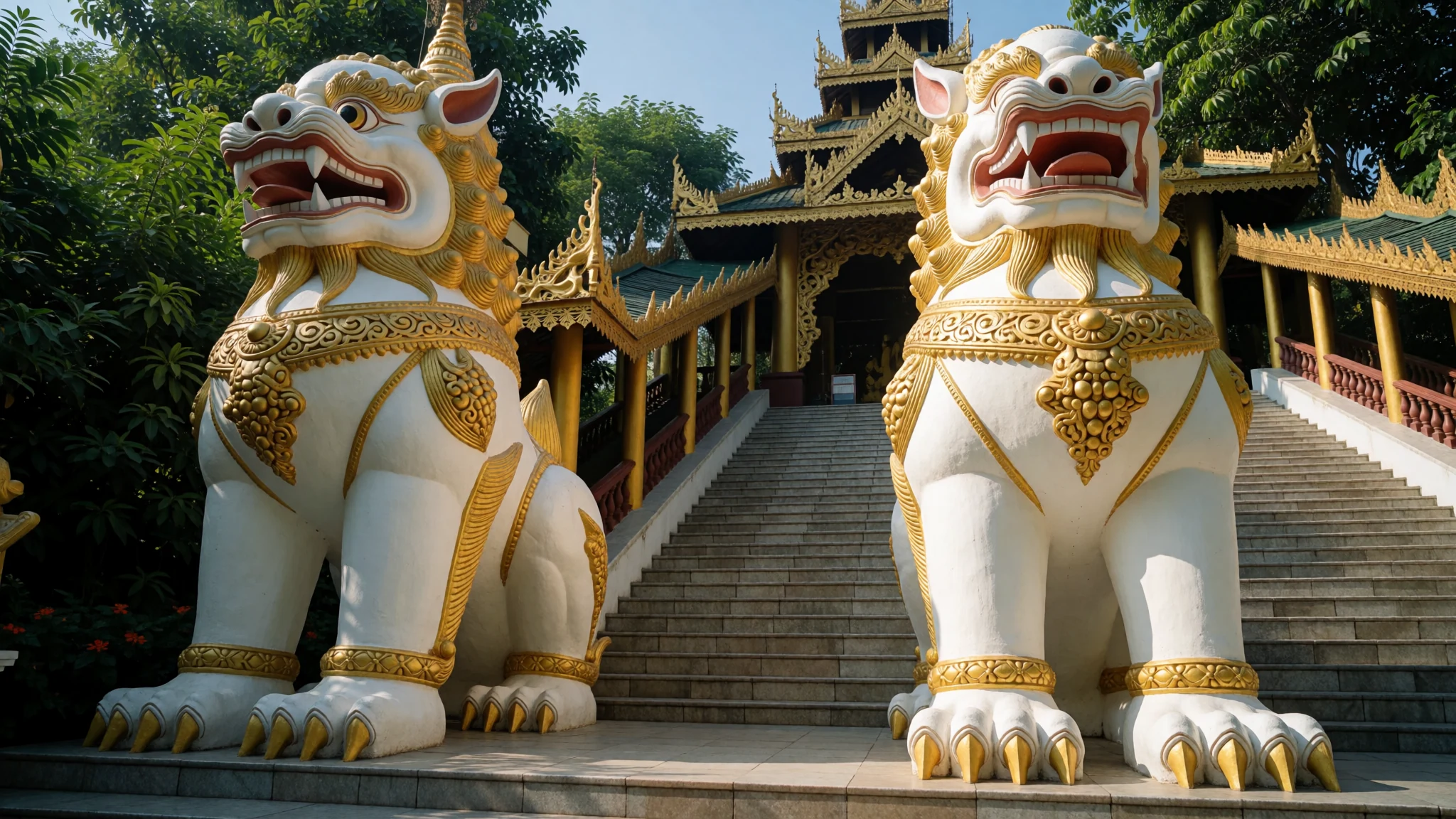
- Arakanese Prayer Pavilion — Western terrace
Positioned near the western approach, this ornate wooden pavilion reflects the regional architectural traditions gifted by the communities of coastal Rakhine State. It offers a quiet shaded space for meditation and contemplation away from the busier circumambulation paths.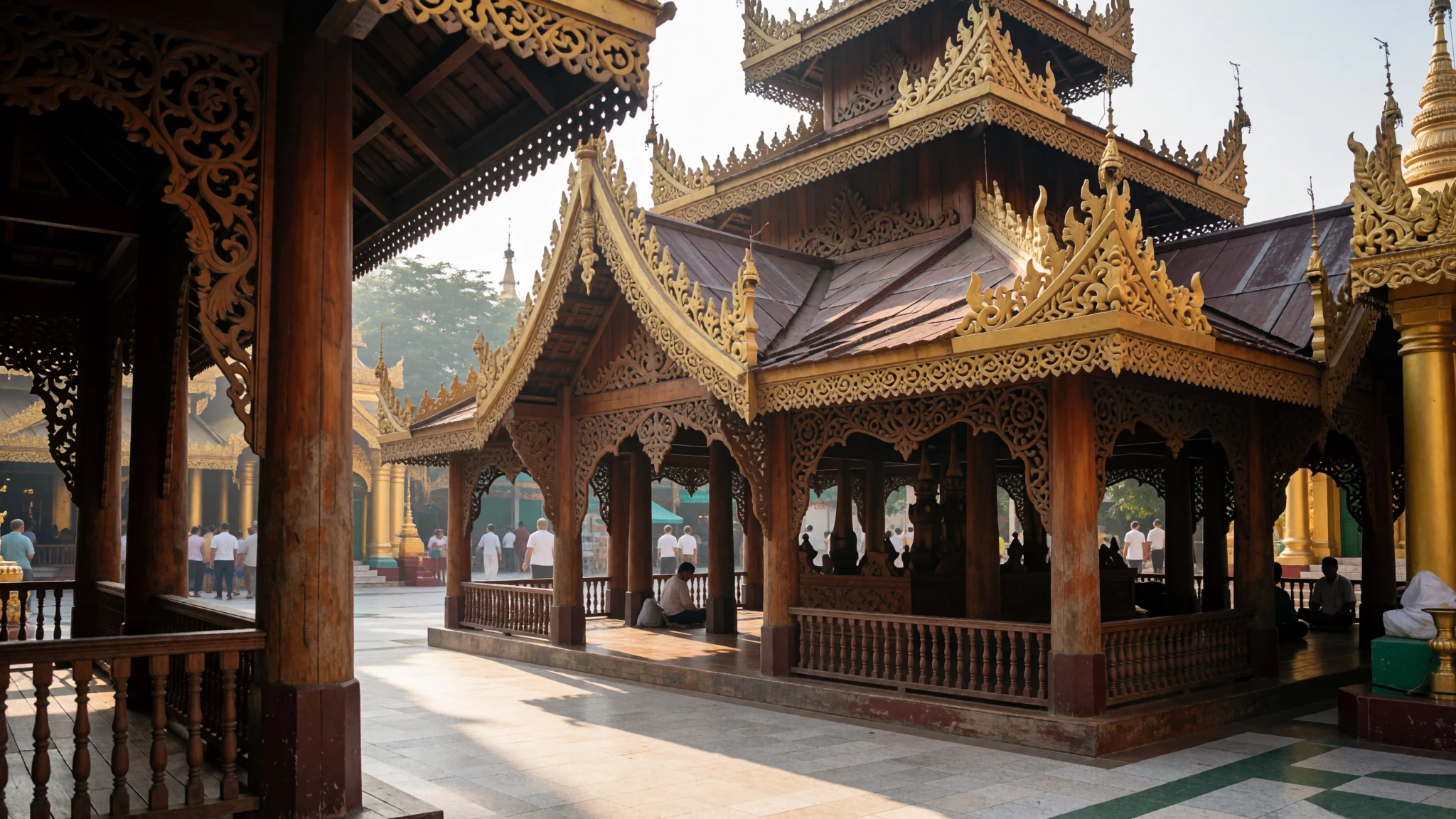
Culture
Spiritual life in Yangon remains deeply intertwined with Theravada Buddhism, influencing daily routines, community gatherings, and artistic expression across the metropolitan area. Respect for elders, monastic orders, and sacred spaces governs interpersonal conduct, creating an atmosphere of gentle courtesy and mindfulness. Traditional festivals follow the lunar calendar, drawing crowds to temple courtyards for communal feasting, merit-making ceremonies, and traditional music performances. Visitors will find that participating respectfully in local customs opens doors to genuine connections with residents who are proud to share their heritage. When entering any religious compound, shrine area, or traditional home across the city, always remove your footwear and socks completely before stepping onto the premises.
What to wear
Traditional attire across Myanmar remains remarkably resilient against global fashion trends, with the longyi serving as the everyday garment for both women and men. This versatile tube of fabric is wrapped and knotted securely at the waist, fashioned from breathable cottons or fine silks depending on the occasion and weather. Women often complement their outfits with thanaka, a traditional yellowish-white cosmetic paste ground from tree bark that protects against the tropical sun while serving as a fragrant, decorative marking on the face. Local city residents today mix traditional longyis with casual western shirts and comfortable sandals for daily errands and office work. Visitors exploring the city and its sacred sites should dress modestly out of respect for local cultural norms, ensuring shoulders and knees remain fully covered when visiting temples or markets. Lightweight, loose-fitting cotton garments are ideal for navigating the warm climate, and slip-on shoes are essential since footwear must be removed frequently throughout the day.
What to eat
- Shan Noodle Shop — Downtown Yangon
A popular local noodle house serving comforting bowls of seasoned rice noodles tossed with chicken or pork, peanuts, and savory broth. It provides an energetic atmosphere favoured by neighbourhood residents looking for a quick, satisfying bite during the afternoon.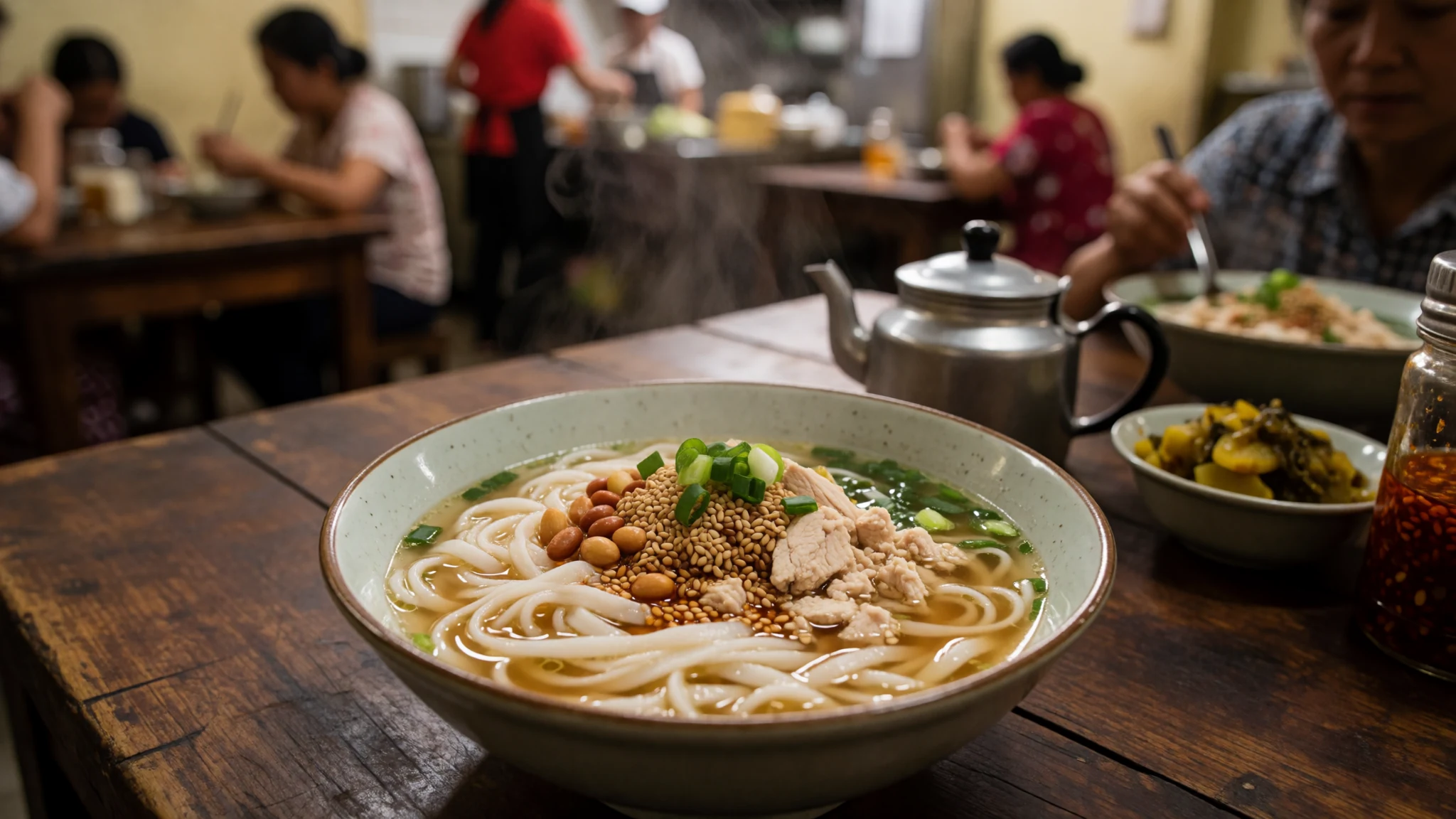
- Aung Mingalar Shan Noodle Shop — Central urban district
A lively neighbourhood eatery specializing in traditional Shan culinary traditions at very affordable prices. Friendly waitresses serve comforting bowls of broth and noodles topped with flavorful herbs and pickled mustard greens to hungry diners throughout the day.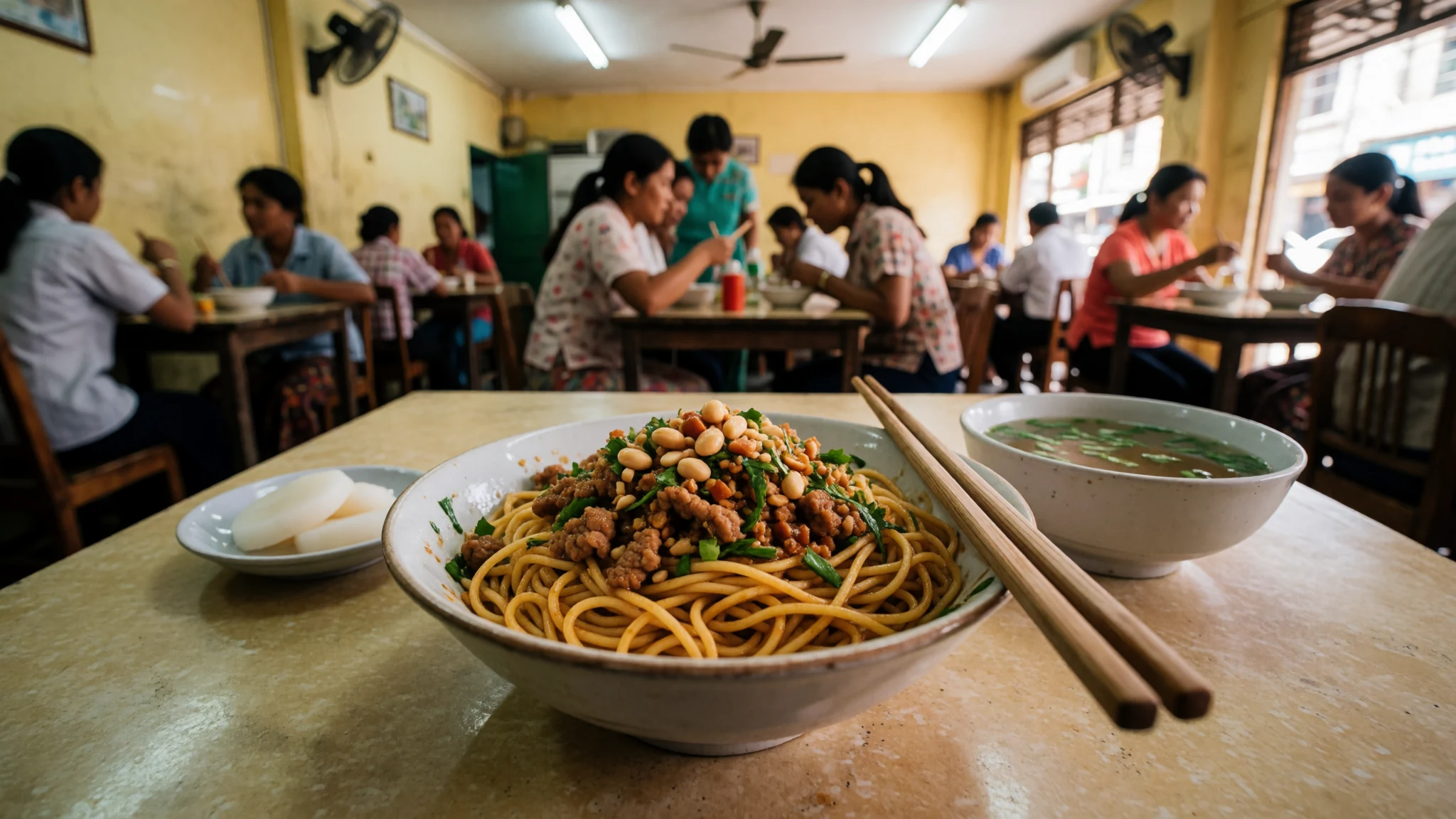
- Feel Restaurant — City dining quarters
A bustling dining establishment offering a diverse selection of traditional Burmese curries displayed openly at the back for easy selection. Diners point to their preferred meat or vegetable dishes, which arrive accompanied by fresh salads, dipping sauces, and warm rice. - Hla Myanmar — Urban neighbourhood streets
An unpretentious local restaurant specializing in authentic Bamar curries prepared with traditional spices and cooking methods. It offers budget-conscious travellers an excellent opportunity to experience home-style flavours enjoyed by everyday families across the city. - Kyet Shar Soon Biriani — Historic city quarter
A long-established eatery serving fragrant, halal Burmese-accented biryani infused with aromatic spices and tender meat. Operating since mid-century decades, it remains a beloved local institution for hearty midday meals shared among friends and visiting patrons. - New Delhi Restaurant — Central commercial lanes
A small, unpretentious Indian eatery well-known to both local residents and travellers for offering comforting curries and flatbreads at modest prices. The unpretentious dining room provides a welcoming atmosphere and reliable dishes inspired by South Asian culinary roots.
Plan it
Best time. November through February offers the most pleasant weather with lower humidity and minimal rainfall, while March and April bring intense tropical heat.
How long. 2–3
Getting there. Arrive at Yangon International Airport, then take a pre-paid taxi or a ride-hailing car directly into the city centre.
Budget. mid
Tips
- Visit the pagoda early in the morning or near sunset to avoid midday heat and experience the atmospheric lighting
- Carry a small bag to hold your shoes since footwear must be removed at the base of the pagoda complex
- Keep local currency in cash for small purchases, market stalls, and entry donations
- Stay hydrated by drinking bottled water throughout your explorations in the tropical climate
Etiquette
- Remove shoes and socks before stepping onto any temple platform or sacred compound
- Dress modestly with covered shoulders and knees when visiting religious sites
- Ask permission before photographing local monks or residents in neighbourhood settings
Nearby
Sources
- Wikidata Q464535 (CC0)
- Wikipedia (CC-BY-SA 4.0)
- Wikivoyage (CC-BY-SA 4.0)