Shirakawa-go
Shirakawa-go, Japan
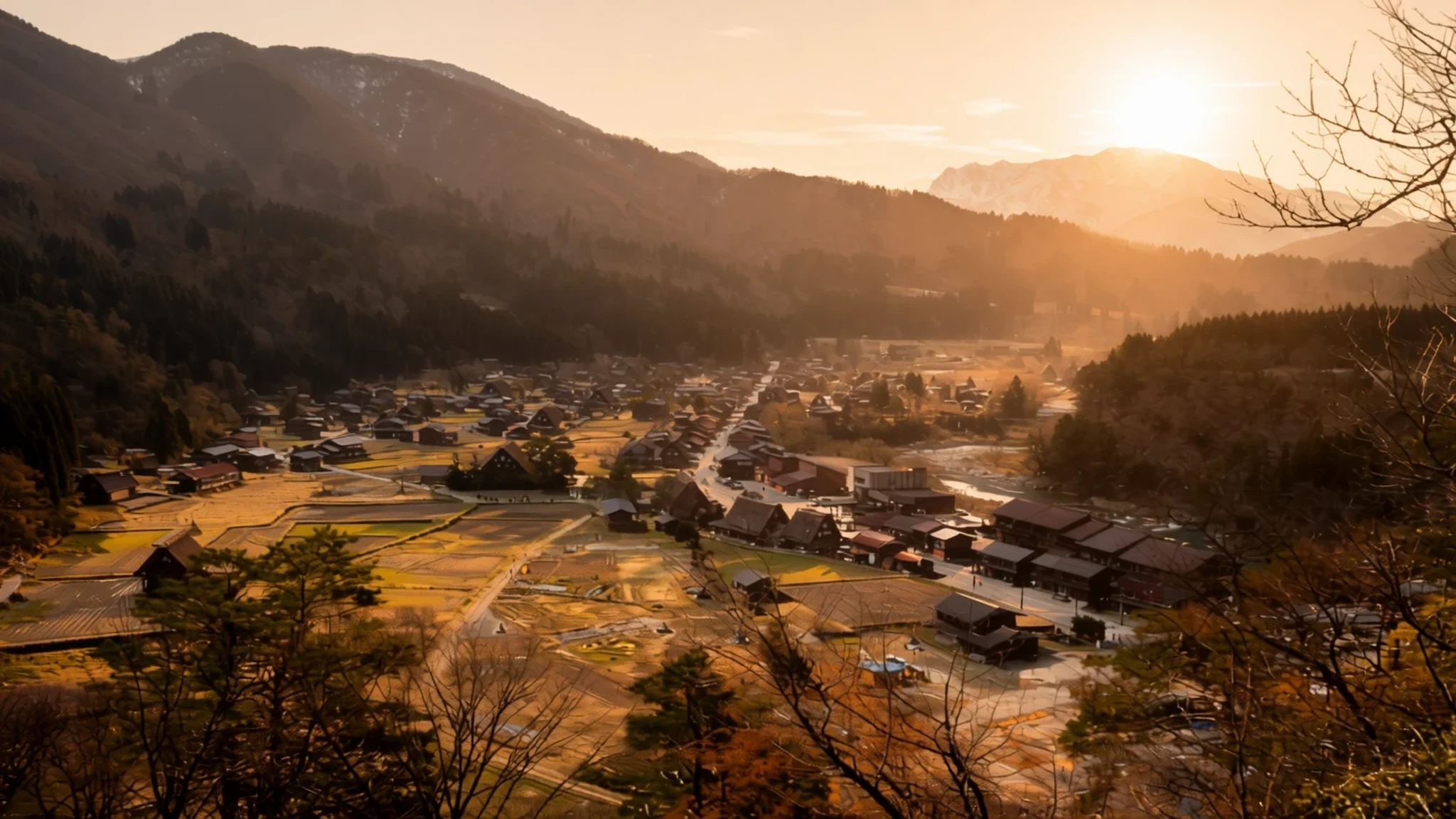
Visit Shirakawa-go to step inside centuries-old steep-roofed farmhouses preserved within a remote mountain river valley.
The place
Shirakawa-go sits within a remote mountain region in central Japan where towering peaks rise above the Shogawa river valley. Straddling the prefectural borders, this protected cultural zone encompasses historic farming communities renowned for their distinctive architectural heritage. The deep mountain valley experiences heavy winter snowfalls, shaping a landscape defined by isolation and resilient vernacular building traditions that endured for generations. For decades, limited transport links kept outsiders away, earning the isolated enclave a reputation as one of the country's final unexplored frontiers. Today, travellers journey into the high valley to explore clusters of timber dwellings featuring steeply pitched thatched roofs designed specifically to shed heavy winter powder. These iconic structures, constructed without a single nail, reflect incredible carpentry skills passed down through families. Surrounded by rugged heights reaching up to 1,500 metres, the settlements remain deeply connected to the natural rhythms of the seasons. Spring brings fresh greenery and melting drifts, while autumn paints the surrounding slopes in vibrant amber and red hues before winter transforms the valley into a quiet, snow-draped sanctuary. Exploring the settlements requires walking along quiet lanes where irrigation channels run clear with mountain runoff, offering an immersive glimpse into rural Japanese history away from the bustling modern metropolises.
Its story
Shirakawa-go has long been shaped by sacred geography, with Mount Hakusan serving as the principal summit for ancient mountain worship and ascetic religious traditions since the eighth century. During early eras, the isolated mountain valleys came under the spiritual control of the Tendai Buddhist sect. Because of its remote, mountainous nature and difficult access routes, the area also became a refuge for defeated warriors fleeing conflict, giving rise to persistent local legends of exiled clans settling among the peaks. In the thirteenth century, Tendai influence gave way to the Jodo Shinshu sect of Buddhism, which established deep spiritual roots that remain visible across local community life today. For centuries, the villagers survived through a combination of subsistence farming, sericulture, and the production of gunpowder ingredients harvested from local resources. The necessity of communal cooperation for heavy roof-thatatching work fostered strong bonds among villagers, ensuring traditions survived through harsh winters. Following the modern administrative restructuring of Japan, these historic settlements were incorporated into the current regional governance system while retaining their architectural character and traditional community structures.
What to see
- Ogimachi Village — Shirakawa
Ogimachi Village forms the largest settlement in Shirakawa-go, featuring dense clusters of historic farmhouses alongside running irrigation channels and small shrines. Visitors can wander through narrow lanes flanked by traditional residences, observe daily rural life, and admire the sheer scale of the thatched roofs that define this mountain community.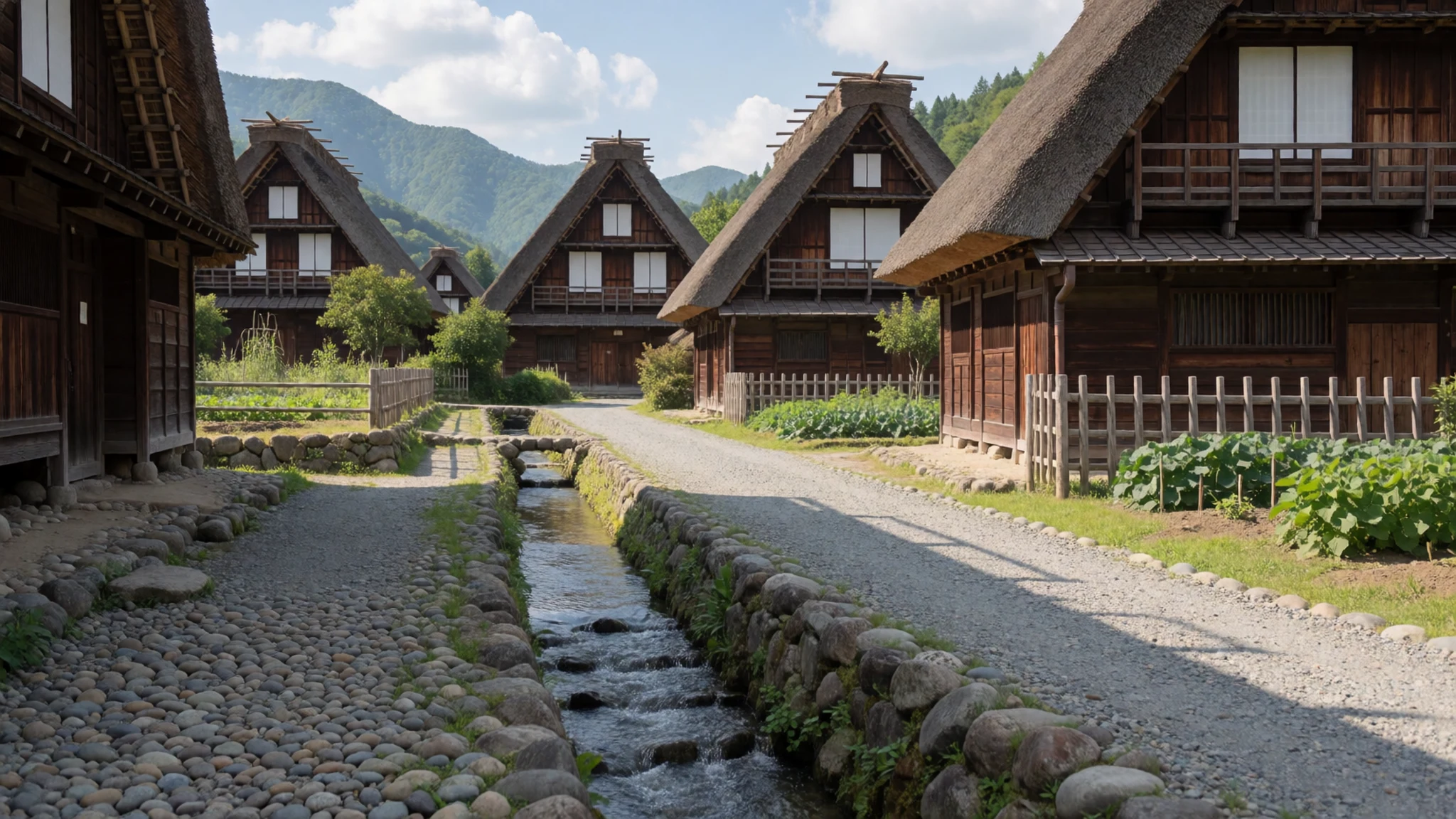
- Wada House — Ogimachi Village
Wada House stands as the largest historic residence preserved in the valley, offering a rare opportunity to step inside a working gassho-zukuri dwelling. The interior showcases original timber framing, multi-level living quarters once used for silkworm cultivation, and traditional hearths that kept generations warm through freezing winters.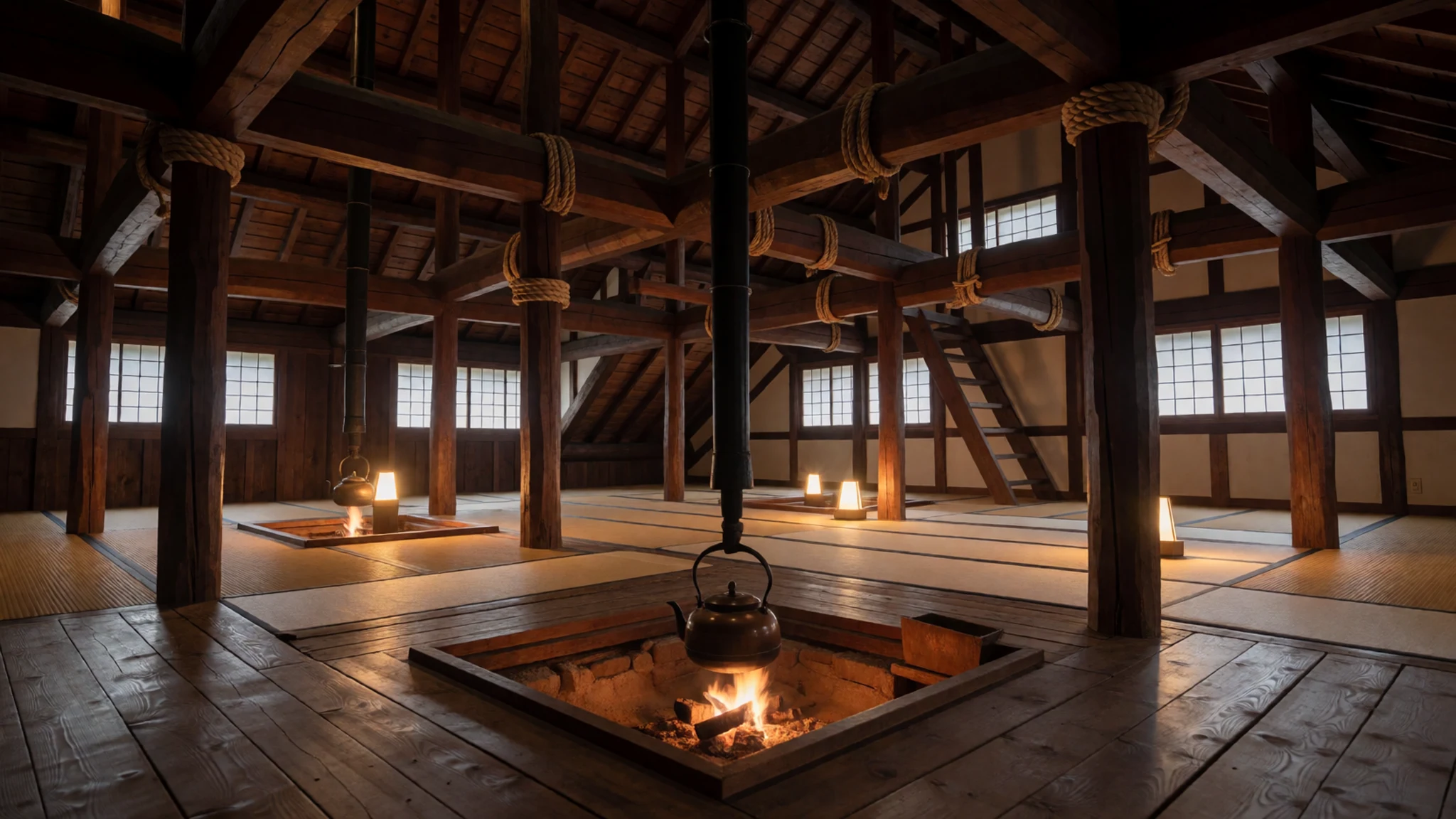
- Gokayama Folk Materials Museum — Nanto
Gokayama Folk Materials Museum preserves regional history and folklore within traditional structures in the neighbouring valley area. Exhibits detail local crafts, sericulture equipment, and mountain survival techniques developed by villagers isolated by heavy winter snowfalls over many centuries.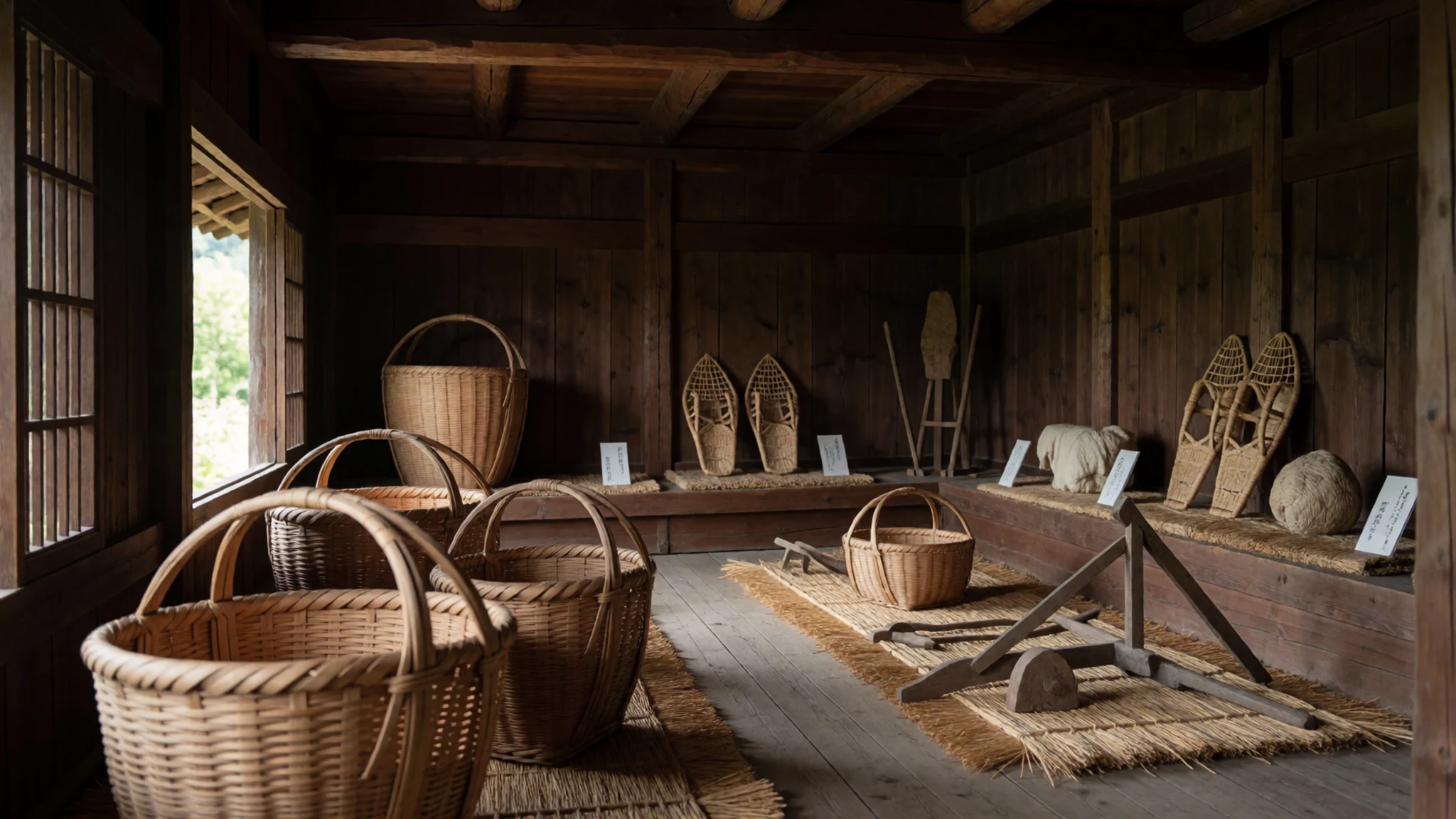
- Takayama Historic Streets — Takayama
Takayama historic streets provide a wonderful glimpse into preserved merchant districts featuring traditional timber buildings, small craft shops, and local sake breweries. Travellers often stop here to explore the old quarter before catching transport onward into the remote mountain valleys.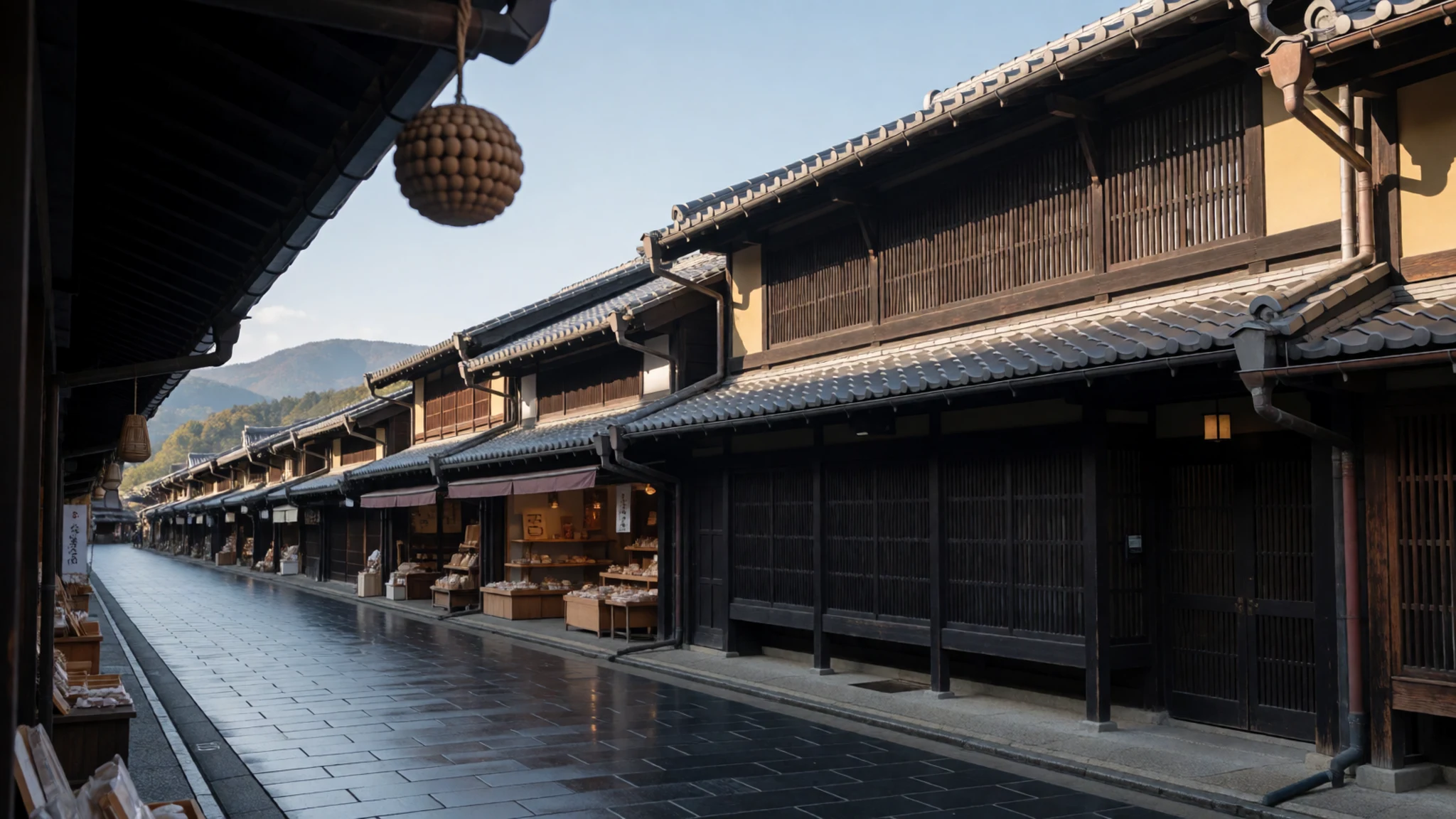
Culture
Shirakawa-go operates as a living community where families continue to reside inside the historic farmhouses rather than a sterile open-air museum. Daily life in Shirakawa-go remains closely tied to the Buddhist traditions of the Jodo Shinshu sect, which has guided community gatherings and spiritual practices for centuries. Neighbours still practice yui, a system of mutual aid and cooperation that is essential when repairing the massive thatched roofs before winter arrives. Visitors walking through the narrow village lanes should respect private residential areas, as many farmhouses remain family homes where photography inside private courtyards is discouraged. Traditional crafts, including hand-spun textiles and woodwork, reflect generations of self-sufficient mountain living adapted to deep snow and isolation. Always remove your outdoor shoes and step into provided slippers when entering traditional historic houses or local exhibition interiors.
What to wear
Shirakawa-go historically required heavy, durable clothing crafted to withstand sub-zero temperatures and heavy winter snowfall in the mountains. Traditional work attire included sturdy cotton layers, woven straw capes, and specialized snow footwear designed to prevent sinking into deep powder during long farm labour tasks. Today, locals dress in practical modern clothing suited to rural mountain weather, while older artisans occasionally wear traditional indigo-dyed cotton garments during local festivals and craft demonstrations. For visitors exploring Shirakawa-go, layers are essential regardless of the season, as mountain temperatures shift rapidly between sunny afternoons and chilly evenings. Sturdy walking shoes or boots with reliable grip are necessary for navigating uneven gravel paths, snow-covered lanes, and polished wooden floorboards inside historic farmhouses. Modest dress is appreciated when visiting local shrines and temples scattered throughout the valley communities.
What to eat
- Hoba Miso — Local village eateries and historic inns
Hoba Miso is a renowned regional speciality featuring savory soybean paste mixed with mushrooms and leeks, grilled slowly over hot coals on a dried magnolia leaf. The dish is typically served alongside rice or enjoyed warm as a rich, aromatic dip.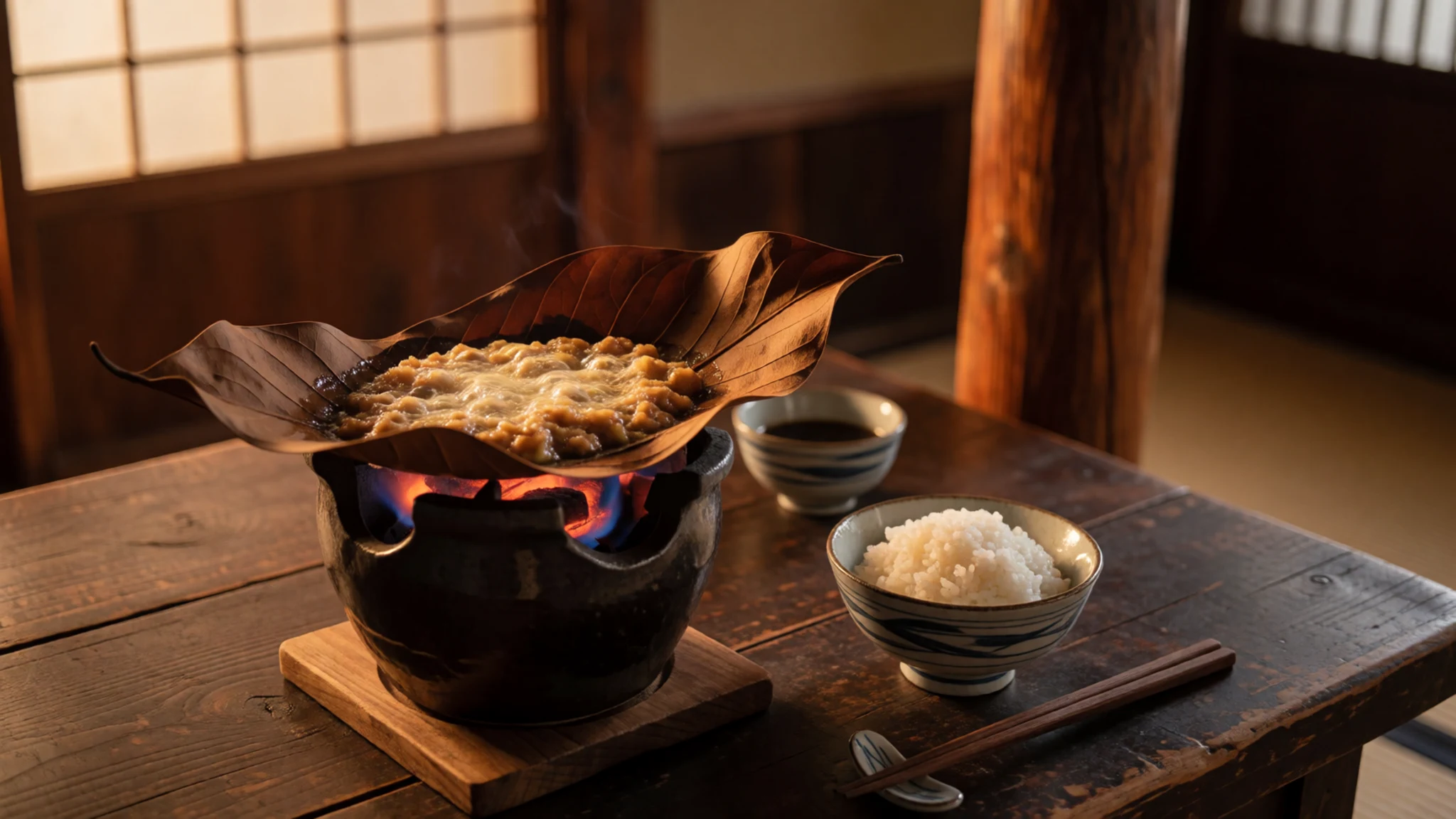
- Hida Beef — Village restaurants and food stalls
Hida beef is celebrated across the region for its rich marbling, delicate texture, and exceptional flavour, often served grilled on skewers or lightly simmered in hot pots. Local restaurants offer various cuts prepared to highlight the tender quality of the meat.
- Mountain Mushrooms and Chestnuts — Morning markets and village dining rooms
Mountain mushrooms and chestnuts harvested from surrounding forests feature prominently in traditional local cuisine, adding earthy flavours to seasonal vegetable dishes and rice preparations. These wild ingredients reflect the deep reliance on forest foraging. - Kurikinton — Confectionery shops throughout the valley
Kurikinton is a traditional confection made by steaming and mashing sweet chestnuts with sugar before shaping the dense mixture into distinct chestnut forms. This delicate sweet makes a popular souvenir for travellers exploring the mountain valleys.
Plan it
Best time. March to April brings crisp spring air and melting snow, while late October to November offers vibrant autumn foliage across the surrounding mountain slopes.
How long. 2–3
Getting there. Take the train to Takayama or Kanazawa, then connect via local highway buses that run directly to the mountain villages.
Budget. mid
Tips
- Arrive early in the morning before day-tripper buses crowd the narrow village lanes
- Carry sufficient cash, as many smaller village shops and food stalls do not accept cards
- Book overnight stays in traditional farmhouses months in advance
- Wear comfortable footwear suitable for walking on unpaved village paths and snowy tracks
Etiquette
- Remove your shoes when stepping inside historic farmhouses or local temples
- Respect private residential areas and avoid peering into windows of inhabited homes
- Keep noise levels low while walking through quiet residential neighbourhoods
Nearby
Sources
- Wikidata Q877626 (CC0)
- Wikipedia (rev 1375348172) (CC BY-SA 4.0)
- Wikivoyage (rev 5245915) (CC BY-SA 4.0)