Sharm el-Sheikh
Sharm el-Sheikh, Egypt
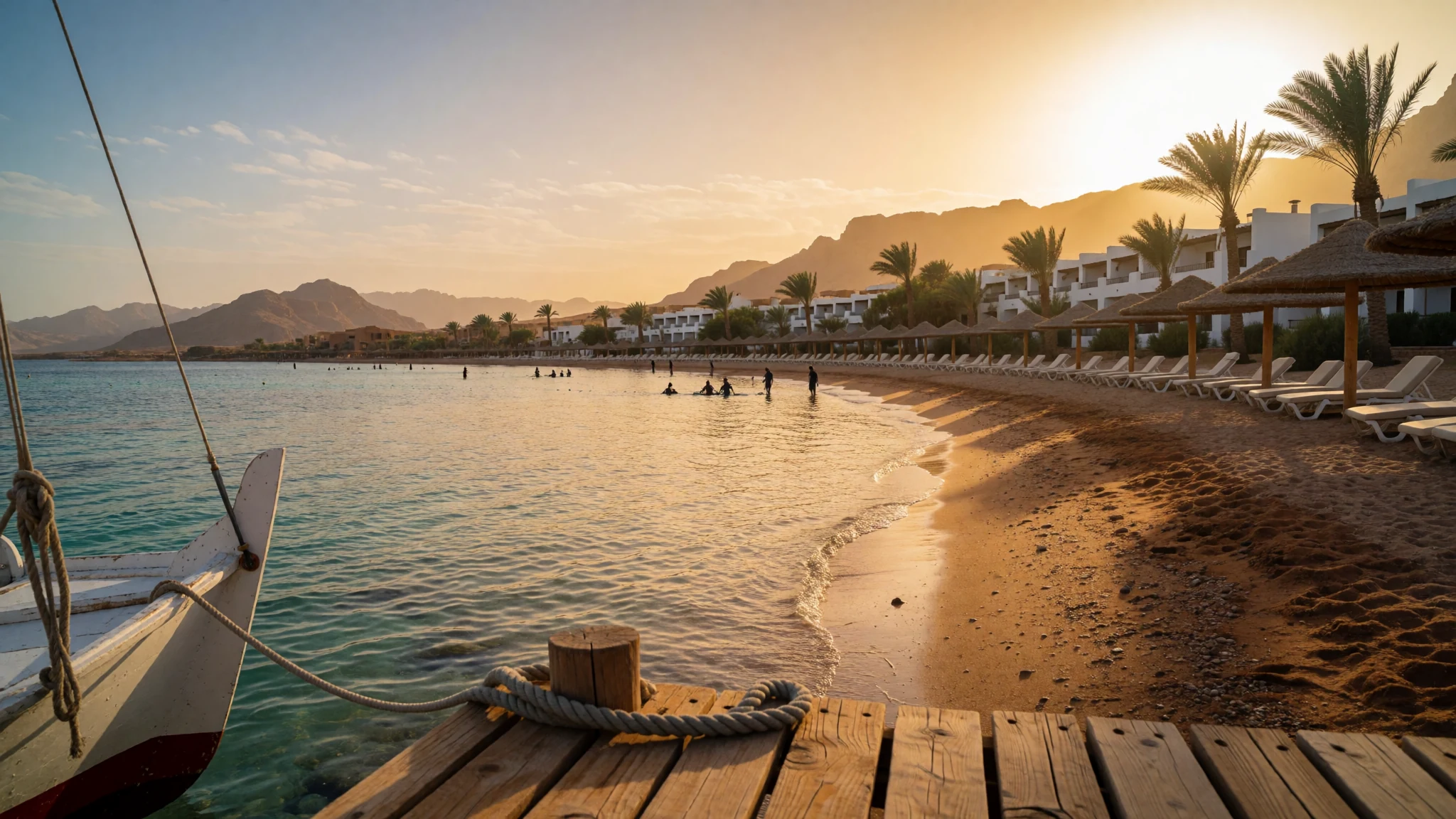
Sharm el-Sheikh offers incredible Red Sea diving, dramatic desert landscapes, and year-round sunshine at the southern tip of the Sinai Peninsula.
The place
Sharm el-Sheikh rests on the southern tip of the Sinai Peninsula in South Sinai Governorate, facing the clear waters of the Red Sea. Positioned on a promontory overlooking the Straits of Tiran at the mouth of the Gulf of Aqaba, the municipality functions as the primary administrative centre for the surrounding region. This coastal territory includes smaller neighbouring coastal settlements and the rugged, mountainous interior leading toward St. Catherine and Mount Sinai. Downtown features modern banking headquarters, national corporate offices, and medical facilities like Sharm International Hospital, serving a steady stream of holidaymakers and conference attendees.
The metropolitan shoreline divides into distinct hubs catering to different rhythms. Na'ama Bay acts as the central tourism zone, where rows of hotels and spas share a continuous stretch of beach and outdoor terraces feature large fans misting fresh air across walkways. Further south, the older district offers a contrast with traditional markets, spice stalls, and the towering minarets of recent architectural additions. Beyond the concrete and resorts, the surrounding terrain shifts abruptly into stark arid mountains and coastal desert plains that drop steeply into deep marine trenches. These protected waters harbour extensive coral formations and marine life that draw divers from around the globe to examine underwater ecosystems right off the shore.
Its story
Sharm el-Sheikh spent centuries as a quiet fishing settlement and a minor watering hole for Bedouin tribes traversing the southern Sinai coast. Its protected bays and strategic placement at the mouth of the Gulf of Aqaba gradually caught the attention of military strategists, leading the Egyptian government to establish a naval base there. The geopolitical significance of the shoreline changed repeatedly during the twentieth century. Following the Suez Crisis, the area saw foreign occupation before returning to Egyptian administration, only to become a focal point of regional tensions surrounding maritime access through the Straits of Tiran.
After diplomatic agreements restored stability to the region, state planners recognised the immense potential of the pristine coastline and initiated a deliberate transformation. The authorities invested heavily in infrastructure, turning the former military outpost and fishing village into a showcase international resort city designed to attract global travellers and host high-level diplomatic summits. Hotels, marinas, and diving academies replaced modest shore-side dwellings, while roads cut through the arid granite mountains to connect the coast with mainland transport networks. Today, Sharm el-Sheikh exists as a testament to rapid modern development driven by tourism, balancing its dual identity as a high-security conference destination and a premier gateway to the marine wonders of the Red Sea.
What to see
- Al Sahaba Mosque — Old Market
Situated in the old market area, this striking house of worship was completed after years of careful construction. Designed in a classic Ottoman architectural style with soaring minarets and intricate stone carving, the building looks centuries old despite its recent origin, drawing many visitors curious about modern religious architecture.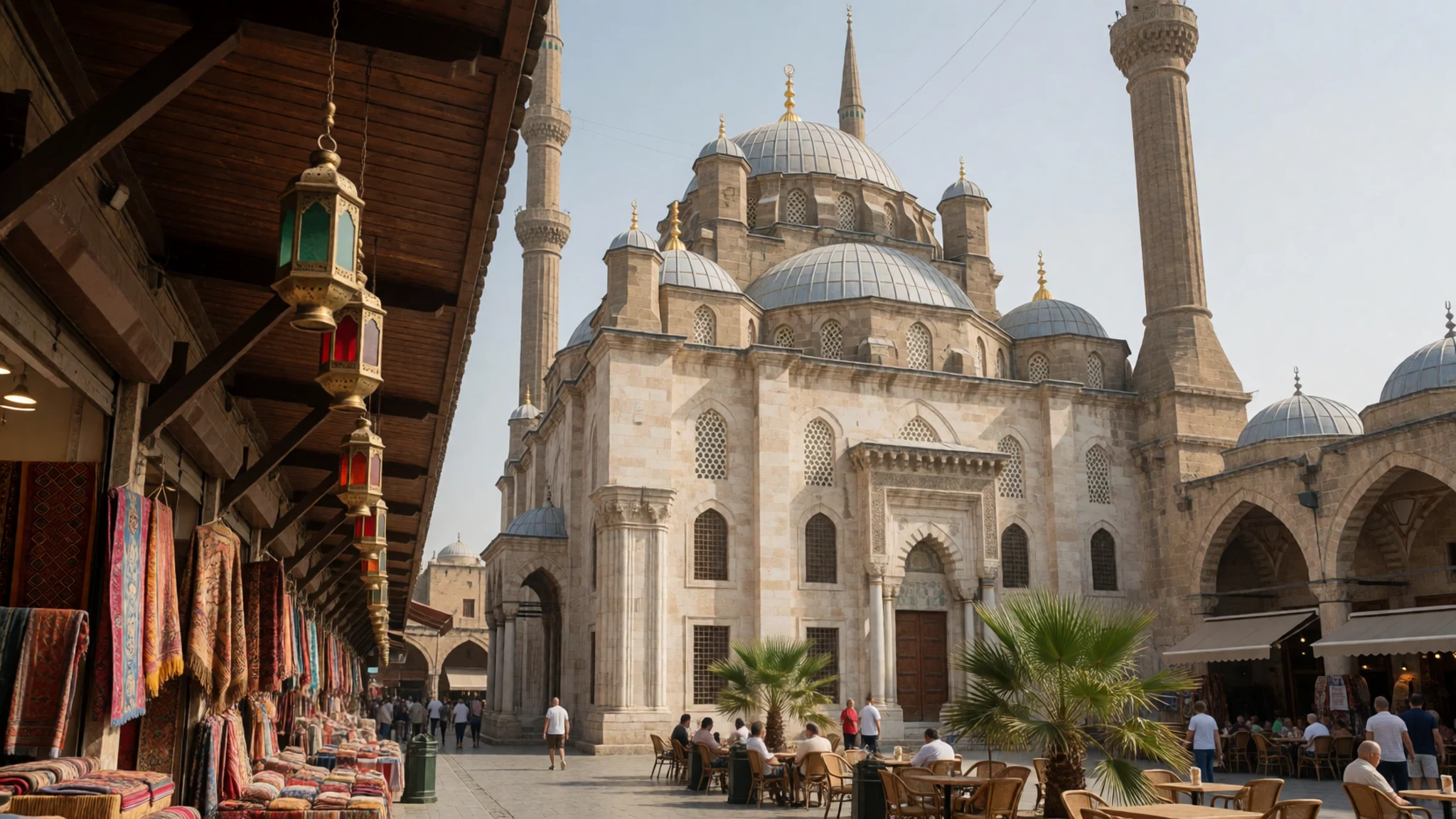
- Al-Mostafa Mosque — Downtown district
Recognised as the largest mosque in Sharm el-Sheikh, this prominent religious structure features soaring domes and graceful proportions. Visitors can sometimes join guided tours of the interior grounds, and a small on-site shop offers religious texts and books for those interested in Islamic culture and architecture.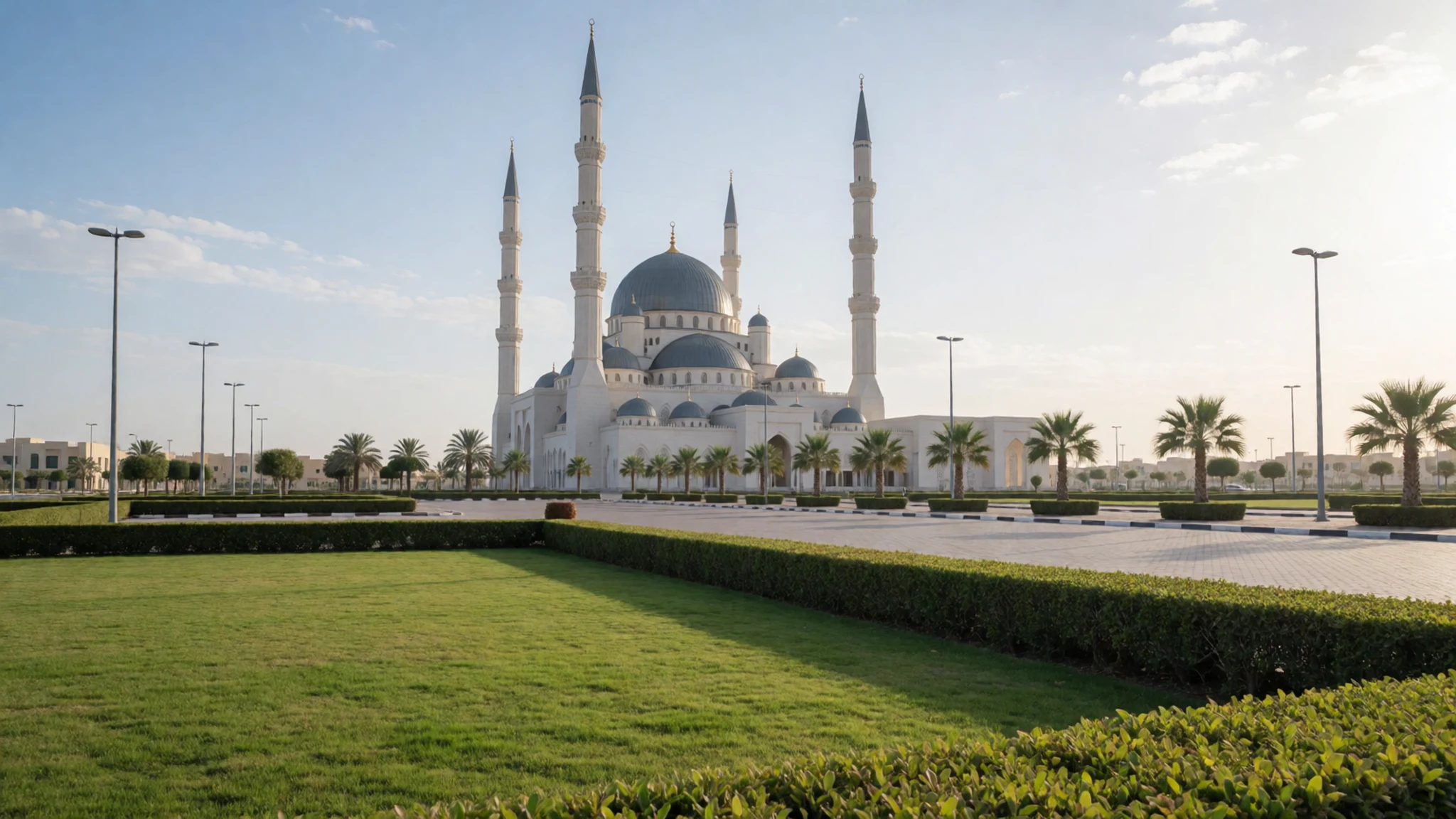
- El-Samaeyeen Cathedral — District near the ridge
This Coptic Christian cathedral stands out for its elaborate interior artwork. Local guides are frequently available to walk visitors through the spacious sanctuary, pointing out the detailed wall frescoes and decorative ceiling panels that depict various biblical narratives in rich colours and traditional iconography.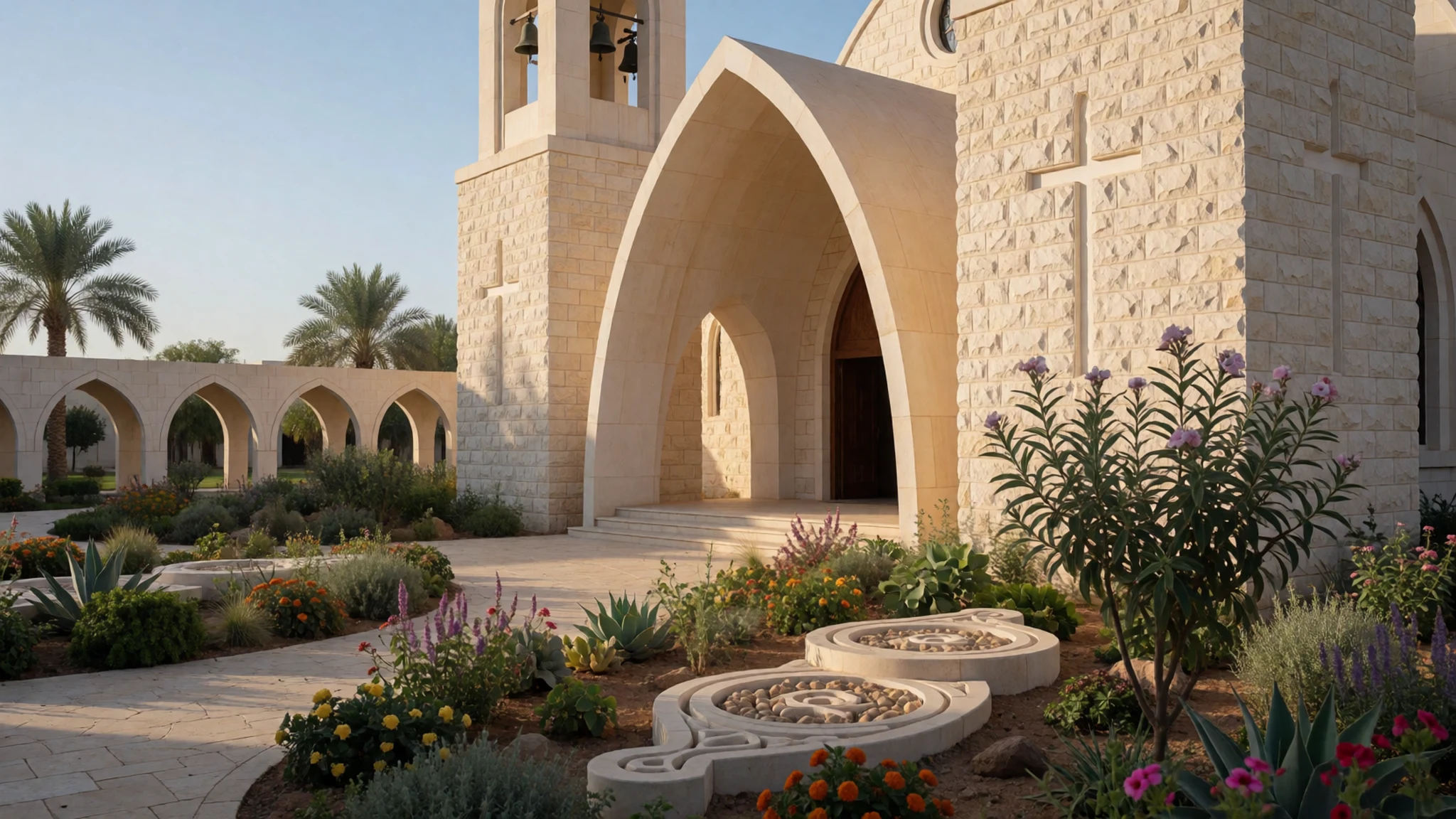
- Na'ama Bay — Central coast
Serving as the primary tourist hub of Sharm el-Sheikh, this coastal strip brings together numerous international hotels, beachfront cafes, and palm-shaded promenades. Large outdoor water misters line the terraces to cool evening strollers, while shallow waters make it a convenient starting point for swimming and coastal leisure.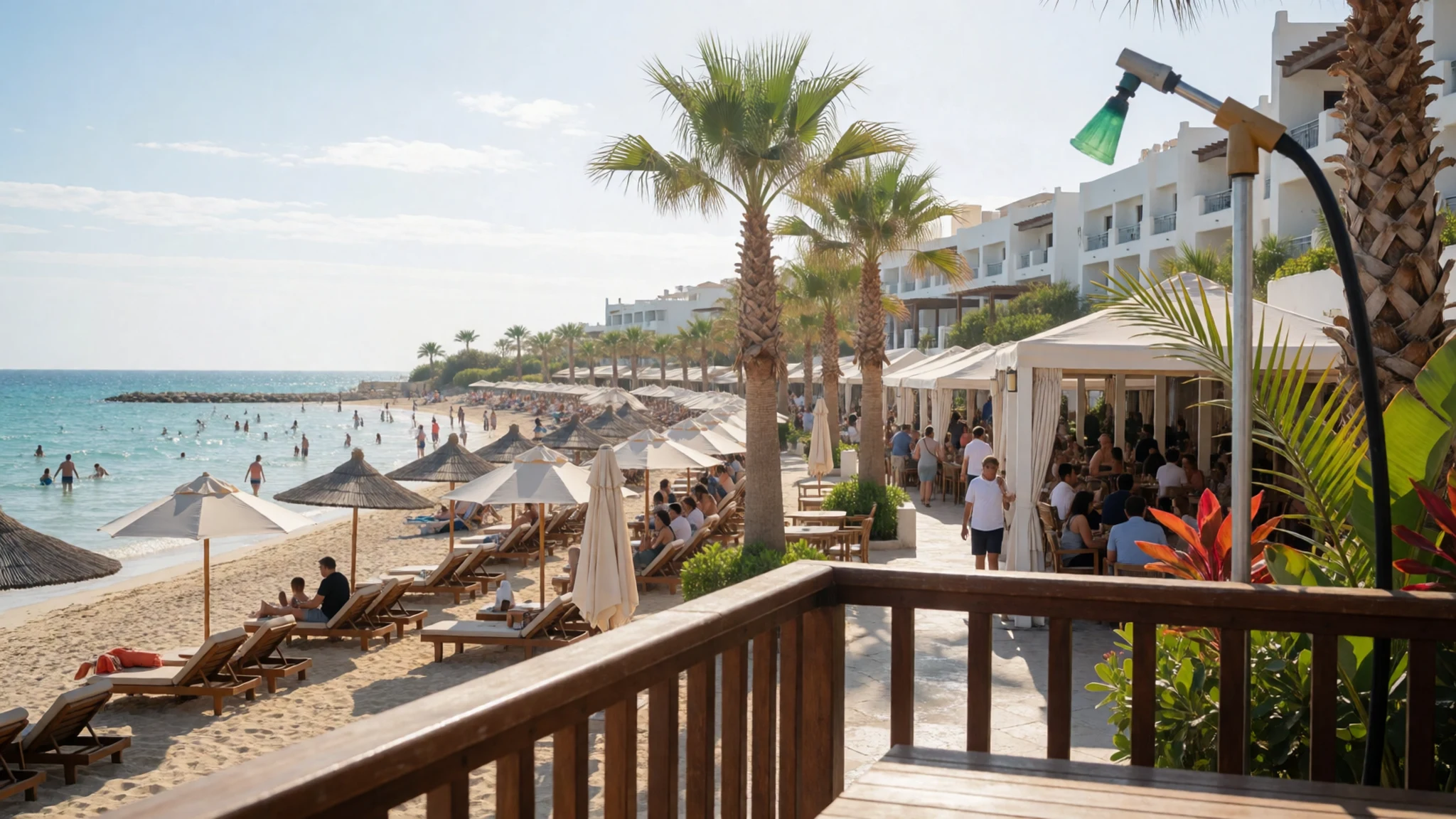
- Sharm Old Town Market — Old Town
Wandering through the old market offers a different atmosphere from the polished hotel strips further up the coast. Small shops display spices, local crafts, and lanterns, though visitors should expect enthusiastic shopkeepers and practise polite firmness when negotiating prices or declining unrequested assistance.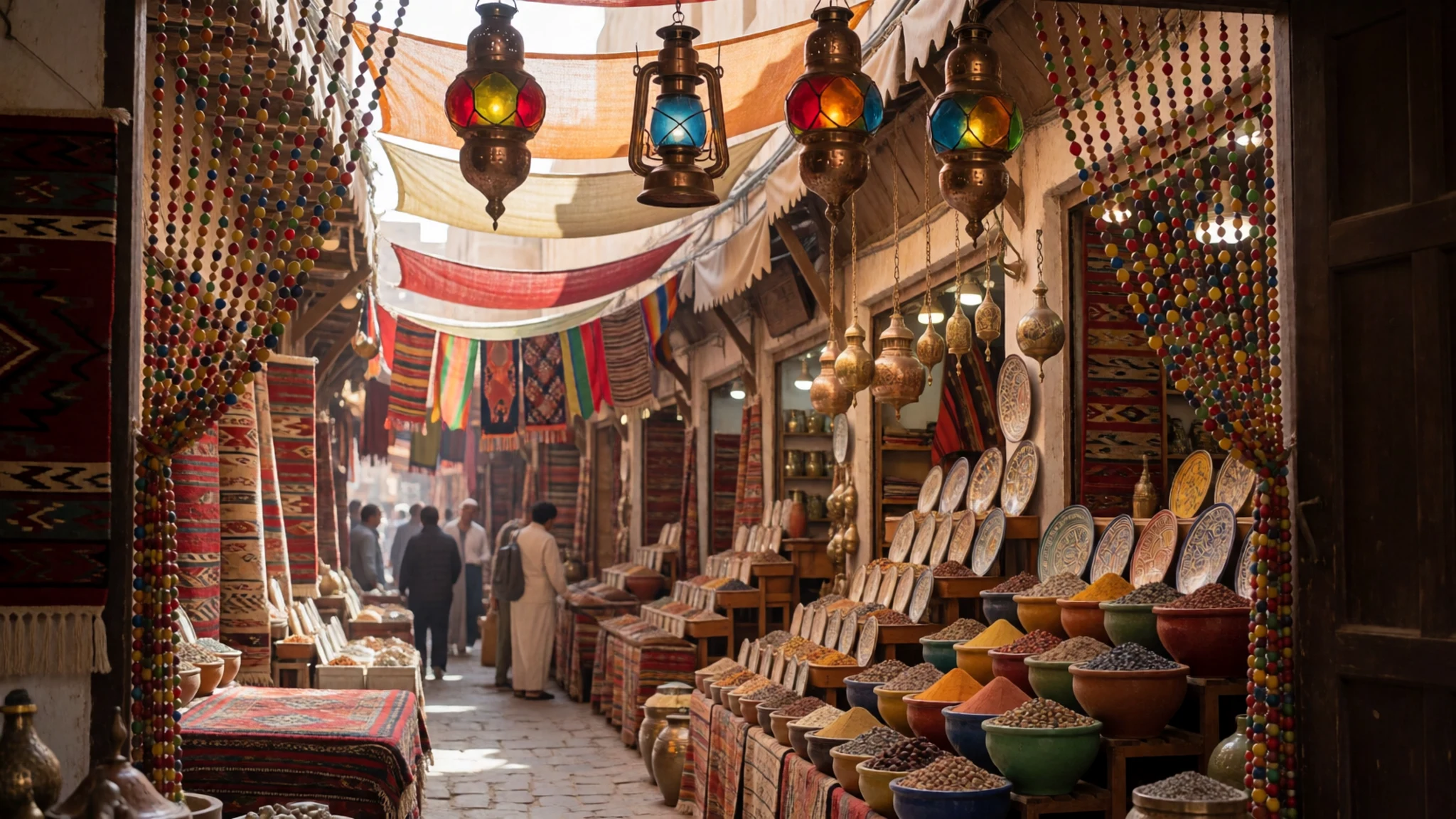
Culture
Sharm el-Sheikh blends traditional Egyptian hospitality with the cosmopolitan environment of an international resort city. While the hotel corridors and diving boats operate with a relaxed, westernised holiday atmosphere, the local culture remains rooted in Egyptian traditions and Islamic values. Bedouin communities from the surrounding Sinai mountains also maintain a distinct cultural presence in the region, known for their desert hospitality, music, and handicraft traditions. Social interactions generally place a high value on personal respect, polite greetings, and patience during daily transactions. Tipping, known locally as bishleesh, is customary for service staff, drivers, and guides across the resort. When visiting mosques or religious sites outside the main tourist enclaves, visitors should ensure shoulders and knees are covered as a mark of respect.
What to wear
Sharm el-Sheikh sees a relaxed approach to daily dress due to its warm resort climate, but modesty remains important outside beach areas. Traditional regional attire includes loose-fitting garments worn by local Bedouin populations, crafted to withstand high temperatures and desert winds. Across the resort zones, holidaymakers wear lightweight western summer clothing such as shorts, linen shirts, and swimwear near the pools and beaches. When leaving hotel grounds to explore the old market, downtown streets, or religious buildings, visitors should cover shoulders and knees to respect local cultural norms. Lightweight fabrics in breathable cotton or linen are best for coping with the intense desert heat, alongside sturdy sandals or walking shoes for uneven pavement and desert excursions.
What to eat
- Fresh Red Sea Seafood — Fares Seafood or Safsafa in the old harbour area
Sample daily catches from the local waters, including grilled prawns, calamari, and whole fish prepared with Egyptian spices, herbs, and lemon, best enjoyed at specialist seafood eateries near the harbour.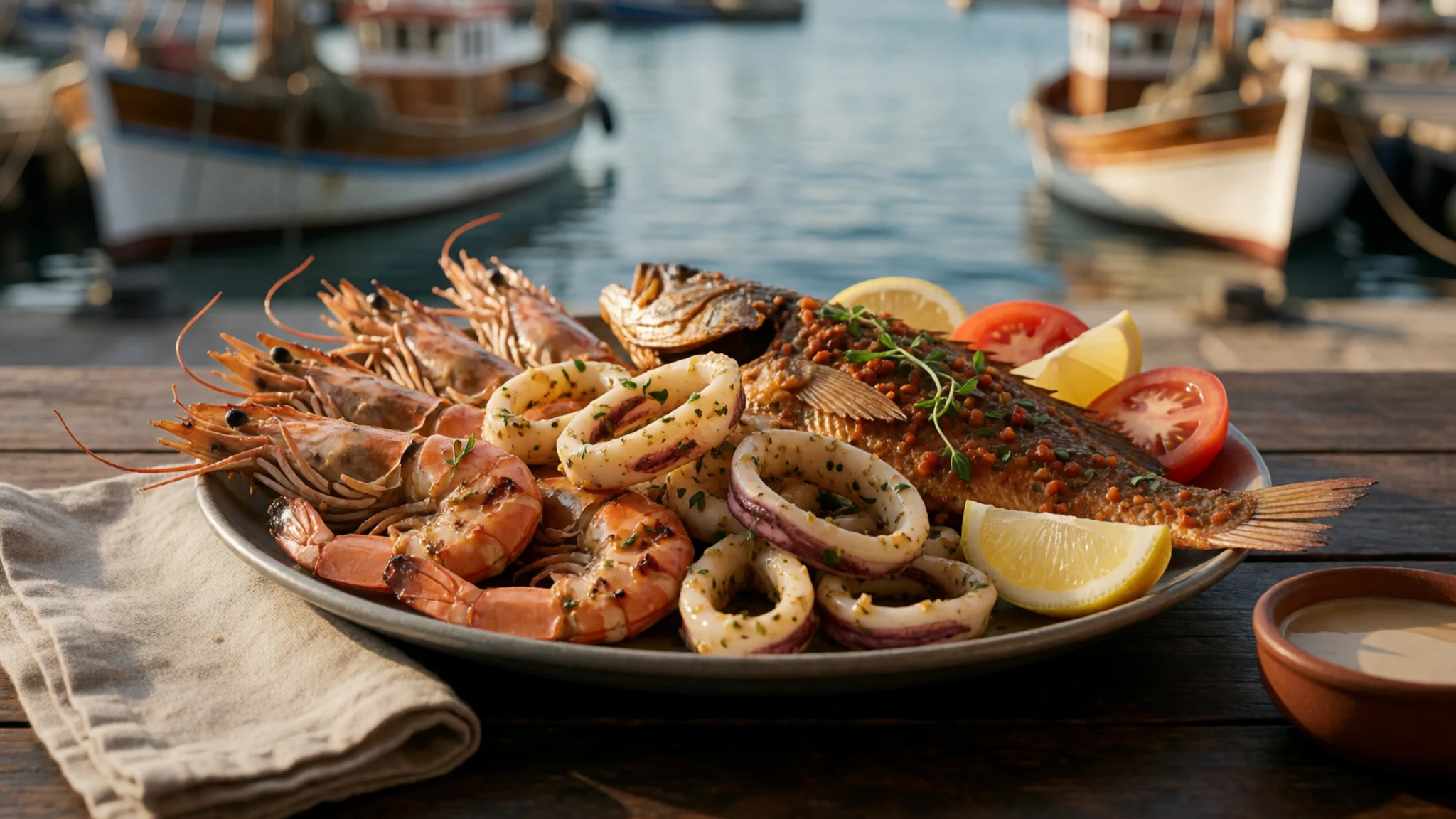
- Egyptian Barbecue Grill — El Masrien in the town centre
Savour traditional charcoal-grilled meats such as spiced minced lamb kofta, marinated chicken shish tawook, and tender cuts of lamb served with flatbread, tahini, and fresh salads.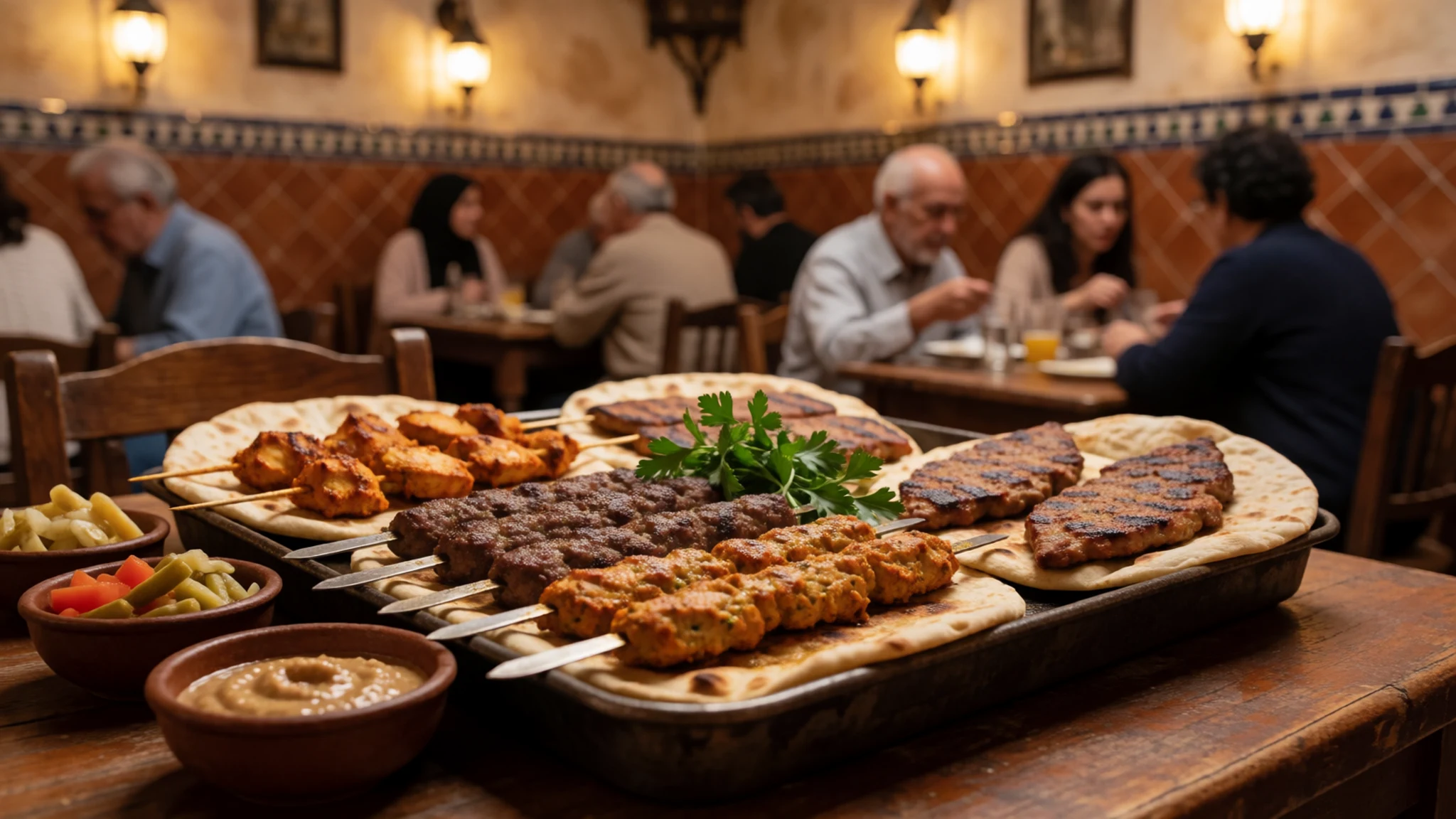
- Lebanese Mezze and Waterpipe — Fawanes Cafe in the old town
Relax over small plates of hummus, tabbouleh, stuffed vine leaves, and warm flatbreads, followed by an apple-flavoured waterpipe at an open-air terrace café. - Stuffed Pigeon — Traditional local grills and oriental restaurants
Try a classic Egyptian delicacy featuring tender squab stuffed with spiced rice or seasoned freekeh, roasted until the skin turns crisp and golden. - Oriental Fusion Dishes — Onions restaurant in the commercial district
Enjoy a varied menu combining regional Middle Eastern flavours with international dishes, featuring slow-cooked meats, fresh vegetables, and herb infusions.
Plan it
Best time. March to April and October to November offer pleasant warm weather without extreme summer heat, while winter months provide mild days and cooler evenings.
How long. 3–4
Getting there. Arrive at Sharm el-Sheikh International Airport, then take an authorised taxi or pre-arranged hotel transfer to your resort along the coast.
Budget. mid
Tips
- Carry cash in Egyptian pounds or major foreign currencies for small shops and taxis in the old market.
- Drink plenty of bottled water to stay hydrated in the arid desert climate.
- Negotiate taxi fares before setting off since meters are rarely used.
- Protect yourself from strong midday sun with hats, sunglasses, and high-factor sunscreen.
Etiquette
- Dress modestly with covered shoulders and knees when visiting mosques or walking through residential areas.
- Ask permission before photographing local residents or market vendors.
Nearby
Sources
- Wikidata Q644 (CC0)
- Wikipedia (CC BY-SA 4.0)
- Wikivoyage (CC BY-SA 4.0)