Selous Game Reserve
Selous Game Reserve, Tanzania
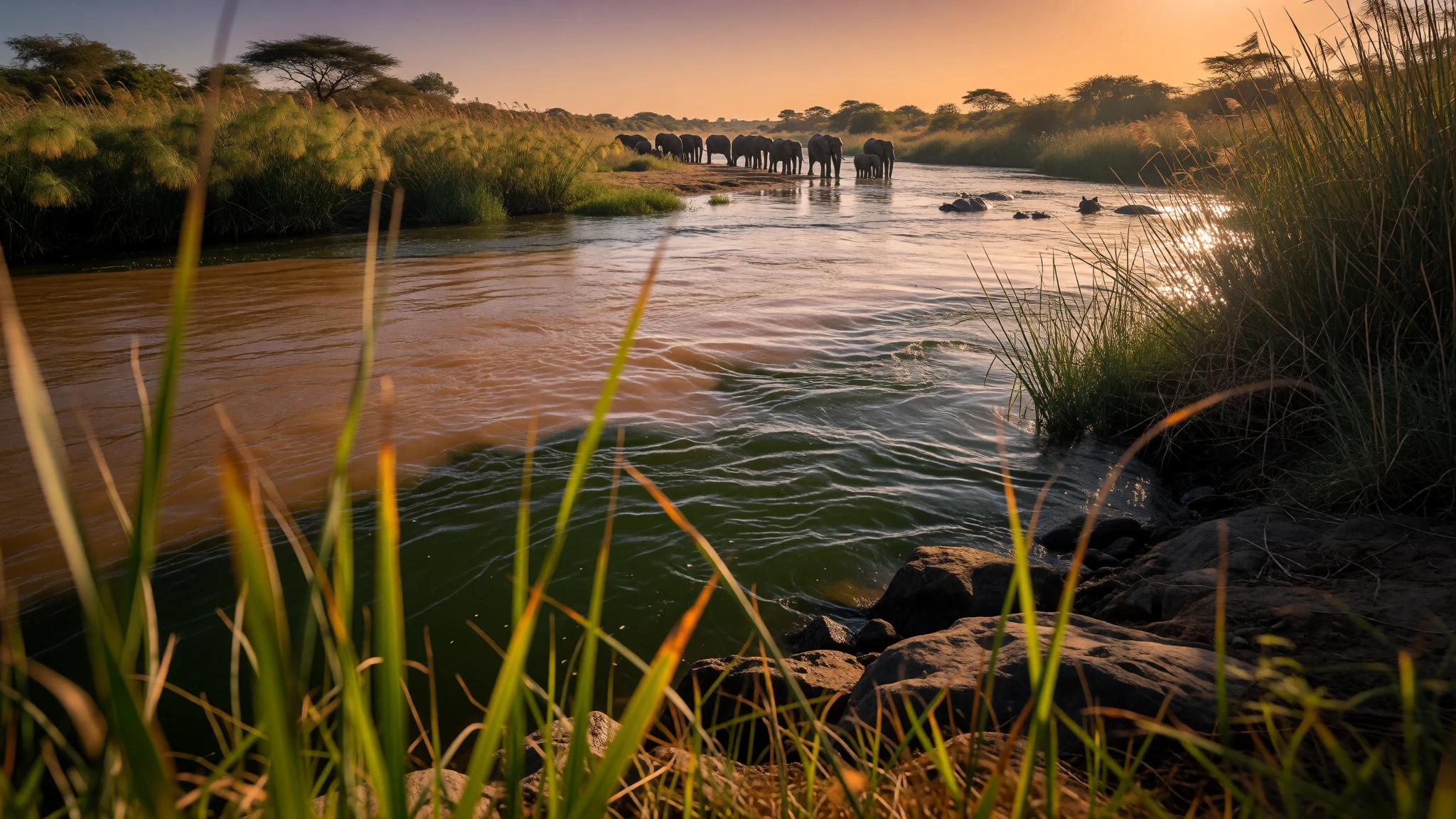
Selous is a vast, low-density safari landscape in southern Tanzania where river and miombo habitats raise the odds of big, rare wildlife encounters.
The place
Selous Game Reserve sits in southern Tanzania as a protected wilderness with a “moveable feast” of habitats: grasslands, Acacia savanna, wetlands, and expansive miombo woodland. It’s the kind of place that feels different from the northern circuit; the reserve is big, so animal sightings can be less frequent, but the sightings that do happen often feel calmer and more personal.
Part of the area has been renamed as Nyerere National Park, so “Selous” can mean slightly different things depending on where the camp and operator sit. What stays consistent is the setting. The Rufiji River threads through the reserve and feeds the wider river-and-riverine world, including canals and lakes where game gathers. Stiegler Gorge is another name that comes up for people interested in dramatic scenery.
A practical truth before anyone gets starry-eyed: access and movement are tightly managed. Human habitation is not permitted inside the reserve bounds, and people entering and exiting are tallied and tracked. That’s partly why this doesn’t feel like an overbuilt destination. It’s also why most visits run through operators, concession camps, or authorised routes rather than “turn up and wander”.
Wildlife is diverse—elephants, hippos, lions, leopards, giraffes, crocodiles, and many more—and birdlife can be a highlight across the different habitat edges. If the appeal is a genuine sense of space, real wilderness days (including walking or boats in the right areas), and the patience it takes to watch wildlife rather than chase it, Selous delivers.
Its story
Selous Game Reserve has a layered past: first protection under German colonial administration, then use as a hunting reserve, and later a modern shift towards conservation-focused management. The area was named after Frederick Selous, a hunter and early conservationist who was killed in the reserve during World War I, which still echoes in the reserve’s stories and place names.
Over time, the reserve’s identity has continued to evolve. In 2005 it became connected with lion conservation planning as a Lion Conservation Unit, reflecting how wildlife priorities changed as understanding of populations and threats improved.
In the background, conservation and development have also collided. A boundary change has been approved to allow uranium-related use, and environmental groups have criticised that step—an issue that can feel distant until you realise how deeply land-use decisions shape habitat integrity. There has also been talk of a major hydropower project over the Rufiji River, with predicted impacts on both people and biodiversity and criticism from conservation organisations.
Today’s visitor experience is essentially a response to that complicated history: controlled access, authorised entry processes, and activities that stay within carefully managed zones. Instead of feeling like a park designed for mass tourism, the reserve often feels like a working wilderness—where the rules exist because the ecosystems are fragile, and because the animals and habitats are the whole point.
That’s the story behind the silence between sightings. Selous isn’t quiet because it’s empty; it’s quiet because it’s protected.
What to see
- Rufiji River waterways — Rufiji River corridors
Rufiji River days often mean wildlife at the waterline, plus a slower pace on the boat. Boat safaris can range along the main river and into lateral canals and lakes, with trips commonly timed for sunset watching.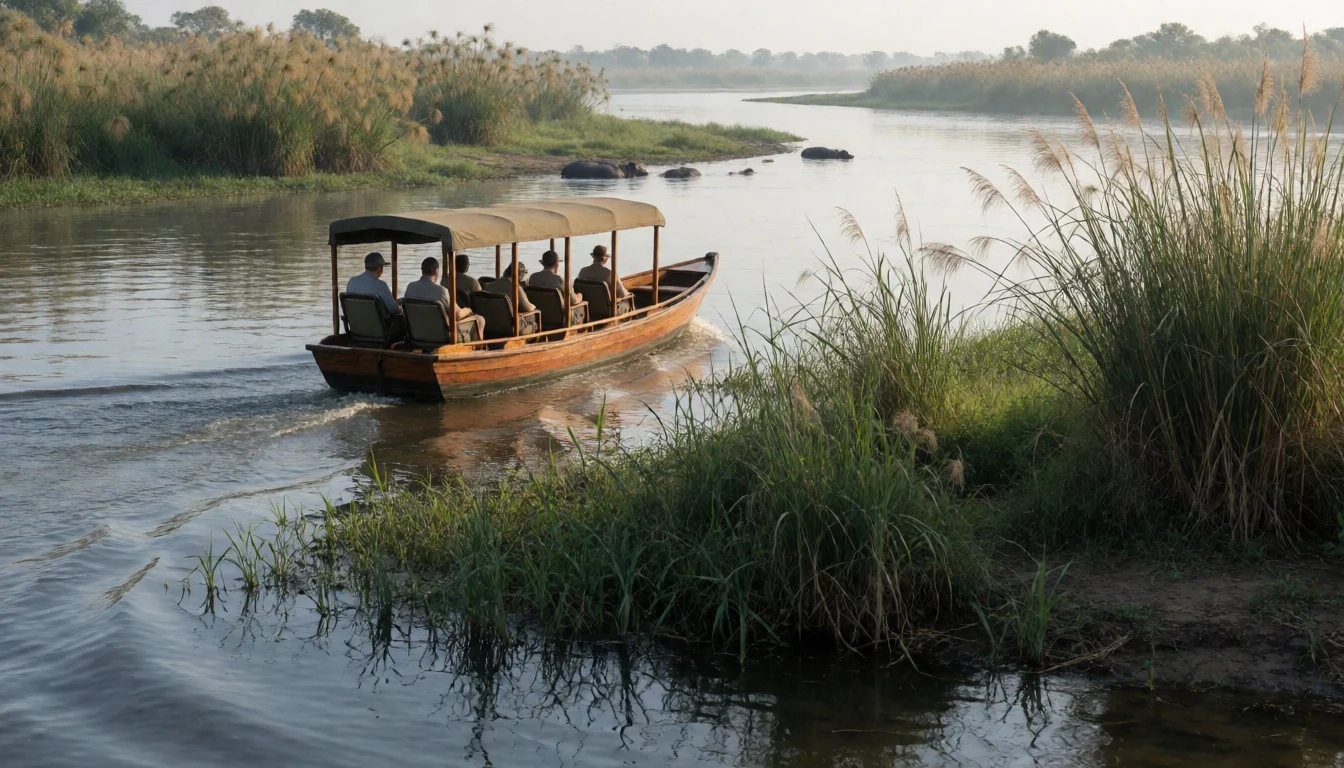
- Selous game drives — River and grassland landscapes
Game drives in Selous are designed around animal movements, with destinations varying and often directed towards areas where wildlife groups to drink. Expect drives that feel exploratory rather than strictly “route-based”, with changing habitat views through the day.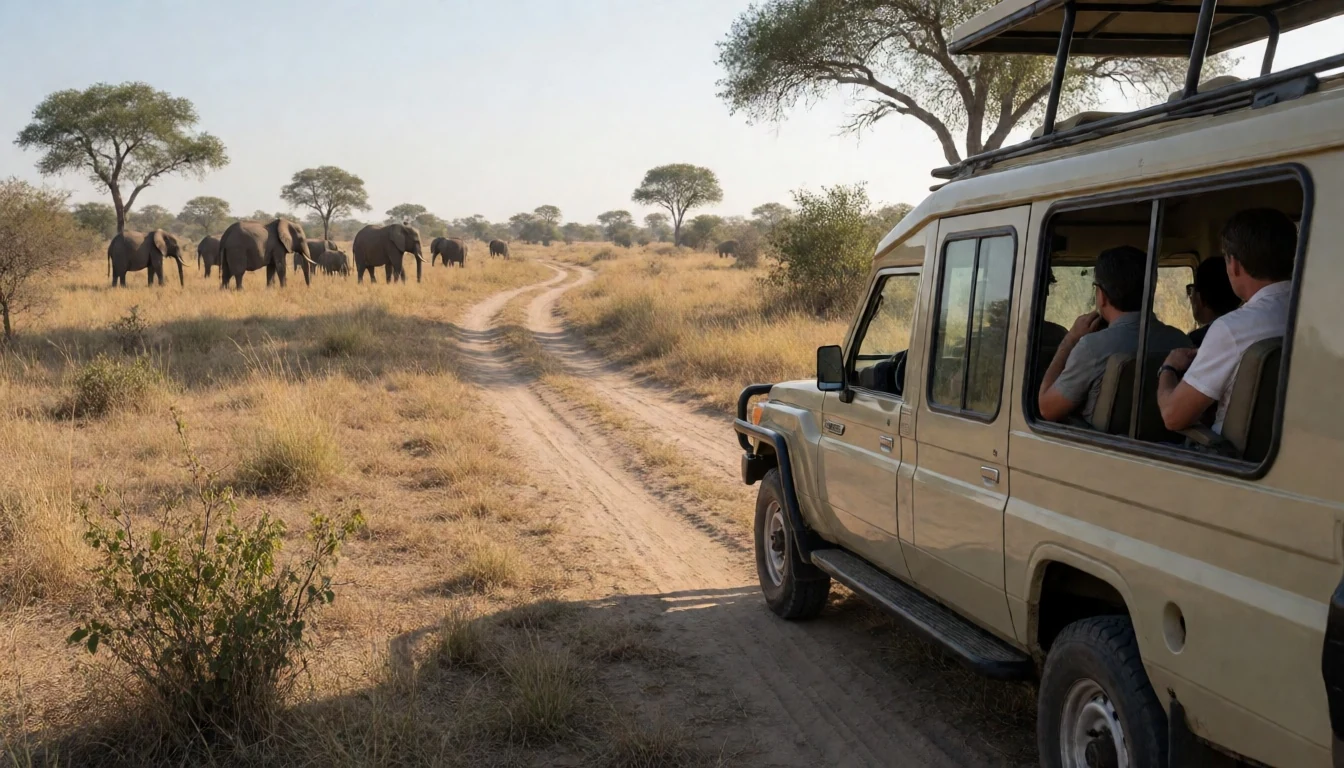
- Stiegler Gorge views — Stiegler Gorge area
Stiegler Gorge is a canyon landform known for its steep drop and dramatic scale. It’s one of those places where the landscape itself becomes the backdrop for tracking wildlife and understanding how the reserve’s rivers carved the terrain.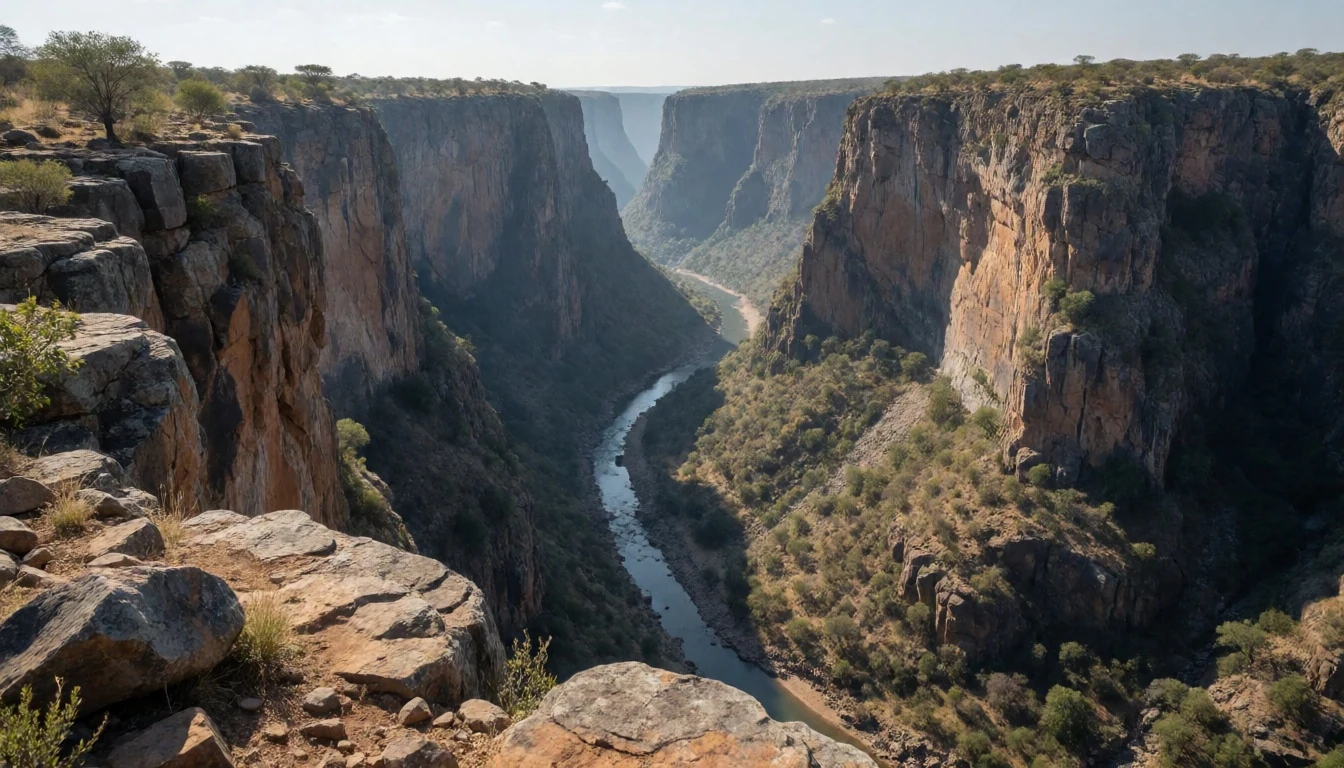
- Miombo and riverine habitat wildlife — Miombo woodland and habitat edges
Selous’ mix of miombo woodland, Acacia savanna, grassland, and wet river zones creates different viewing “windows” across the day. Lions, elephants, hippos, and many bird species turn up differently depending on water and cover.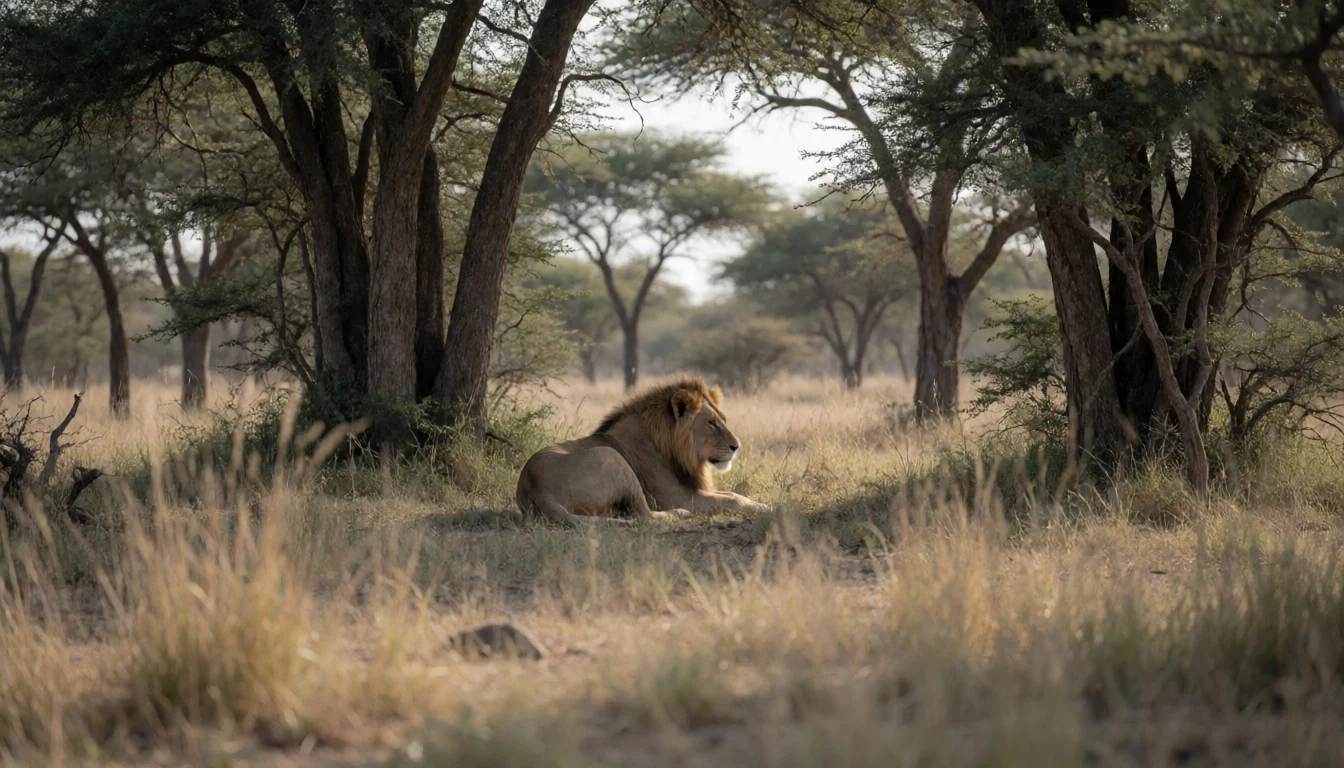
- Frederick Selous’ grave — Reserve sites (visitor-accessible area varies)
The grave of hunter and explorer Frederick Courteney Selous marks an on-the-ground connection to the reserve’s naming and its early history. It’s a respectful stop that keeps the human story tied to the landscape.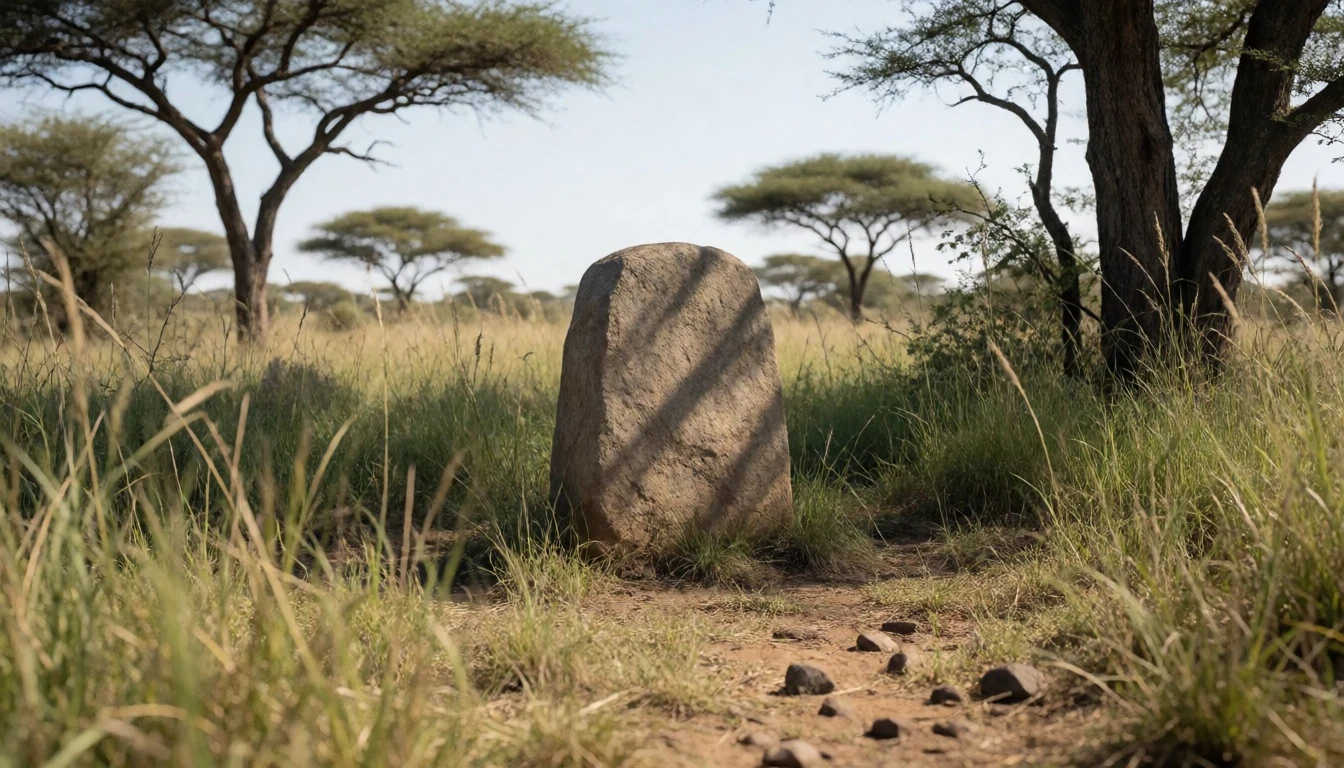
- Maji moto hot springs (swimming pools) — Maji moto hot springs area
Maji moto hot springs are a welcome break from safari hours, and the lower pool is where people go to swim. It’s a simple, nature-led stop that often feels local and practical compared with polished viewpoints.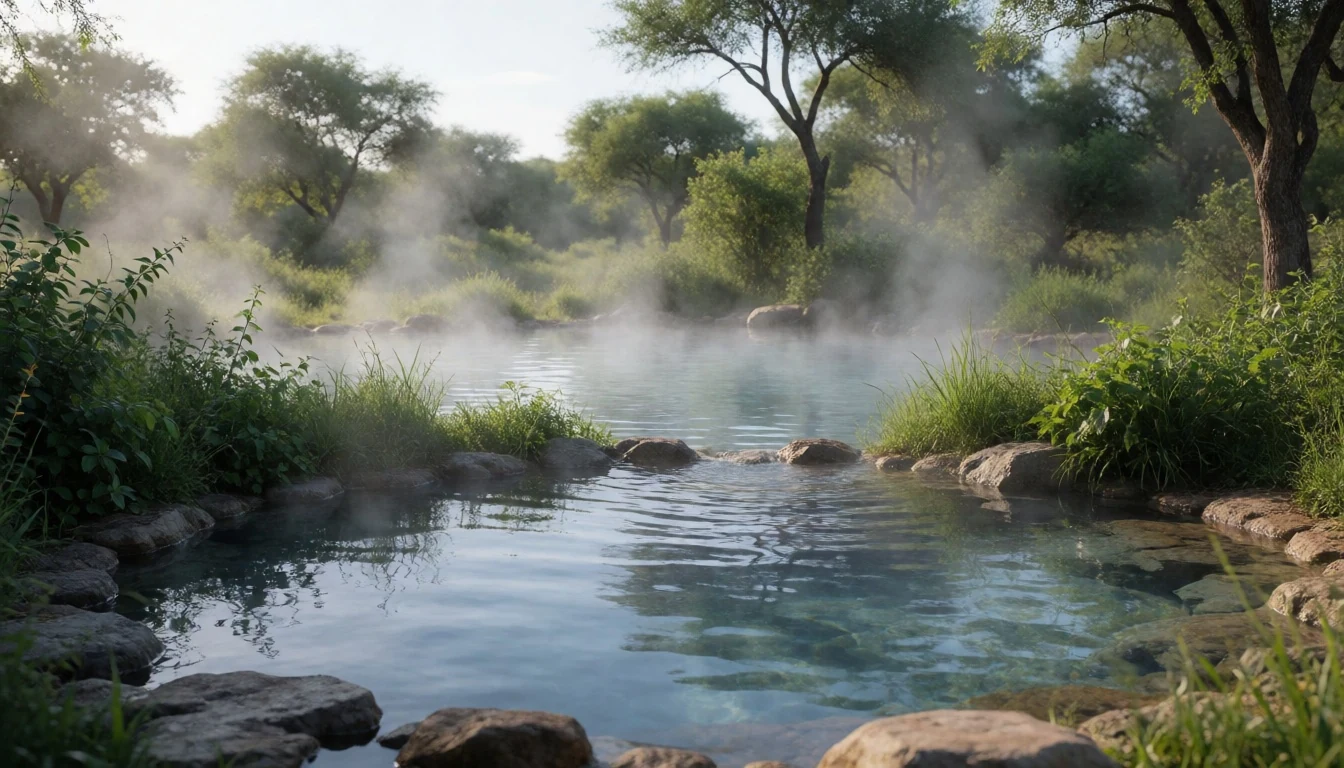
Culture
Selous Game Reserve isn’t a place for “tourist sightseeing” in the usual sense—there are few built-up attractions, and day-to-day life revolves around wildlife watching and the rules that protect it. Human habitation isn’t permitted inside the bounds, and visitors are tallied and tracked by the Wildlife Division, so trips are planned through authorised entry and guided activities.
That management approach shapes how people behave. Walking safaris, where available and always led by an armed ranger, put visitors physically closer to the bush, which means noise discipline matters. Boat trips also depend on practical conduct: keeping to the right places, watching rather than chasing, and respecting wildlife around water.
You’ll also notice the “infrastructure reality”. There are no public restaurants inside the reserve, and visitor facilities are limited, so meals and planning are usually organised in advance through operators or concession camps. Bring a mindset of self-sufficiency and follow the guidance provided by the safari team.
Most importantly, Selous is about fragile ecosystems and animals that can’t tolerate careless behaviour. Culture here is less about performances and more about restraint, awareness, and doing the basics well—listening, staying with the group, and keeping to the rules set for the area.
Visitor etiquette: keep voices low during wildlife sightings and follow ranger instructions on walking and boat safety.
What to wear
In Selous Game Reserve, clothing is about heat management, sun protection, and practical movement in bushy habitats. Traditional Tanzanian dress isn’t a central part of the safari experience, but the textiles that people wear in everyday life are typically light, breathable fabrics suited to warm conditions; most visitors will see everyday garments mainly in towns before or after the reserve, not on safari.
What people actually wear now on safari is a mix of lightweight, neutral-coloured long trousers, breathable shirts, and comfortable footwear. Because the reserve can involve walking (with armed rangers) and time outdoors at riverbanks, closed-toe shoes are usually better than sandals, and socks help with comfort in longer days. Many visitors also pack a hat, sunglasses, and a light rain layer for changes in weather.
For a visitor, the key is modesty by function: long sleeves and trousers protect from sun and insects, and they also reduce the “scramble and snag” factor in vegetation. Carry a small daypack for water and essentials, and choose layers that dry quickly if you get damp on a boat or after a sudden shower.
What to eat
- Rice and staple meals at camp — Camp catering (full-board packages)
In Selous, meals are usually arranged through the safari operator or concession camp, commonly built around staples such as rice alongside beans and vegetables. Expect simple, filling plates timed to game-drive schedules.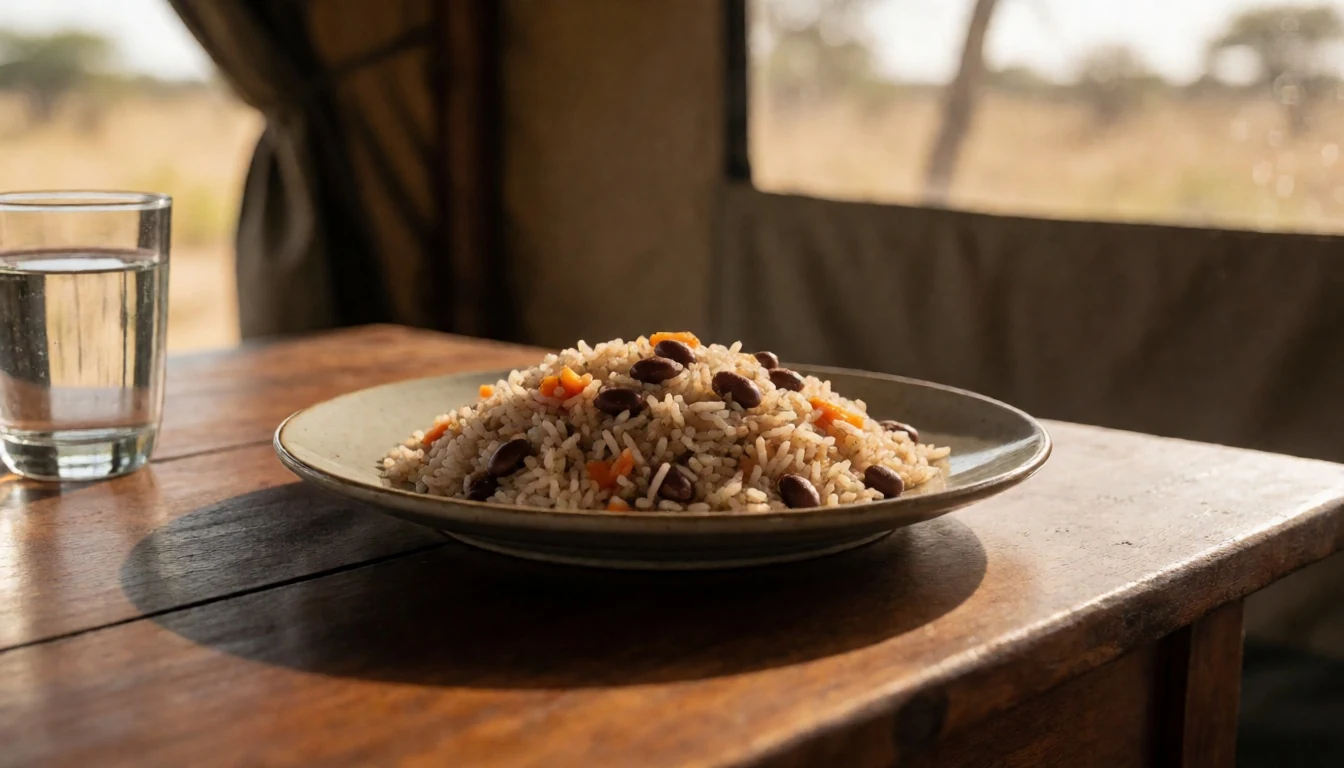
- Ugali with sides — Camp dinners and lunches
Ugali often shows up as the grounding starch in camp menus, paired with vegetables, beans, and sometimes grilled meat. It’s practical food for long days of wildlife watching and walking.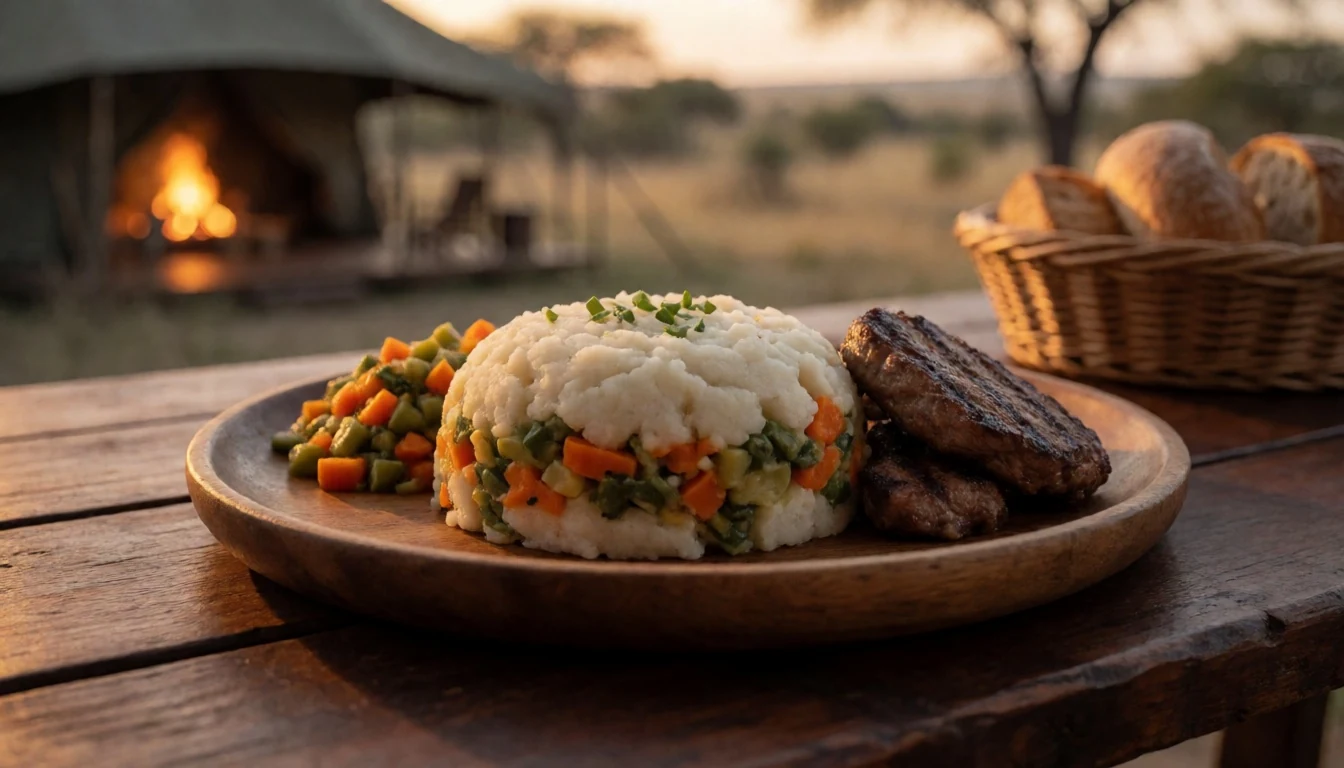
- Chapati and grilled meat — Concession camp dining areas
Chapati can appear alongside grilled meat and basic accompaniments on safari-style menus. These are typically simple, hearty meals that suit warm weather and the rhythms of drives and activities. - Vegetable stews and stir-fried greens — Operator-managed meals
Camp catering often includes vegetable stews or cooked greens as part of the rotation of Tanzanian staples. These are usually offered with rice, ugali, or chapati rather than as standalone dishes. - Packed lunches for game drives — Trail and drive meal packs
Many organised safaris provide packed lunches so the day doesn’t break apart mid-drive. These typically include a mix of sandwiches or simple items, designed to keep energy steady until returning to camp. - Basic international-style options — Set camp menus (operator discretion)
Some operator menus blend in basic international dishes alongside Tanzanian staples. The exact mix depends on the operator, but the aim is familiar comfort meals in camp after time in the bush.
Plan it
Best time. May–October are generally the most comfortable months for being outdoors, when daytime highs are lower and rain is at its lightest; March–April and November are wetter, with heavier downpours that can affect roads and game-drive timing.
How long. 3–4
Getting there. Fly into Dar es Salaam and continue by road to the reserve approaches listed by TAWA, often via Kingupira, Miguruwe, or routes that begin from Kilwa. The final approach is typically over rough, unpaved roads, so a reliable 4×4 vehicle is essential for the last leg.
Budget. mid
Tips
- Arrange entry through TAWA or an authorised operator rather than arriving without a reservation.
- Expect longer travel times than straight-line distances because of rough unpaved road sections.
- Consider a mix of boat and game-drive time, since Rufiji waterways and dry habitats offer different sightings.
- If visiting during or shortly after the rainy season, plan extra buffer for road conditions and shifting logistics.
- Ask your operator how meal planning is handled, since there are no public restaurants inside the reserve.
Etiquette
- Stay with the group and follow ranger instructions, especially on walking safaris.
- Keep noise down and minimise sudden movements during wildlife viewing.
- Use the camp’s guidance for water safety and handling equipment during boat trips.
Nearby
Sources
- Wikidata Q2268839 (CC0)
- Wikidata Q924 (CC0)
- Wikipedia (rev 1362905488) (CC BY-SA 4.0)
- Wikivoyage (rev 5417721) (CC BY-SA 4.0)
- Photo photos/01-seloussandrivers.jpg (CC BY 3.0)
- Photo photos/02-elefantenamrufiji.jpg (CC BY 3.0)
- Photo photos/03-selous-game-reserve-location-map-01.png (CC BY-SA 2.0)
- Photo photos/04-coastal-aviation-on-the-landing-strip-at-selous-game-reserve.jpg (CC BY 2.5)
- Photo photos/05-entrance-to-selous-game-reserve-28422628794.jpg (CC BY 2.5)
- Photo photos/06-fzs-plane-conducting-an-aerial-survey-in-selous-game-reserve.jpg (CC BY 4.0)
- Photo photos/07-german-steam-engine-left-by-the-german-troops-near-madaba.jpg (CC BY 2.5)
- Photo photos/08-german-steam-engine.jpg (CC BY 2.5)


