San Cristóbal de las Casas
San Cristóbal de las Casas, Mexico
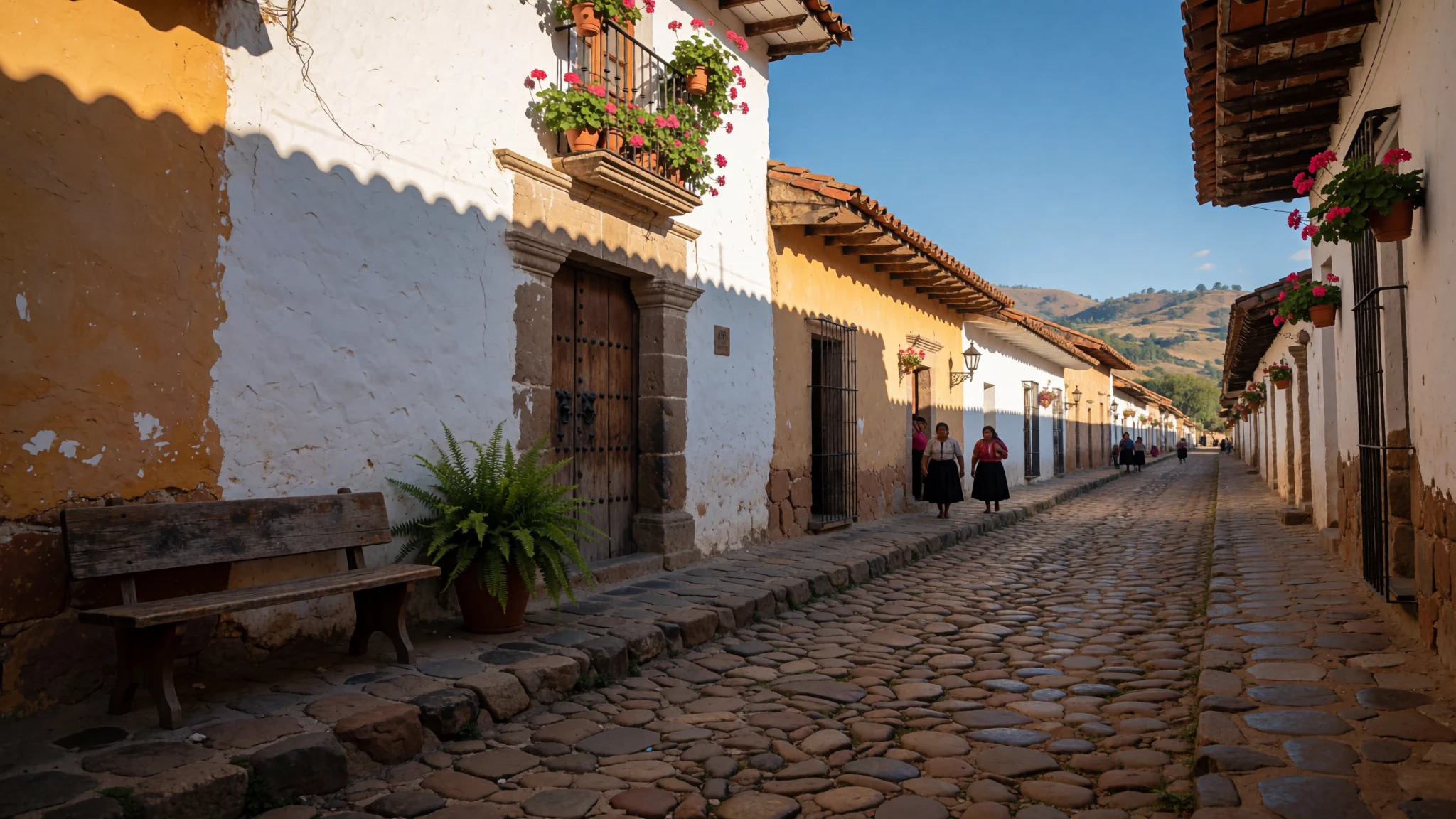
San Cristóbal de las Casas offers colonial charm, indigenous culture, and mountain air in the heart of the Chiapas highlands.
The place
San Cristóbal de las Casas sits high within a small, mountain-ringed basin in the southern Mexican state of Chiapas. Known to its indigenous Tzotzil inhabitants as Jovel, meaning the place in the clouds, this municipality maintains a distinct highland atmosphere shaped by its geography. Although positioned in a tropical zone, its altitude grants it a temperate climate that often brings brisk evening air and sudden mists rolling over the surrounding hills.
The town center preserves a traditional Spanish colonial urban grid. Cobblestone avenues are lined with low-slung whitewashed buildings featuring red clay tile roofs, heavy wooden doors, and wrought iron window balconies frequently overflowing with bright geraniums and flowering vines. Commerce and tourism sustain the local economy, drawing travellers drawn to the historic streetscapes and the vibrant presence of surrounding indigenous communities who come to trade and sell handmade crafts.
Surrounding the urban valley are rugged peaks and slopes that have experienced significant deforestation over generations, yet pockets of natural beauty remain within the municipality, including subterranean caves and rushing mountain streams. While international influence has steadily found its way into the local commerce and cafes, the settlement retains its identity as the cultural capital of Chiapas. Visitors walk past centuries-old stone facades where modern backpackers share narrow pavements with Tzotzil women wearing traditional embroidered wool tunics, creating a living cultural cross-section that defines daily life in the highlands.
Its story
San Cristóbal de las Casas was established as Villa Real de Chiapa by the Spanish conquistador Diego de Mazariegos in the Hueyzacatlán Valley, a name derived from Nahuatl terms signifying pasturelands. Prior to this establishment, no major pre-Hispanic urban settlement existed directly on this valley floor, though the surrounding mountainous territories were inhabited by diverse indigenous groups whom the Spanish forces subjugated before founding a military stronghold here.
In the centuries following its establishment, the settlement underwent numerous administrative transformations and repeated name changes reflecting shifts in colonial and national authority. It served as Villa Viciosa, Villa de San Cristóbal de los Llanos, and Ciudad Real before adopting the name Ciudad de San Cristóbal. The suffix honoring the Dominican friar and bishop Bartolomé de las Casas was added later to recognize his pioneering defense of indigenous rights.
Throughout the colonial era, the town acted as an administrative hub, holding authority over vast territories extending northward across the region and falling under the wider jurisdiction of the Captaincy General of Guatemala for periods. When independence movements swept through Central America, the municipality formally endorsed the separation from Spain. It remained the capital of Chiapas until the seat of state government was transferred elsewhere, leaving San Cristóbal to cultivate its enduring reputation as the intellectual, cultural, and spiritual heartland of the southern highlands.
What to see
- Templo de Santo Domingo Guzmán — Barrio de El Cerrillo district
Constructed during the mid-colonial era, this landmark church displays an intricate stone facade blending regional design influences. Its expansive interior features heavily gilded altarpieces, carved wooden pulpits, and detailed religious iconography that reflect centuries of ecclesiastical craftsmanship in the highlands.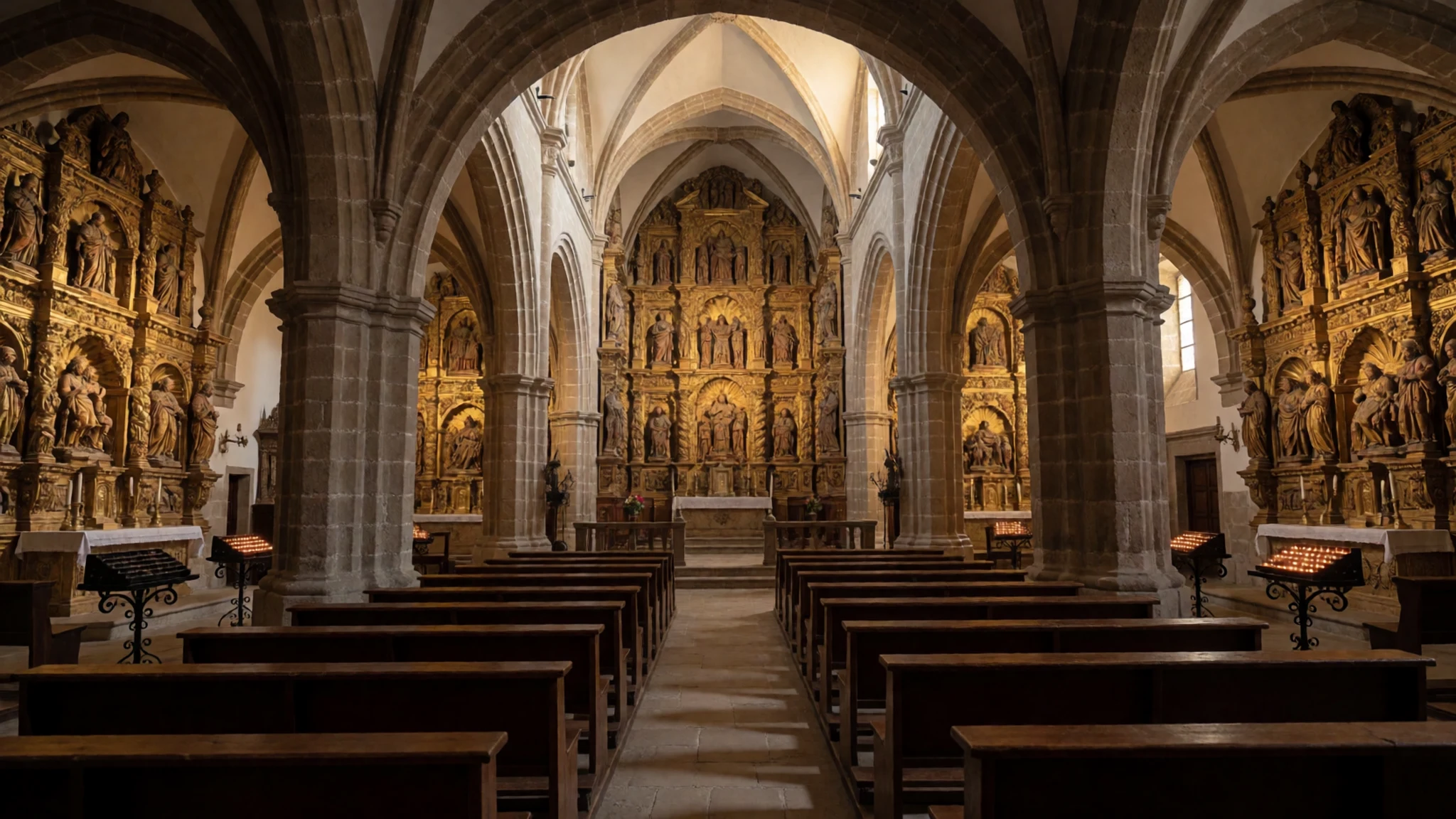
- Museo de los Altos de Chiapas — Barrio de El Cerrillo district
Situated within the historical convent buildings adjoining Santo Domingo, this cultural institution preserves and exhibits regional textiles, archaeological pieces, and historical documents that illustrate the complex social history and indigenous heritage of the mountainous Chiapas territory.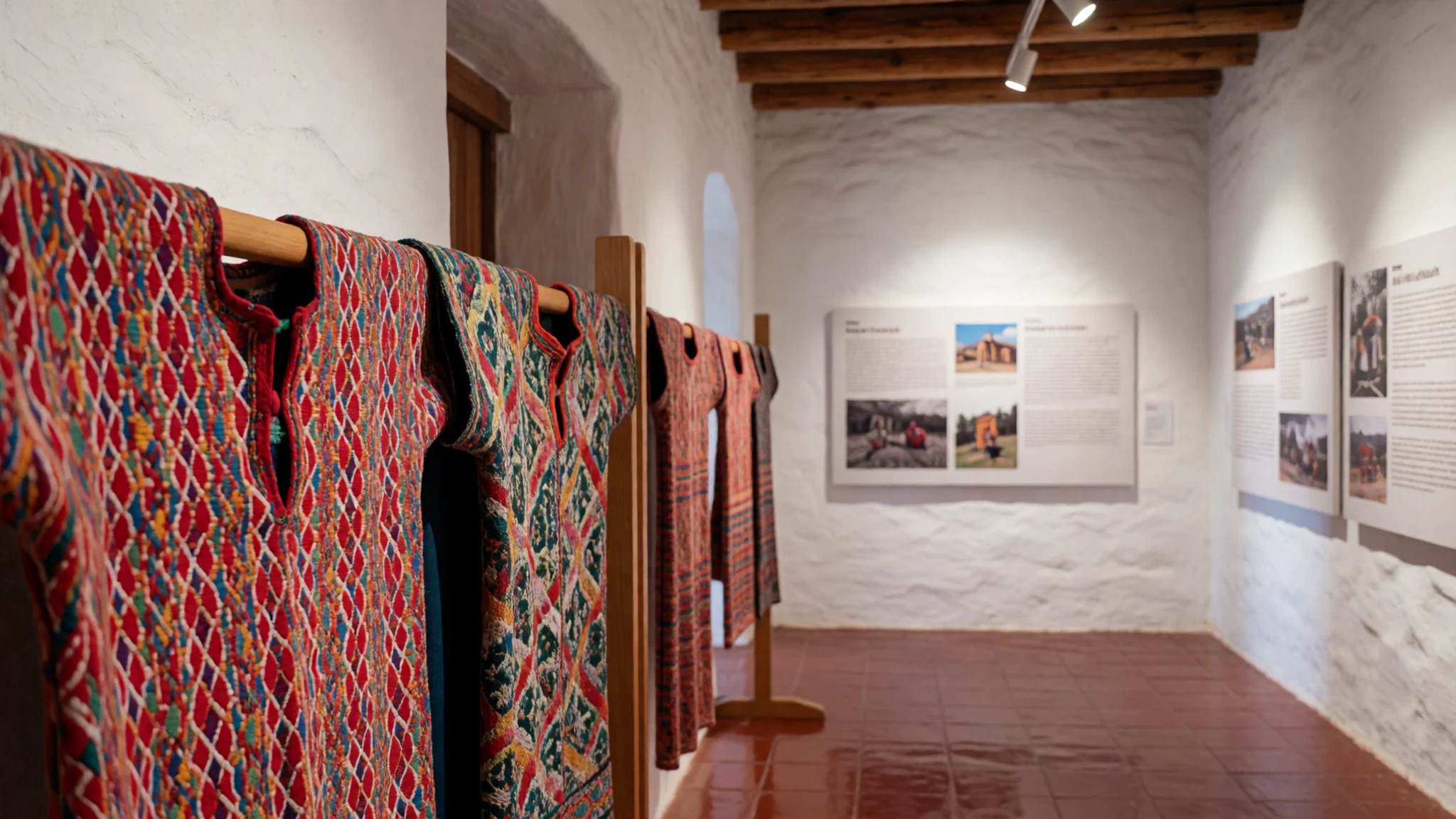
- Museo de la Medicina Maya — Northern residential outskirts
Maintained by a dedicated collective of traditional indigenous herbalists and practitioners, this facility documents ancestral healing techniques, medicinal plant uses, and ritual practices. Visitors can explore informative displays and consult traditional practitioners working on site.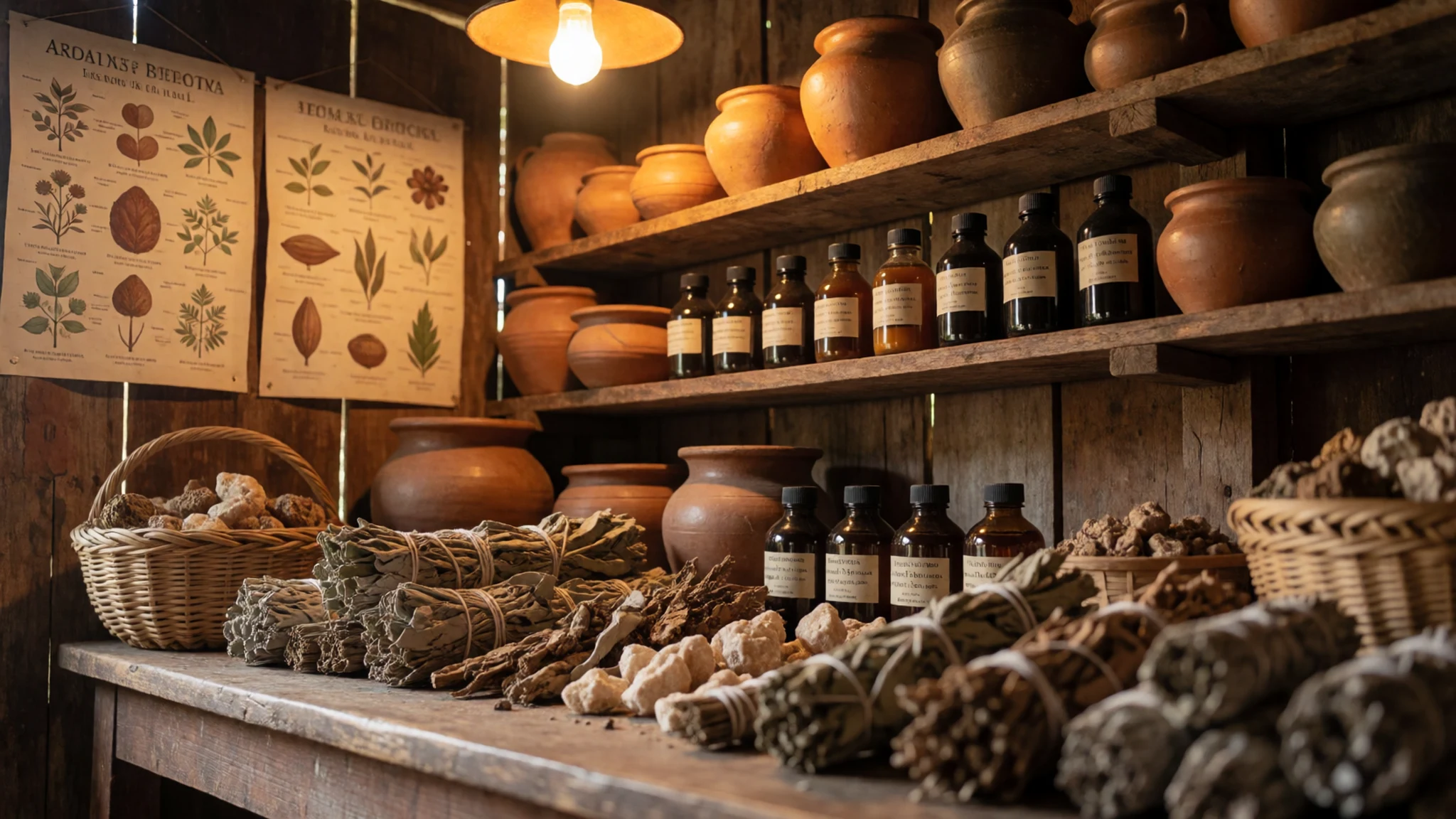
- Museo Na Bolom — Barrio de El Cerrillo residential zone
Housed within the former residence of Danish archaeologist Frans Blom and Swiss photographer Gertrudis Duby Blom, this cultural center functions as a museum, library, and guesthouse dedicated to rainforest conservation and the documentation of Lacandon Maya culture.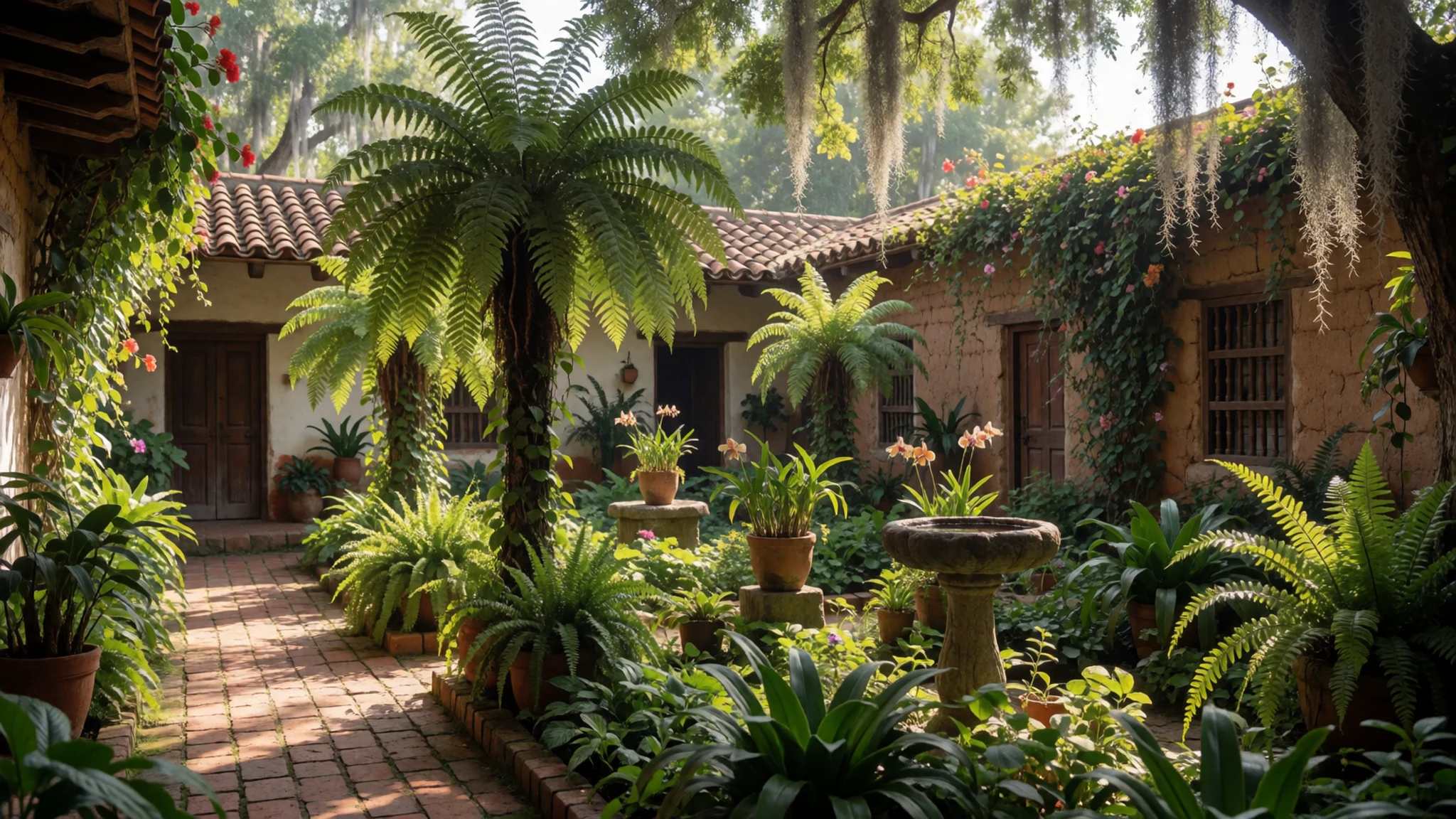
- Museo del Ámbar — Central historic district
Located inside a restored convent building, this specialized exhibition showcases hundreds of polished amber specimens extracted from regional mines. The displays explain the fossilization process and geological history while offering high-quality crafted jewelry pieces for purchase.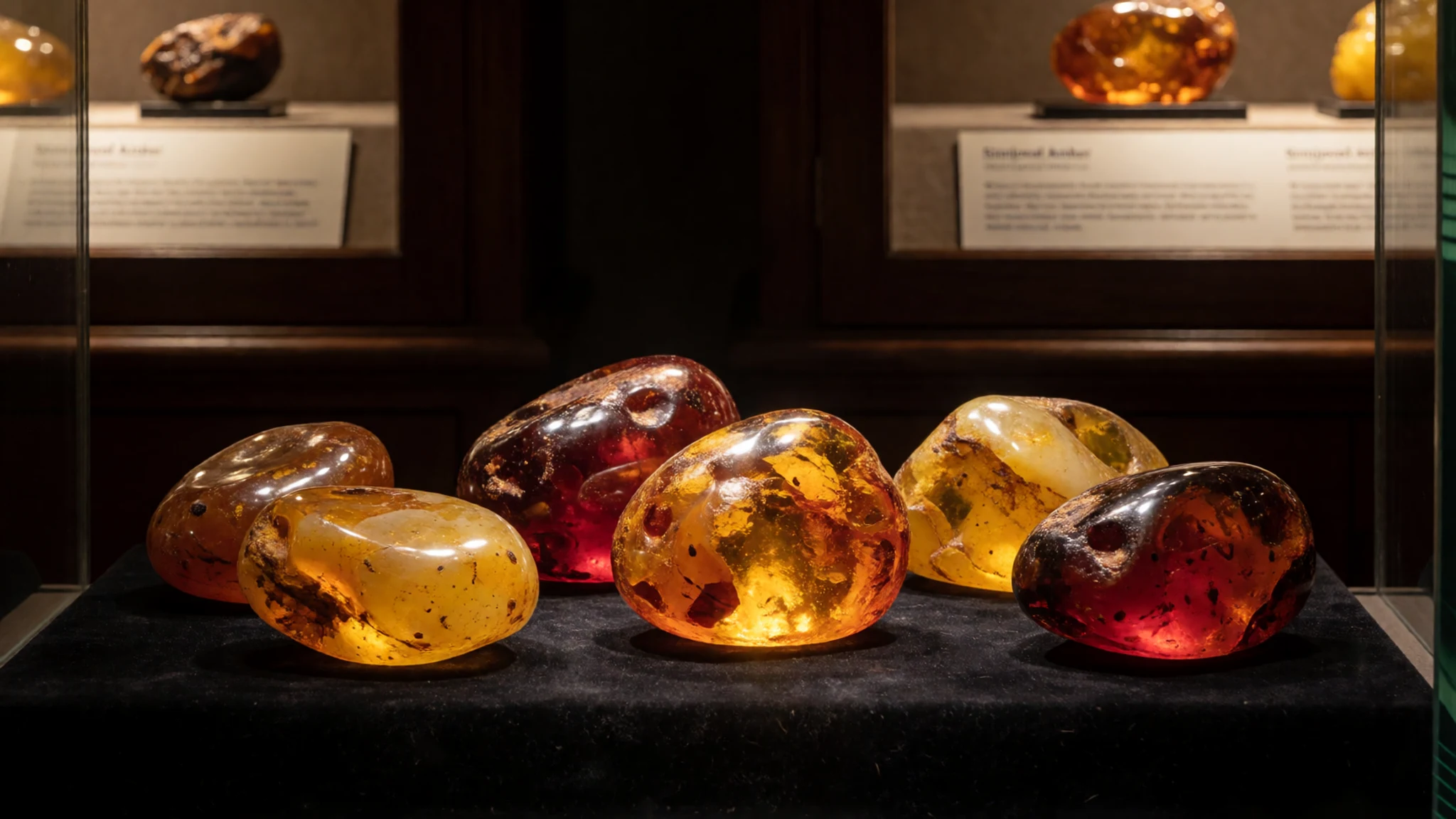
Culture
San Cristóbal de las Casas serves as a vital meeting ground for diverse indigenous Maya groups, predominantly the Tzotzil and Tzeltal peoples who inhabit the surrounding highland villages and maintain distinct linguistic, spiritual, and social traditions. Traditional community governance operates alongside municipal authorities, preserving ancient customs related to agriculture, cargo systems, and syncretic religious ceremonies that blend Catholic liturgy with ancestral cosmology. Textile arts remain central to cultural expression, with women weaving intricate geometric patterns on backstrap looms that signify community affiliation and individual artistry. Visitors frequently encounter artisans selling handicrafts around major plazas and church steps, where commercial transactions form an essential part of local livelihoods. When travelling through San Cristóbal de las Casas and nearby indigenous communities, always ask for permission before photographing local residents, particularly elders and individuals in traditional dress.
What to wear
San Cristóbal de las Casas showcases a striking sartorial blend where indigenous textile traditions meet contemporary mountain casual wear. Indigenous women from surrounding villages frequently wear traditional garments, notably the huipil—a hand-woven tunic decorated with dense embroidery—paired with heavy black wool skirts secured by woven belts, reflecting centuries-old backstrap loom techniques and community-specific iconography. Men in some outlying communities continue to wear traditional wool tunics called chuj. Local residents and younger generations in town generally dress in practical everyday clothing such as jeans, layered jumpers, and fleece jackets to cope with the chilly highland air. For visitors exploring San Cristóbal de las Casas, dressing in layers is essential because daytime sun can give way to sharp evening drops in temperature. Pack sturdy walking shoes with good grip for navigating uneven cobblestone streets, alongside modest clothing that covers shoulders and knees when visiting local churches and traditional community spaces.
What to eat
- Pozole — Traditional eateries near the municipal outskirts
A comforting, hearty Mexican stew made with large nixtamalized hominy corn kernels and tender meat, seasoned with rich chillies and herbs, perfect for cooler highland evenings. - Gourmet Highland Coffee — Specialty coffee houses around the central zone
Locally cultivated shade-grown coffee brewed in atmospheric cafes across the town center, celebrated for its smooth body, balanced acidity, and chocolate notes. - Market Antojitos — Stalls surrounding the central municipal market
Simple, freshly prepared corn-based street snacks including handmade gorditas, tostadas, and tacos filled with regional cheeses, beans, and spiced meats. - Regional Tapas and Wine — Cosmopolitan bistros near the historic center
European-influenced small plates paired with accessible international wines served in relaxed, unpretentious neighbourhood wine bars.
Plan it
Best time. November to April offers the most stable dry weather with clear blue skies during the day, though highland nights remain cold throughout the year.
How long. 3–4
Getting there. Fly into Ángel Albino Corzo International Airport in Tuxtla Gutiérrez, then take an authorized airport taxi or shared shuttle for the mountain drive to San Cristóbal.
Budget. mid
Tips
- Pack warm layers and a sturdy jacket because mountain temperatures drop significantly after sunset
- Carry cash for small purchases in markets and when buying crafts directly from indigenous artisans
- Walk slowly during your first days to acclimatize comfortably to the high elevation
- Book airport shuttles in advance through local travel agencies or official taxi desks
Etiquette
- Always ask permission before photographing local residents or traditional ceremonies
- Dress modestly covering shoulders and knees when entering churches or indigenous community areas
Nearby
Sources
- Wikidata Q524894 (CC0)
- Wikipedia (CC BY-SA 4.0)
- Wikivoyage (CC BY-SA 4.0)