Oaxaca de Juárez
Oaxaca de Juárez, Mexico
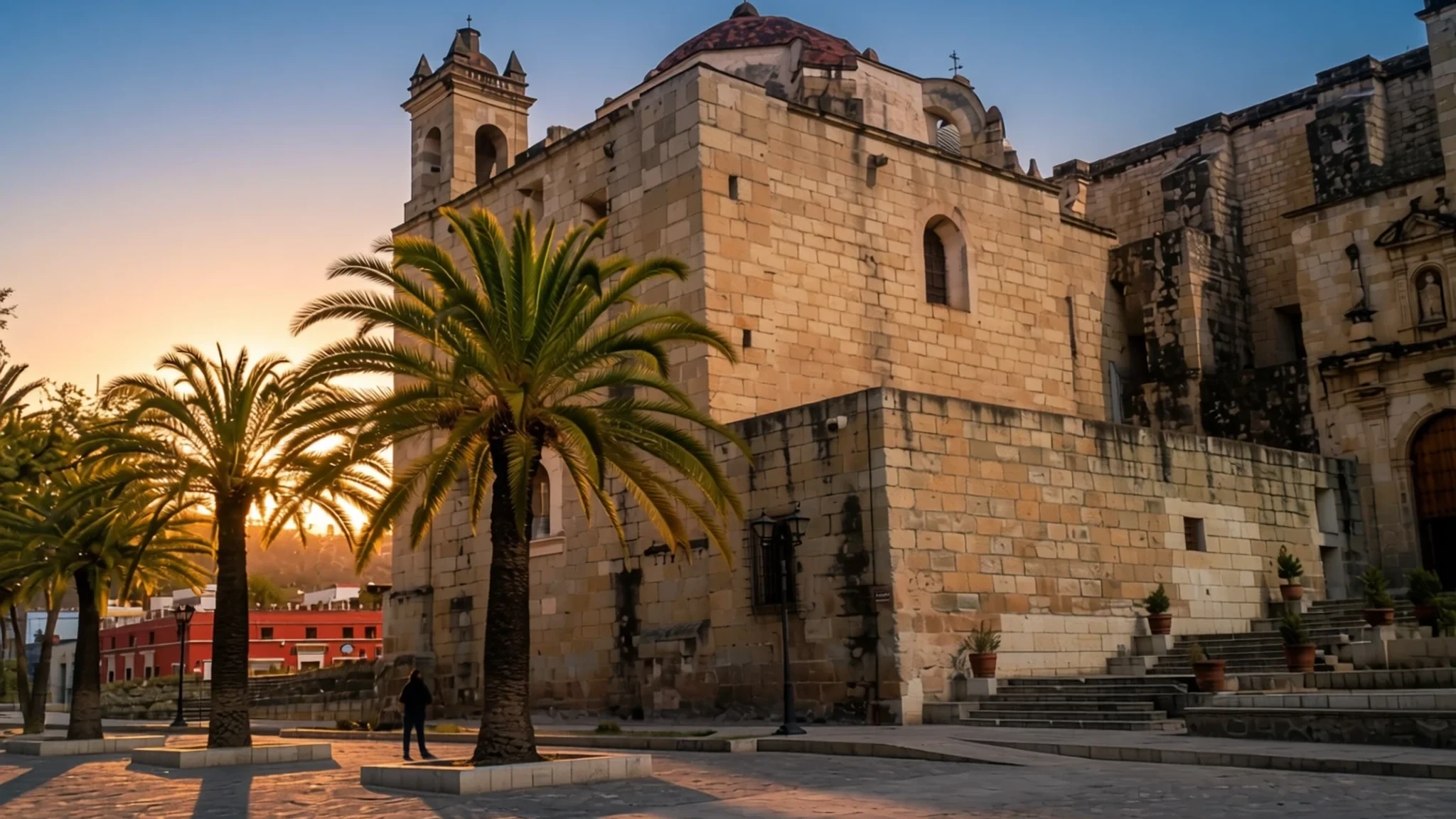
Oaxaca de Juárez pairs deep indigenous heritage and remarkable colonial architecture with exceptional regional cuisine in the mountains.
The place
Oaxaca de Juárez serves as the vibrant capital of its home state, supporting roughly a quarter of a million residents in the Centro District within the Central Valleys region. Nestled in the foothills of the Sierra Madre mountains at the base of the Cerro del Fortín, the settlement stretches toward the banks of the Atoyac River. Often called la Verde Antequera due to its former Spanish name and the extensive use of a native greenish stone in its historic buildings, the city presents an urban fabric rich in colonial-era structures. Heritage tourism forms a vital pillar of the local economy, drawing visitors to significant archaeological remains and the enduring living traditions of Zapotec and Mixtec communities. Alongside these historic treasures, the municipality hosts grand cultural gatherings such as the month-long Guelaguetza festival, celebrating regional music, indigenous dance from seven territories, and traditional pageantry. The name of the city itself traces back to the ancient Nahuatl term Huaxyacac, referring to local trees, which the Spanish eventually adapted into the modern form. Walking through the checkerboard streets reveals shaded plazas, artisan workshops, and bustling markets where indigenous languages are spoken daily alongside Spanish, making the valley floor feel both grounded in ancient history and entirely alive today.
Its story
Long before Spanish arrival, Zapotec and Mixtec societies established influential civilisations across the valley, creating major political and religious centres at places like Monte Albán and Mitla. The Aztecs later pushed into the region, seizing control of strategic heights at the Cerro del Fortín to command the valley below and protect trade routes running toward Central America. When European forces arrived under Captain Francisco de Orozco, accompanied by indigenous allies following reports of local gold, they dismantled the existing political order and established a new settlement. Catholic missionaries followed close behind, undertaking extensive evangelisation efforts that reshaped the spiritual landscape of the valley while Spanish administrators laid out grid-pattern streets and monumental religious complexes. Over subsequent centuries, the city witnessed profound political shifts, and it became the place where notable national leaders including Benito Juárez launched their legal and political careers. The architectural legacy of this complex past remains visible in every carved stone arch and weathered monastic courtyard, reflecting the layered contributions of indigenous engineers, colonial master builders, and modern civic planners who shaped the valley over generations.
What to see
- Zócalo — Centro Histórico
The central tree-lined square serves as the social heart of the city, where locals and travellers gather under the shade of laurel trees. Street musicians play traditional sones, shoeshine boxes line the stone paths, and nearby terraces offer prime spots for watching the afternoon light shift across the historic plaza.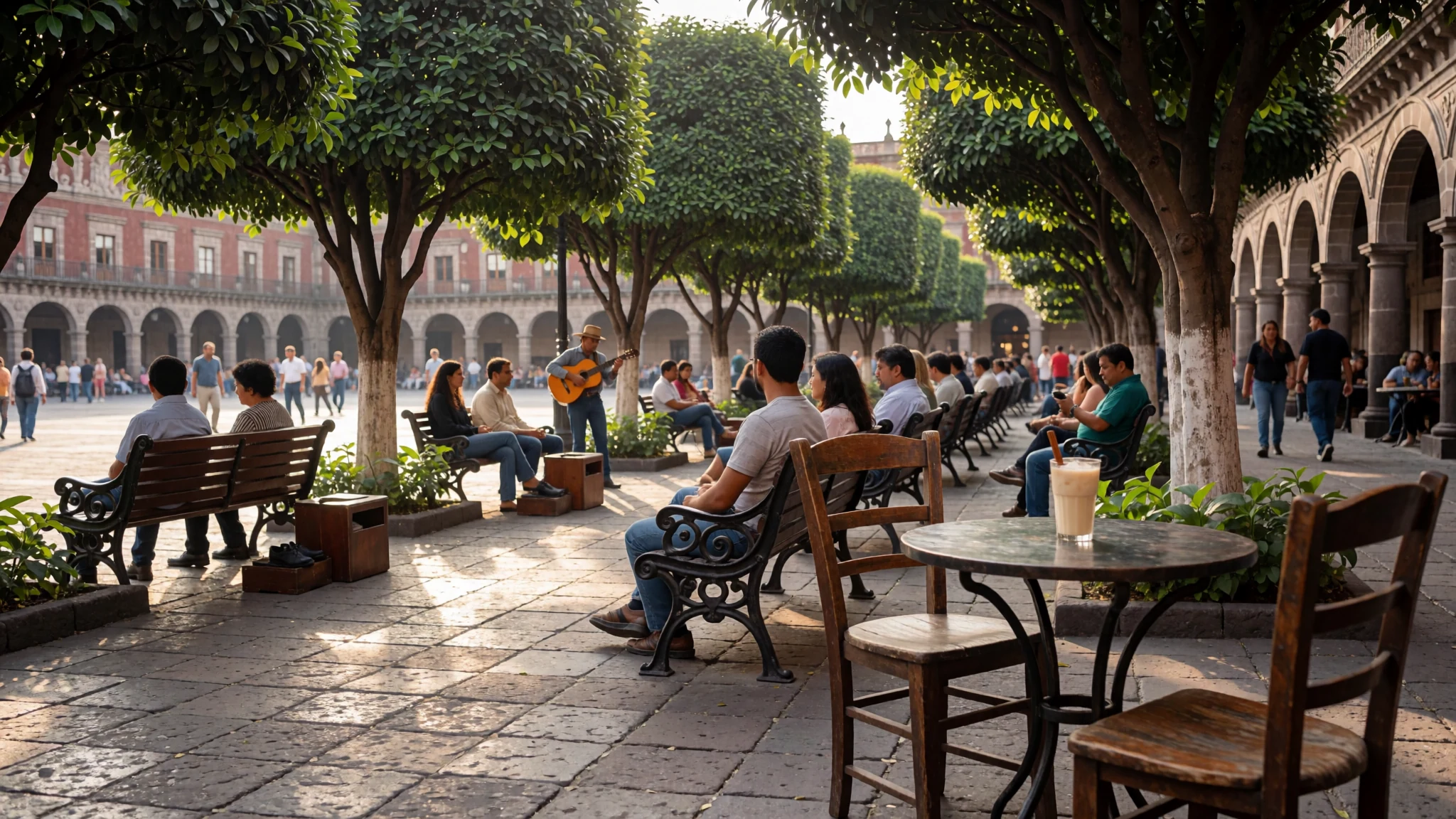
- Catedral Metropolitana — Centro Histórico
Oaxaca's principal church features a distinctive facade built to withstand frequent regional tremors, giving the stone walls a remarkably solid presence. Inside, carved wooden altars and classic religious artworks reflect centuries of devotion, while the surrounding paved square draws families every evening as church bells ring out across the neighbourhood.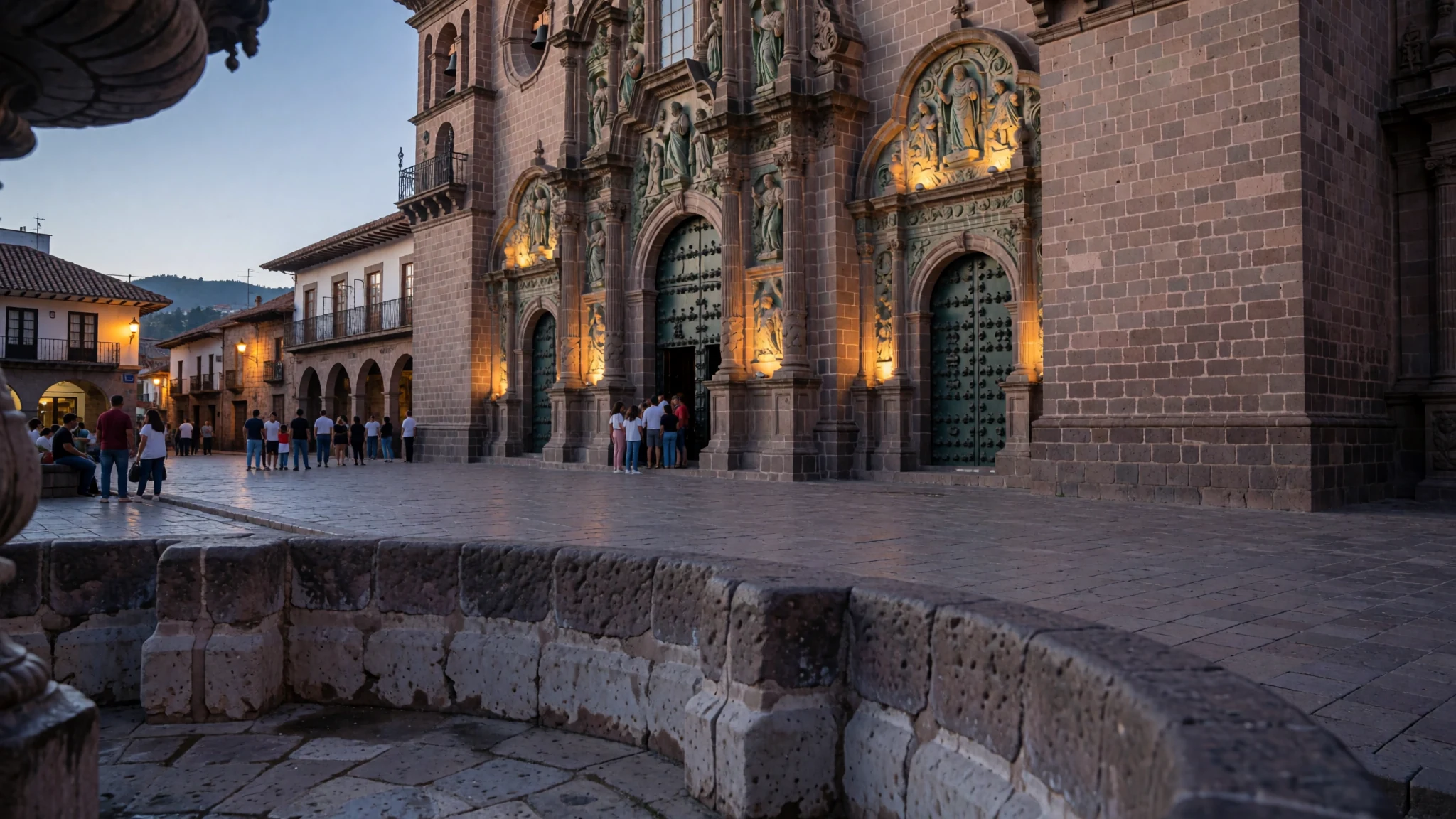
- Templo de Santo Domingo de Guzmán — Centro Histórico
This extraordinary religious complex pairs massive stone defensive walls with an interior covered in exuberant gold-leaf ornamentation. The adjoining former monastery spaces now house an exceptional regional museum holding archaeological treasures unearthed from nearby mountain tombs, alongside vast arched corridors and peaceful interior courtyards.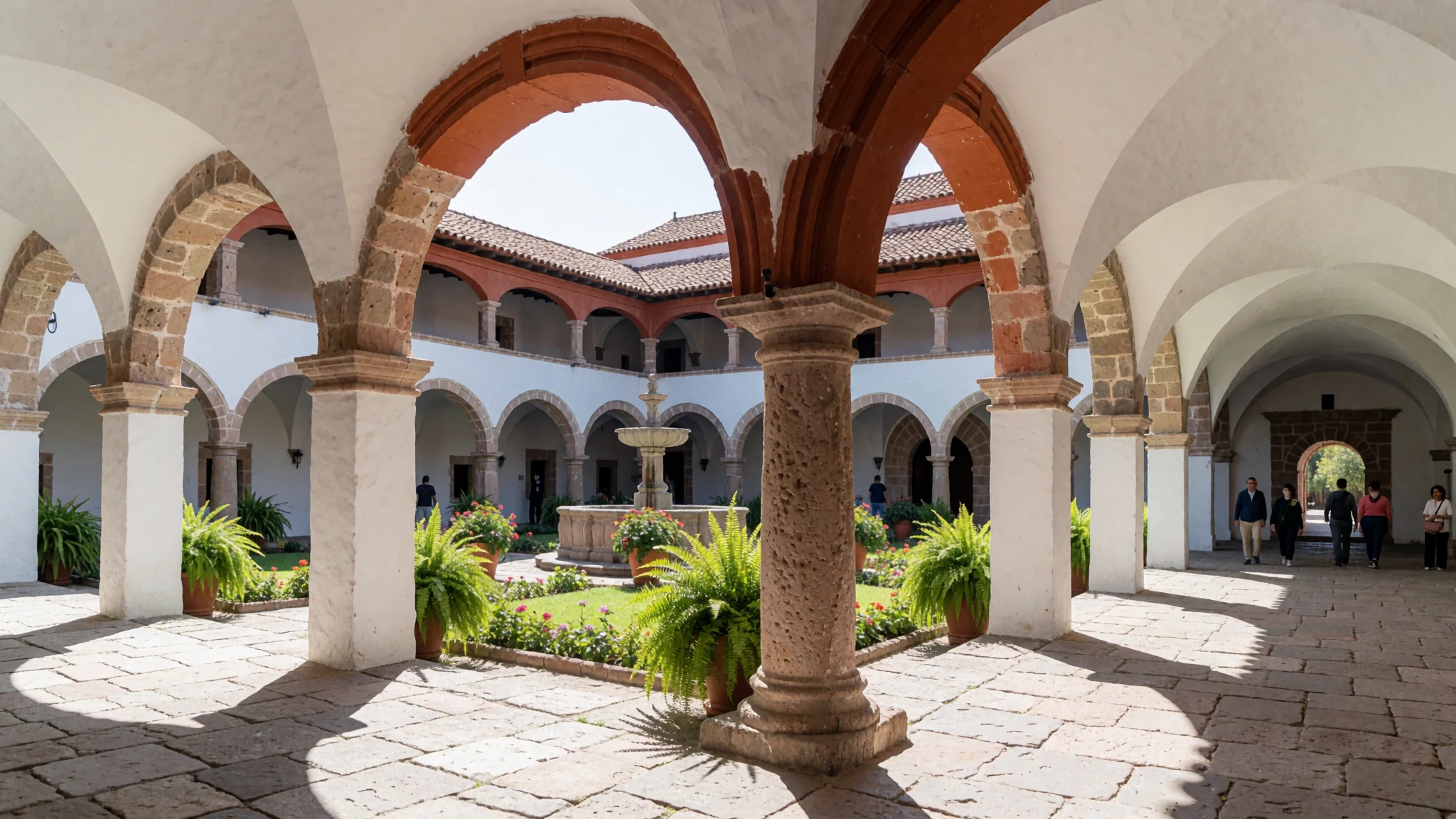
- Jardín Etnobotánico de Oaxaca — Centro Histórico
Sprawling across former military grounds attached to the monastery, this thoughtfully designed garden showcases the remarkable botanical diversity of the region. Landscape paths wind past towering columnar cacti, ancient agaves, and endemic flora arranged by local artists to illustrate the deep ecological relationships binding plants to human communities.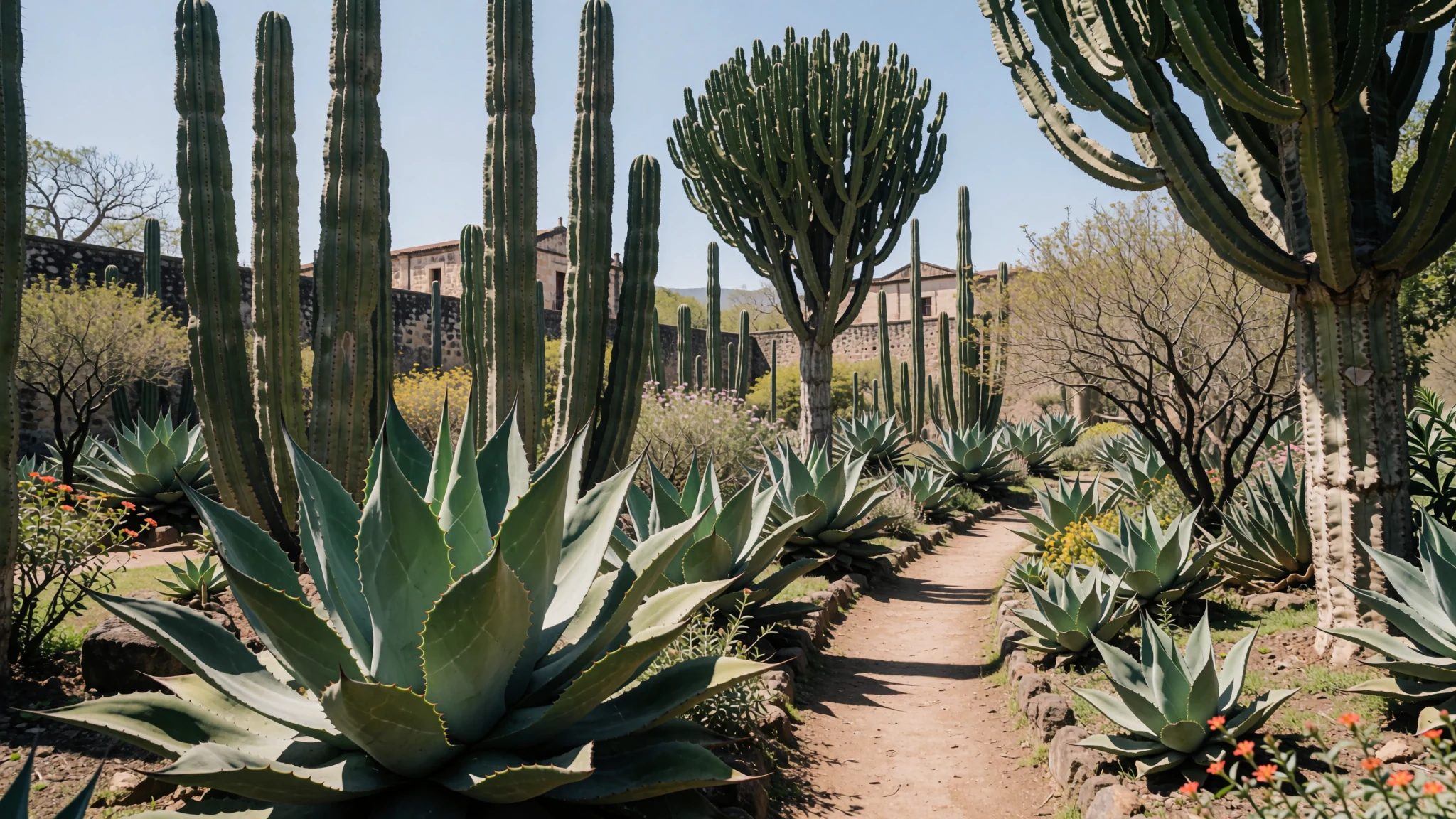
- Monte Albán — Central Valleys
Perched dramatically on a flattened mountaintop rising above the valley floor, this ancient archaeological wonder served as the pre-eminent political capital of the Zapotec world. Grand ceremonial plazas, monumental platforms, and carved stone stelae offer panoramic views across the surrounding agricultural fields and distant mountain ranges.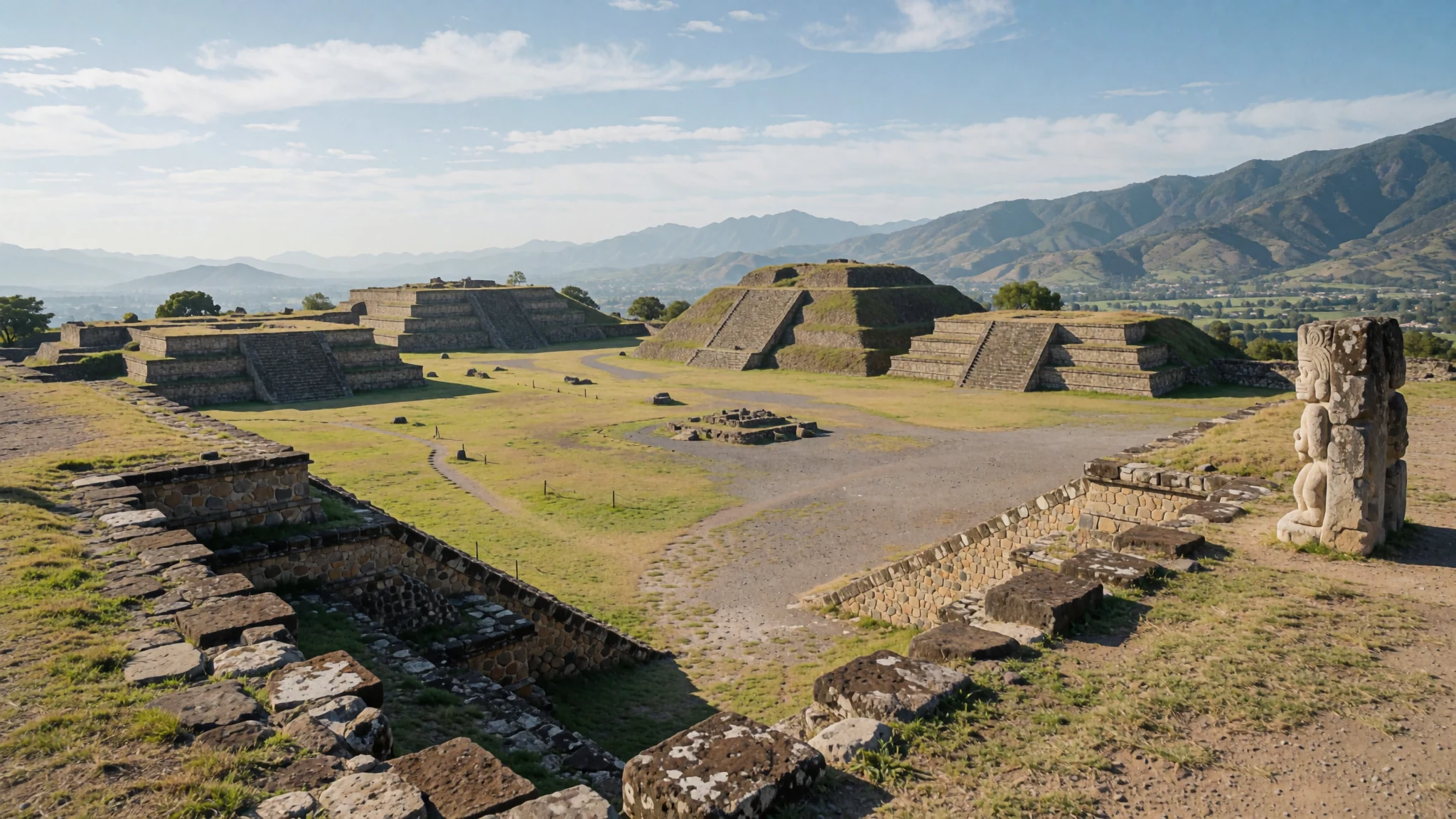
Culture
Cultural life in the valley is deeply anchored in community solidarity, indigenous traditions, and festive gatherings that mark the agricultural calendar. The annual Guelaguetza celebration brings dancers from diverse mountain and coastal regions together to share traditional music, ancestral garments, and local harvests in an atmosphere of shared heritage. Artisans maintain age-old techniques in pottery, backstrap weaving, and wood carving, passing skills down through family workshops across nearby villages. Museums throughout the downtown district curate extensive collections of pre-Hispanic artefacts, textiles, and contemporary art, reflecting a community proud of its pluralistic identity. Visitors should always ask permission before photographing indigenous people in traditional dress, especially during ceremonies and market days.
What to wear
Traditional dress across the region remains a powerful marker of ethnic identity, with hand-woven huipiles and embroidered cotton garments displaying intricate geometric patterns that signal a wearer's specific village or community. Artisans use natural dyes extracted from cochineal, indigo, and crushed minerals to colour wool and cotton threads spun by hand. In daily urban life, residents dress comfortably for the warm climate, typically wearing lightweight trousers, breathable shirts, and sturdy walking shoes suited for uneven cobblestone streets. Visitors should opt for modest, lightweight clothing during the day, bringing a warm layer for cooler mountain evenings. Comfortable footwear with good grip is essential for navigating historic stone pavements and archaeological sites.
What to eat
- Memelas — Mercado de la Merced
Thick corn masa cakes grilled on a traditional comal, spread with unrefined pork lard, black bean paste, and sprinkled with crumbled fresh cheese. These savory breakfast staples are commonly found at traditional food stalls.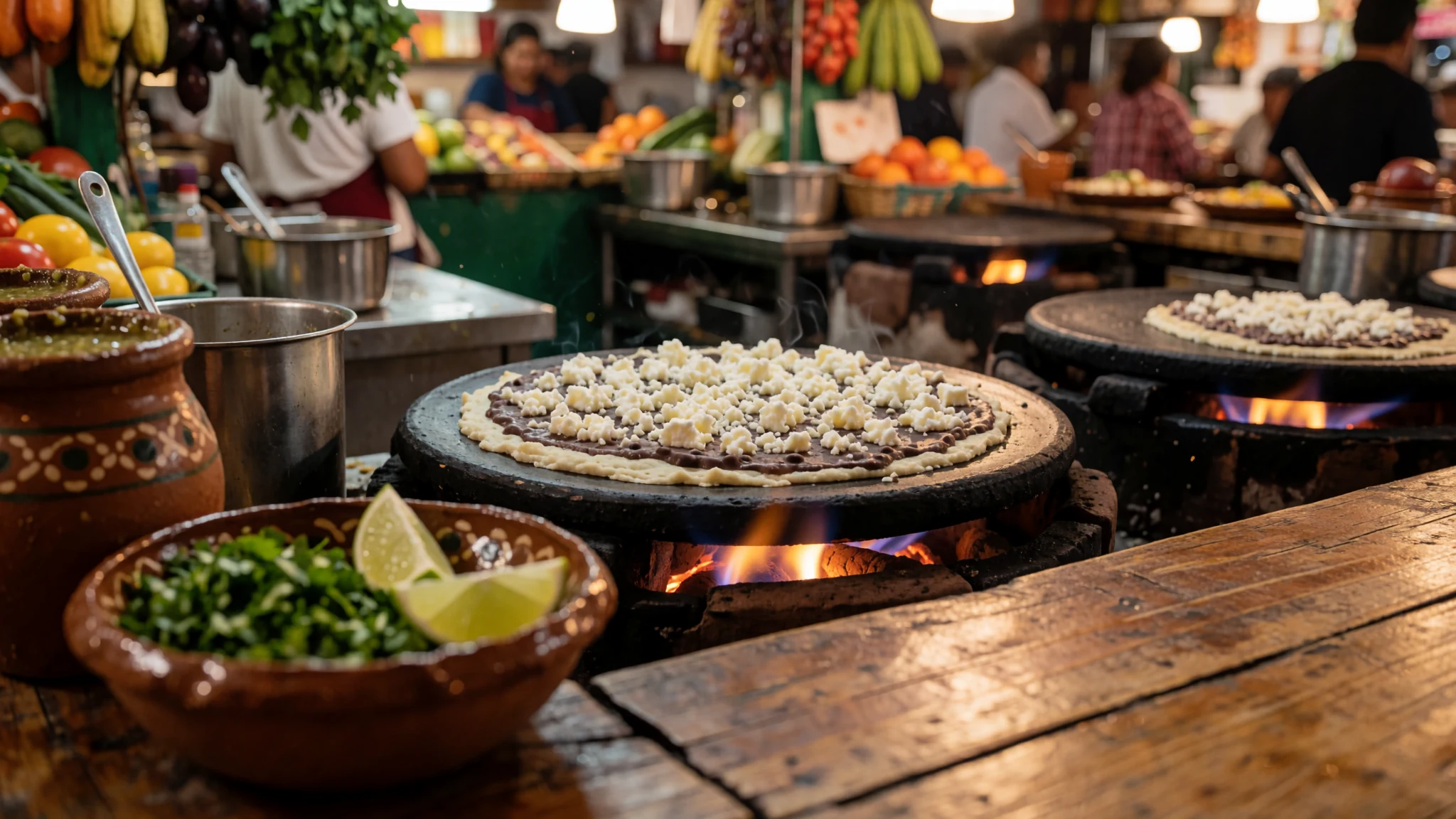
- Tlayudas — Mercado 20 de Noviembre
Large, slightly crispy corn tortillas toasted over charcoal, layered with asiento lard, refried beans, shredded cabbage, quesillo cheese, and your choice of grilled meats. These generous plates are a fixture of evening food markets.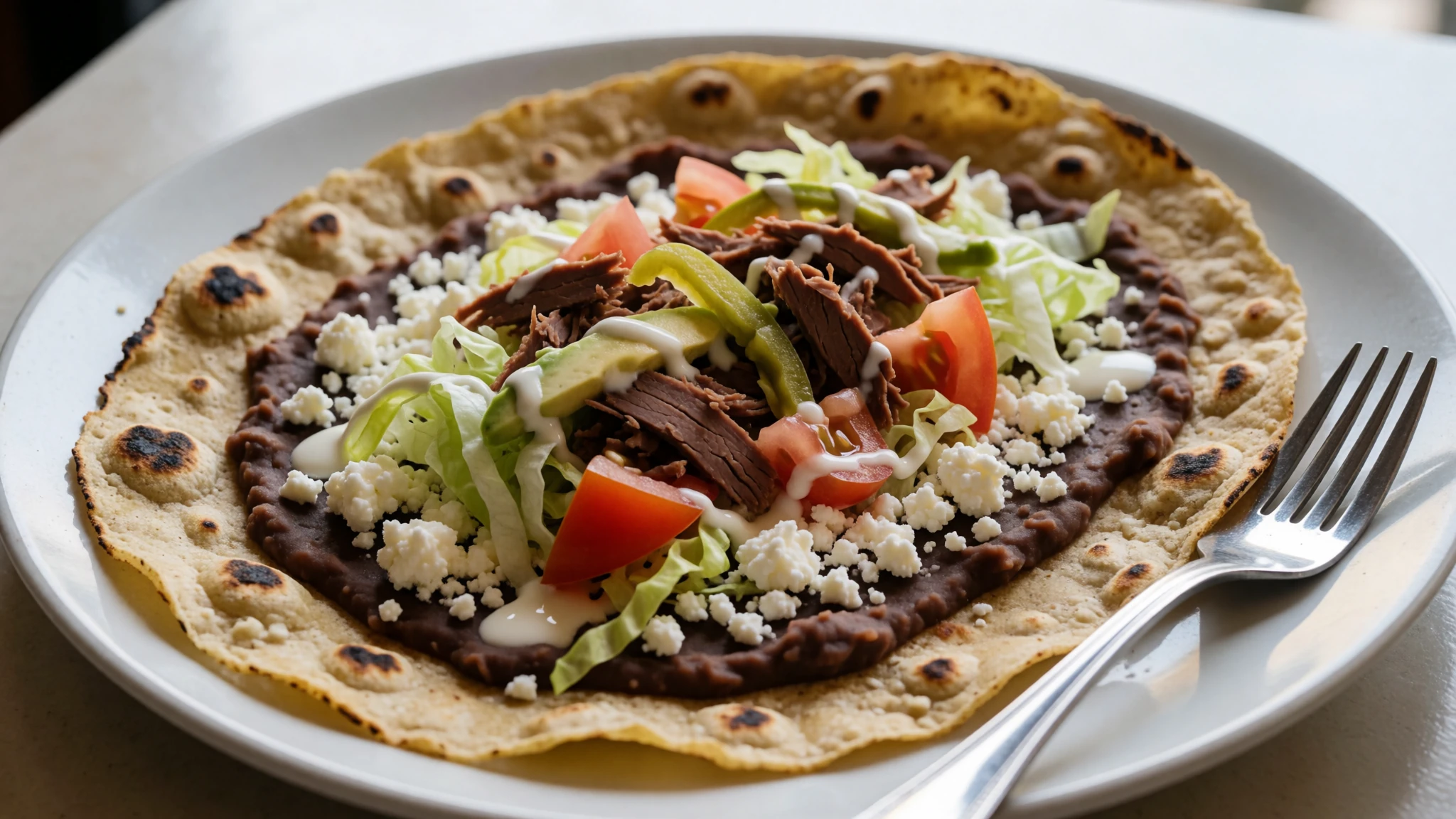
- Nieves — Basílica de la Soledad Plaza
Traditional artisanal sorbets hand-churned in wooden buckets, featuring distinct regional flavours such as prickly pear, rose petal, and chocolate. These refreshing treats are popular around sunny plazas. - Artisanal Breads — Boulenc bakery
European-style sourdough loaves and pastries baked daily with local ingredients, offering a welcome alternative for travellers seeking familiar comfort foods alongside traditional regional fare. - Mole Negro — Local fondas and traditional eateries
A complex, slow-simmered sauce combining multiple varieties of dried chillies, seeds, spices, and chocolate, served over chicken or enchiladas. This iconic regional dish showcases deep culinary heritage.
Plan it
Best time. November to February for the driest and most comfortable weather, and July for the Guelaguetza festival, though the rainy season from May to October brings the heaviest rain.
How long. 3–4
Getting there. Fly into Oaxaca International Airport, then take an authorised airport colectivo van or pre-booked taxi directly into the city centre.
Budget. mid
Tips
- Wear comfortable footwear with good grip for walking on uneven cobblestones
- Carry cash in smaller denominations for market stalls and artisan purchases
- Drink bottled water and check that street food vendors maintain high turnover
- Book museum tickets and special festival seating well in advance
Etiquette
- Ask permission before taking photographs of indigenous residents in traditional clothing
- Greet shopkeepers and market vendors politely with a buenos días or buenas tardes
Nearby
Sources
- Wikidata Q131429 (CC0)
- Wikipedia (CC-BY-SA 4.0)
- Wikivoyage (CC-BY-SA 4.0)