Salzburg
Salzburg, Austria
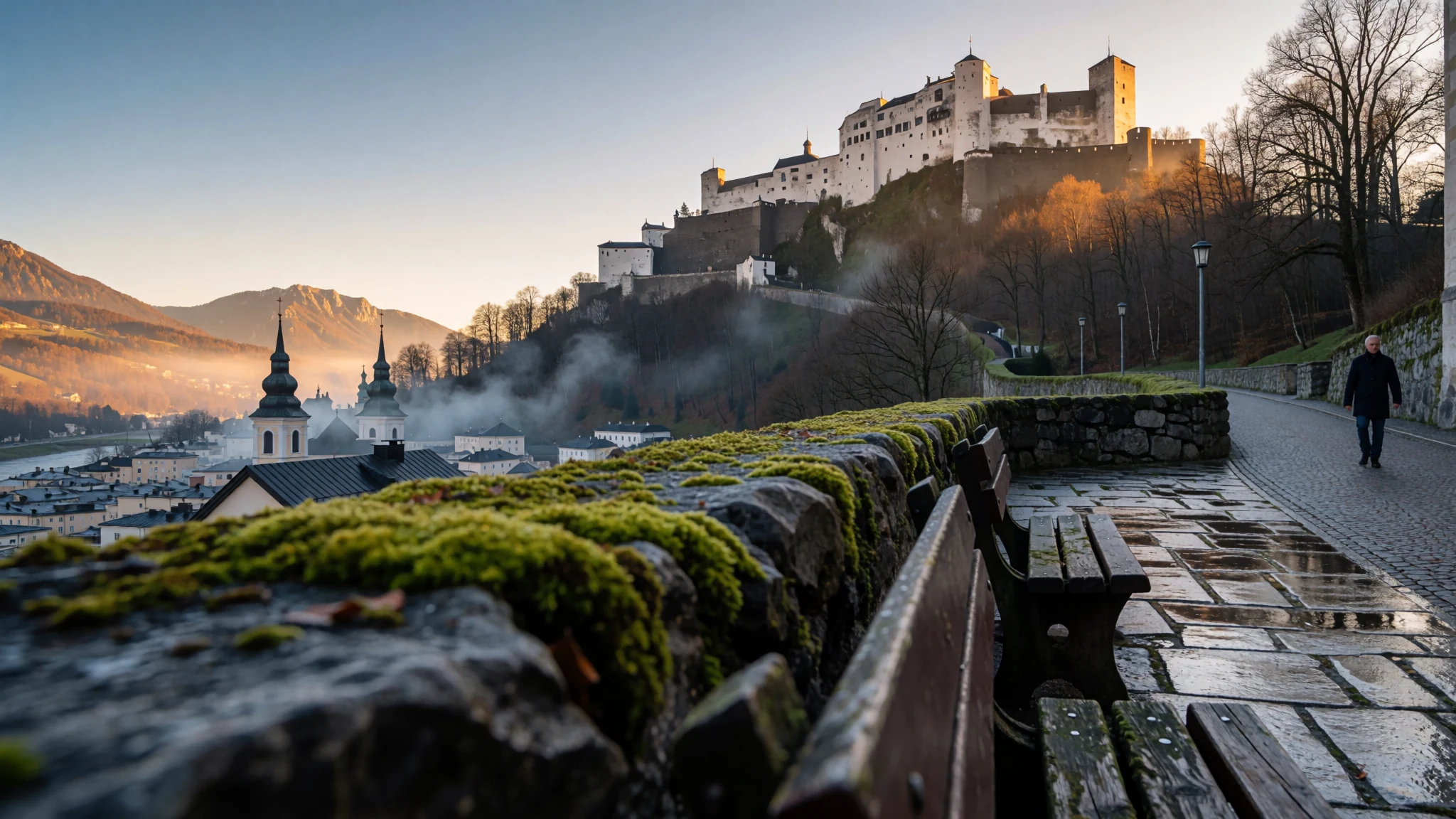
Go to Salzburg for alpine air, extraordinary Baroque architecture, incredible medieval fortifications, and the musical heritage of Wolfgang Amadeus Mozart.
The place
Salzburg is a stunning European destination situated at the northern boundary of the Alps, along the banks of the winding Salzach River. The urban landscape creates a dramatic contrast between rugged mountain peaks to the south and rolling agricultural plains stretching out towards the north. As one of the country's prominent urban centers, the municipality supports a community of about 155,000 residents while welcoming travelers from across the globe.
The town occupies ground that has supported human habitation since antiquity, originating from early Celtic settlements before developing into the Roman city of Iuvavum. Its historical wealth was built upon salt extraction, trade routes, and gold mining, generating the capital required to commission magnificent civic and religious buildings. The historic core, known locally as the Altstadt, preserves an exceptional collection of Renaissance and Baroque architecture, featuring slender church steeples, elegant courtyards, and narrow medieval lanes lined with wrought-iron trade signs.
Dominating the skyline from its high rocky perch, the immense fortress of Hohensalzburg towers above the rooftops as a reminder of the powerful prince-archbishops who once ruled the region as an independent ecclesiastical state. This architectural harmony earned the historic centre recognition as a UNESCO World Heritage Site, drawing visitors who wander across bridges spanning the swift-flowing river to explore leafy palace gardens, lively squares, and tucked-away coffee houses where traditional Austrian pastries are served daily.
Its story
The story of Salzburg reaches back deep into prehistory, with continuous human settlement in the surrounding hills since the Neolithic Age. During the La Tène period, the territory served as an important administrative hub for the Celtic Taurisci within the Kingdom of Noricum. Following a Roman military campaign in 15 BC, local hilltop communities were abandoned in favour of a newly planned municipal grid down in the valley. This settlement, designated as Municipium Claudium Iuvavum, flourished as a vital urban node in the Roman provincial network until the frontier collapsed during the migration period.
A remarkable rebirth occurred in the early medieval era through the efforts of Saint Rupert. Around 696 AD, Bishop Rupert arrived in the region after receiving the ruined Roman town and a high vantage point on the Nonnberg Terrace from the Duke of Bavaria. Tasked with Christianising the surrounding lands, Rupert established a basilica, founded an associated monastery, and created a Benedictine nunnery for his relative Erentrude at Nonnberg, which remains active today.
Over subsequent centuries, the settlement transitioned into the seat of powerful prince-archbishops. These ecclesiastical rulers accumulated vast fortunes through salt mining—the white gold that gave the city its name—and regional trade. During the 17th century, they transformed the urban fabric into a glittering northern outpost of the Counter-Reformation, importing Italian architects who filled the streets with domes, fountains, and marble facades. Through wars, political shifts, and secularisation, the city preserved its monumental character while nurturing its identity as an enduring cultural capital.
What to see
- Hohensalzburg Fortress — Festungsberg hill
Perched high above the town on a steep mountain ridge, this vast medieval complex offers panoramic views across the urban rooftops towards the distant alpine peaks. Visitors can explore ancient chambers, medieval weaponry exhibits, and historic state rooms that once defended the autonomous ecclesiastical territory from external threats and internal rebellions.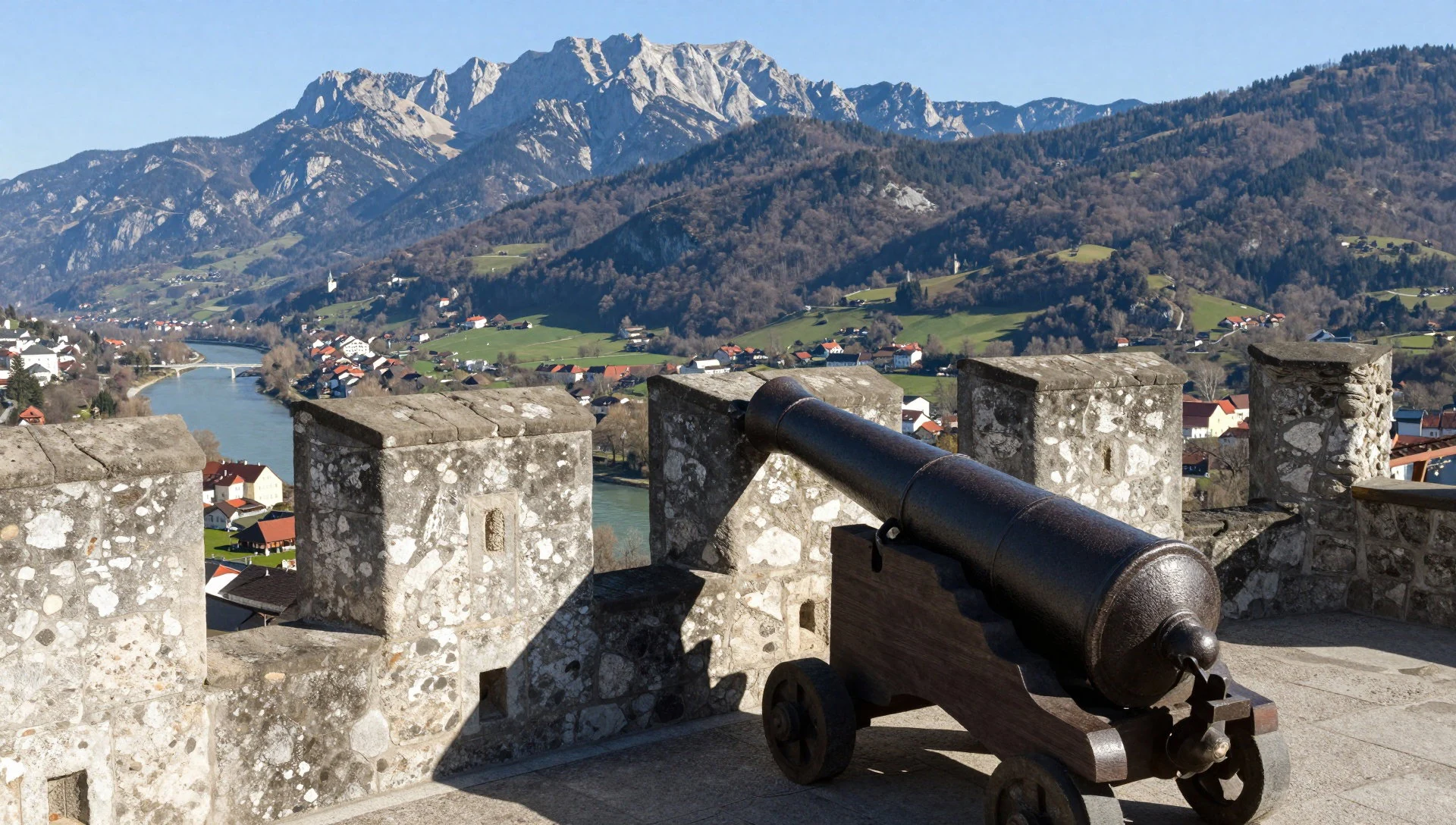
- Salzburg Cathedral — Domplatz
Located in the heart of the old town, this imposing sacred monument showcases magnificent early Baroque architecture with striking marble facades and twin copper-capped towers. Beneath the main floor, the cathedral excavations reveal foundations of earlier Romanesque structures and ancient Roman villa remnants discovered during archaeological investigations.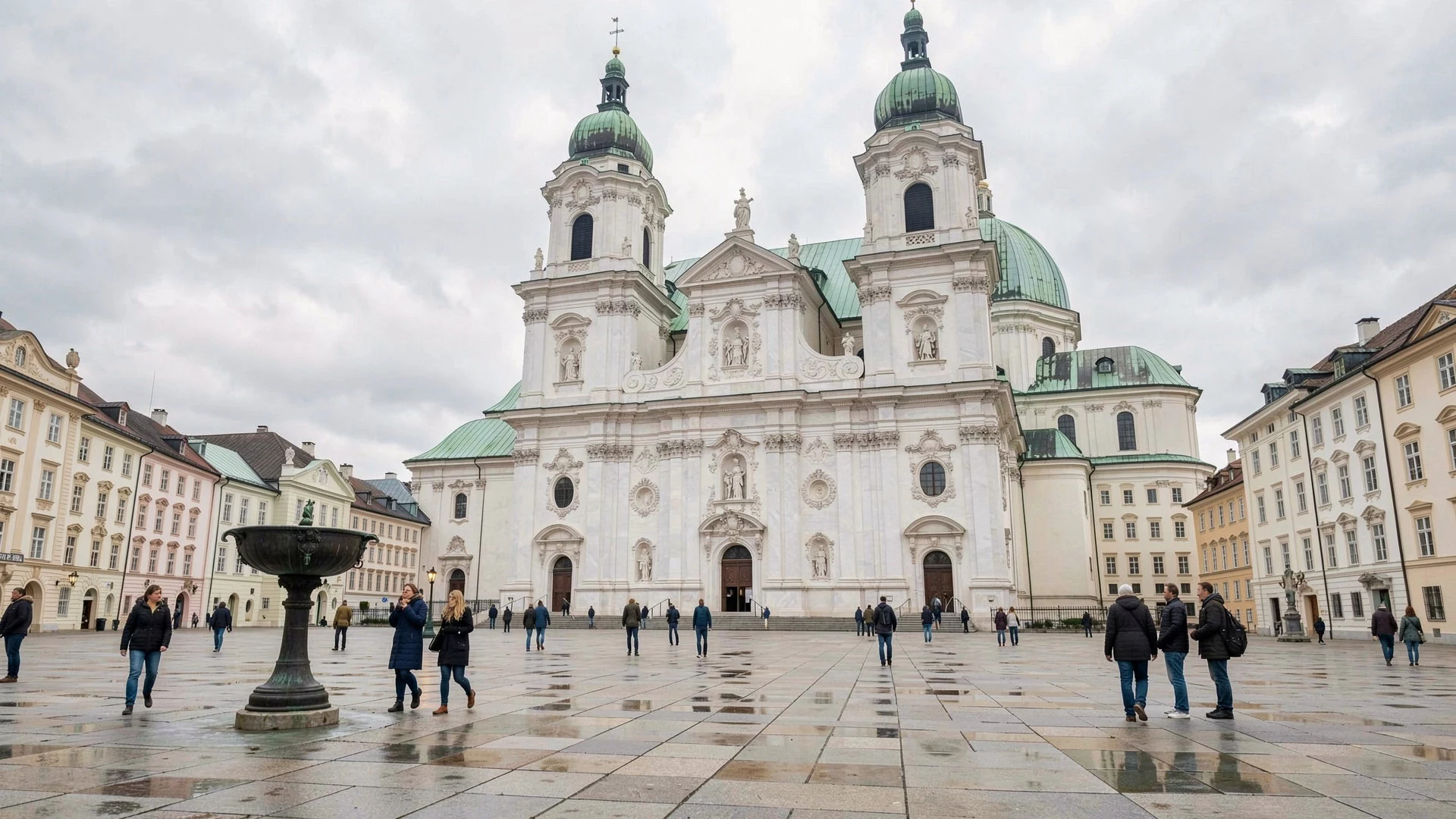
- Schloss Mirabell — Mirabellplatz
Built by a prince-archbishop for his beloved courtesan, this historic palace features immaculate geometric gardens, ornate mythological statues, and marble staircases. Situated near the river banks, the grounds provide an exceptional vantage point for photographing the fortress framed by carefully pruned hedges and blossoming flowerbeds.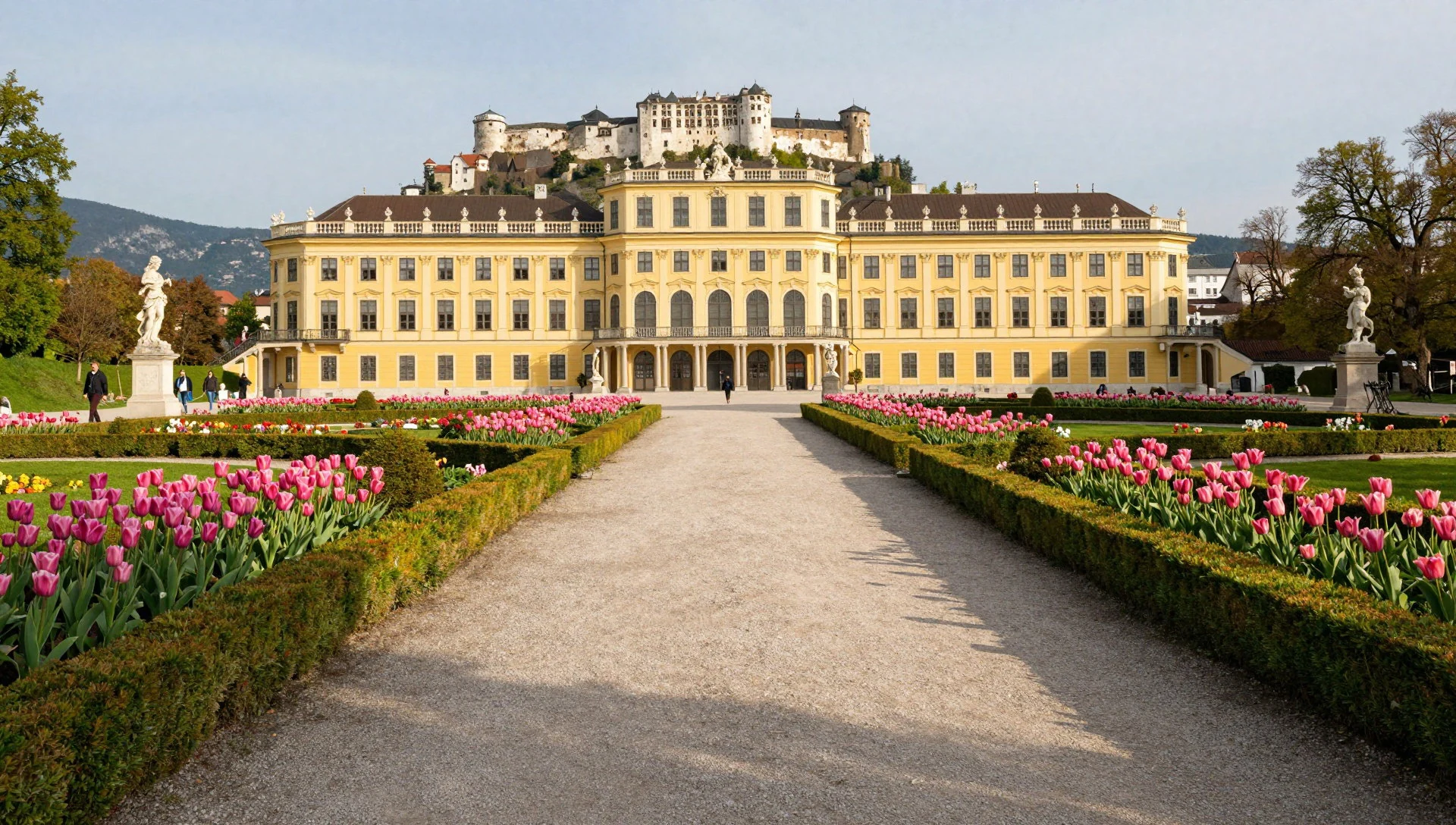
- Getreidegasse — Altstadt
A lively yet narrow pedestrian thoroughfare running parallel to the river, famous for its dense concentration of historic shops and intricate wrought-iron guild signs projecting from building facades. Visitors can walk past the yellow birthplace of Wolfgang Amadeus Mozart, browse independent boutiques, and step into traditional interior courtyards.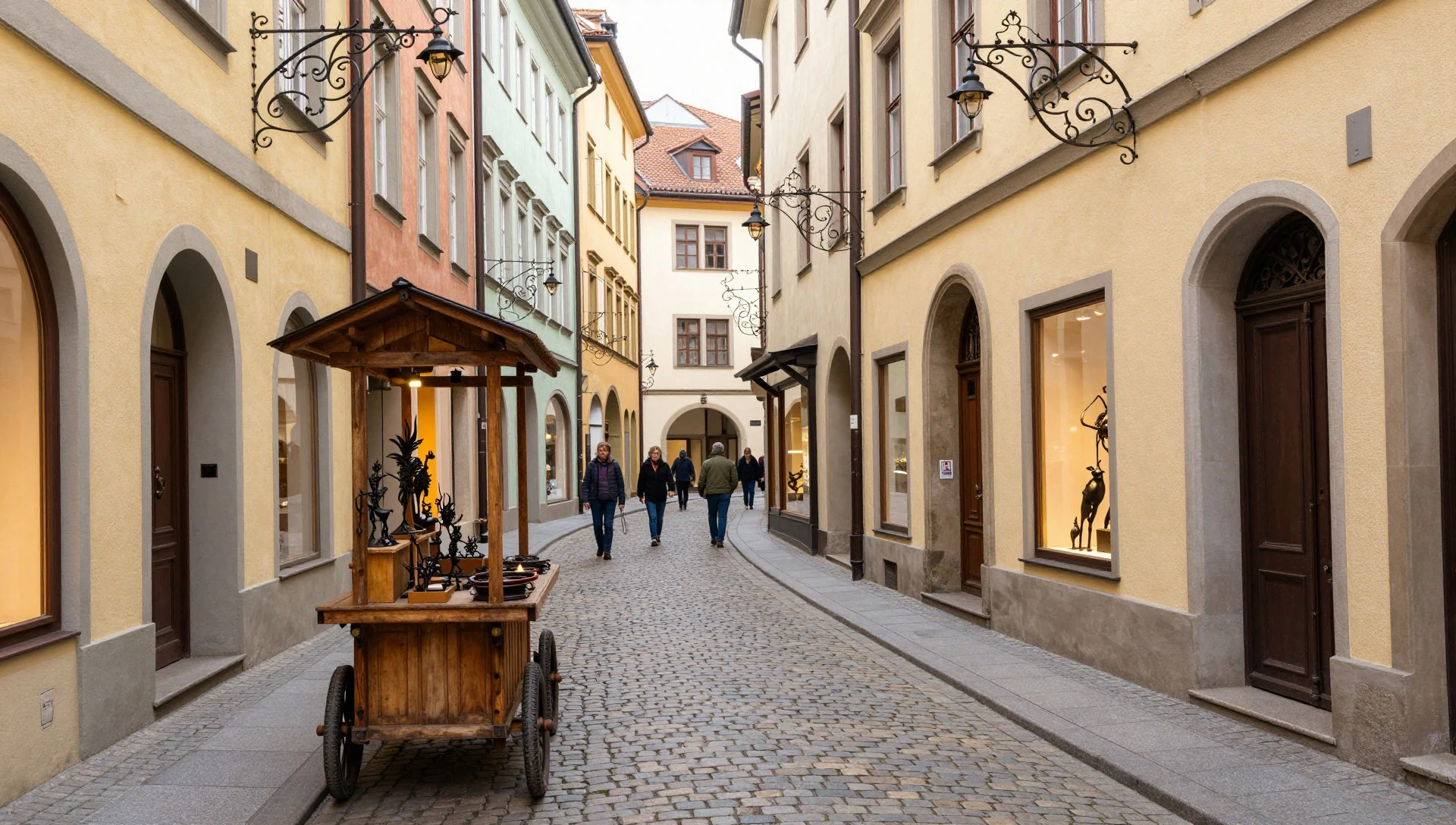
- Schloss Hellbrunn — Hellbrunn
Situated slightly south of the urban centre, this former summer residence of the prince-archbishops is celebrated for its whimsical Mannerist trick fountains and expansive parklands. Visitors taking the guided water-feature tour should stand close to the guide to avoid unexpected sprays from hidden nozzles concealed within stone seats and statues.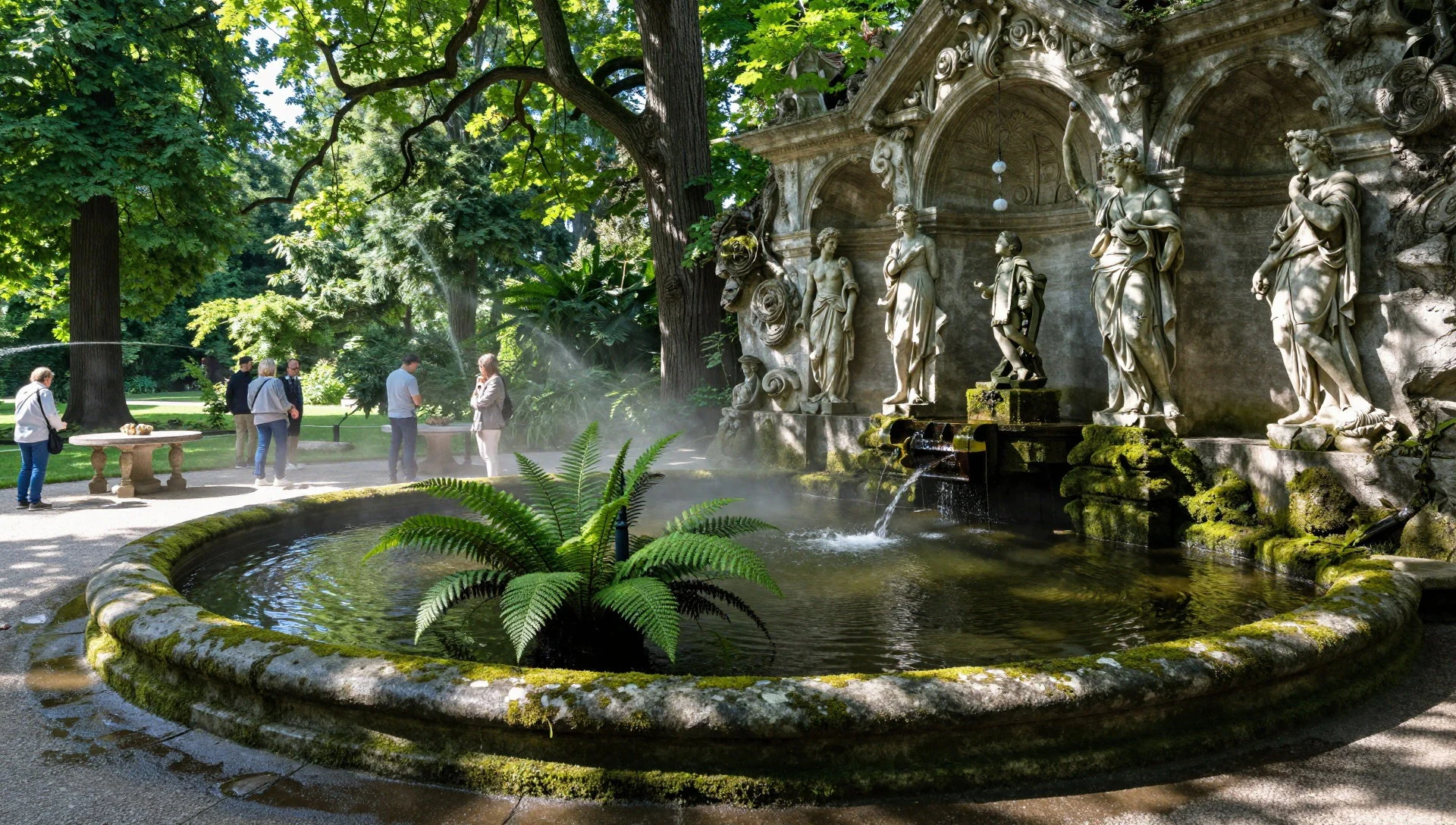
- Alter Markt Square — Alter Markt
This historic public square retains charming old-world architecture, including venerable storefronts and the traditional Fürsterzbischöfliche Apotheke pharmacy with its ornate period interior. It serves as a peaceful gathering space where locals pause for coffee or street food while surrounded by centuries of urban heritage.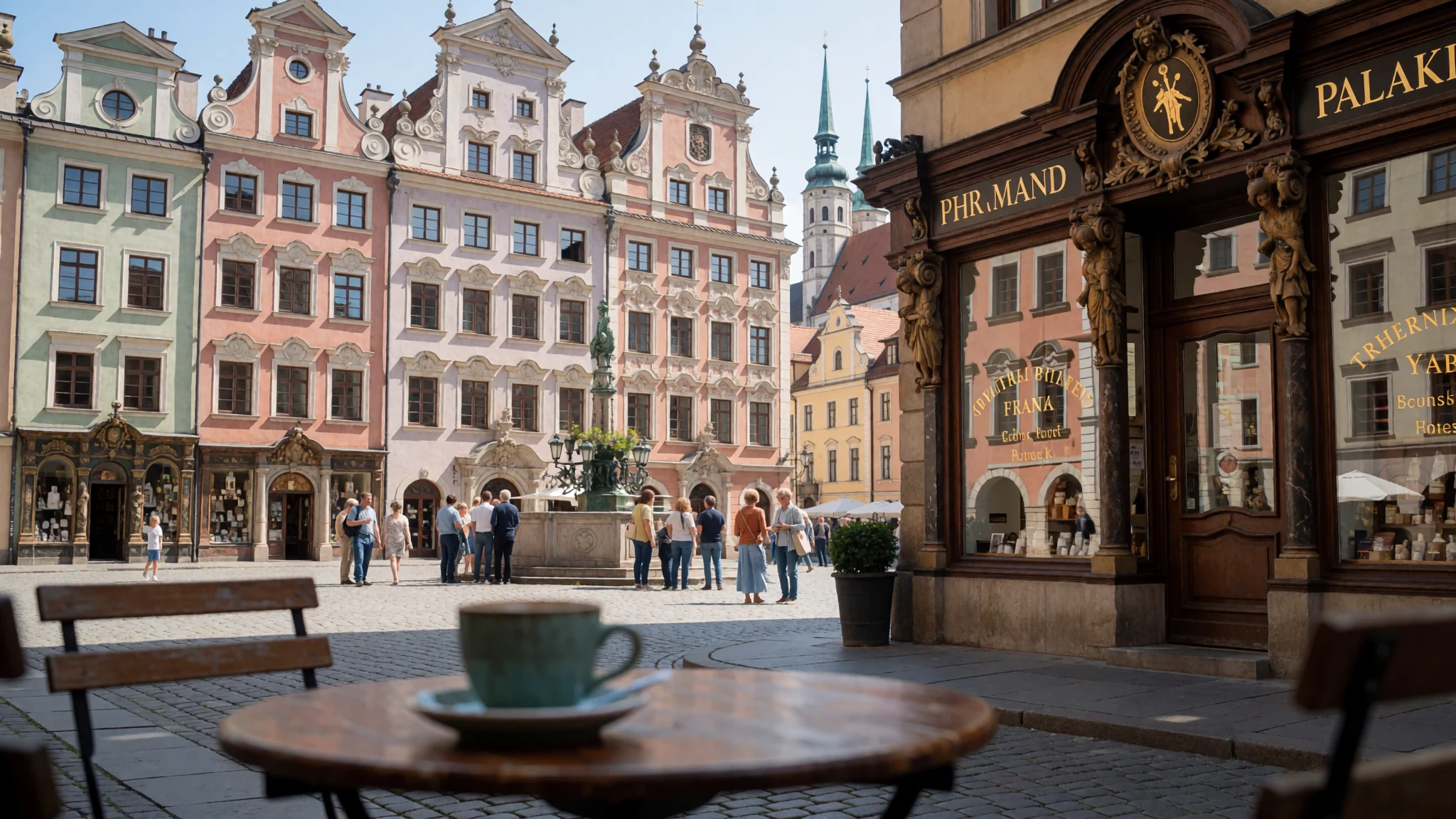
Culture
Salzburg maintains a deep reverence for classical arts, choral music, and historic preservation, shaped by centuries of Catholic ecclesiastical rule and alpine traditions. Residents take immense pride in their local heritage, observing traditional festivals, seasonal markets, and musical celebrations with great enthusiasm. Social etiquette places a high value on politeness, punctuality, and formal greetings, with traditional German pleasantries such as Grüß Gott used routinely in shops and restaurants. When entering churches, historic pharmacies, or quiet residential courtyards, maintaining a respectful tone of voice and observing posted photography restrictions is standard practice. Tipping in local eateries is customary but modest, usually involving rounding up the bill by five to ten percent rather than leaving large service percentages on the table. Always greet shopkeepers when entering a small boutique and wish them a polite goodbye upon leaving.
What to wear
Traditional attire remains a visible and respected part of daily life and festive occasions across Salzburg, drawing heavily on historic alpine textiles. Men frequently wear leather trousers known as Lederhosen crafted from sturdy deer or goat skin, paired with checked linen shirts and knitted woollen stockings. Women wear the Dirndl, a traditional dress comprising a fitted bodice, full skirt, and apron made from robust cotton, silk, or wool, varying in style depending on whether it is worn for work, celebrations, or formal gatherings. For everyday contemporary wear, locals favour practical, high-quality European casual fashion, prioritising weather-resistant coats, comfortable walking shoes for cobblestone streets, and sensible layers suited to changing mountain temperatures. Visitors do not need traditional clothing, but should pack sturdy footwear for exploring uneven fortress paths and wet castle grounds, along with a warm waterproof jacket for sudden alpine showers.
What to eat
- Bosna — Street kiosks near the river and Alter Markt
A beloved local street food creation consisting of a spiced grilled sausage tucked into a warm white bread roll, generously dressed with raw onions, chopped parsley, and a distinctive yellow curry-powder mustard sauce. It is best enjoyed hot from traditional outdoor kiosks dotted throughout the old town.
- Käsekrainer — Traditional street sausage stands in the historic centre
A thick, traditional Austrian pork sausage stuffed with small cubes of Emmental cheese that melt during grilling, creating a rich and savoury flavour profile. Vendors typically serve it sliced on a paper plate with dark bread, sharp mustard, and grated horseradish.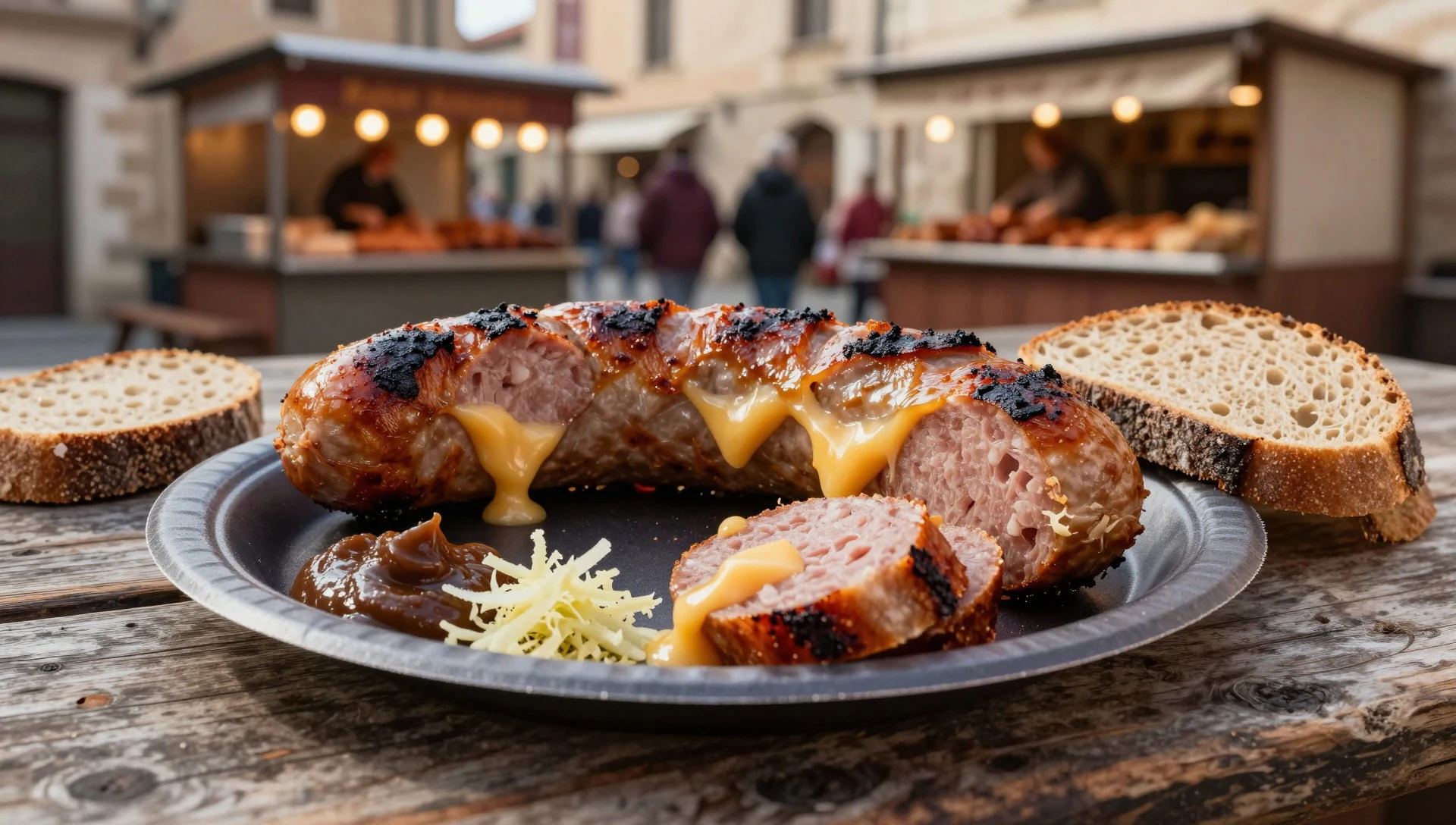
- Leberkäs — Traditional street food stalls across the old town
A finely minced meatloaf baked in a loaf pan until it develops a dark, crusty exterior while remaining exceptionally tender inside. Served warm in a thick crusty bread roll with a dollop of sweet or sharp mustard, it forms an essential staple of local snack culture.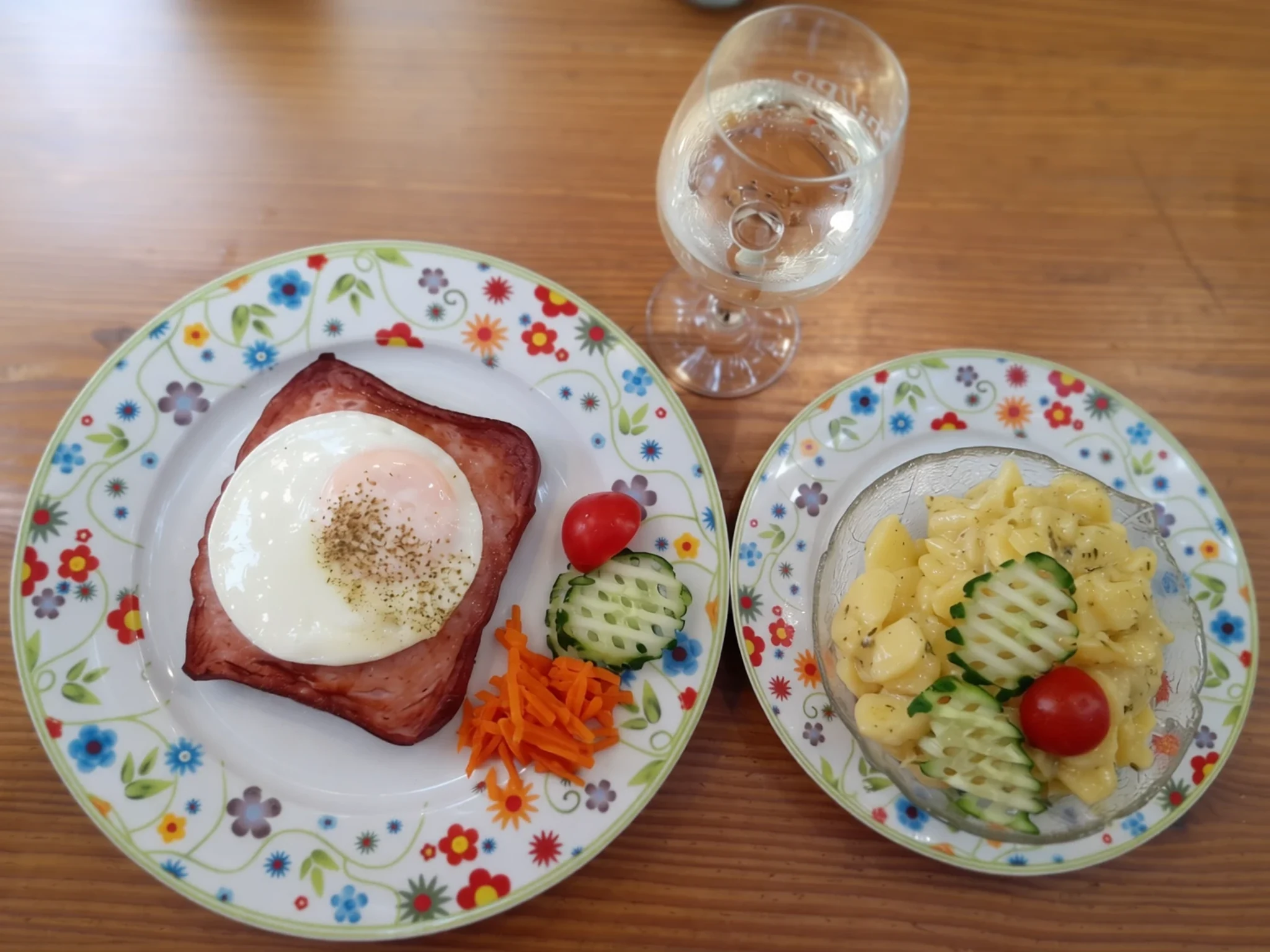
- Roasted Chestnuts (Maroni) — Street vendor stalls during winter months
A popular seasonal comfort food sold from street carts during the colder winter months, featuring freshly roasted sweet chestnuts cooked over hot coals. They provide a warm, nutty snack while walking through the festive streets toward local holiday markets. - Glühwein — Winter seasonal market stalls and traditional taverns
A spiced warm red wine infused with aromatic winter spices such as cinnamon, cloves, and citrus peel, served steaming in ceramic mugs. It offers traditional comfort against chilly alpine winds, particularly when exploring the historic squares during winter evenings. - Traditional Austrian Cuisine — Traditional taverns and historic inns like Wilder Mann
Hearty regional dishes rooted in classic central European culinary traditions, featuring wholesome ingredients, roasted meats, dumplings, and rich sauces. These dishes reflect the agricultural heritage of the surrounding alpine valleys and are served in rustic inns.
Plan it
Best time. May through September offers warm weather and accessible outdoor sightseeing, while December brings atmospheric winter markets and festive lights.
How long. 2–3
Getting there. Arrive at Salzburg Airport and take the electric trolleybus to the Hauptbahnhof main station, or take direct international rail connections from Munich, Vienna, Zurich, and other major European cities.
Budget. mid
Tips
- Purchase transport and museum admissions through combined city cards to save money.
- Arrive at major sights like Hohensalzburg Fortress early in the morning to avoid heavy tourist crowds.
- Wear comfortable flat shoes suitable for walking on uneven cobblestones and steep paths.
- Carry some cash for small street food vendors and market stalls that may not accept cards.
- Check official website schedules for seasonal opening hours before visiting palaces and museums.
Etiquette
- Observe quiet zones and photography bans inside historic pharmacies and sacred spaces.
- Greet shopkeepers politely upon entering local stores and bakeries.
Nearby
Sources
- Wikidata Q34713 (CC0)
- Wikipedia (rev 1381498035) (CC-BY-SA 4.0)
- Wikivoyage (rev 5392398) (CC-BY-SA 4.0)
- Photo 01-salzburg-altstadt-vom-m-nchsberg.jpg (CC BY 3.0)
- Photo 03-festung-hohensalzburg-von-nordost.jpg (CC BY-SA 4.0)
- Photo 04-salzburg-salzburger-dom-02-2018-08-20.jpg (CC BY-SA 4.0)
- Photo 06-palatul-mirabell1.jpg (CC BY 3.0)


