Salt
Salt, Jordan
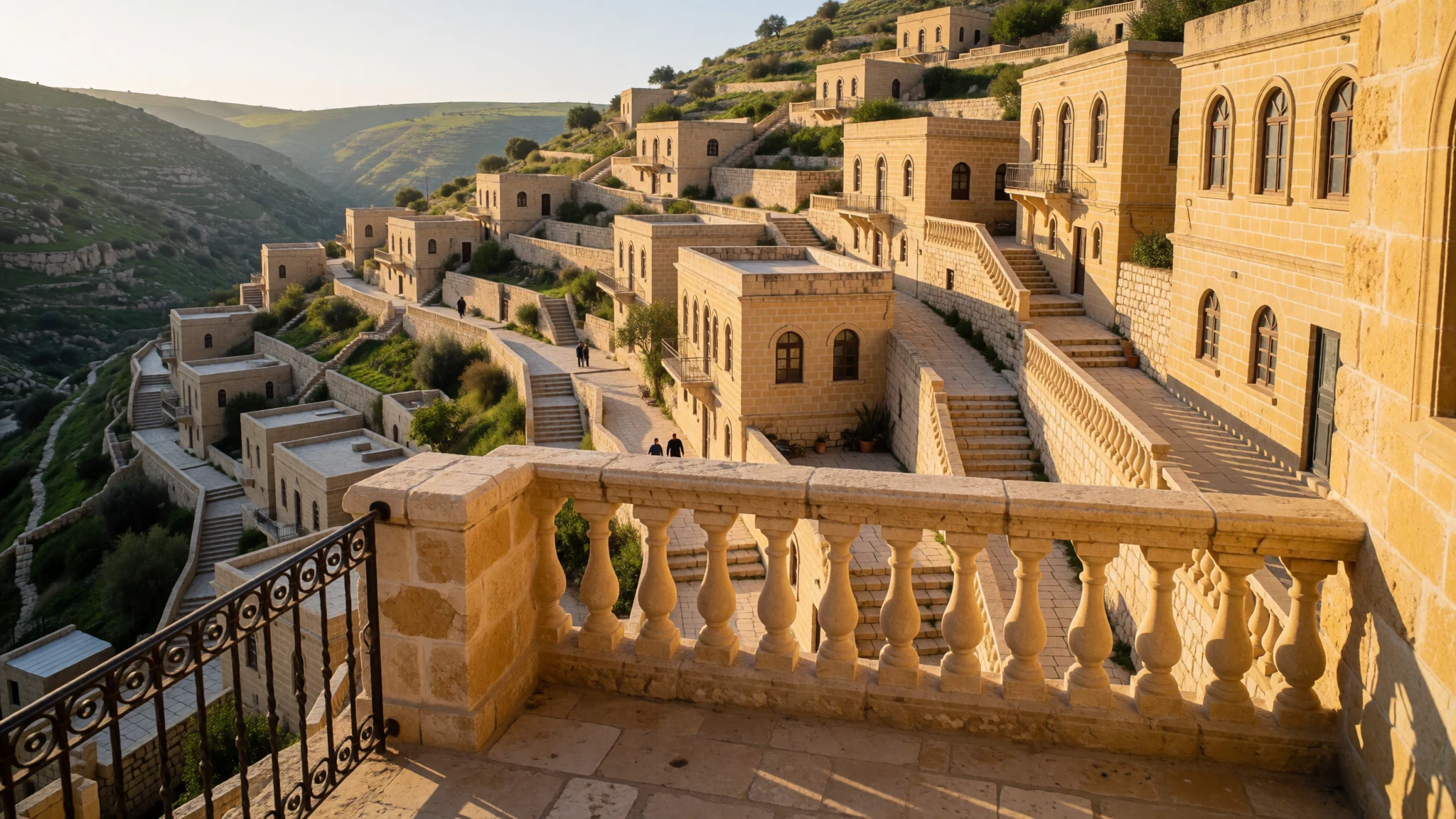
Salt (As-Salt) is a water-and-trade hill town where Ottoman-era streets meet archaeological sites, with a calmer pace than bigger Jordan stops.
The place
Salt (As-Salt, Arabic: السلط) sits in west-central Jordan in the Balqa highland, on a cluster of hills above the Jordan Valley. The city’s layout feels made by geography: streets and houses cling to slopes, with views opening and closing around corners. At elevation of 820 m, the air tends to feel cooler than the lowlands, even when midday sun is strong.
Salt is also an administrative centre and a historic trading node on the old route linking Amman and Jerusalem. That history still shows in the town’s fabric—older quarters of stone buildings, plus heritage projects that help you read the place rather than just pass through it.
For visitors, the biggest draw is how “compact” the experience is. You can spend a couple of days weaving between the restored historic houses, a museum, and the castle area, then end the day with simple meals and tea in older streets. It’s not a quiet village—there are crowds at popular sites and on good weather days—but it’s usually less hectic than Jordan’s headline cities.
Practical note: weather matters here. In warmer months, the sun can be punishing on stone streets; in cooler months, mornings and evenings can feel quite brisk at this altitude. The UNESCO listing adds weight to the visit, but the day-to-day experience is about walking the old neighbourhoods and spotting how the city developed around water and trade routes.
Its story
Salt’s story begins before anyone can confidently name the first settlers. Over time, the city became associated with Alexander the Great’s Macedonian presence, then later appeared as Saltus in Byzantine-era records, where it was a bishopric seat. In those centuries it also sat as an important settlement on the east side of the Jordan River, which helped keep people and goods moving through the area.
The settlement faced repeated disruption, including destruction attributed to the Mongols, followed by rebuilding during the Mamluk period under Sultan Baibars. After that, Salt’s role as a hinge between desert routes and the wider west kept it relevant, so successive rulers—Romans, Byzantines and Mamluks—added layers to the town’s growth.
One of the sharper turning points came when Ottoman administration elevated Salt as a regional capital. When Amman was later chosen as the capital for Transjordan, Salt didn’t get the same “modernising” push and it largely stayed as a crowded town of older buildings. That continuity matters now: today’s walk through As-Salt feels less like a new-town redevelopment and more like moving through preserved urban memory.
Even daily life was shaped by water and the surrounding hills. The town’s drinking water and garden irrigation were linked to springs and a nearby stream, and the city’s hill-and-valley setting provided natural defences. In short, Salt’s history is a story of geography, water, and the trade routes that kept pulling rulers—and residents—back to the same elevated foothills.
What to see
- Abu Jabar House
Abu Jabar House is a restored historic home in the older parts of Salt, set up as a museum. There’s also a tea setup with a balcony, so it’s a good “rest stop” when the sun has been strong and you want a slower view of the town.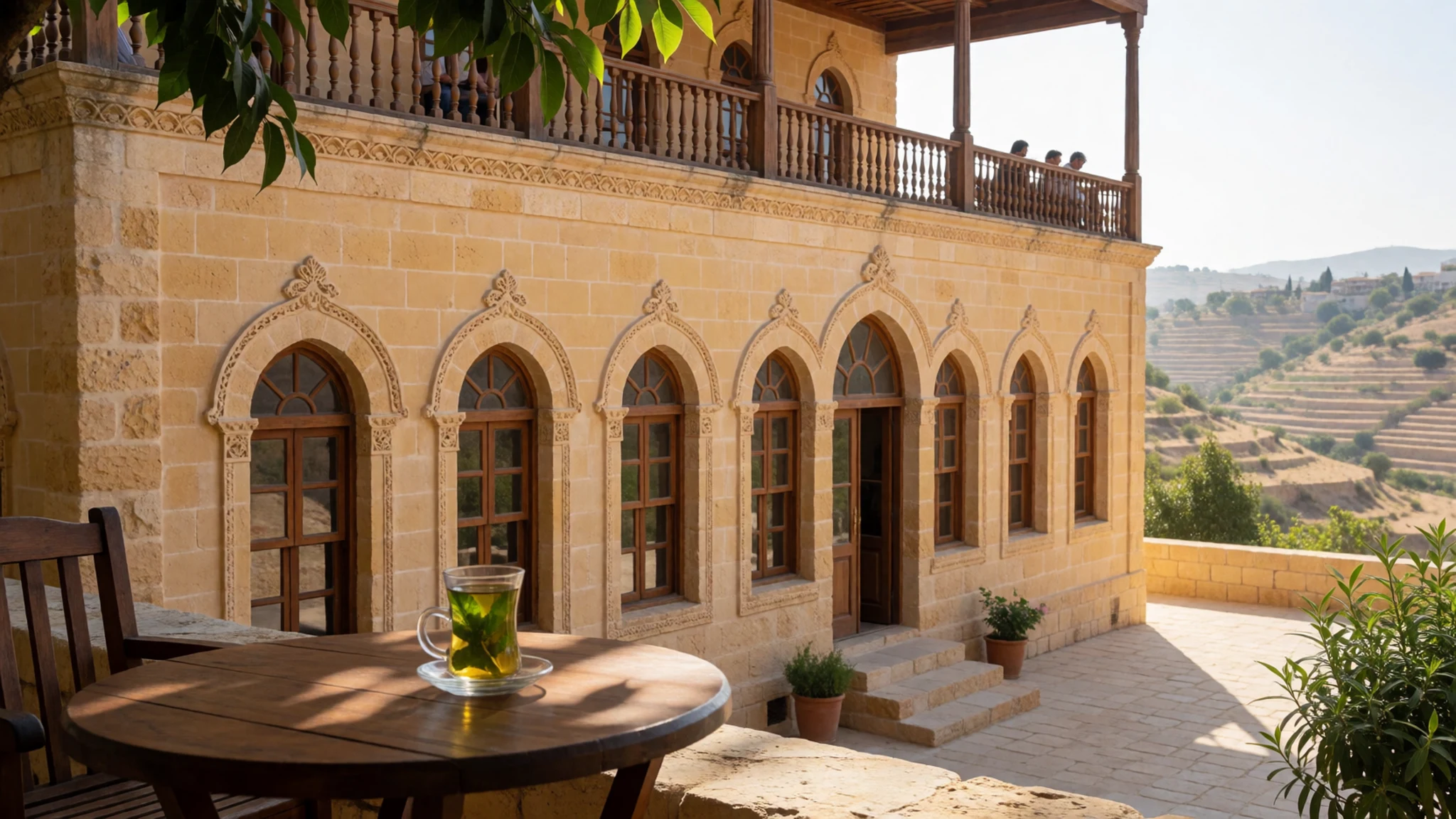
- Salt Archaeological Museum
The Salt Archaeological Museum focuses on what remains from earlier periods in and around the city. It’s a solid way to connect the streets outside with the deeper timeline underneath—especially if the heat makes long outdoor walks less fun.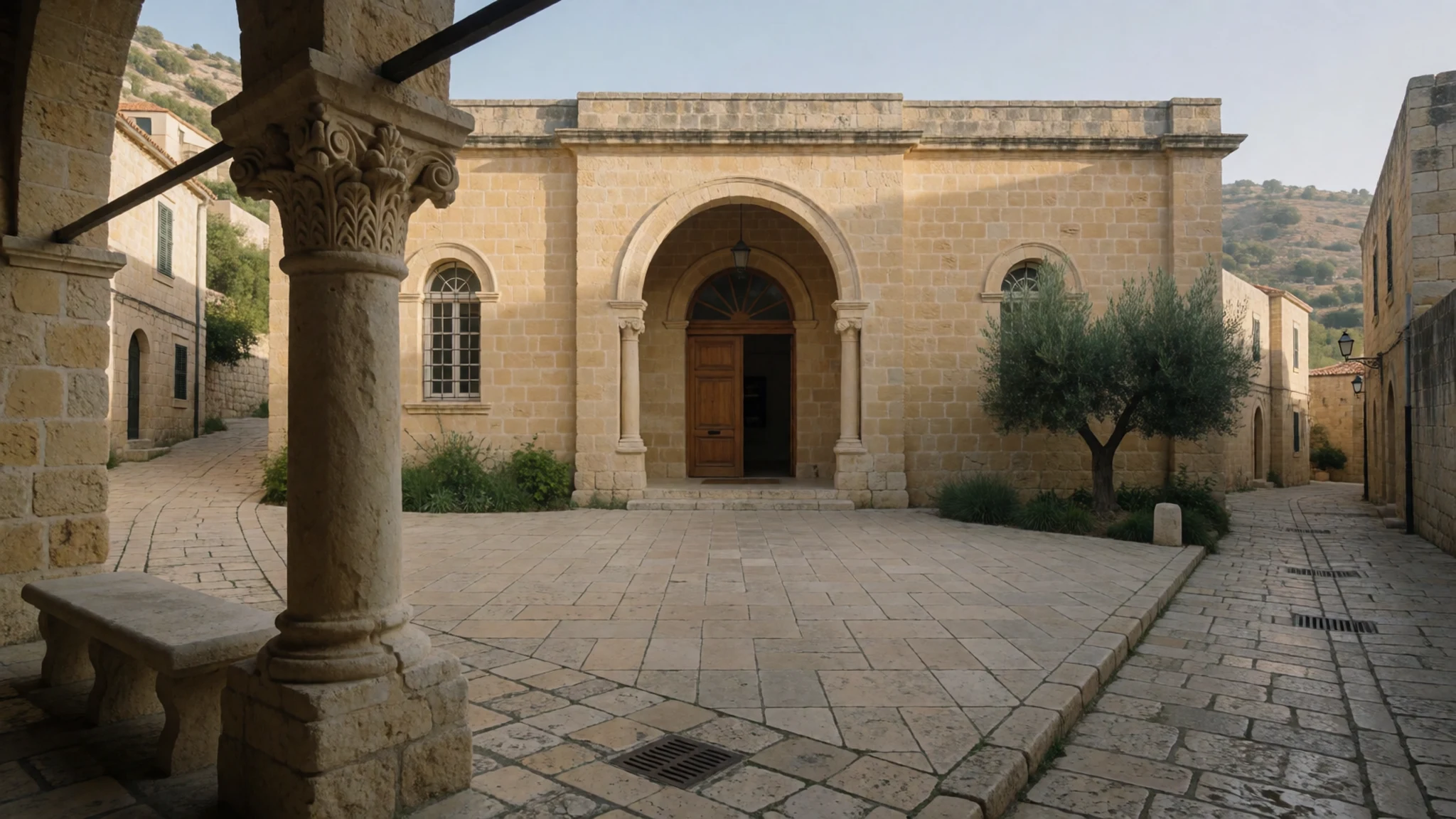
- As-Salt castle
The castle area ties Salt together—hilltop views, defensive history, and the sense of how the old settlement was positioned above the surrounding valleys. It’s one of the places where you can read the town’s shape in a glance, then return down to the streets.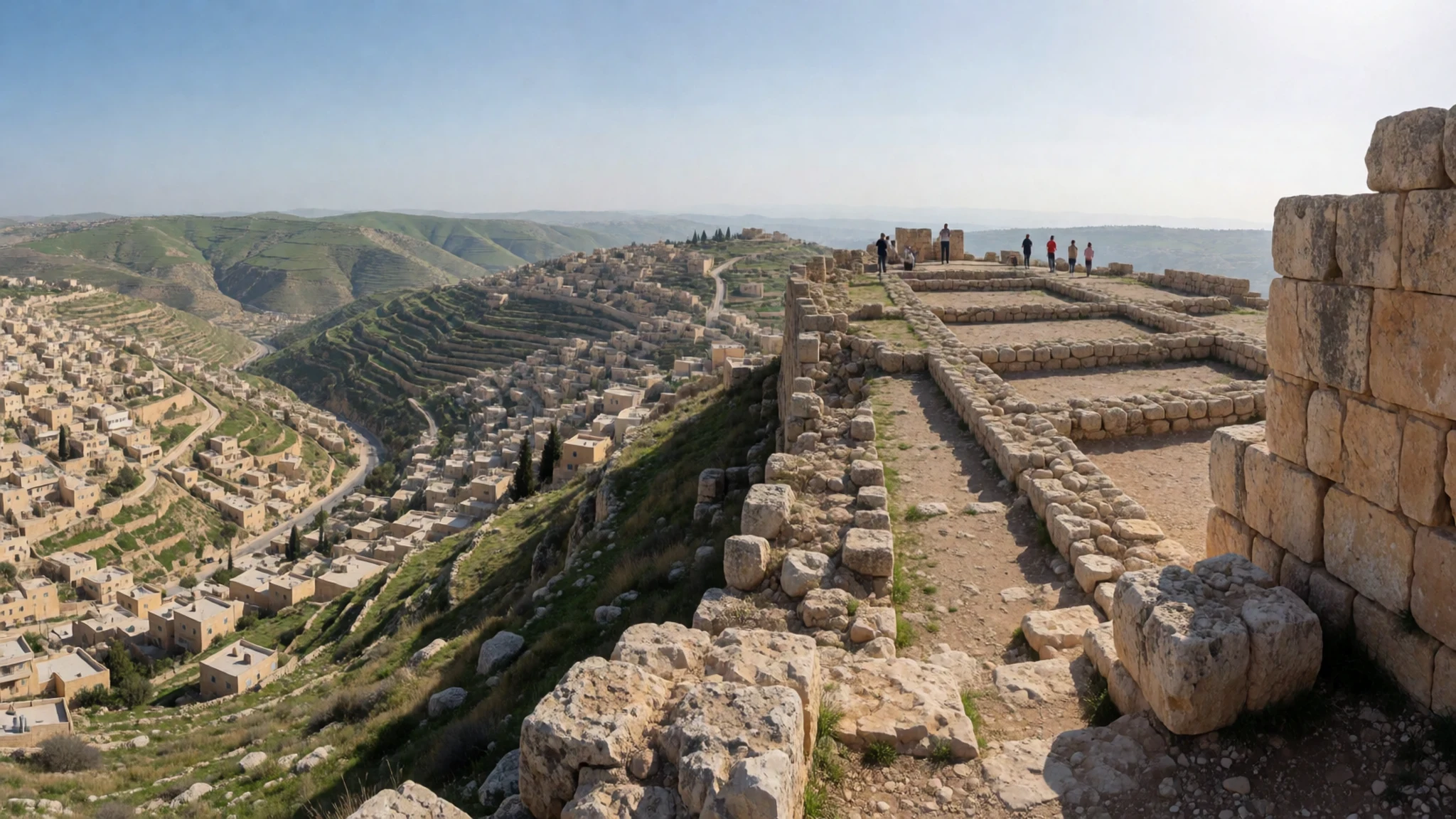
- Beit Mismar (House of the Mismar family)
Beit Mismar is a historic, two-storeyed house associated with the Mismar family, built in yellow limestone and adapted over time. The exterior is memorable, and the site helps you understand how prominent families lived on the hillside before today’s visitor trail.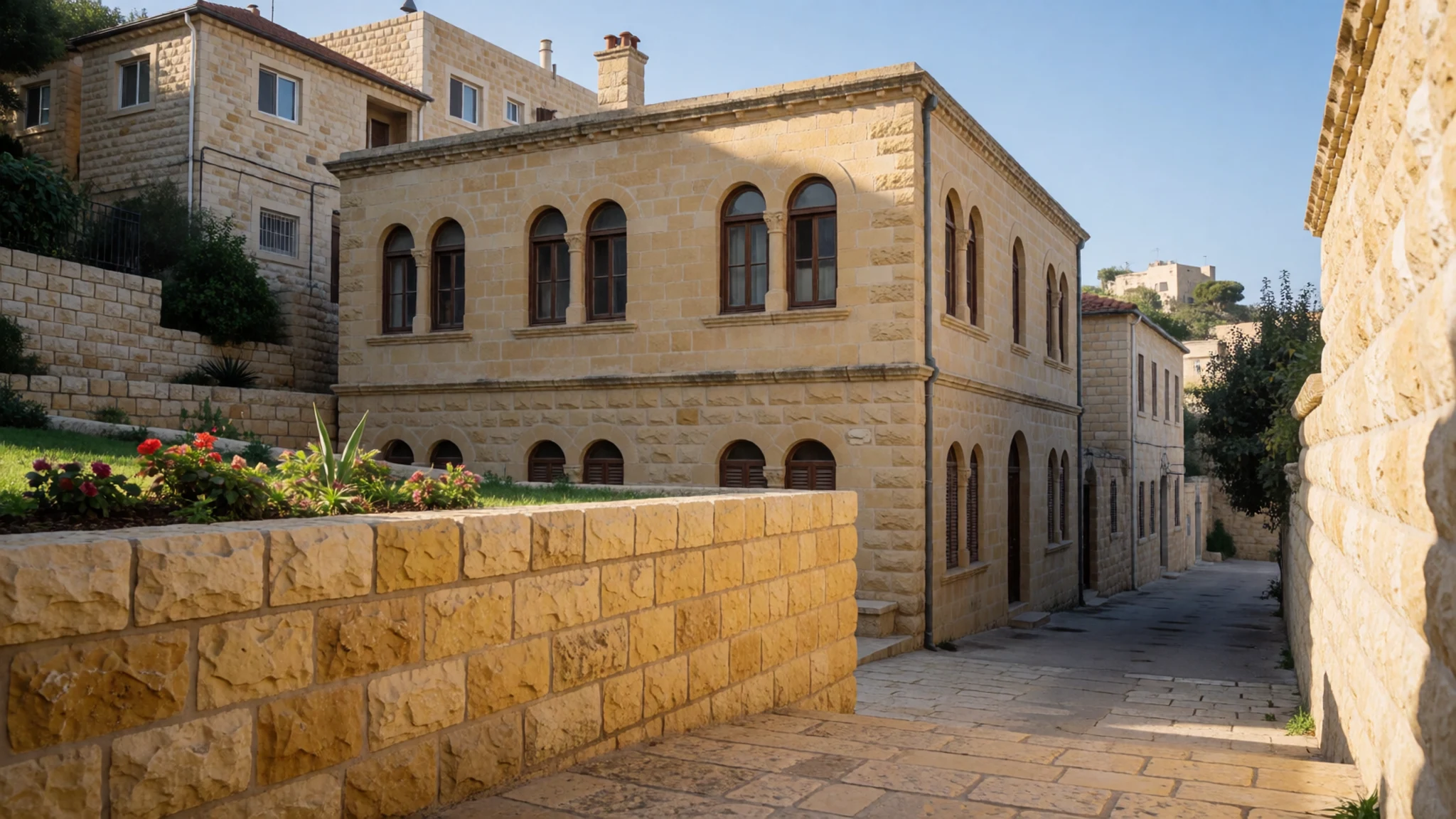
Culture
Salt’s culture is quietly stitched into everyday behaviour: people move between shops and homes in older stone lanes, and heritage sites are often treated as part of community life rather than just “attractions”. The UNESCO status makes the planning feel more considered, but the vibe on the ground is still local—tea, conversation, and the slow rhythm of hill streets.
You’ll notice the town’s identity in architecture and in how the past is presented. Restored houses and museum spaces give context to what you see walking around: the settlement’s long lifespan, the mix of rulers over centuries, and how water access mattered for living and gardens.
Photography is common, but it’s worth being respectful around people at entrances and inside museum rooms, where staff and visitors want to move without interruptions. Dress is generally casual in town, yet shoulders and knees are safer choices when you enter heritage spaces or religious buildings.
Visitor etiquette: Keep voices down inside museums, ask before photographing people up close, and dress modestly at heritage and religious entrances.
What to wear
In Salt, traditional dress is most visible in everyday life during cultural events, while day-to-day looks are a mix of modest Jordanian styles and practical travel clothing. Traditional clothing in the region is often based around long garments—frequently with a flowing robe style—and head covering that varies by person and setting. Textiles tend to be woven or printed, with colours chosen for both weather comfort and personal preference.
What people wear now: in the older quarters, you’ll commonly see long dresses or long tops paired with trousers, plus lightweight layers for temperature changes. During cooler months, a warmer layer matters; in sunnier stretches, breathable fabrics help.
What visitors should wear: comfortable walking shoes with grip are essential for stone steps and uneven lanes. Bring a light layer for early mornings and evenings, and consider a scarf or shawl for covering shoulders or hair when entering heritage or religious spaces. If visiting in warmer weather, wear sun-protective clothing and carry water, because shade can be intermittent on hillside streets.
What to eat
- Chicken from Al Salaam — On the street where Al Salaam has a visible English sign in Salt
Al Salaam, on the main street area, is known for its chicken dishes and is easy to spot thanks to the English sign. It’s a straightforward option for a filling meal after museum time.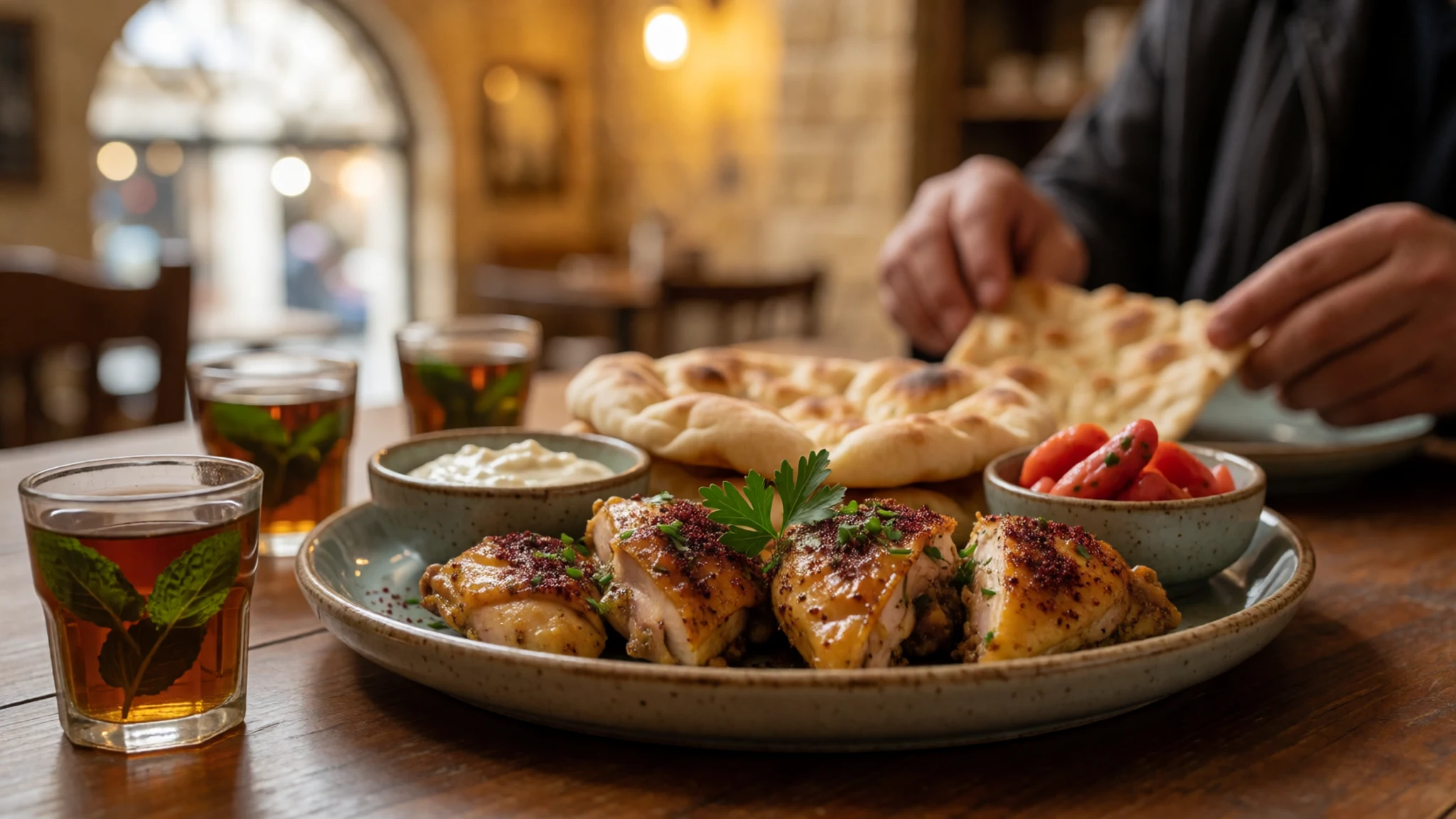
Plan it
Best time. March–April and October–November are the best months for Salt because temperatures are more comfortable for walking around the hills; summer sun can be tough at elevation.
How long. 2–3
Getting there. Reach Salt by bus from Amman, then use local walking/taxis for the final approach inside the hill town.
Budget. mid
Tips
- Start outdoor sights early in the day to avoid the strongest sun on stone lanes
- Plan your route around the hills: museums and house sites are closer than the castle zone, but the terrain makes walking time add up
- Keep some cash on hand for smaller stalls and tea spots, even if larger places take cards
- Carry water—Salt’s altitude means you may feel cooler at first, but you still dehydrate in sun
- If visiting around busy weekends, expect short waits at popular historic-house viewpoints
Etiquette
- Dress modestly when entering heritage sites and any religious spaces
- Be considerate around people seated for tea; avoid blocking doorways or filming over heads
- Ask before photographing individuals, especially inside smaller museum rooms
Nearby
Sources
- Wikidata Q867586 (CC0)
- Wikipedia (rev 1382955469) (CC BY-SA 4.0)
- Wikivoyage (rev 4266327) (CC BY-SA 4.0)
- Photo photos/01-as-salt.jpg (CC BY 3.0)
- Photo photos/02-as-salt-2.png (CC BY 3.0)
- Photo photos/03-flag-of-greater-salt-municipality.png (CC BY-SA 1.0)
- Photo photos/04-al-salt-city.jpg (CC BY-SA 4.0)
- Photo photos/05-as-salt-old-town-stairs.jpg (CC BY 3.0)
- Photo photos/06-al-salt-city.jpg (CC BY-SA 4.0)
- Photo photos/07-beit-mismar-front-2026-09.jpg (CC BY 4.0)
- Photo photos/08-salt-jordan.jpg (CC BY 3.0)


