Russian Arctic National Park
Russian Arctic National Park, Russia
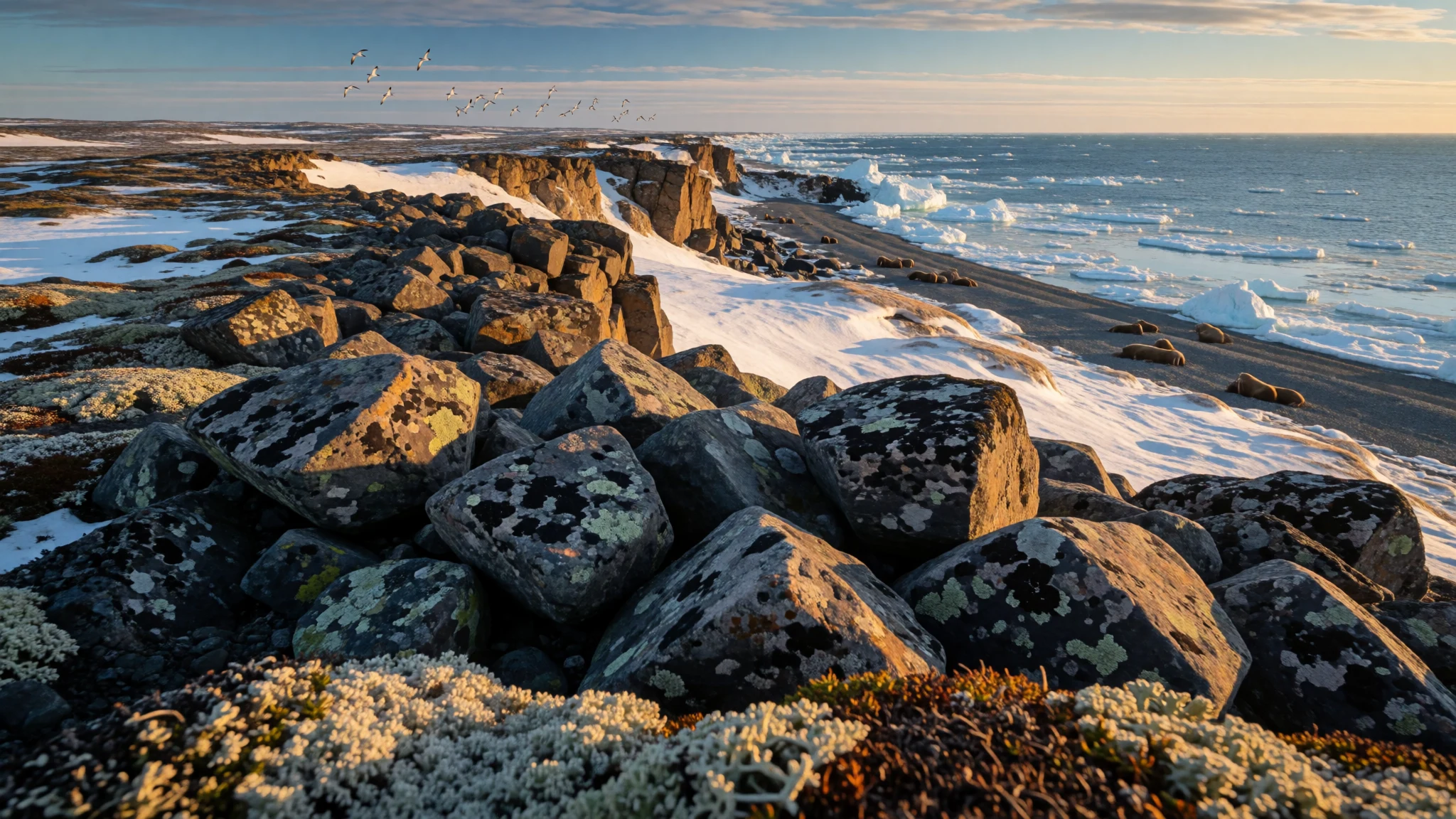
Russian Arctic National Park is remote Arctic theatre—ice, islands and wildlife—plus a real human story of exploration and cleanup.
The place
Russian Arctic National Park (Национальный парк «Русская Арктика») is a big, hard-to-reach protected area of Russia, stitched together across the Arctic Ocean and two main zones: the northern part of Severny Island on Novaya Zemlya and all of Franz Josef Land (including Victoria Island). It was established in June 2009, and later expanded in 2016, so the park’s feel is less “single sightseeing loop” and more “several far-north worlds” sharing the same stark climate and wildlife rhythms.
The landscape reads like a collection of postcards that refuse to stay still: sea ice and open water, rock that shows through snow, and coasts shaped for breeding birds and hauling-out animals. The park is known for wildlife such as polar bears and bowhead whales, and for the huge congregations of seabirds that build entire communities during short Arctic seasons. Walrus and seal rookeries add that unmistakable low, earthy thump of animals turning and breathing on the rocks.
What makes the place more complicated than “just nature” is that it’s also a history of ships, stations, and long-ago efforts to settle the Arctic—followed by modern work to deal with the mess left behind. The result is a park where you can see pristine habitat in the morning and a reminder of human impact later in the day, often from the same coastline.
Access isn’t spontaneous. The park requires a special permit, and most visitors encounter it via organised Arctic travel (commonly by cruise), with daylight, weather and ice deciding what’s possible.
Its story
Russian Arctic National Park’s story starts before the park name existed. In 1994, Russia created the Franz Joseph Land Conservation Area on Franz Josef Land, laying the groundwork for protection in this high-latitude region. In the 2000s, plans gathered momentum for a broader protected area covering northern Novaya Zemlya and Franz Josef Land.
The park’s official chapter begins on 25 June 2009, when it was established, with Franz Josef Land and Victoria Island handled separately at that time. The idea behind the announcement wasn’t only conservation; it also carried hopes for developing Arctic tourism. When Vladimir Putin visited the archipelago in 2010, he framed the conditions in blunt terms, describing the area as contaminated with a huge legacy of Soviet-era waste.
By 2011, the protected area expanded to include Franz Josef Land, bringing the park’s geography closer to the “combined” vision travellers often imagine when they picture the Russian Arctic. Then came the long cleanup phase. Starting in 2012, Russia undertook a three-year project aimed at removing more than 100,000 tonnes of waste accumulated from earlier decades—an effort that involved everything from stored industrial materials to abandoned infrastructure.
Today, the park’s history sits right alongside its wildlife. Polar bears, walruses, seals, seabirds and bowhead whales share the same cold ocean spaces that drew human attention for centuries. It’s a reminder that Arctic tourism isn’t only about seeing animals; it’s also about visiting places where the boundary between wilderness and human history is very thin.
What to see
- Walrus haul-outs — Northbrook Island (Franz Josef Land zone)
Russian Arctic National Park is where you can spot walruses hauled out on rocky islands, often in loose clusters as they rest and shift with the tide. If the landing is gentle, the animals feel close—then the sea ice and distance make it feel very remote again. Great on calm, clear light days.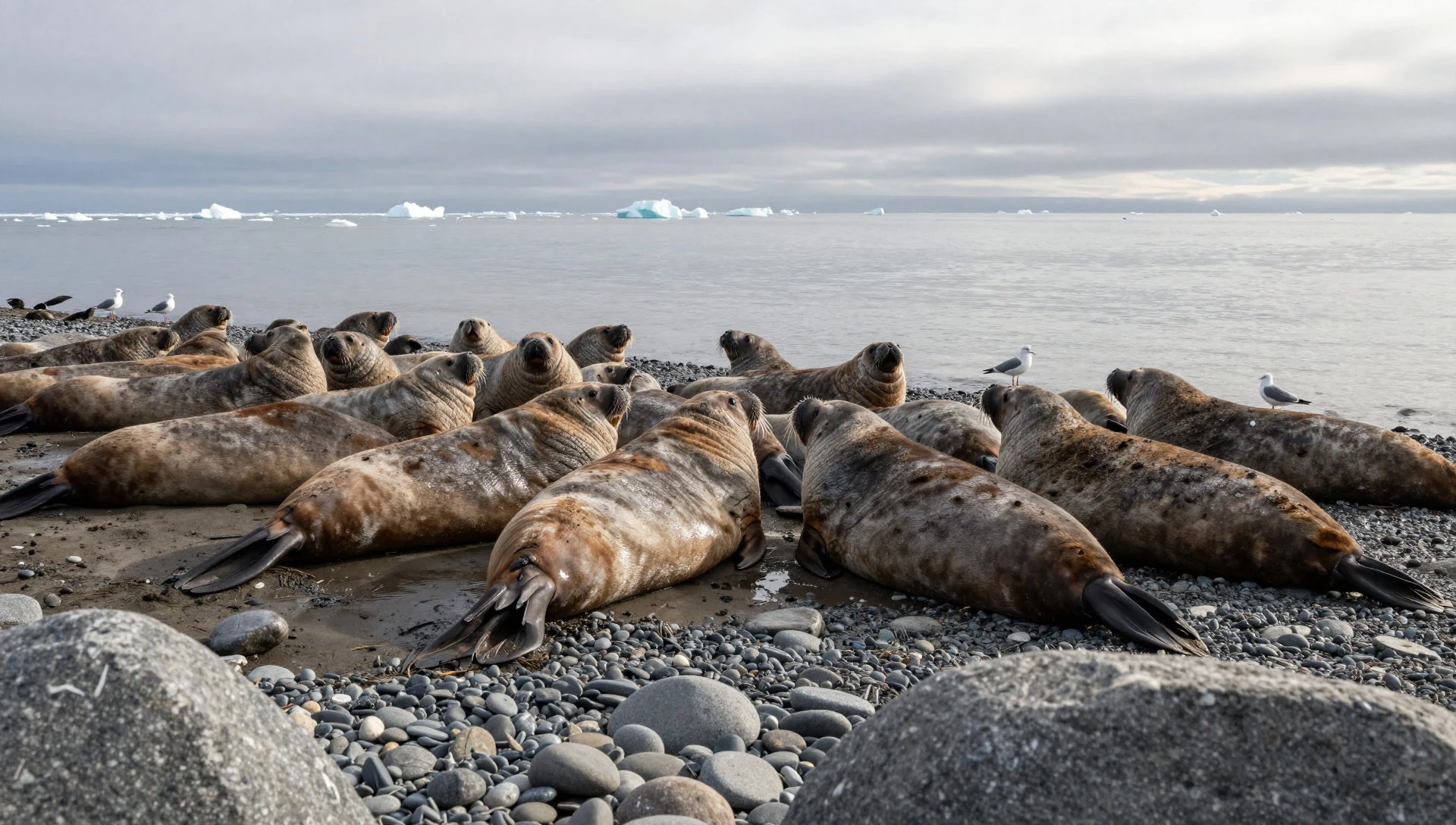
- Novaya Zemlya coastline and tundra — Northern part of Severny Island (Novaya Zemlya zone)
Novaya Zemlya’s northern coasts within the park can look like a patchwork of sea, stone and tundra. You’ll see the Arctic Ocean pressed hard against the land, with low vegetation and winter-still colours. It’s a landscape that doesn’t need dramatic peaks to feel huge.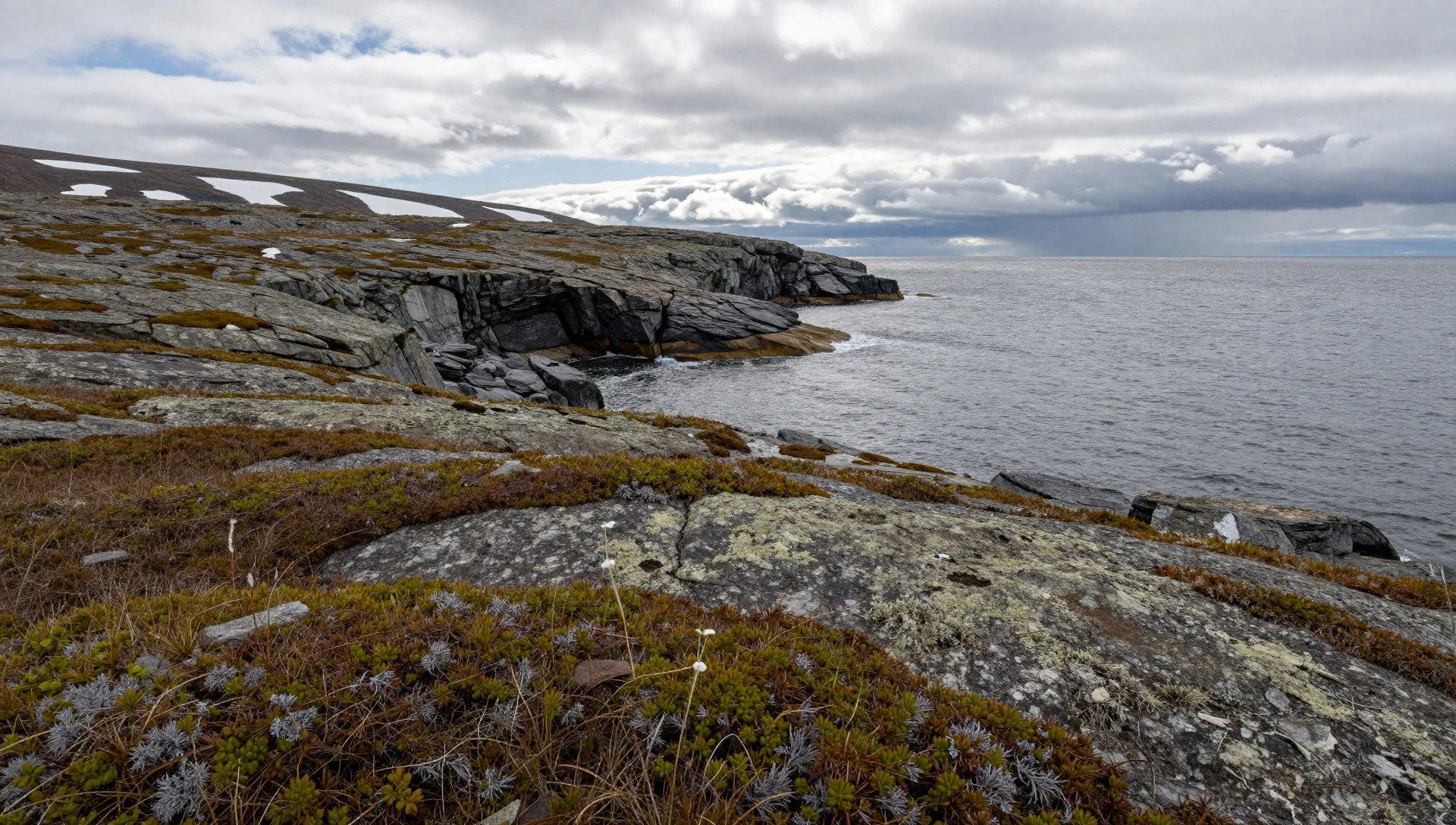
- Bird colonies in the high Arctic — Arctic Ocean coasts across both zones
One of the signature experiences in the park is watching large bird colonies form in the short high-Arctic season. The air can feel busy even when the rest of the scenery stays quiet: wings above cliffs, bodies packed on ledges, and constant movement that makes the colony feel alive rather than “a site”.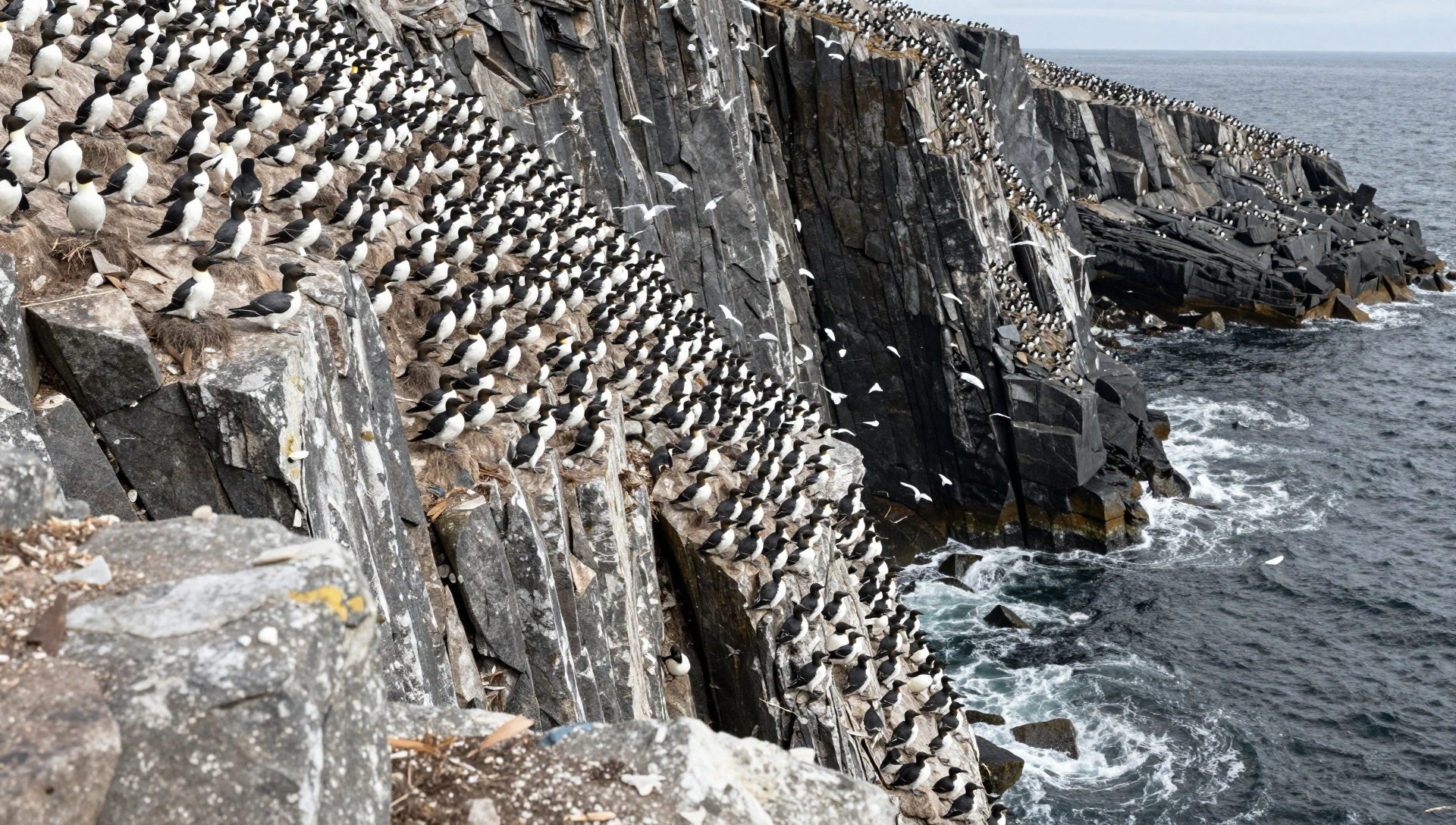
- Arctic fox moments — Novaya Zemlya tundra edges (Severny Island area)
Along tundra margins and quieter shorelines, an arctic fox can suddenly appear as a moving dot against pale ground. The sightings are brief, but they’re often unforgettable: quick pauses to watch the landscape, then a smooth run into cover. Keep your eyes on the low terrain, not just the skyline.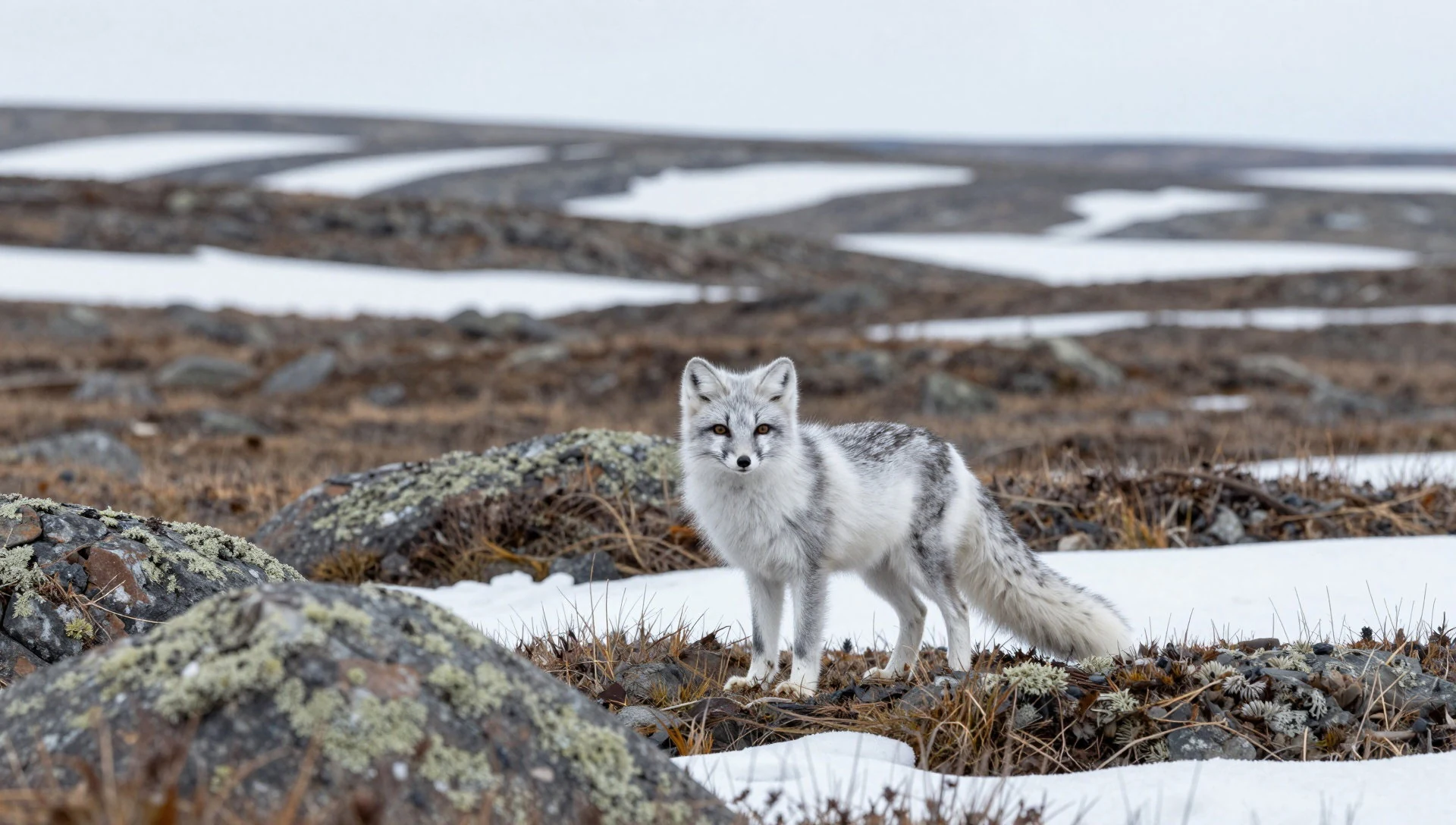
- Franz Josef Land seascapes — Franz Josef Land archipelago
Franz Josef Land delivers the full Arctic “ocean + islands” mood: cold water horizons, scattered rocks, and the sense that the map ends soon. Boats and landings frame the view, so the scenery feels cinematic even without monuments. Expect changing conditions as ice and weather shift through the day.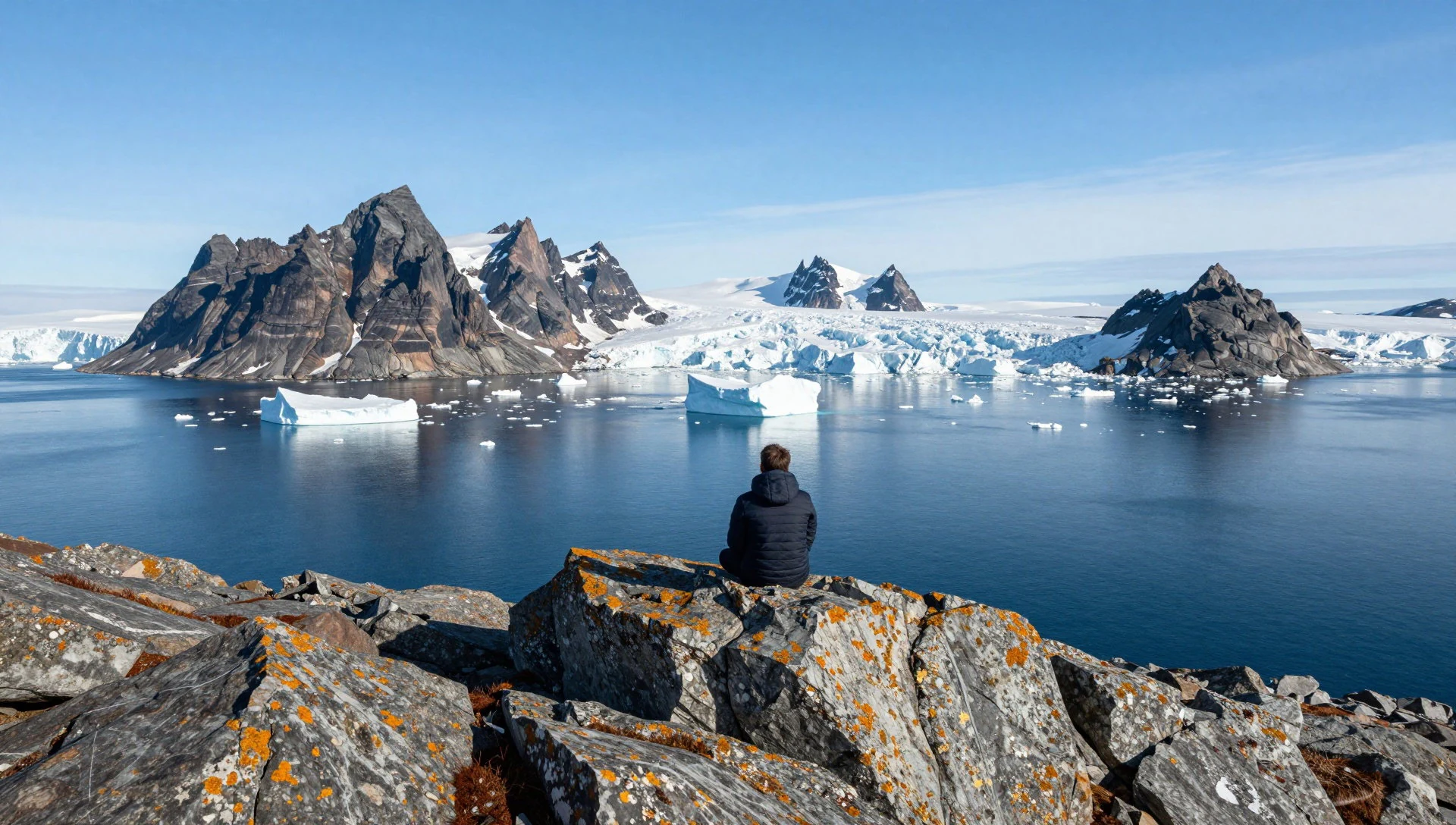
- Ice-and-bear country (from the deck) — Arctic Ocean waters within the park
Polar bears are part of the park’s wildlife, and sightings—when luck and ice conditions align—often happen from the water or ship viewpoints. The key is patience: watching for small changes near the edge of sea ice, where animals use stable ground. Even without a sighting, the ice shelf feel is worth the time.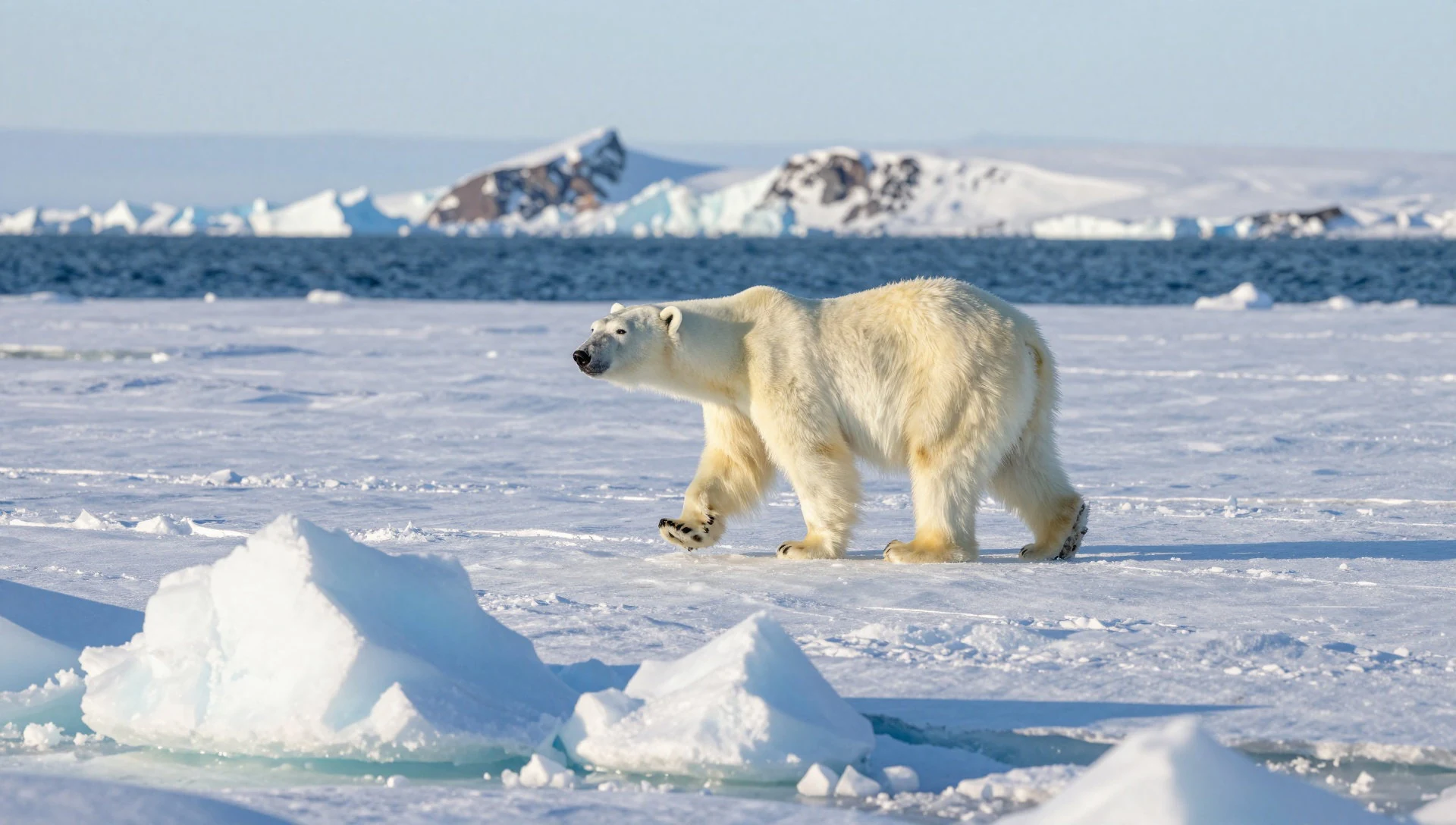
Culture
Russian Arctic National Park isn’t built around towns or museums; its culture is carried by history and by how people manage an environment that’s both remote and fragile. The park links to the story of discovery and colonisation beginning in the sixteenth century, and to the later reality of industrial footprints that were left behind. The modern cleanup effort is part of that same narrative arc: conservation here means not only protecting wildlife habitat, but also addressing pollution and waste in a region where it’s hard to “just leave it”.
Because access is controlled and travel is organised, the “local culture” you’ll notice most is the etiquette of Arctic operations—quiet behaviour during wildlife viewing, respectful distance, and an understanding that weather and sea state can change plans quickly. You’ll also encounter the park as a working conservation space, where background logistics (permits, monitoring, safe landings) quietly keep the experience possible.
Visitor reality check: this isn’t a place for casual wandering, and crowds are usually low compared with classic European destinations—but the boats can still feel busy during brief landings. Go with flexible expectations and a calm, observant mindset.
Respect local rules for protected areas and keep quiet and back from wildlife to avoid disturbing habitats.
What to wear
In Russian Arctic National Park, clothing is about staying warm and dry rather than looking good in photos. Traditional dress in the broader Arctic region includes layered, insulated garments made from natural fibres, often worn by Indigenous peoples in colder climates; for this visit, think of the underlying principle—layers and wind protection—more than specific names.
What people wear now on typical Arctic travel days is practical: thermal base layers, fleece or wool mid-layers, an insulated jacket, and windproof trousers. A hat that covers the ears, thick gloves, and warm socks matter more than fashion accessories. Footwear needs grip for wet or icy boarding steps and tundra landings; many travellers choose insulated, waterproof boots.
For visitors, dress for the sea and the wind, not just the air temperature: bring layers that you can vent when you’re climbing on and off boats. If you’re landing on rocky ground, expect slush or meltwater even outside midsummer, and plan for changing conditions—especially with Arctic wind chill.
Wear layered, windproof, waterproof clothing and bring warm gloves and boots with good grip for icy landings.
What to eat
- Hot drinks and soup-style meals on expedition vessels — Onboard meals during cruise journeys
On Arctic cruises to Russian Arctic National Park, most food is organised by the trip operator. Expect warming breakfasts and hearty, spoon-friendly meals—often including soup or broth—because comfort matters when the wind cuts and you’ve been outside in layers.
- Fish-and-seafood based plates — Onboard dining and expedition catering
Seafood features heavily in high-latitude menus, and it’s a common theme across expedition-style travel. Look for fish and other seafood dishes prepared in warming, simple ways—think gentle cooking and filling portions rather than light salads.
- Hearty bread, grains and warming sides — Onboard buffet or sit-down meals
In cold-weather travel, you’ll usually see bread, grains and starchy sides designed to keep energy up between outings. These are the practical “fuel foods” of Arctic days: easy to eat quickly, comforting, and helpful after a chilly landing. - Seasonal desserts and sweet snacks — Onboard dessert service and packed snacks
A good expedition meal usually closes with something sweet, plus snacks for long viewing sessions. It’s not about variety; it’s about calories and morale when the daylight schedule is tight and temperatures stay stubbornly low. - Packable lunch items for excursions — Picnic-style lunches provided for excursions
During landings and wildlife-watching windows, lunch often comes in convenient, packable forms—so you can eat without losing time outside. Expect items that tolerate cold and wind, served as part of the day’s excursion routine.
Plan it
Best time. March–April for crisp shoulder-season conditions and colder, dimmer weather; June–August for the warmest (and generally most comfortable) stretch of the year, with the most rain in summer, and long Arctic daylight. Late autumn from October to November is colder and darker again, with lower temperatures and less comfortable conditions than summer. The park’s best months are listed as [6, 7, 8].
How long. 3–4
Getting there. A common route is to start with a major northern gateway city and then join a cruise itinerary into the park’s zones. In 2021, cruises operated from Helsinki, Murmansk, Tromsø, Longyearbyen (Svalbard), and Kirkenes (Norway); the operator will handle the protected-area logistics and final approach.
Budget. high
Tips
- Book through a reputable expedition operator early; in remote Arctic travel, available cabins and permits can sell quickly.
- Expect the schedule to bend to ice and weather: plan for shorter viewing windows and flexible landing times.
- Carry a dry layer in your day bag for after landings; wet gear is a fast route to feeling cold.
- If you’re prone to motion sickness, prepare before boarding—boat days can be long and you’ll be on deck for wildlife scanning.
Etiquette
- Keep a respectful distance from wildlife and follow any crew instructions about where to stand.
- Stay quiet during sightings and avoid sudden movements when animals are nearby.
- Do not leave litter or disturb natural surfaces on tundra and coasts.
Nearby
Sources
- Wikidata Q586348 (CC0)
- Wikipedia (rev 1362902721) (CC BY-SA 4.0)
- Wikivoyage (rev 4970746) (CC BY-SA 4.0)
- Photo photos/01-.jpg (CC BY-SA 4.0)
- Photo photos/02-qp8a6282.jpg (CC BY-SA 4.0)
- Photo photos/03-qp8a2538.jpg (CC BY-SA 4.0)
- Photo photos/04-arctic-fox-in-the-russian-arctic-national-park-novaya-zemlya.jpg (CC BY-SA 4.0)
- Photo photos/05-arctic-fox-in-the-russian-arctic-national-park-novaya-zemlya.jpg (CC BY-SA 4.0)
- Photo photos/06-arctic-fox-in-the-russian-arctic-national-park-novaya-zemlya.jpg (CC BY-SA 4.0)
- Photo photos/07-fn2a0289.jpg (CC BY-SA 4.0)
- Photo photos/08-fn2a0499.jpg (CC BY-SA 4.0)


